🌱 Plant Features
- Size:Typically 15–30 cm (6–12 in) tall and 20–50 cm (8–20 in) wide
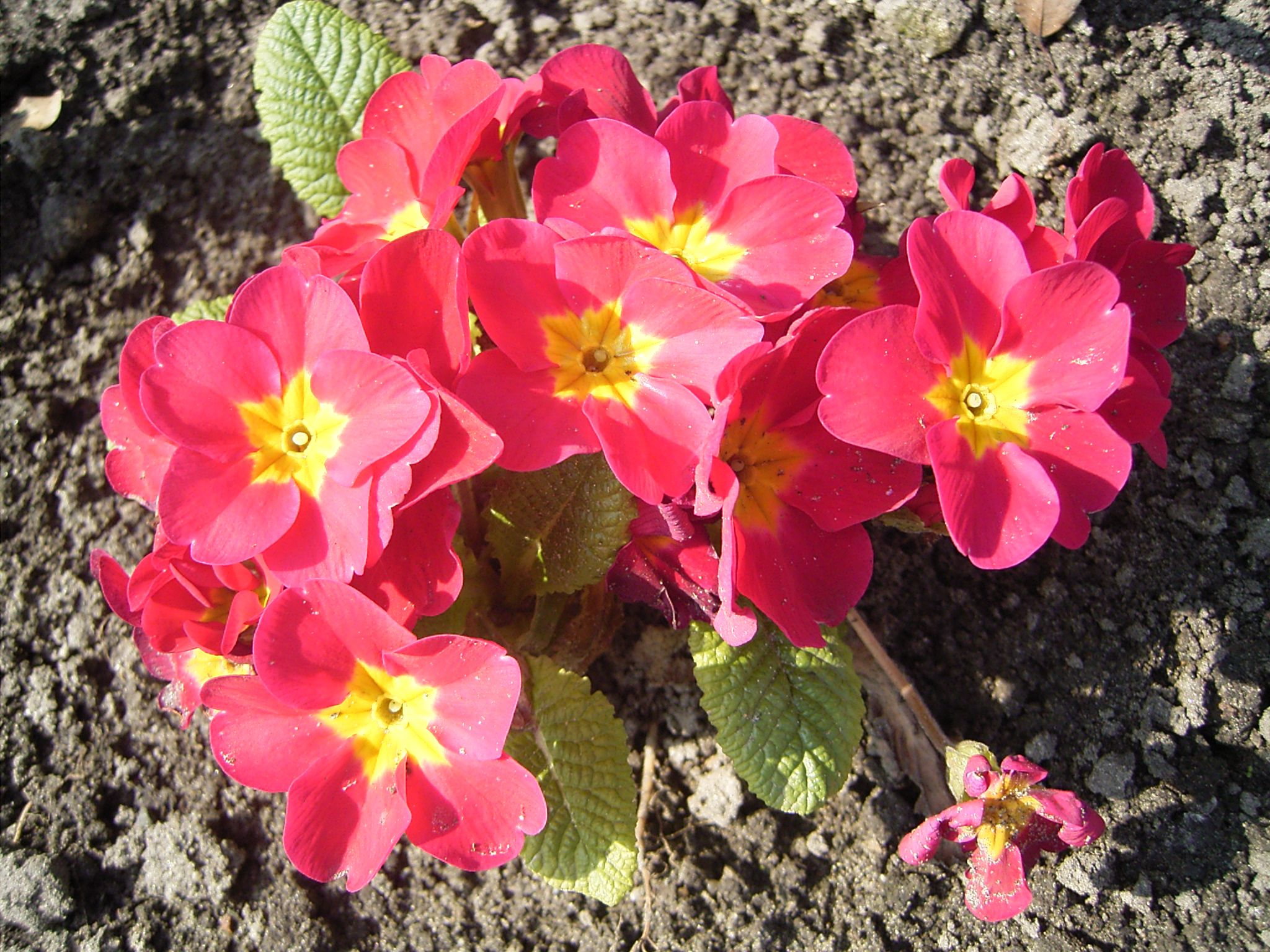
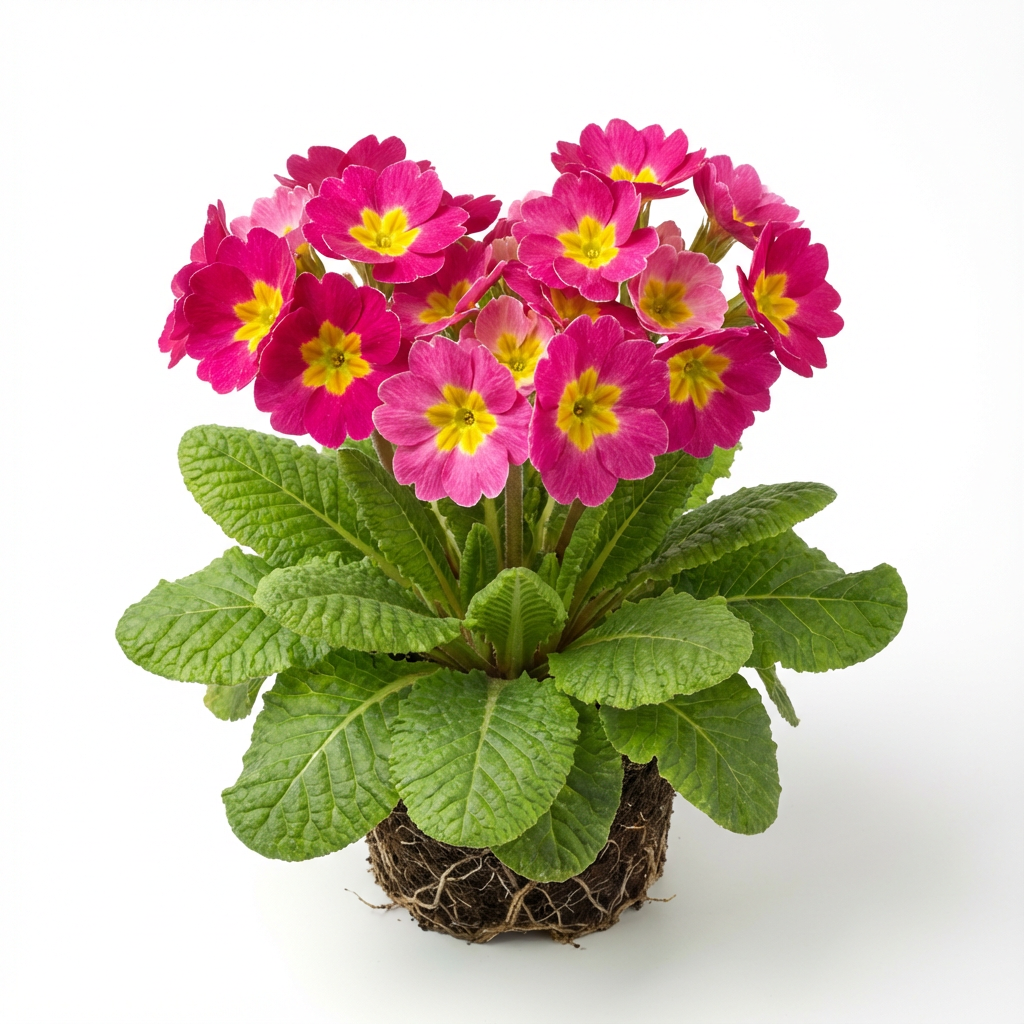
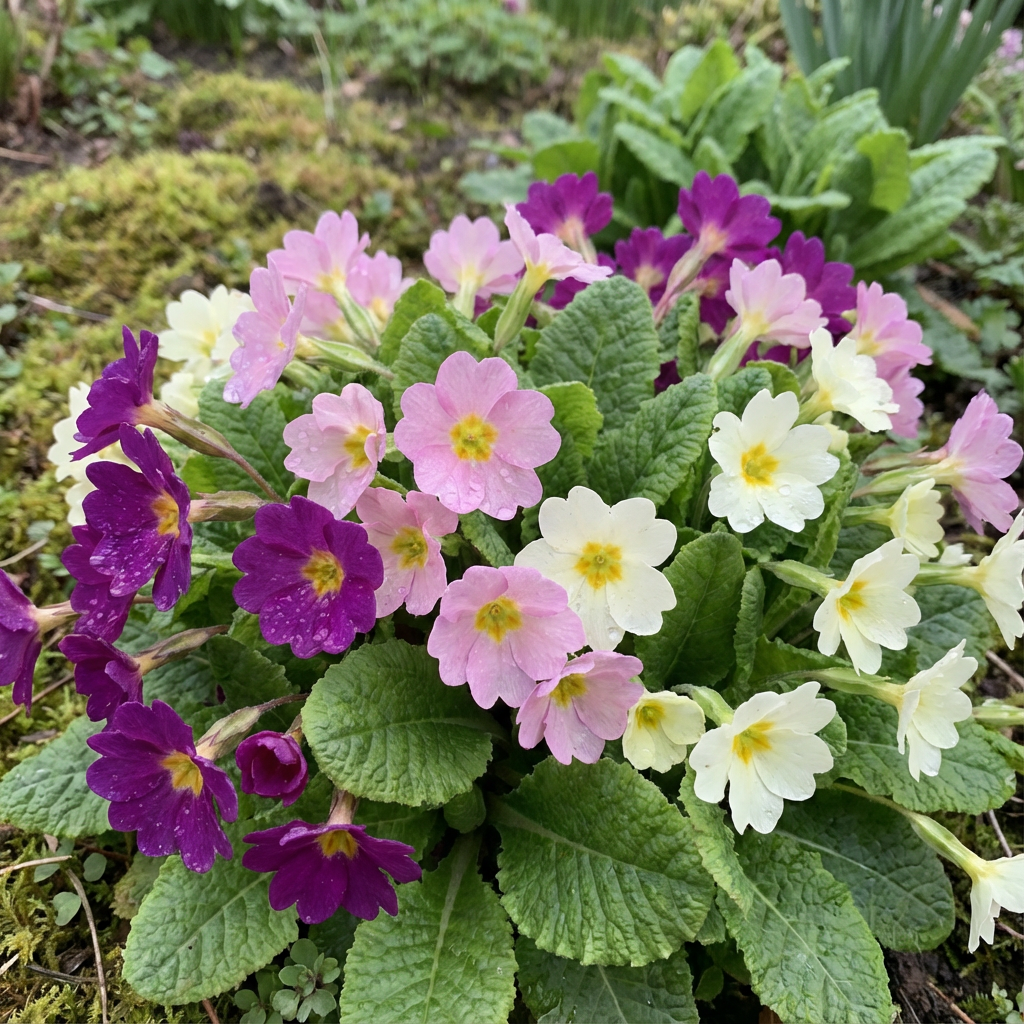
- Foliage:Forms a neat basal rosette of dark green leaves that often look crinkled or wrinkled. Leaves are usually oblong to oval with gently toothed edges, and may be smooth or slightly hairy depending on the species or cultivar.
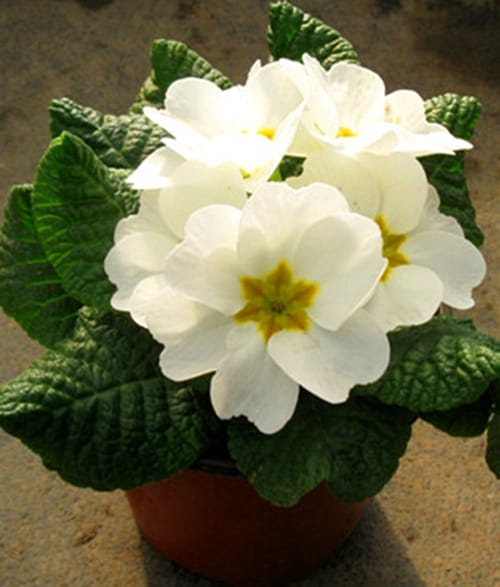
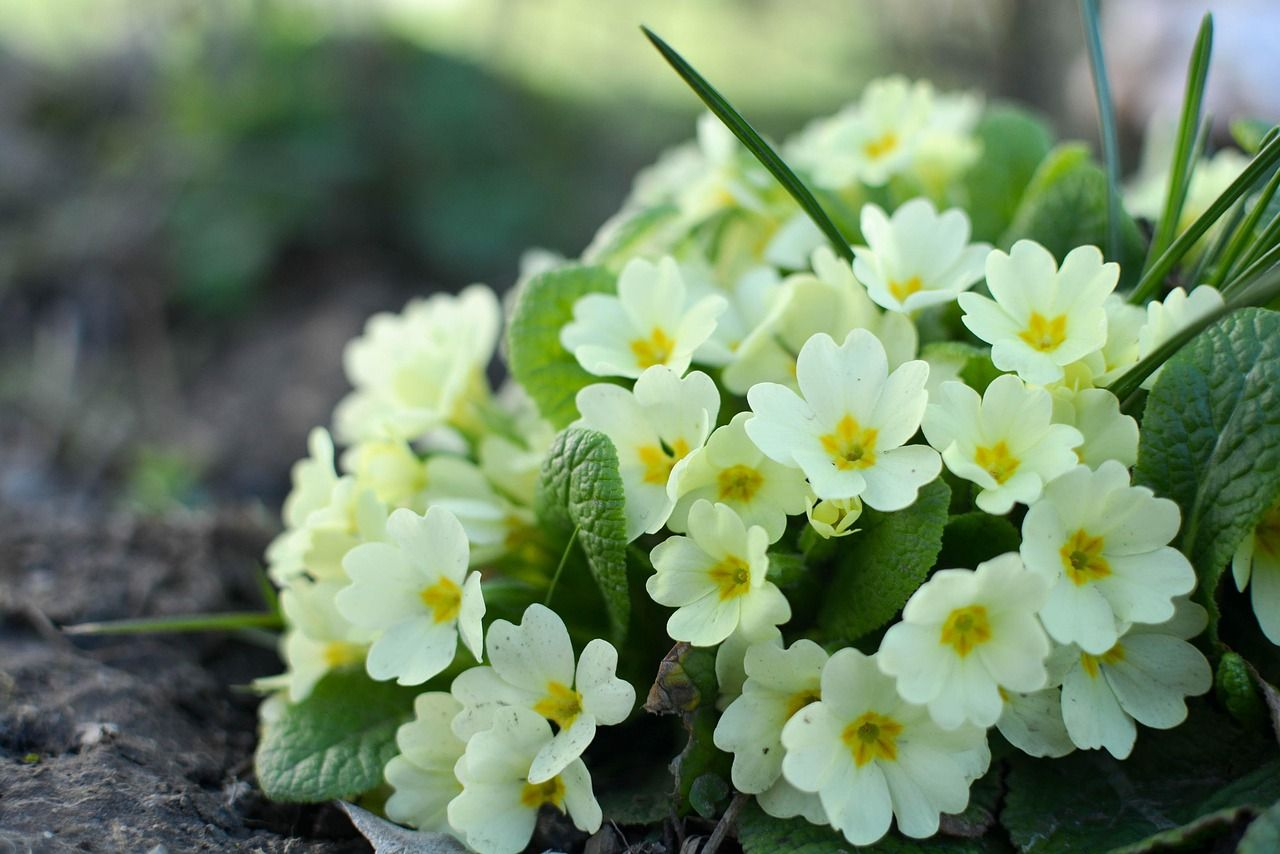
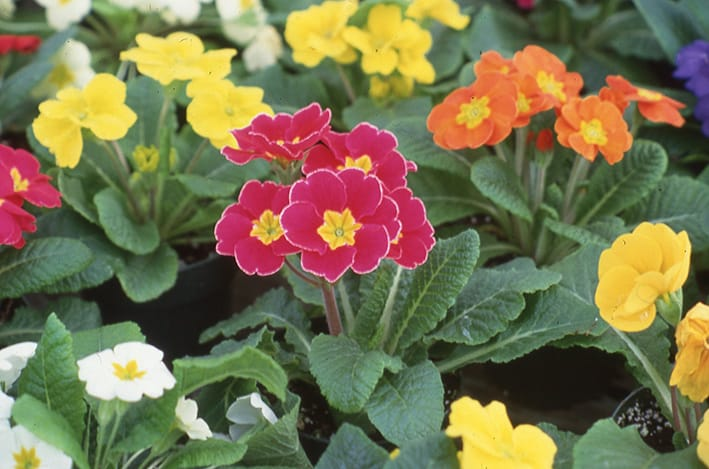
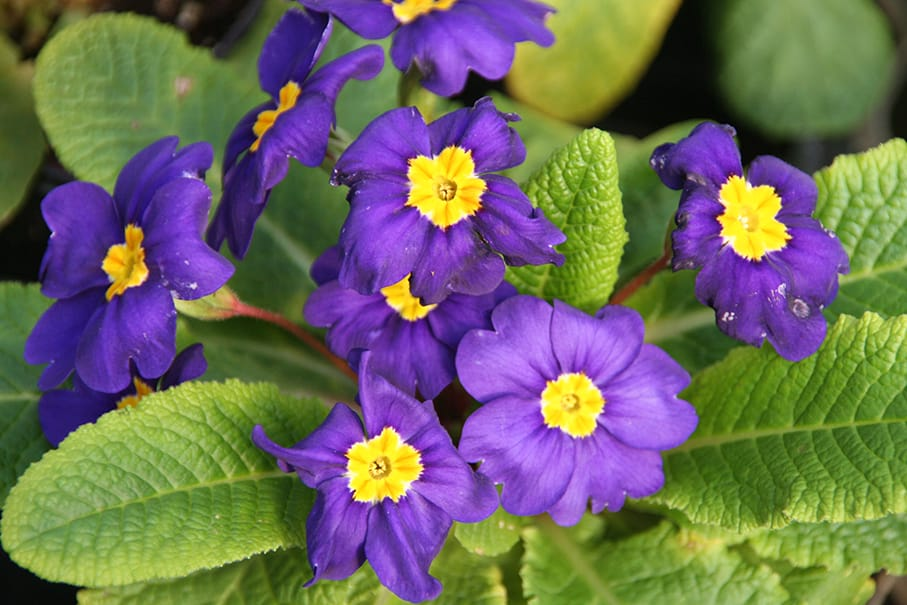
- Flower:Flowers rise above the foliage on sturdy stems, usually in umbel-like clusters. Each bloom is about 2.5 cm (1 in) across with five lobes, and colors can include red, pink, orange, yellow, blue, purple, and white—often with a contrasting yellow “eye” at the center.
- Flowering Season:Early spring (April–May), typically lasting several weeks
- Growth Habit:Low-growing, clumping perennial forming compact rosettes
🌤️ Environment
Sunlight
Partial shade to full shade. In cooler climates it can handle more sun, but in warm areas it appreciates afternoon shade and protection from harsh midday light.
Temperature
Prefers cool conditions: about 10–15°C (50–60°F) at night and ideally below 27°C (80°F) during the day.
Humidity
Enjoys moderate to high humidity and consistently moist surroundings (not dry, hot air).
Soil
Well-draining yet moisture-retentive soil rich in organic matter (leaf mold/compost is ideal). Slightly acidic is preferred, around pH 5.5–6.5.
Placement
Great for woodland gardens, shaded borders, rock gardens, containers, and as underplanting beneath deciduous trees; also suitable for cool, bright indoor spots in bloom.
Hardiness
USDA Zones 3–8 (some species to Zone 2). Generally struggles in hot climates above Zone 9 without winter chill and summer heat relief.
🪴 Care Guide
Difficulty
Easy to moderate: generally beginner-friendly, but happiest when kept cool and evenly moist.
Buying Guide
Buy plants while in bloom so you can choose the exact color and flower form. Pick compact, healthy plants with fresh foliage and no sticky residue, spots, webbing, or other signs of pests/disease.
Watering
Keep soil consistently moist but never soggy. In the ground, aim for about 2.5 cm (1 in) of water per week during dry spells. In containers, water when the top 2.5 cm (1 in) feels dry. Good drainage is essential to avoid crown/root rot.
Fertilization
Feed with half-strength liquid fertilizer every 2 weeks during active growth and flowering. A balanced fertilizer in spring and again in fall also works well, especially for garden plants; containers appreciate more regular feeding.
Pruning
Deadhead regularly to keep the display going and reduce energy spent on seed. Remove yellowing or damaged leaves to keep the plant tidy and improve airflow.
Propagation
Propagate by division (early spring or fall) for the most reliable results and to preserve cultivars. Can also be grown from seed sown in late winter; some types may also be propagated by leaf cuttings.
Repotting
For container primroses, divide and repot about once a year to refresh the soil and prevent overcrowding/root binding.
📅 Seasonal Care Calendar
Spring: Peak bloom—keep evenly moist, deadhead often, and feed lightly. Summer: Provide shade and cool conditions; in heat, some may slow down or go semi-dormant. Fall: Divide if crowded, top-dress with compost, and prepare for winter. Winter: Mulch outdoors in cold regions; indoors, keep plants cool with bright, indirect light and away from heaters.
🔬 Pests, Diseases & Safety
Common Pests & Diseases
Usually trouble-free, but can attract aphids, mealybugs, whiteflies, and (in hot, dry stress) spider mites. Slugs and snails may chew foliage and flowers. Watch for leaf spot, powdery mildew, botrytis (gray mold), and phytophthora/root rot—good airflow, clean watering habits, and avoiding waterlogged soil help prevent most issues.
Toxicity
Toxic to humans and pets (including cats and dogs). Sap/contact may cause skin irritation in sensitive people; keep out of reach of children and animals and wash hands after handling.
🎋 Culture & Symbolism
Symbolism:Often associated with first love, youth, hope, renewal, and new beginnings. In Victorian flower language, primrose could mean “young love” or the sentiment “I can’t live without you.”
History & Legends:The name Primula comes from Latin “prima” (“first”), a nod to its early-season flowering. Primroses have been grown in European gardens for centuries, and folklore—especially in parts of the British Isles—linked primroses with fairies and hidden pathways.
Uses:Mostly grown as ornamentals for spring color in gardens and containers, and sometimes enjoyed as a cool-season indoor bloomer. While primroses have a history in traditional remedies, self-medicating is not recommended due to toxicity and potential skin reactions.
❓ FAQ
Are primroses annuals or perennials?
They’re perennials by nature, returning year after year in suitable climates. In warmer regions (often Zone 9+), they’re frequently treated as seasonal annuals because summer heat can finish them off.
Where do primroses grow best?
Cool, moist, lightly shaded places—think woodland edges, under deciduous trees, or bright shade in containers—paired with humus-rich, well-draining soil.
How do I keep my primrose blooming longer?
Keep soil evenly moist, protect from heat, deadhead spent flowers, and feed gently (diluted fertilizer) during bloom.
Can primroses be grown indoors?
Yes. Give them bright, indirect light and a cool room—around 10–15°C (50–60°F) is ideal—and keep them away from heaters or hot, dry drafts.
Why are my primrose leaves turning yellow?
Common causes include overwatering/poor drainage (leading to rot), general stress from heat, or nutrient issues such as iron deficiency. Check soil moisture and drainage first, then adjust feeding if needed.
💡 Fun Facts
- There are 500+ Primula species, and breeders keep creating new hybrids and color forms.
- Many primroses show heterostyly (pin and thrum flower forms), a clever built-in system that encourages cross-pollination.
- Some types, such as candelabra primroses, actually enjoy wetter ground and can be planted near ponds.
- Drumstick primrose (Primula denticulata) is notably cold-hardy and can survive down to USDA Zone 2.
- Primroses have been popular in European cultivation since at least the 1500s.