🌱 Plant Features
- Size:Typically 1–2.5 m (3.3–8.2 ft) tall; forms upright clumps and can slowly spread via rhizomes when conditions suit it.
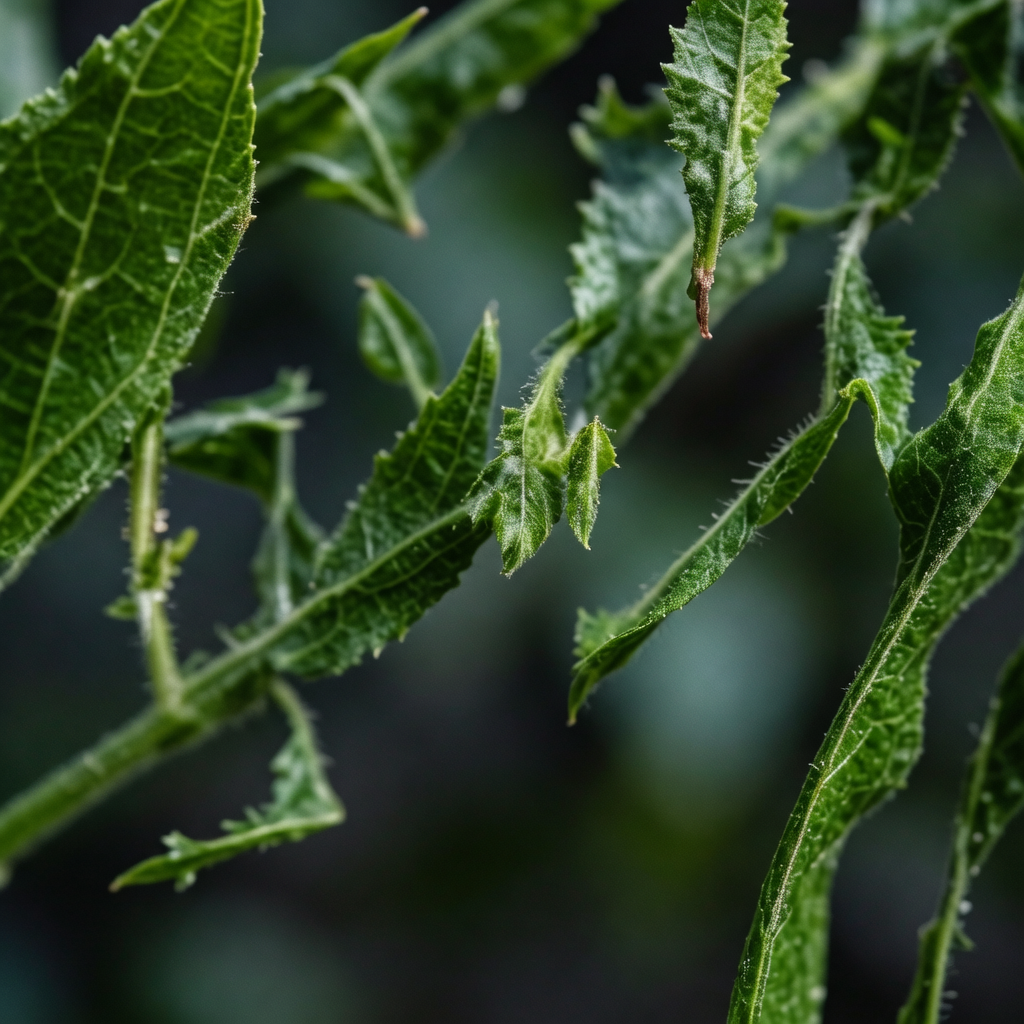
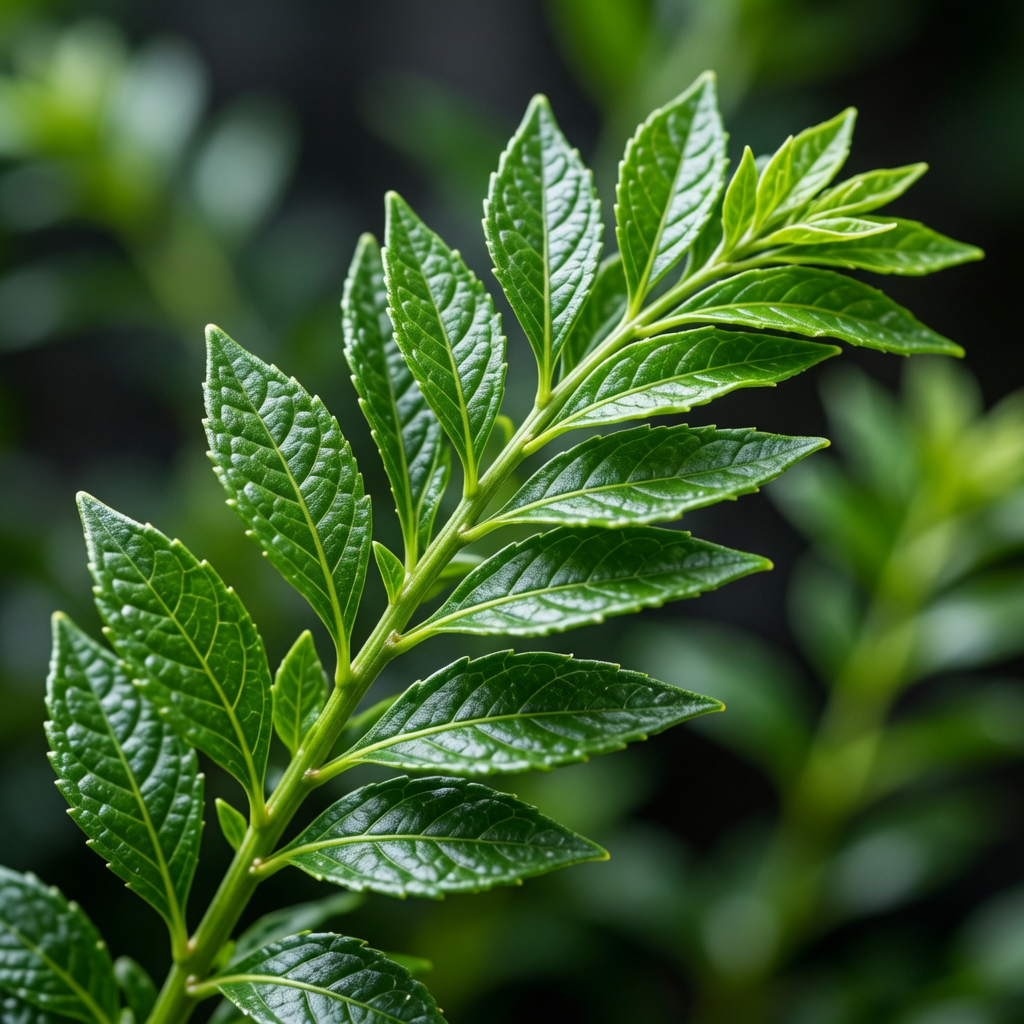
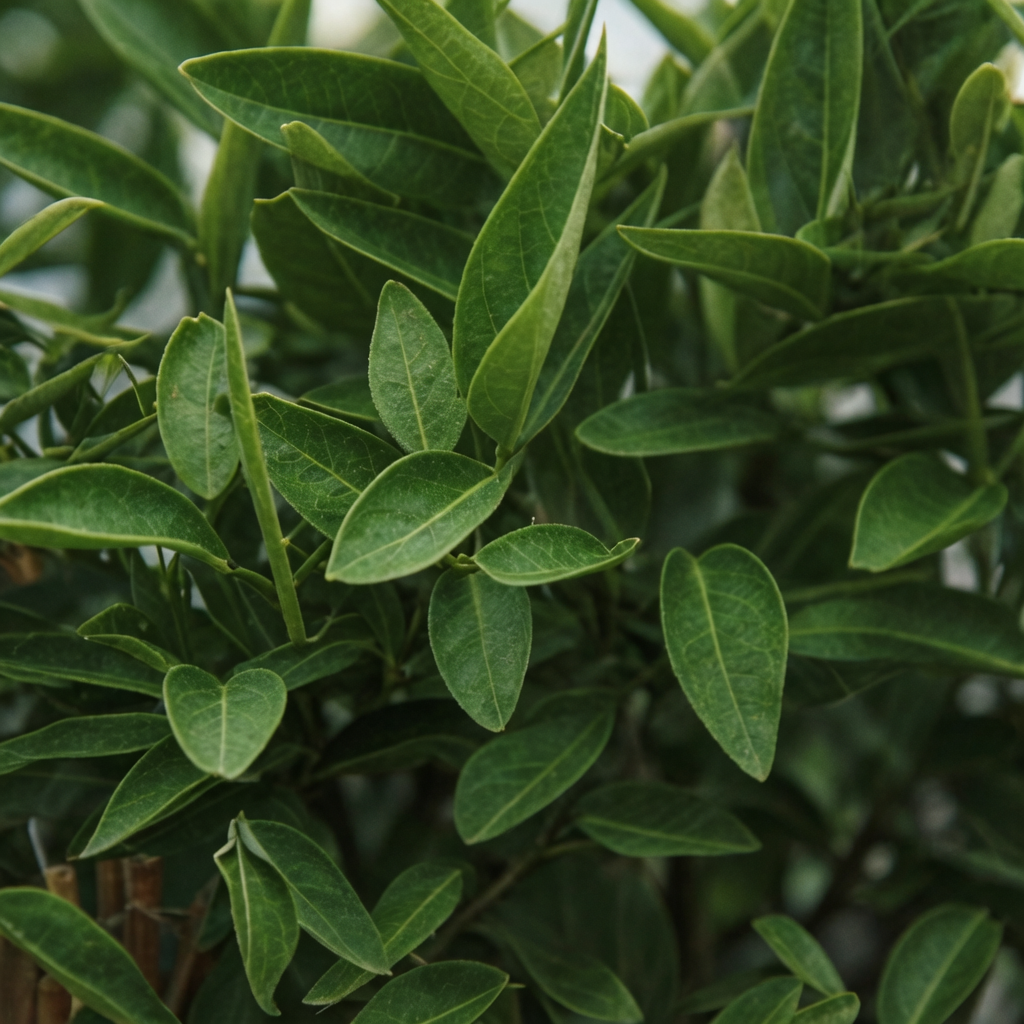
- Foliage:Large ovate-to-lance-shaped leaves up to about 50 cm (20 in) long, with a distinctive powdery, glaucous blue‑gray finish. Leaf margins may show a purplish tint, and both stems and leaves can look lightly “dusted” due to a natural waxy coating.
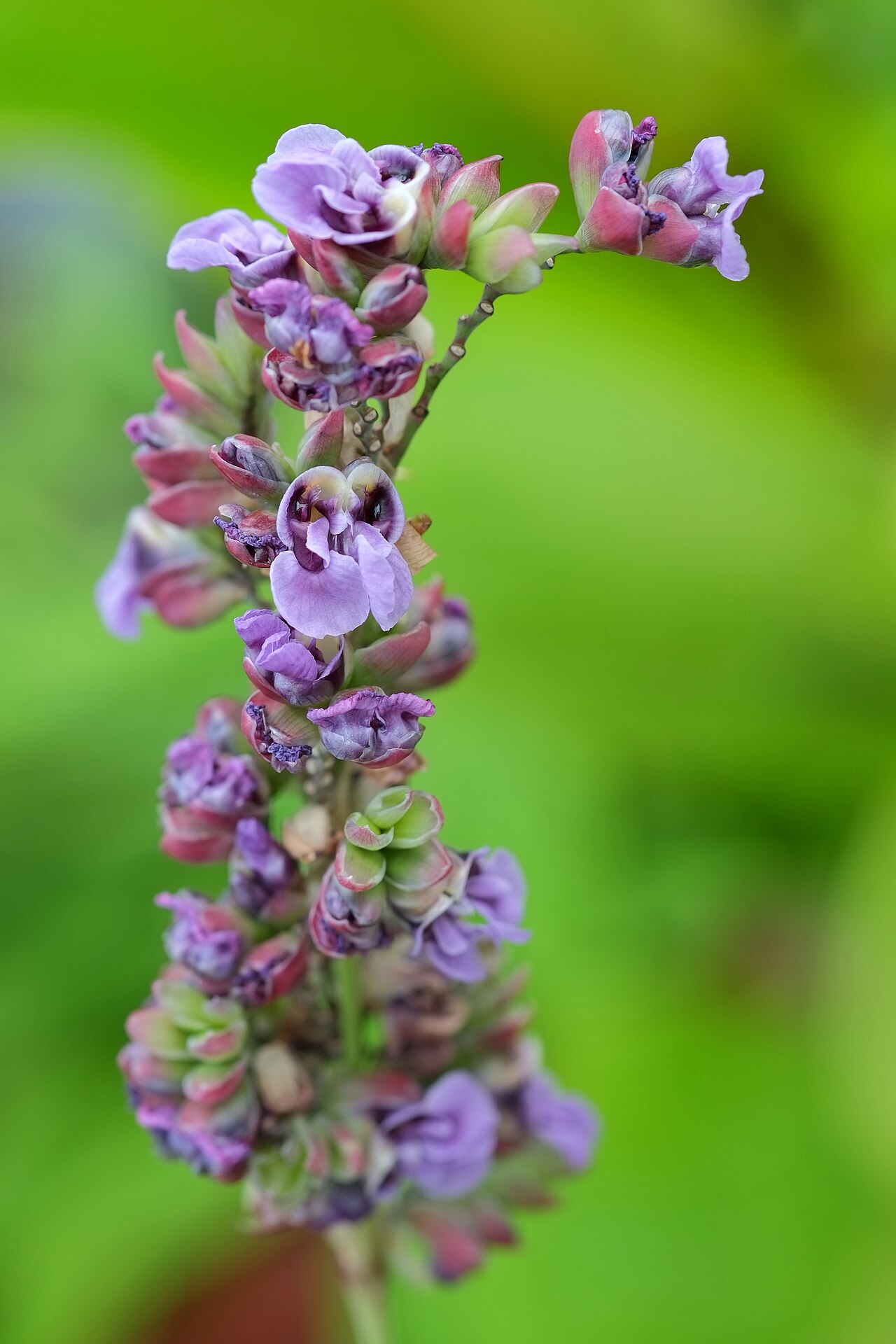
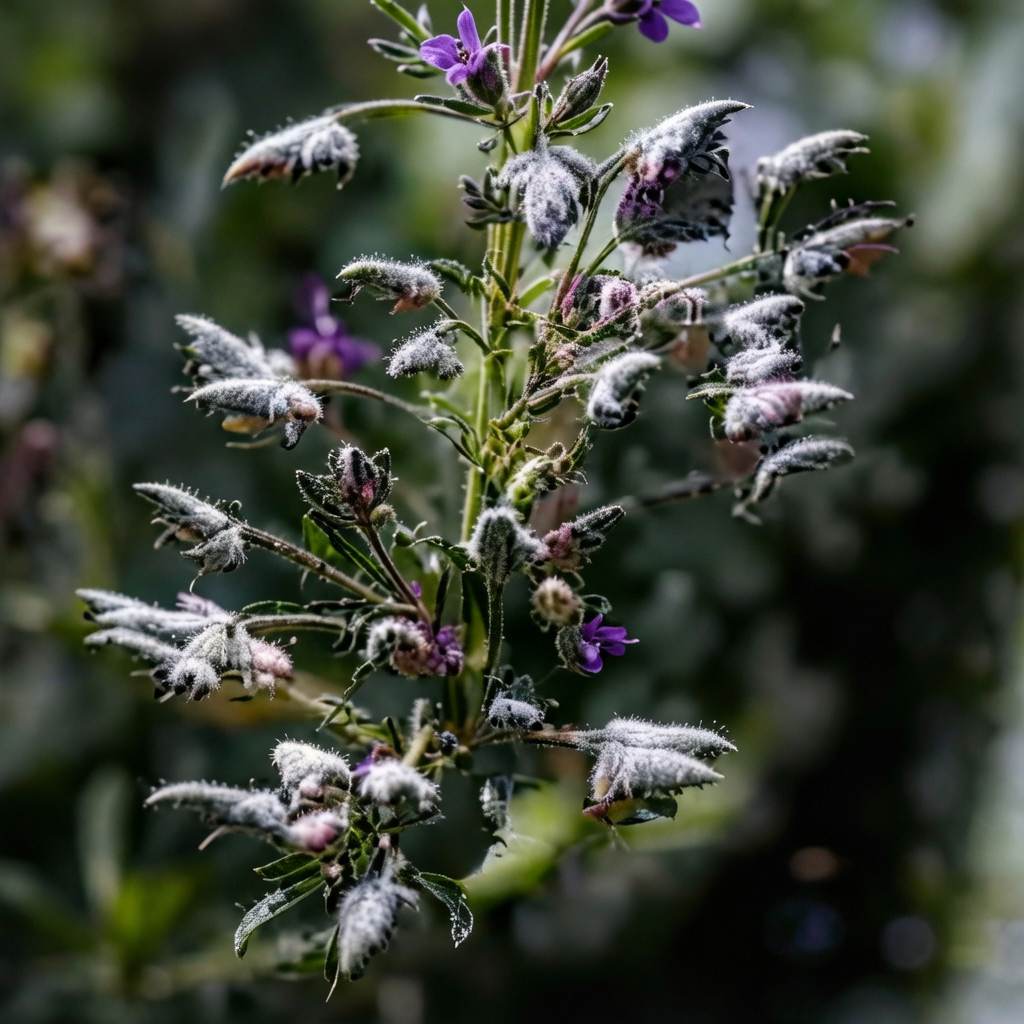
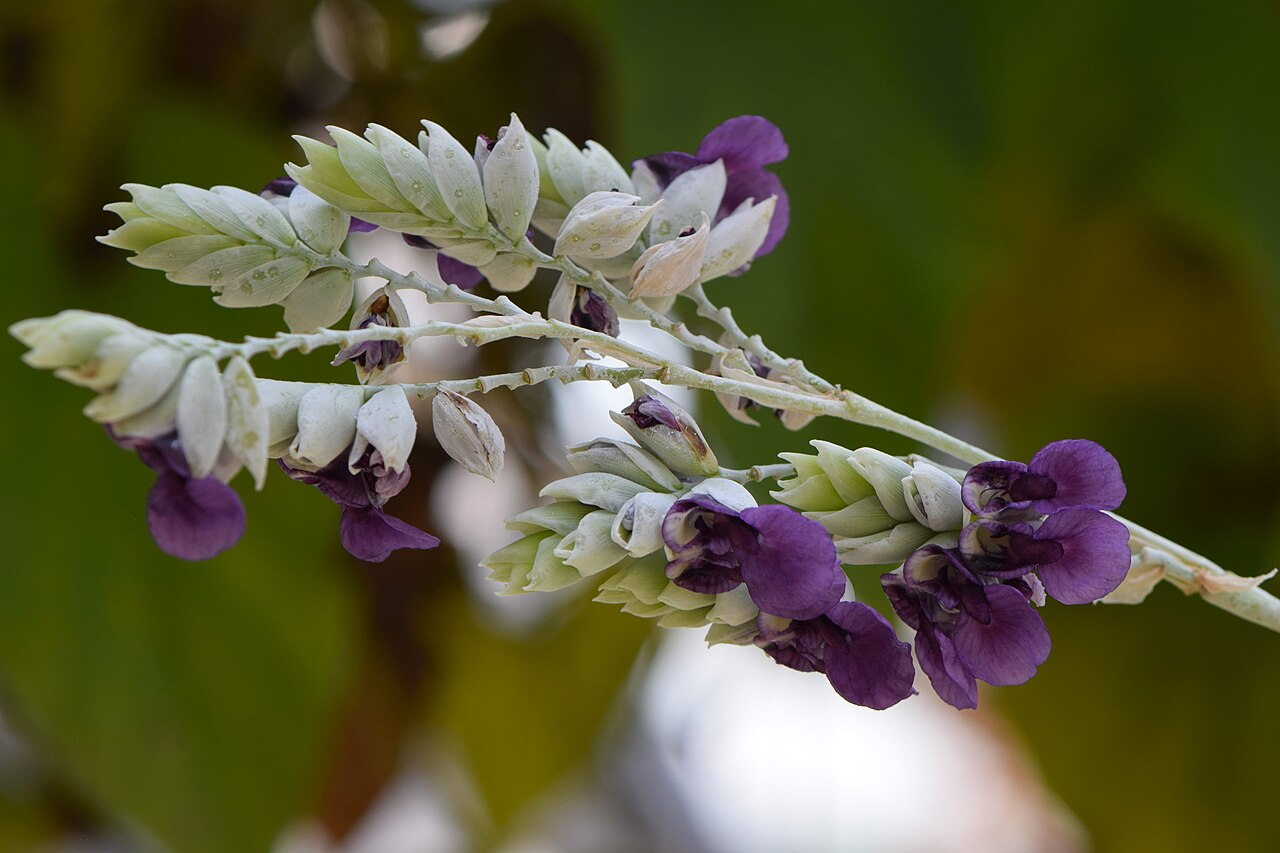
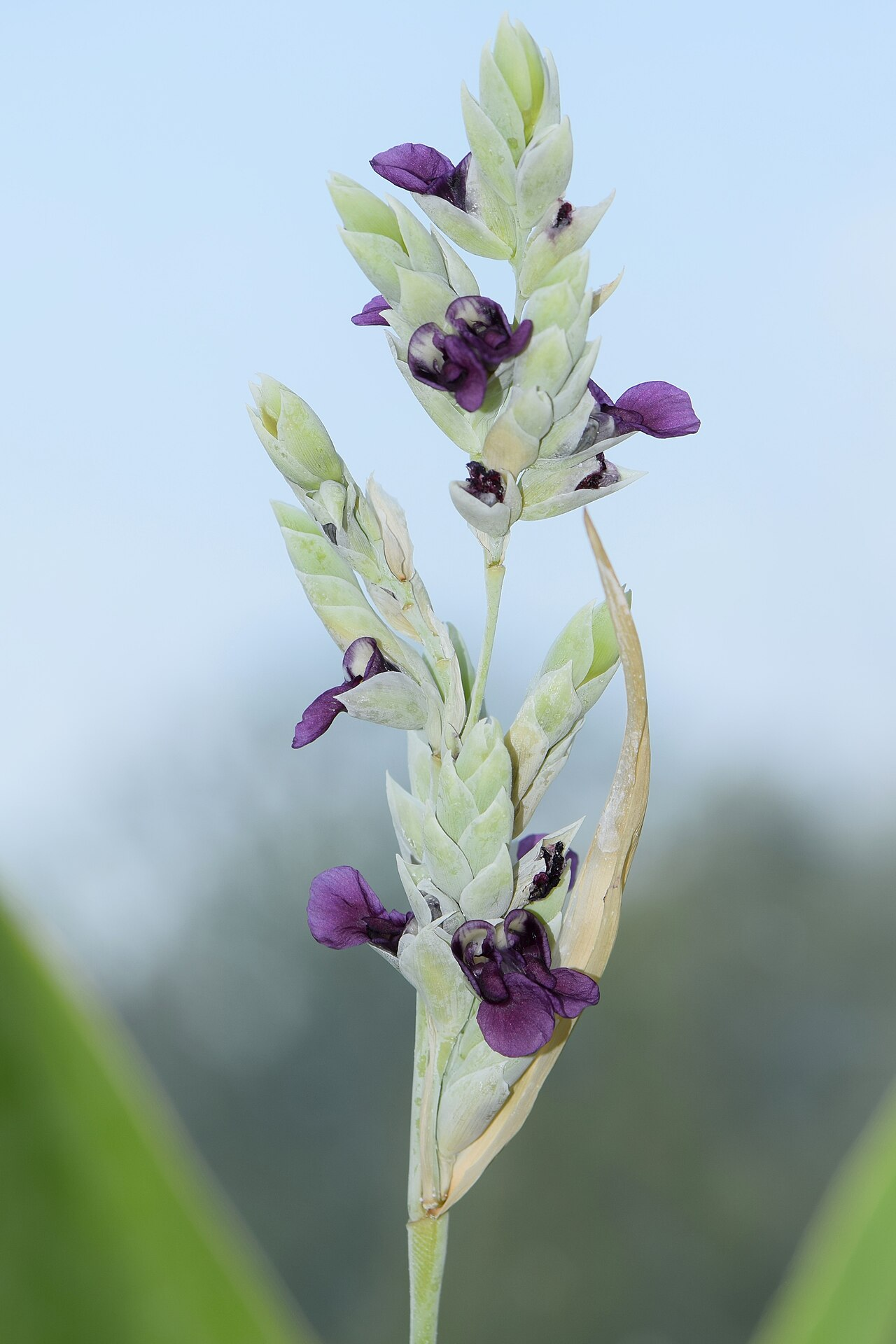
- Flower:Tall, branched, airy panicles carried above the foliage, holding many small violet to blue‑purple flowers that give a soft, floating look despite the plant’s strong structure.
- Flowering Season:April–October (Apr–Oct)
- Growth Habit:Perennial emergent herb growing from rhizomes anchored in saturated mud or pond substrate. Above-ground growth often dies back in cool weather; the plant survives winter through its rhizomes and resprouts when warmth returns.
🌤️ Environment
Sunlight
Full sun for strongest growth and best flowering; tolerates light shade.
Temperature
Warmth-loving; top growth is damaged by frost. Best where the root zone stays above about 0°C (32°F), or where rhizomes are protected through winter (for example, by deeper water or overwintering containers).
Humidity
High moisture is essential—this plant is happiest with constant wetness.
Soil
Heavy, nutrient-rich mud or loam kept permanently saturated; ideal in shallow water or pond-edge bog zones.
Placement
Pond margins, bog gardens, wetland-style plantings, and large water features; grows best in shallow water or in containers kept at the water’s edge.
Hardiness
Often treated as tender where winters freeze; roughly USDA Zone 7–10 depending on winter severity and how well the rhizomes are insulated by water depth/substrate.
🪴 Care Guide
Difficulty
Easy when its core needs are met (sun + constantly wet feet). The main challenge is overwintering in colder climates or in setups where water levels swing and the pot dries.
Buying Guide
Pick plants with firm, healthy (not shriveled) rhizomes and upright leaves without spotting. Avoid sour-smelling pots (a sign of stagnant, anaerobic rot) and any plant with a mushy crown. For ponds, choose nursery stock specifically labeled for emergent/shallow-water use.
Watering
Keep continuously wet—never let the substrate dry out. Plant with the crown at or just above the mud line in shallow water, or set a pot in about 0–15 cm (0–6 in) of water so the soil stays saturated.
Fertilization
Feed lightly in active growth (spring through summer) using aquatic plant tablets or a slow-release fertilizer pushed deep into the potting mud. Avoid heavy feeding, which can fuel algae in ponds.
Pruning
Remove yellowing leaves, frost-damaged foliage, and spent flower stalks. Where it dies back in winter, cut collapsed stems down to the base after they brown off.
Propagation
Divide rhizomes in spring once new growth begins. Ensure each division has a healthy growing point, then replant immediately into saturated mud or shallow water.
Repotting
Repot or divide every 1–2 years in spring if the clump is crowded. Use a heavy loam/mud mix and a wide, stable container so it won’t tip in the water.
📅 Seasonal Care Calendar
Flowers April–October (Apr–Oct); fruits October–November (Oct–Nov). In winter, top growth often dies back; rhizomes remain in the mud and regrow in warm weather.
🔬 Pests, Diseases & Safety
Common Pests & Diseases
Generally trouble-free. Aphids may appear on tender new growth; occasional leaf spot can show up in stagnant, overcrowded conditions. Prevention: full sun, decent spacing, and prompt removal of dead foliage. Control pests by rinsing with water or using insecticidal soap if needed.
Toxicity
No well-documented toxicity is widely cited for Thalia dealbata. Still, chewing or ingesting ornamental plants can cause mild stomach upset—keep away from pets prone to nibbling.
🎋 Culture & Symbolism
Symbolism:Often linked with calm, reflective water and an elegant, tropical “architectural” vibe in garden design.
History & Legends:Long grown as a standout ornamental in ponds and wetland-style gardens for its signature powdery blue foliage and extended warm-season flowering, especially outside its native range.
Uses:Primarily ornamental—an excellent choice for pond edges, bog gardens, and wetland landscaping where it adds height, texture, and summer color.
❓ FAQ
Can powdery thalia grow fully submerged?
No. It’s an emergent plant: roots and rhizomes sit in saturated soil or shallow water, while the leaves and flowers need to be above the surface.
Why does it die back in winter?
It prefers warmth. Cold and frost usually kill the above-ground parts, but the rhizomes can survive in the mud and resprout when temperatures rise.
How deep should I plant it in a pond?
Set it so the crown sits right at the soil/mud surface—typically with about 0–15 cm (0–6 in) of water over the soil.
💡 Fun Facts
- It’s native to the southeastern United States and northeastern Mexico.
- That “powdery” look is a natural waxy coating that creates the blue-gray glow.
- It spreads by rhizomes, so you can divide a big clump to make new plants.
- A classic, high-impact pond-margin plant that reads as tropical even in temperate gardens.
- It commonly flowers from April–October (Apr–Oct) and can reach 1–2.5 m (3.3–8.2 ft) tall.