🌱 Plant Features
- Size:Typically about 15–30 cm (6–12 in) tall in bloom, with a spread around 15–25 cm (6–10 in), depending on cultivar and pot size.
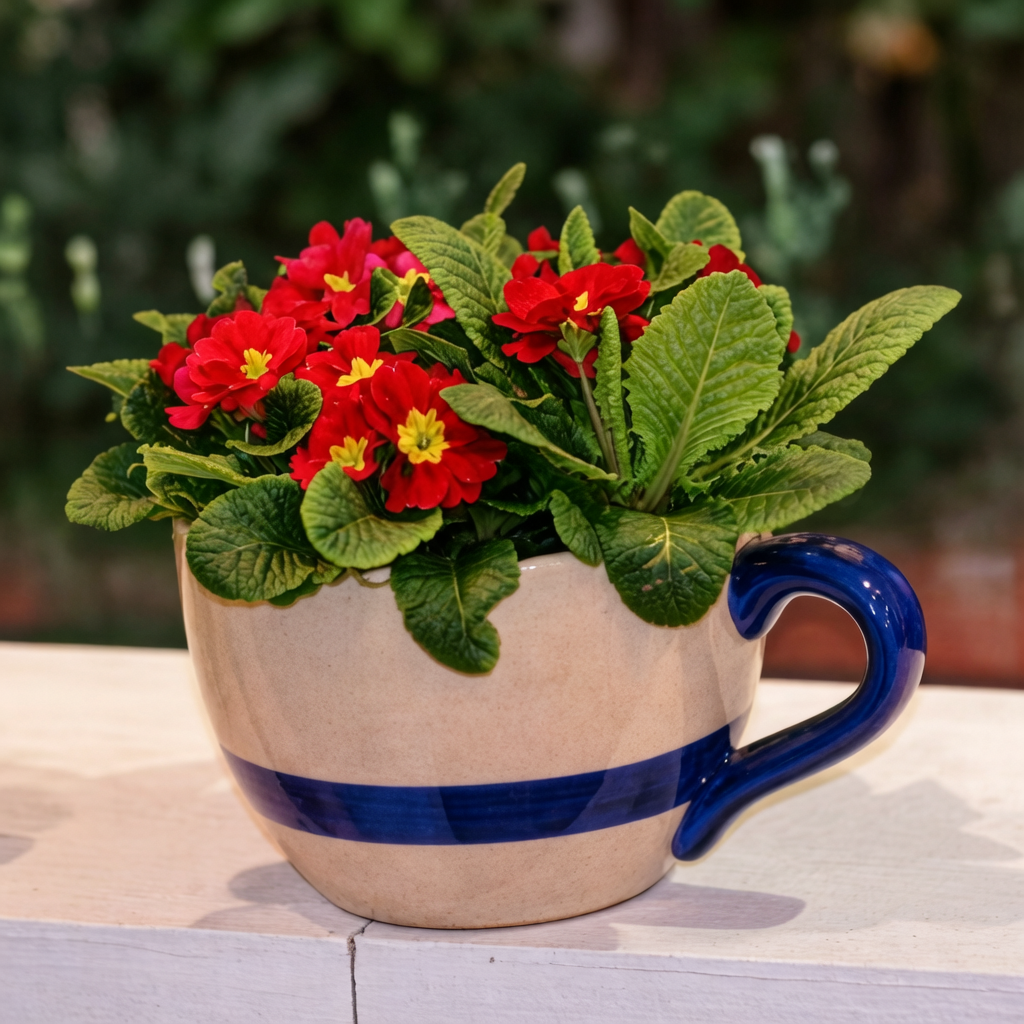
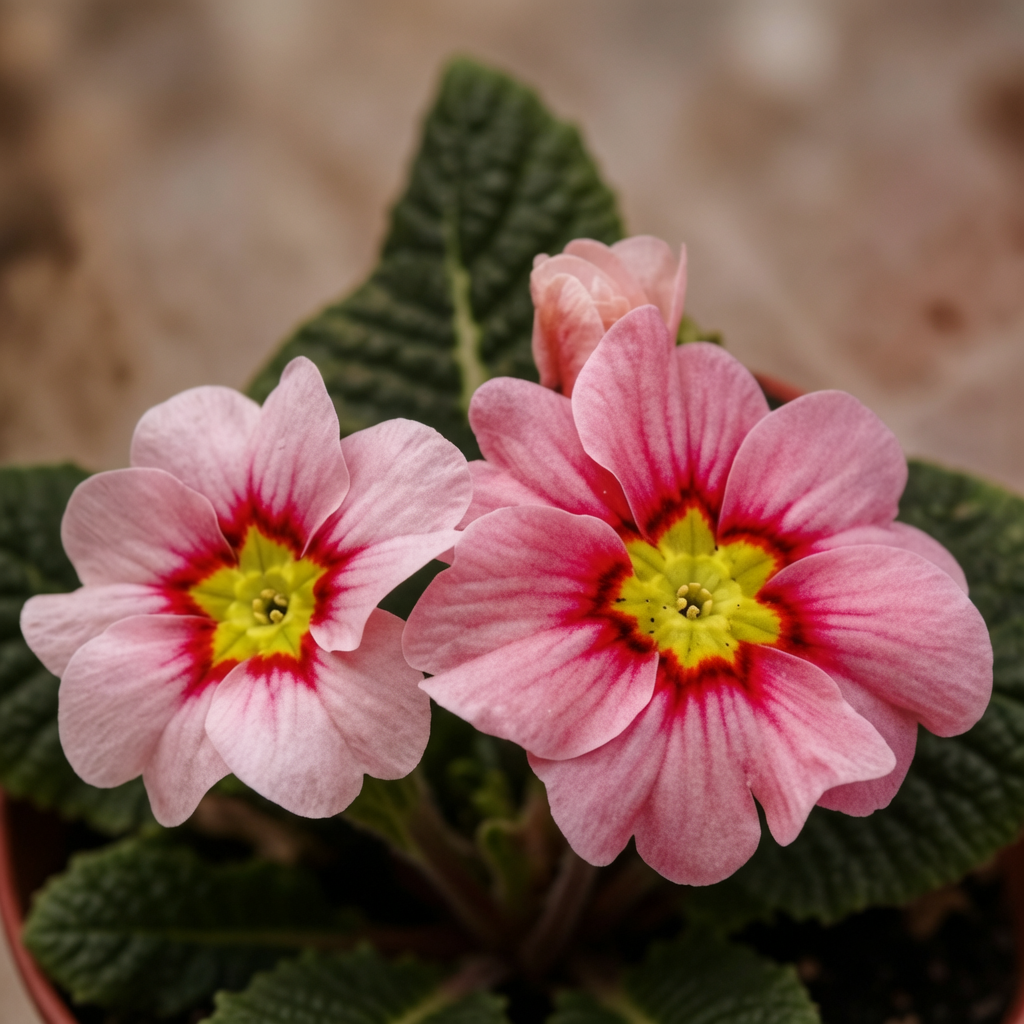
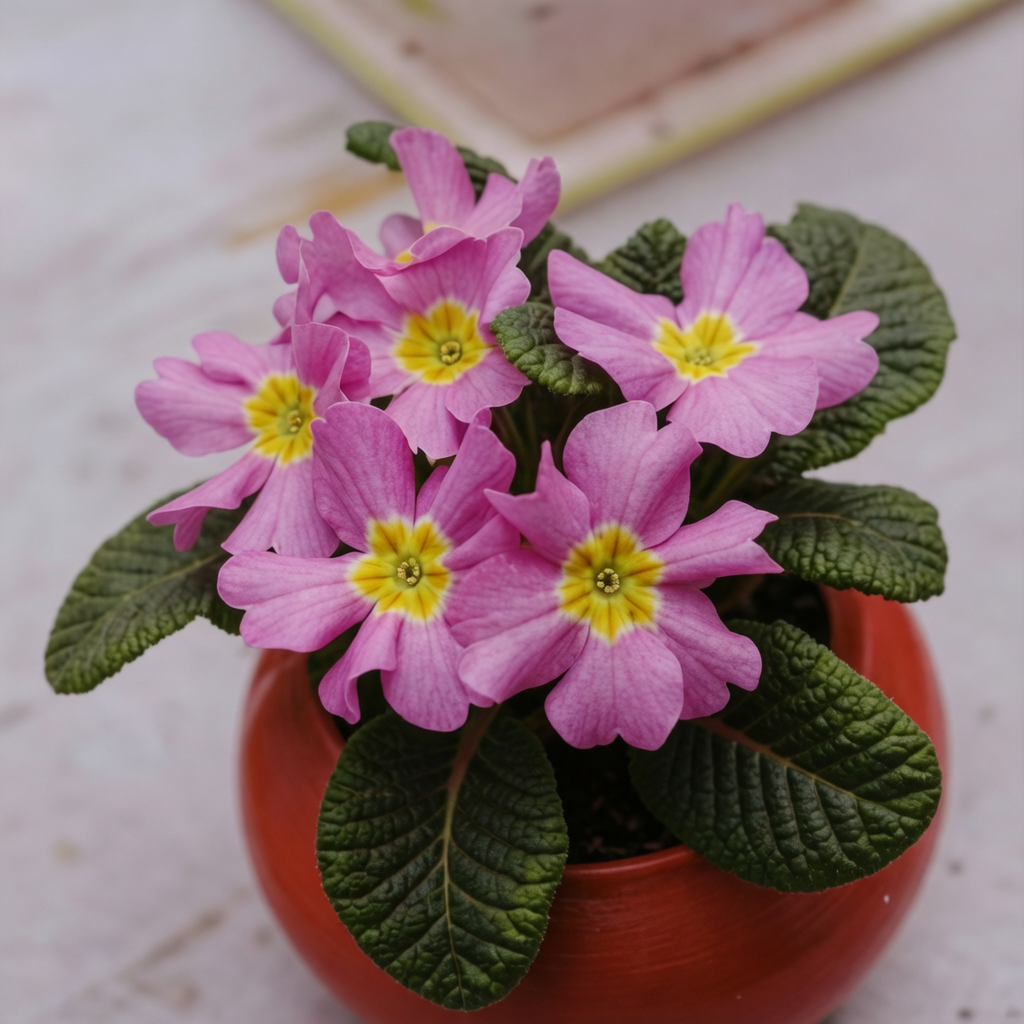
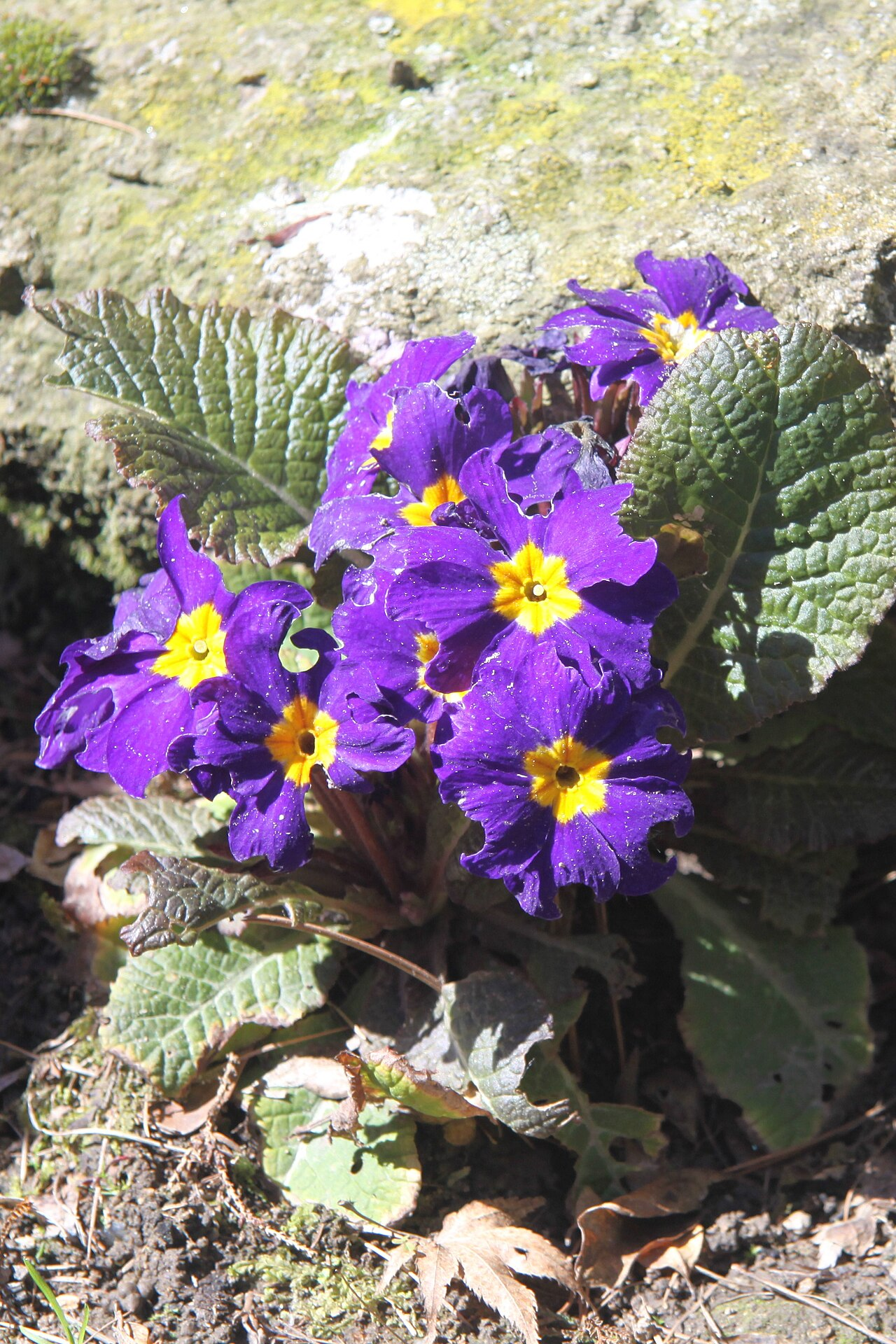
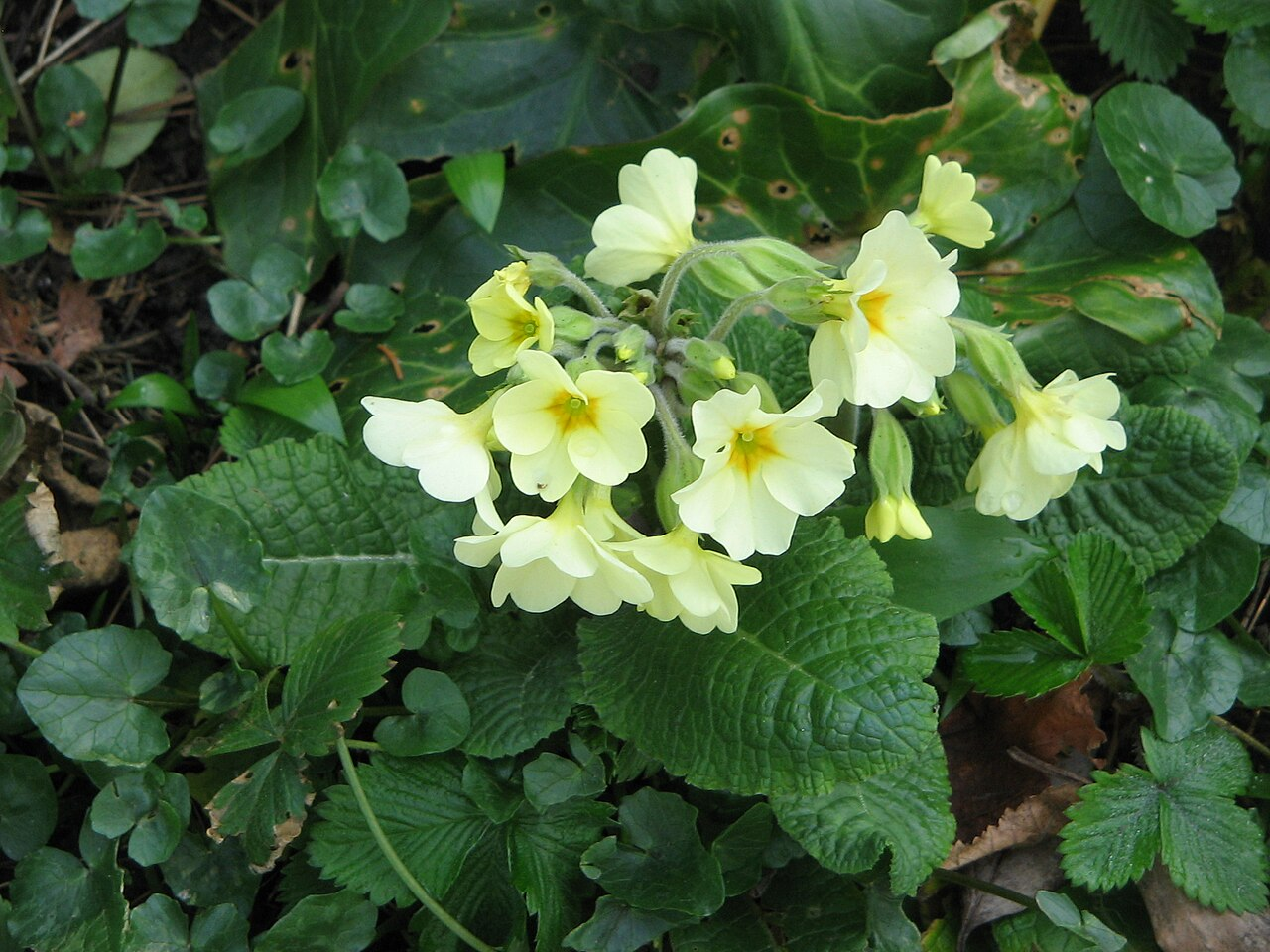
- Foliage:Forms a compact basal rosette (tight clump) of deep/dark green leaves, with flower stalks rising from the crown. Healthy plants have a sturdy, intact crown and rich green foliage; prolonged cool-and-wet conditions can encourage fungal leaf problems, while temperatures below about 5°C (41°F) may damage leaves and flowers.
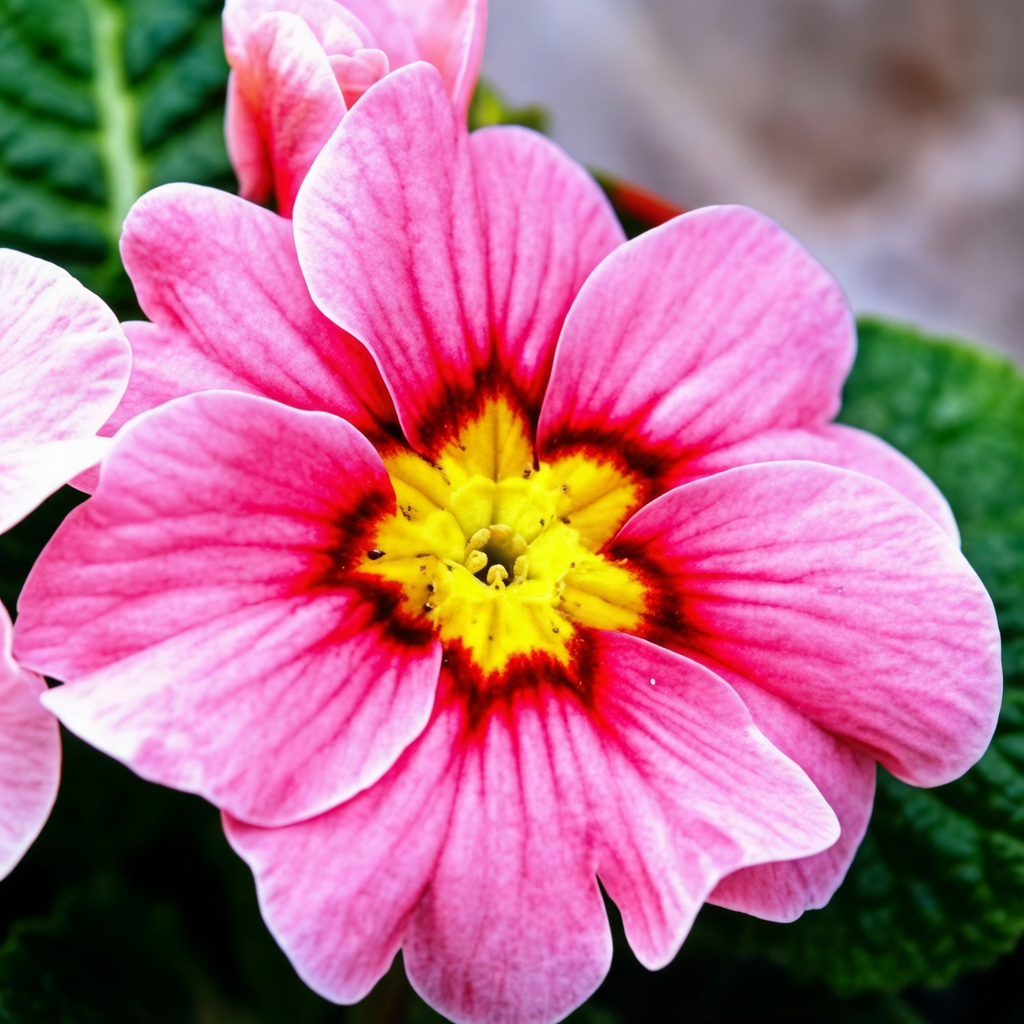
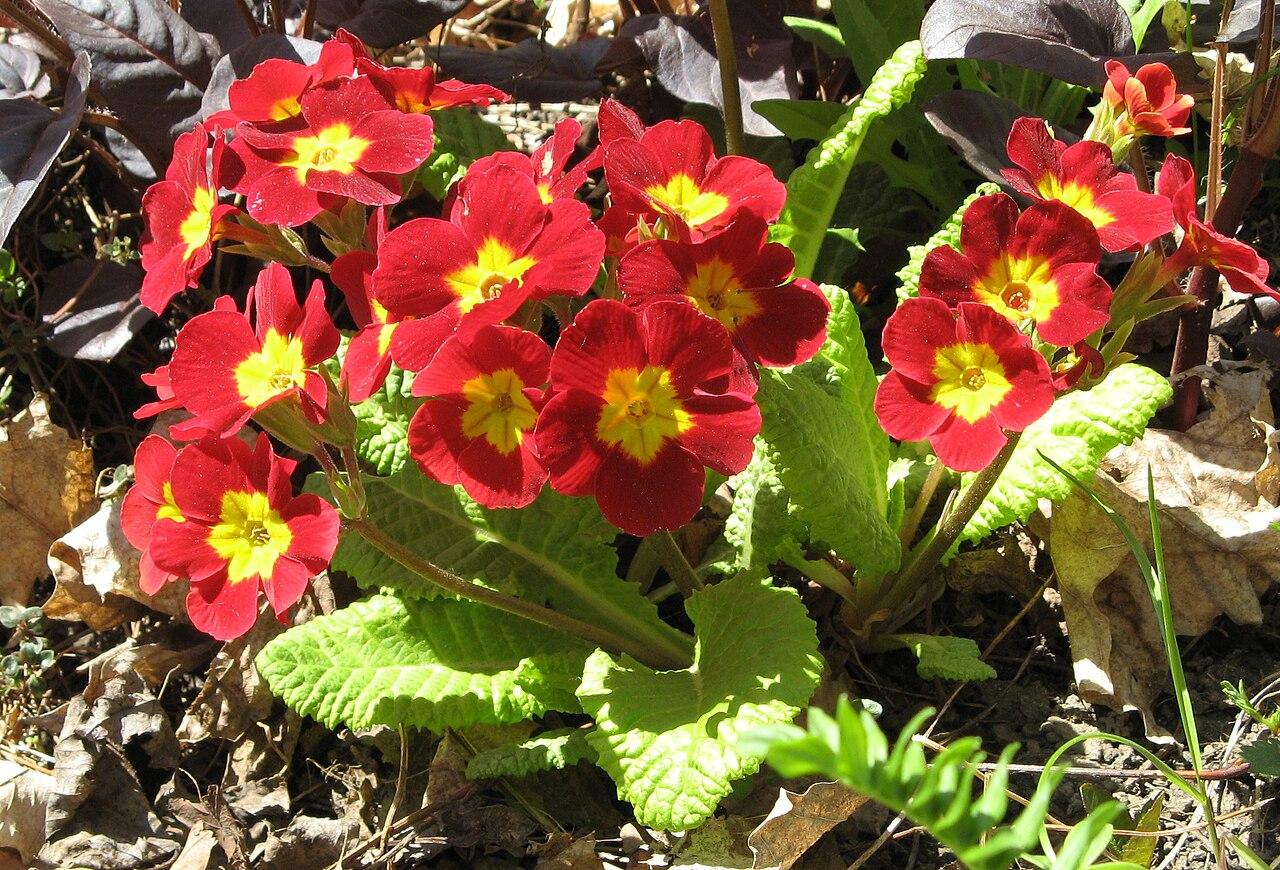
- Flower:Produces multiple flower stalks carrying dense clusters of rounded primrose flowers in a wide range of bright colors, commonly solid or bicolored. For the best display, choose plants with plump buds just opening and petals that are complete, vivid, and undamaged; once in bloom, avoid frequent moving to reduce flower drop or breakage.
- Flowering Season:Late winter to spring; often at peak indoors in mid-winter (commonly January).
- Growth Habit:Compact, clump-forming, rosette perennial; most often grown as a cool-season potted flowering plant.
🌤️ Environment
Sunlight
Bright light with gentle sun is ideal (east- or south-facing window/balcony). Avoid harsh midday sun, especially as temperatures rise. Low light can cause leggier growth, longer flower stems, and paler flower color.
Temperature
Prefers cool conditions: about 13–18°C (55–64°F). For reliable winter flowering, keep it above about 12°C (54°F). Protect from cold injury below about 5°C (41°F). Very heat sensitive—hot summer conditions can cause rapid decline, especially near heaters or in stuffy rooms.
Humidity
Likes moderate humidity and good airflow. Keep soil evenly moist, but avoid constantly wet, stagnant conditions (a common trigger for crown rot and gray mold). In hot, dry spells, raise local humidity (mist the air around the plant or dampen the surface nearby) while keeping water off the crown and foliage as much as possible.
Soil
Rich yet free-draining potting mix—often a peat-based mix (or leaf mold/organic-rich blend) improved with sand and/or perlite for aeration. The key is steady moisture with excellent drainage (never waterlogged). For sowing, a sterilized peat-based mix with perlite is recommended; seed is surface-sown (not covered).
Placement
Best in a very bright, cool spot indoors (bright windowsill) or a sheltered balcony/patio in cool seasons. Keep away from heaters and hot drafts. During flowering, keep the location stable (less moving = fewer broken stems and dropped flowers).
Hardiness
Often treated as not frost-hardy in containers; protect from freezing and from temperatures below about 5°C (41°F). In the ground, hardiness varies by cultivar and parentage; many garden polyanthus types can be grown in mild-to-cool temperate climates (often roughly USDA Zone 4–8) when kept cool and evenly moist.
🪴 Care Guide
Difficulty
Moderate to challenging indoors. It thrives with bright light, cool temperatures, and steady moisture—but struggles in typical warm, dry homes and dislikes heat. Long-term success often depends on keeping it cool through spring and easing it through summer without overheating or waterlogging.
Buying Guide
Choose a compact, sturdy clump with an intact crown/rosette, deep green leaves, and thick buds that are just emerging with a few flowers open. Petals should be complete (not torn), clean, and vividly colored. A common retail pot size is 12–15 cm (4.7–5.9 in). After purchase, place in bright light with gentle sun (east/south exposure) and keep away from heat sources.
Watering
Keep the mix evenly moist—never bone-dry, never soggy—and avoid splashing water onto leaves and the crown.
• Spring (active growth): often about 3–4 times per week, adjusting to drying speed.
• Winter (peak bloom): often about 2–3 times per week indoors, depending on temperature and airflow.
• Autumn (as flower stalks initiate): about 2–3 times per week.
• Summer/after flowering: as heat arrives, reduce watering and move the plant to a cooler, airy, lightly shaded place. In very hot weather, some growers water early morning and again in the evening if pots dry extremely fast, but the priority is keeping roots cool and well-drained rather than constantly wet.
Fertilization
Feed during active growth roughly every 10 days (about every 1–2 weeks) with a balanced soluble fertilizer; some growers prefer a slightly higher-nitrogen or acid-forming formula early on. Once buds form and flowering begins, continue regular feeding and add occasional bloom-supporting feeds (higher phosphorus/potassium), such as 1–2 bloom-boost applications early in flowering. Keep fertilizer solution off foliage to avoid scorch.
Pruning
Deadhead promptly by removing spent flower stalks, and regularly pick off yellowing or dead leaves to keep the crown clean and reduce disease pressure.
Propagation
Division (easiest): In autumn during repotting, lift the plant and gently separate offsets, keeping new roots intact. Remove dead leaves and old soil, trim old roots if needed, and pot divisions (often 1–3 per pot) into a 12–15 cm (4.7–5.9 in) container; water in and keep in bright shade until new growth resumes.
Seed (possible but finicky): Sow around May indoors. Use a sterilized peat-based mix with perlite; press seed onto the surface (do not cover). Germinate at about 15–18°C (59–64°F); seedlings often emerge in 1–2 weeks. Prick out at 2–3 leaves and again at about 4 true leaves. Keep the crown at the soil surface (do not bury). Note: seed viability drops quickly, so very fresh seed is important.
Repotting
Repot annually in autumn. Young plants can be potted up when they have about 6–7 true leaves into a 10–12 cm (3.9–4.7 in) pot. When dividing, use 12–15 cm (4.7–5.9 in) pots. Always set the crown at (or slightly above) the soil surface to prevent rot, and use a fertile, airy, well-drained mix.
📅 Seasonal Care Calendar
Spring: Keep evenly moist (often 3–4 times weekly) and avoid wetting foliage; remove spent blooms.
Summer: Protect from heat—move to a cooler, airy, lightly shaded spot; reduce watering compared with peak flowering and avoid waterlogging; raise local humidity without soaking the crown.
Autumn: Repot and/or divide; resume steady moisture as growth picks up and flower stalks begin.
Winter: Keep bright light and cool temps (ideally 13–18°C / 55–64°F, above ~12°C / 54°F for bloom); water about 2–3 times per week as needed.
🔬 Pests, Diseases & Safety
Common Pests & Diseases
Common diseases include leaf spot, gray mold (Botrytis), and anthracnose—especially when foliage stays wet and airflow is poor. Prevention: ventilate well, avoid overhead watering, and remove affected leaves and spent flowers promptly; use an appropriate fungicide only if necessary and according to local labels. Pests include aphids and spider mites on stems and leaves; manage by rinsing, improving humidity/airflow balance, and using insecticidal soap or horticultural oil (and targeted miticides only when needed).
Toxicity
Not usually considered highly poisonous, but Primula can cause skin irritation or allergic contact dermatitis (often linked to primula compounds such as primin) in sensitive people. Wear gloves if you’re prone to plant allergies, and discourage pets/children from chewing the plant.
🎋 Culture & Symbolism
Symbolism:Often linked with “youth” and “renewal,” and commonly gifted to wish happiness, fresh beginnings, and a bright start to the season.
History & Legends:Polyanthus primroses are horticultural hybrids developed from cool-loving Primula species. Modern breeding has greatly expanded flower size and color range, helping them become a staple winter-to-early-spring ornamental in pots and seasonal displays.
Uses:Primarily ornamental—ideal for bright windowsills, cool balconies/patios, and winter holiday or early-spring color displays.
❓ FAQ
Why are the flower stems getting long and the flower color fading?
Most often it’s not getting enough light. Move it to a brighter position with strong indirect light or gentle sun (east/south exposure). Bright light keeps the plant compact and the colors richer; just avoid harsh midday sun when temperatures are high.
Why is polyanthus primrose hard to keep long-term at home?
It’s bred from cool-climate primroses and really wants cool days and cool nights—conditions many homes can’t provide once heating or summer heat arrives. It also declines quickly if kept too warm or too wet. Many people treat it as a seasonal pot plant, enjoying it through bloom and then trying to keep it cool and airy afterward.
How do I choose a good plant and where should I place it after purchase?
Pick a compact plant with deep green leaves, a firm crown, and thick buds just starting to open. Place it in bright light with gentle sun (east or south window/balcony), keep it away from heaters, and avoid moving it around a lot while it’s flowering.
💡 Fun Facts
- The “×” in Primula × polyantha means it’s a hybrid rather than a naturally occurring species.
- Polyanthus types are bred to carry many blooms together in dense clusters, giving a fuller, ‘bouquet-on-a-stem’ look.
- Fresh seed germinates much better than older seed—one reason home seed-starting can be hit-or-miss.
- They’re famously heat sensitive: warm rooms and nearby heaters are a common cause of sudden decline.