🌱 Plant Features
- Size:Typically about 60 cm tall × 45 cm wide (24 in × 18 in) indoors.
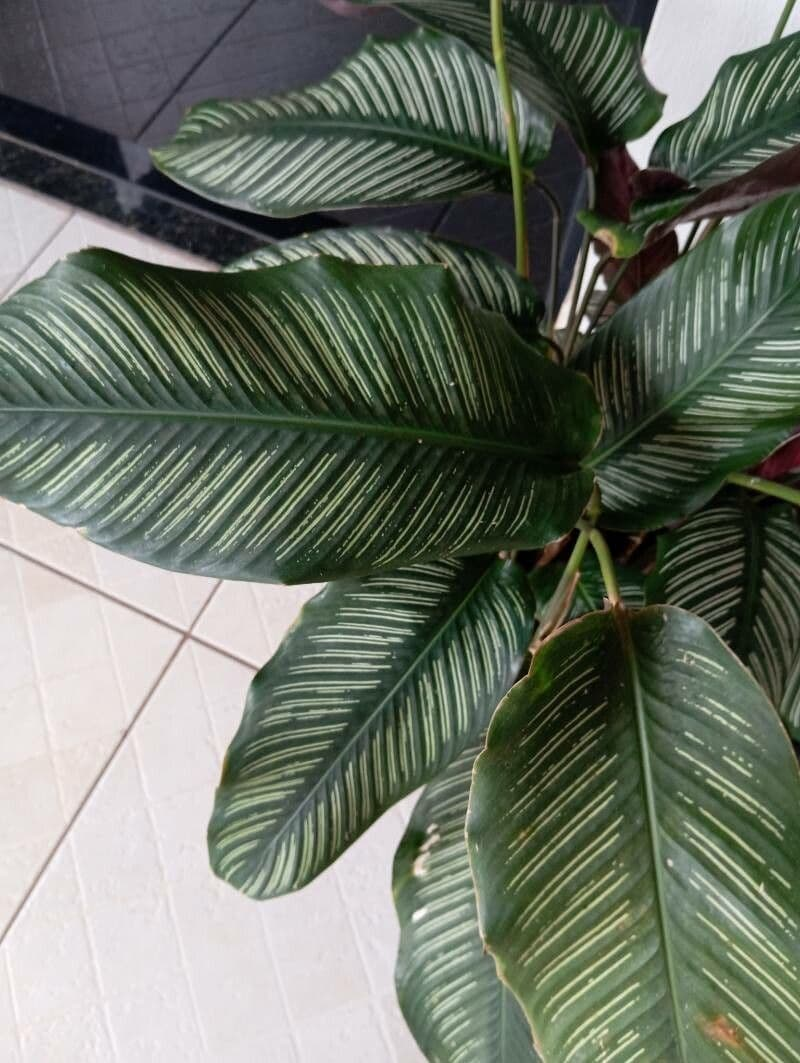
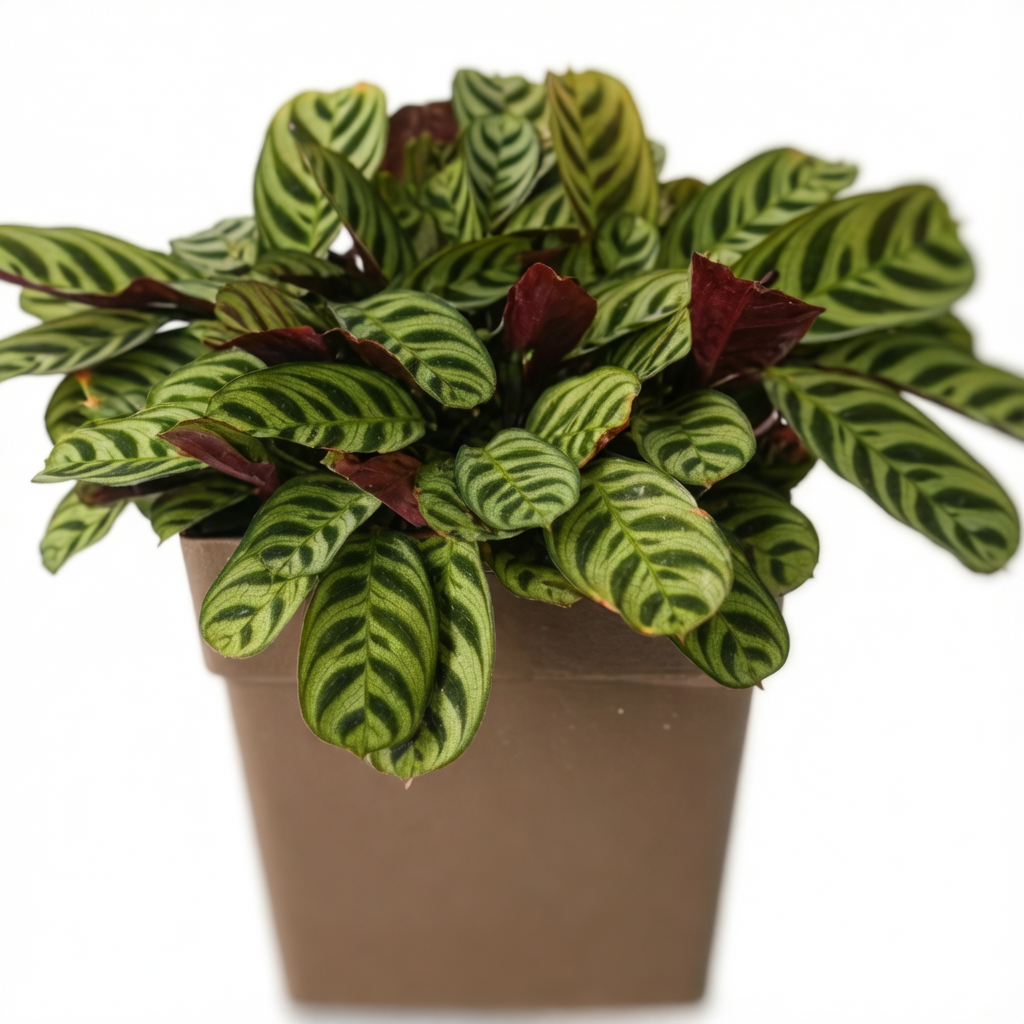
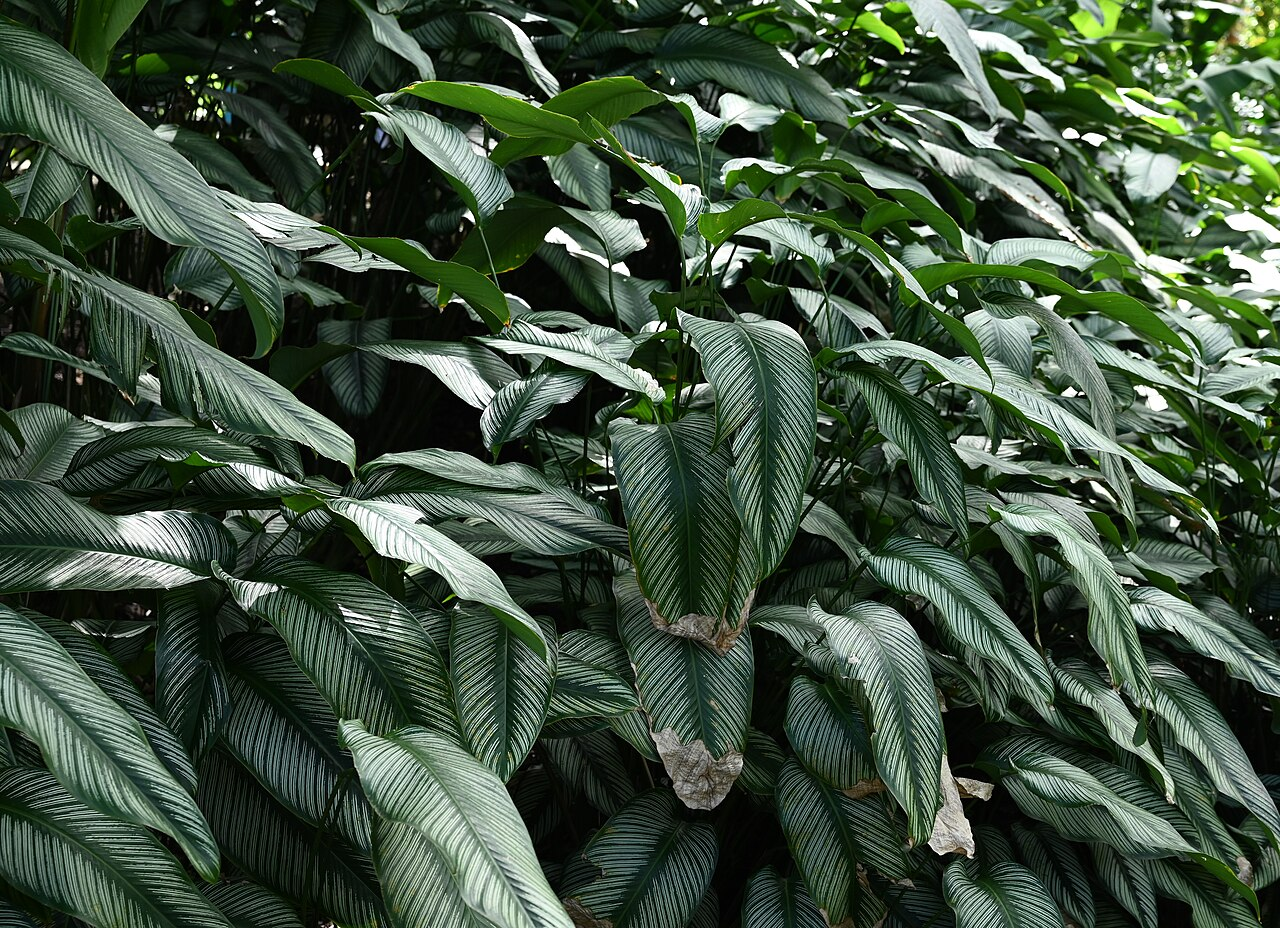
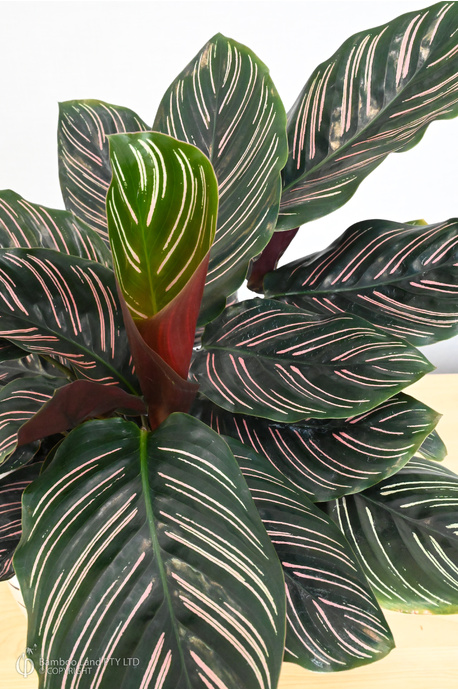
- Foliage:Numerous oval leaves with layered green striping on the upper surface and red to purple undersides, creating a strong, dramatic contrast. Leaves may curl when too dry.
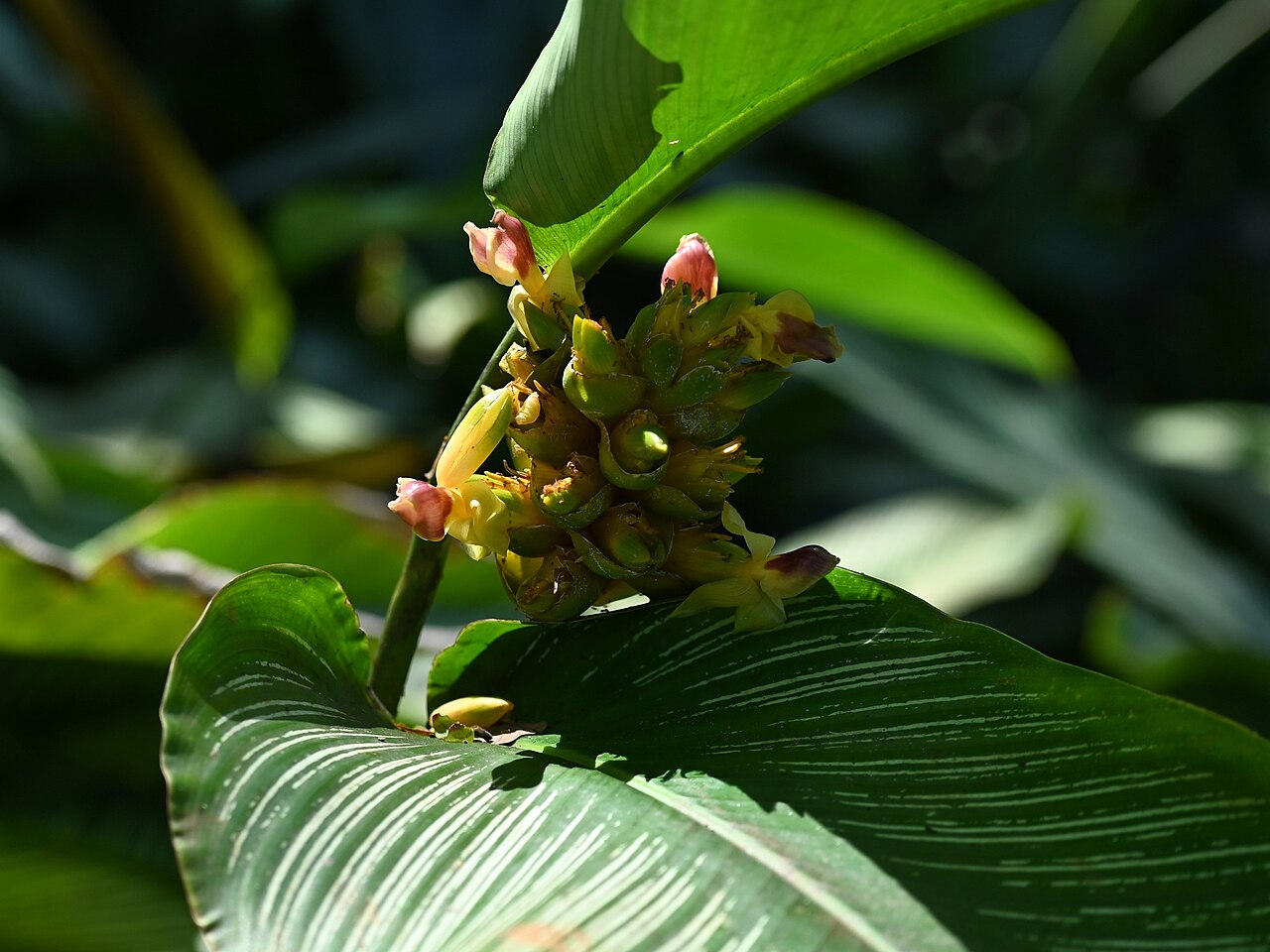
- Flower:Flowers are uncommon indoors; if they appear, they are small and not especially showy compared with the foliage.
- Flowering Season:Occasional; no reliable indoor season.
- Growth Habit:Compact, clump-forming evergreen perennial.
🌤️ Environment
Sunlight
Bright, indirect light is ideal; it tolerates partial shade. Avoid harsh direct sun, which can bleach or scorch the leaves.
Temperature
10–25°C (50–77°F). Protect from cold drafts and try not to let temperatures fall below about 10°C (50°F).
Humidity
Moderate to high humidity; aim for 50%+ to keep leaf edges crisp and minimize browning.
Soil
Loose, moisture-retentive but well-draining potting mix. A workable option is a 1:1 blend of a soil-based potting mix and a general-purpose potting mix, with good drainage. For small plants, a 12.5–15 cm (5–6 in) pot is commonly suitable, stepping up as needed.
Placement
Indoors in a bright room with filtered light, away from direct sun and from heating/AC vents that dry the air.
Hardiness
Not frost hardy; best as an indoor plant. Outdoors only in very warm climates (roughly USDA Zone 11–12).
🪴 Care Guide
Difficulty
Easy to moderate: generally forgiving, but it looks best with steady moisture and decent humidity.
Buying Guide
Pick plants with firm stems and crisp, uncurled leaves. Avoid lots of brown edges, pale bleaching (sun stress), or visible pests (especially mites/scale) on leaf undersides.
Watering
Spring through autumn: keep the mix evenly moist but never waterlogged. Winter: water when the surface layer dries. Curling leaves usually signal the plant is too dry or humidity is too low. Use a pebble tray (keeping the pot above the waterline) or light misting to help maintain humidity.
Fertilization
Spring to autumn: feed once a month with a balanced liquid fertilizer (full label rate, or half-strength if the plant seems sensitive).
Pruning
Snip off yellowing or damaged leaves at the base with clean scissors to keep the plant tidy and reduce pest issues.
Propagation
Division is easiest and most reliable, ideally during repotting: split a healthy clump so each piece has roots and several leaves, then pot up and keep warm and humid until established.
Repotting
Repot every 2–3 years or when root-crowded. Move up gradually in pot size (small plants often start in 12.5–15 cm / 5–6 in pots). Refresh the mix and ensure strong drainage.
📅 Seasonal Care Calendar
Spring–autumn: maintain even moisture and fertilize monthly. Winter: reduce watering and wait until the top layer dries before watering again.
🔬 Pests, Diseases & Safety
Common Pests & Diseases
Common indoor pests include spider mites, mealybugs, and scale, especially when air is dry. Brown leaf edges often point to low humidity or uneven watering; yellowing can indicate overwatering or poor drainage. Improve airflow, wipe leaves clean, and treat infestations with insecticidal soap or horticultural oil.
Toxicity
Generally considered non-toxic to cats and dogs, though chewing any houseplant may still cause mild stomach upset.
🎋 Culture & Symbolism
Symbolism:Often linked with calm, renewal, and “new beginnings,” inspired by its gentle day–night leaf movement.
History & Legends:Widely grown as a decorative houseplant. Many plants long sold as “Calathea” have been reclassified by modern taxonomy into the genus Goeppertia, including this species.
Uses:Ornamental foliage plant for bright indoor spaces—valued for its patterned leaves and compact, room-friendly size.
❓ FAQ
Why are my pinstripe calathea’s leaf edges turning brown?
Most often it’s low humidity or inconsistent watering. Aim for 50%+ humidity, keep the soil evenly moist (not soggy), and avoid hot/cold drafts from vents.
Can it handle direct sunlight on a windowsill?
It prefers bright, indirect light. Direct sun can bleach the striping and scorch leaves, so use a sheer curtain or set it slightly back from the window.
💡 Fun Facts
- The leaves can gently lift and lower from day to night—a classic “prayer plant” trait in the Marantaceae family.
- Although it’s still commonly sold as a Calathea, its current accepted genus is Goeppertia.