🌱 Plant Features
- Size:Typically 10–20 cm (4–8 in) tall; forms low clumps and can spread gradually by underground bulbs/bulblets.
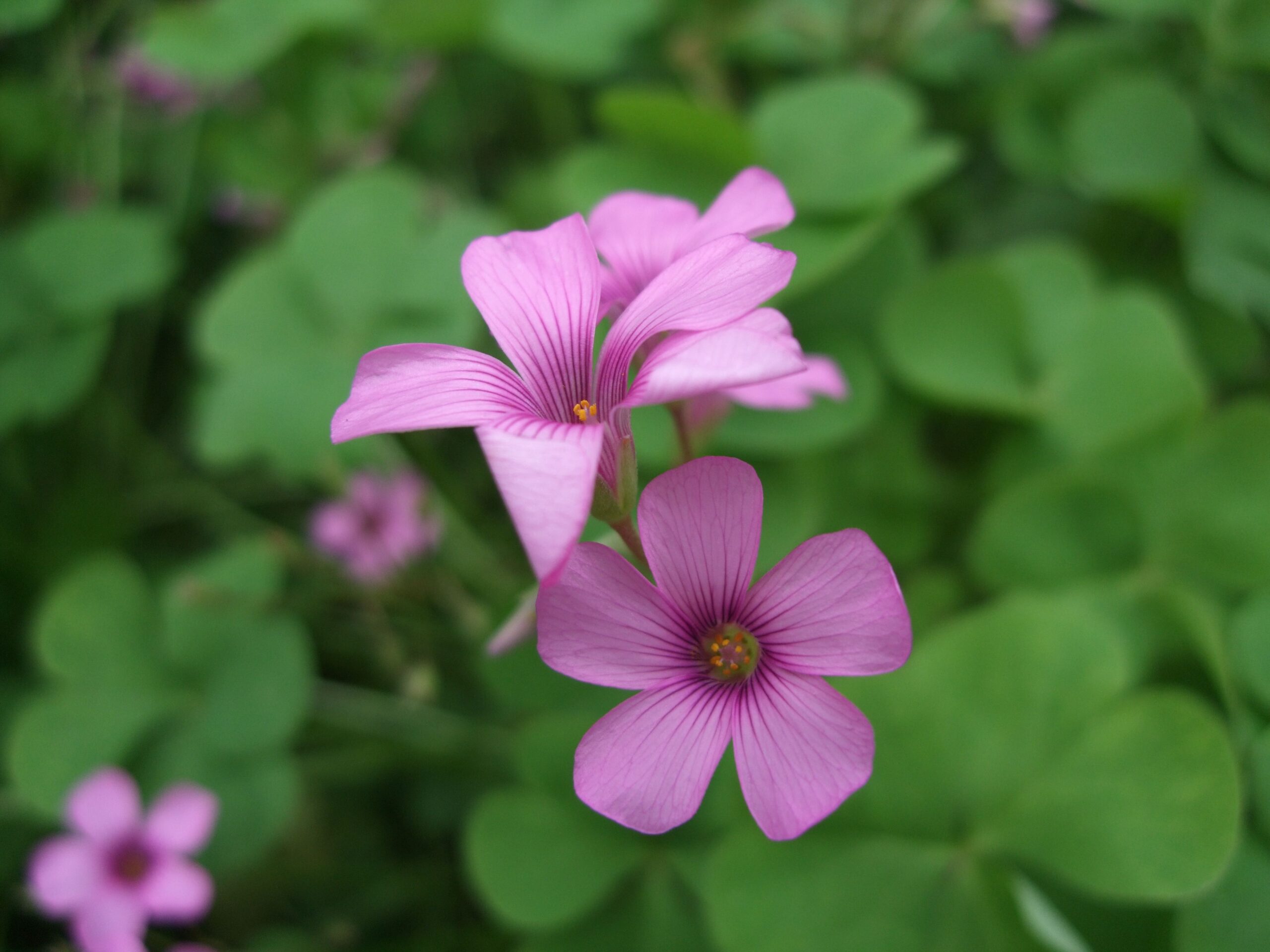
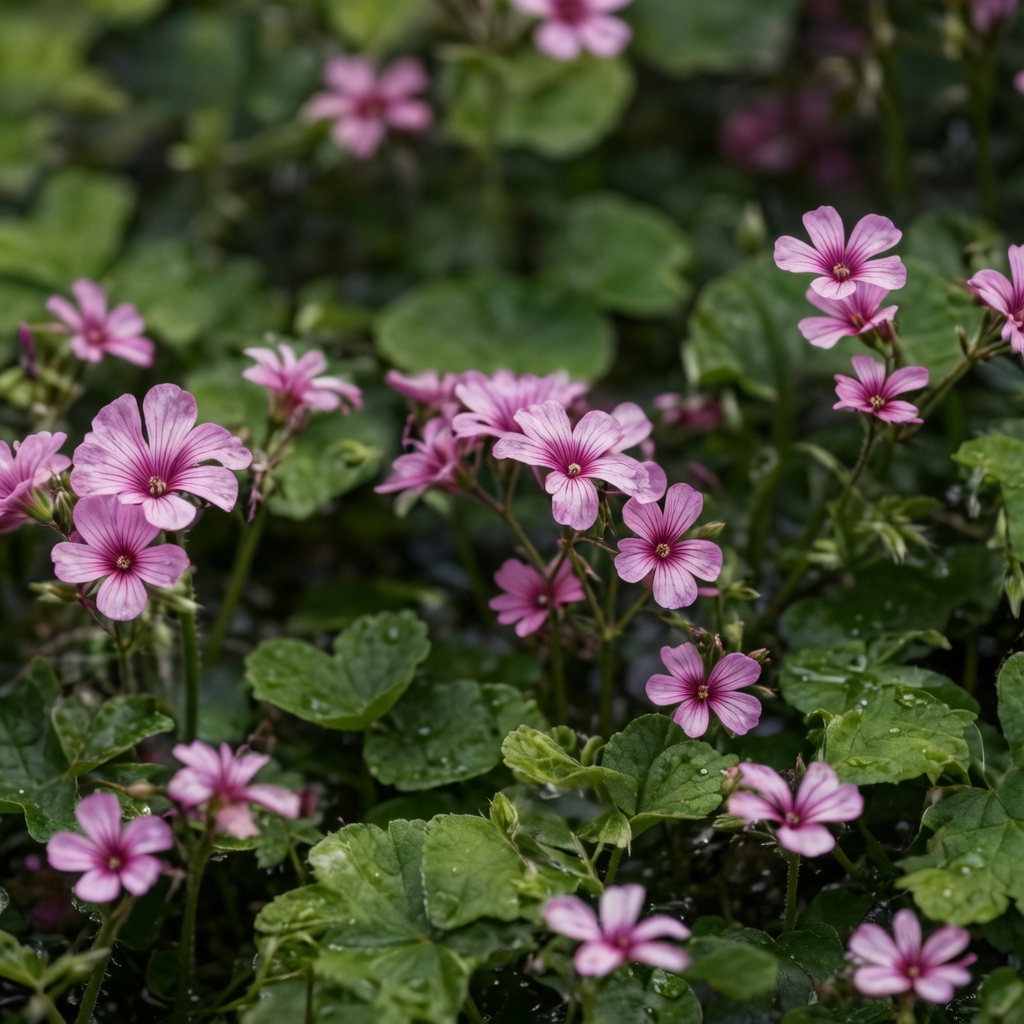
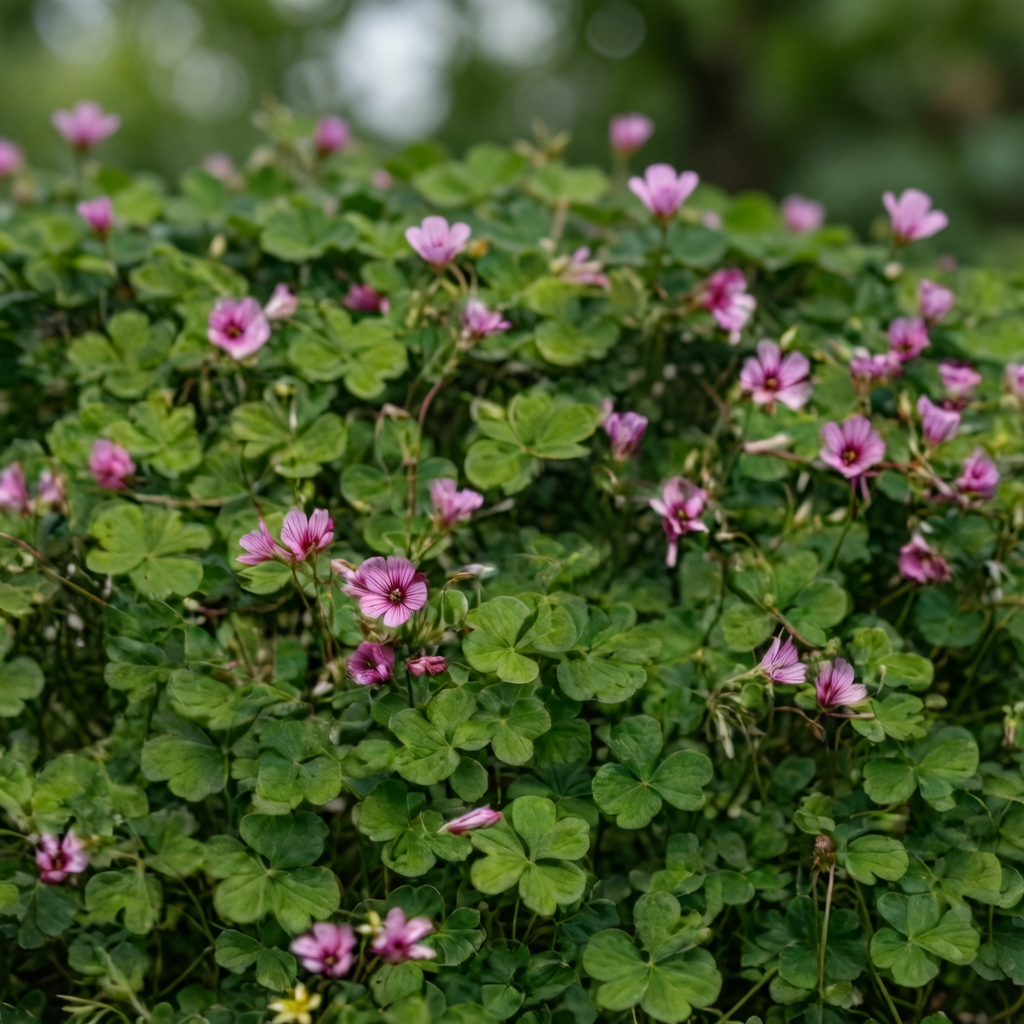
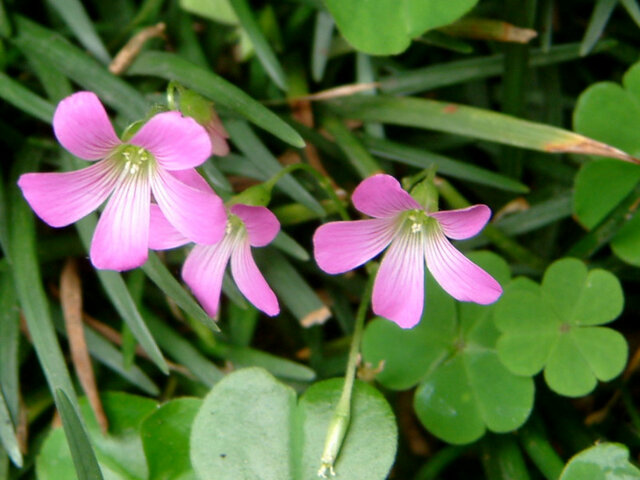
- Foliage:Basal, trifoliate (shamrock-like) leaves with rounded, inverted heart-shaped leaflets; leaflet tips are slightly notched. Undersides are pale green. Leaf stalks are lightly hairy.
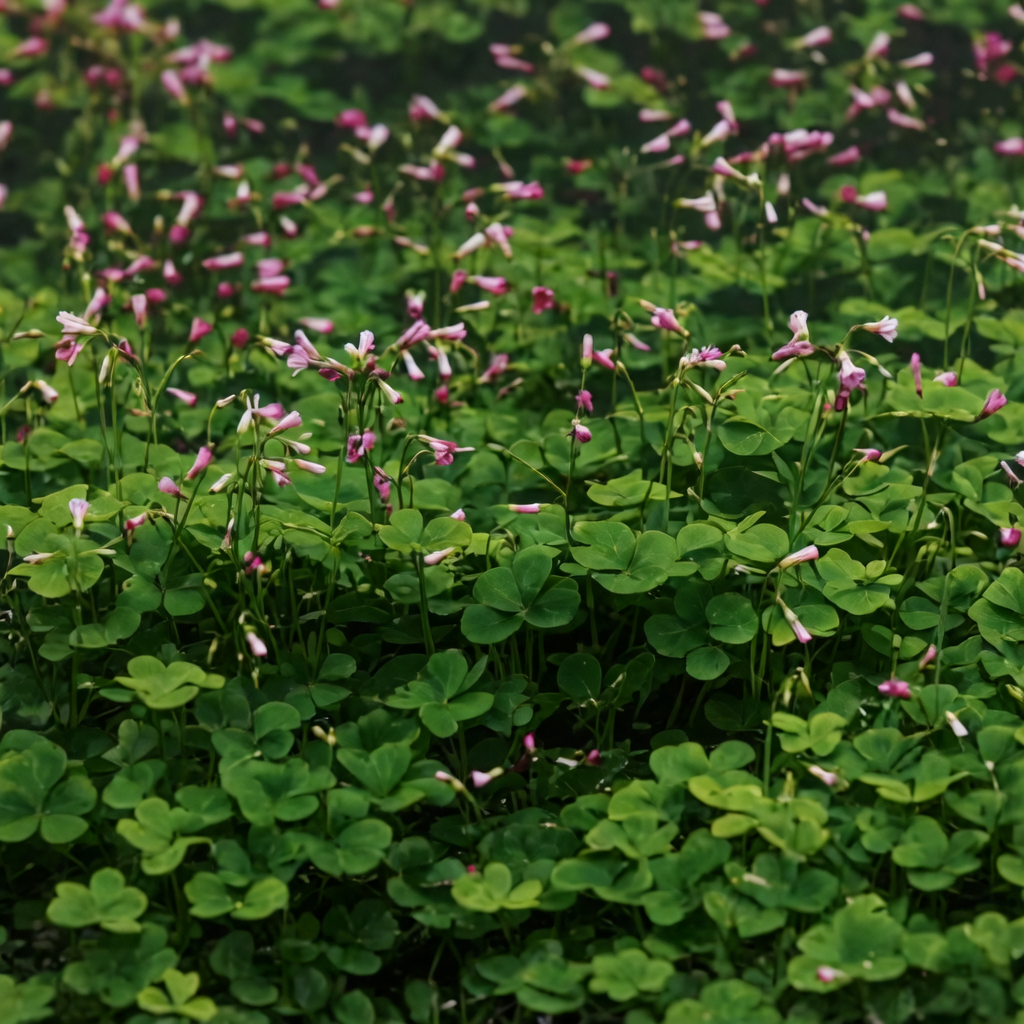
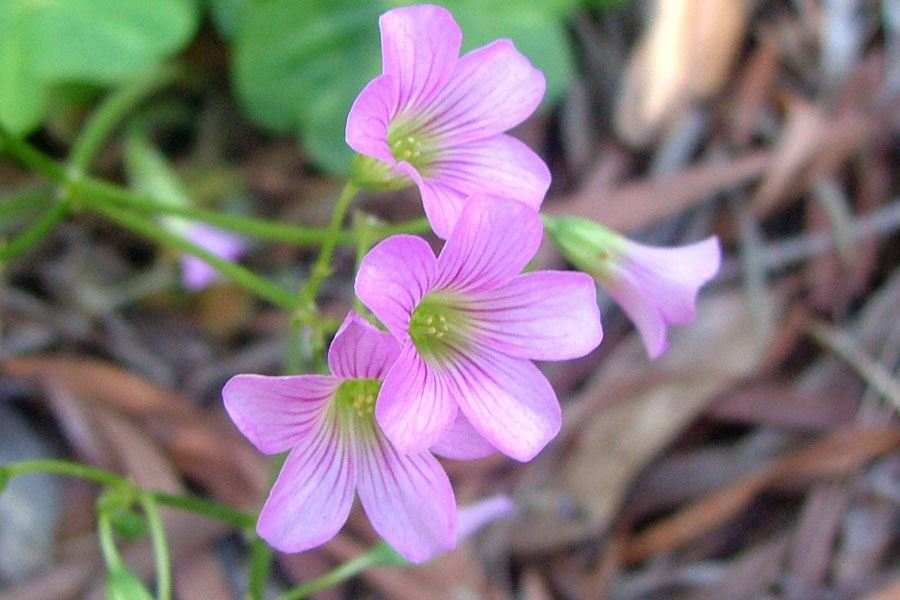
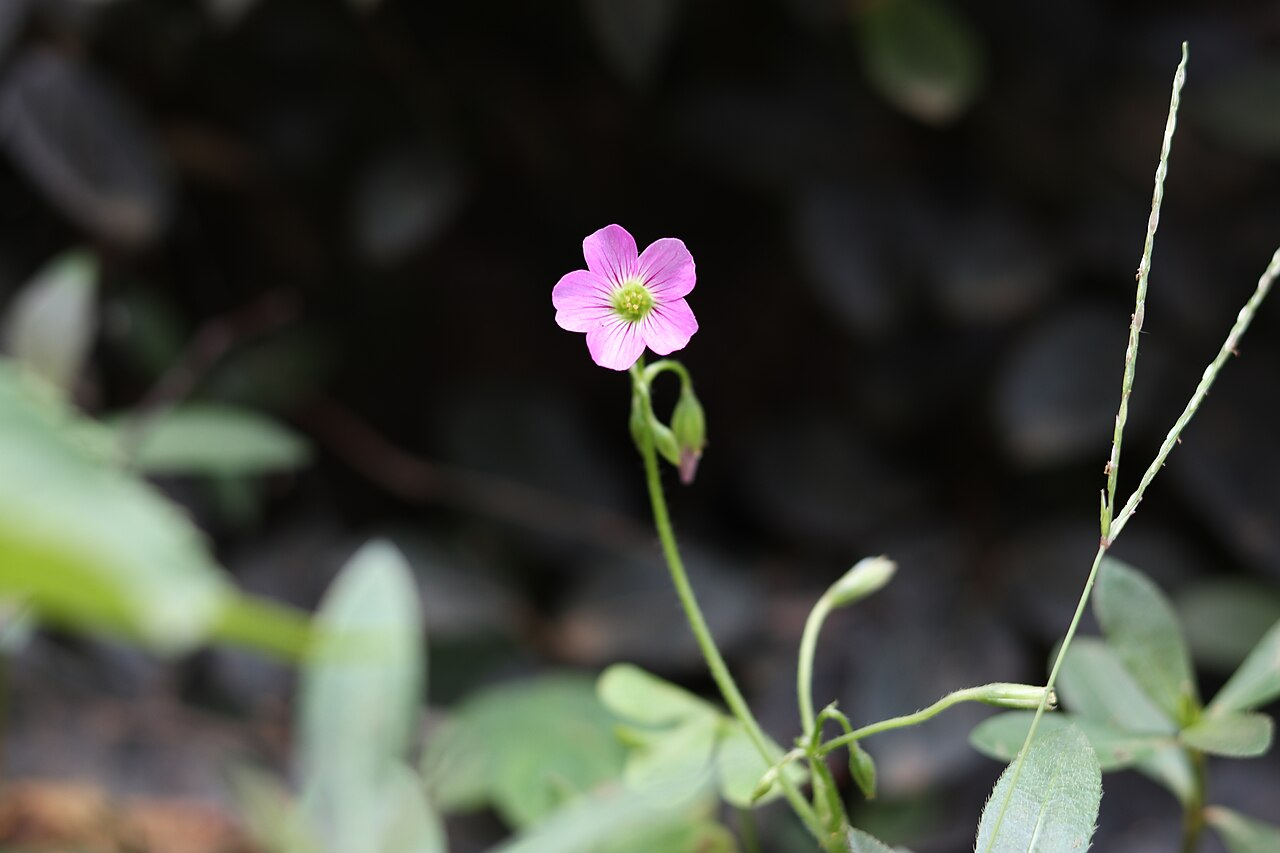
- Flower:Leafless flower stalks rise from the base and carry branched clusters of five-petaled, heart-shaped flowers in pale lilac through rosy purple tones.
- Flowering Season:March–December (in warm regions; shorter where winters are colder)
- Growth Habit:Upright to ascending, clump-forming perennial herb with no obvious above-ground stem; survives and spreads via underground brown, scaly bulbs.
🌤️ Environment
Sunlight
Full sun to partial shade; flowers and overall vigor are best in full sun.
Temperature
Best growth around 10–25°C (50–77°F). In colder areas, foliage may die back after frost, but bulbs can persist if the soil doesn’t freeze hard for long periods.
Humidity
Prefers consistently moist conditions; struggles in prolonged drought. Tolerates short periods of waterlogging.
Soil
Adaptable, but happiest in moist, well-drained loam. Can also tolerate heavier or seasonally wet soils (for example, near paddy edges) as long as water isn’t stagnant long-term.
Placement
Great for mass planting, beds, borders, and small groundcover patches; also does well in containers placed in bright locations (balconies, sunny windows, patios).
Hardiness
Approximately USDA Zone 7–11 (about -18 to 4°C / 0 to 40°F), depending on winter wetness and local conditions; often hardy outdoors across much of North China.
🪴 Care Guide
Difficulty
Easy. Once established, it’s quite resilient—just give it bright light and don’t let it stay dry for long stretches.
Buying Guide
Choose plants with firm bulbs and fresh green leaves. Avoid pots that smell sour or have blackened/soft bulbs (rot). If buying in bloom, pick plants with sturdy flower stalks and plenty of buds for a longer show.
Watering
Keep evenly moist during active growth. Water when the top 2–3 cm (about 1 in) of soil feels dry. Reduce watering in cold weather or when growth slows. It can handle brief waterlogging, but avoid constantly soggy soil to prevent bulb/root rot.
Fertilization
Light feeder. Use a balanced fertilizer at half strength every 3–4 weeks in spring and summer, or apply a slow-release granular fertilizer according to label directions. Pause feeding in winter if growth stops or slows markedly.
Pruning
Deadhead spent blooms to keep it tidy and encourage more flowering. Remove yellowing leaves as needed.
Propagation
Mainly by dividing underground bulbs/bulblets. Lift and separate clumps during active growth, then replant bulbs 2–5 cm (0.8–2 in) deep, spaced about 10–15 cm (4–6 in) apart.
Repotting
Repot or divide every 1–2 years when containers become crowded. Use fresh, well-draining mix and a pot with drainage holes.
📅 Seasonal Care Calendar
In mild climates, flowering (and often fruiting) can run March–December. Keep moisture steady through this long season. During cold, low-light periods, reduce watering and stop fertilizing until active growth resumes.
🔬 Pests, Diseases & Safety
Common Pests & Diseases
Usually trouble-free. In crowded plantings or indoors, watch for aphids, spider mites, and thrips. Overwatering can cause bulb/root rot—improve drainage and cut back watering if leaves yellow and bulbs feel soft.
Toxicity
Contains oxalates (typical for Oxalis). Not usually highly dangerous, but chewing or eating may cause stomach upset in people and pets; keep away from rabbits and pets prone to nibbling (cats and dogs).
🎋 Culture & Symbolism
Symbolism:Often linked with good luck and a cheerful “shamrock” vibe, as many oxalis are.
History & Legends:Originally from tropical South America, it has traveled widely as an ornamental and has become naturalized in many warm-temperate to subtropical regions, including large areas of China.
Uses:Primarily ornamental: a bright, long-blooming choice for beds, borders, mass planting, and small groundcover areas; also popular in pots for seasonal color.
❓ FAQ
When does Pink woodsorrel flower?
Often from March to December (March–December) in mild climates; the season is shorter in colder regions.
Does it set fruit, and when?
Yes—fruiting commonly overlaps the long blooming season, often March–December (March–December) in mild areas.
How tall does it get?
Typically about 10–20 cm (4–8 in) tall.
Where is it native, and where does it grow now?
Native to tropical South America; now widely naturalized in many parts of China, especially at low elevations along roadsides, hillsides, wasteland, and damp places like rice paddy margins.
What light and water does it like best?
Give it full sun to partial shade (best flowering in full sun) and keep soil consistently moist. It dislikes drought but can tolerate short-term waterlogging.
💡 Fun Facts
- Despite its tropical South American origins, it has naturalized widely in China and can pop up in surprisingly everyday places like roadsides and paddy edges.
- In mild climates it can bloom for most of the year, sometimes from March right through December.
- It survives tough seasons by retreating into underground, scaly bulbs—one reason it spreads and persists so well.
- It enjoys moisture yet can tolerate brief waterlogging, which is unusual for many small flowering bedding plants.