🌱 Plant Features
- Size:Typically 15–183 cm (6–72 in) tall and about 15–91 cm (6–36 in) wide indoors; vining types can extend several feet/meters when given support or allowed to trail.
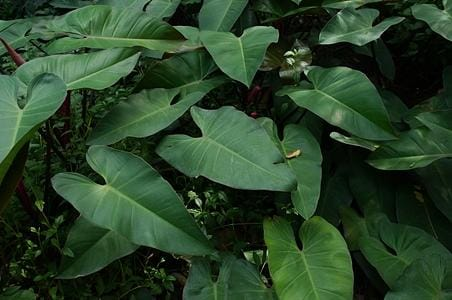
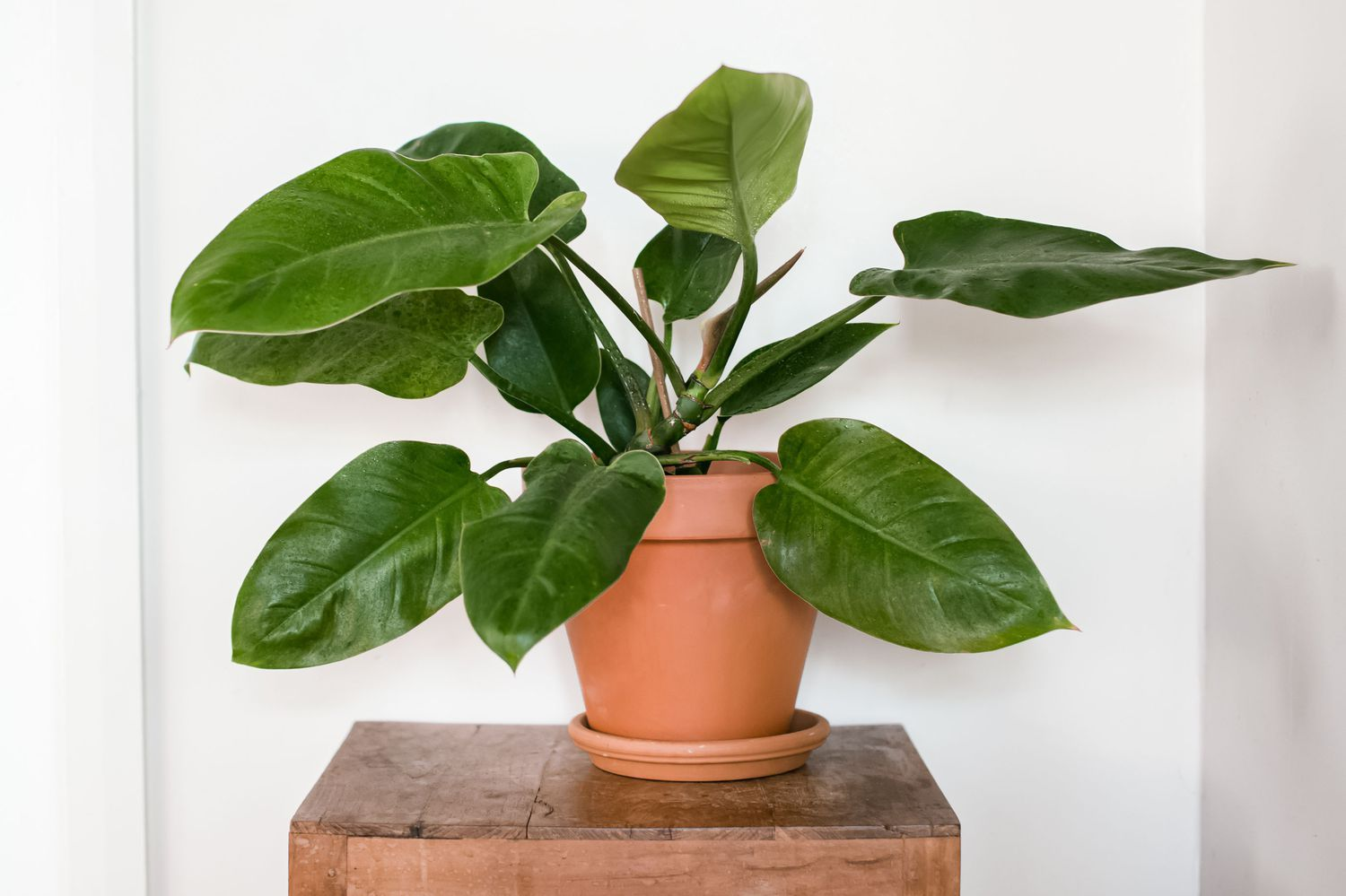
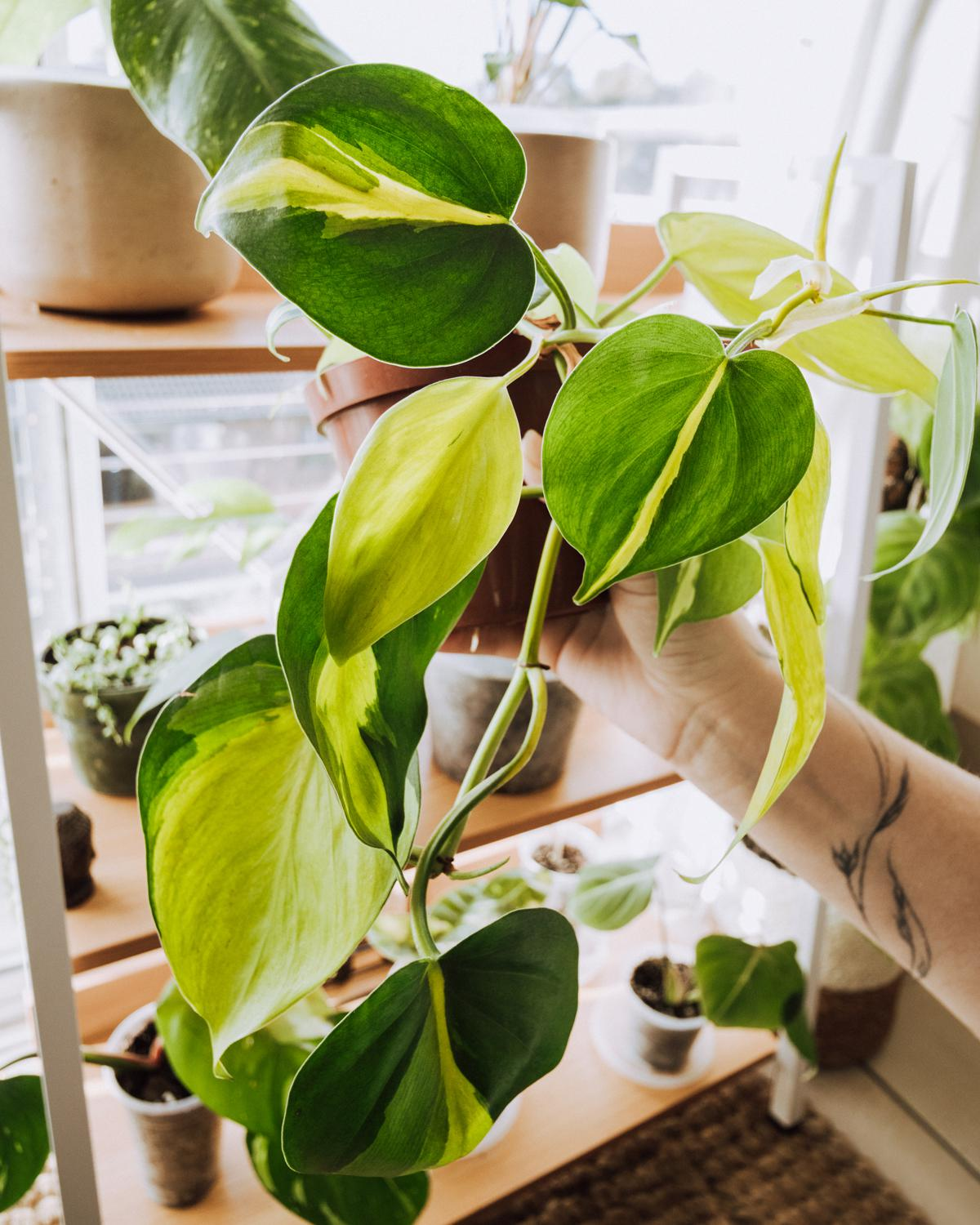
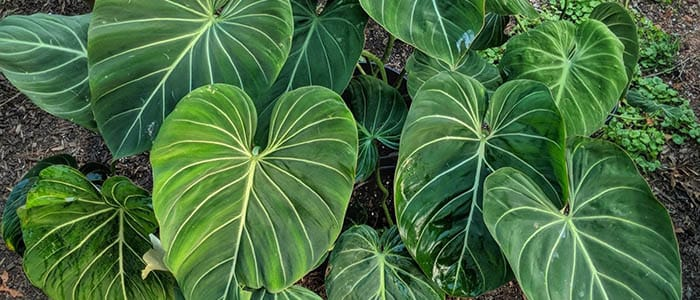
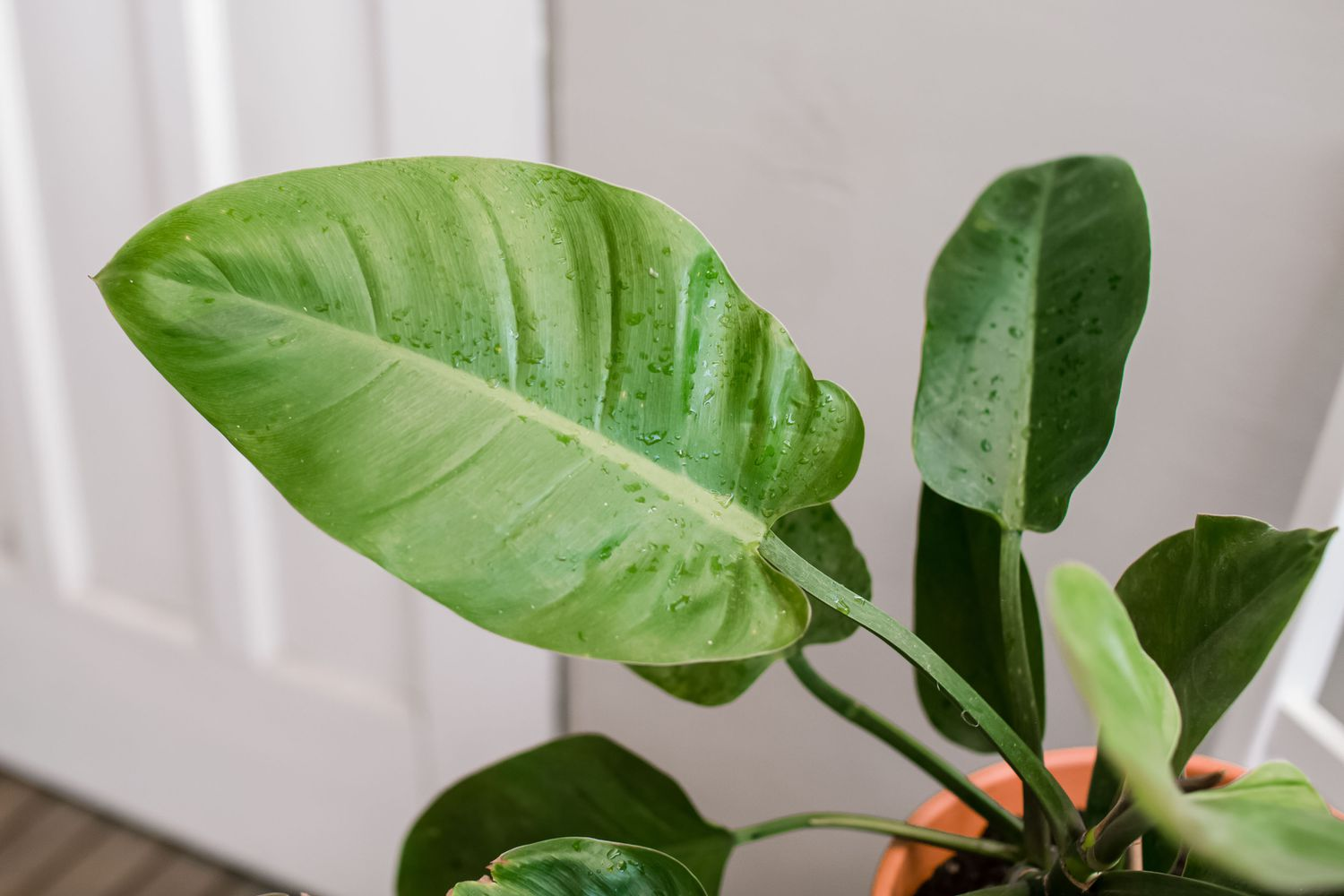
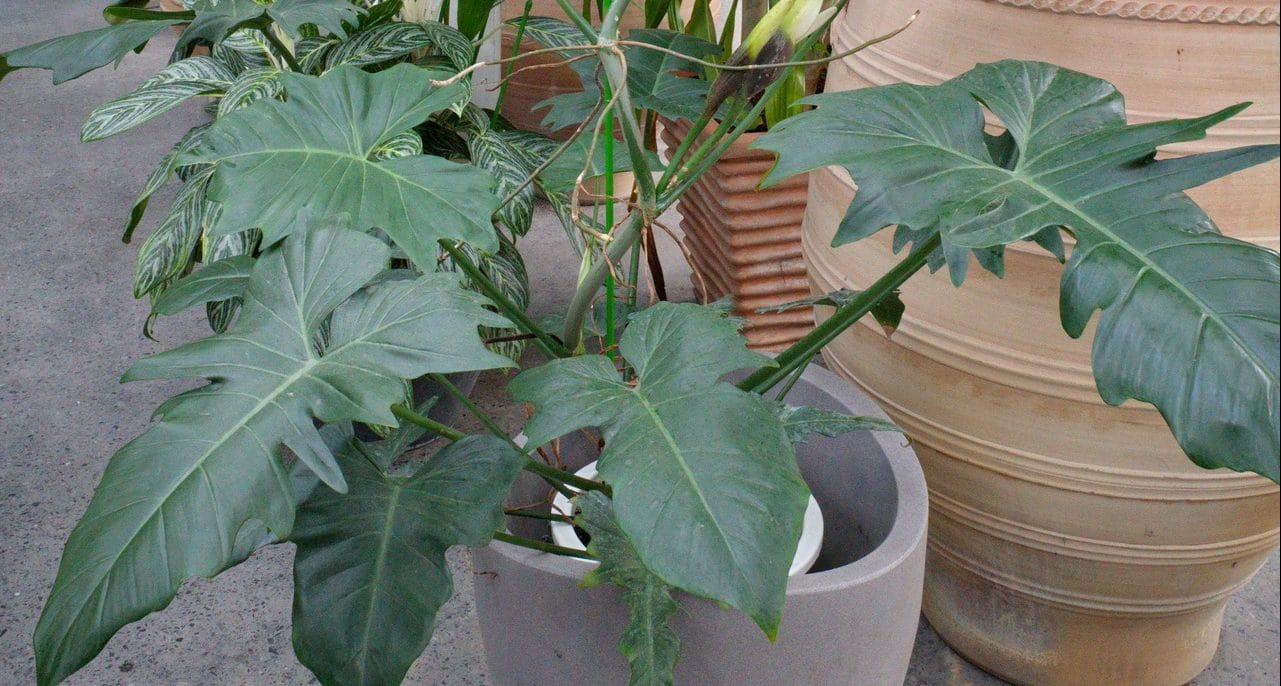
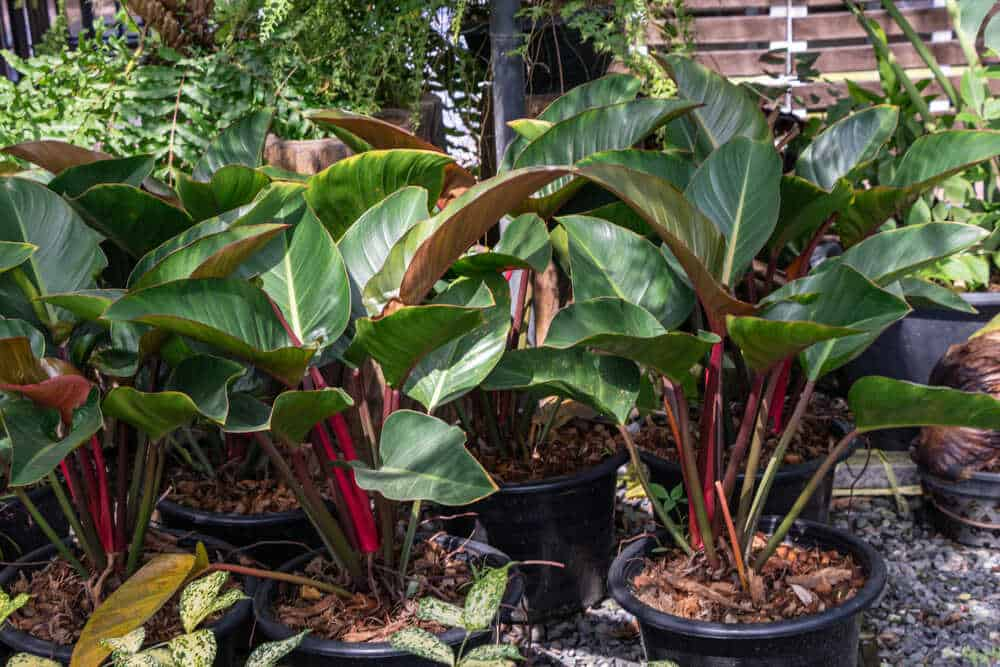
- Foliage:Leaves are the main attraction: often glossy green and substantial, sometimes lobed or deeply cut, and varying by species from heart-shaped to spear-shaped or divided. Some cultivated varieties may show variegation or richer tones beyond plain green.
- Flower:When mature and in the right conditions, philodendrons may produce an aroid-style bloom: a waxy, leaf-like spathe surrounding a tube-like spadix. Spathes are often bicolored and can appear in shades of white, green, red, or crimson, depending on the species.
- Flowering Season:Varies widely by species and indoor/outdoor growing conditions; flowering is uncommon in typical home interiors.
- Growth Habit:Two main habits are common: (1) vining types that climb or trail using aerial roots, and (2) more upright, self-heading/bushy forms that hold themselves up without needing a support.
🌤️ Environment
Sunlight
Bright to medium indirect light is ideal (near an east- or west-facing window). Many tolerate low light, but growth may slow. Avoid strong direct sun, which can scorch leaves.
Temperature
Best kept at 15–29°C (60–85°F). Below about 13°C (55°F) many philodendrons can be stressed or damaged. Keep away from cold drafts and heating/cooling vents.
Humidity
Prefers higher humidity around 60–80% but adapts to average indoor air. A humidifier, pebble tray, or occasional misting can help in dry homes (especially in winter).
Soil
A rich, airy, well-draining potting mix that holds light moisture but never stays waterlogged; slightly acidic is fine. Many growers use a chunky aroid mix (potting mix + bark + perlite) for extra airflow to roots.
Placement
Great for living rooms, bedrooms, and offices; bathrooms can be excellent due to naturally higher humidity. Use shelves or hanging baskets for trailers, or a moss pole/trellis for climbers.
Hardiness
Outdoor growing in USDA Zones 9–11; not frost tolerant and typically kept as a houseplant outside the tropics/subtropics.
🪴 Care Guide
Difficulty
Easy—one of the most forgiving groups of houseplants, especially for beginners.
Buying Guide
Inspect undersides of leaves and along stems for pests. Choose plants with firm stems and healthy, evenly colored foliage; avoid specimens with widespread brown spotting or mushy stems. If available, check the label—care needs can vary a bit among different philodendron species/cultivars.
Watering
Water when the top 2.5–5 cm (1–2 in) of soil feels dry. For many homes this is roughly weekly during active growth, then less often in winter. Water thoroughly and let excess drain; avoid keeping the pot constantly wet to prevent root rot.
Fertilization
Feed with a balanced liquid fertilizer about monthly in spring and summer. In fall and winter, reduce to every 6–8 weeks (or pause if growth is very slow).
Pruning
Trim vining types if they get long, sparse, or leggy—spring through summer is ideal. Remove yellowing or damaged leaves anytime to keep the plant tidy and to redirect energy to healthy growth.
Propagation
Very easy from stem cuttings: take a cutting about 15 cm (6 in) long with at least one node, root it in water (or directly in moist mix), then pot up once roots develop. Some forms can also be divided if they’ve formed multiple stems/clumps.
Repotting
Repot about every 2–3 years in spring or summer, moving up to a pot roughly 2.5–5 cm (1–2 in) wider. Many plants also appreciate a yearly top-dress or soil refresh to restore nutrients and structure.
📅 Seasonal Care Calendar
Spring/Summer: peak growth—water more regularly, fertilize, prune, and propagate. Fall/Winter: slower growth—reduce watering, fertilize lightly or stop, and keep temperatures steady away from drafts.
🔬 Pests, Diseases & Safety
Common Pests & Diseases
Common pests include aphids, mealybugs, scale, spider mites, and thrips. Treat early with insecticidal soap or neem oil and improve airflow. Overwatering can lead to root rot; bacterial issues like leaf spot or blight may appear as wet-looking spots—remove affected foliage, avoid splashing water on leaves, and adjust watering habits.
Toxicity
Toxic if chewed by humans or pets due to insoluble calcium oxalate crystals. Ingestion may cause mouth and lip irritation/swelling, blisters, nausea, diarrhea, and difficulty swallowing. Keep out of reach of children and animals, and wash hands after handling if you have sensitive skin.
🎋 Culture & Symbolism
Symbolism:Often associated with growth, renewal, and a strong connection to nature. Heart-shaped types are commonly gifted to express appreciation, warmth, and open-hearted kindness.
History & Legends:The name comes from Greek—”philo” (love) and “dendron” (tree)—a nod to how many species climb trees in the wild, earning the nickname “tree lover.” Philodendrons were collected from the wild as early as 1644, and the genus was formally described by Heinrich Wilhelm Schott in 1829.
Uses:Primarily grown as ornamental indoor plants for their dramatic foliage and versatility (trailing baskets, shelves, or trained climbers). They can also contribute to a more comfortable indoor feel by adding a touch of greenery and a small amount of moisture through transpiration; some sources also cite air-quality benefits under controlled conditions.
❓ FAQ
How often should I water my philodendron?
Water when the top 2.5 cm (1 in) of soil is dry—often about once a week in warm, bright conditions, and less in winter. Always let excess water drain.
Why are my philodendron leaves turning yellow?
Most commonly it’s watering-related (too wet or too dry), but low light and cold stress can also contribute. Check soil moisture first, then adjust light and keep the plant away from drafts.
Can philodendrons grow in low light?
Yes—many philodendrons tolerate low light, though they’ll usually grow more slowly and may produce smaller, less dramatic leaves than they would in bright indirect light.
Should I mist my philodendron?
They enjoy humidity, so misting can help in dry rooms—but a humidifier or grouping plants together is often more effective and consistent.
💡 Fun Facts
- Philodendron is one of the largest genera in the aroid family (Araceae), with well over 600 species described.
- Different species may grow as terrestrial plants, epiphytes, or hemiepiphytes—starting life in trees and eventually rooting down to the ground.
- Some philodendrons partner with ants, offering shelter or nectar in exchange for protection.
- Certain species can warm their spadix during flowering (thermogenesis), helping attract pollinating beetles; temperatures may reach around 45°C (113°F).
- Juvenile leaves and adult leaves can look dramatically different—a transformation sometimes called leaf “metamorphosis.”
- Some produce extrafloral nectaries (nectar outside the flowers) that can attract beneficial insects like protective ants.