🌱 Plant Features
- Size:Up to about 60 × 60 cm (24 × 24 in) indoors
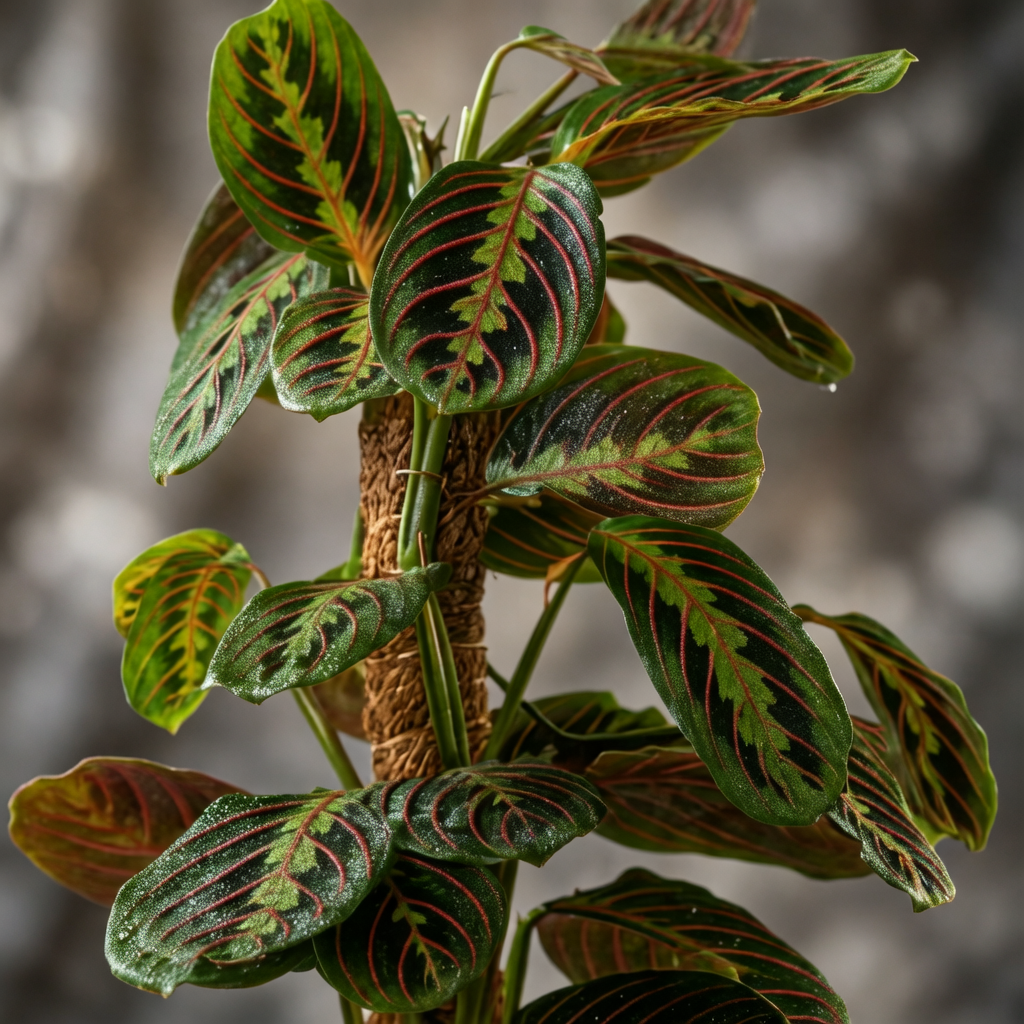
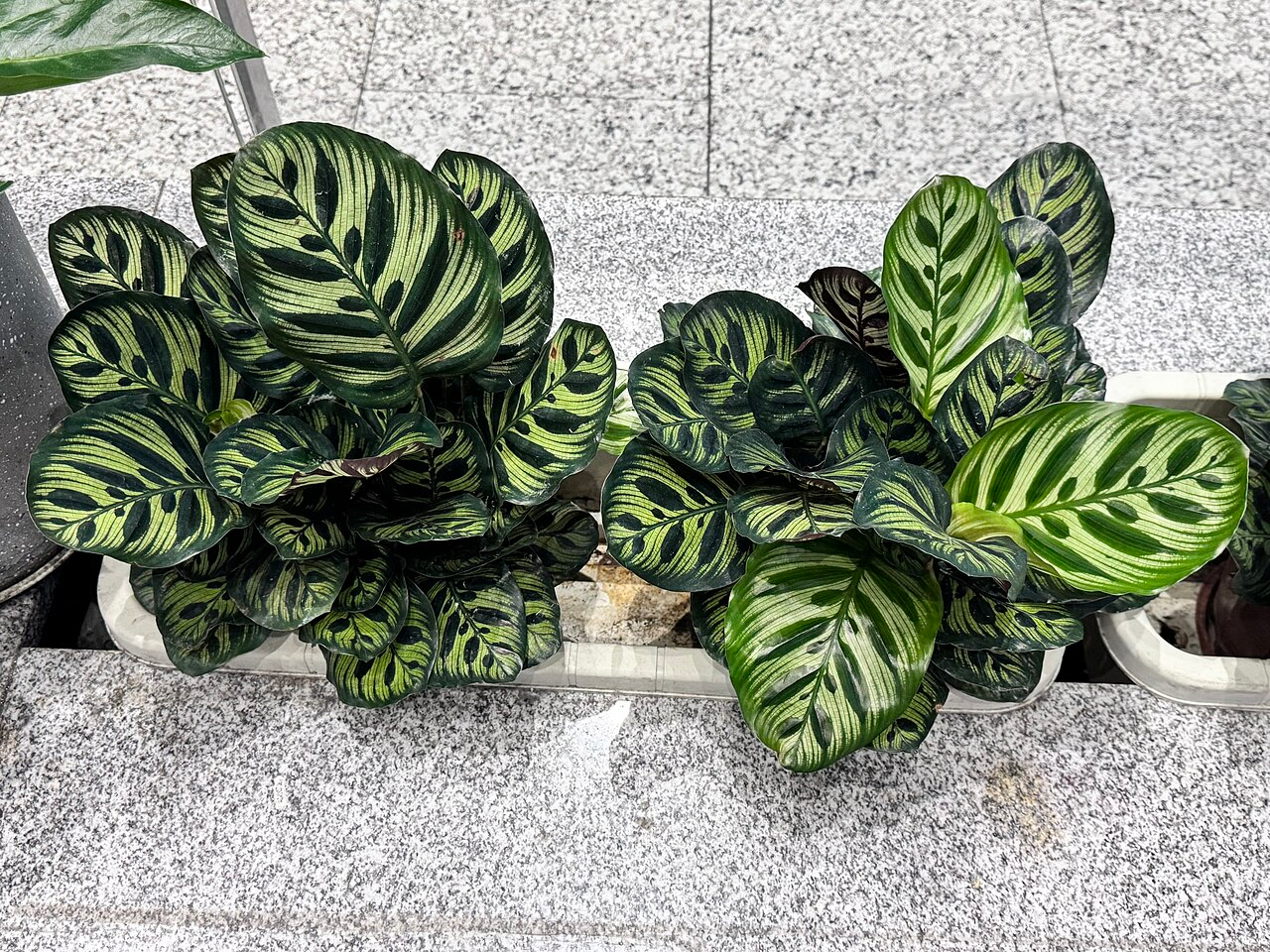
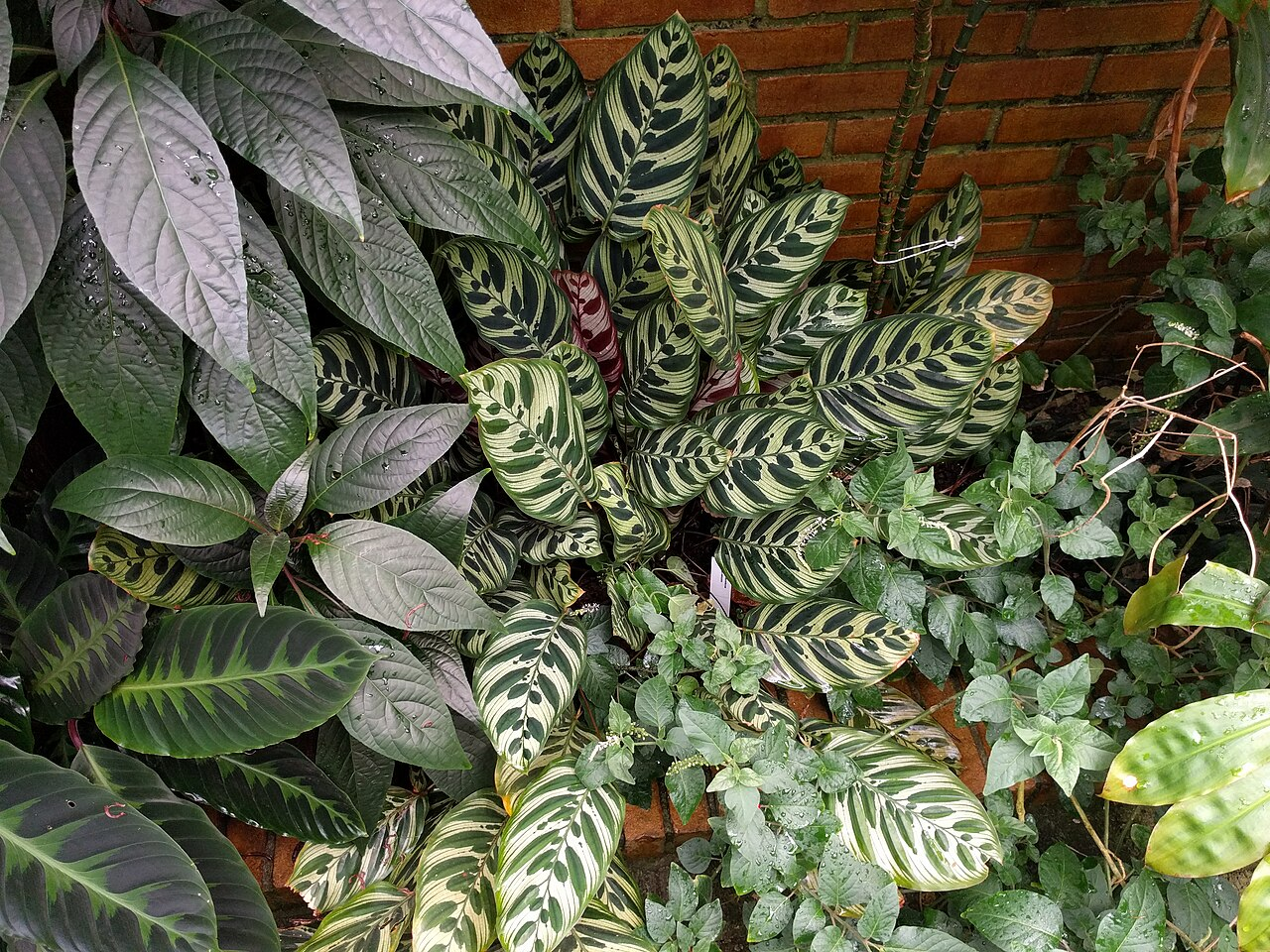
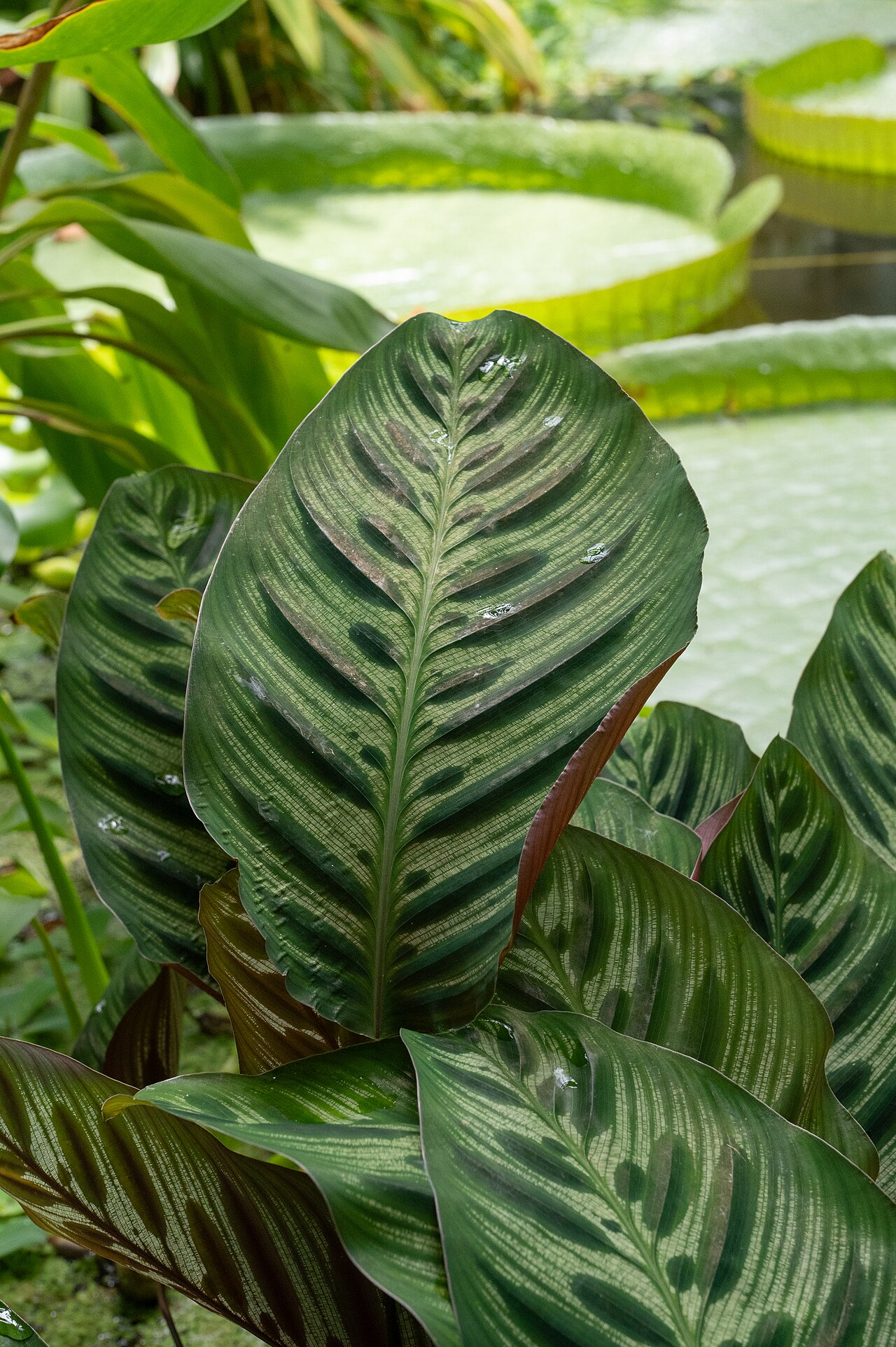
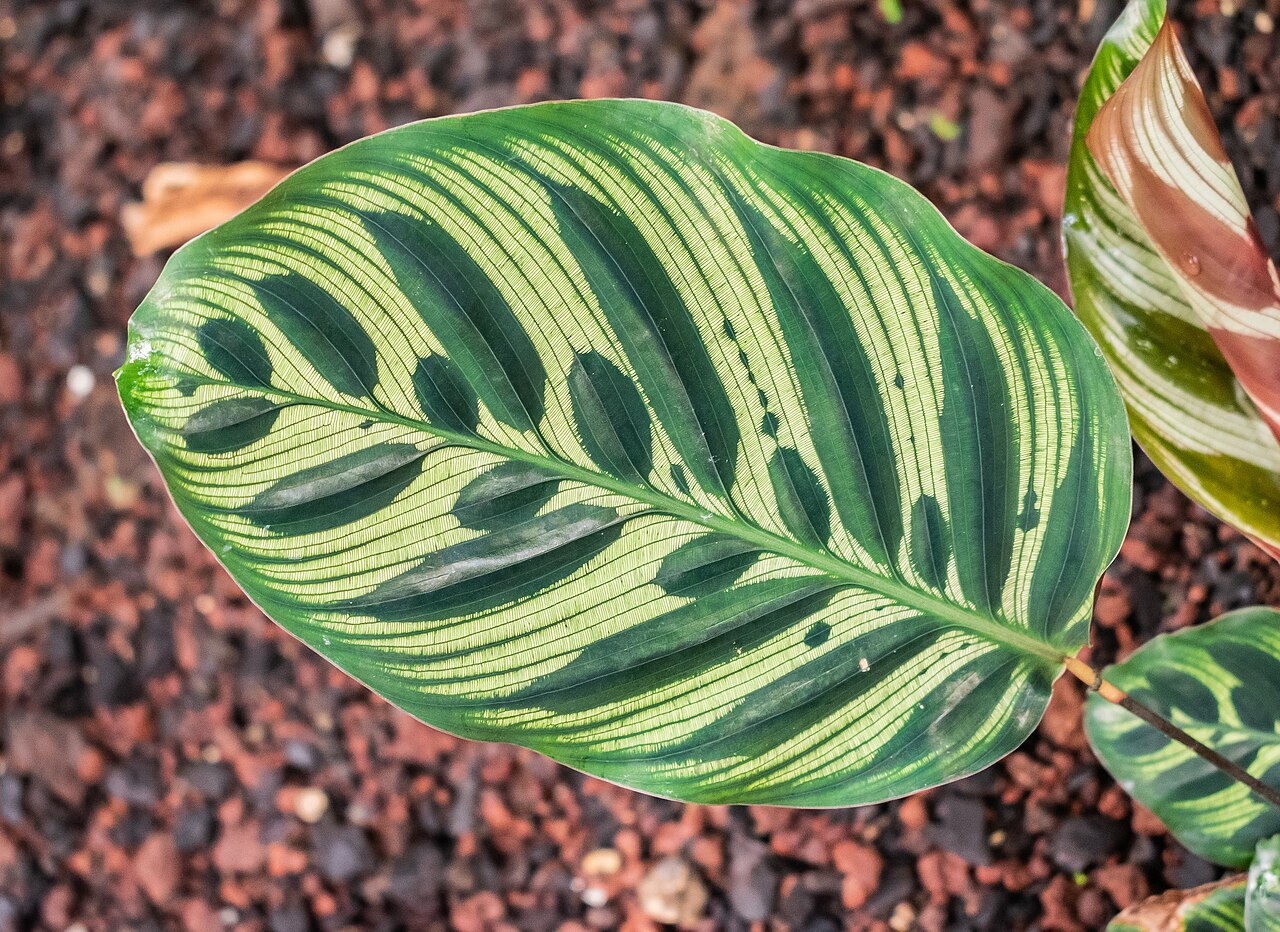
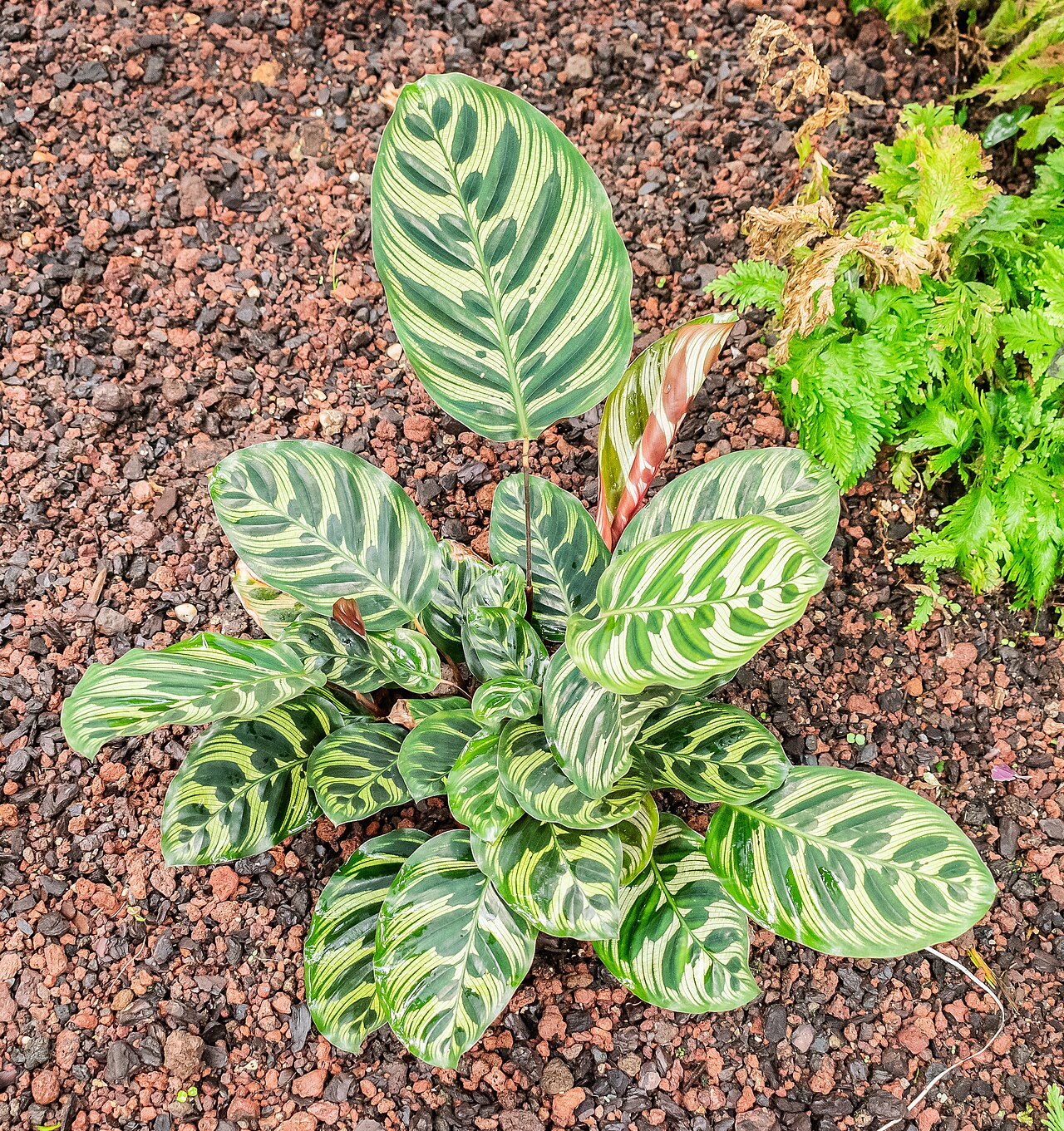
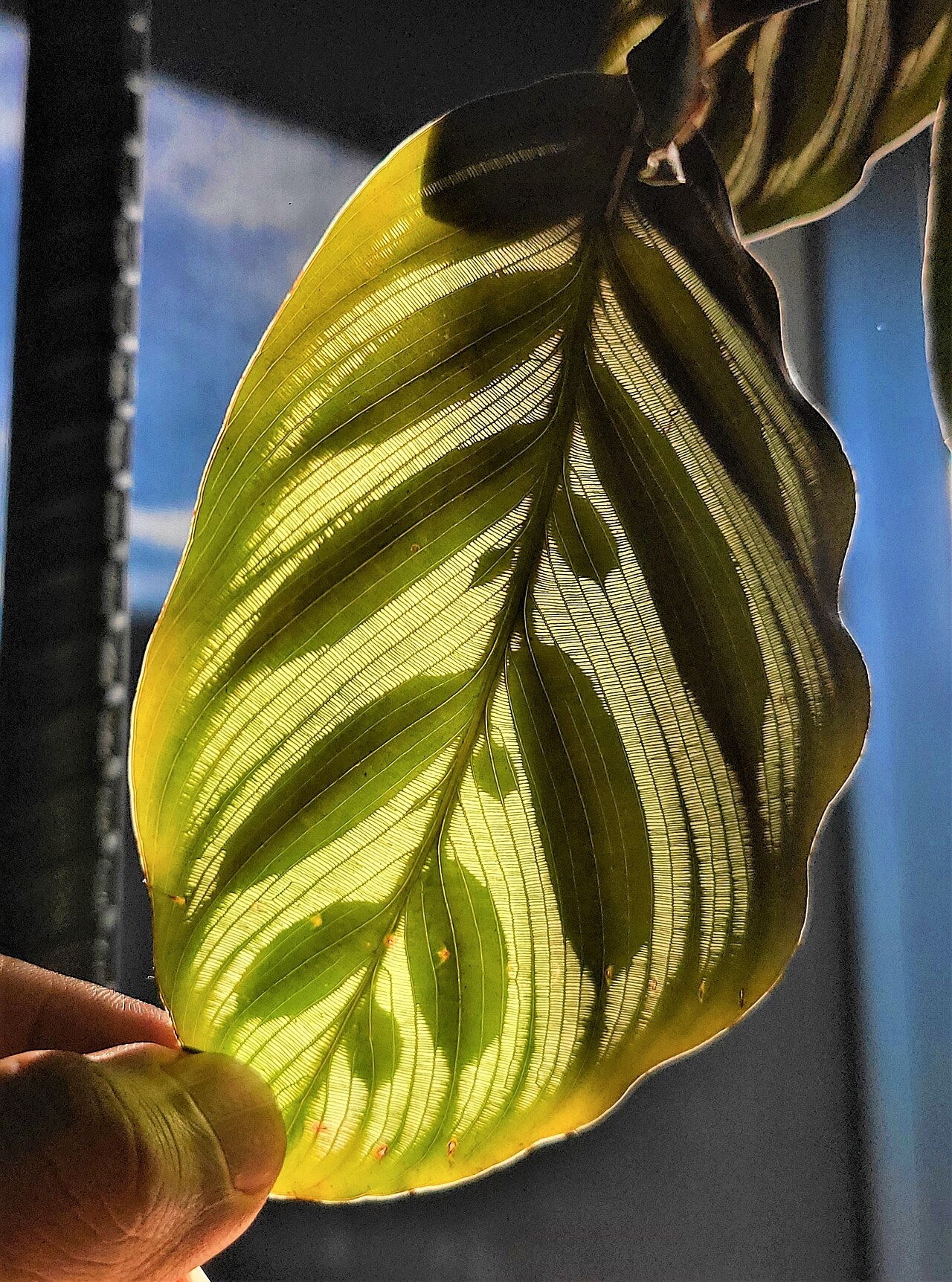
- Foliage:Oval leaves with intricate, feather-like bands of light and dark green, marked with noticeable reddish veins; undersides are deep burgundy-red. Foliage shows “prayer plant” behavior, folding up at night and reopening at dawn.
- Flower:Flowers are small and usually insignificant indoors; this plant is grown primarily for its foliage.
- Flowering Season:Occasional; not a reliable indoor bloomer
- Growth Habit:Clump-forming plant with upright to gently arching leaves arising from a basal crown
🌤️ Environment
Sunlight
Bright, indirect light to light shade; avoid harsh direct sun, which can scorch leaves and fade the pattern.
Temperature
15–24°C (59–75°F); avoid cold drafts and chills, and try not to let it drop below about 13°C (55°F).
Humidity
Moderate to high humidity; aim for 50%+ (ideally 60–70%) to prevent crispy edges and to keep growth lush.
Soil
Moisture-retentive but free-draining houseplant mix (often coco/peat-based) amended with perlite and/or fine bark for airflow. A shallow pot about 12.5–15 cm (5–6 in) wide with drainage is often a good match for its root system.
Placement
Indoors near an east- or north-facing window, or set back from a bright south/west window. Keep away from direct sun and strong airflow. Use a pebble tray with water, a humidifier, or occasional misting to boost local humidity.
Hardiness
Not frost-hardy; outdoors only in USDA Zones 11–12, otherwise grown as a houseplant.
🪴 Care Guide
Difficulty
Easy, as long as you keep it evenly moist, provide decent humidity, and protect it from drafts.
Buying Guide
Choose a plant with firm stems and richly colored leaves with crisp patterning. Avoid plants with lots of browned edges (often low humidity or inconsistent watering) and check leaf undersides for pests like spider mites or mealybugs before bringing it home.
Watering
Spring through fall: keep the potting mix evenly moist but never waterlogged. Winter: let the top layer dry slightly, then water. Low humidity and dry indoor air can worsen browning—pebble trays, grouping plants, or a humidifier can help.
Fertilization
Spring through fall: feed every 2 weeks with a balanced liquid fertilizer at half strength (1/2 rate). Reduce or pause feeding in winter when growth slows.
Pruning
No shaping needed. Remove yellowing, damaged, or tired leaves by cutting the leaf stem at the base with clean scissors.
Propagation
Division is the most reliable method: when repotting, separate healthy clumps with roots attached and pot them up individually.
Repotting
Repot every 2–3 years (or once rootbound), ideally in spring. Use a shallow pot with drainage and refresh with a well-aerated, moisture-holding mix.
📅 Seasonal Care Calendar
Spring–fall: bright indirect light, keep evenly moist, fertilize every 2 weeks at half strength. Winter: water a bit less (let the surface dry slightly), stop or reduce feeding, and protect from cold drafts. Repot/divide every 2–3 years, preferably in spring.
🔬 Pests, Diseases & Safety
Common Pests & Diseases
Common pests include spider mites, mealybugs, scale, and thrips—especially in dry indoor air. Low humidity can cause brown edges; overwatering or poorly draining soil can lead to root rot. Raise humidity, maintain gentle (not drafty) airflow, and treat pests promptly with insecticidal soap or horticultural oil.
Toxicity
Generally regarded as non-toxic to cats and dogs (often listed as pet-safe). Still, chewing any plant can cause mild stomach upset in sensitive pets.
🎋 Culture & Symbolism
Symbolism:Often linked with renewal, calm routines, and daily rhythms—thanks to its “praying” leaves that close at night and reopen in the morning.
History & Legends:Peacock plant comes from the tropical forest understory of Brazil, where it evolved to thrive in warm, humid conditions with filtered light. It’s part of the broader “prayer plant” group popular in home collections for their dramatic patterns and gentle leaf movement.
Uses:Primarily an ornamental indoor foliage plant for homes and offices, prized for its bold patterning and its nightly leaf-folding movement.
❓ FAQ
How should I water it?
In spring through fall, keep the mix evenly moist (not soggy). In winter, let the surface dry slightly before watering again. If your home is dry, add humidity to help prevent crispy edges.
How often should I fertilize?
Feed every 2 weeks in spring through fall with a balanced liquid fertilizer diluted to half strength (1/2 rate). Pause or reduce feeding in winter.
What light does it need?
Bright, indirect light is ideal. It tolerates light shade, but direct sun can scorch leaves and dull the pattern. Keep it away from strong drafts.
What pot works best and how often should I repot?
A shallow pot about 12.5–15 cm (5–6 in) wide with drainage works well. Repot every 2–3 years, ideally in spring, or sooner if it becomes rootbound.
💡 Fun Facts
- Its nightly leaf-folding is a natural movement called nyctinasty, common in many plants in the prayer-plant family.
- The dramatic, feather-like patterning is exactly why it earned the nickname “peacock plant.”