🌱 Plant Features
- Size:Typically about 60 × 60 cm (24 × 24 in) as a mature houseplant, depending on pot size and conditions.
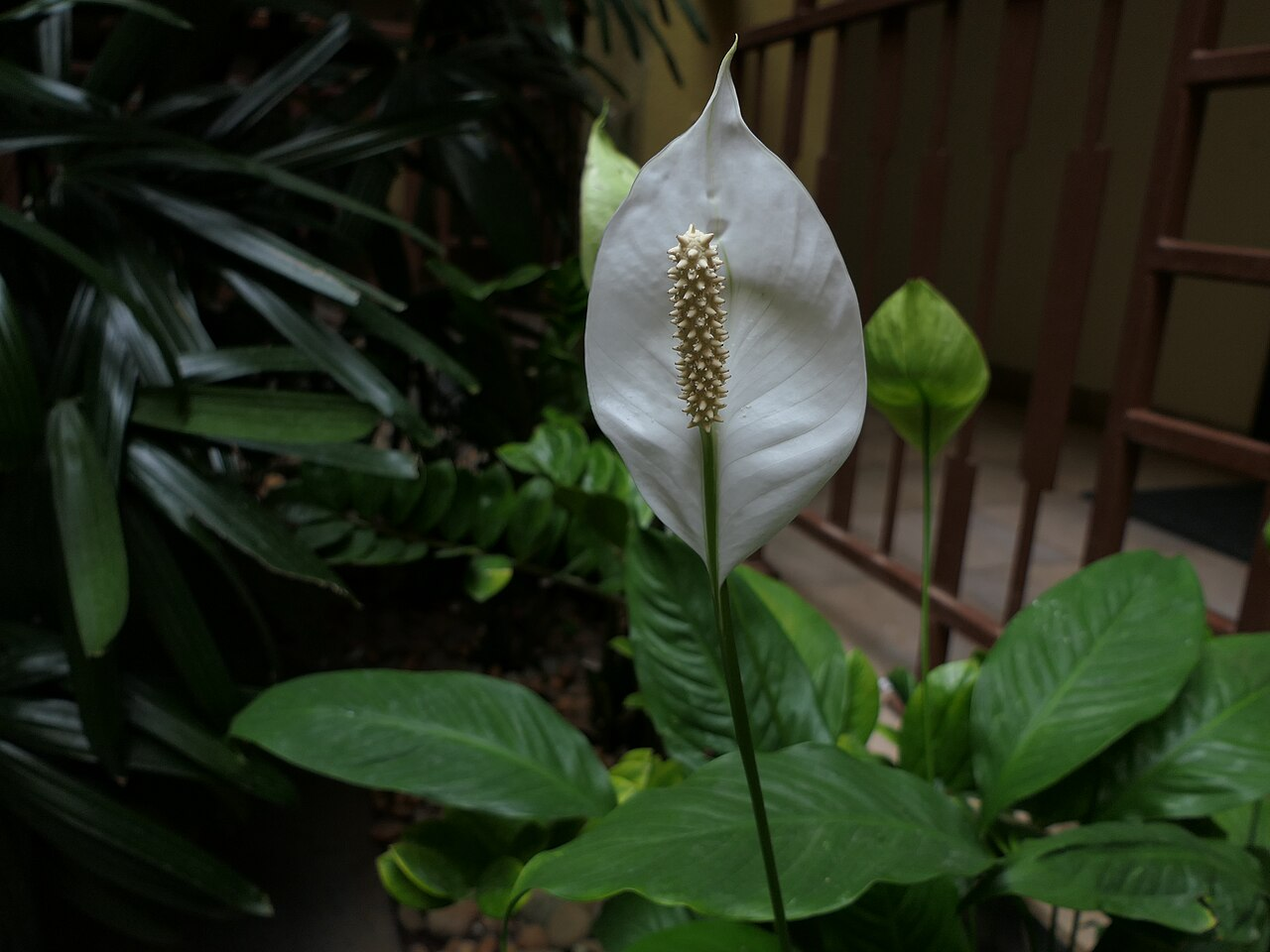
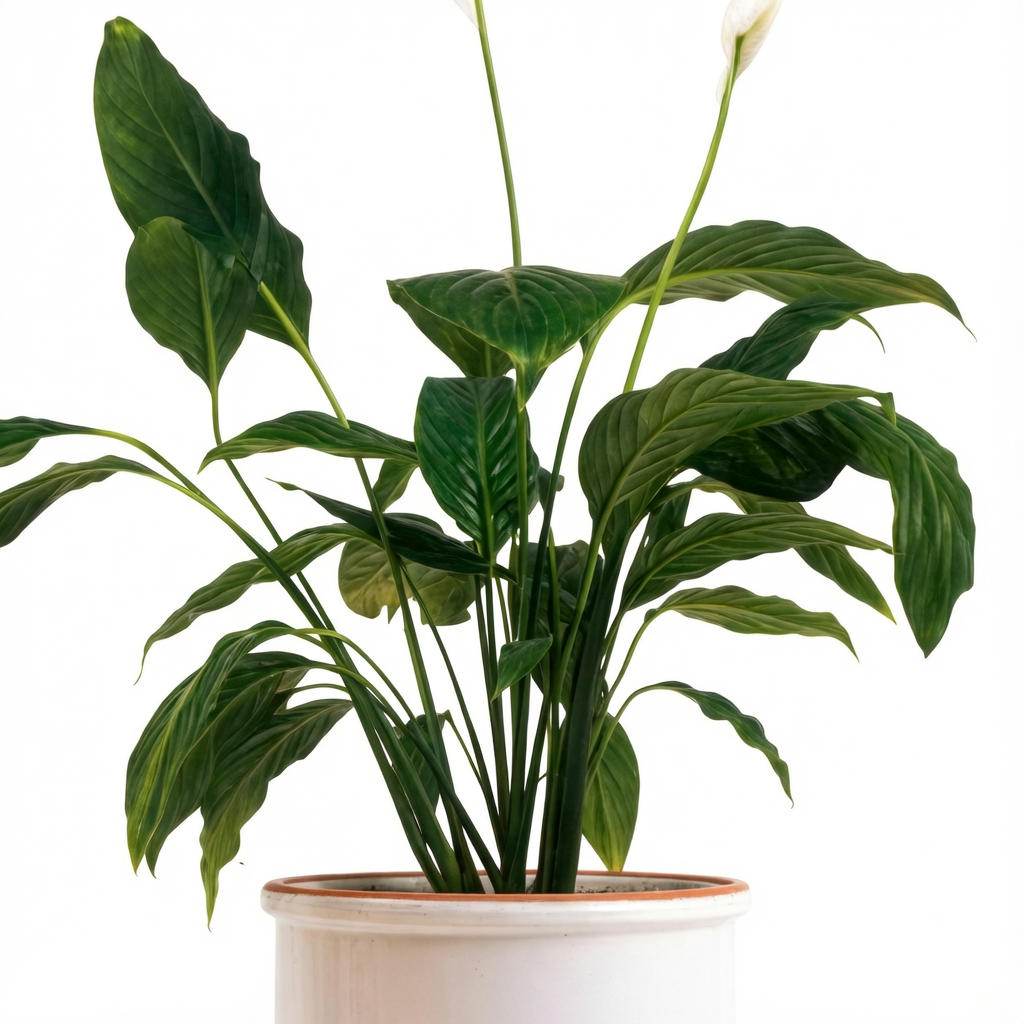
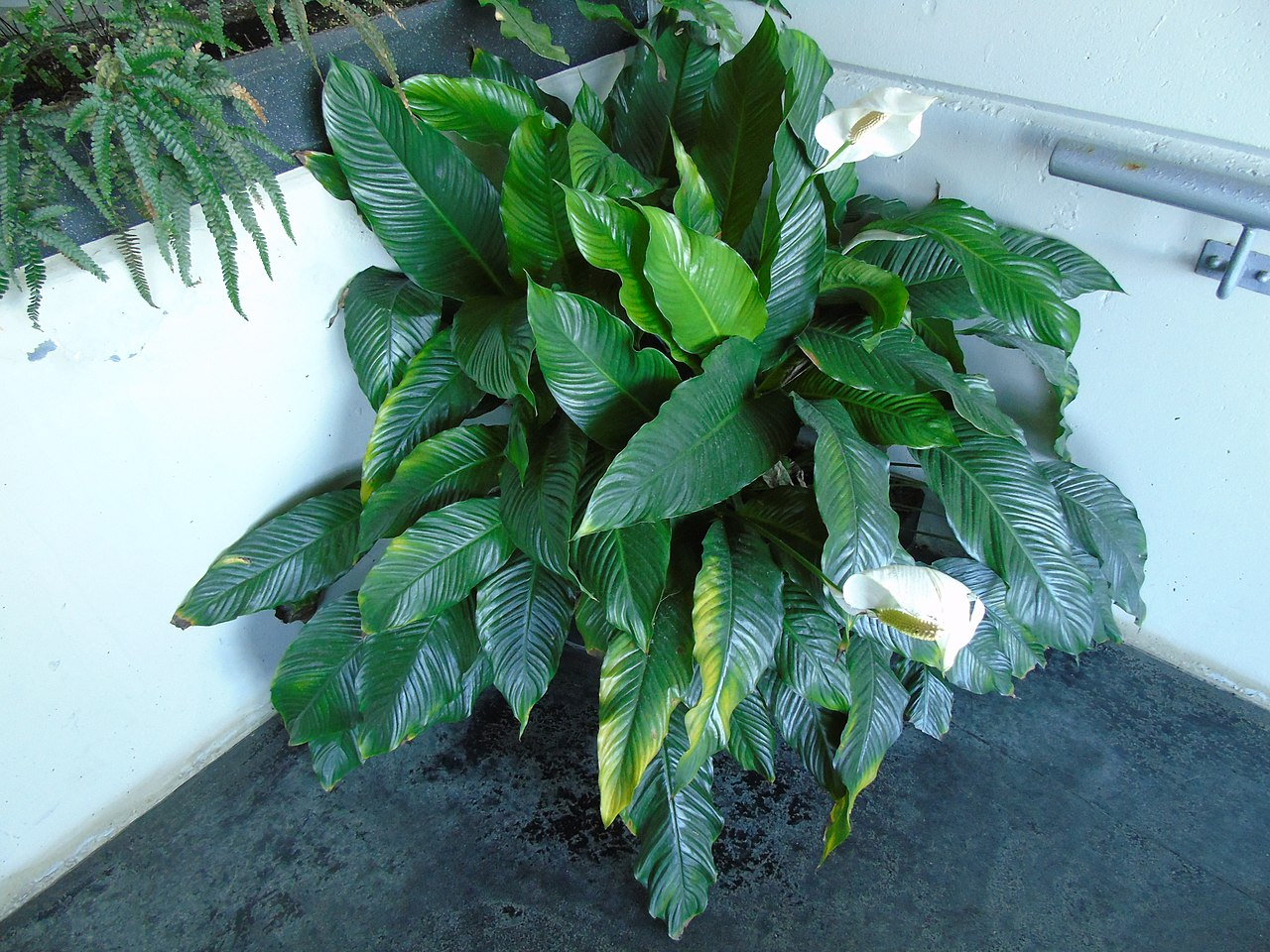
- Foliage:Glossy, deep-green, lance-shaped leaves held on upright stalks, forming a tidy clump.
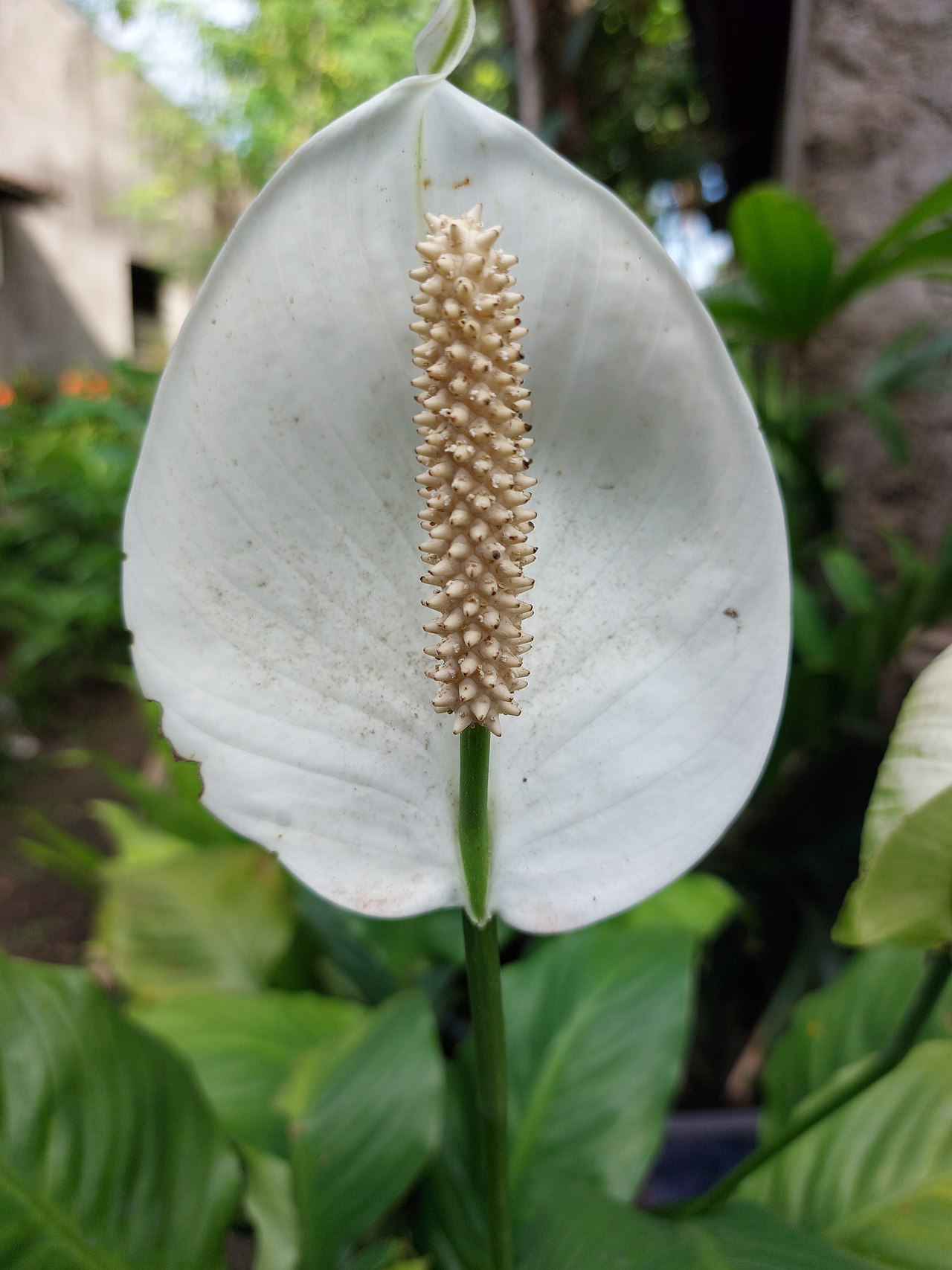
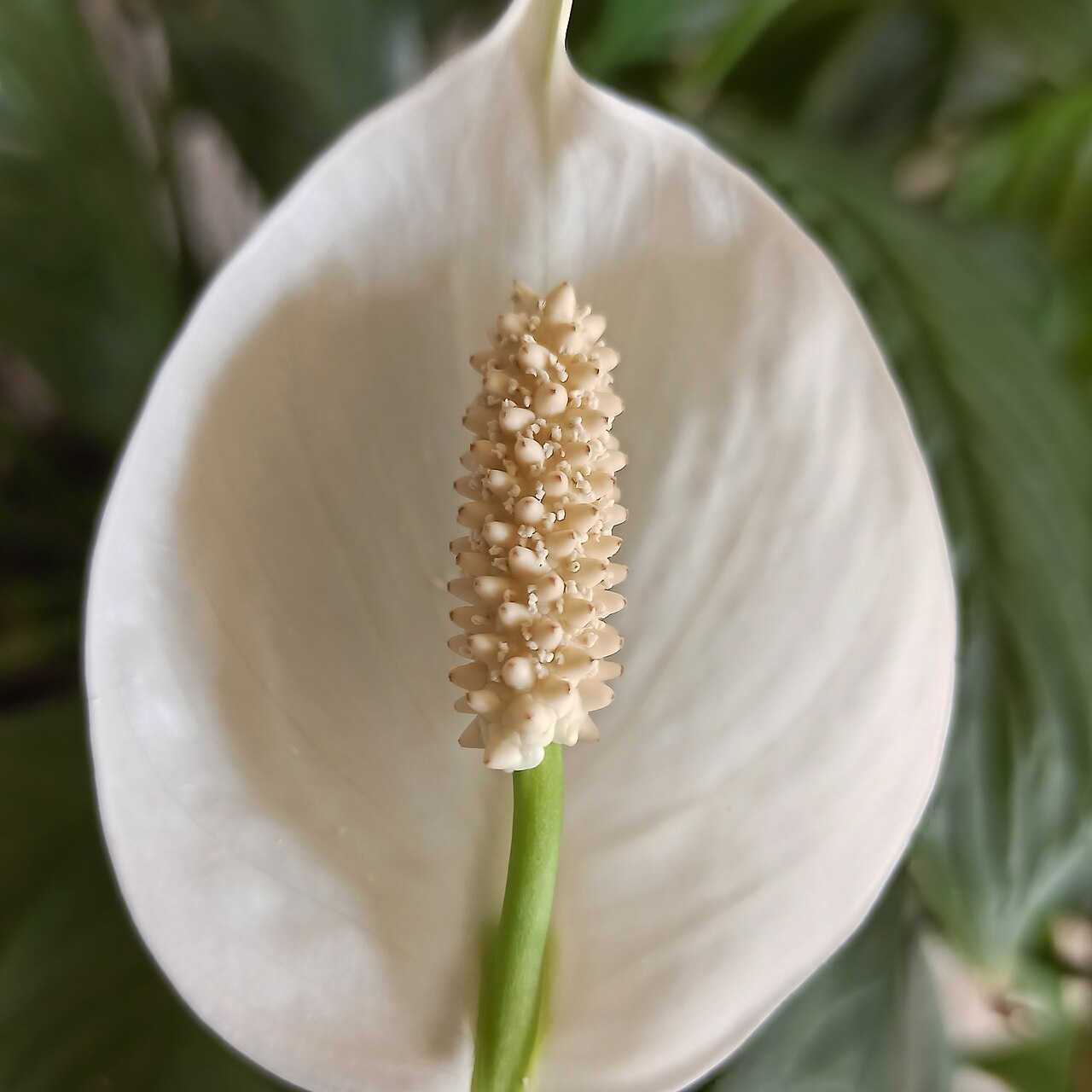
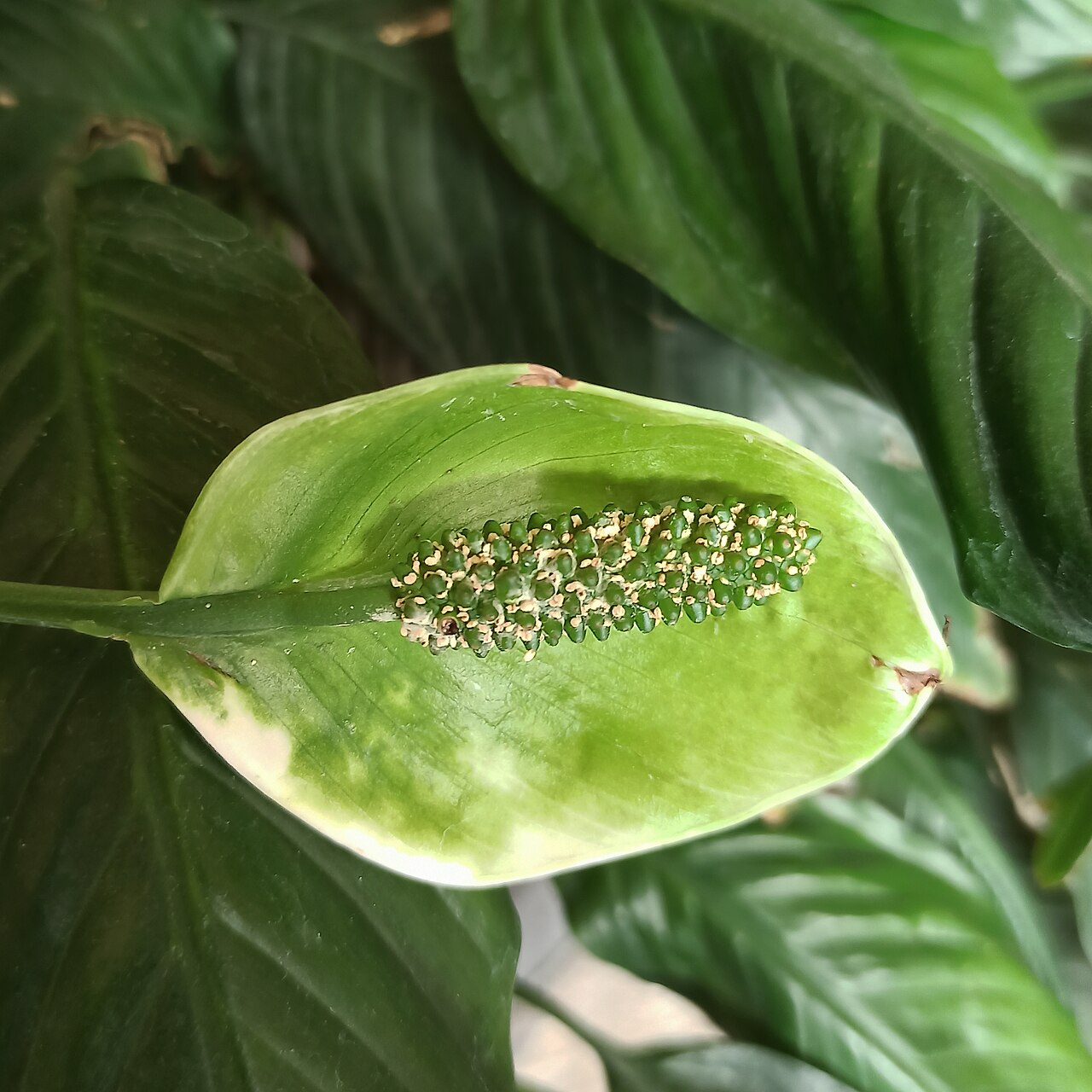
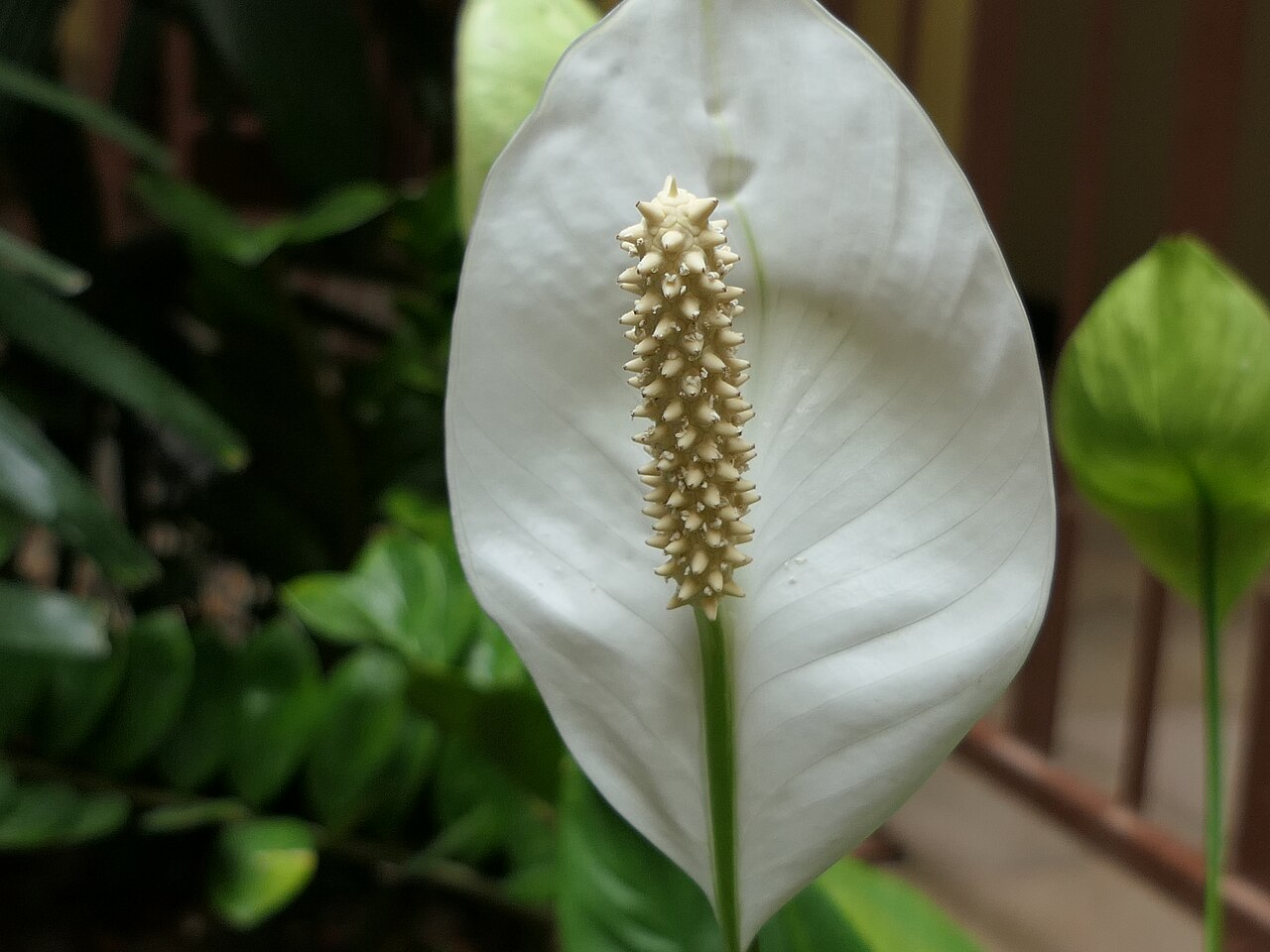
- Flower:Large white spathes surrounding a pale, creamy spadix; blooms are long-lasting and commonly fade from white to green as they mature.
- Flowering Season:Spring (often sporadic flowering indoors in other seasons with good light).
- Growth Habit:Clump-forming, upright, evergreen perennial.
🌤️ Environment
Sunlight
Bright, indirect light is ideal; tolerates partial shade. Avoid harsh direct sun, which can scorch leaves.
Temperature
12–24°C (54–75°F). Protect from cold drafts; avoid prolonged exposure below about 10°C (50°F).
Humidity
Moderate to high humidity. Benefits from misting or a pebble tray in dry indoor air.
Soil
Loose, moisture-retentive yet well-draining potting mix (for example, a roughly 1:1 blend of quality potting mix with a chunky aerating component such as bark-based mix and/or perlite).
Placement
Indoors near a bright window with filtered light (living room, office). Keep out of direct midday sun; boost humidity with misting or a pebble tray.
Hardiness
USDA Zone 11–12 (minimum roughly 11–16°C / 52–60°F). Not frost-tolerant; grown as a houseplant in cooler regions.
🪴 Care Guide
Difficulty
Easy and forgiving, but looks best with steady moisture, good drainage, and bright indirect light.
Buying Guide
Pick a plant with firm, glossy leaves and minimal yellowing or brown tips. Avoid pots that are waterlogged or smell sour (possible root problems). Check leaf undersides and the crown for pests.
Watering
Spring to autumn: keep the mix evenly moist but never soggy. Winter: water when the top 2–3 cm (about 1 in) dries. Use room-temperature water and empty the saucer after watering. If the plant droops, it often perks up quickly after a thorough drink.
Fertilization
Early spring to late autumn: feed every 2 weeks with a balanced liquid fertilizer (full label rate, or half-strength if the plant is sensitive). Pause regular feeding in winter and restart in early spring.
Pruning
Cut spent flower stalks off at the base after flowering. Remove yellow or damaged leaves as needed.
Propagation
Best propagated by division: split mature clumps during repotting, making sure each division has roots and several leaves.
Repotting
Commonly grown in a 15–20 cm (6–8 in) pot. Repot when root-bound (often every 1–2 years), going up one pot size and refreshing the mix.
📅 Seasonal Care Calendar
Spring: keep evenly moist; begin feeding every 2 weeks; main bloom season. Summer/Autumn: continue steady moisture and feeding (every 2 weeks) until late autumn. Winter: water only when the surface dries; reduce frequency; stop routine fertilizing until early spring. Remove flower stalks after blooms fade.
🔬 Pests, Diseases & Safety
Common Pests & Diseases
Can be bothered by spider mites, mealybugs, scale, and fungus gnats (especially if soil stays too wet). Root rot is the big risk with poor drainage or chronic overwatering. Improve airflow, avoid soggy mix, and treat pests with insecticidal soap or horticultural oil when needed.
Toxicity
Toxic if chewed or ingested due to calcium oxalate crystals. May cause mouth/throat irritation, drooling, and discomfort in people and pets—keep away from children and animals.
🎋 Culture & Symbolism
Symbolism:Often linked with peace, sympathy, and purity; a classic comforting gift plant.
History & Legends:Became a global favorite as a tough, shade-tolerant tropical houseplant, and is frequently mentioned in discussions of indoor air-quality research.
Uses:Primarily ornamental as an indoor flowering foliage plant. Sometimes referenced for potential indoor pollutant reduction in controlled studies.
💡 Fun Facts
- The showy white part is a spathe (a modified leaf), not a true petal.
- It’s normal for the spathe to shift from white to green as it ages.
- Peace lilies often “tell you” they’re thirsty by drooping, then rebound soon after watering.