🌱 Plant Features
- Size:Typically 30–120 cm (12–48 in) tall indoors, often 30–60 cm (12–24 in) for common pot sizes; larger cultivars can reach about 180 cm (6 ft) in ideal conditions. Spread is often similar to height, forming a dense clump over time.
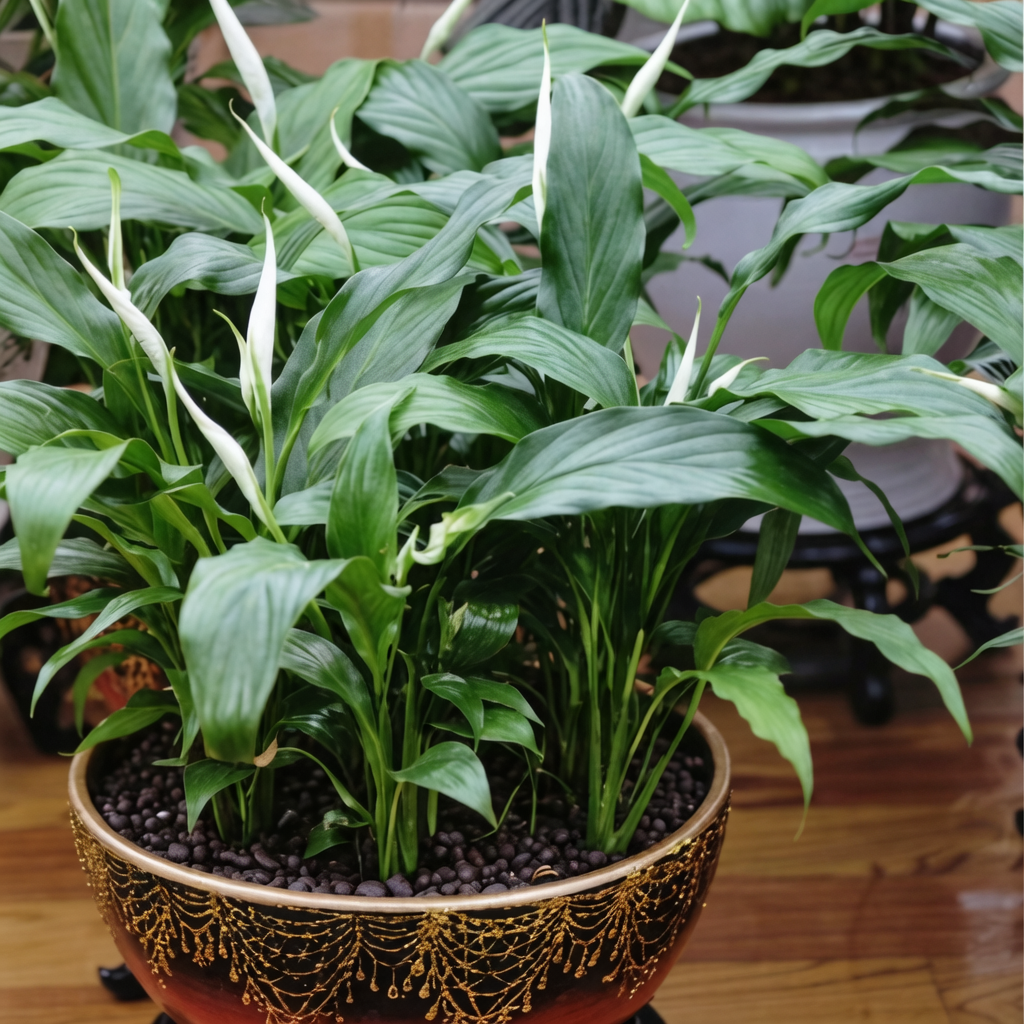
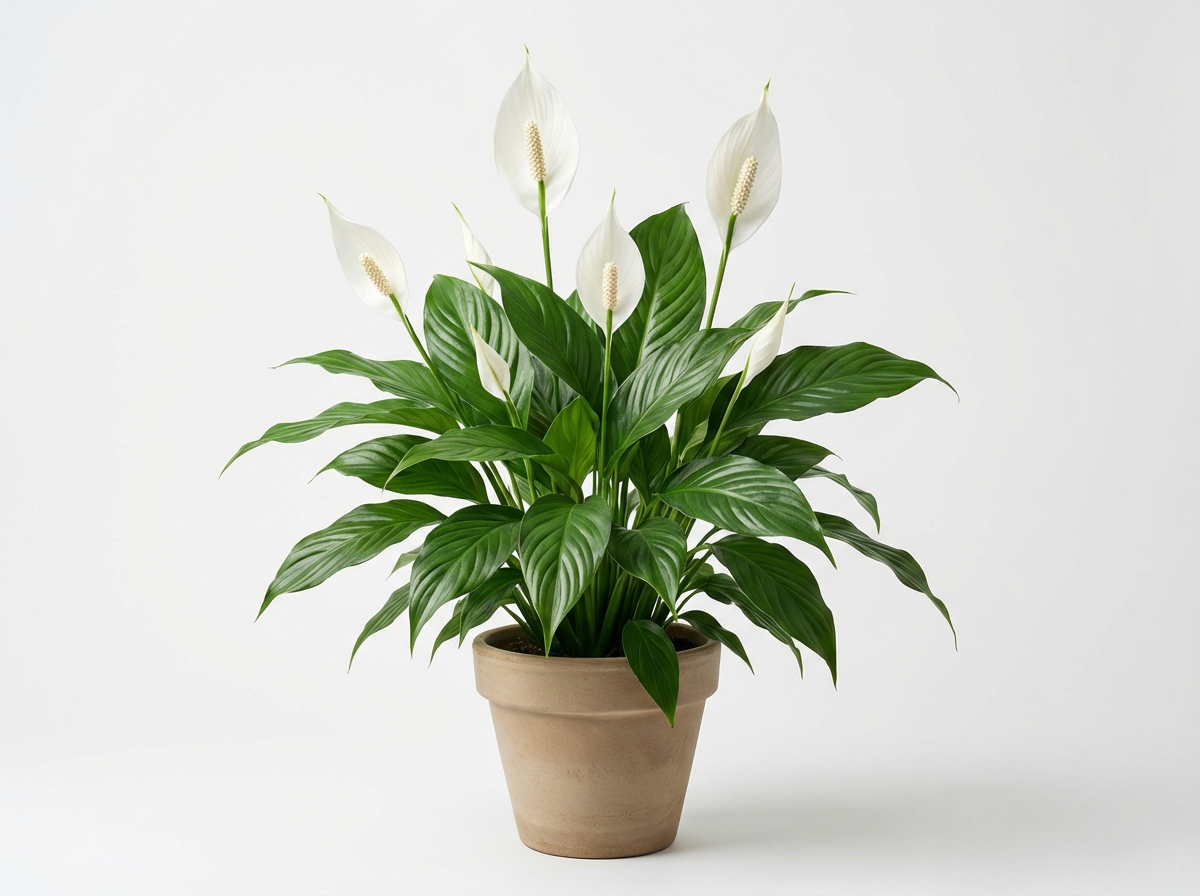
- Foliage:Deep green, glossy leaves that are oval to lance-shaped with noticeable veining, held on upright petioles. Leaves rise from the base and gradually form a full, clumping mound.
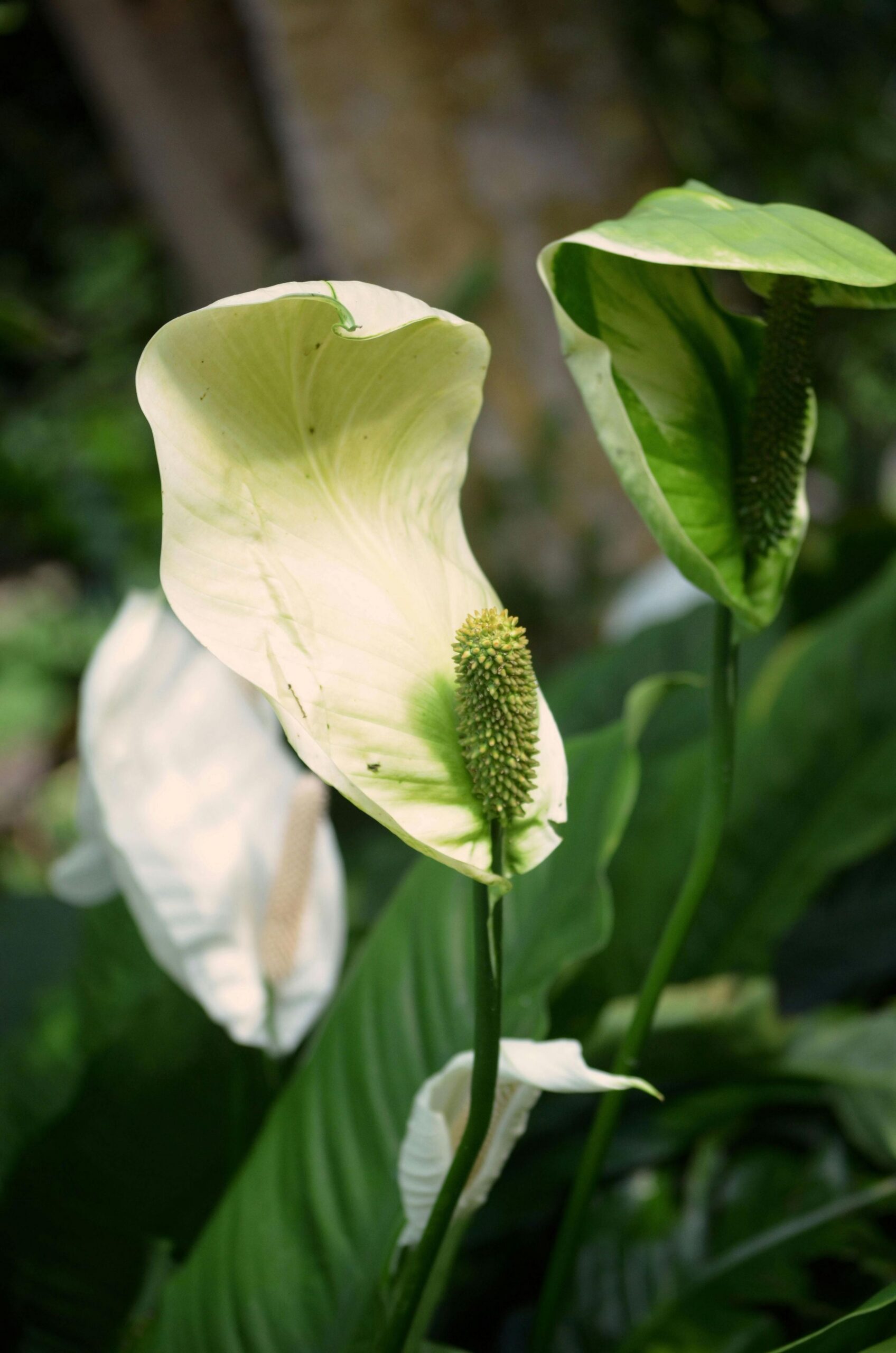
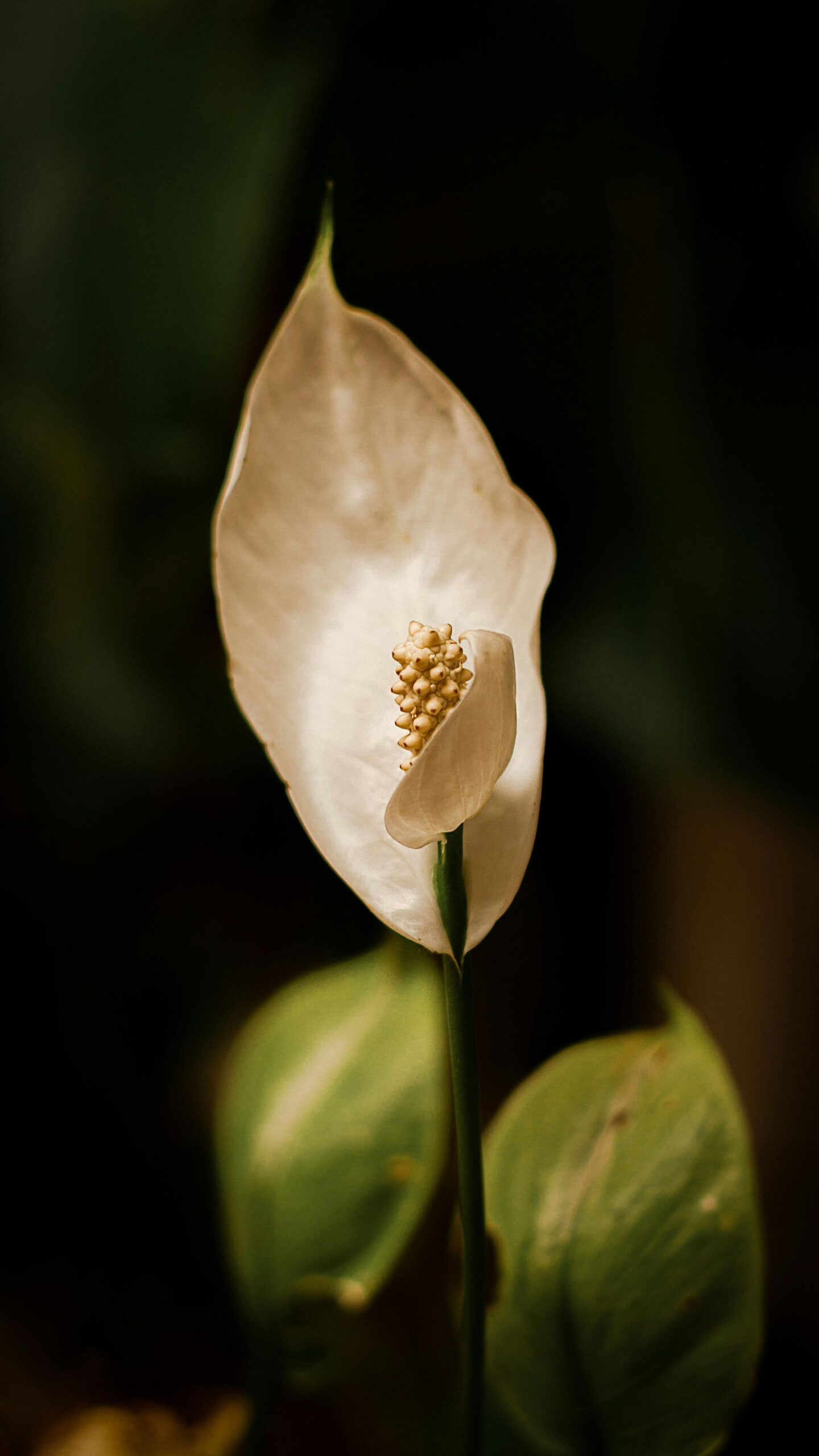
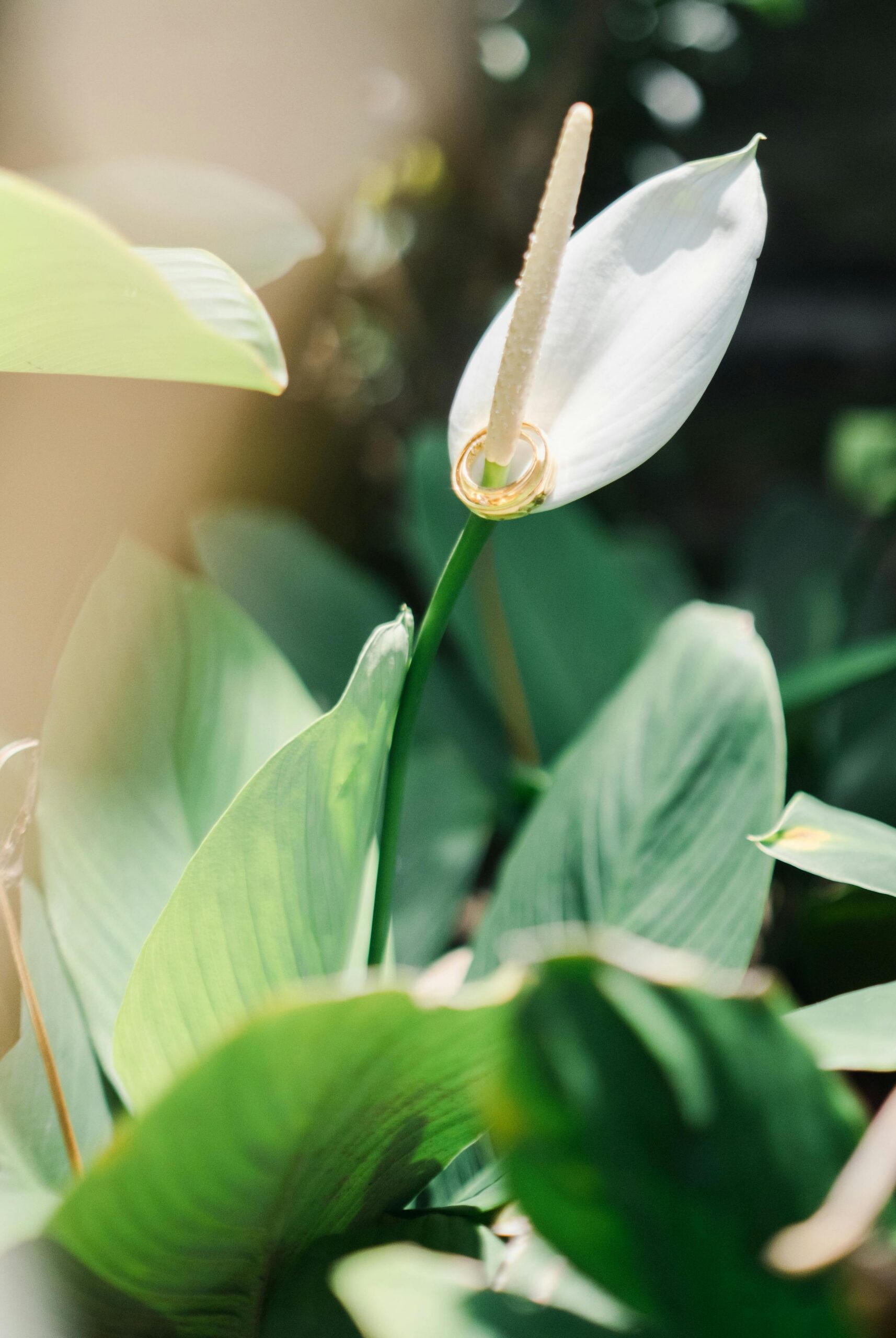
- Flower:Showy white to creamy-white spathes (slightly curved like a flag or sail) surrounding a slender spadix that is cream to pale yellow. Individual blooms can last for weeks, and plants may flower repeatedly under warm, bright indoor conditions.
- Flowering Season:Mainly spring to summer; can flower intermittently year-round indoors with steady warmth and bright, indirect light.
- Growth Habit:Clump-forming, evergreen, herbaceous perennial that grows from rhizomes with little to no visible above-ground stem.
🌤️ Environment
Sunlight
Bright, indirect light is ideal for strong growth and flowering. It tolerates lower light (especially for foliage) but typically blooms less. Avoid harsh direct sun, which can scorch leaves; a bright room or a south/southeast window set back from the glass works well.
Temperature
Comfort range about 18–27°C (65–80°F); it can grow well in warm rooms up to around 30°C (86°F) with adequate moisture. Keep above about 13–15°C (55–59°F) for best health; chilling injury can occur near 5°C (41°F), and cold drafts are a common cause of leaf damage.
Humidity
Prefers higher humidity (about 50–70%), but adapts to average indoor levels. If air is dry, boost humidity with a pebble tray, humidifier, or light misting (especially in heated rooms).
Soil
A loose, rich, moisture-retentive but well-draining mix—often peat/coir-based with perlite and/or fine bark. It likes good aeration while staying evenly moist (not soggy) and generally prefers slightly acidic to neutral conditions.
Placement
Great for living rooms, offices, bedrooms, and even brighter bathrooms. Place where it gets bright, filtered light and stays away from hot sun, cold drafts, and heater blasts; after repotting/division, keep it in partial shade while it re-establishes.
Hardiness
Suitable outdoors only in frost-free climates (about USDA Zone 10–12). Not frost hardy; cold can seriously damage or kill the plant.
🪴 Care Guide
Difficulty
Easy to moderate. It’s forgiving and beginner-friendly, but looks best with consistent warmth, evenly moist soil, and protection from cold drafts and drying heat.
Buying Guide
Choose a plant with firm, glossy deep-green leaves and fresh-looking new growth. Avoid plants with lots of brown tips, yellow spotting, or a sour smell from the pot (often a sign of soggy mix/root trouble). Check for common pests on leaf undersides. Typical retail pots are about 12–15 cm (4.7–5.9 in) wide.
Watering
Aim for evenly moist soil, never waterlogged. Water when the top 2–3 cm (about 1 in) feels dry. Peace lilies “tell you” when thirsty by drooping, then perk up after a thorough drink. In active growth, this is often about 1–2 times per week; in warm blooming periods it may need more if it dries quickly. In winter, reduce watering and let the surface dry a bit more between waterings. Use room-temperature filtered water if possible—fluoride/chlorine can contribute to brown tips. Always empty saucers so roots don’t sit in water.
Fertilization
Feed during spring and summer about every 4–8 weeks (or monthly) with a balanced liquid fertilizer (e.g., 20-20-20) at half strength. Avoid overfeeding and excessive nitrogen (lush leaves but fewer blooms). Reduce or pause feeding in autumn/winter, especially when temperatures drop to around 15°C (59°F) or below.
Pruning
Minimal. Remove yellowing outer leaves and cut spent flower stems down near the base to tidy the plant and encourage new growth. Wipe leaves with a damp soft cloth to keep them glossy and improve photosynthesis.
Propagation
Most reliable by division in spring to early summer (often May–June). Lift the clump, gently separate rhizomes/sections so each division has healthy roots and at least 3–4 leaves, then pot up and keep evenly moist in bright, indirect light. Seed is possible but uncommon indoors; fresh seed germinates best around 30°C (86°F) in roughly 10–15 days and can rot if kept too cool or overly wet.
Repotting
Repot about every 18–24 months, or when root-bound. Peace lilies often bloom well slightly snug in their pots, so step up only one pot size (for example, into a 15–20 cm / 5.9–7.9 in pot for many home plants). Use fresh, airy mix; trim dead/damaged roots and keep the plant in partial shade for a short recovery period.
📅 Seasonal Care Calendar
Spring: best time to repot/divide; restart regular feeding; increase light for blooming. Summer: water more often, maintain humidity, keep in bright indirect light. Autumn: slow feeding and slightly reduce watering. Winter: keep warm (above 13–15°C / 55–59°F), water less frequently, avoid drafts, and pause fertilizer.
🔬 Pests, Diseases & Safety
Common Pests & Diseases
Watch for spider mites, mealybugs, scale, and aphids—especially in dry indoor air. Treat early with insecticidal soap or neem, and wipe leaves regularly. Overwatering can cause root/stem rot; prevent with drainage and letting the top layer dry slightly between waterings. Leaf spot, brown spot, and anthracnose can occur—improve airflow and avoid keeping foliage wet late in the day. Brown tips often point to low humidity, excess fertilizer salts, or fluoride/chlorine in tap water; yellow leaves commonly suggest overwatering, low light, or nutrient imbalance.
Toxicity
Toxic if chewed by humans or pets (cats/dogs) because it contains calcium oxalate crystals. It can cause mouth and throat irritation, drooling, difficulty swallowing, and stomach upset. Keep out of reach and wash hands after pruning.
🎋 Culture & Symbolism
Symbolism:Peace, purity, tranquility, hope, sympathy, healing, and fresh starts—its white spathe is often compared to a peace flag or a white sail.
History & Legends:Peace lilies became beloved indoor plants as houseplant culture expanded, and they’ve long been associated with calm, “cleansing” energy in the home. They’re especially popular as sympathy gifts because their white blooms feel gentle and comforting and the plant lasts far longer than a bouquet.
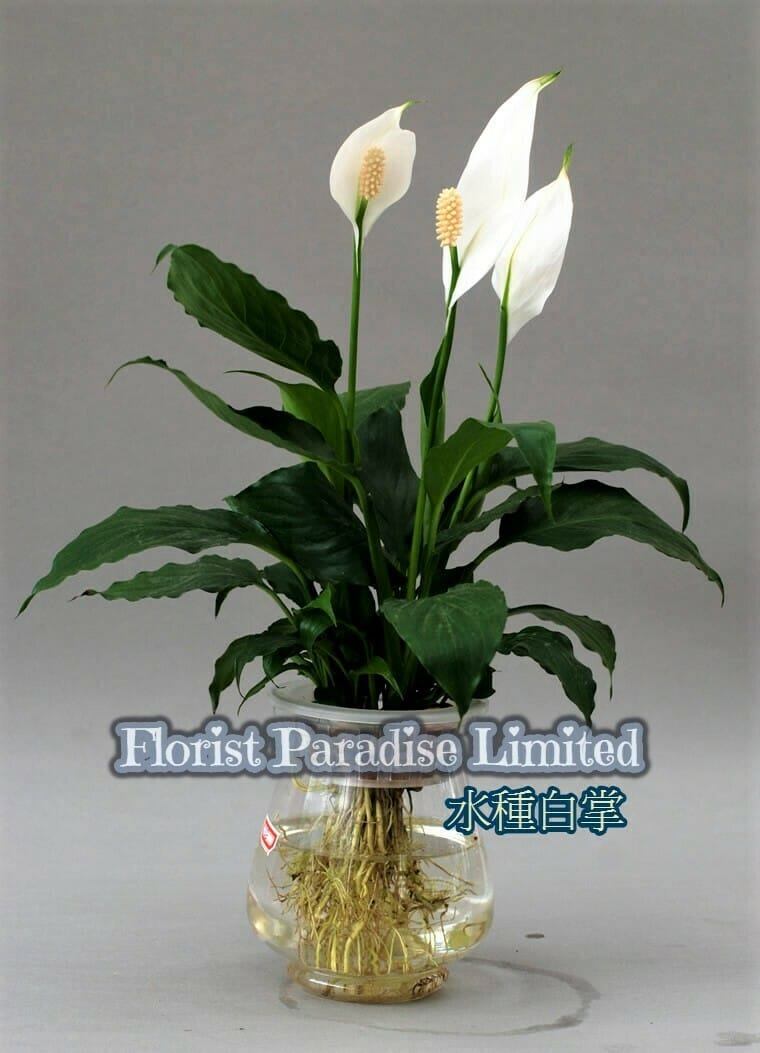
Uses:Primarily ornamental for indoor display—excellent for adding a lush tropical look to homes and offices, including lower-light corners. Often cited as an air-improving houseplant (including in widely shared NASA-related lists) and used in interior landscaping. It can also be grown hydroponically in a vase setup if the crown stays above the waterline to reduce rot risk.
❓ FAQ
Why is my Peace Lily drooping?
Most often it’s thirsty—water thoroughly and it should rebound quickly. If it stays limp, check for soggy soil/root rot, a pot with poor drainage, or cold stress from drafts.
Why are the leaf tips turning brown?
Common causes include dry air, fertilizer salt buildup/overfeeding, or minerals in tap water (especially fluoride/chlorine). Raise humidity, flush the pot occasionally, fertilize lightly, and try filtered water.
My Peace Lily looks healthy—why won’t it bloom?
Light is usually the limiting factor. Move it to brighter indirect light (no harsh sun). A bloom-supportive fertilizer (slightly higher phosphorus) during spring/summer can help, but light matters most.
Can Peace Lilies grow in water alone?
Yes, they can adapt to hydroponic growing. Keep the crown (where stems meet) above the waterline and let only the roots sit in water; refresh water regularly to prevent stagnation.
Is Peace Lily safe for pets?
No. It can irritate the mouth and stomach if chewed. Place it out of reach and contact a veterinarian if your pet bites or eats it.
💡 Fun Facts
- It’s not a true lily—Peace Lily belongs to the aroid family (Araceae).
- The white “flower” is actually a spathe; the tiny true flowers are packed onto the spadix.
- Peace lilies are famously expressive: they droop dramatically when thirsty and perk up after watering.
- With stable warmth, humidity, and bright filtered light, a single plant can rebloom again and again for many years.