🌱 Plant Features
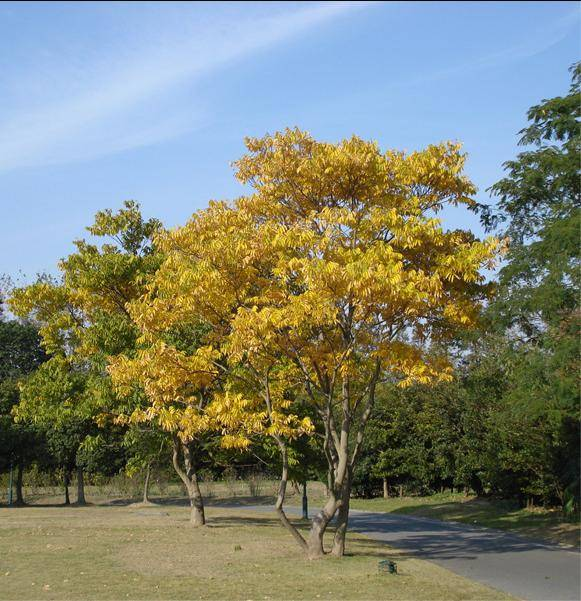
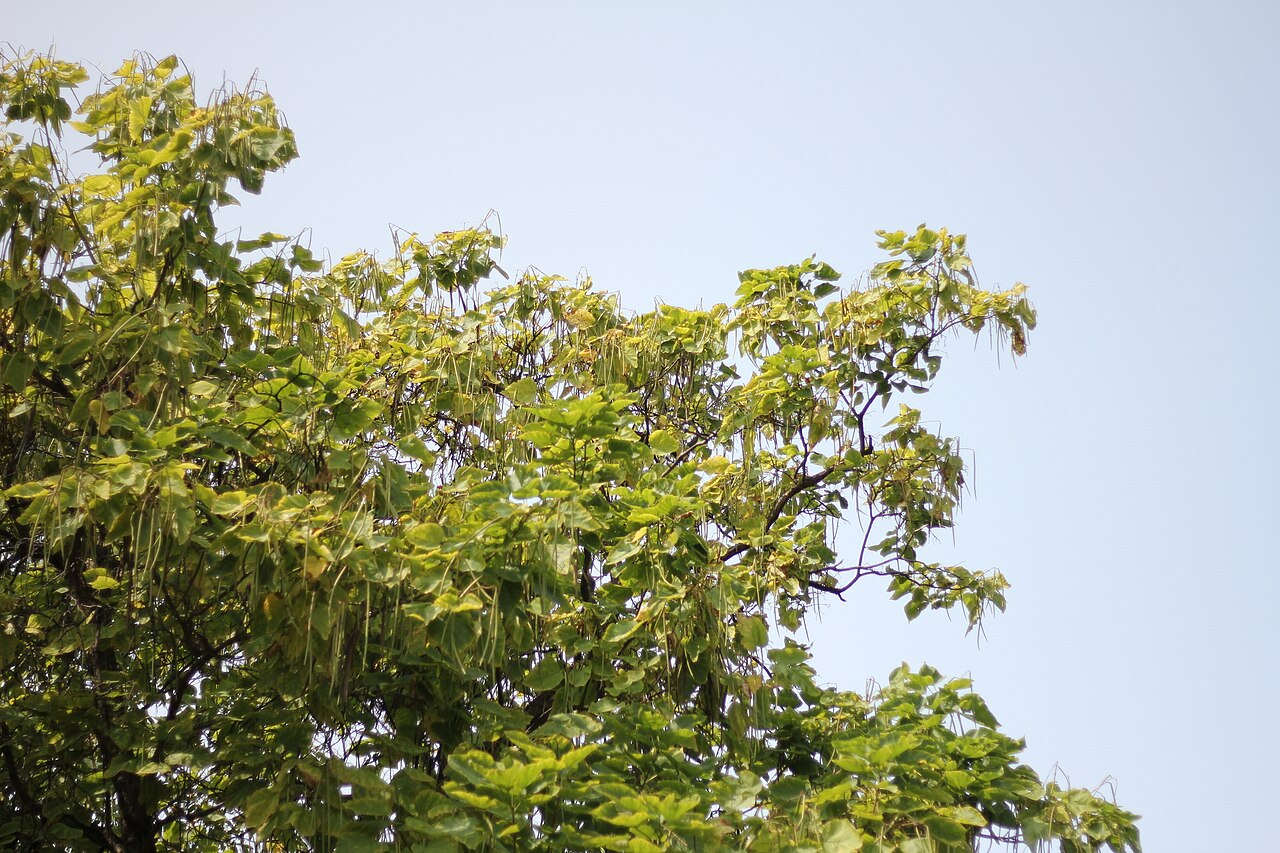
- Size:Typically 12–18 m (40–60 ft) tall with a broad crown; in cultivation it may be around 10 m (33 ft) or more depending on site and climate.
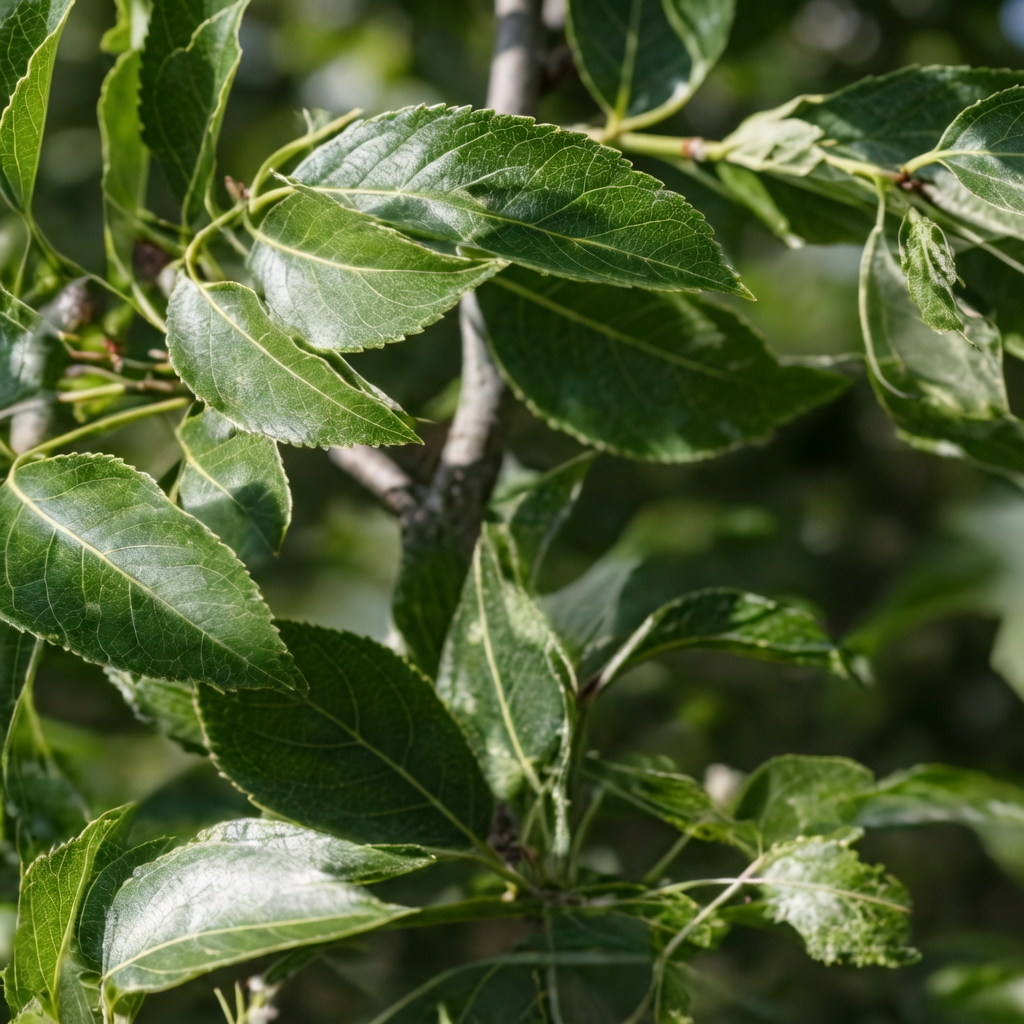
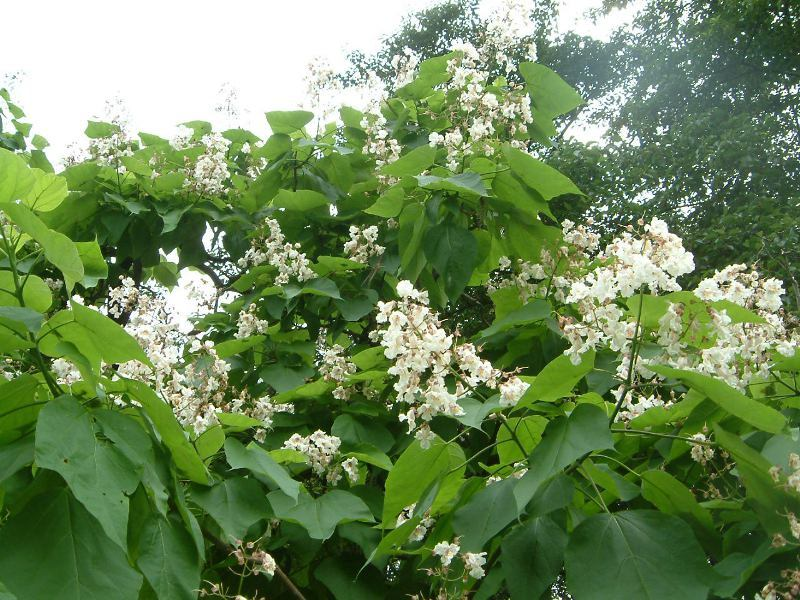
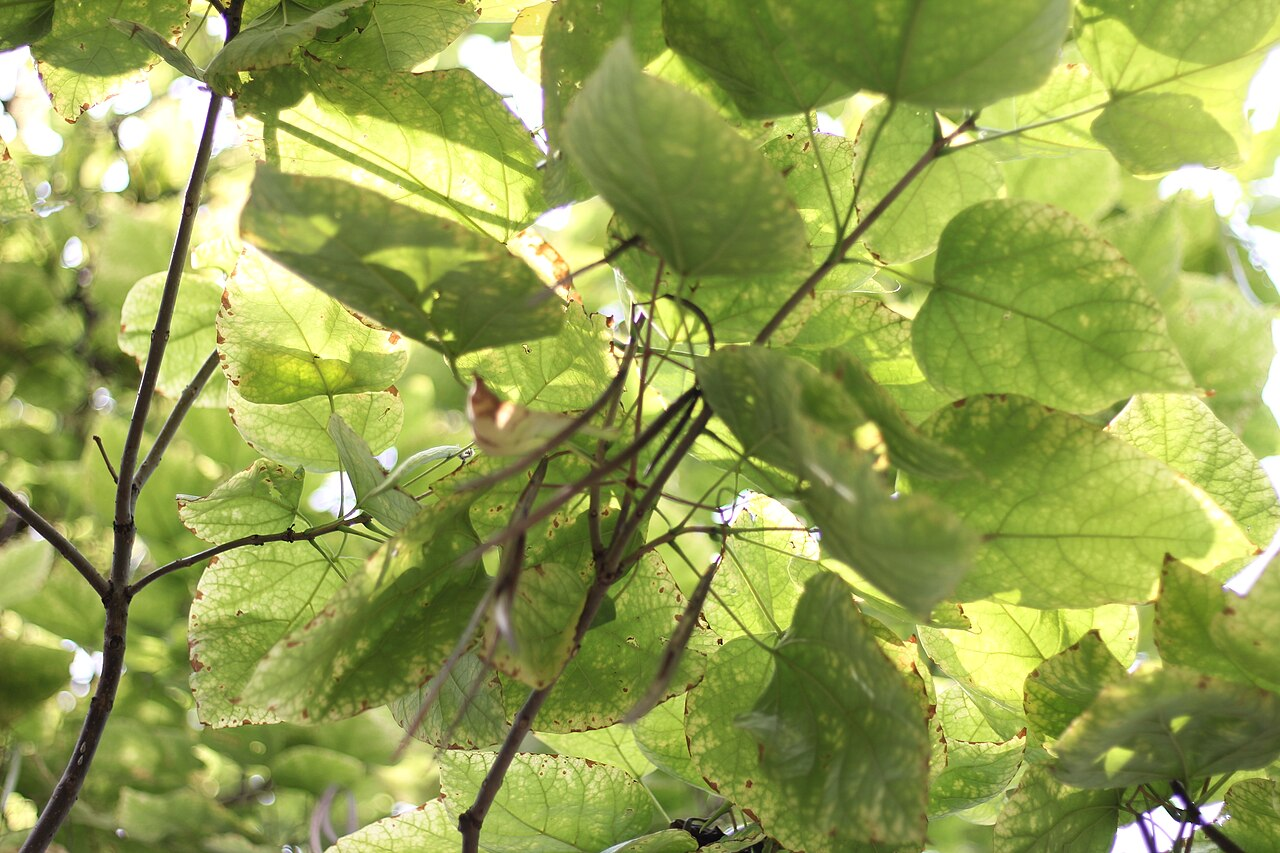
- Foliage:Leaves are large and opposite (sometimes appearing in whorls), broadly heart-shaped to ovate-oblong with a pointed tip. The upper surface is a fresh, bright green, giving the tree a lush, bold texture in summer.
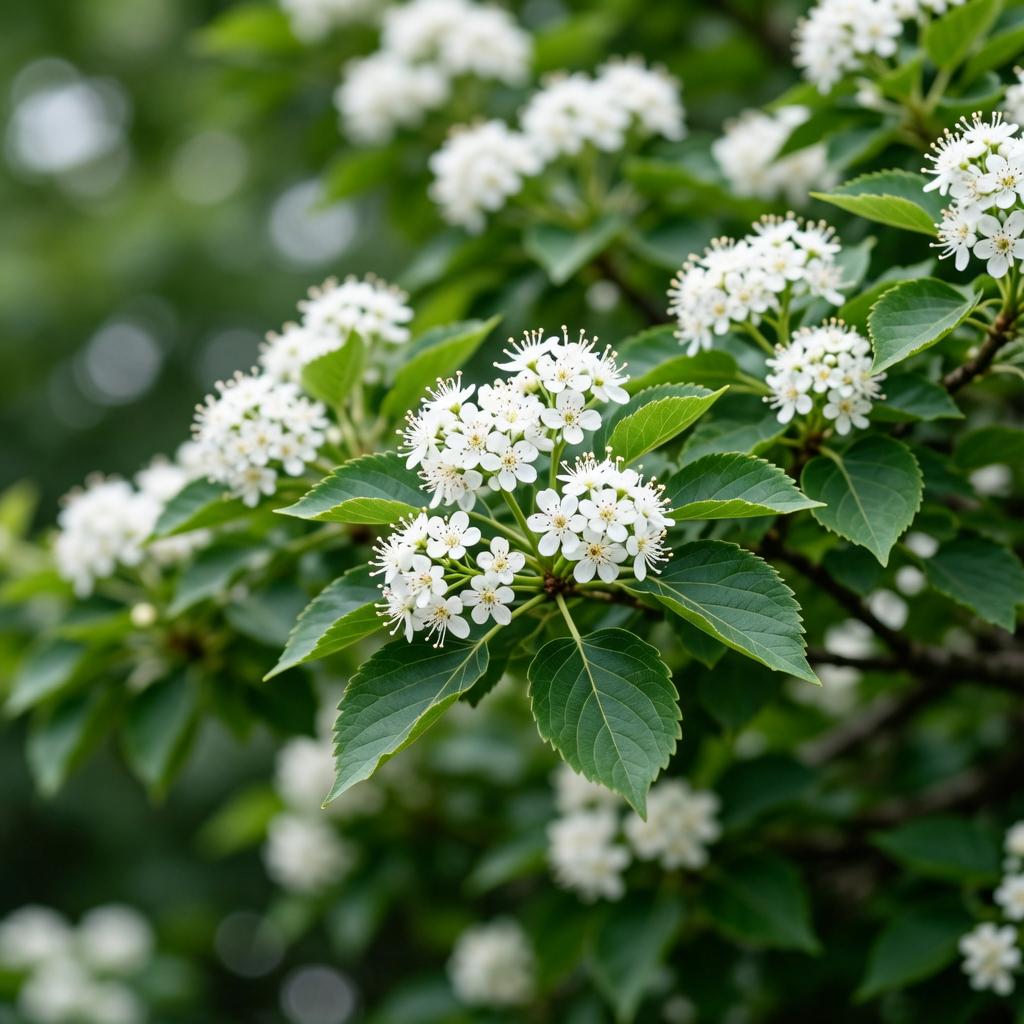
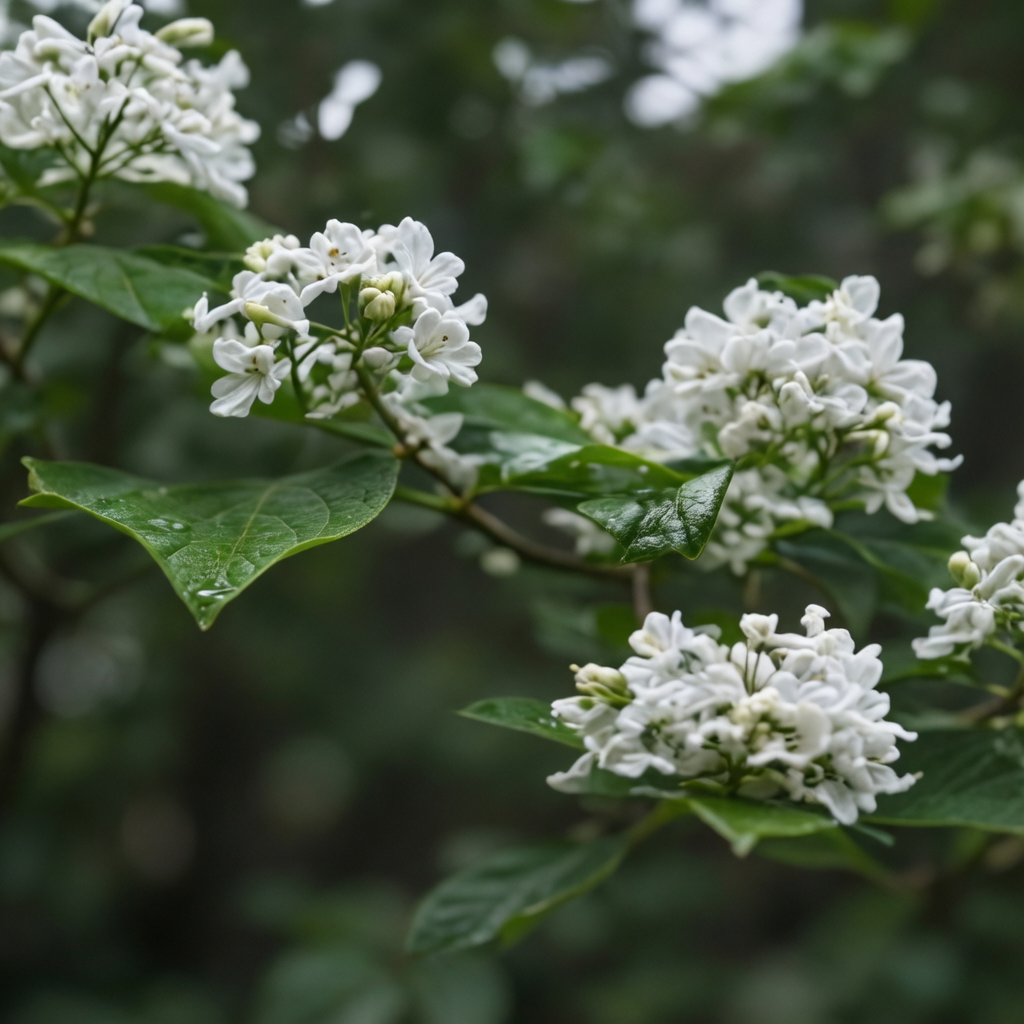
- Flower:Flowers appear in upright, terminal panicles. Each bloom is showy and white, with characteristic catalpa spotting/markings that add a delicate, orchid-like look.
- Flowering Season:May–June (late spring to early summer)
- Growth Habit:Fast-growing deciduous tree forming a rounded to umbrella-like canopy. Develops a deep, extensive root system, contributing to strong wind resistance once established.
🌤️ Environment
Sunlight
Full sun to partial shade; for the best flowering and a fuller crown, give it full sun.
Temperature
Best growth in warm-season conditions, roughly 15–30°C (59–86°F). As a hardy deciduous tree it tolerates winter cold while dormant, including temperatures well below 0°C (32°F).
Humidity
Prefers moderate humidity but is generally adaptable once established.
Soil
Tolerant of many soil types (acidic, neutral, or calcareous/lime-rich; can handle lightly saline/alkaline conditions). Performs best in deep, moist, fertile, loose, well-drained soil. Struggles in very infertile ground and does not tolerate waterlogging.
Placement
Outdoors in a yard, park, or along streets—anywhere it can spread its broad crown. Give it space away from cramped foundations and tight planting beds due to its strong roots and wide canopy.
Hardiness
USDA Zone 4–8; avoid persistently waterlogged sites and extreme tropical heat.
🪴 Care Guide
Difficulty
Easy to moderate (outdoors). It establishes readily, but success depends on giving it sun, room, and drainage—chronic soggy soil is the fastest way to disappoint this otherwise tough tree.
Buying Guide
Pick a vigorous young tree with a straight main trunk (leader), evenly spaced branches, and no bark wounds. Avoid plants that are pot-bound or have circling roots. Check foliage and stems for leaf spotting, scale insects, or tip dieback.
Watering
First 1–2 growing seasons: water regularly to keep soil evenly moist (not soggy). Once established: water deeply during prolonged drought; occasional deep soaking is better than frequent light sprinkling.
Fertilization
Usually minimal feeding is needed in decent soil. If growth is weak, apply a balanced, slow-release fertilizer in spring. Avoid heavy nitrogen, which can cause overly soft, weak growth.
Pruning
Prune in late winter to early spring while dormant. Remove dead, damaged, and crossing branches; on young trees, encourage a strong central leader and good structure. Avoid heavy pruning during active growth.
Propagation
Commonly grown from seed (sow in spring). Can also be propagated from softwood cuttings in early summer with humidity control.
Repotting
Not typically grown long-term in containers. For nursery trees, plant into the ground promptly; at planting, loosen or trim circling roots to prevent future problems.
📅 Seasonal Care Calendar
Spring: plant, mulch, and water well to establish; feed lightly only if needed. Summer: deep water during heat/drought; watch for pests and leaf issues. Autumn: ease off watering; collect mature seed pods if desired. Winter: do structural pruning while dormant.
🔬 Pests, Diseases & Safety
Common Pests & Diseases
May be attacked by catalpa sphinx caterpillars (can cause noticeable defoliation), plus scale insects and aphids. In humid or poorly ventilated conditions, leaf spot and powdery mildew can appear. Improve airflow, avoid frequent overhead watering, and use targeted controls only if outbreaks are severe.
Toxicity
Not commonly regarded as toxic to people or pets. As with many ornamental trees, chewing or eating leaves/pods/seeds may still cause mild stomach upset in sensitive pets—discourage nibbling.
🎋 Culture & Symbolism
Symbolism:Often linked with a feeling of shelter and resilience—fitting for a hardy tree that’s frequently planted to provide dependable shade.
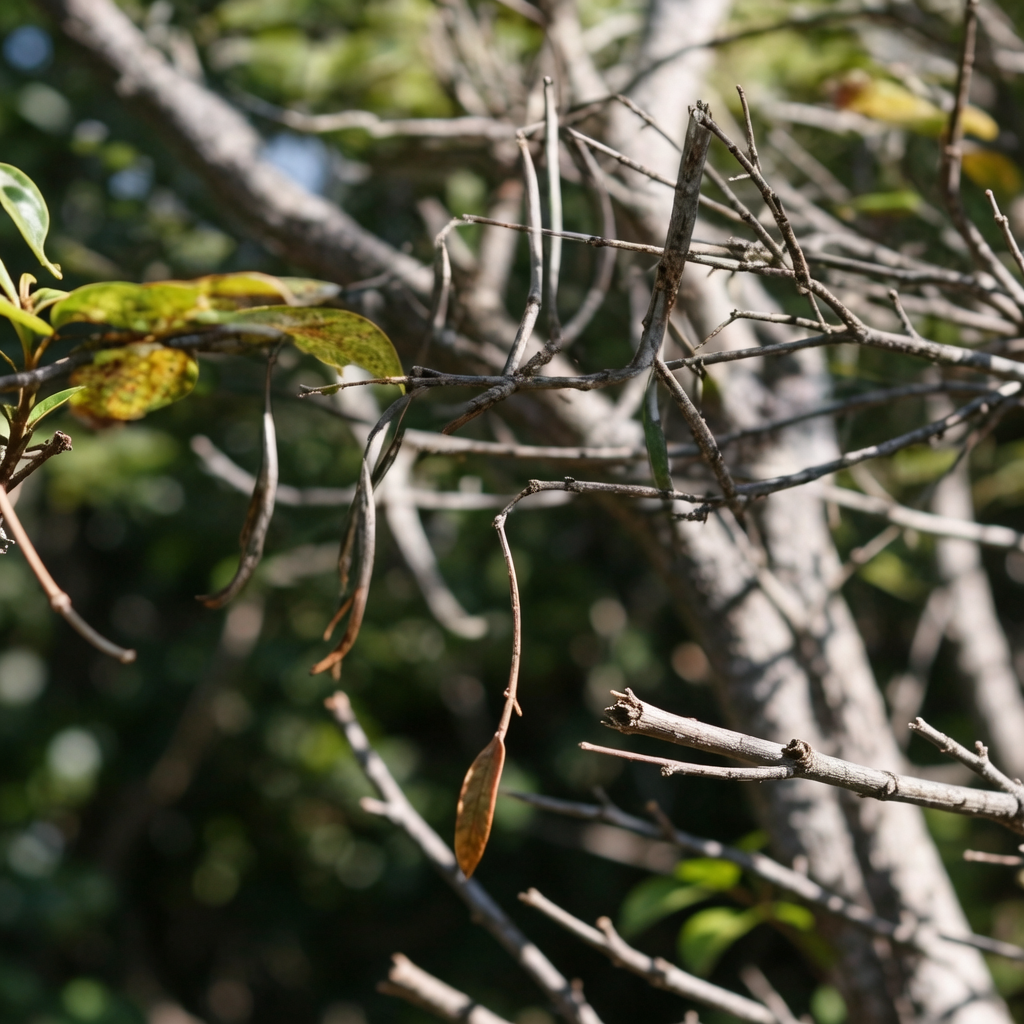
History & Legends:A North American native that has become widely planted as an ornamental and street tree. Its long, slender, bean-like seed pods are the reason behind the memorable nickname “cigar tree.”
Uses:Mainly used as an ornamental shade, park, and street tree thanks to its fast growth and showy white flowers. Some sources note young shoots and leaves as a potential material for essential-oil extraction.
❓ FAQ
When does northern catalpa bloom?
Usually in May–June (late spring to early summer), depending on local climate.
When does it set seed pods?
Pods develop in late summer, often around August–September, and they can hang on into winter.
How tall can it grow?
Commonly about 12–18 m (40–60 ft), though garden and street trees may be smaller or sometimes larger depending on conditions.
Where is it native to?
The central and eastern United States.
What soil does it like best?
Deep, moist, fertile, well-drained soil—while it tolerates many soil types, it dislikes very poor soil and waterlogging.
What is it mainly used for?
As a handsome shade and street tree with decorative white flowers; it’s also noted for possible essential-oil extraction from young growth.
How much light does it need?
Full sun is ideal, though it can handle partial shade.
💡 Fun Facts
- Its long, dangling seed pods are why it’s often called the “cigar tree.”
- In deep, fertile soil it can put on impressive growth surprisingly fast for a flowering tree.
- A strong, extensive root system helps it hold up well in windy sites once established.
- Although native to the U.S., it’s widely cultivated in China as a landscape tree.
- The flowers can look a bit like tiny white orchids clustered together.