🌱 Plant Features
- Size:Typically 10–20 cm (4–8 in) tall, spreading 20–30 cm (8–12 in) or more with a creeping habit (varies by cultivar and pruning).
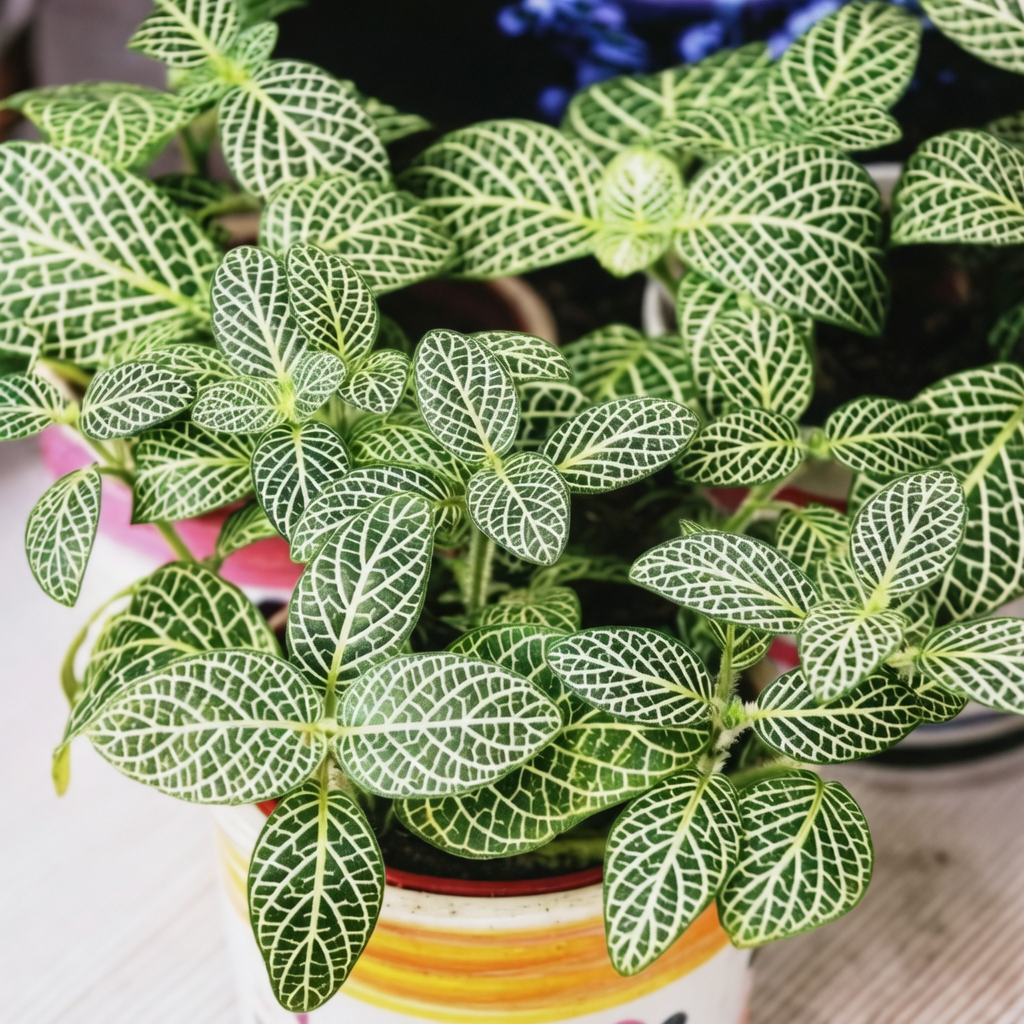
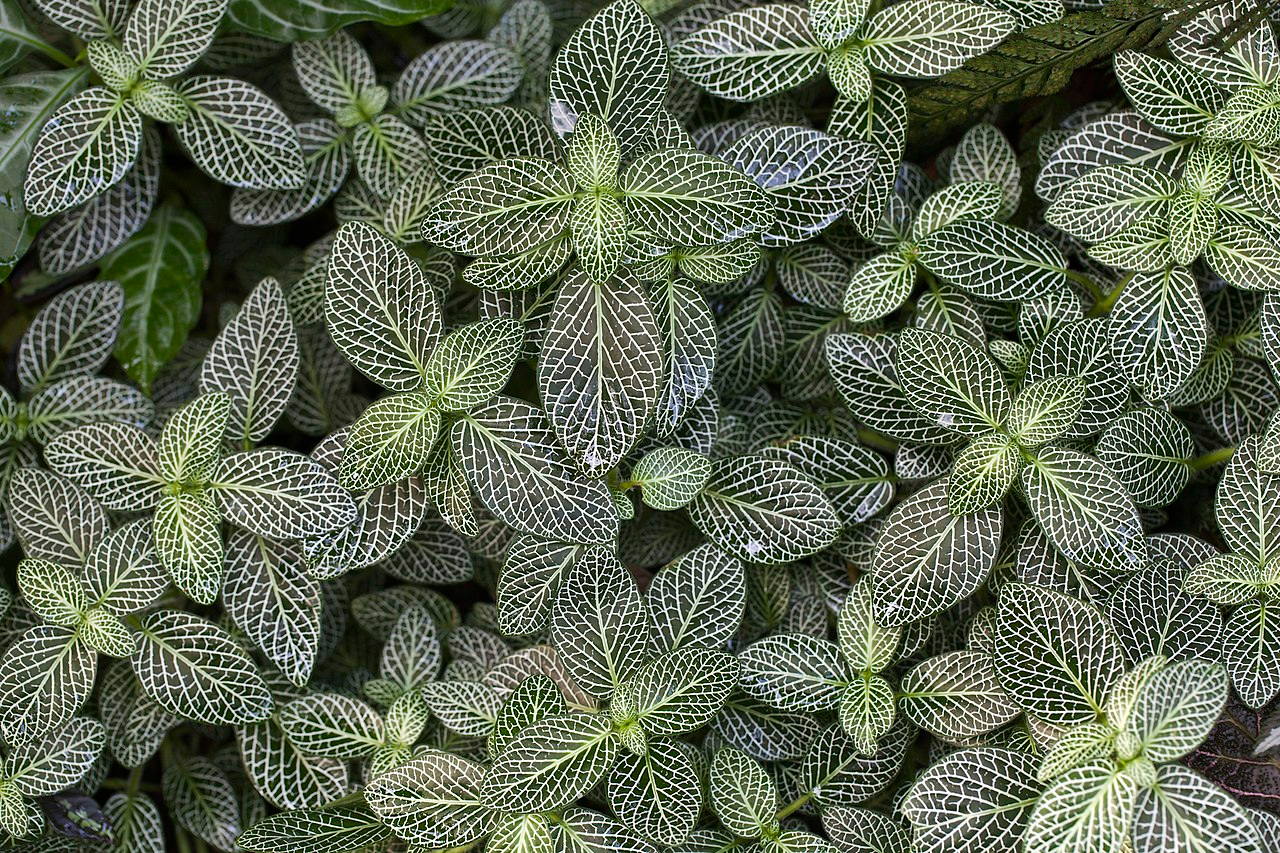
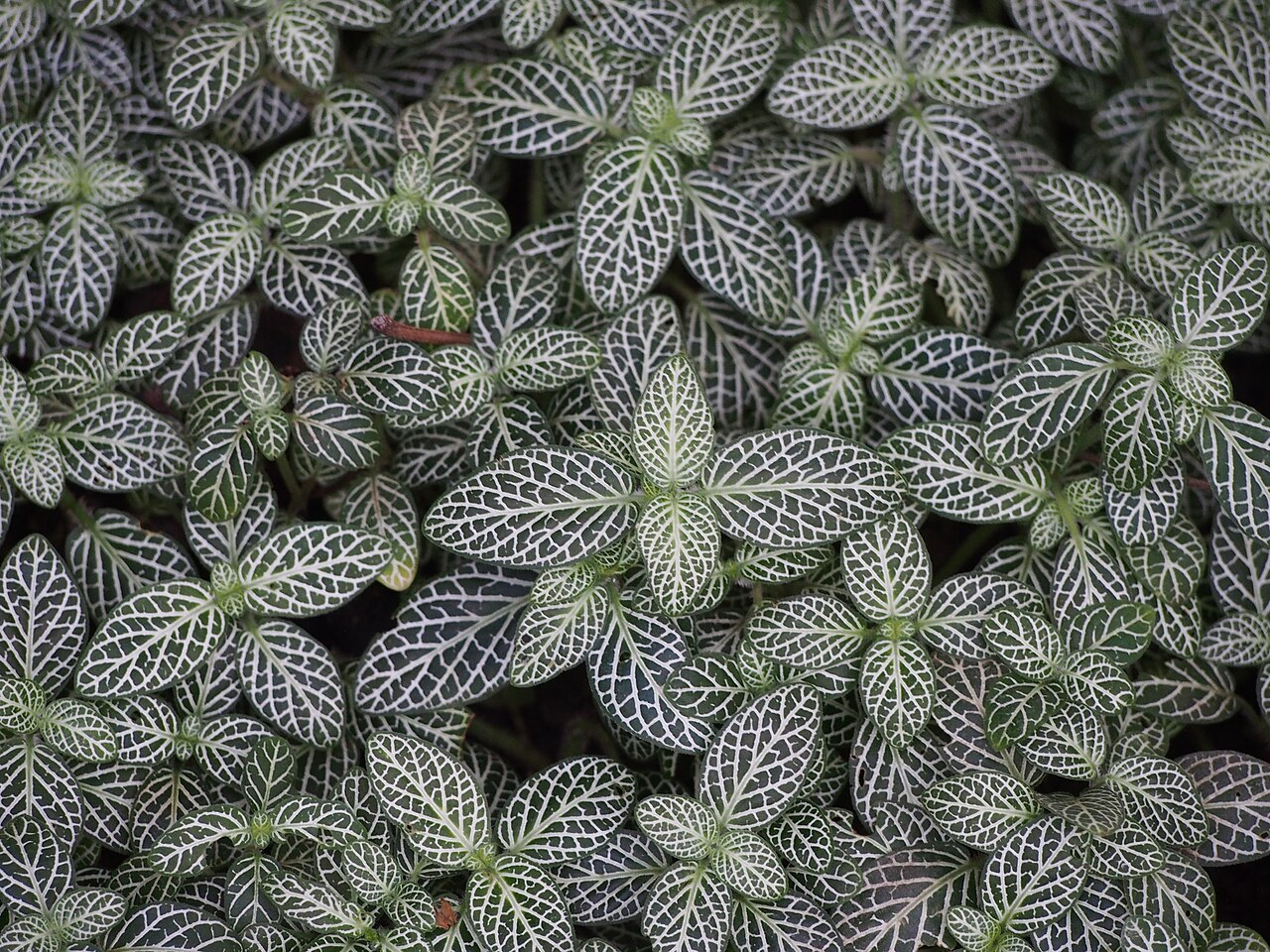
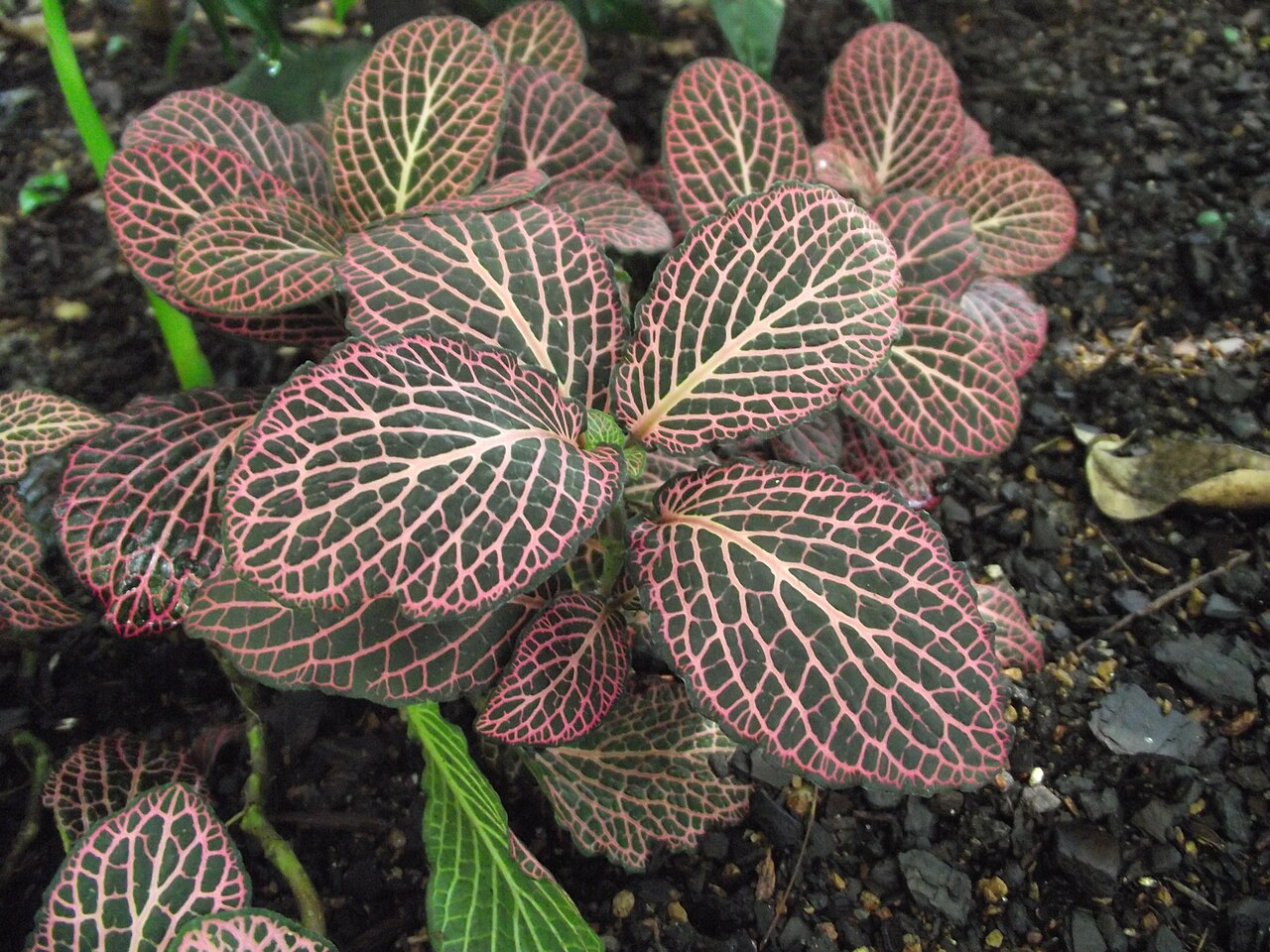
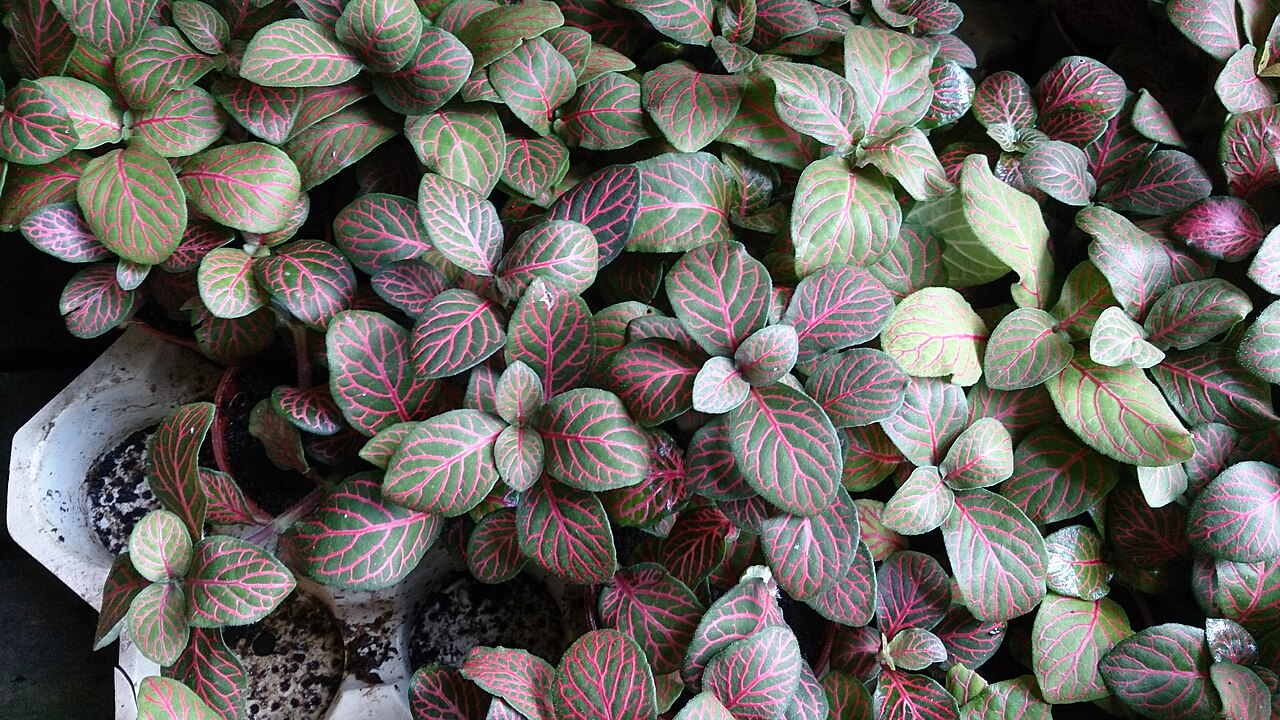
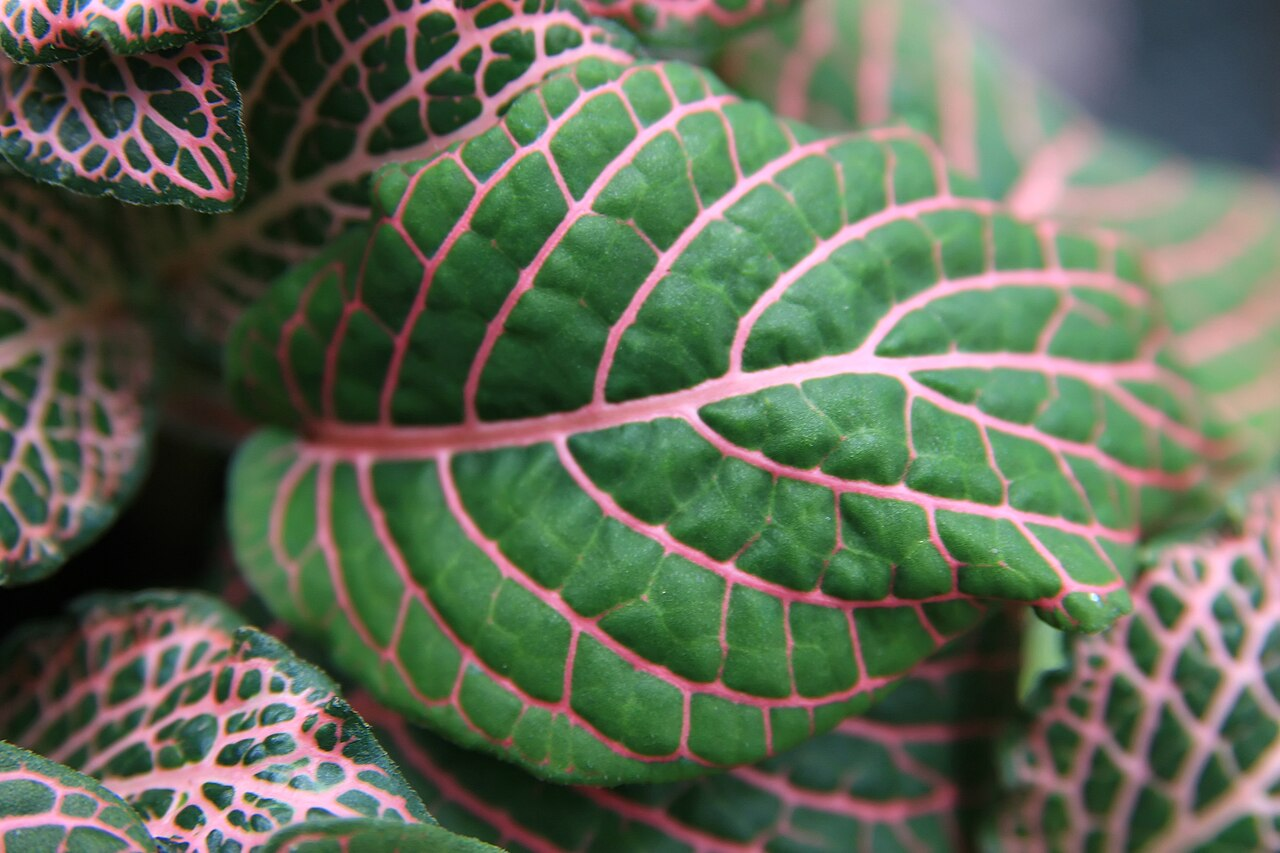
- Foliage:Soft, thin leaves with bold, contrasting vein patterns (often white, pink, or red depending on cultivar). The foliage bruises and scuffs easily if handled roughly.
- Flower:Produces small, fairly modest flowers from late spring through early autumn; they’re usually not the main attraction compared with the colorful foliage.
- Flowering Season:Late spring to early autumn
- Growth Habit:Low, creeping/trailing stems that form dense mats; stem tips root readily at nodes, which makes the plant easy to thicken up or propagate.
🌤️ Environment
Sunlight
Bright, indirect light to partial shade. Avoid harsh direct sun, which can scorch leaves. A curtained window or bright room is ideal; keep away from hot or cold drafts.
Temperature
Best growth at 18–25°C (64–77°F). Keep winter temperatures above 16°C (61°F) to prevent leaf drop and decline.
Humidity
Prefers high humidity (ideally 50–70%+). Use a pebble tray, humidifier, or terrarium; mist the air around the plant when dry, but avoid leaving water sitting on leaves overnight.
Soil
Rich, humus-heavy, well-drained mix. A peat- or leaf-mold–based potting mix amended with perlite/coarse sand works well. Keep evenly moist but never waterlogged.
Placement
Indoors near a bright window with filtered light (sheer curtain), on a desk or shelf; also excellent in terrariums or other naturally humid spots. Avoid direct sun and vents/heaters/AC drafts.
Hardiness
Frost tender; generally suited to USDA Zone 11–12 outdoors, or grown as a houseplant elsewhere. Keep above 16°C (61°F) in winter.
🪴 Care Guide
Difficulty
Moderate: easy in consistently warm, humid conditions, but sensitive to drying out, waterlogging, and temperature swings.
Buying Guide
Choose plants that are full and compact with evenly sized leaves. Look for bright color and crisp veining, with no tears, bruising, spots, or signs of pests. Because the leaves are tender, protect the plant from rubbing and crushing during transport.
Watering
Keep the mix evenly moist during active growth—don’t let it fully dry out. If soil and air are too dry, leaves may curl, wilt, and drop. If kept too wet and soggy, leaves can yellow and soften, and roots/stems may rot. In winter, water a bit less but never let the pot dry completely; water during the warmest part of the day and keep the room above 16°C (61°F).
Fertilization
Feed in spring and summer about every 2 weeks with a diluted balanced fertilizer (e.g., 20-20-20). Avoid splashing fertilizer onto leaves to prevent burn; start feeding once you see new growth, especially after purchase.
Pruning
Pinch tips and trim regularly to keep it compact and bushy; remove yellowing leaves promptly. Many growers “restart” older plants (often around 2 years) by taking fresh cuttings for a fuller look.
Propagation
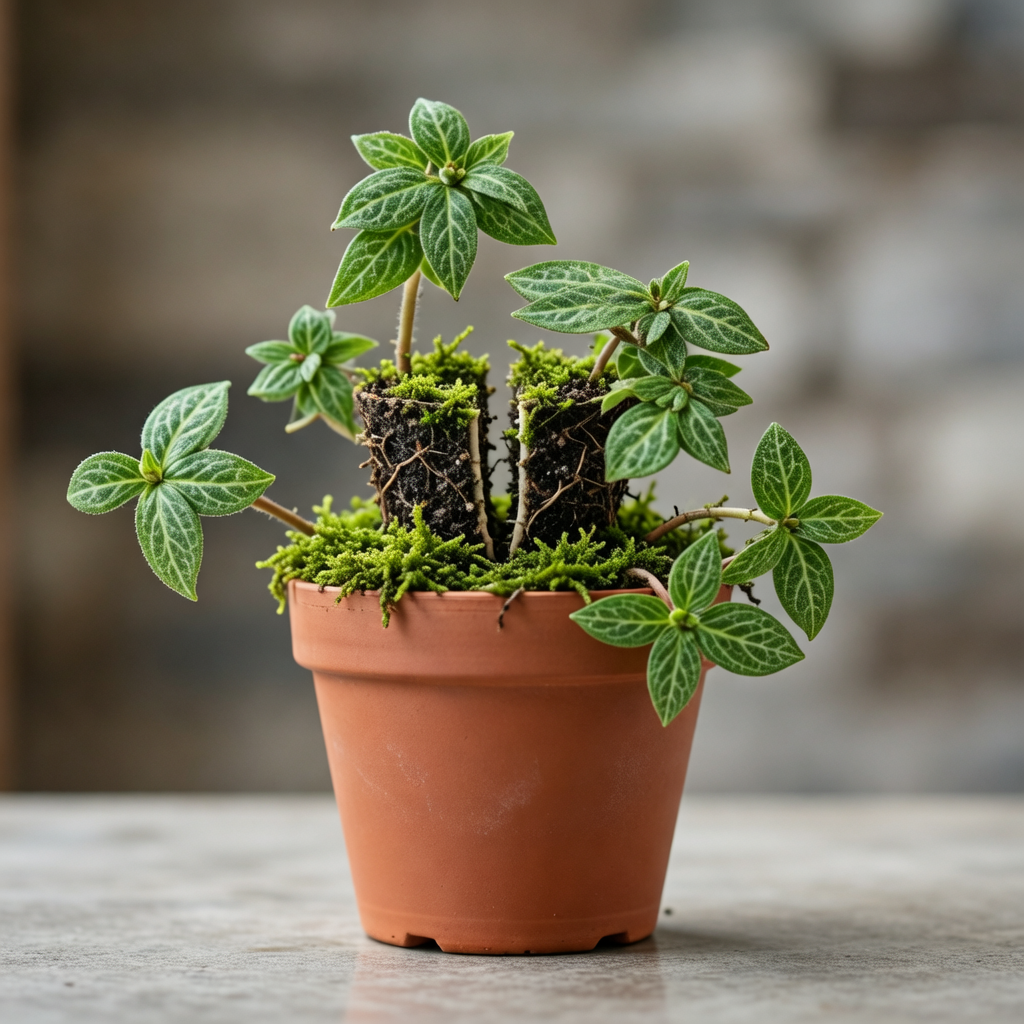
Very easy from stem cuttings or division. In spring, take tip cuttings about 10 cm (4 in) long with 3–4 nodes, remove lower leaves, let the cut end dry briefly, and insert into moist sand or a peat-based mix. Keep around 20°C (68°F); rooting usually takes 2–3 weeks. For division, cut and pot up rooted sections from creeping stems (about 10 cm / 4 in or longer).
Repotting
Often grown in 12–15 cm (4.7–5.9 in) pots, sometimes with 3–5 young plants per pot for a lush, carpeted effect. Repot annually in spring into fresh mix; trim back leggy growth and divide if desired.
📅 Seasonal Care Calendar
Year-round focus: stable warmth, humidity, and bright-indirect light. Spring–summer: keep evenly moist, feed regularly, and pinch to shape. Autumn: bring indoors as nights cool. Winter: reduce watering slightly (not dry), water at midday, and keep away from drafts and temperatures below 16°C (61°F).
🔬 Pests, Diseases & Safety
Common Pests & Diseases
Root/stem rot and leaf rot can occur in soggy soil or poor airflow—prevent with a well-draining mix and careful watering. Pests can include scale, spider mites, and aphids; manage by rinsing foliage, using insecticidal soap or horticultural oil, and improving airflow/humidity (mites are worse in dry air).
Toxicity
Generally considered non-toxic to cats and dogs, though nibbling may still cause mild stomach upset in sensitive pets.
🎋 Culture & Symbolism
Symbolism:Sometimes linked with Virgo and described as symbolizing rationality and wisdom—fitting for a plant whose “veins” look like a living map.
Uses:Primarily an ornamental indoor foliage plant—especially popular for terrariums, small pots, and any room that stays pleasantly warm and humid.
❓ FAQ
Why are my nerve plant’s leaves curling?
Most often it’s from low humidity or the potting mix drying too much. Less commonly, it can happen when roots are stressed from constant soggy soil. Aim for evenly moist (not wet) soil, higher humidity, and gentle light.
💡 Fun Facts
- Nerve plant is a classic terrarium favorite because it loves steady warmth and humidity.
- The dramatic “veins” are the reason for the common name—many cultivars show bright white, pink, or red patterns.