🌱 Plant Features
- Size:Typically about 10–20 cm (4–8 in) tall; forms a small clump when established.
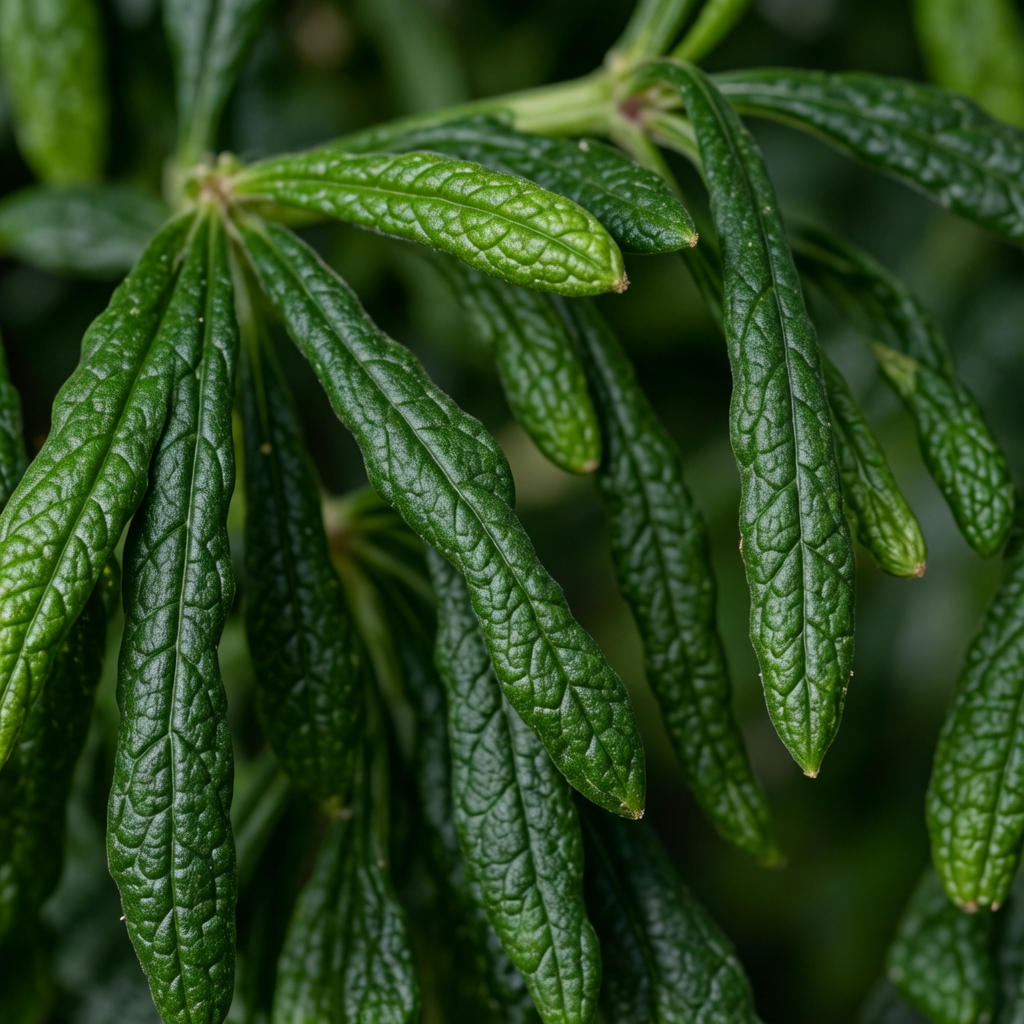
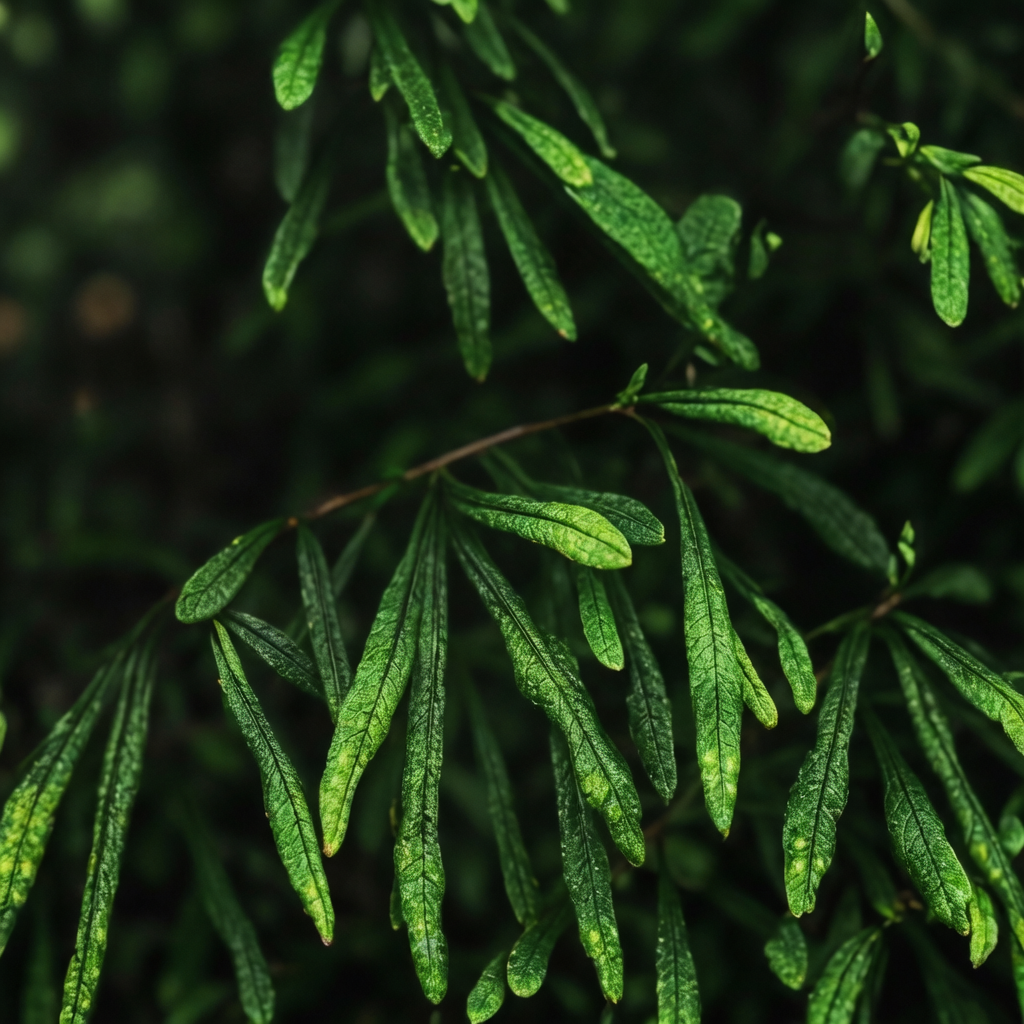
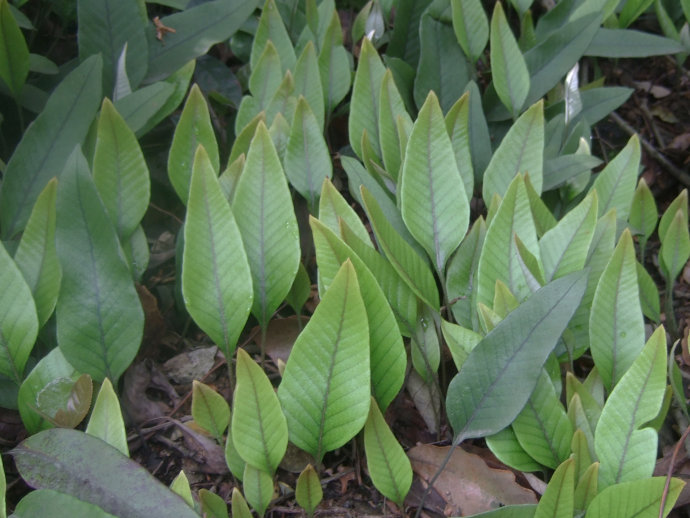
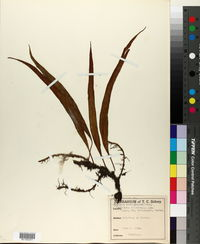
- Foliage:Fronds are narrow lance-shaped to strap-like, with smooth (entire) edges and a somewhat fleshy texture. The stipe (leaf stalk) is about 1–4 cm (0.4–1.6 in) long and shows small scales near the base. Sparse, star-shaped hairs may appear higher on the stalk, often yellow to brown. Fertile fronds are usually narrower than sterile fronds.
- Flower:No flowers (fern). Round sori (spore clusters) form in groups on the upper to mid-upper portion of the frond. They are uncovered (no indusium) and can look a bit hairy when young, becoming more exposed as they mature and release spores.
- Flowering Season:Not applicable (fern); sori mature and release spores seasonally under suitable conditions.
- Growth Habit:A perennial epiphytic fern that grows attached to bark or tree trunks in shaded, humid woodland conditions. Fronds arise along a creeping base, giving it a gently spreading, clumping look over time.
🌤️ Environment
Sunlight
Bright, indirect light or partial shade; avoid harsh direct sun that can scorch fronds.
Temperature
Prefers mild to warm conditions around 15–28°C (59–82°F). Protect from cold drafts and frost; keep above about 5°C (41°F).
Humidity
Enjoys high humidity; aim for 60%+ when possible (especially indoors).
Soil
Epiphytic by nature: best grown mounted on cork/bark/wood or in a very airy mix (e.g., orchid bark + sphagnum moss + perlite). Avoid dense, water-retentive potting soil.
Placement
Excellent mounted on cork/bark, on a moss pole, or in an airy basket. Great for terrariums, bright bathrooms, or shaded balconies in warm, humid climates.
Hardiness
Not frost-hardy; best treated as a warm-climate fern or indoor plant in cooler regions (keep above ~5°C / 41°F).
🪴 Care Guide
Difficulty
Moderate: quite manageable once you get the humidity + airflow balance right. It tends to struggle if allowed to dry too long, or if kept constantly wet with poor ventilation.
Buying Guide
Pick plants with firm, intact fronds and no blackened areas. For mounted specimens, look for a healthy, actively attaching base. Avoid crispy frond edges (too dry/stressed) and avoid mushy bases (possible rot).
Watering
Keep evenly moist but never soggy. Mounted plants usually do best with regular misting and periodic thorough soaking—soak the mount, then let it drain well. Water more often in warm weather; reduce frequency in cooler seasons. Rainwater or low-mineral water helps prevent salt buildup on the mount and fronds.
Fertilization
Light feeder. During active growth, use a balanced fertilizer diluted to about 1/4 strength every 4–6 weeks. Flush occasionally with plain water to reduce fertilizer-salt accumulation.
Pruning
Trim off yellowing or damaged fronds at the base using clean scissors. Avoid heavy pruning—healthy fronds fuel the plant’s growth.
Propagation
Mostly by spores from mature sori (slow and more advanced). Established clumps may sometimes be carefully divided if multiple growth points are present, but take care not to injure the attached base/rhizome.
Repotting
If grown in a basket or pot, refresh the airy medium about every 1–2 years. For mounts, re-tie or replace the backing when it starts to break down, and avoid burying the creeping base/rhizome.
📅 Seasonal Care Calendar
Spring–summer: keep humidity higher, water more frequently, and feed lightly. Autumn–winter: reduce watering, keep warm, and prioritize airflow to prevent rot.
🔬 Pests, Diseases & Safety
Common Pests & Diseases
Can attract scale insects, mealybugs, or spider mites—especially in dry indoor air. Raise humidity, gently wipe fronds, and treat with insecticidal soap or horticultural oil if needed. Rot at the base can occur when airflow is poor or the plant stays saturated; use an open mount/mix and ensure water drains freely.
Toxicity
No well-documented toxicity for this species to humans or pets. As with most ornamentals, chewing or ingestion may still cause mild stomach upset—best kept away from pets that like to nibble.
🎋 Culture & Symbolism
Symbolism:Often linked with resilience and calm, quiet greenery—fitting for a plant that thrives clinging to bark in shady forests.
History & Legends:No widely recorded legends in English sources specific to Pyrrosia nuda; it’s mainly appreciated for its understated woodland beauty and epiphytic lifestyle.
Uses:Primarily ornamental. Popular for mounting on bark/cork or training on a moss pole to create a naturalistic, rainforest-understory look in low-to-medium light spaces with good humidity.
❓ FAQ
Why does it do poorly in regular potting soil?
Because it’s an epiphytic fern adapted to airy, fast-draining conditions on bark. Dense soil can stay wet, reduce oxygen around the base, and encourage rot. Use a mount or an orchid-style open mix instead.
Does it need direct sunlight?
No—bright, indirect light or partial shade is ideal. Strong direct sun can scorch the fronds, especially when humidity is low.
💡 Fun Facts
- It naturally grows on tree trunks and bark rather than in the ground.
- Its leaf stalk base carries small scales, and the stalk can show sparse star-shaped hairs that appear yellow to brown.
- Instead of flowers, it forms round sori on the upper part of the fronds and releases spores when mature.
- It is native to parts of China, including Hainan, Yunnan, and Sichuan.
- High humidity plus filtered light keeps the fronds looking their most lush and tidy.