🌱 Plant Features
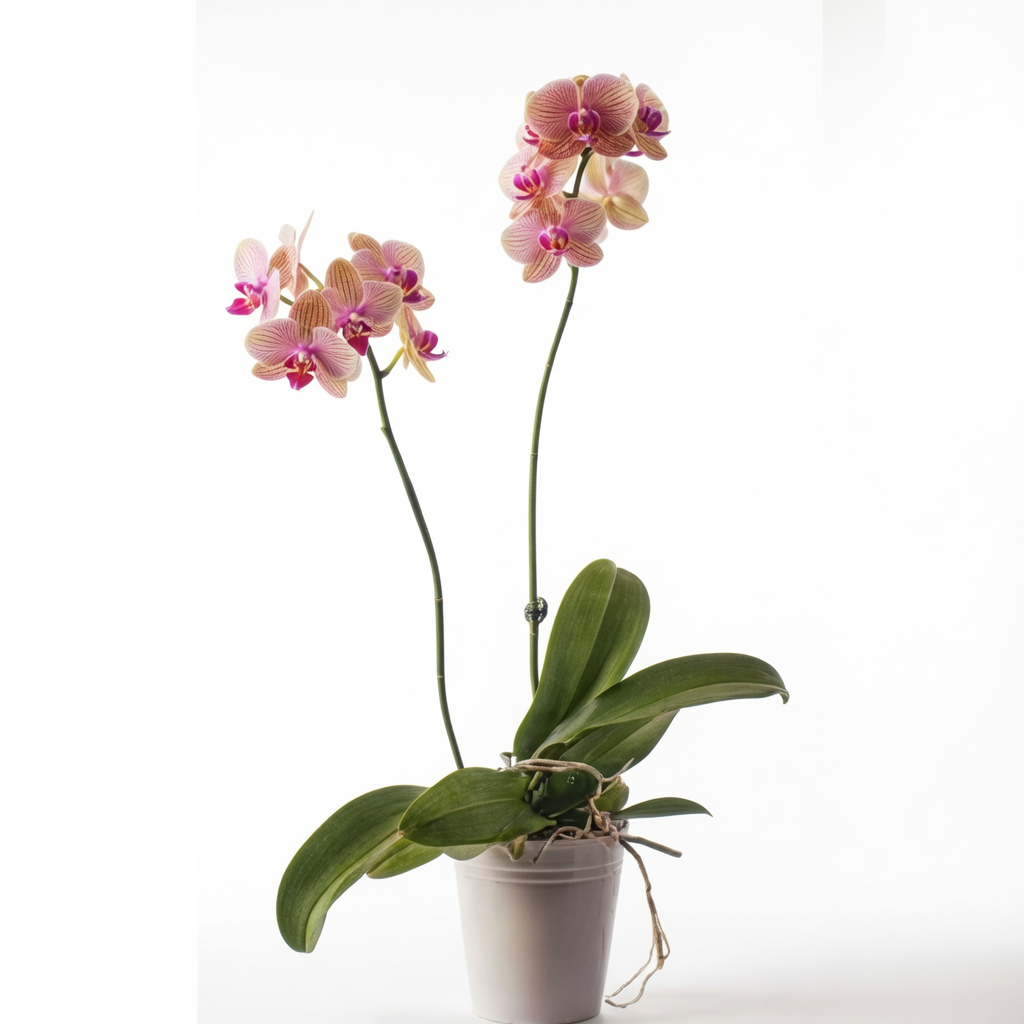
- Size:Typically 30–60 cm (12–24 in) tall in bloom; leaf spread about 20–45 cm (8–18 in) depending on hybrid and pot size.
- Foliage:Evergreen, thick, leathery, arching leaves arranged in a basal rosette; typically medium to deep green.
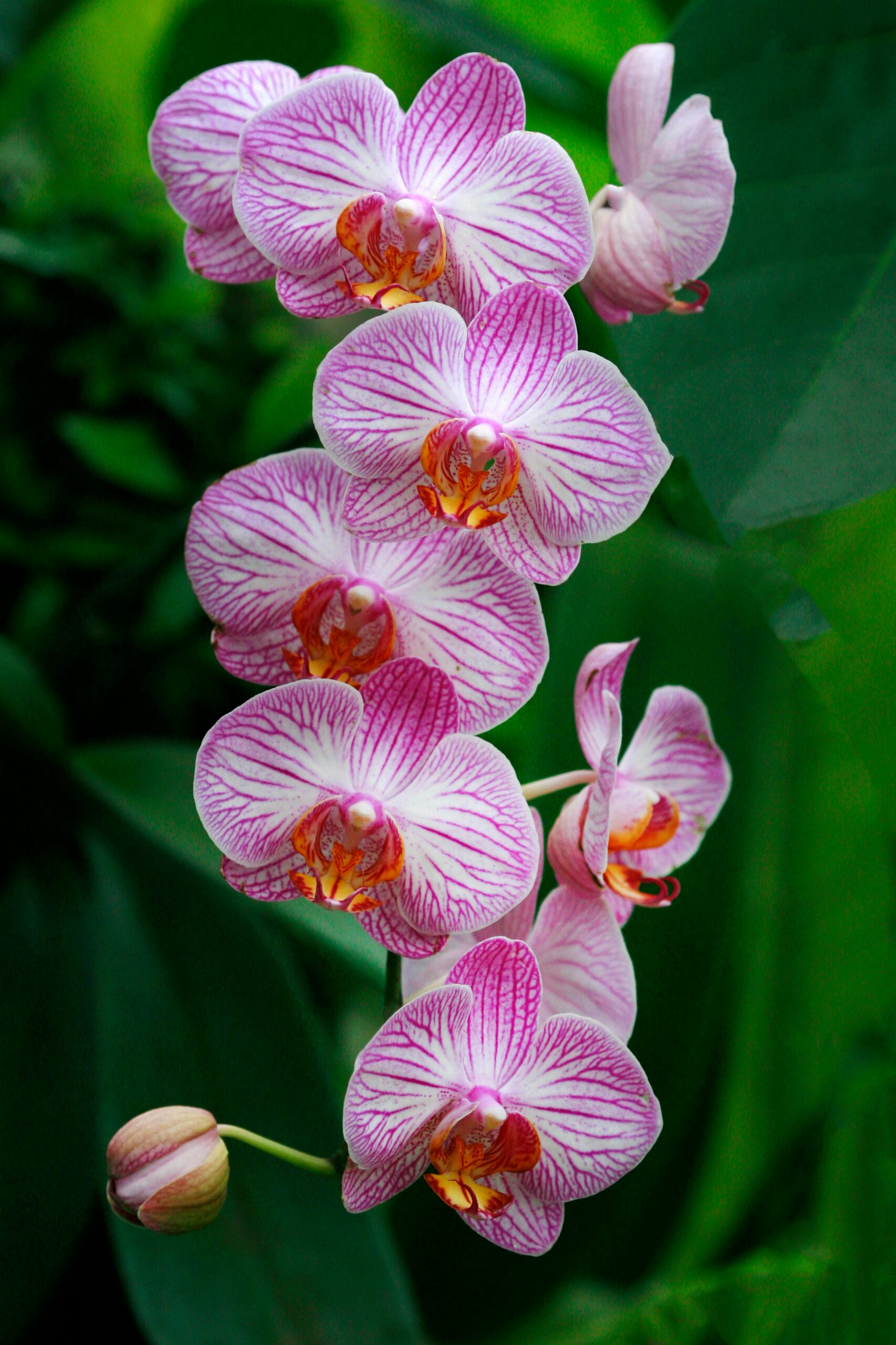
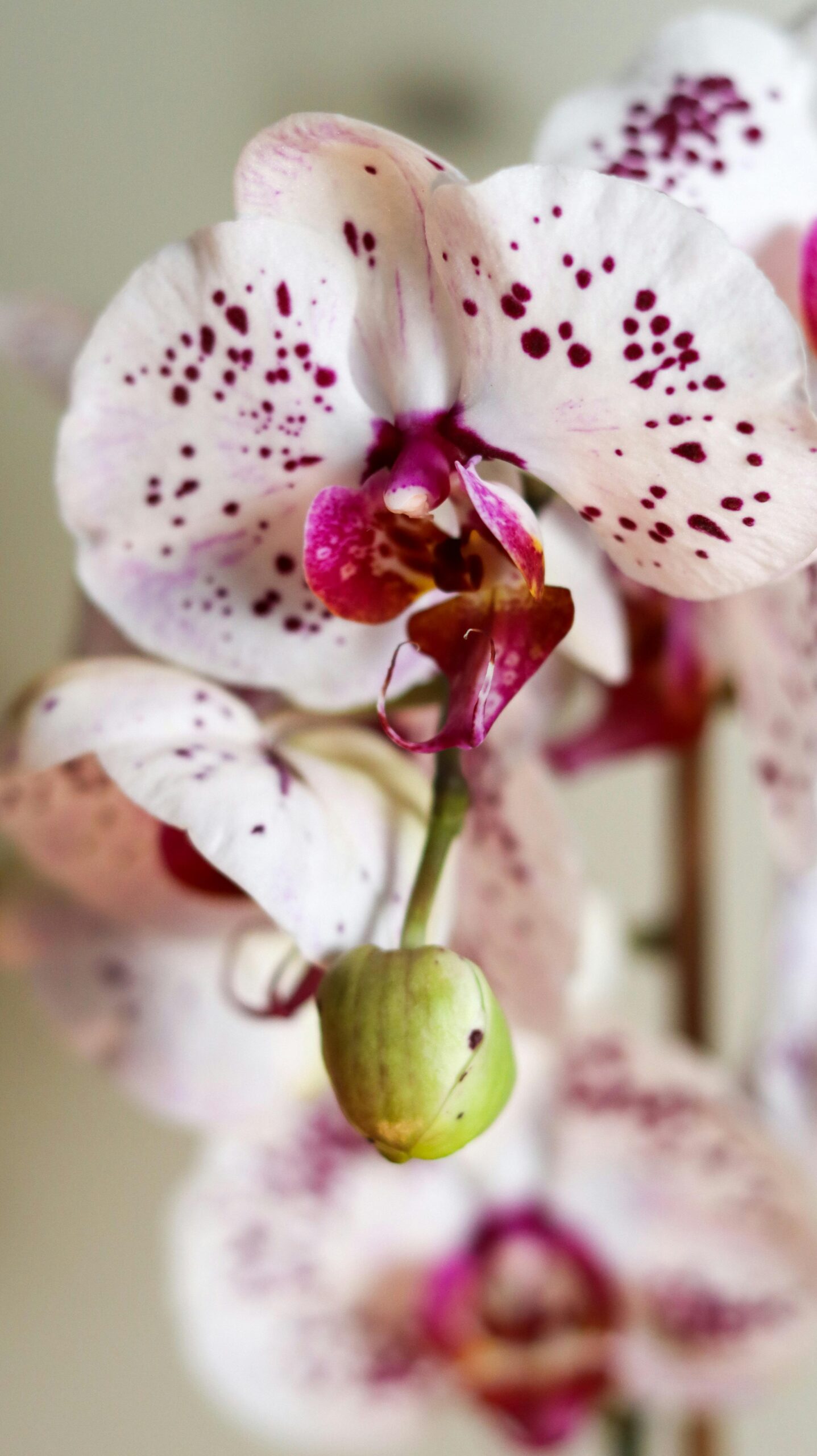
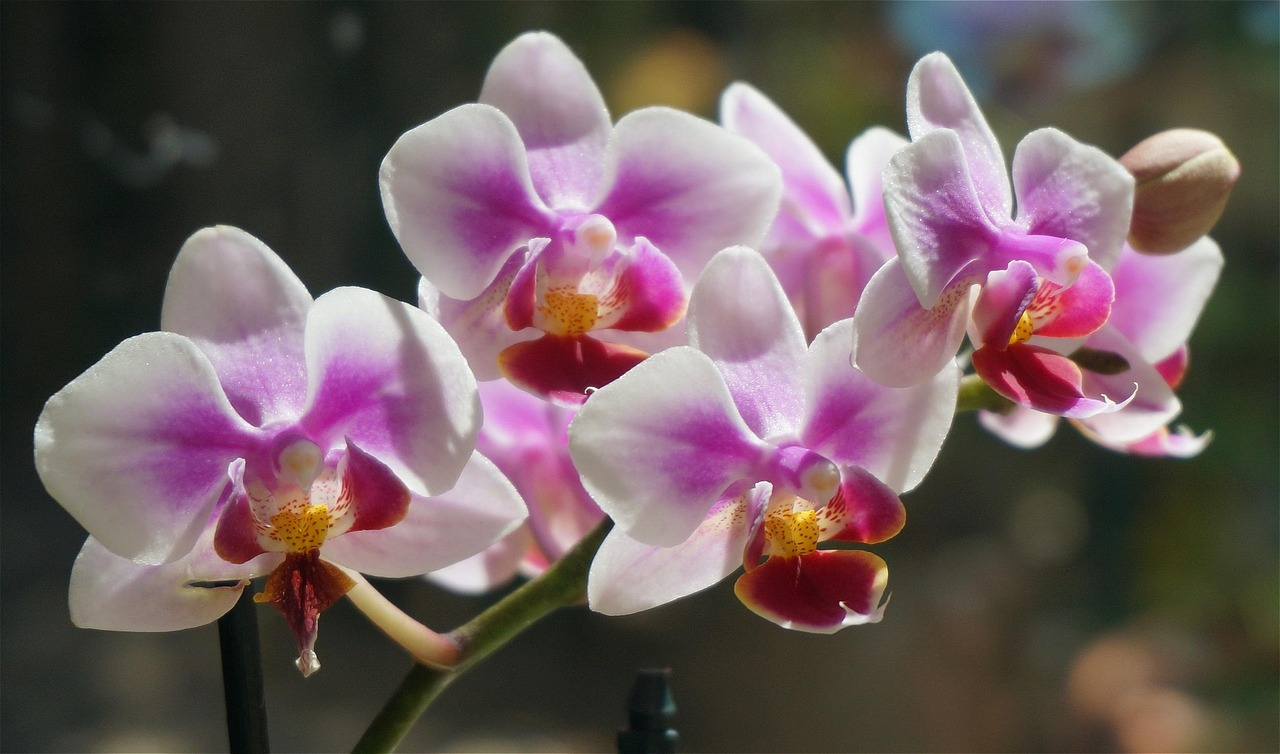
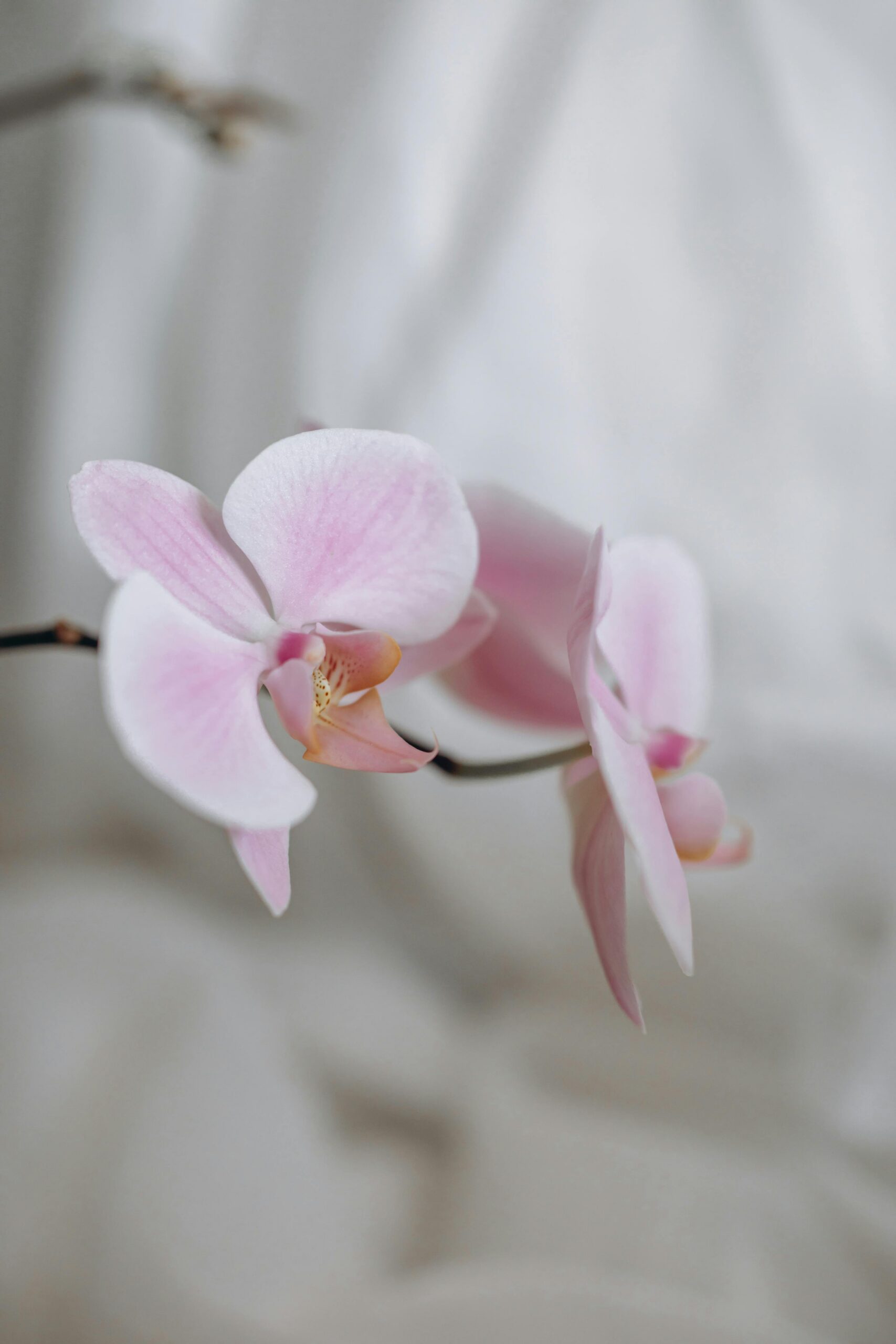
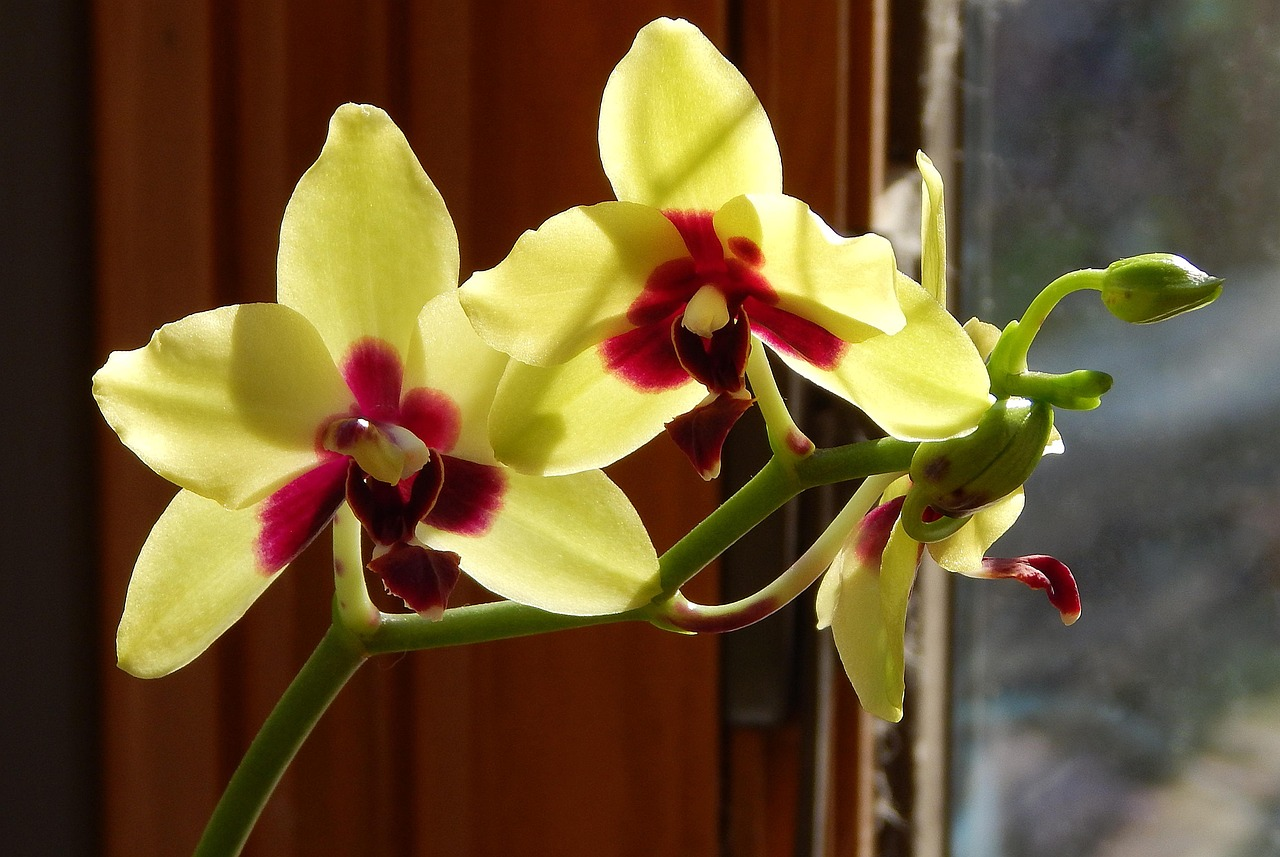
- Flower:Arching flower spikes carry multiple flat, rounded blooms with a butterfly-like look. Colors are incredibly varied—white, pink, purple, yellow, orange, and many bicolors with spots or stripes. Indoors, individual displays often stay showy for 6–12 weeks (or longer) with steady care.
- Flowering Season:Most commonly winter to spring indoors, though many hybrids can bloom at different times of year under good conditions.
- Growth Habit:Monopodial, clump-forming epiphytic orchid with upright-to-arching flower spikes.
🌤️ Environment
Sunlight
Bright, indirect light. Gentle morning sun is usually fine, but avoid harsh midday sun. An east window or a lightly shaded south/west window is ideal.
Temperature
Ideal 18–27°C (64–81°F). Avoid prolonged drops below 15°C (59°F). A slight night-time temperature drop can help trigger flower spike initiation.
Humidity
Moderate to high humidity, around 40–70%, paired with good airflow to reduce rot risk.
Soil
A free-draining orchid mix (usually bark-based, often with perlite/charcoal/sphagnum). Do not use regular potting soil.
Placement
Indoors near a bright window with filtered light; keep away from heaters, cold drafts, and hot direct sun.
Hardiness
Not frost hardy; outdoors year-round only in USDA Zone 11–12 (approx.). Grown as a houseplant in most climates.
🪴 Care Guide
Difficulty
Easy to moderate. Among the most beginner-friendly orchids, and tolerant of typical indoor home conditions.
Buying Guide
It’s normal for mass-market plants to have no cultivar name. Choose a plant with firm, healthy leaves and a sturdy spike; pick colors that suit your décor, and consider combining complementary shades for a richer look.
Watering
Water when the mix is almost dry—often every 7–14 days, depending on season, pot size, and indoor climate. Water thoroughly, then let it drain completely (never leave the pot sitting in water). Keep water out of the crown (the leaf center) to help prevent crown rot.
Fertilization
Feed lightly during active growth with a balanced orchid fertilizer at 1/4–1/2 strength every 2–4 weeks. Flush with plain water about monthly to prevent fertilizer-salt buildup.
Pruning
After blooming, remove the spent spike at the base if it turns brown. If it stays green, you can cut above a node to try for a side branch—though reblooming from that spike isn’t guaranteed.
Propagation
Most commonly produced commercially via tissue culture. At home, occasional keikis (baby plantlets) may appear on spikes; pot them up once they have several roots about 5–7 cm (2–3 in) long.
Repotting
Repot every 1–2 years, ideally after flowering or when new roots begin growing. Replace broken-down mix, and only move up to a slightly larger pot if needed.
📅 Seasonal Care Calendar
Spring–summer: give brighter indirect light, water a bit more often, and fertilize lightly. Autumn–winter: water less as growth slows; keep warm, and offer slightly cooler nights (still above 15°C/59°F) to encourage spike formation.
🔬 Pests, Diseases & Safety
Common Pests & Diseases
Watch for mealybugs, scale, spider mites, and fungus gnats (often linked to overly wet media). Most diseases come from excess moisture and poor airflow—root rot, crown rot, and leaf spotting. Use clean tools, improve ventilation, and avoid water sitting in the crown.
Toxicity
Generally considered non-toxic to cats, dogs, and people (often listed as pet-safe). Chewing may still cause mild stomach upset, so it’s best kept away from persistent nibblers.
🎋 Culture & Symbolism
Symbolism:A popular symbol of elegance, refinement, and lasting beauty—often given for appreciation, congratulations, and celebrations.
History & Legends:Today’s moth orchids are the result of extensive hybrid breeding focused on bigger flowers, new colors and patterns, and exceptionally long-lasting indoor bloom performance—helping make Phalaenopsis one of the world’s most popular houseplant orchids.
Uses:Primarily ornamental: a long-blooming indoor flowering plant for home décor, offices, and gift-giving.
❓ FAQ
Why doesn’t my moth orchid have a name tag or cultivar name?
Many mass-market Phalaenopsis are sold simply by flower color. They’re often complex hybrids produced in huge numbers, and the specific cultivar name may be omitted in retail.
How can I get it to bloom again?
Keep it in bright, indirect light with steady warmth, and in autumn/winter provide slightly cooler nights (while staying above 15°C/59°F). Water consistently (not soggy) and fertilize lightly during active growth.
💡 Fun Facts
- Phalaenopsis blooms are famous for staying beautiful for weeks—among the longest-lasting flowers commonly seen on houseplants.
- Most “moth orchids” sold in stores are complex hybrids rather than wild species.