🌱 Plant Features
- Size:Typically 12–55 cm (5–22 in) tall, with a spreading, mounding habit about 20–45 cm (8–18 in) wide (varies by cultivar).
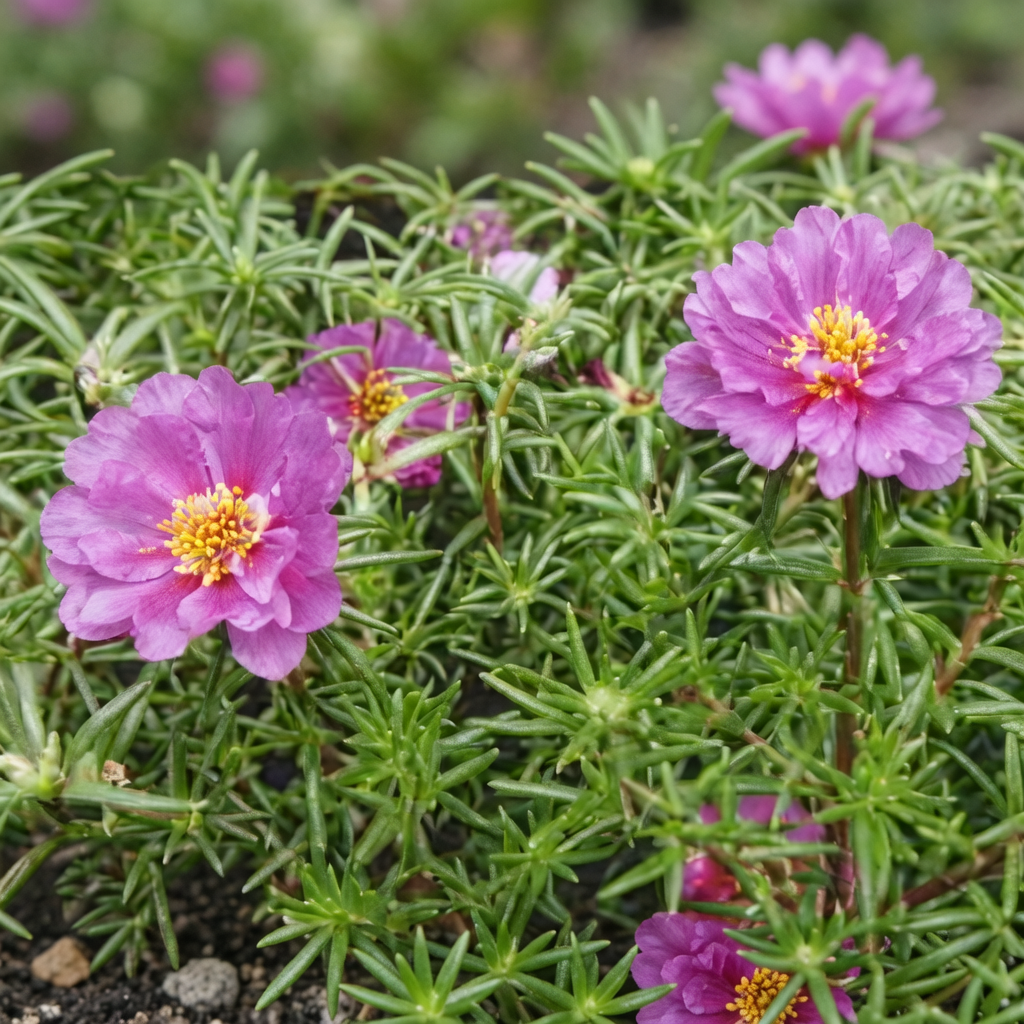
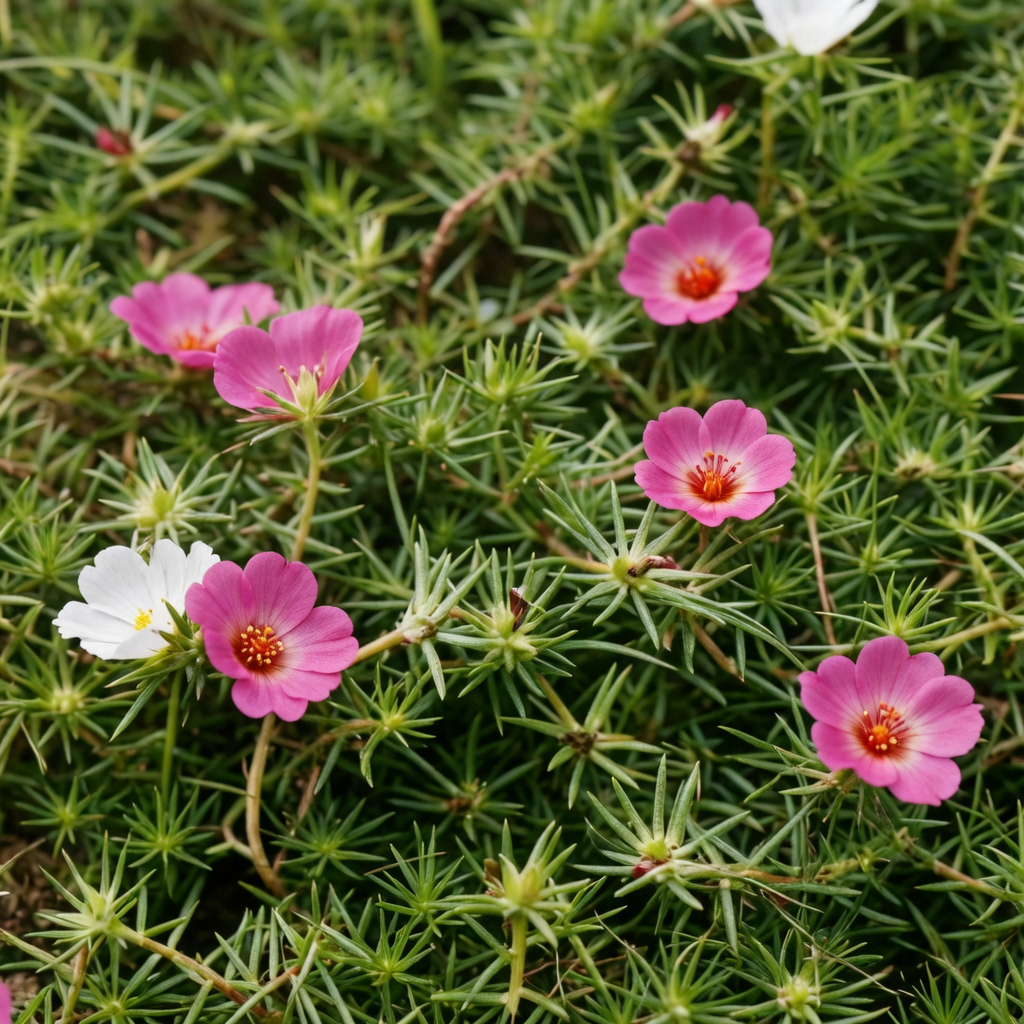
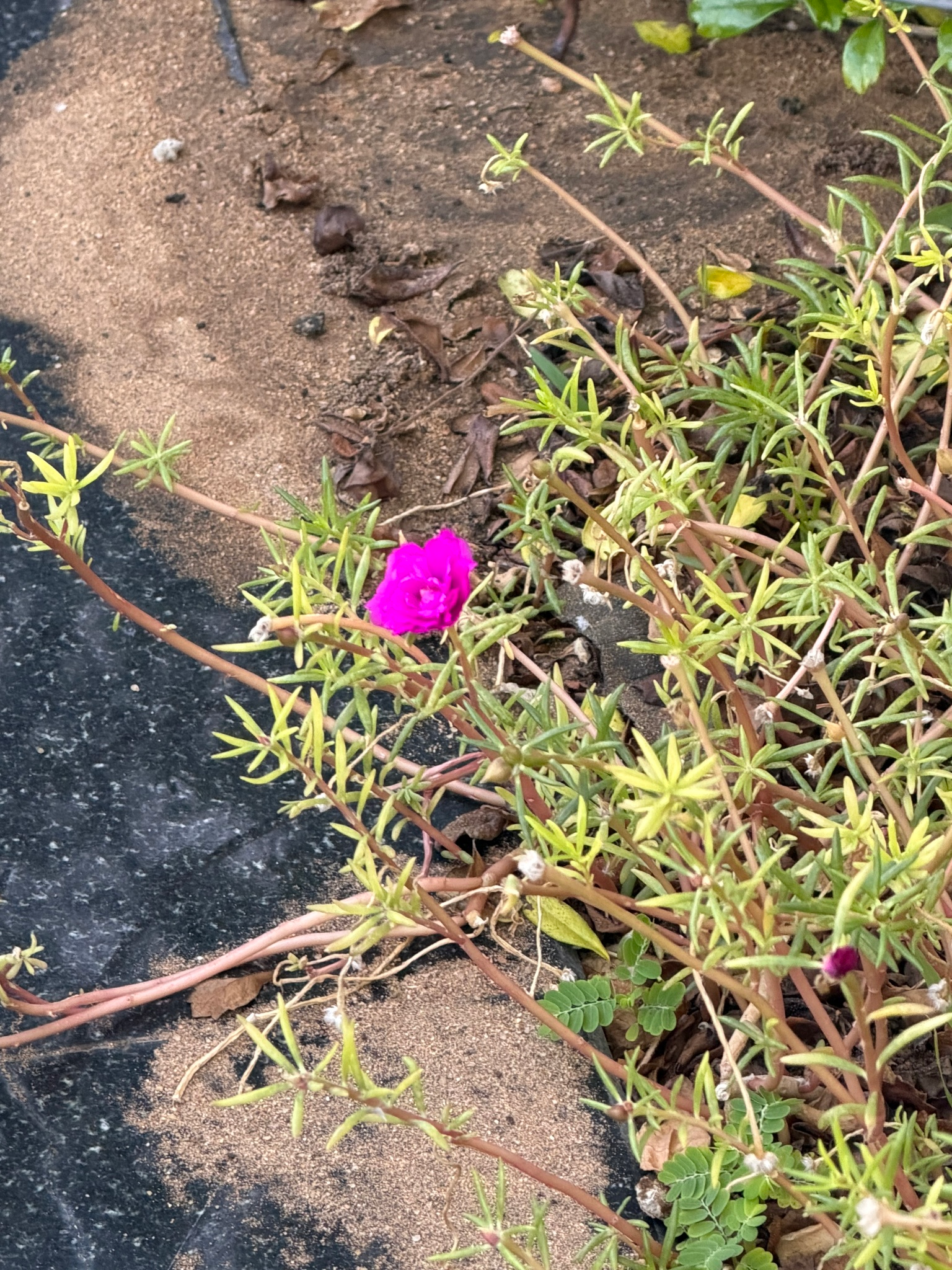
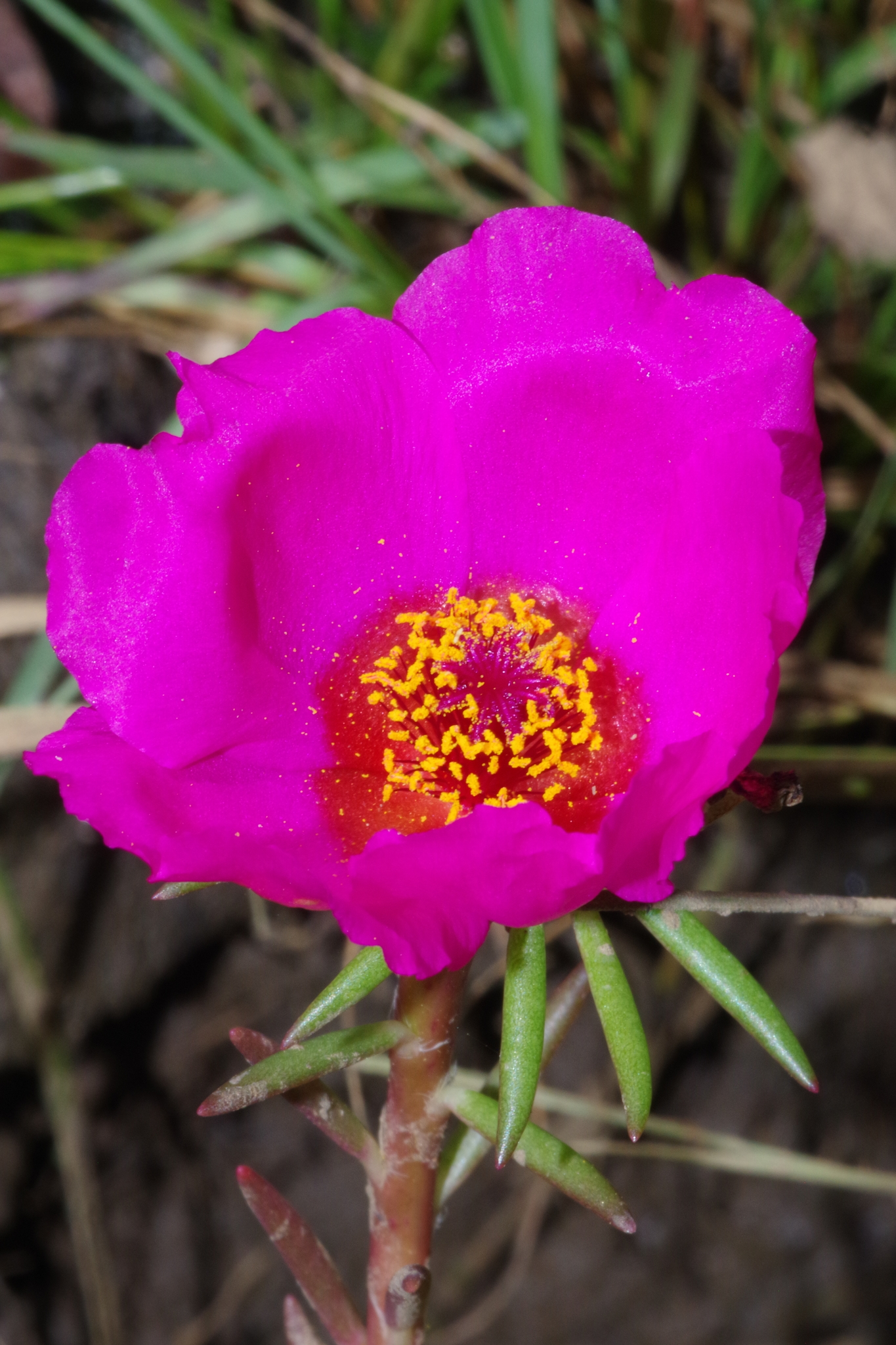
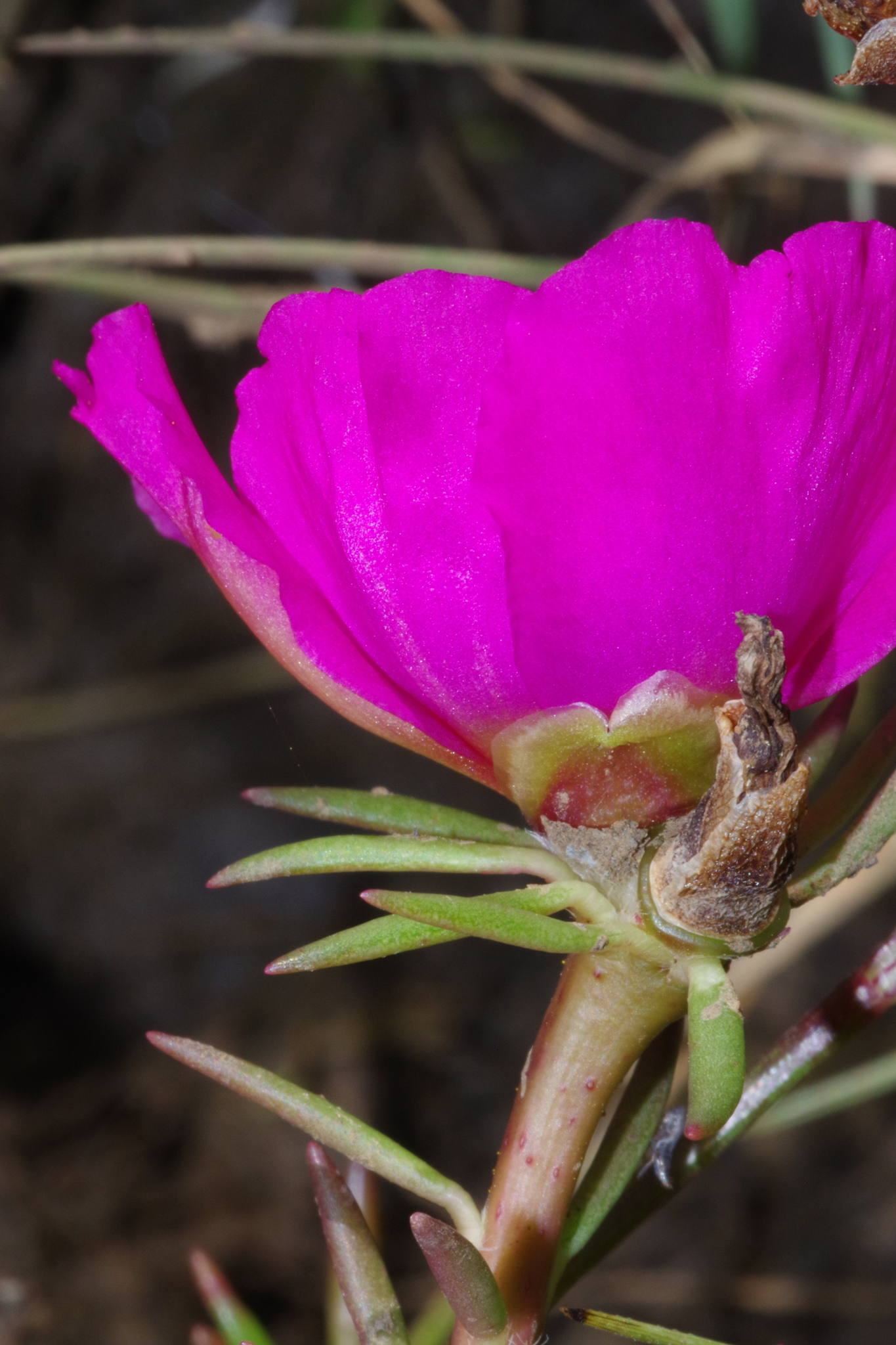
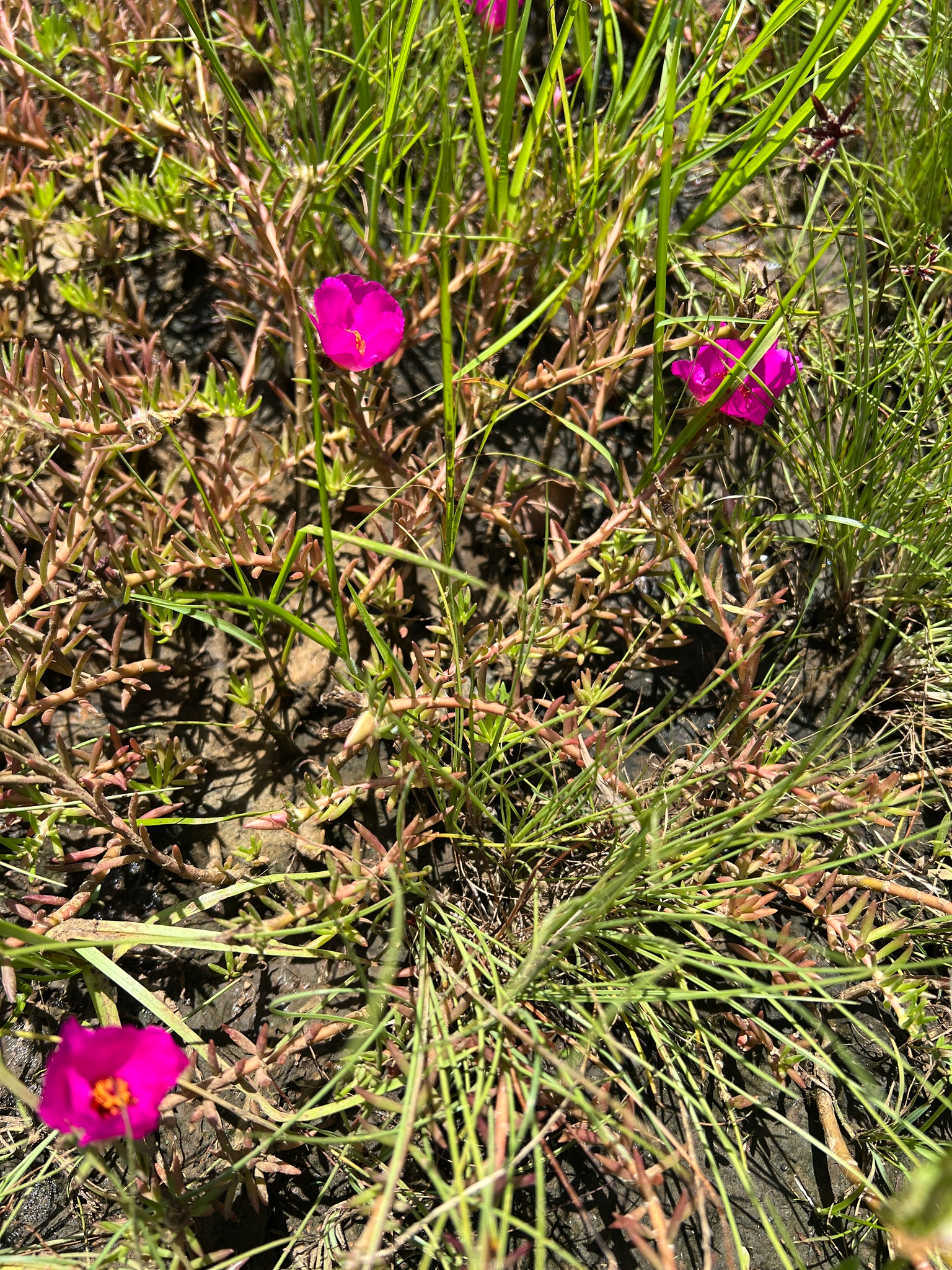
- Foliage:Freely branching stems trail along the ground or lift slightly, often tinted reddish-purple. Leaves cluster densely near the shoot tips and are narrow, cylindrical, and succulent, creating a fine-textured, mossy look.
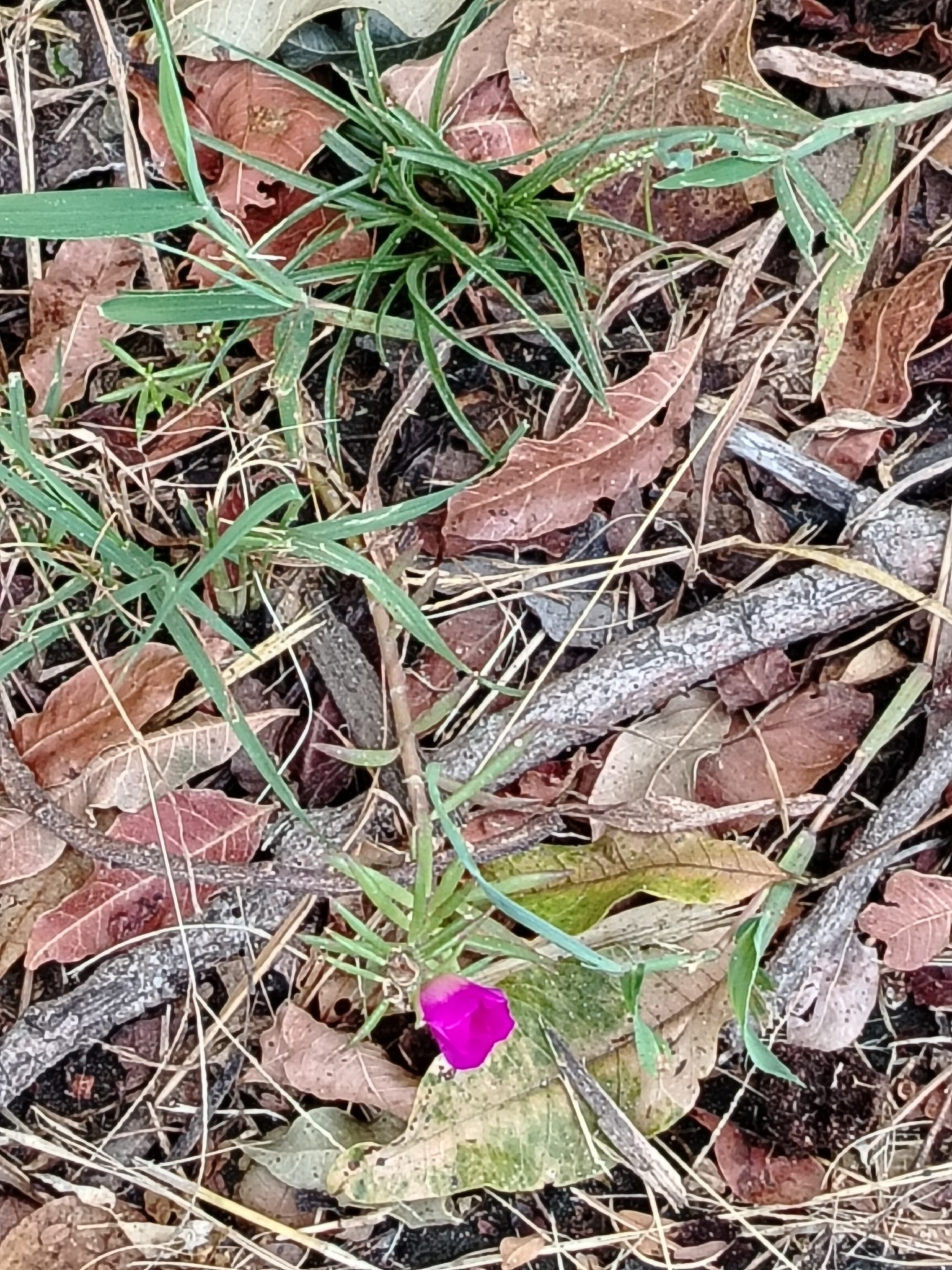
- Flower:Showy, satiny blooms appear singly or in small clusters at stem tips. Colors commonly include red, pink, purple, orange, yellow, and white; many modern selections are double-flowered. Flowers usually open in full sun and close at night or in low light. After flowering, a small capsule forms, releasing many tiny seeds.
- Flowering Season:June–September (summer into early fall) in warm climates; often blooms continuously through summer in full sun.
- Growth Habit:Low, branching annual herb with trailing to slightly upright stems, forming a compact mat or mound.
🌤️ Environment
Sunlight
Full sun is essential for best flowering—aim for at least 6–8 hours/day. Shade leads to weaker growth and fewer blooms.
Temperature
Performs best in warmth, roughly 18–32°C (65–90°F). Growth slows below about 10°C (50°F) and plants are damaged by frost.
Humidity
Prefers dry to average humidity with good airflow. Prolonged dampness (especially in shade) encourages problems; once established it is very drought tolerant.
Soil
Needs very well-drained soil. Happiest in sandy, gritty, or rocky mixes and tolerates low fertility; avoid heavy, waterlogged soils.
Placement
Sunny beds and borders, edging, rock gardens, and containers—any hot, exposed spot where other plants might struggle.
Hardiness
Tender annual; not frost hardy. Often grown as an annual outdoors and only persists as a short-lived perennial in frost-free climates (about USDA Zone 10–11).
🪴 Care Guide
Difficulty
Easy. A tough, adaptable, sun-loving plant that rewards you most when you don’t overwater it.
Buying Guide
Choose compact plants with firm (not mushy) stems and dense, healthy leaves. Avoid pots that stay constantly wet or show signs of rot. For the longest flower show, pick plants with plenty of buds plus a few open blooms, and choose cultivars suited to your local heat and rainfall patterns.
Watering
Water regularly only while establishing. After that, let soil dry between waterings. In containers, water thoroughly, then allow excess to drain—never leave it sitting wet. Overwatering and poor drainage are the most common reasons moss rose fails.
Fertilization
Light feeder. If growth is weak, apply a diluted balanced fertilizer about every 3–4 weeks during active growth. Avoid high nitrogen, which can cause lush, floppy growth with fewer flowers.
Pruning
Optional but helpful: pinch young plants for a fuller, bushier habit. If it gets leggy, shear lightly after a big bloom flush to tidy and encourage fresh buds. Deadheading isn’t essential because many cultivars self-clean fairly well.
Propagation
Easy from seed after the danger of frost has passed, or from stem cuttings in warm weather. Cuttings root quickly in a gritty, well-drained medium kept lightly moist (never soggy).
Repotting
For containers, use a fast-draining cactus/succulent-style mix and pots with drainage holes. Repot only if rootbound; avoid oversized pots that hold too much moisture.
📅 Seasonal Care Calendar
Spring: sow seed or plant out after the last frost; pinch tips for branching. Summer: keep in full sun, water sparingly, feed lightly if needed; shear if leggy. Fall: flowering slows as nights cool; let some seed mature if you want volunteers. Winter: treat as an annual in cold climates; protect any kept plants from frost and excess moisture.
🔬 Pests, Diseases & Safety
Common Pests & Diseases
Usually trouble-free. In wet, poorly drained conditions it can develop stem/root rot. Aphids or spider mites may show up in hot, dry weather; improve airflow, avoid overfertilizing, and use insecticidal soap if needed.
Toxicity
Generally not considered highly toxic as an ornamental, but it isn’t intended as a food plant. Discourage chewing by pets or children; seek medical/veterinary advice if ingestion leads to symptoms.
🎋 Culture & Symbolism
Symbolism:A sunny little symbol of cheerfulness, resilience, and thriving in tough conditions—thanks to its love of heat and ability to handle drought.
History & Legends:Native to Brazil, moss rose spread worldwide as gardeners discovered how generously it blooms in intense sun, even where soil is sandy, poor, or dry—making it a classic choice for warm-season bedding and low-maintenance color.
Uses:Ornamental groundcover and bedding plant for sunny borders, rock gardens, edging, containers, and water-wise landscapes—especially effective when mass-planted for a carpet of summer color.
❓ FAQ
Why do the flowers close in the evening or on cloudy days?
That’s normal for moss rose—many blooms open in bright sun and close when light levels drop, such as at night or during overcast weather.
Why is my moss rose not flowering well?
Usually it needs more sun, less nitrogen-rich fertilizer, and better drainage. Give it full sun and let soil dry between waterings.
How often should I water it?
Water sparingly once established. Let the soil or potting mix dry out between waterings—constant moisture can quickly lead to rot.
💡 Fun Facts
- Its blooms often act like little sun sensors—opening wide in bright light and closing when the day darkens.
- It makes seeds in a small capsule packed with many tiny grains, which is why it can self-sow in warm climates.
- Because it tolerates poor soil and drought, it’s a classic choice for water-wise, low-maintenance summer plantings.