🌱 Plant Features
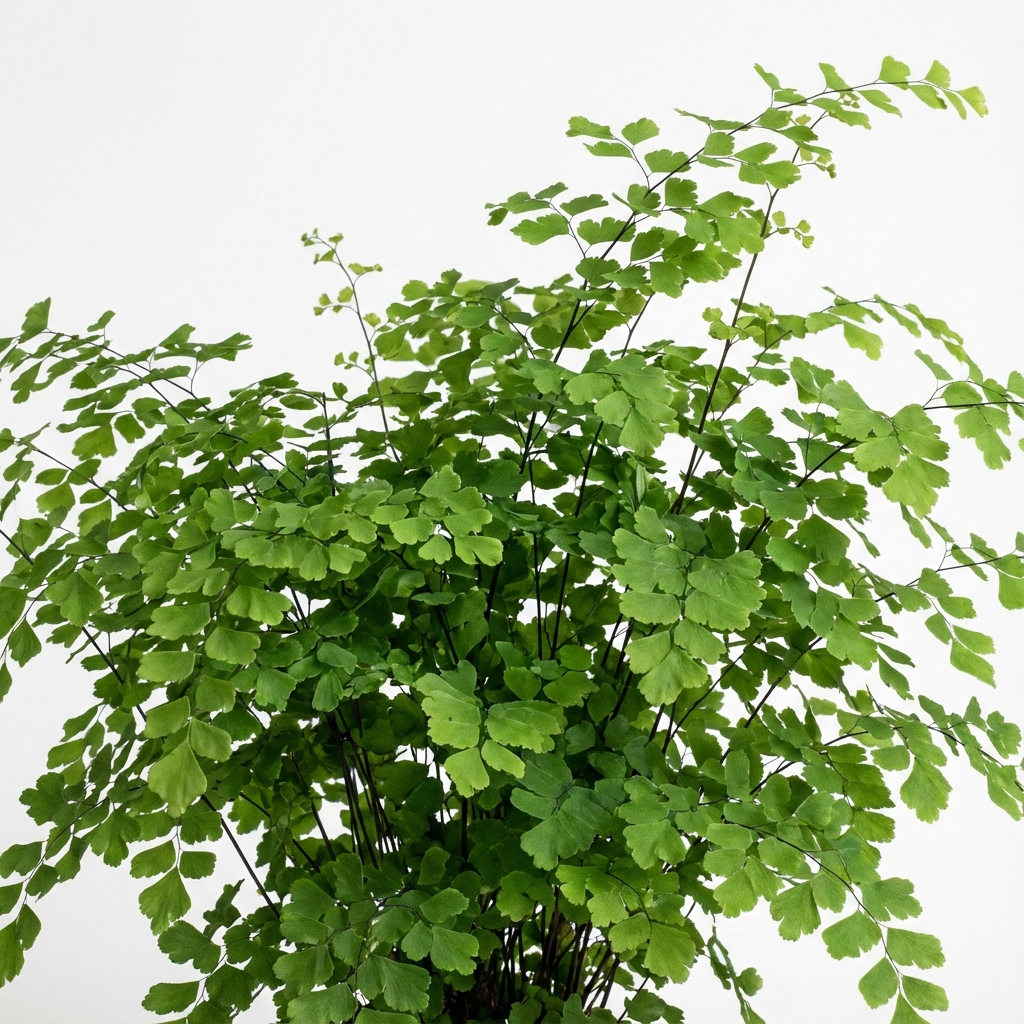
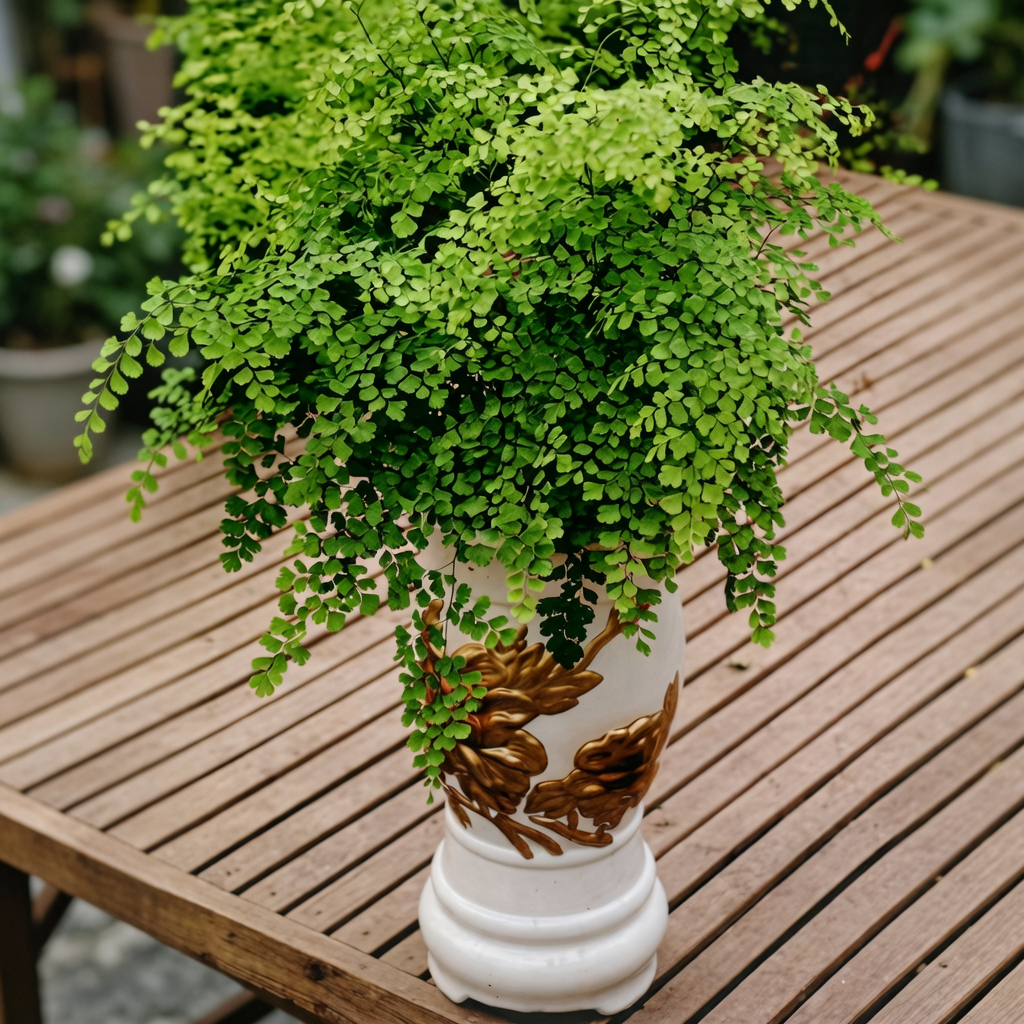
- Size:Typically 20–45 cm (8–18 in) tall and 20–45 cm (8–18 in) wide indoors; in generous containers and ideal humidity it can reach about 50 cm (20 in) tall and spread to around 80 cm (31 in). Some plants may approach ~60 cm (24 in) in height in very favorable conditions.
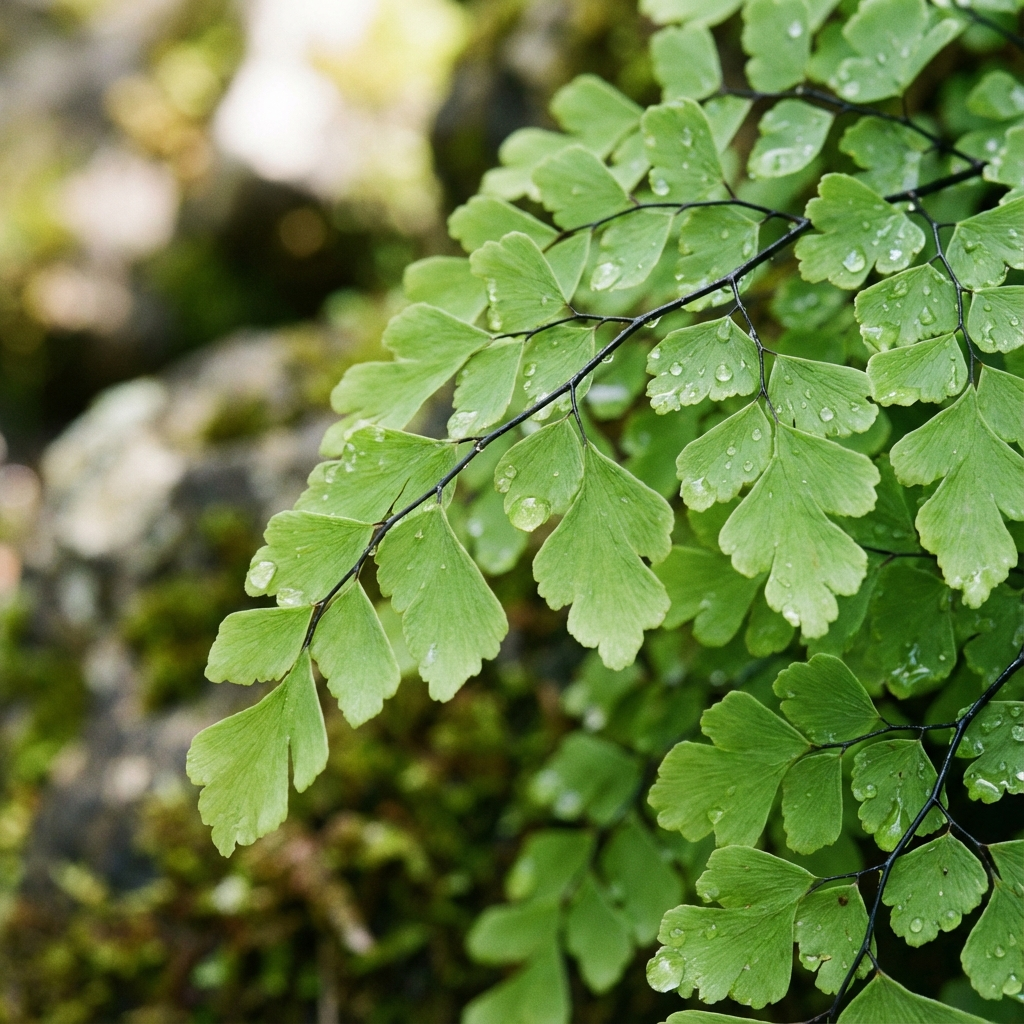
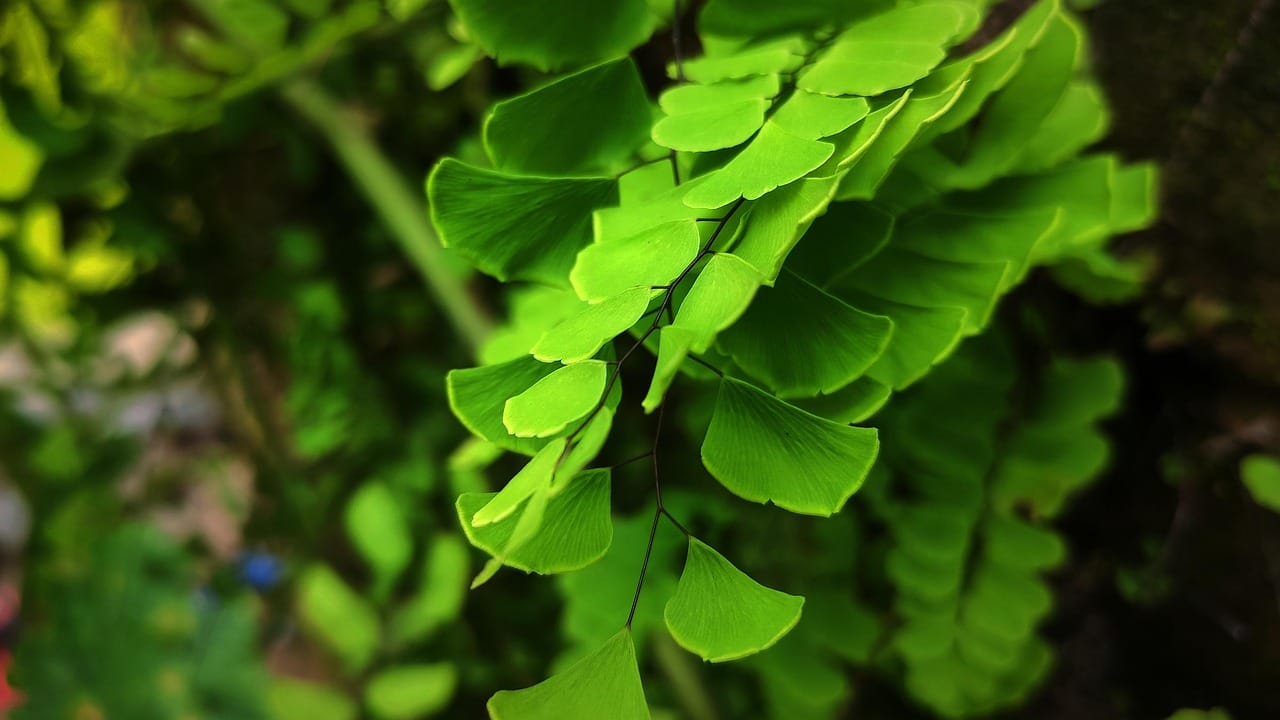
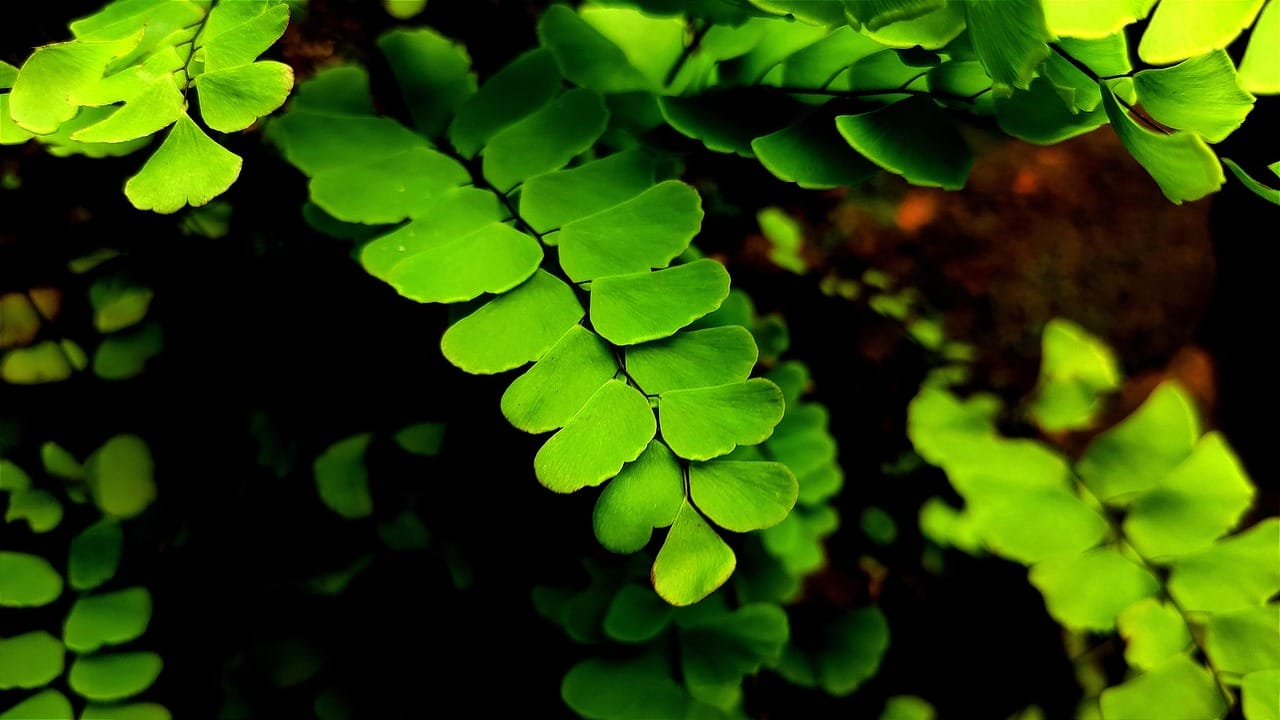
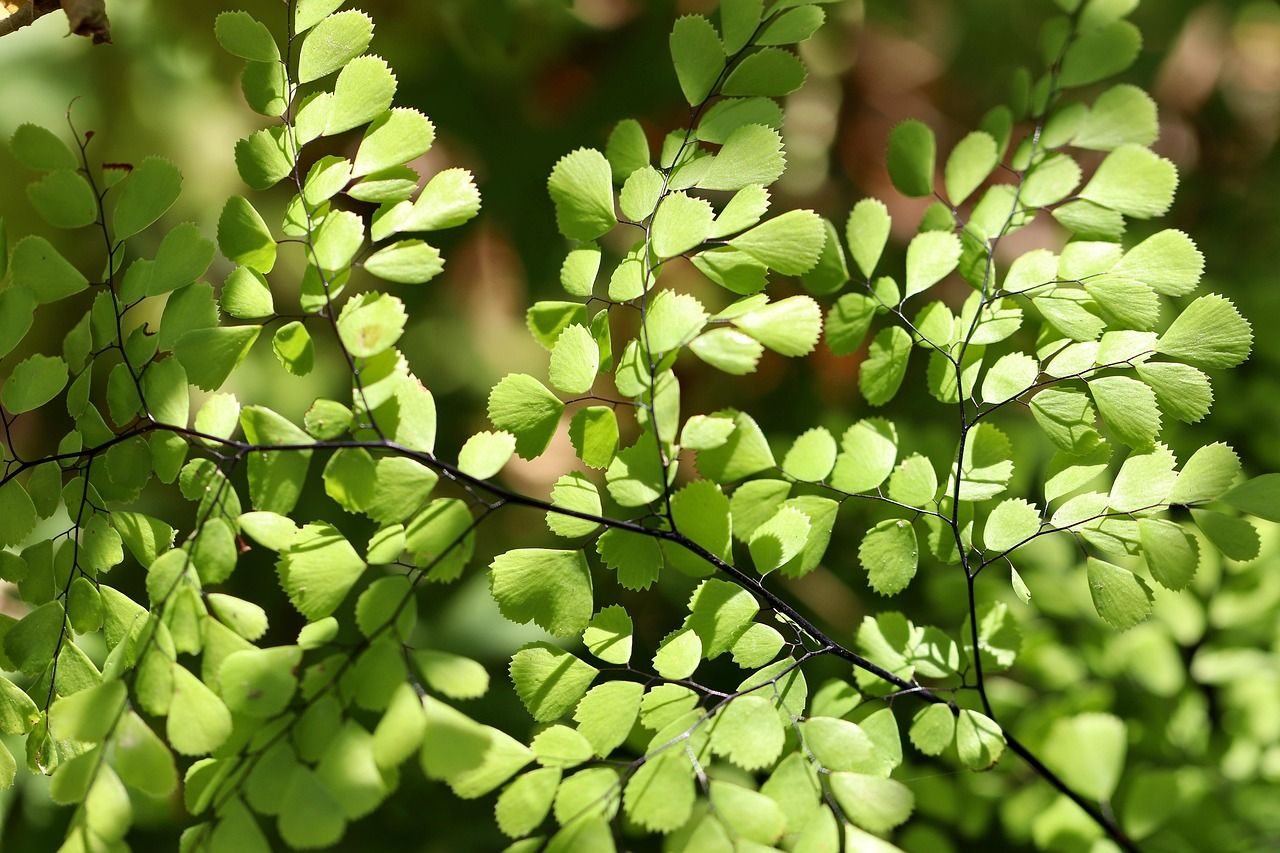
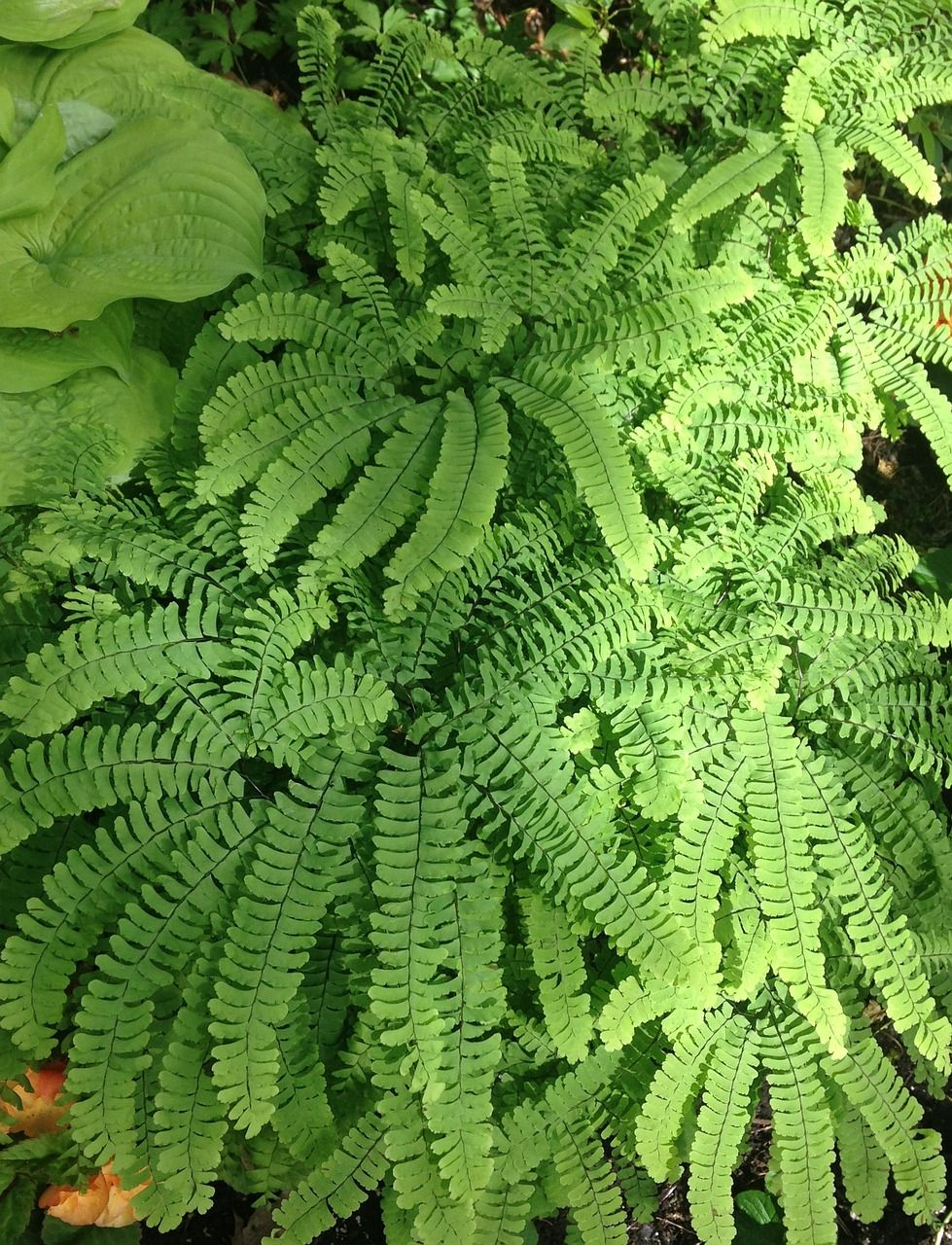
- Foliage:Fine-textured, lacy fronds with small fan- to wedge-shaped, fresh green leaflets (pinnules). The leaflets are carried on thin, glossy, black to dark purple stems that look like delicate wire. Overall the plant forms a soft, tufted clump with gently arching (sometimes slightly cascading) fronds, creating a light, see-through “mini tree” or fountain effect.
- Flower:No flowers (it’s a fern). Reproduces by spores; spore clusters (sori) form on the undersides/margins of mature leaflets and are often covered by a small flap of tissue (indusium).
- Flowering Season:Non-flowering; spores may appear whenever fronds mature. In some references, spore production is noted most strongly in mid-to-late summer (around July–September).
- Growth Habit:Perennial, clump-forming fern with creeping rhizomes. Fronds are arching and airy; the plant stays compact and dense when kept consistently moist and humid.
🌤️ Environment
Sunlight
Bright, indirect light to partial shade (dappled light). Avoid direct sun—hot rays scorch and yellow the fronds. East-facing light or a spot set back from a bright south/west window works well.
Temperature
Best kept warm and stable: roughly 18–24°C (65–75°F), with many growers finding it happiest around 22–27°C (72–81°F) in the day. Keep above about 10°C (50°F) for good foliage; protect from cold drafts and sudden heat blasts from vents.
Humidity
High humidity is the secret sauce: aim for ~60–70% (or higher if you can). It may struggle in typical dry indoor air (30–40%), where fronds can crisp quickly. Bathrooms with good light, a humidifier, or a pebble tray can help; terrariums are often ideal.
Soil
Moisture-retentive but well-draining mix. A rich, organic potting soil (peat/coco-based or loam/leaf-mold based) lightened with perlite/coarse sand and/or fine bark works well. Keep evenly moist—never waterlogged. A little horticultural charcoal is optional for freshness in humid setups.
Placement
Indoors: bright bathrooms or kitchens, a plant stand near an east or filtered window, desks/shelves away from drafts, heaters, and AC vents. Also excellent in closed or semi-closed terrariums. Outdoors (warm climates): sheltered, humid shade such as rock-garden crevices or protected courtyard shade.
Hardiness
Tender and frost-sensitive. Best treated as a houseplant in most regions; outdoors year-round mainly in frost-free climates (about USDA Zone 10–11).
🪴 Care Guide
Difficulty
Moderate overall (often described as “easy” only if you can reliably provide steady moisture and decent humidity). It’s less forgiving of missed waterings and dry air than many houseplants.
Buying Guide
Pick a plant that looks full and springy with lots of fresh green fronds and minimal brown/crispy edges. Avoid pots that are bone-dry, sour-smelling, or obviously waterlogged, and skip plants shedding lots of fronds into the pot. A healthy crown/rhizome base is more important than a perfect outer frond or two.
Watering
Keep the mix evenly moist—think “wrung-out sponge,” not swamp. Water thoroughly when the surface just begins to lose its moist sheen, then let excess drain; never leave it sitting in water. Do not allow a full dry-out (this is the #1 cause of crispy browning and sudden frond drop). In summer, many homes need watering around 2–3 times per week; in winter, often about once per week—always adjust to light, pot size, and room conditions. Use room-temperature water, and pair good watering with humidity support (humidifier is more effective than constant misting).
Fertilization
Light feeder. During active growth (spring through early fall), use a balanced liquid houseplant fertilizer at half strength about once a month. Avoid heavy feeding (can scorch roots and fronds). For water/semi-hydro setups, use very dilute foliage nutrients more often (about every 2 weeks) and keep the system clean.
Pruning
Trim yellow, brown, or broken fronds at the base to keep the plant tidy and reduce disease risk. If it becomes very scruffy, a harder cutback in spring (down to the base) can encourage a flush of fresh fronds—provided light, warmth, moisture, and humidity are good.
Propagation
Best by division in early spring (often paired with repotting). Gently split the clump/rhizomes into 2–3 sections so each division has healthy rhizome and fronds; pot into fresh mix, water in, and keep warm, shaded, and humid until re-established. Spore propagation is possible but slow and more technical. Some growers also keep it in semi-hydro/water culture (rinsed roots anchored in inert media), but cleanliness and light feeding are crucial to avoid rot.
Repotting
Repot when rootbound—typically every 1–2 years, best in early spring. Move up only slightly (about 2–5 cm / 1–2 in wider). Use a pot with drainage; plastic or glazed ceramic helps retain moisture better than terracotta (which can dry too fast).
📅 Seasonal Care Calendar
Spring: ideal time to repot/divide; resume feeding; increase watering as growth picks up. Summer: peak growth—water more often, protect from direct sun, and keep humidity high. Autumn: growth slows—ease back on fertilizer and slightly reduce watering frequency while avoiding dry-out. Winter: water less but keep humidity up; keep away from cold drafts and vents, and maintain temperatures above ~10°C (50°F) for best foliage.
🔬 Pests, Diseases & Safety
Common Pests & Diseases
Most issues trace back to dry air, inconsistent watering, or poor airflow. Common pests include scale, mealybugs, aphids, and spider mites (especially in dry conditions); treat early with insecticidal soap/horticultural oil and raise humidity. Fungus gnats can appear if the mix stays overly wet. Diseases can include root rot (from waterlogging), leaf spot/blight, botrytis, rust, and powdery mildew—improve drainage, avoid stale soggy soil, remove affected fronds, and increase gentle airflow.
Toxicity
Generally regarded as non-toxic to people, cats, and dogs (commonly listed as pet-safe). As with many plants, nibbling may still cause mild stomach upset in sensitive pets.
🎋 Culture & Symbolism
Symbolism:Often linked with delicacy, purity, gentle elegance, and quiet resilience. In broader folklore traditions, maidenhair ferns have been associated with protection and “hidden treasures/hidden knowledge.”
History & Legends:Maidenhair ferns became iconic “parlor ferns” because their fine texture looks instantly refined indoors—though they famously insist on humidity to look their best. Folklore around maidenhair ferns includes protective uses in old homes (sometimes hung as wards) and stories tying the plant to secrecy or hidden knowledge; various Indigenous communities have also used maidenhair species traditionally for practical and medicinal purposes.
Uses:Primarily ornamental: a standout foliage houseplant for bright, indirect light, perfect for humid rooms, terrariums, and sheltered shaded patios in warm climates. Fronds are sometimes used in floral arrangements. Some Adiantum species have a history of use in traditional herbal practices; use medicinally only with reliable identification and appropriate guidance.
❓ FAQ
Why are my maidenhair fern leaves turning brown and crispy?
Almost always: the plant dried out (even once) and/or the air is too dry. Re-wet the mix thoroughly (then drain), raise humidity toward 60–70%+, and move it away from vents, heaters, and direct sun. Trim fully crisp fronds at the base so the plant can focus on new growth.
Can maidenhair fern take direct sunlight?
Not well. Direct sun scorches the delicate leaflets and causes yellowing and browning. Bright, indirect light or dappled shade is ideal—think “forest floor” lighting.
My fern is turning yellow—what’s going on?
Yellowing can come from too much sun, soggy soil/poor drainage, low humidity, underwatering, heat stress, low nutrients, or pests (especially scale/mites). Check light first, then soil moisture and drainage, then humidity; inspect for pests. Adjust one factor at a time so you can see what actually helps.
Can I grow maidenhair fern in water (semi-hydro)?
Yes, with care. Rinse soil from roots, trim dead roots/fronds, anchor the plant in inert media (stones/gravel), and keep water fresh to prevent stagnation. Feed lightly with a very dilute nutrient solution during active growth and maintain warm temperatures and good light.
How do I encourage it to bounce back after frond drop?
Stabilize conditions: evenly moist soil, higher humidity, and bright indirect light—then be patient. If the crown/rhizomes are healthy, it often resprouts. Remove dead fronds and avoid heavy fertilizing while it recovers.
💡 Fun Facts
- “Adiantum” comes from Greek for “unwetted,” referring to how water beads and runs off the leaflets rather than soaking in.
- It doesn’t flower—those little structures on mature fronds are spore cases (sori), not seeds or blooms.
- Maidenhair ferns are famous “humidity tellers”: crispy edges often appear fast when indoor air is too dry.
- If conditions improve quickly after a drying episode, the plant can often regrow from the crown—even if it looks dramatically bald at first.