🌱 Plant Features
- Size:Typically about 60–90 cm (2–3 ft) tall and around 60 cm (2 ft) wide; flower stalks often rise to 90–120 cm (3–4 ft).
- Foliage:Leaves are long, arching, and strap-like—about 30–60 cm (12–24 in) long and 2.5–5 cm (1–2 in) wide. They’re dark, glossy green and emerge in basal clumps from fleshy rhizomes, staying attractive even when the plant isn’t in bloom.
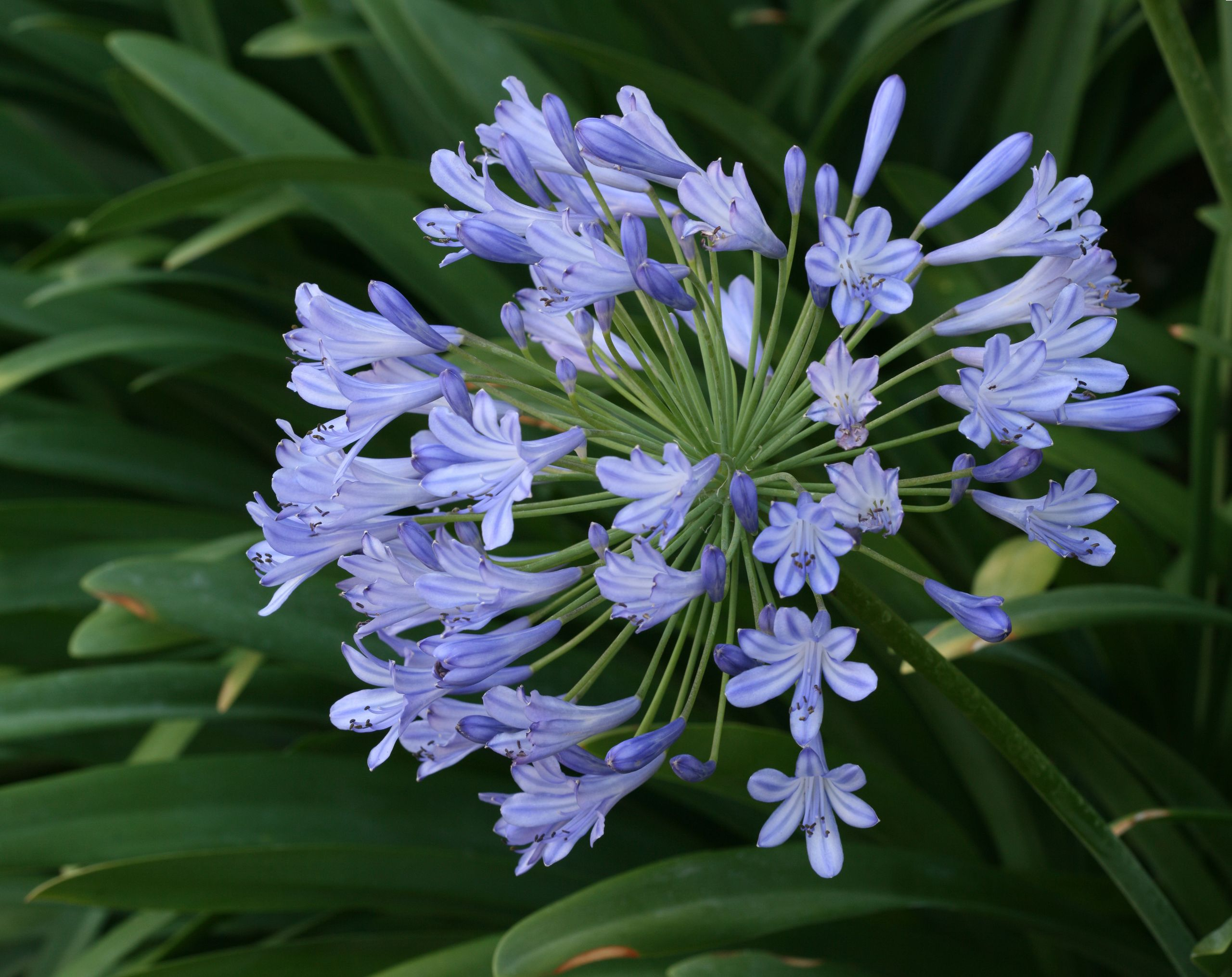
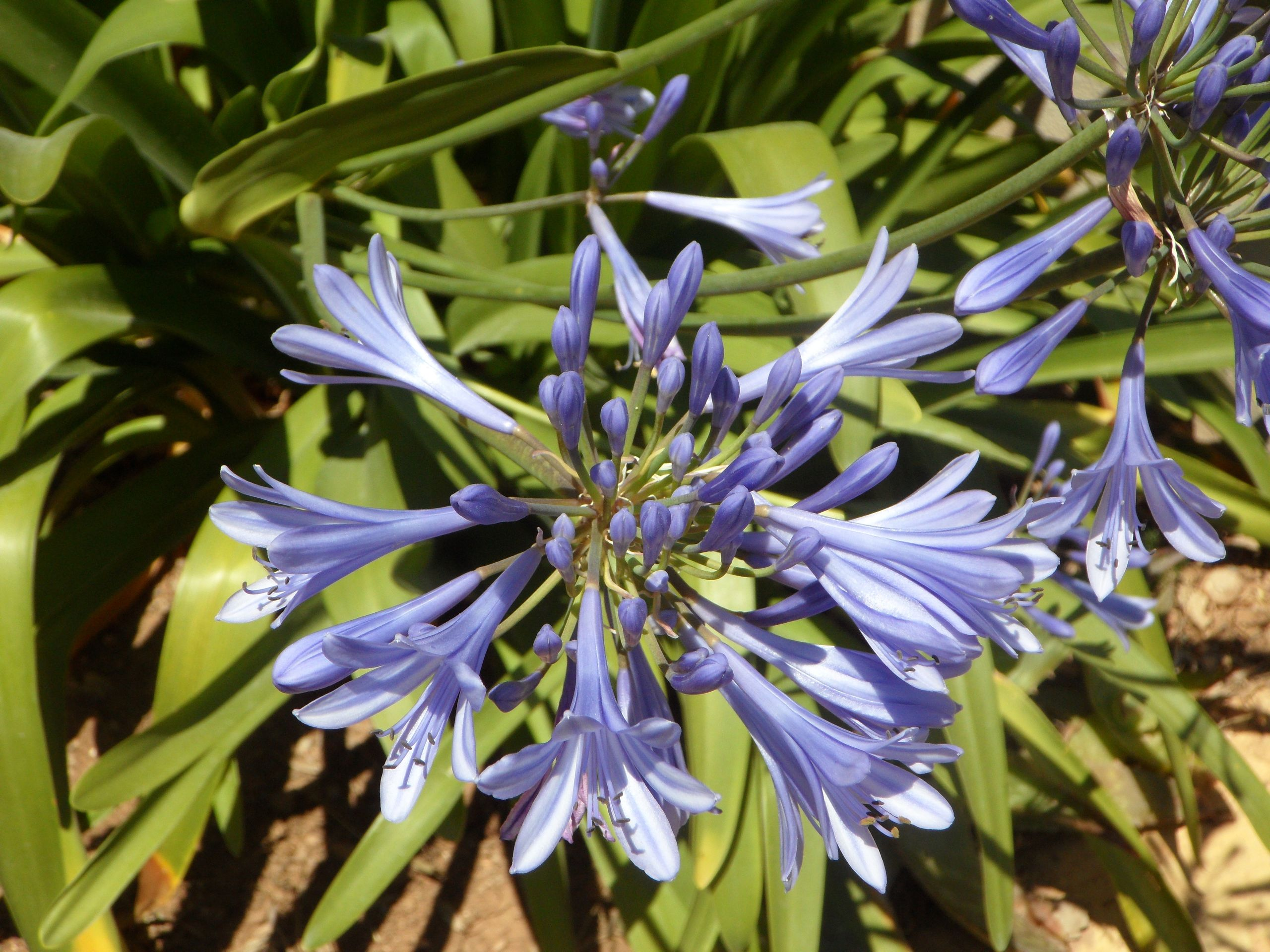
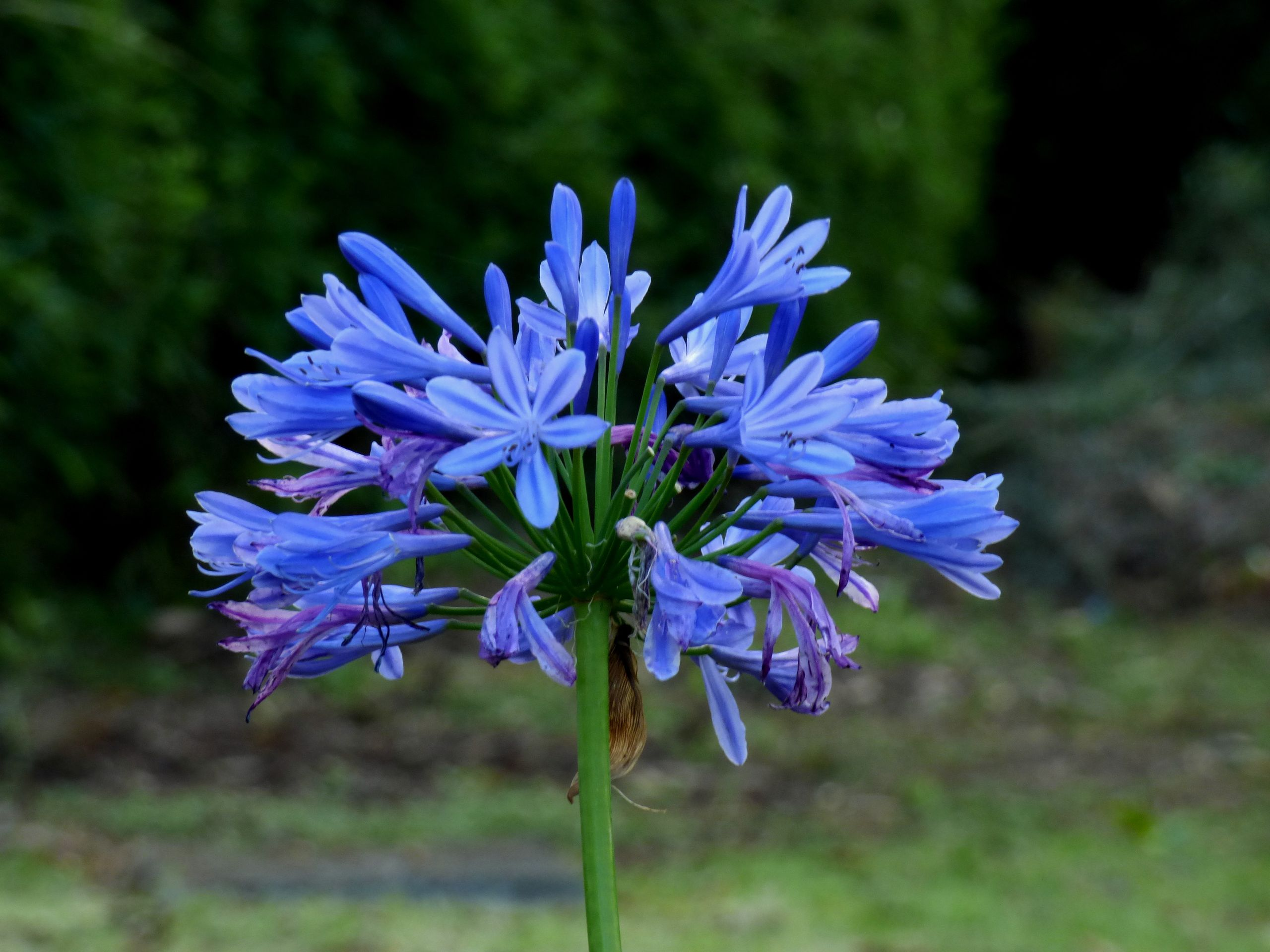
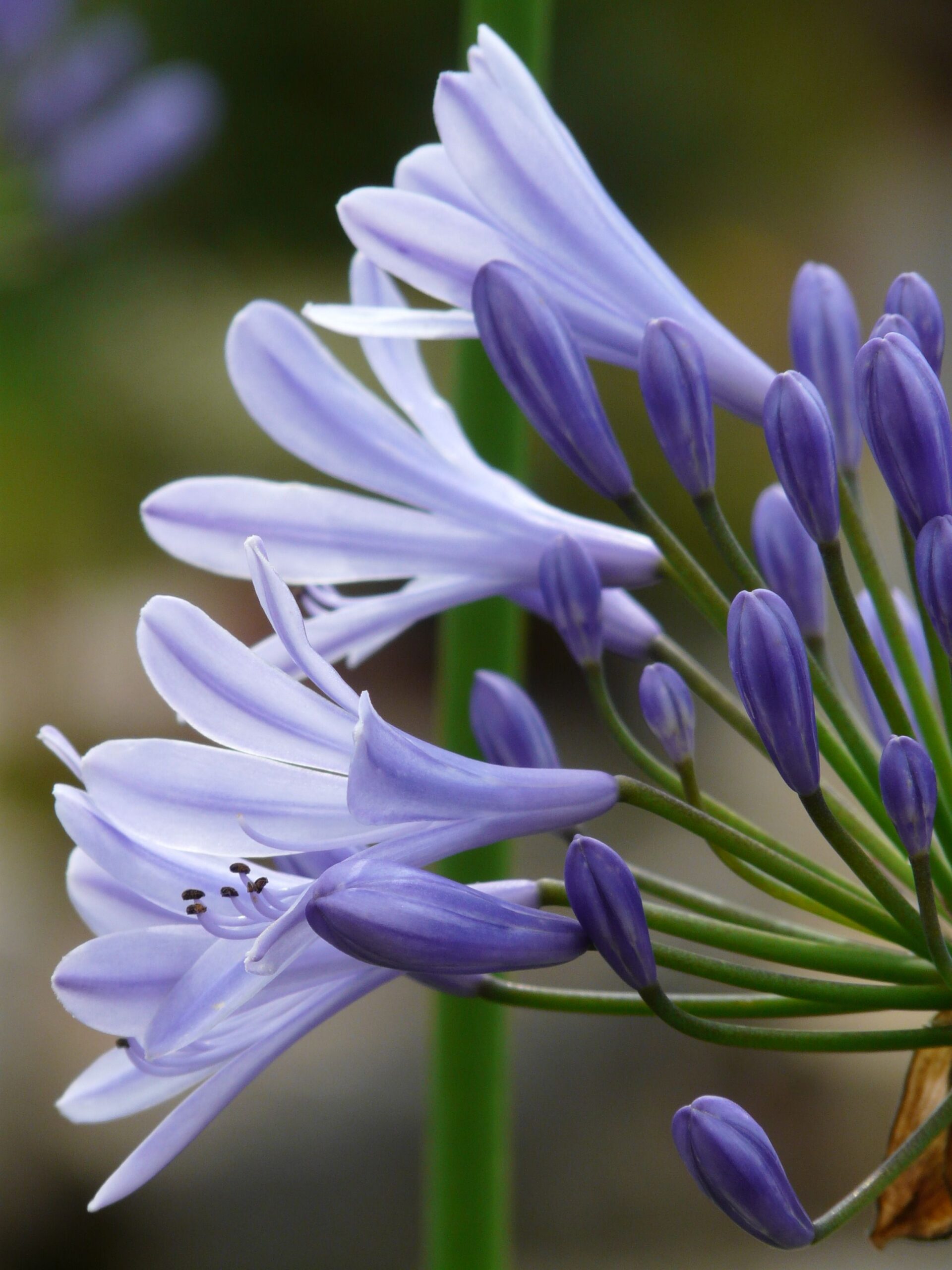
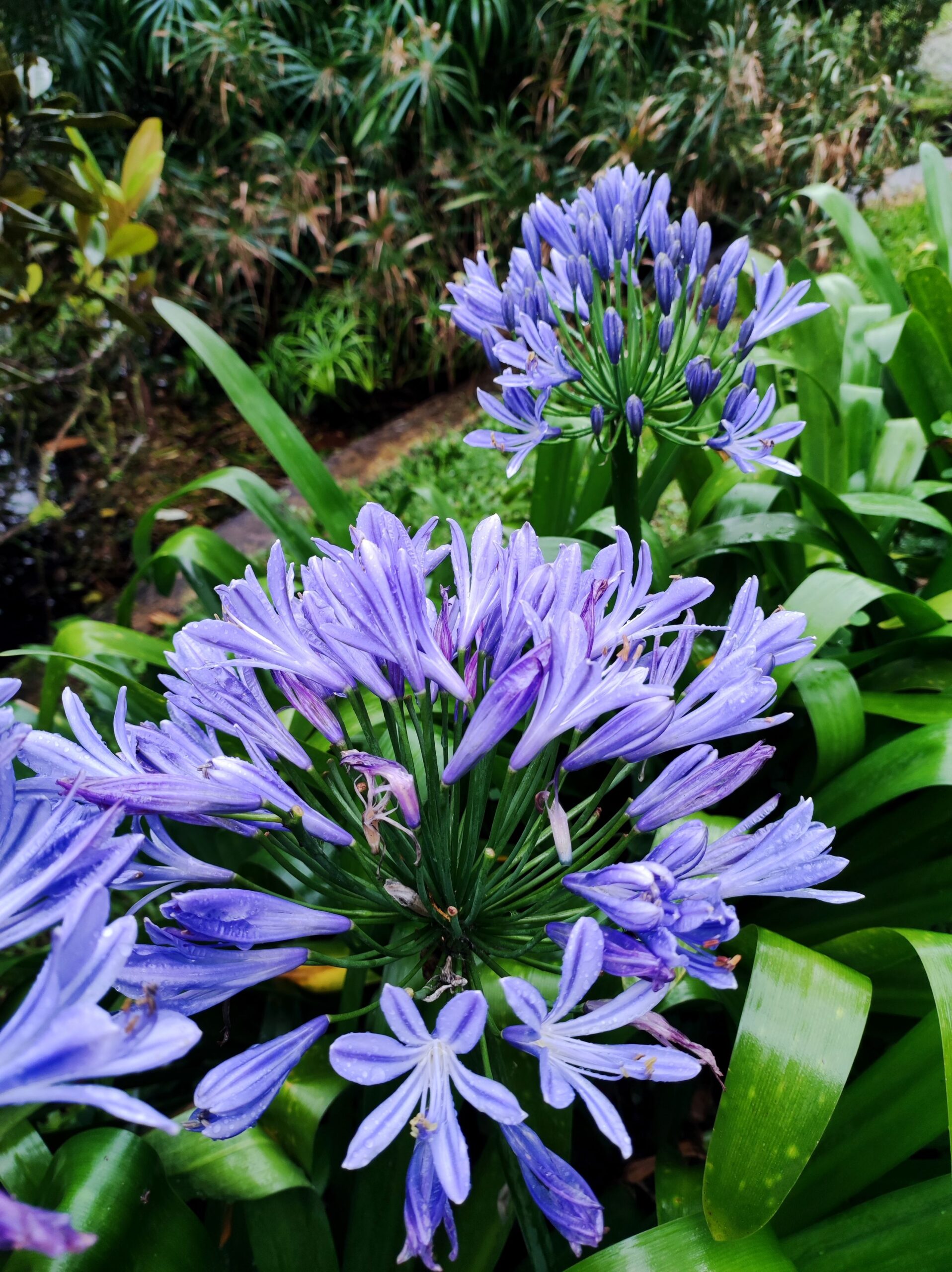
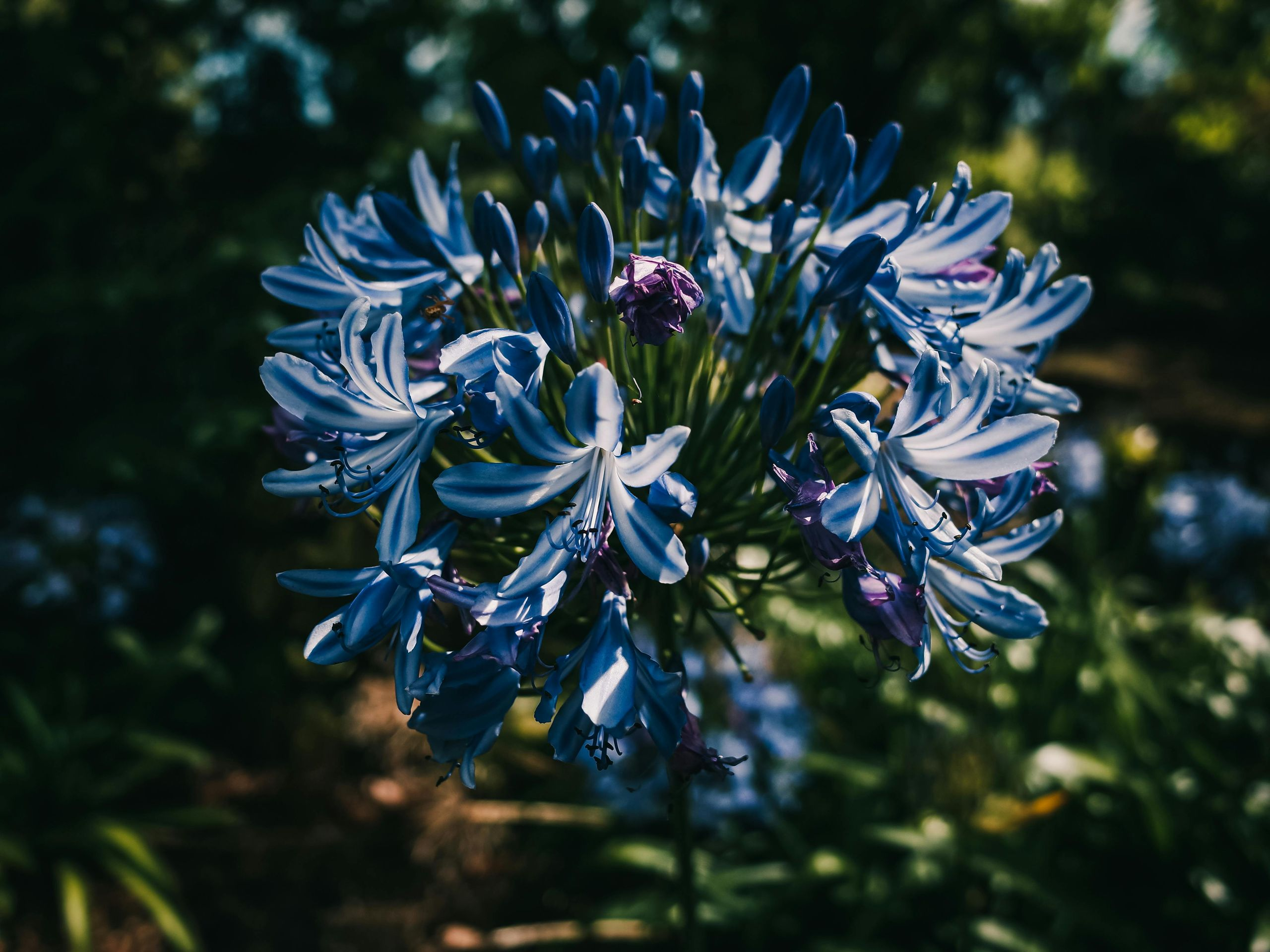
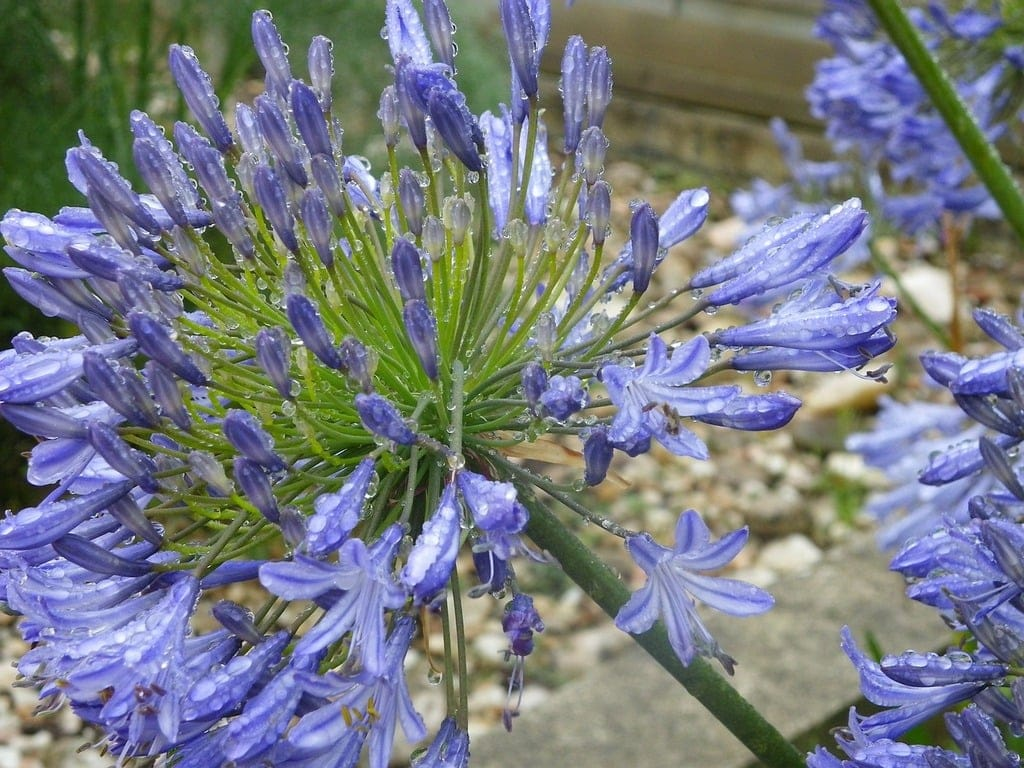
- Flower:Blooms appear in rounded umbels (often 20–100 flowers per head). Individual flowers are tubular to bell/trumpet-shaped with six petal-like segments, sometimes showing deeper striping down the center of each segment. Flowers sit well above the foliage on upright, sturdy stems—great for cutting.
- Flowering Season:Primarily June–August (early to mid-summer); in frost-free climates some varieties can flower from late spring into fall.
- Growth Habit:Upright, tufted clumps formed from fleshy rhizomes with short, tuberous roots; gradually expands over time and can be divided to refresh plants.
🌤️ Environment
Sunlight
Full sun is best for flowering (about 6–8 hours of direct sun daily). In very hot climates, light afternoon shade can help prevent stress.
Temperature
Likes mild-to-warm growing conditions; during active growth it does well around 20–25°C (68–77°F). Cold tolerance varies by type: some forms tolerate brief dips to about -6°C (20°F), while evergreen types are more cold-sensitive.
Humidity
Adaptable. In humid regions, give it breathing room (good spacing and airflow) to reduce fungal issues.
Soil
Fertile, moisture-retentive but well-drained soil is ideal (sandy loam is excellent). It tolerates heavier soils if drainage is good. Agapanthus africanus often prefers slightly acidic soil, roughly pH 5.5–6.5. Avoid waterlogged conditions.
Placement
Excellent in sunny borders, along paths, and as a focal clump; also shines in containers on patios/balconies. In colder zones, containers can be overwintered indoors in bright light.
Hardiness
Generally grown in USDA Zones 7–11 (some cultivars can manage Zone 6 with protection). Evergreen types are less frost-tolerant; deciduous types handle cold better. Not tolerant of soggy winter soil.
🪴 Care Guide
Difficulty
Easy to moderate—very forgiving once established, as long as it gets sun and drainage.
Buying Guide
Choose plants with clean, glossy foliage and a firm, healthy root/rhizome system. Avoid pots with a sour smell or blackened, mushy roots (signs of rot). A slightly root-bound plant often flowers sooner, but skip plants that are severely pot-bound and stressed.
Watering
During establishment, water regularly—about 2.5 cm (1 in) per week—keeping soil evenly moist but never soggy. Once established, it becomes more drought-tolerant; many plants do well closer to about 1.3 cm (1/2 in) per week depending on heat and soil. Let the top layer dry between waterings, and greatly reduce winter watering until new growth starts in spring.
Fertilization
Feed in spring with a balanced fertilizer (e.g., 10-10-10), then again about two months later. For stronger blooming, a phosphorus-leaning mix like 5-10-10 can help. Organic options (compost, bone meal, well-rotted manure) work well. Avoid heavy nitrogen (it can make lush leaves but fewer flowers). Don’t fertilize after August. In containers, use a light feed every 4–6 weeks during the growing season.
Pruning
Deadhead by cutting the entire spent flower stem at the base to keep the plant tidy and encourage more blooms. Remove dead/damaged leaves any time. For deciduous types, keep the foliage after flowering until it naturally yellows—those leaves recharge the rhizomes for next year. Evergreen types can be trimmed back to about 15–20 cm (6–8 in) if needed for division or cleanup.
Propagation
Division or seed. Divide clumps about every 4–6 years in the garden (about 4–5 years for pots). Timing: early spring for deciduous forms; for evergreen forms, many growers divide in autumn after flowering. Use a clean, sharp knife so each division has roots and growth points. Seeds can be sown soon after collection; germination may take 1–4 months, and seedlings often need 3–5 years to flower.
Repotting
Repot about every 2 years into a container roughly 10 cm (4 in) wider if the plant is tightly packed. Agapanthus actually blooms best when somewhat root-bound, so don’t overpot. Use a fast-draining mix (potting mix amended with grit/sand) and ensure excellent drainage.
📅 Seasonal Care Calendar
Spring: plant or divide, resume regular watering, and begin feeding. Summer: enjoy peak bloom; keep moisture steady, deadhead, and give a mid-season feed if needed. Fall: taper feeding and watering; divide evergreen types after flowering where appropriate. Winter: keep much drier; mulch in-ground plants in colder areas, and protect containers from hard frost (move indoors or to a sheltered spot).
🔬 Pests, Diseases & Safety
Common Pests & Diseases
Usually trouble-free. Watch for aphids, mealybugs, and spider mites; wash off with water or treat with horticultural soap/neem oil if persistent. Overcrowding plus humidity can invite fungal issues (including wilt problems), so space plants and improve airflow. The biggest risk is root/rhizome rot from waterlogged soil—yellowing, wilting leaves and discolored roots are classic signs; prevention via drainage is key.
Toxicity
Toxic to people and pets if eaten. All parts can cause stomach upset (nausea, vomiting, diarrhea), and the sap may irritate skin (dermatitis), especially in sensitive individuals. Keep away from children, cats, and dogs—cats are often considered more sensitive.
🎋 Culture & Symbolism
Symbolism:Its name comes from Greek—agape (love) + anthos (flower)—so it’s widely associated with love, devotion, and lasting affection. Color traditions often add nuance: blue is linked with loyalty and devotion, while white suggests purity and sincerity.
History & Legends:Agapanthus was introduced to European gardens in the late 1600s and quickly became a prized ornamental in mild-climate landscapes. In parts of South Africa it has a long history in traditional practices and folklore, including associations with fertility and protective charms—though medicinal use should be approached cautiously and only with professional guidance. And despite the common name “Lily of the Nile,” it isn’t from the Nile region at all; it’s native to southern Africa.
Uses:Grown mainly as an ornamental for borders, rock gardens, and containers, and it’s also a favorite cut flower (blooms can last a long time in arrangements). Dried seed heads are sometimes used in floral design. Many gardeners also appreciate its relative resistance to deer and rabbits.
❓ FAQ
Why isn’t my Lily of the Nile blooming?
Most often it’s one of these: not enough sun (aim for 6–8 hours), too much nitrogen fertilizer, a plant that’s still young (especially from seed), disruption after recent division, or a pot that’s too large (they often bloom better when slightly root-bound).
Should I deadhead agapanthus?
Yes if you want a tidier plant and potentially more flowering—cut the whole flower stalk down at the base once it finishes. If you want to collect seed, leave a few heads to mature.
Can I grow it in a pot?
Absolutely—containers are one of its best looks. Use a pot with drainage holes and a fast-draining mix, keep it in bright sun, and protect it from hard freezes in winter.
How do I overwinter agapanthus in cold climates?
In pots, move plants indoors or to a frost-free, bright spot before hard frost. In the ground, mulch heavily where it’s borderline hardy. Deciduous types can go drier and tolerate more cold than evergreen types, but all dislike cold, wet soil.
💡 Fun Facts
- A single flower head can hold up to about 100 little trumpet blooms, creating that signature globe shape.
- It’s called “Lily of the Nile,” but it’s naturally from South Africa—not the Nile basin.
- Agapanthus often flowers more heavily when slightly root-bound, which is why container plants can be spectacular.
- The seeds are flat and winged, helping them disperse on the wind.