🌱 Plant Features
- Size:Up to about 1 m (3.3 ft) tall.
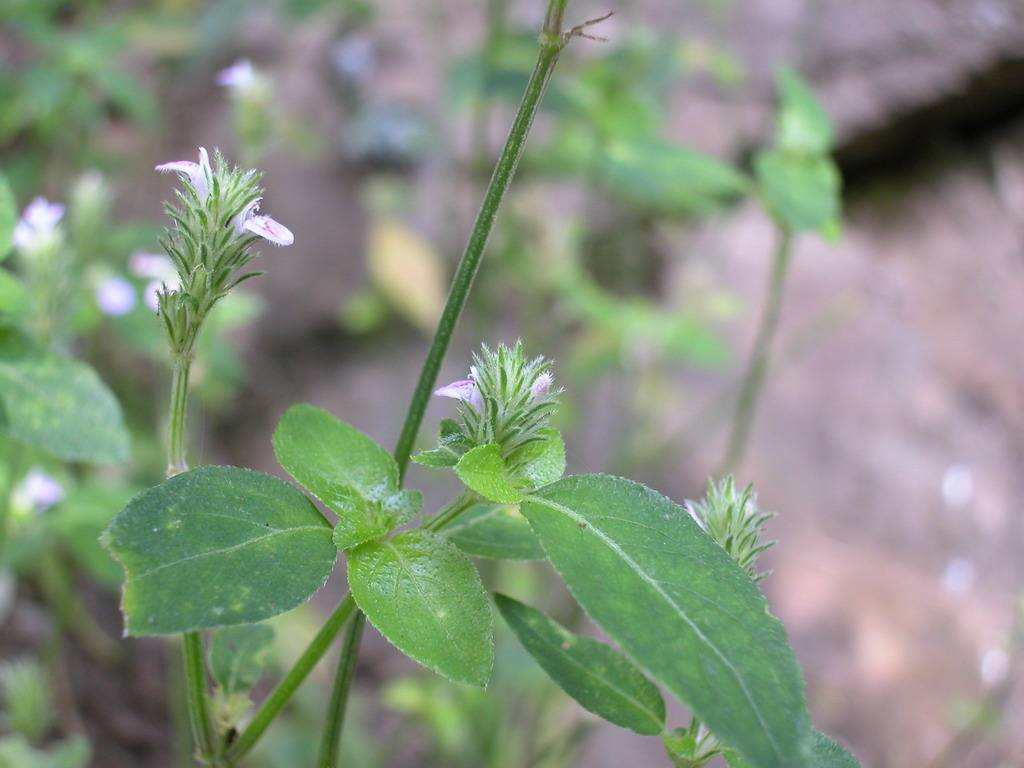
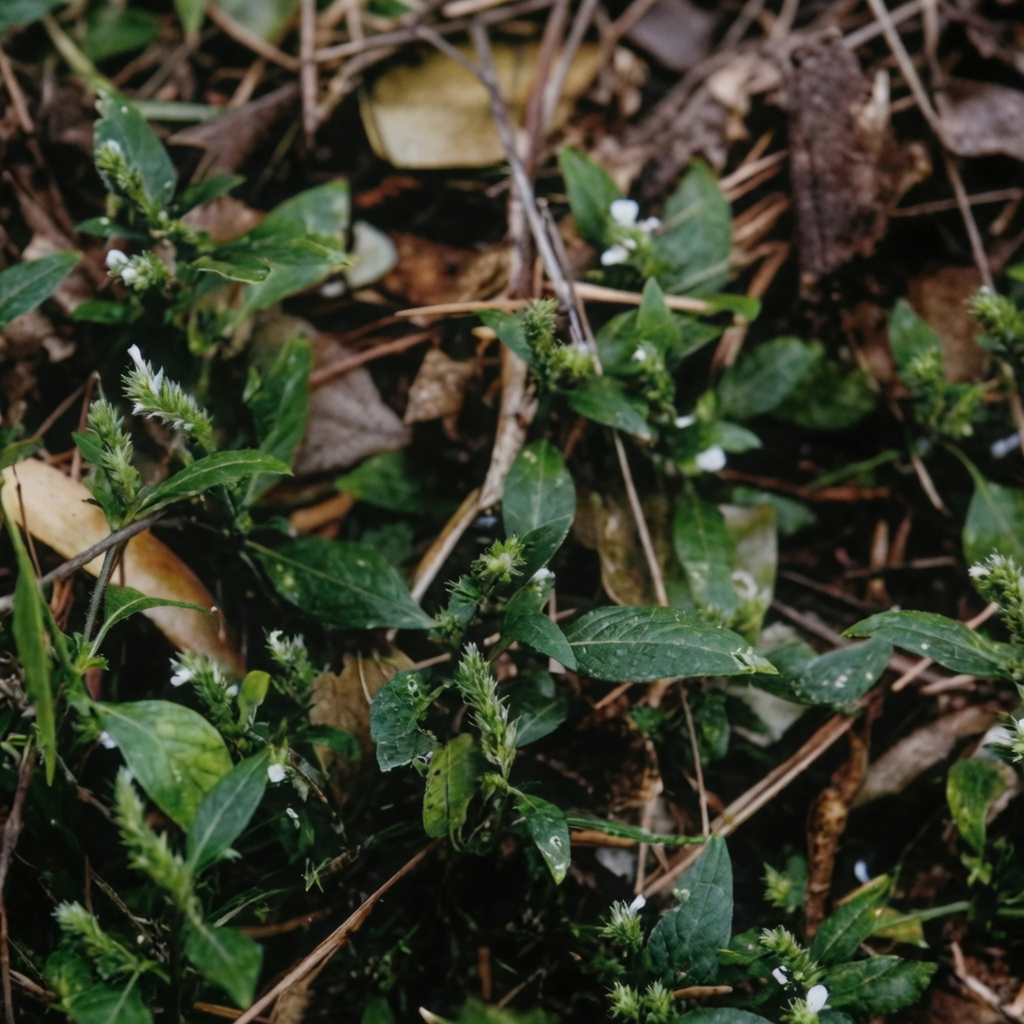
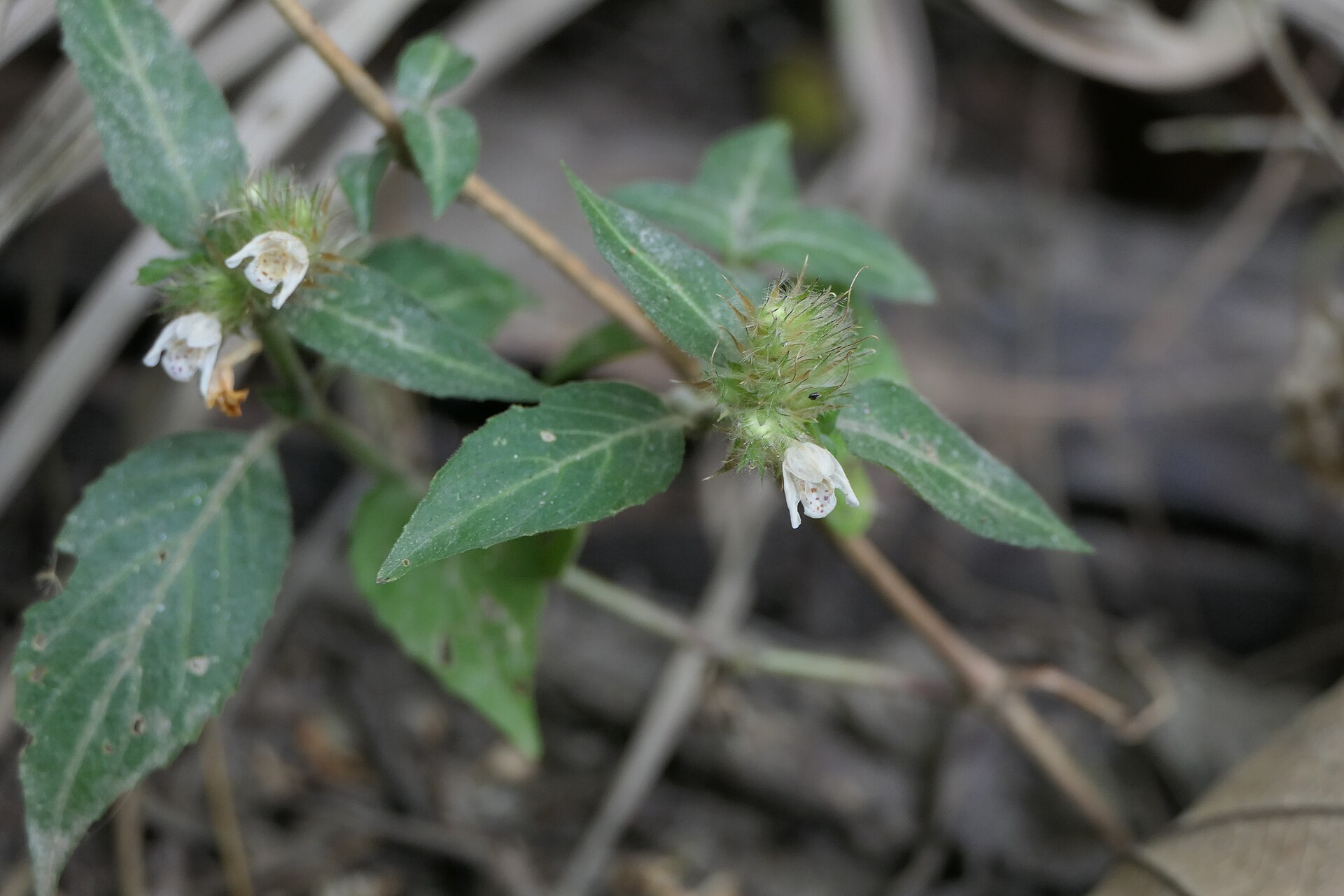
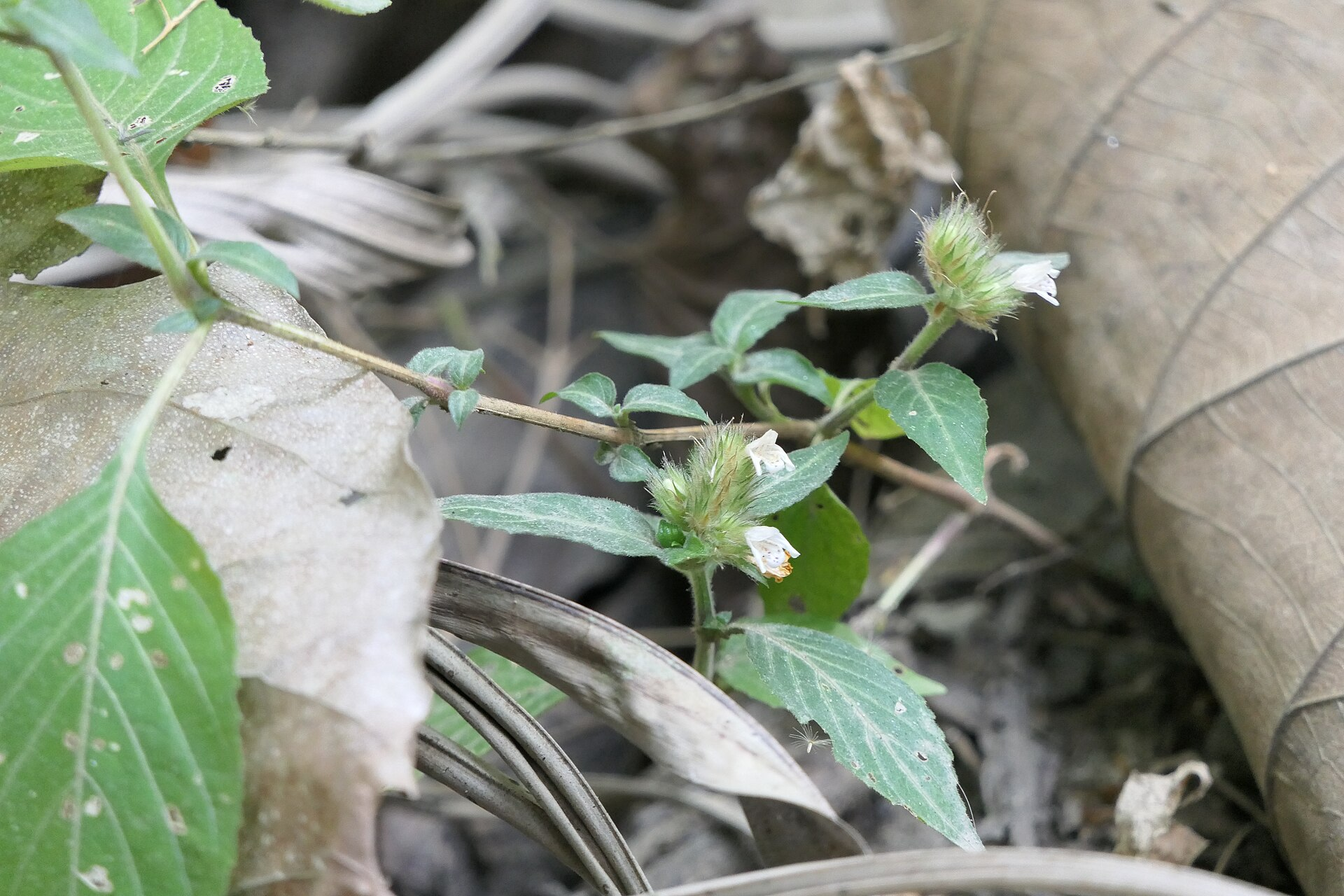
- Foliage:Leaves are papery-textured and oblong. Stems are slender and distinctly four-angled, with most parts nearly hairless except around the flower spikes.
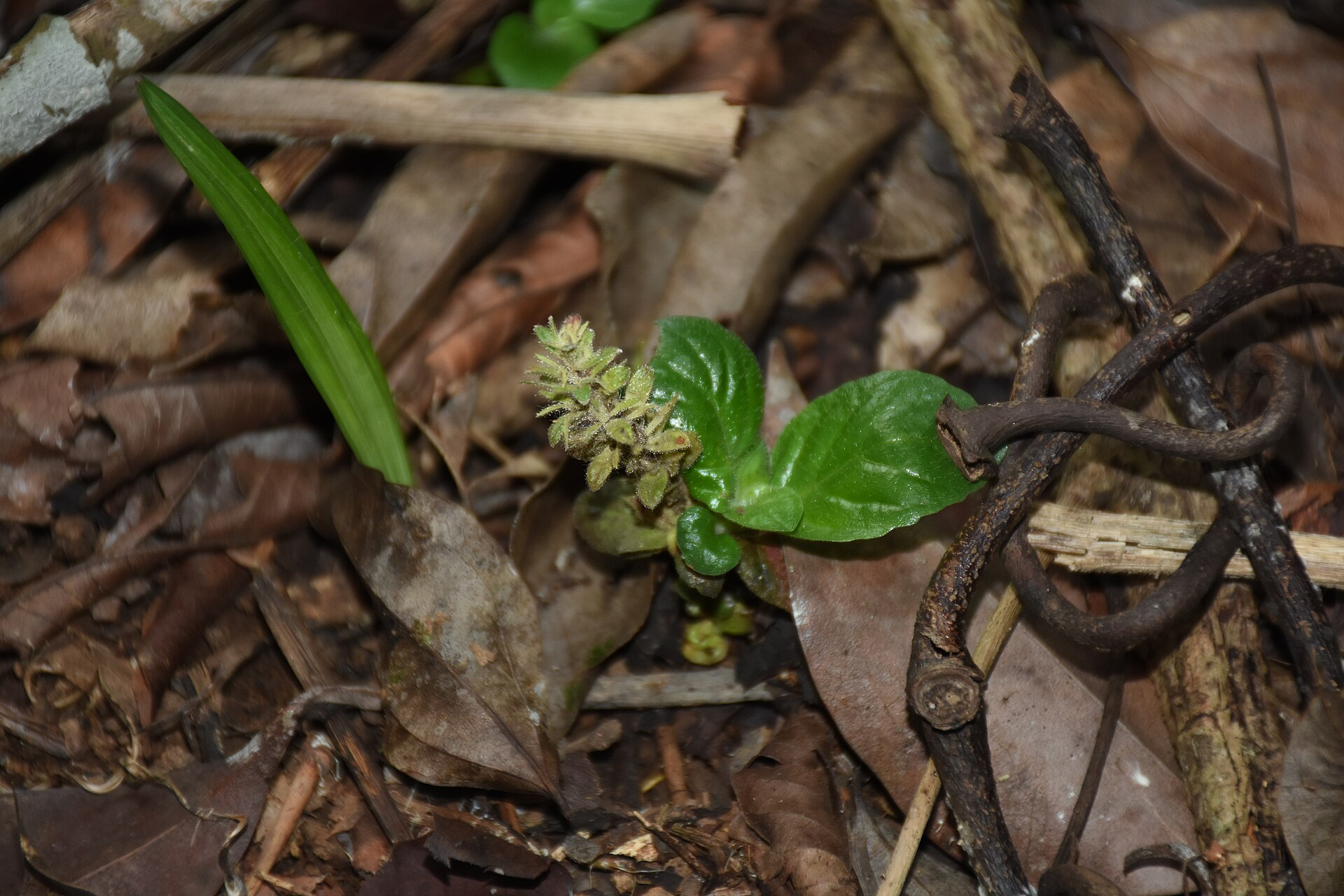
- Flower:Flowers are carried in terminal, spike-like clusters. Bracts are oblong-ovate and about 7 mm (0.28 in) long, ending in a small spine-like tip. Corollas are white and tubular.
- Flowering Season:Early spring
- Growth Habit:Upright, many-branched herbaceous plant
🌤️ Environment
Sunlight
Best in full sun to partial shade; light shade (such as a woodland edge) suits it well, reflecting its natural habitats.
Temperature
Prefers warmth; ideal growing-season temperatures are about 18–30°C (64–86°F). Protect from chilly weather.
Humidity
Comfortable in average-to-dry air; drought tolerant once established and does not need high humidity.
Soil
Well-drained soil is essential—sandy, gritty, or otherwise fast-draining mixes work well. Tolerates dry, lean ground but dislikes waterlogging.
Placement
Sunny to lightly shaded outdoor beds in warm regions; dry banks, sandy areas, and naturalistic woodland-edge plantings. In cooler regions, grow in containers so it can be protected from cold.
Hardiness
Frost tender; best for warm subtropical/tropical climates. Approx. USDA Zone 10–11.
🪴 Care Guide
Difficulty
Easy in the right climate: warmth-loving, adaptable, and drought tolerant once established, as long as drainage is good.
Buying Guide
Choose plants with firm, upright stems and clean, healthy leaves. Avoid waterlogged pots or plants with blackened stem bases, which can indicate rot.
Watering
Water regularly while establishing. After that, water sparingly—let the top layer of soil dry between waterings. Reduce watering further in cool weather. It handles dryness well, but extremely prolonged drought can reduce flowering.
Fertilization
Light feeder. In containers or very poor soil, use a balanced fertilizer at half strength every 4–6 weeks during active growth (spring through early autumn).
Pruning
After flowering, trim off spent spikes and lightly shape the plant to encourage bushier growth. Remove dead, weak, or damaged stems as needed.
Propagation
Not specified in the source. Most likely propagated by stem cuttings in warm weather: take healthy non-flowering shoots, place in a free-draining medium, and keep warm until rooted.
Repotting
For container plants, repot in spring when roots fill the pot. Use a gritty, fast-draining mix and avoid oversized pots to reduce the risk of soggy soil and rot.
📅 Seasonal Care Calendar
Spring: main flowering; keep evenly moist but never wet. Summer–autumn: allow to dry more between waterings; feed lightly if growth is active. Winter: protect from cold and keep on the dry side.
🔬 Pests, Diseases & Safety
Common Pests & Diseases
Not specified in the source. In cultivation, watch for aphids on tender new growth. The main preventable problem is root/stem rot from heavy or waterlogged soil—use fast drainage and avoid overwatering, especially in cool weather.
Toxicity
No reliable toxicity information provided. Treat as toxicity unknown—prevent pets and children from chewing or ingesting plant parts.
🎋 Culture & Symbolism
Uses:Primarily ornamental: valued for a relaxed, naturalistic look in lightly shaded woodland-edge plantings, dry banks, and sandy, well-drained sites; can also be grown in pots in warm climates or as a seasonal container plant where winters are cold.
❓ FAQ
Is Lepidagathis incurva drought tolerant?
Yes. It naturally grows in dry grasslands and sandy riverbanks, and once established it tolerates dry periods well. The key is well-drained soil—drought tolerance doesn’t mean it enjoys soggy roots.
What kind of soil is best?
Fast-draining soil is ideal—think sandy or gritty mixes that dry slightly between waterings. Avoid heavy clay or any mix that stays wet for long.
💡 Fun Facts
- Its flower spikes are lined with tiny bracts about 7 mm (0.28 in) long, each tipped with a small spine-like point.
- The stems are distinctly four-angled—you can often feel the “edges” by gently rolling a stem between your fingers.
- It typically flowers in early spring, showing off white tubular blooms.
- In good conditions it can reach about 1 m (3.3 ft) tall.
- In the wild it’s associated with dry, open habitats in southern China, including sandy riverbanks.