🌱 Plant Features
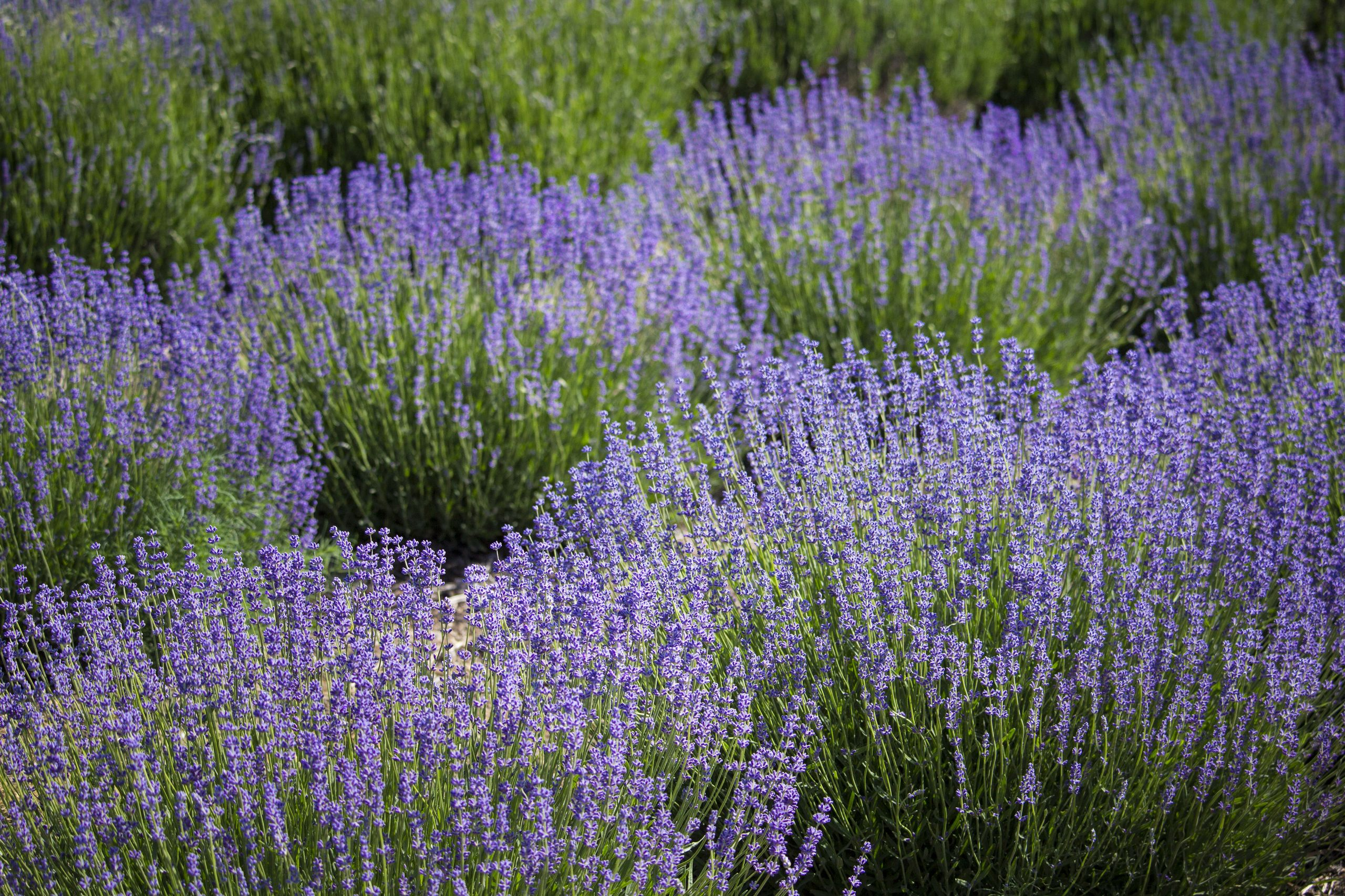
- Size:Typically about 60 cm (2 ft) tall; mature plants commonly reach 30–90 cm (1–3 ft) in height with a similar spread.
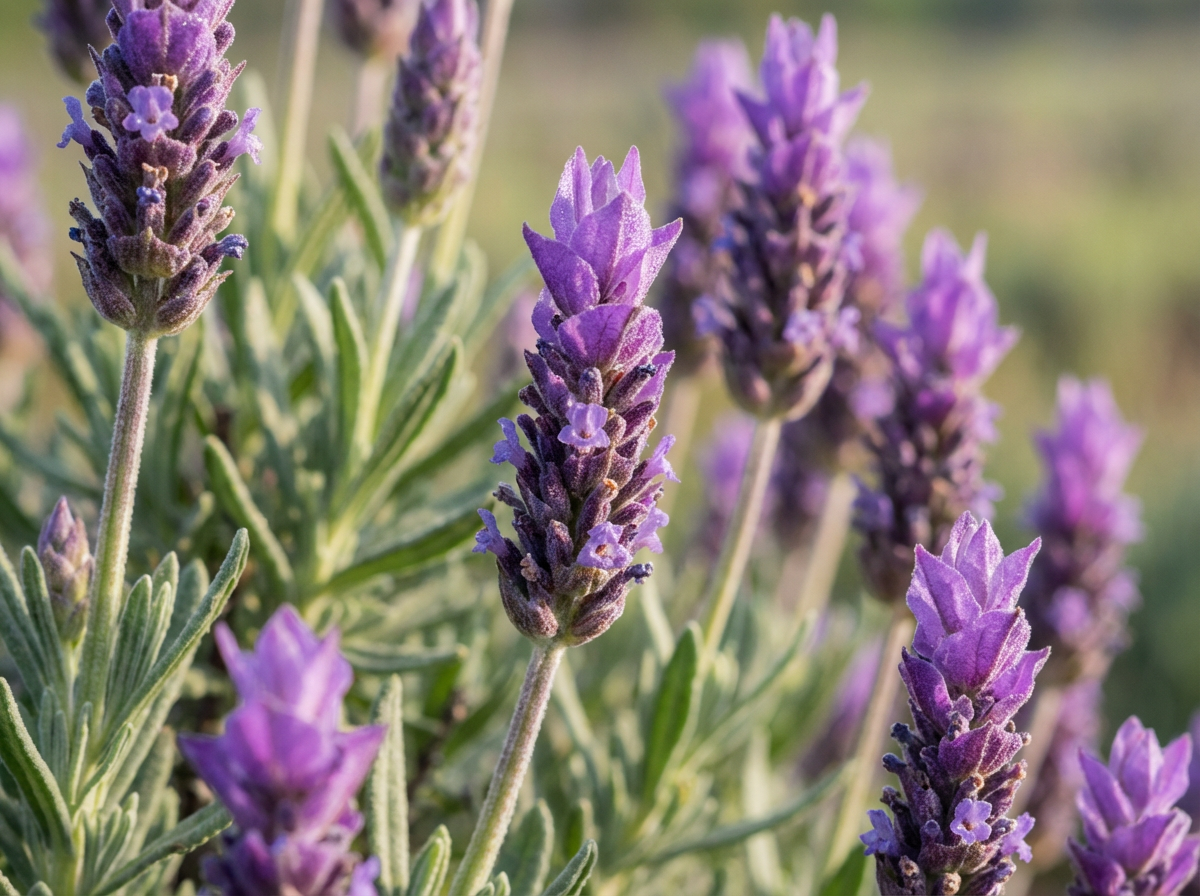
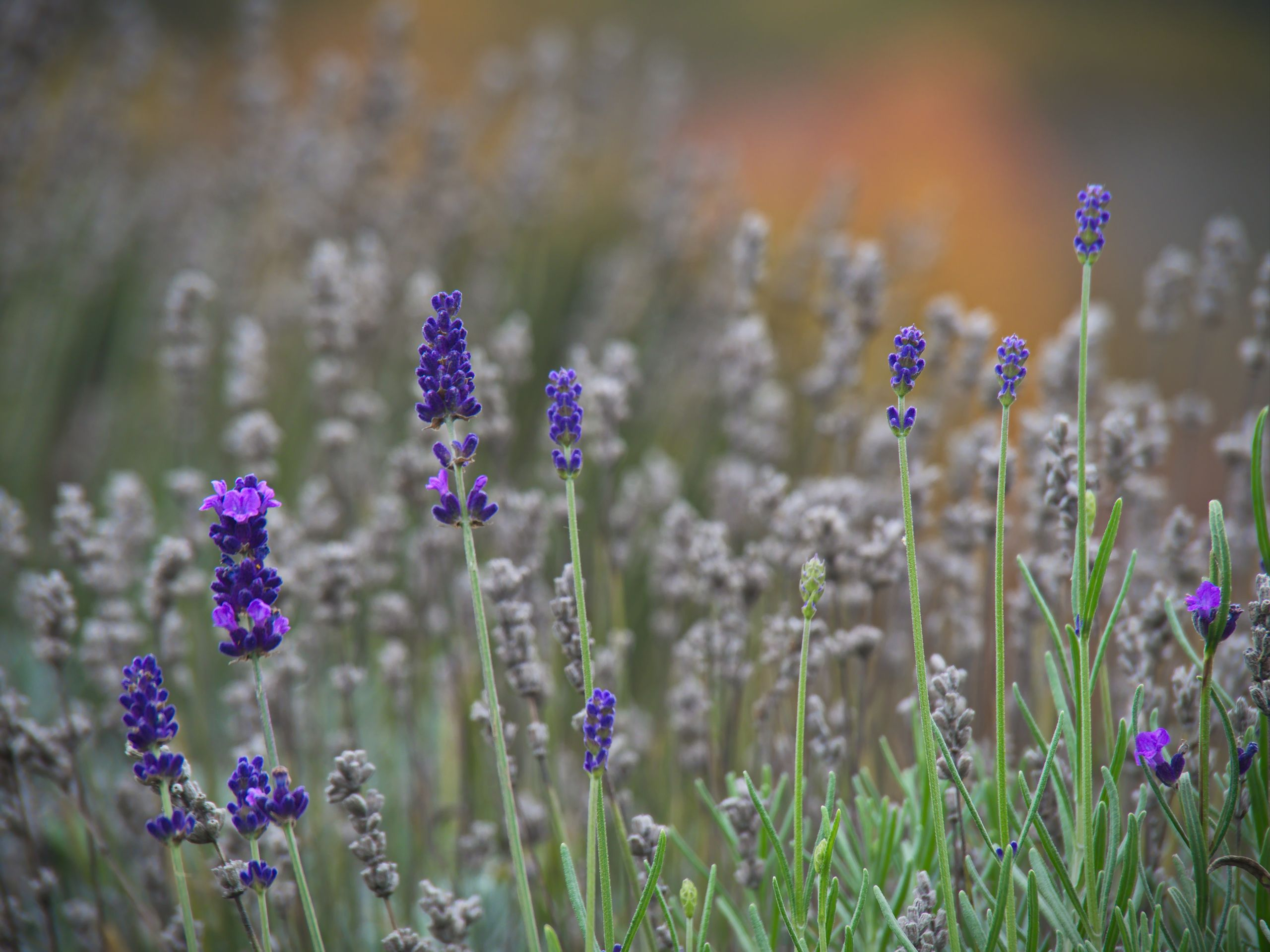
- Foliage:Leaves are narrow (linear to lance-shaped), usually 3–5 cm (1–2 in) long and about 0.3–0.5 cm (0.1–0.2 in) wide, with fine gray hairs that give the plant a silvery-gray to blue-green look. Margins are usually entire with slightly rolled edges; fresh renewal shoots often carry smaller, more clustered leaves.
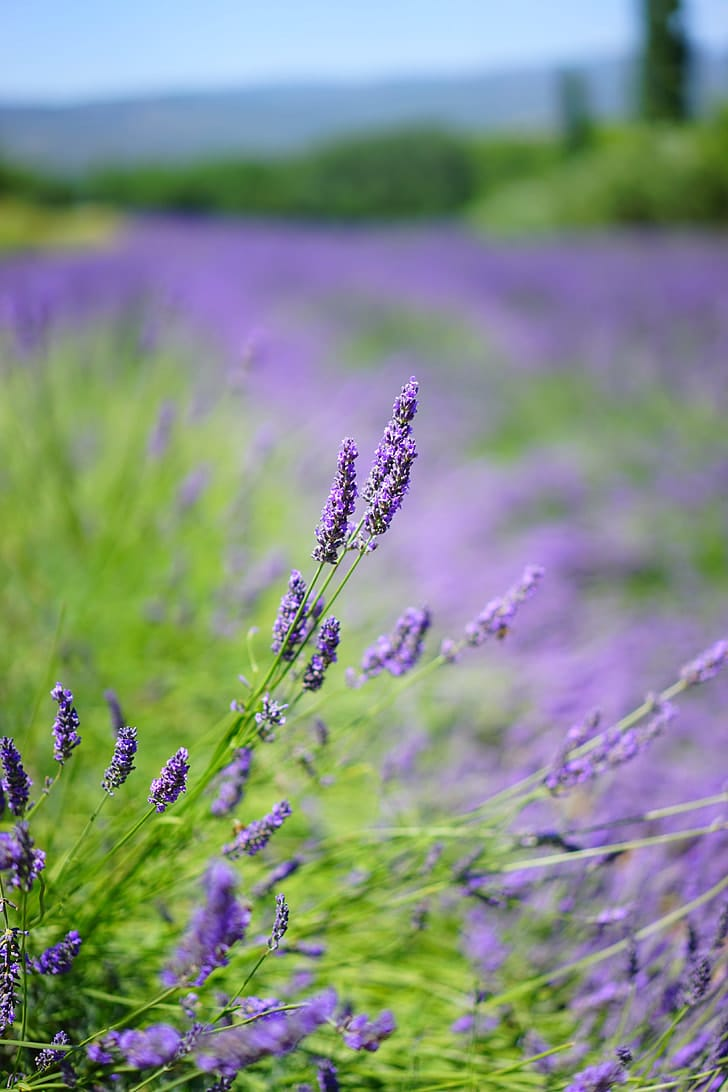
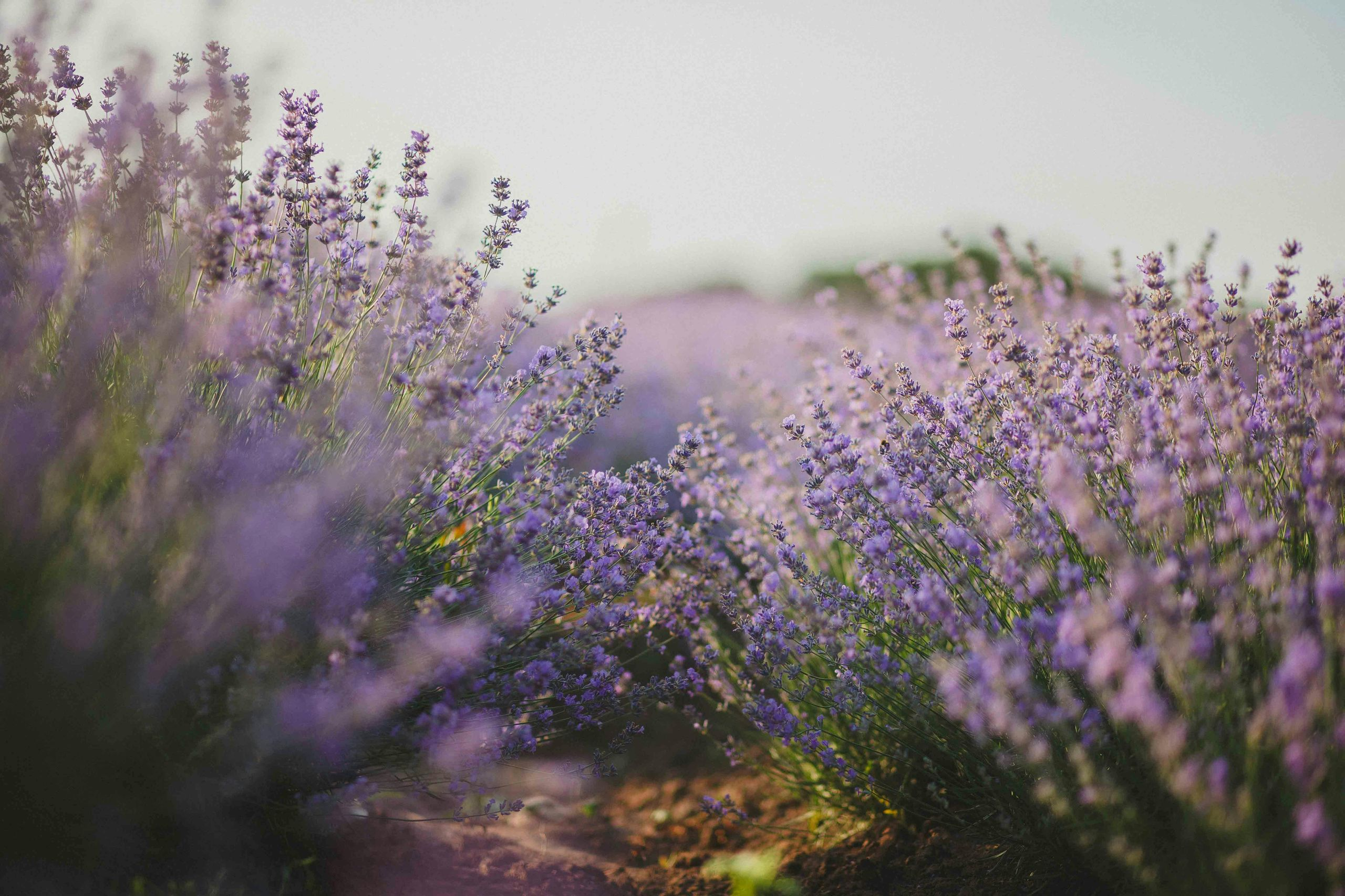
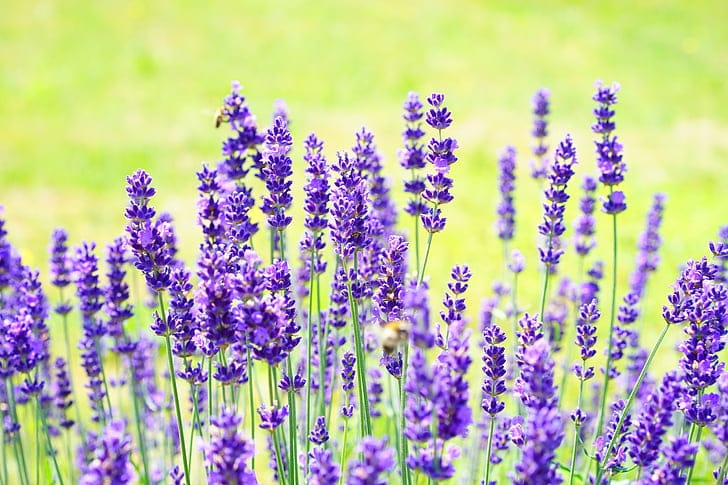
- Flower:Flowers appear in whorls along spike-like stems, forming compact purple to blue-violet flower spikes about 3–5 cm (1–2 in) long. Individual blooms are small and two-lipped, with a tubular calyx; the flowers and surrounding hairs hold aromatic oil glands that release a sweet, fresh, slightly woody fragrance when touched.
- Flowering Season:Main bloom June–August; some varieties can rebloom in September–October.
- Growth Habit:A compact, upright, branching sub-shrub that forms bushy mounds; older stems become woody over time.
🌤️ Environment
Sunlight
Full sun is best—aim for at least 6–8 hours of direct sunlight daily. Bright light and good airflow are especially important in humid climates.
Temperature
Grows best around 20–28°C (68–82°F). Tolerates heat up to about 40°C (104°F). Cold hardiness varies by conditions and cultivar; well-established English lavender is commonly hardy in colder winters and can tolerate about -21°C (-6°F) or lower in protected, snow-covered situations.
Humidity
Prefers dry air and low to moderate humidity. Performs poorly in damp, stagnant, shaded conditions; avoid overhead watering and crowding to reduce fungal problems.
Soil
Needs excellent drainage. Prefers loose, sandy or gritty soil, often doing best in neutral to slightly alkaline conditions (about pH 6.5–7.5). Avoid heavy clay, waterlogged sites, and high water tables; leaner soil often improves flowering and fragrance.
Placement
Sunny balconies, patios, and terraces; along pathways or borders where you can brush the foliage and enjoy the scent; herb gardens; near seating areas; containers with very free-draining potting mix.
Hardiness
USDA Zones 5–8 (commonly cited for Lavandula angustifolia); drought tolerant once established and generally not fond of wet winters.
🪴 Care Guide
Difficulty
Moderate but very beginner-friendly once you master the main rule: don’t overwater. Lavender is happiest when it dries slightly between waterings and never sits in soggy soil.
Buying Guide
Pick sturdy, healthy plants with gray-green foliage and lots of fresh, non-woody growth. Avoid plants with blackened stems, mushy roots, or persistent yellowing (often a sign of chronic overwatering). If you live in a colder region, choose English lavender; in very hot, mild-winter climates, other lavenders (like Spanish or French types) may handle humidity and heat differently, but for this species, prioritize drainage and sun.
Watering
Water deeply, then let the soil dry out before watering again. Established plants are drought tolerant and dislike “wet feet.” During the first years after planting, water enough to help roots establish, but still avoid constant moisture. In containers, always ensure drainage holes are clear; yellowing leaves commonly point to overwatering or poor drainage.
Fertilization
Go easy—lavender often blooms best in lean soil. Light feeding during establishment can help, but too much nitrogen encourages leafy growth at the expense of flowers and fragrance. If you fertilize, choose a low-nitrogen option and apply sparingly in spring as growth starts.
Pruning
Prune regularly to prevent legginess and keep plants productive. After flowering, trim off spent flower stems (deadheading) and lightly shape the plant. In spring, prune to encourage branching, but avoid cutting deep into old, leafless woody stems, which may not resprout well. In cold regions, leaving a bit more growth going into winter can help protect the crown; do heavier shaping once severe frost risk has passed.
Propagation
Most reliably propagated from cuttings (spring or fall) to keep the parent plant’s traits. Take 5–10 cm (2–4 in) softwood or semi-ripe tips, remove lower leaves, optionally use rooting hormone, and root in a very free-draining medium (for example, a sand-heavy mix). Seed is possible but can be variable in scent and form, and germination can be slower and less uniform.
Repotting
Repot container plants every 2–3 years in spring into a slightly larger pot with a fast-draining, gritty mix. Disturb roots gently and avoid oversized pots that stay wet too long.
📅 Seasonal Care Calendar
Spring (Mar–May): prune and shape as growth begins; water lightly as needed; feed sparingly if at all. Summer (Jun–Aug): peak bloom—harvest flower stems as buds color for best scent; water only when dry; keep airflow high. Fall (Sep–Oct): possible rebloom in some varieties; reduce watering as temperatures drop. Winter (Nov–Feb): keep on the dry side; protect from prolonged wet and severe cold—mulch or mound soil lightly in very cold regions, and ensure containers don’t stay waterlogged.
🔬 Pests, Diseases & Safety
Common Pests & Diseases
Generally tough and trouble-free when grown sunny and dry. In poor drainage or humid, still air, problems can include root rot, Fusarium wilt, and leaf spots. Improve airflow, avoid overhead watering, and keep soil sharply draining as first-line prevention. Pests may include spider mites, aphids, leafhoppers, and flea beetles—often managed with washing, insecticidal soap, or targeted control if severe.
Toxicity
Low toxicity as a garden plant, and culinary-grade English lavender is commonly used in small amounts. Essential oil is highly concentrated—avoid ingesting large quantities, keep it away from eyes, and do a patch test for skin sensitivity. Pets are usually fine around the plant, but discourage chewing or eating large amounts; concentrated oils are more risky than the dried herb. Pregnant people are often advised to avoid heavy or medicinal-strength use of essential oils.
🎋 Culture & Symbolism
Symbolism:Lavender is widely associated with romance, devotion, calm, purity, and protection. In flower-language traditions it’s often linked with “waiting for love” and gentle, loyal affection; different lavender colors are sometimes given extra meanings (from serene devotion to miracles and romantic sweetness).
History & Legends:Lavender has scented European life for centuries—grown in monastery physic gardens from at least the Middle Ages and cherished across England and France as both medicine and perfume. Its name is commonly traced to Latin “lavare,” meaning “to wash,” reflecting its historic use in baths and linens. Folklore credits lavender with protective virtues, and stories even claim sacred origins for its heavenly fragrance. From ancient Mediterranean cultures through Provence’s famous fields, lavender has become one of the world’s most iconic fragrant plants.
Uses:A true multi-tasker: (1) Ornamental—borders, hedges, pathways, rock gardens, and containers. (2) Fragrance—essential oil for perfumes, soaps, skincare, and home scenting; dried buds for sachets and potpourri. (3) Household—traditional insect-repellent in drawers and linens. (4) Wellness—widely used in aromatherapy for relaxation and sleep routines (use oils responsibly). (5) Culinary—English lavender in small amounts for teas, syrups, baked goods, and classic blends like Herbes de Provence. (6) Ecology—excellent for bees, butterflies, and other pollinators.
❓ FAQ
Is lavender easy to grow?
Yes—if you nail the basics: full sun and fast-draining soil. Most lavender problems come from overwatering or heavy, wet soil.
Can lavender be grown indoors?
It can, but it needs very bright light (ideally 6–8 hours of direct sun by a south-facing window) and a potting mix that drains extremely well. Indoors, airflow and careful watering matter even more.
How do I harvest and dry lavender?
Cut stems in the morning when buds are showing color and roughly half the tiny flowers are opening (often the sweetest scent stage). Bundle and hang upside down in a cool, dark, airy place until crisp-dry, then store the buds in airtight containers.
Why isn’t my lavender blooming?
Common causes include too little sun, too much fertilizer (especially nitrogen), lack of pruning (plants get woody and less floriferous), waterlogged roots, or simply a young plant that needs another season to mature.
Why are the leaves turning yellow?
Most often it’s too much water or poor drainage. Check the soil and pot drainage, reduce watering, increase sun and airflow, and consider repotting into a grittier mix if the roots are staying wet.
How long does lavender live?
With good drainage and regular pruning, plants can live for many years (often 10+). Replacing older, woody plants by taking cuttings every few years helps keep a patch vigorous.
💡 Fun Facts
- The name “lavender” is commonly linked to Latin “lavare” (“to wash”), a nod to its long history in baths and linens.
- Lavender honey is prized for its delicate floral flavor and aroma.
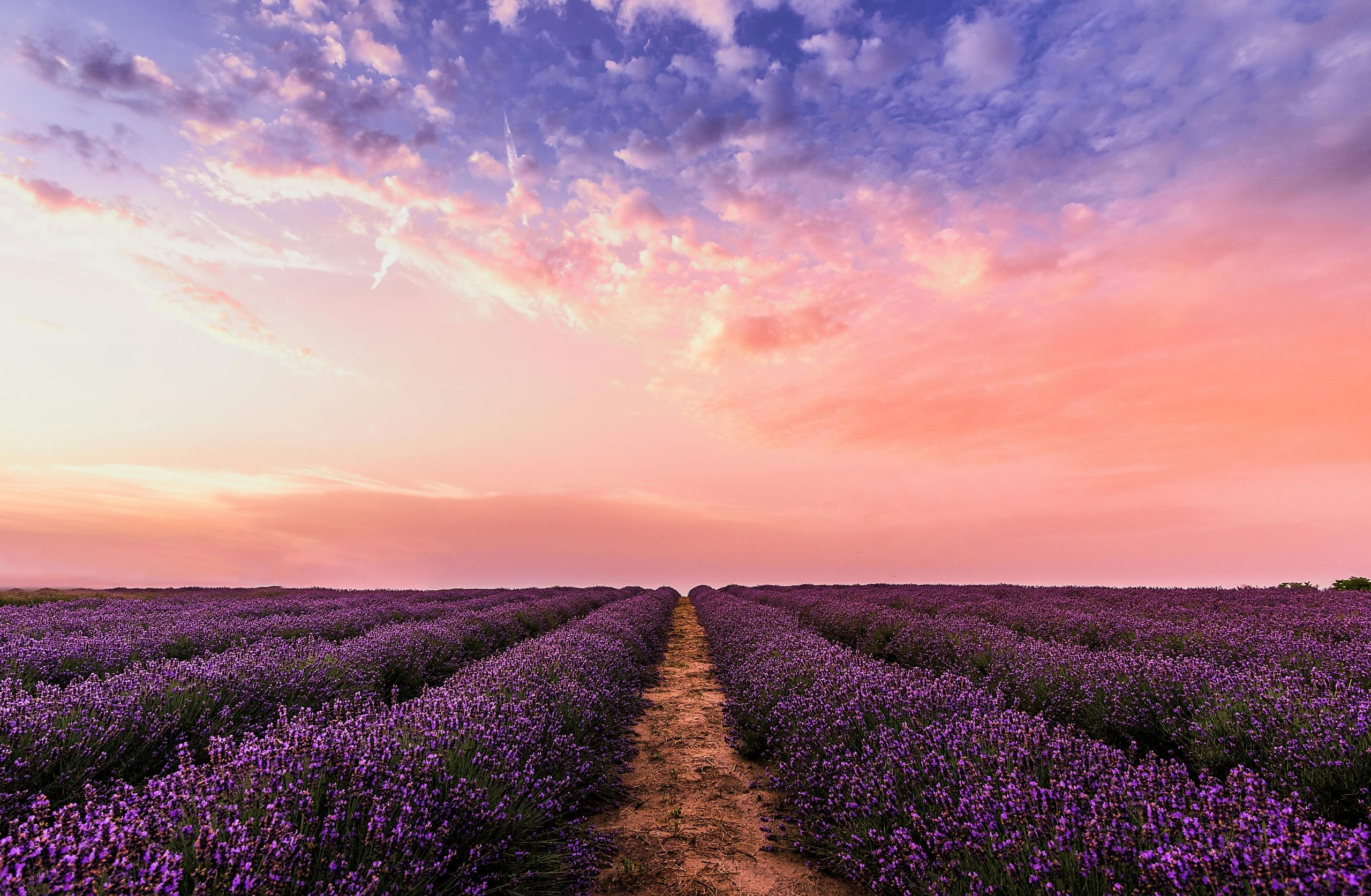
- Provence’s lavender season is famous worldwide, drawing visitors for the scent, color, and harvest festivals.
- The plant’s fragrance comes from tiny oil glands on the flowers, leaves, and stems—brush it gently and you’ll notice the scent release.