🌱 Plant Features
- Size:Up to about 3 m (10 ft) tall × 2 m (6.5 ft) wide indoors over time
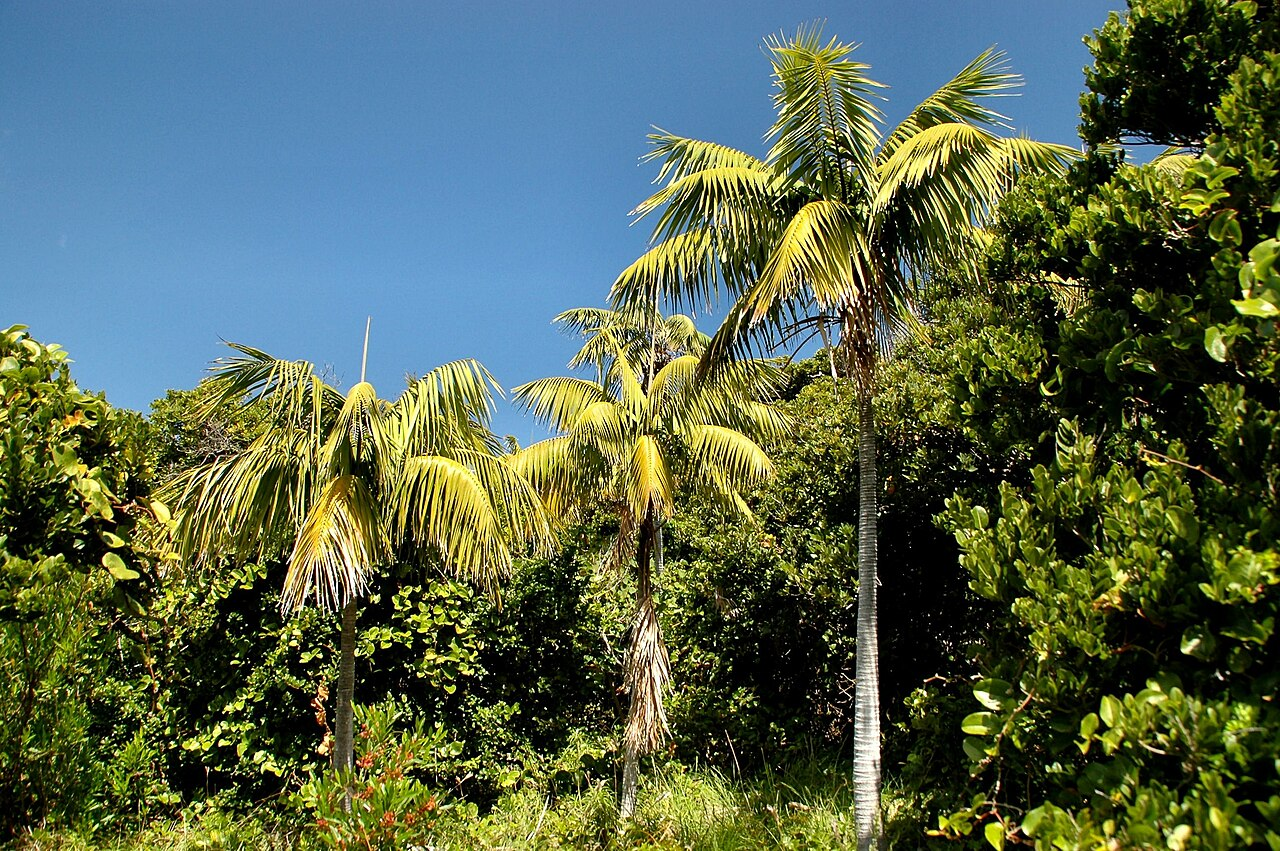
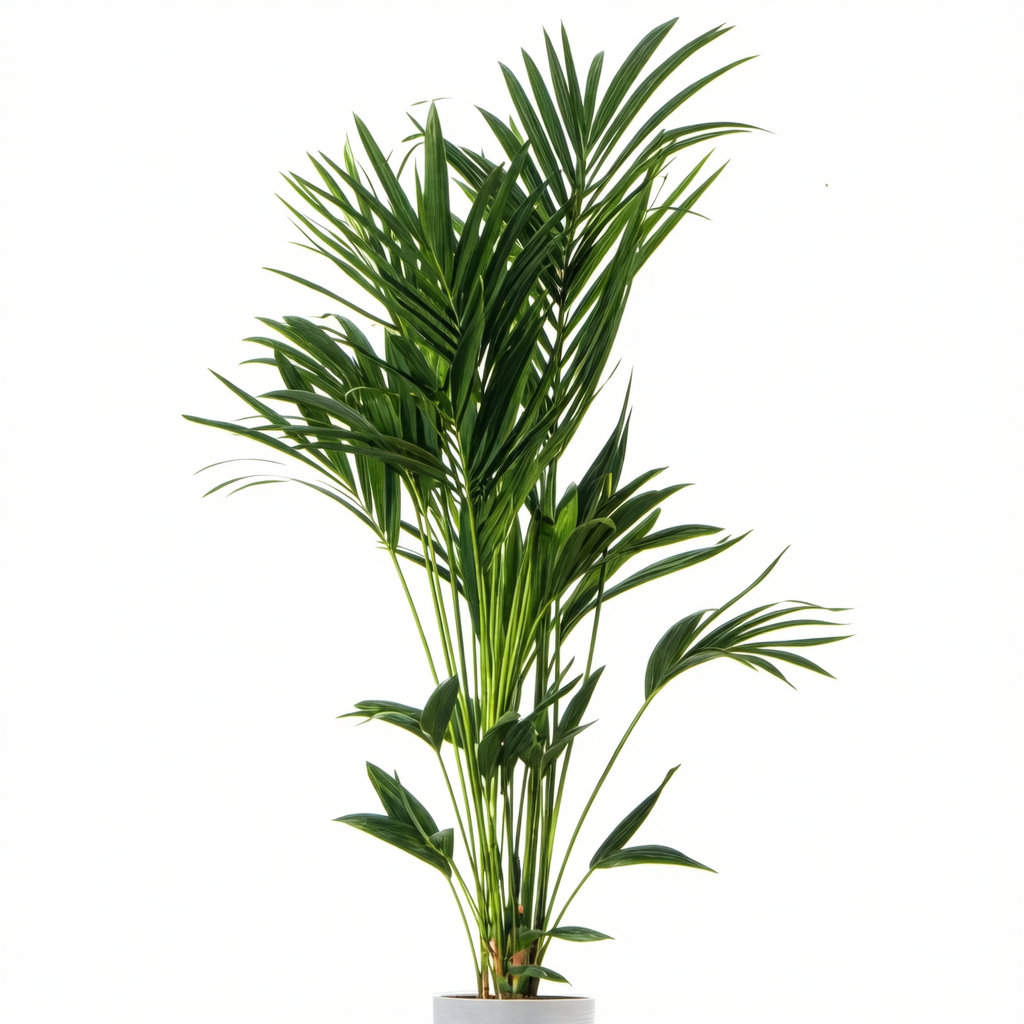
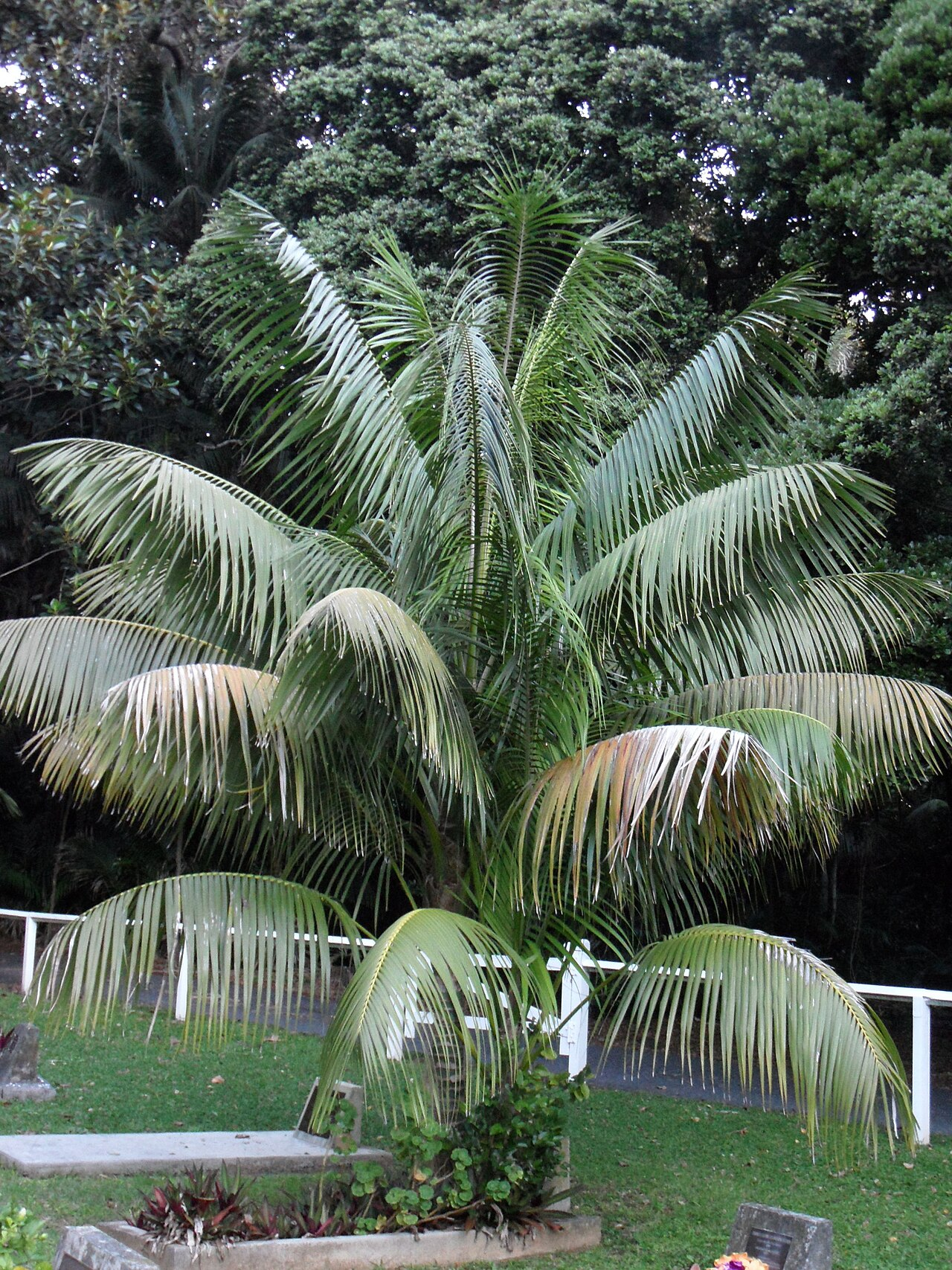
- Foliage:Glossy, deep-green, pinnate (feather-like) fronds that arch outward from a tall, slender stem/trunk, giving the plant an airy, fountain-like silhouette.
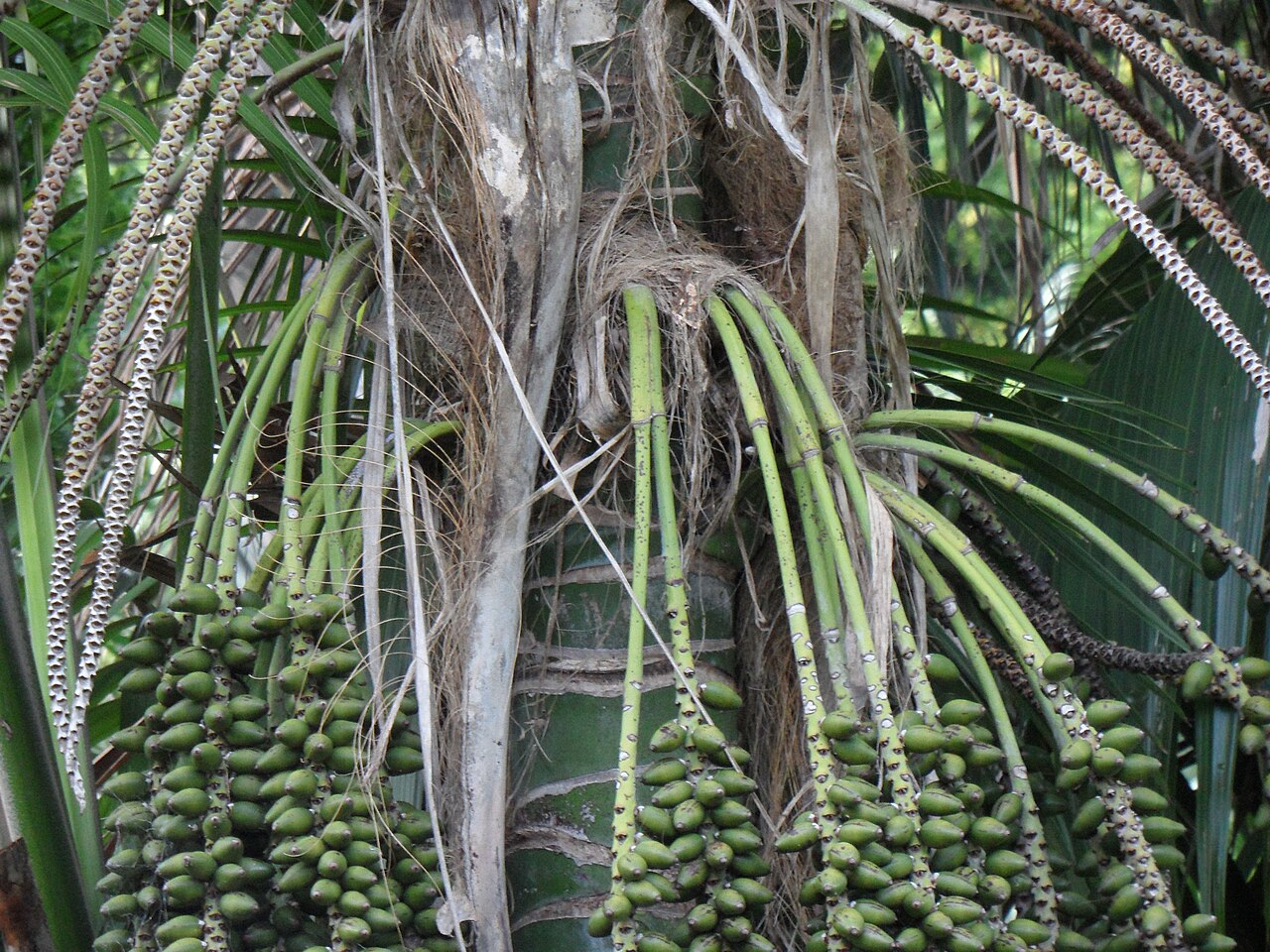
- Flower:Small, creamy flowers borne on branched stalks; flowering is uncommon indoors.
- Flowering Season:Summer (rare indoors)
- Growth Habit:Upright, slow-growing palm with arching fronds; usually single-stemmed, though pots may sometimes contain multiple stems.
🌤️ Environment
Sunlight
Bright, indirect light to partial shade; notably tolerant of low light. Avoid harsh, direct midday sun, which can scorch fronds.
Temperature
13–24°C (55–75°F); avoid prolonged chills below about 10°C (50°F).
Humidity
Moderate; adapts well to average indoor humidity but appreciates occasional misting or a pebble tray if the air is dry.
Soil
Free-draining, soil-based potting mix; a common approach is to amend with sharp sand at about 3:1 (mix:sand). Use a pot with drainage holes; a 20–30 cm (8–12 in) pot is a typical size for established indoor plants.
Placement
Great for shady rooms, corners with filtered light, or bright rooms out of direct sun. Keep away from cold drafts, heating/cooling vents, and strong airflow; a tray of moist pebbles can help buffer dry indoor air.
Hardiness
USDA Zone 10–11; frost-tender (generally needs minimum temperatures around 10–16°C (50–60°F)).
🪴 Care Guide
Difficulty
Easy; slow growth plus good tolerance of indoor conditions makes it a dependable, low-drama houseplant.
Buying Guide
Choose plants with firm stems and rich green fronds. Avoid widespread yellowing, crispy brown tips, or pest signs like sticky residue, webbing, or cottony clusters.
Watering
Spring to autumn: water when the top of the potting mix is just starting to dry. Winter: water sparingly and keep the mix only lightly moist—never soggy. If indoor air is dry, support the plant with a pebble tray or light misting every few days.
Fertilization
From spring to early autumn, feed every 2 weeks with a balanced liquid fertilizer at the label rate (or half-strength if growth is slow).
Pruning
Remove only fully brown, dead fronds by cutting close to the stem. Avoid trimming green fronds—Kentia palms hold their leaves for a long time, and removing healthy ones can stress the plant.
Propagation
Usually grown from seed by specialist growers; not commonly propagated at home.
Repotting
Prefers to be slightly snug in its pot. Refresh the top layer of potting mix each spring; repot only when clearly root-bound or severely restricted. Typical container size for an established indoor plant is 20–30 cm (8–12 in), always with good drainage.
📅 Seasonal Care Calendar
Spring–autumn: water when the surface begins to dry. Spring–early autumn: apply balanced liquid feed every 2 weeks. Winter: reduce watering to keep the mix barely moist. Every spring: replace the top layer of potting mix; repot only if root-bound.
🔬 Pests, Diseases & Safety
Common Pests & Diseases
May get spider mites, scale, or mealybugs indoors—especially when air is dry. Prevent issues by keeping fronds clean and humidity moderate; treat early with insecticidal soap or horticultural oil. Root rot is the main disease risk and is almost always linked to overwatering or poor drainage.
Toxicity
Generally considered non-toxic to cats and dogs (commonly listed as pet-safe). Even so, discourage chewing, since any plant material can cause mild stomach upset.
🎋 Culture & Symbolism
Symbolism:Often linked with calm, welcome, and understated elegance—an easy way to make a space feel more relaxed and refined.
History & Legends:A famously durable Victorian-era houseplant, valued in parlors and conservatories for coping with lower light and cooler indoor conditions compared with many tropical palms.
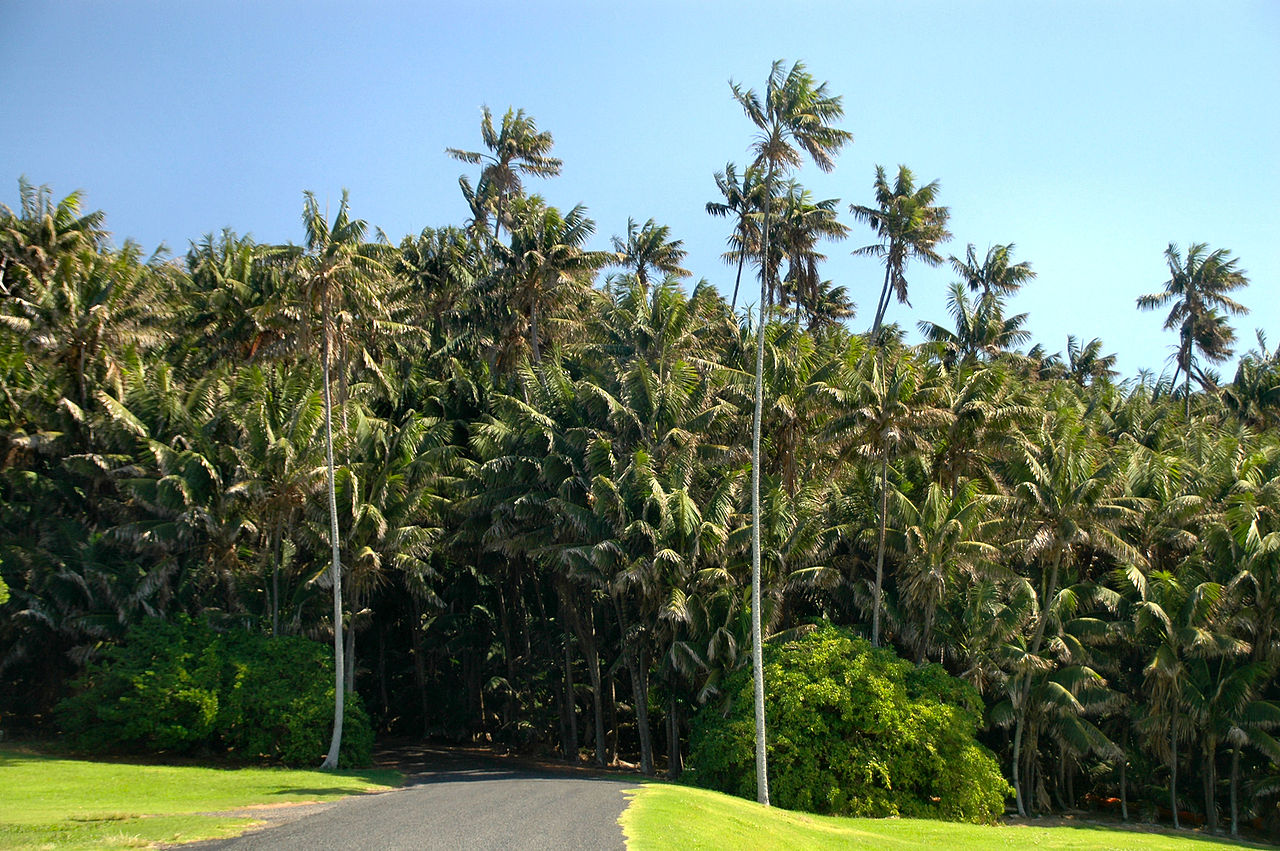
Uses:Primarily an ornamental indoor foliage plant for homes, offices, and shaded conservatories; also used outdoors in frost-free landscapes as a graceful, architectural palm.
❓ FAQ
Why are the leaf tips turning brown?
Most often it’s dry air, inconsistent watering, fertilizer-salt buildup, or cold drafts. Keep watering steady (not soggy), raise humidity slightly, flush the pot occasionally, and move it away from vents or chilly windows.
Can Kentia palm live in a low-light room?
Yes—this is one of its best talents. It will tolerate low light, though it will grow more slowly and may look less full than a plant kept in bright, indirect light.
💡 Fun Facts
- Kentia palm is one of the most shade-tolerant palms commonly grown indoors.
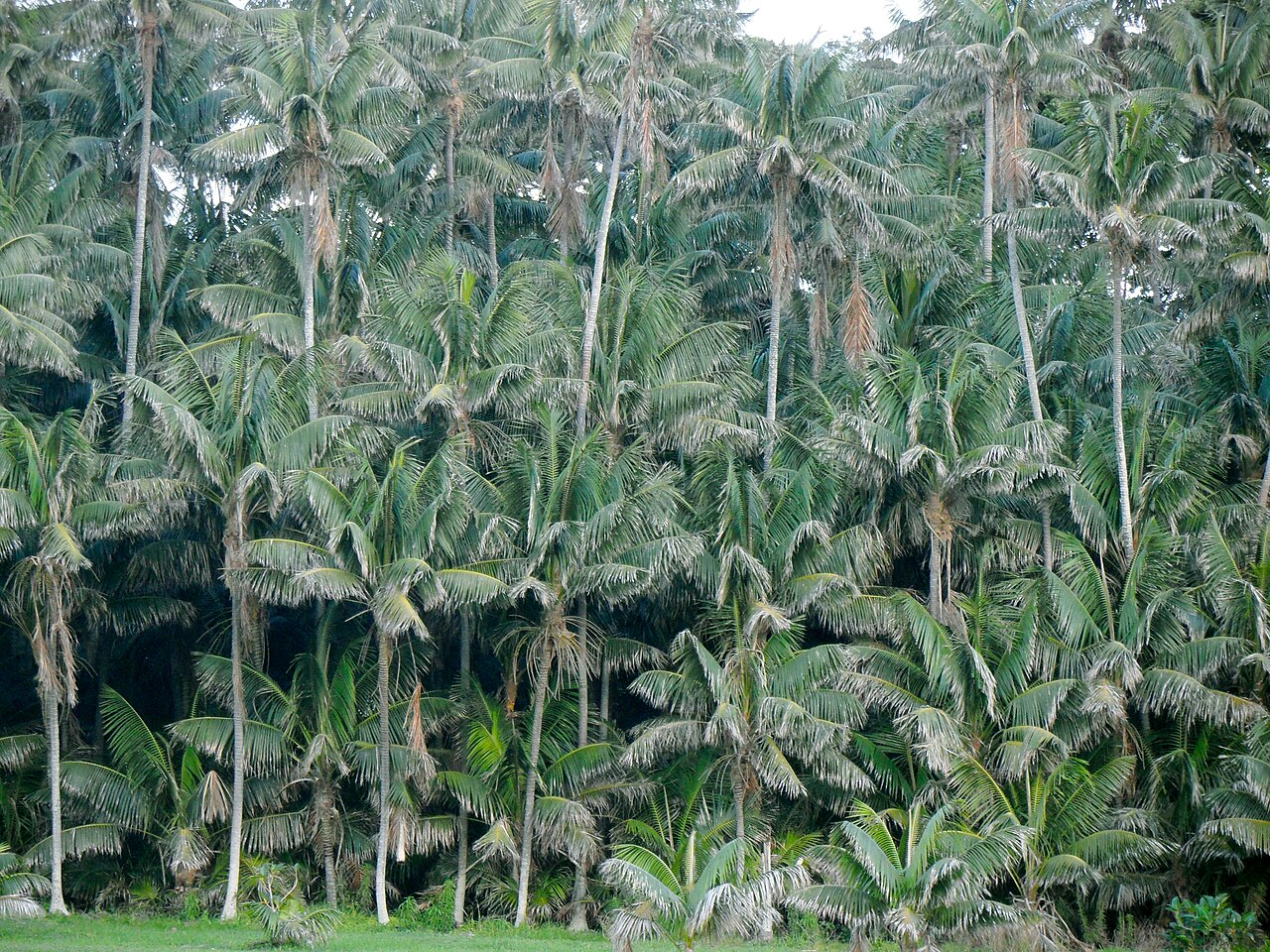
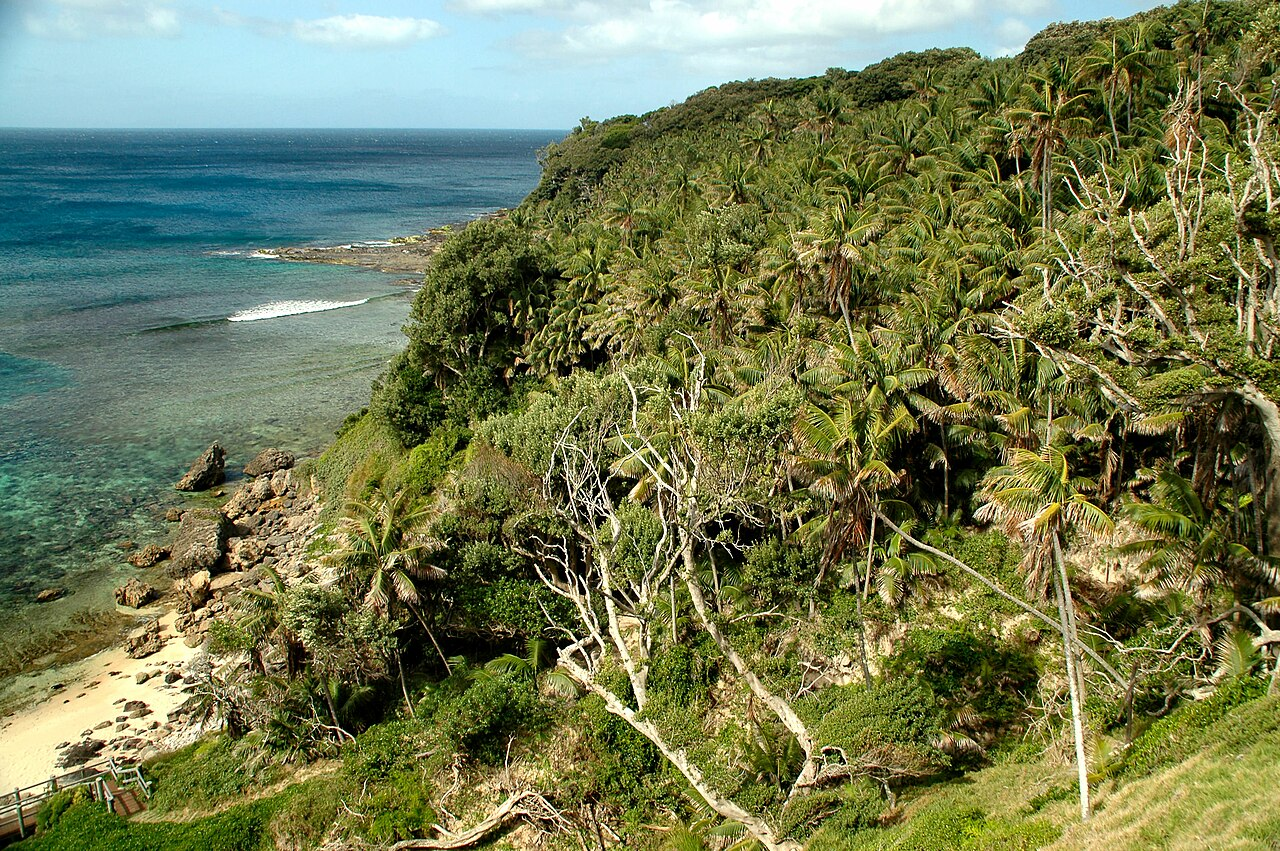
- Native to Lord Howe Island, it has been exported worldwide for generations as a premium indoor palm.