🌱 Plant Features
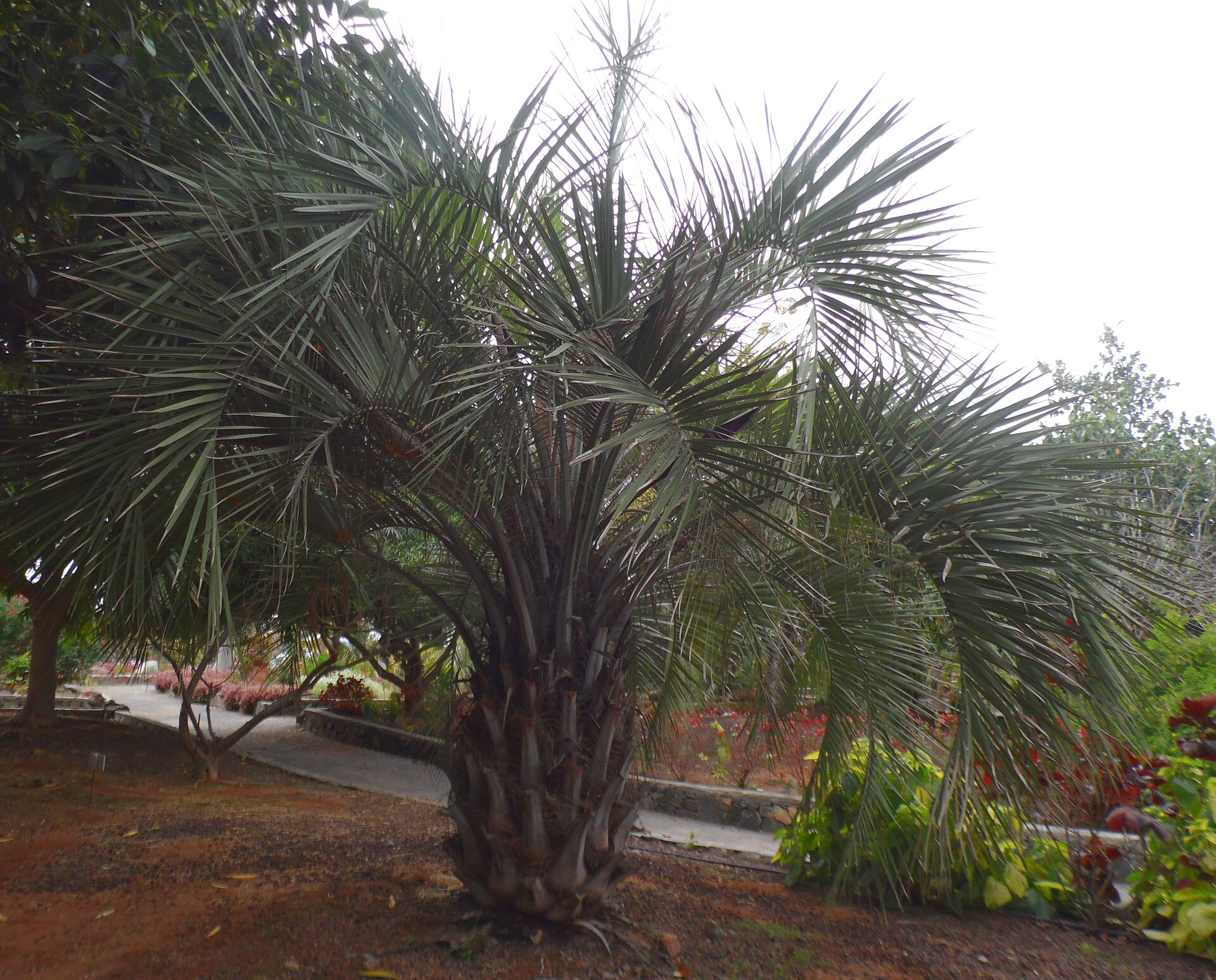
- Size:Typically 7–8 m (23–26 ft) tall.
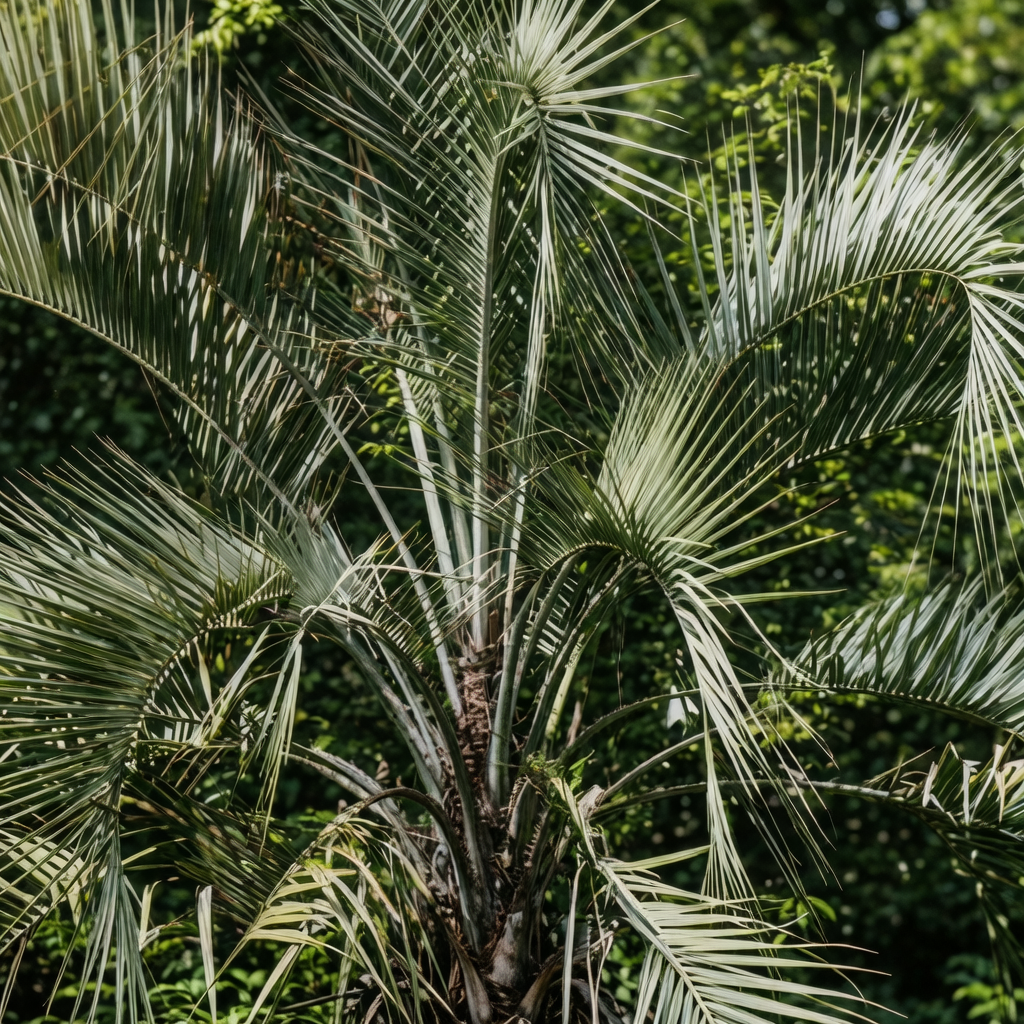
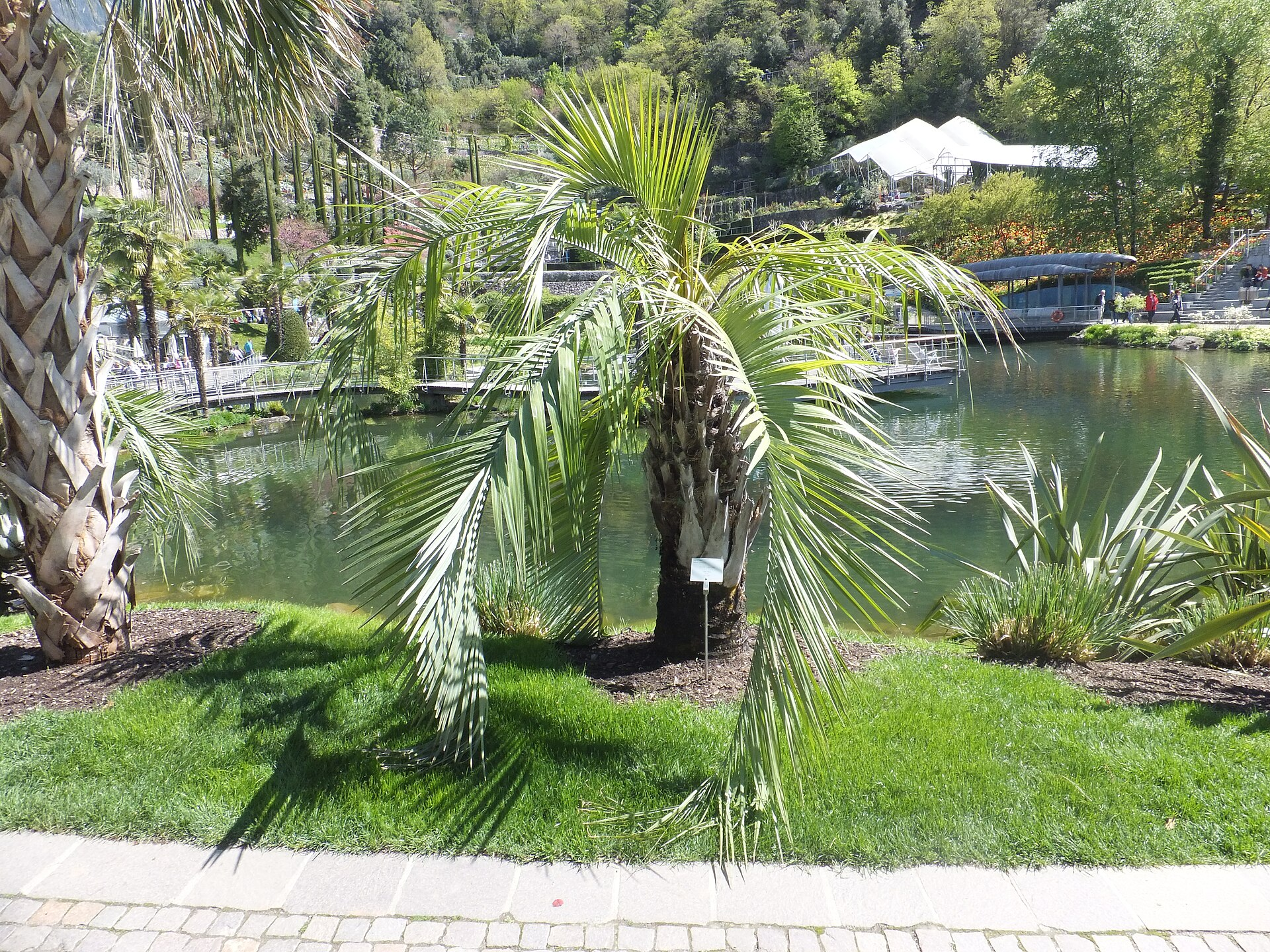
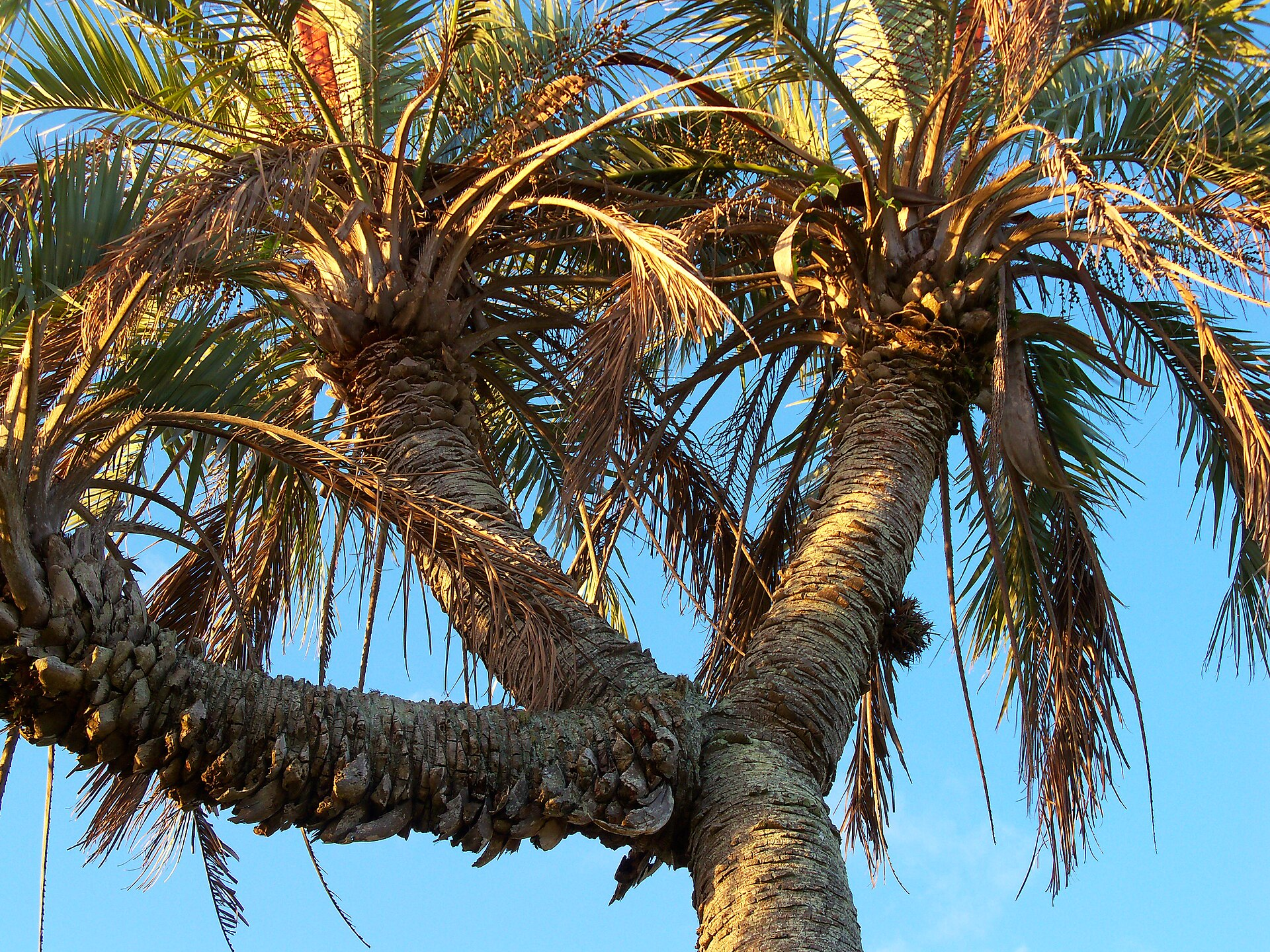
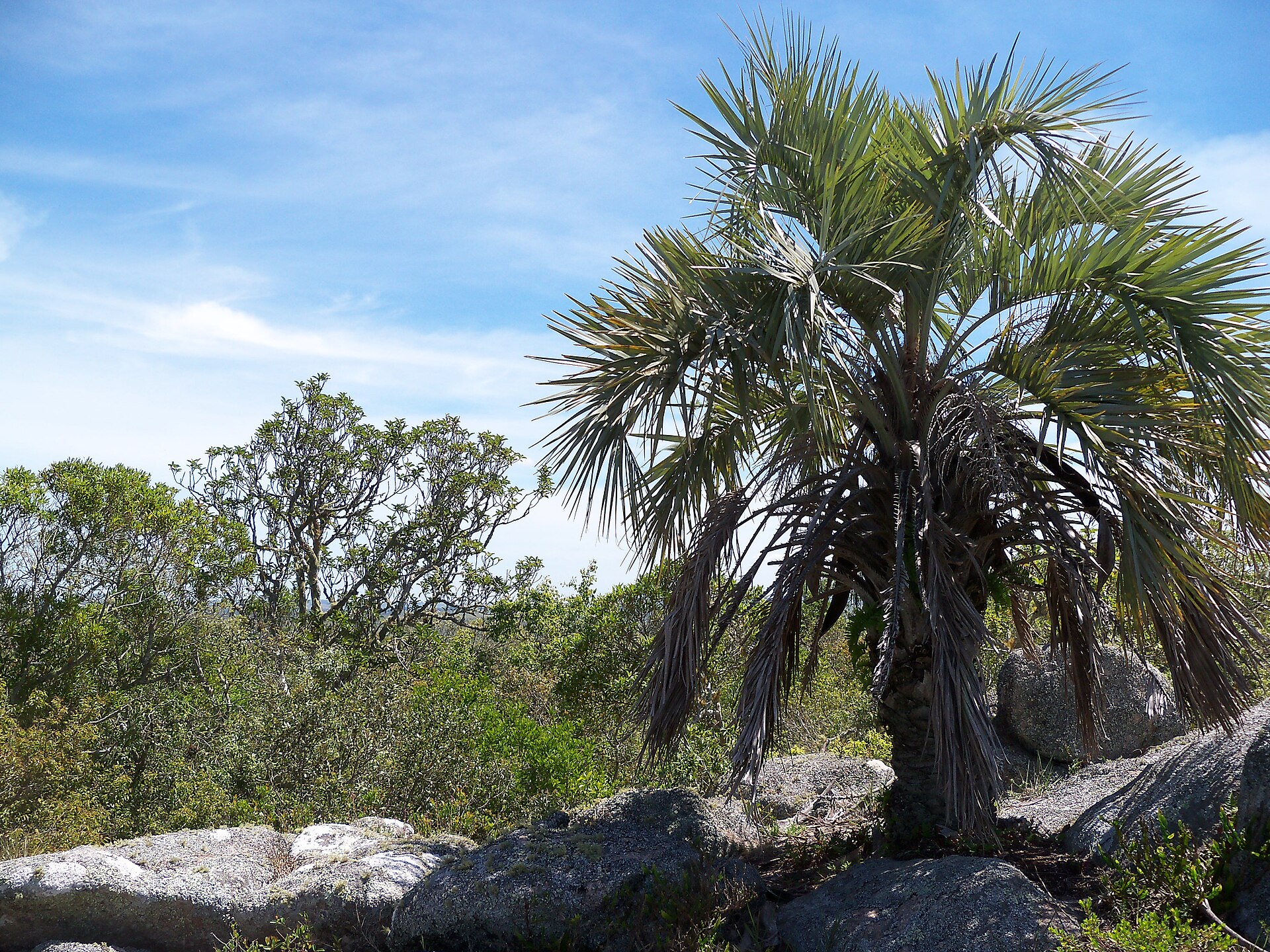
- Foliage:Pinnate (feather-like) fronds arch strongly, creating a distinctive bow-shaped outline. Leaflets are stiff, leathery, and pointed; the overall foliage color is notably silvery gray. Petioles may have spines, so it’s not the friendliest palm to brush past. Old leaf bases often persist and harden, forming a tough, fibrous, rugged-looking layer along the trunk.
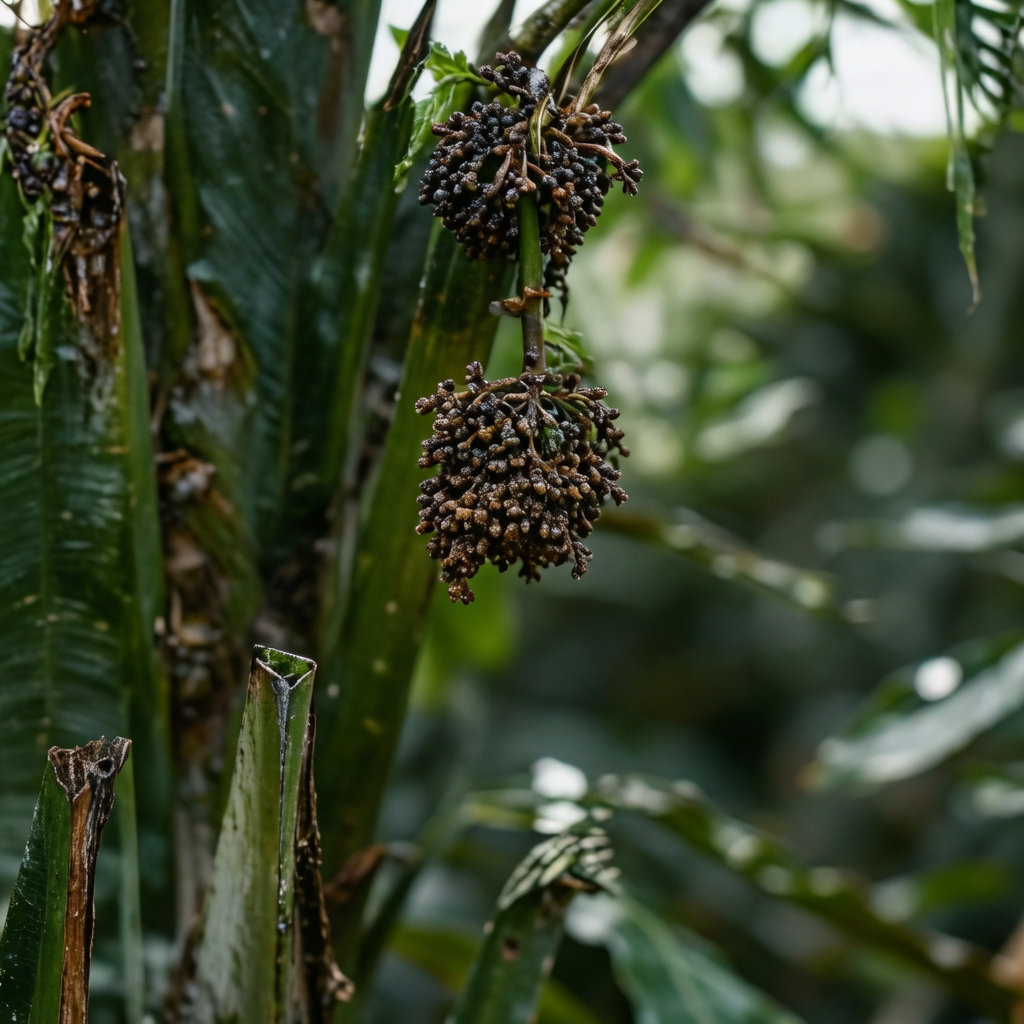
- Flower:Monoecious, with male and female flowers on the same plant. The inflorescences emerge from the leaf axils, and the flower stalks and parts of the flowers often show attractive purplish-red tones.
- Flowering Season:April–May (spring).
- Growth Habit:Evergreen, solitary (single-stem) palm with a robust trunk; old leaf bases may remain attached and toughen over time.
🌤️ Environment
Sunlight
Full sun for best growth and the strongest silvery leaf color; bright, open exposure is ideal.
Temperature
Prefers warm conditions; grows best around 18–30°C (64–86°F). Protect from prolonged hard freezes, especially when combined with winter wet.
Humidity
Adaptable; average outdoor humidity is usually fine once established. In very dry air, mites can become an issue.
Soil
Well-drained soil is essential (sandy or loamy soils are ideal). Avoid waterlogged sites, which raise the risk of root/crown rot.
Placement
Best in open ground with space: wide streets for avenue planting, or grouped in lawns with flowering shrubs for a light, rhythmic, open-textured effect.
Hardiness
Approximately USDA Zone 8b–11 (about -9 to -4°C (16–25°F) minimums, depending on duration and plant maturity).
🪴 Care Guide
Difficulty
Moderate. Straightforward in warm, sunny, well-drained conditions; more challenging where winters are cold and wet, which can increase damage and rot risk.
Buying Guide
Pick plants with a firm trunk and a healthy, intact spear (center) leaf—avoid any softness at the crown (a red flag for rot). Look for evenly colored silvery fronds and check closely for scale or mealybugs before buying.
Watering
Water deeply after planting and during dry spells. Once established it’s relatively drought-tolerant, but it looks best and grows faster with regular watering. Let the top layer of soil dry slightly between waterings, and never allow standing water around the roots.
Fertilization
Feed in spring and summer with a palm fertilizer that includes magnesium and micronutrients. Apply at label rates; avoid heavy feeding in cool weather.
Pruning
Remove only fully dead, completely brown fronds. Leaving green fronds helps the palm stay vigorous and can improve cold tolerance; over-pruning weakens palms.
Propagation
Primarily by seed. Remove fruit pulp from seeds and sow in consistently warm conditions; germination is often slow and uneven.
Repotting
In containers, repot about every 2–3 years or when root-bound. Use a very well-draining palm mix and a sturdy, stable pot (top-heavy fronds can tip lighter containers).
📅 Seasonal Care Calendar
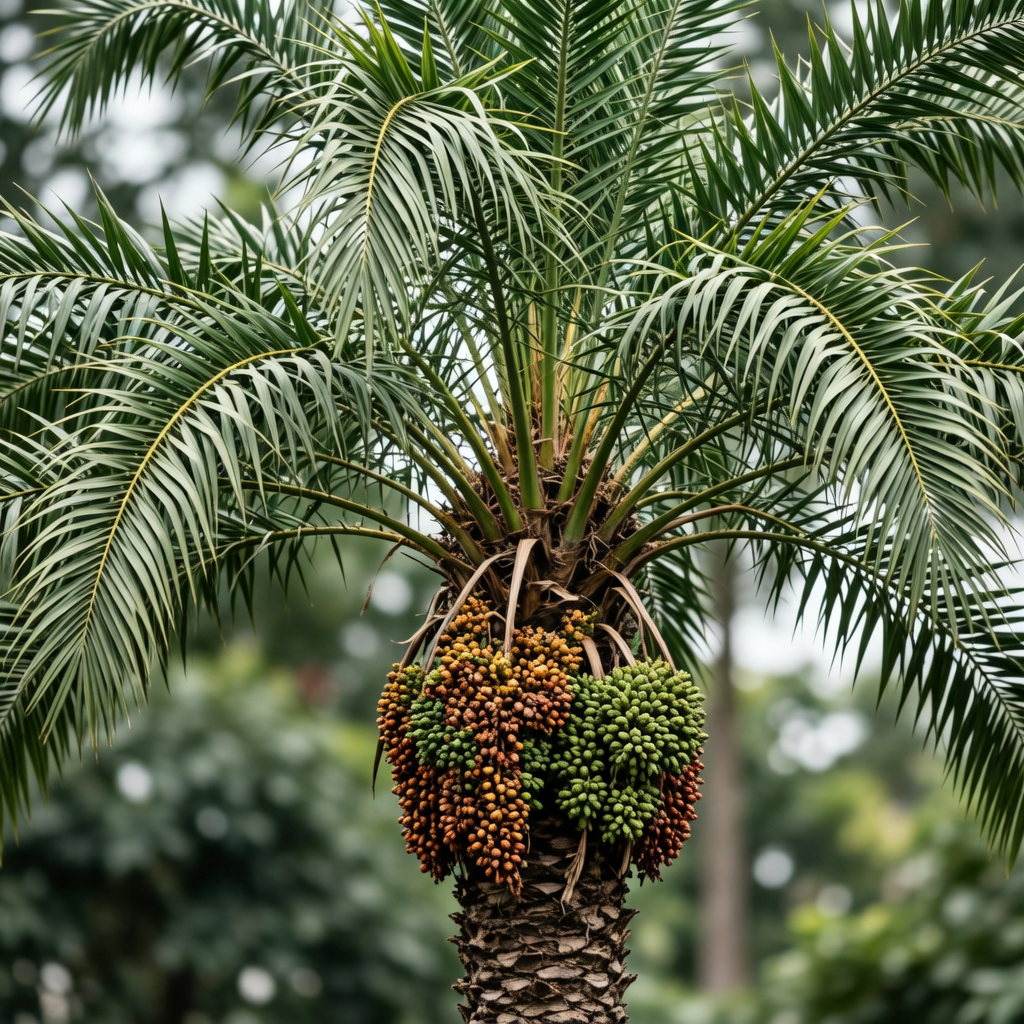
Flowers in April–May; fruits typically ripen October–November.
🔬 Pests, Diseases & Safety
Common Pests & Diseases
Common pests include scale insects, mealybugs, and spider mites (especially in dry conditions). Poor drainage can lead to root rot or crown rot—prioritize fast-draining soil, avoid overwatering, keep airflow moving, and monitor the crown for any softening.
Toxicity
Generally considered non-toxic to people and pets; the fruit is edible. However, spines on the leaf stalks can scratch skin—handle with care and place away from tight walkways.
🎋 Culture & Symbolism
Symbolism:Often associated with tropical elegance, resilience, and a laid-back coastal/resort mood in garden design.
History & Legends:A South American palm that became popular in warm-temperate landscapes worldwide. The name “jelly palm” comes from the traditional use of its sweet fruit in jellies and preserves.
Uses:Ornamental: valued for its silvery foliage, strong arching form, and colorful spring flower stalks; excellent as a specimen, in groups, or as an avenue tree. Edible: sweet fruits are eaten fresh or made into jelly and other preserves.
💡 Fun Facts
- Its signature look comes from the strongly arching, silvery-gray fronds—few palms have quite the same “bowed” silhouette.
- The spring flower stalks can show eye-catching purplish-red tones before fruiting.
- The orange to reddish-orange fruits are sweet and traditionally made into jelly, giving the plant its common name.
- In cooler climates, cold plus wet soil is often more dangerous than cold alone—drainage can make or break success.
- Old leaf bases may cling to the trunk and harden, creating a rugged, textured appearance.