🌱 Plant Features
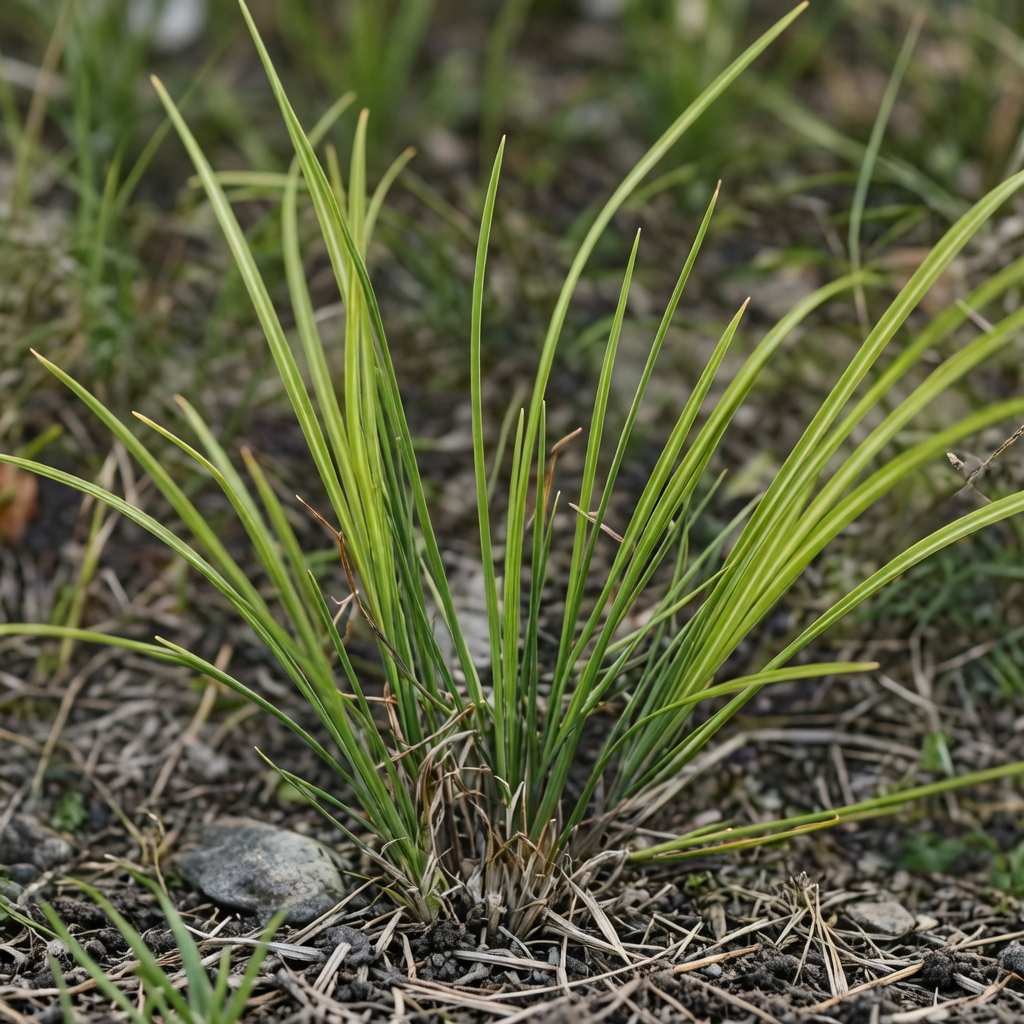
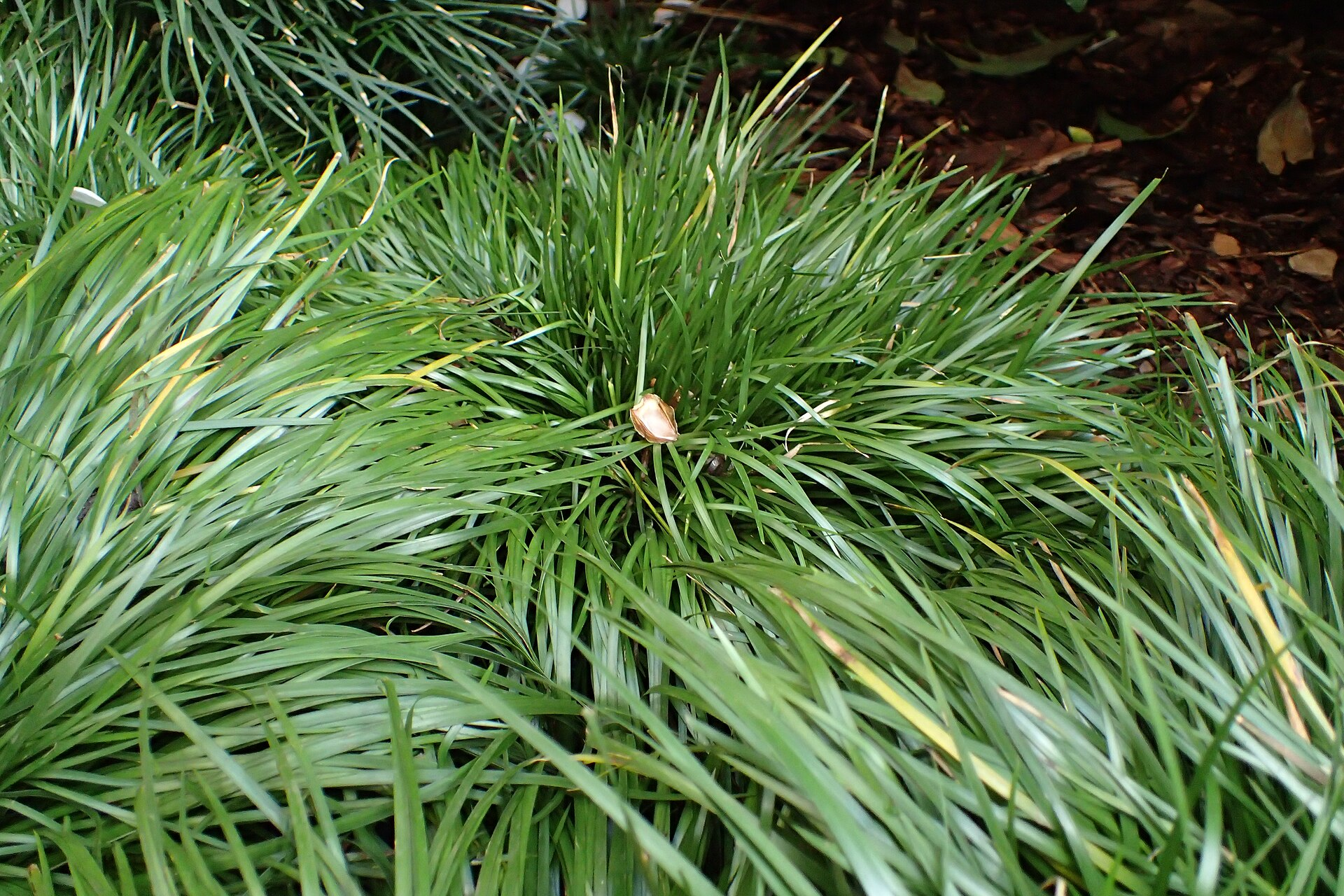
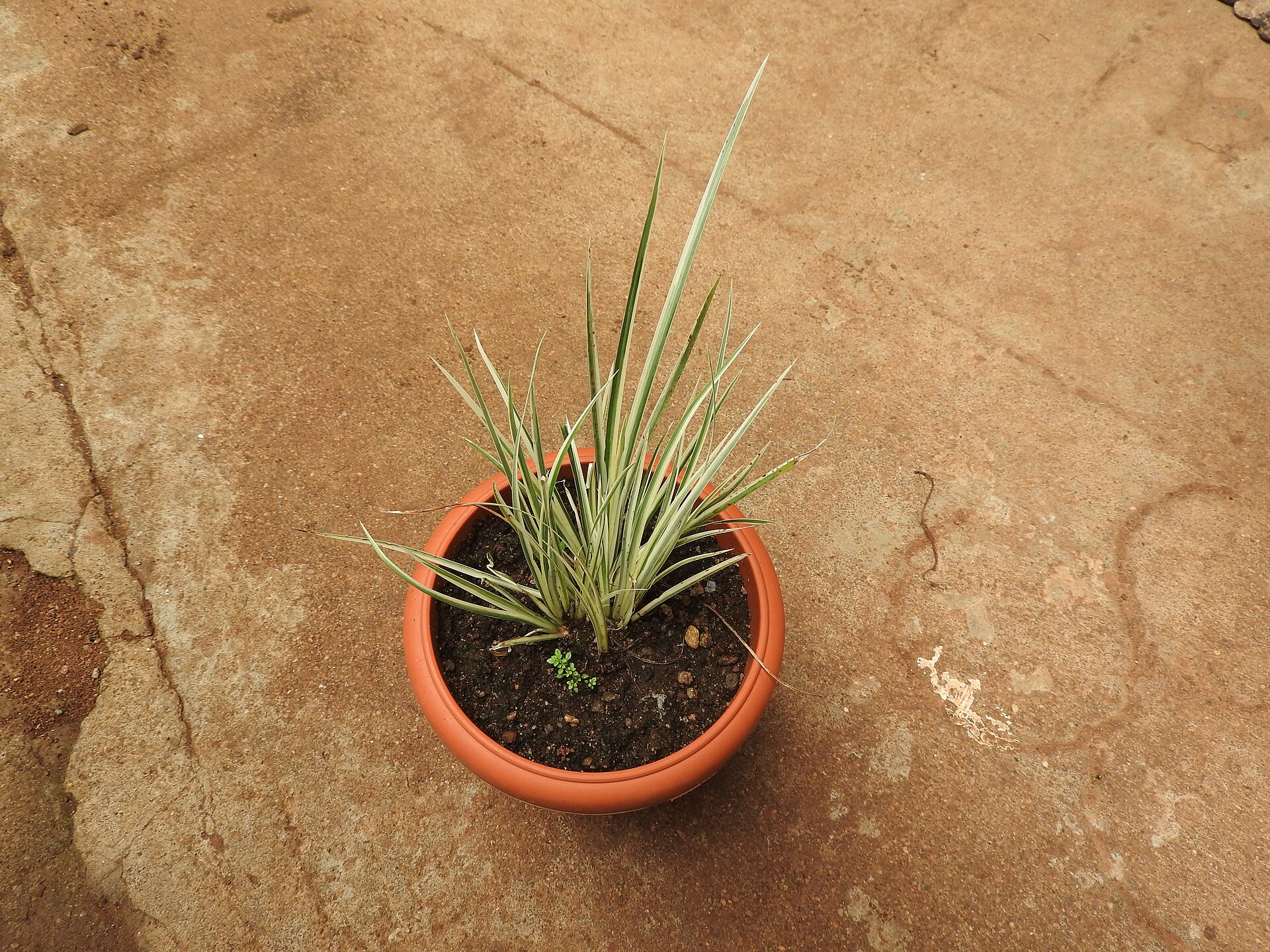
- Size:Typically 20–30 cm (8–12 in) tall; forms low, dense clumps.
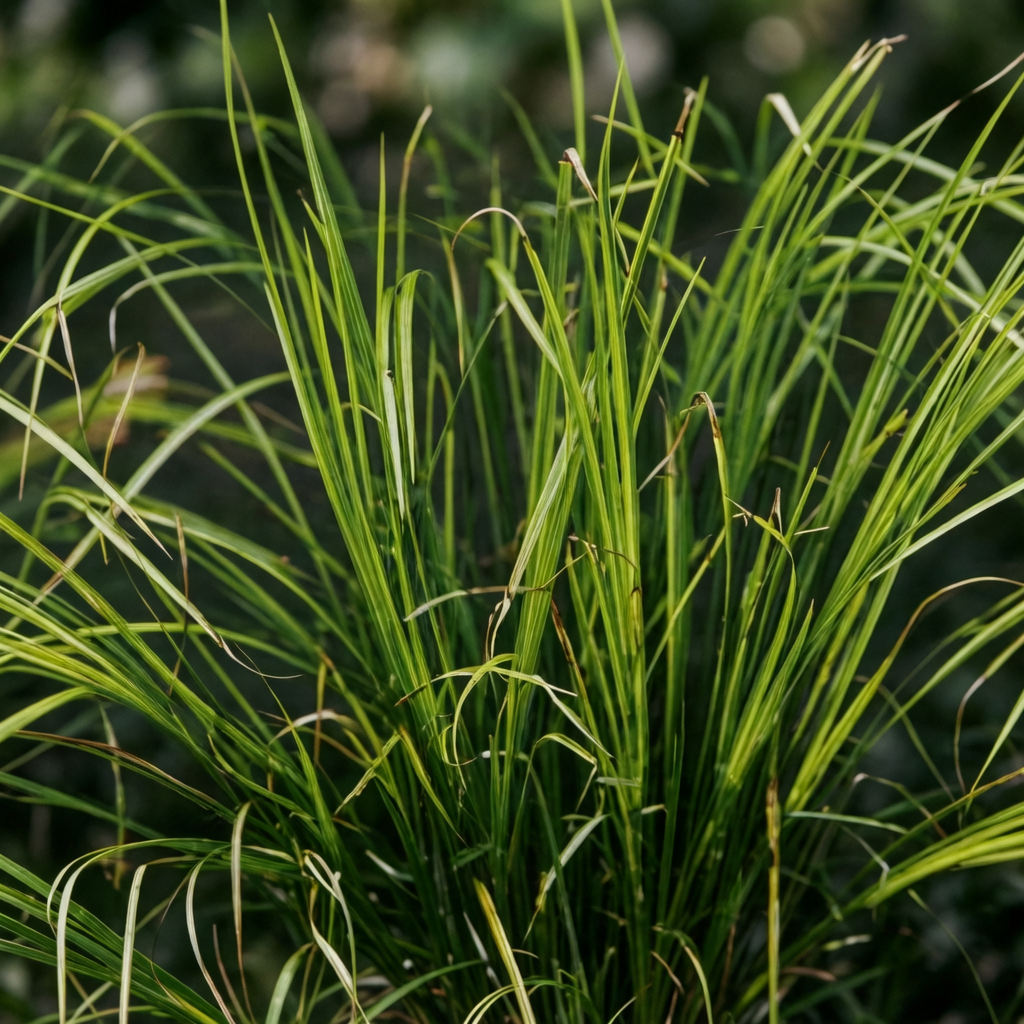
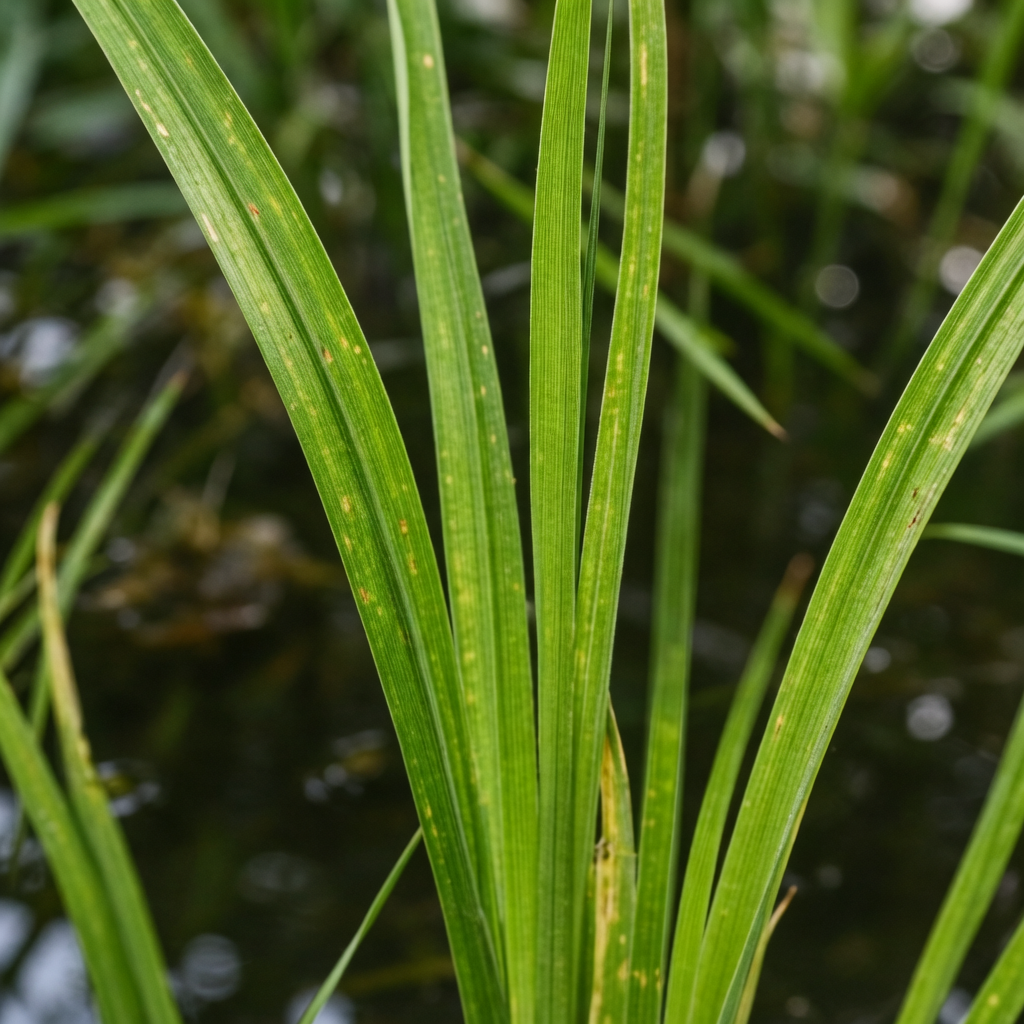
- Foliage:Narrow, grass-like leaves that feel slightly thick and give off a noticeable fragrance—often strong enough that the scent can linger on your hands after handling.
- Flower:Small, inconspicuous flowers held on a spadix. Flowers are usually not showy; blooming is typically in May–June, with fruiting often in July–August.
- Flowering Season:May–June
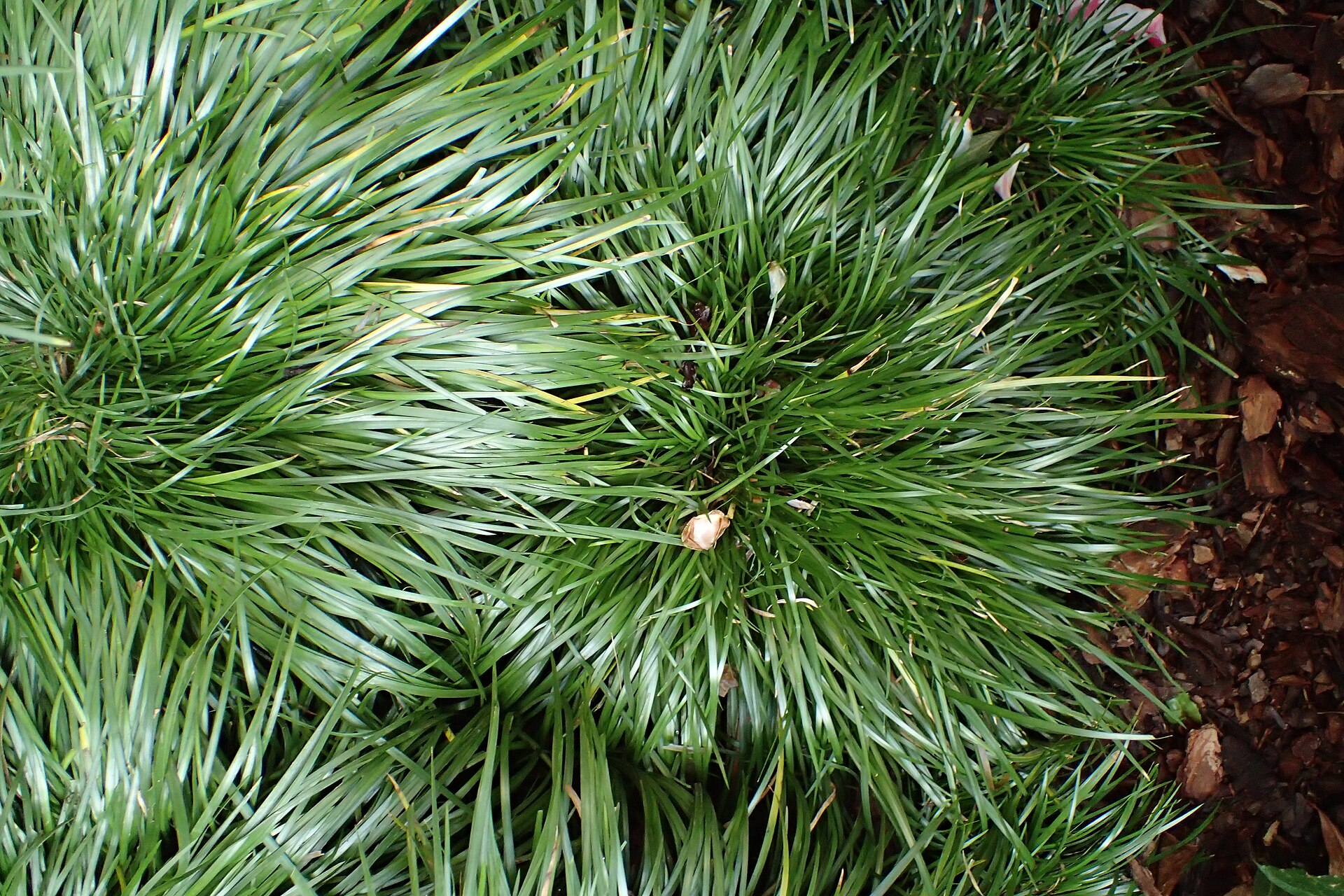
- Growth Habit:Rhizomatous perennial that forms tufted, clumping growth. It spreads through short, fleshy rhizomes about 5–10 cm (2–4 in) long with densely fibrous roots; often evergreen in mild climates.
🌤️ Environment
Sunlight
Partial shade to full shade; can tolerate brighter light if the soil is kept consistently moist.
Temperature
Prefers cool to mild conditions and dislikes hot, dry exposure. Best growth around 10–25°C (50–77°F); protect from drying heat and avoid letting the potting mix dry out.
Humidity
Moderate to high humidity; happiest with damp air and consistently moist surroundings.
Soil
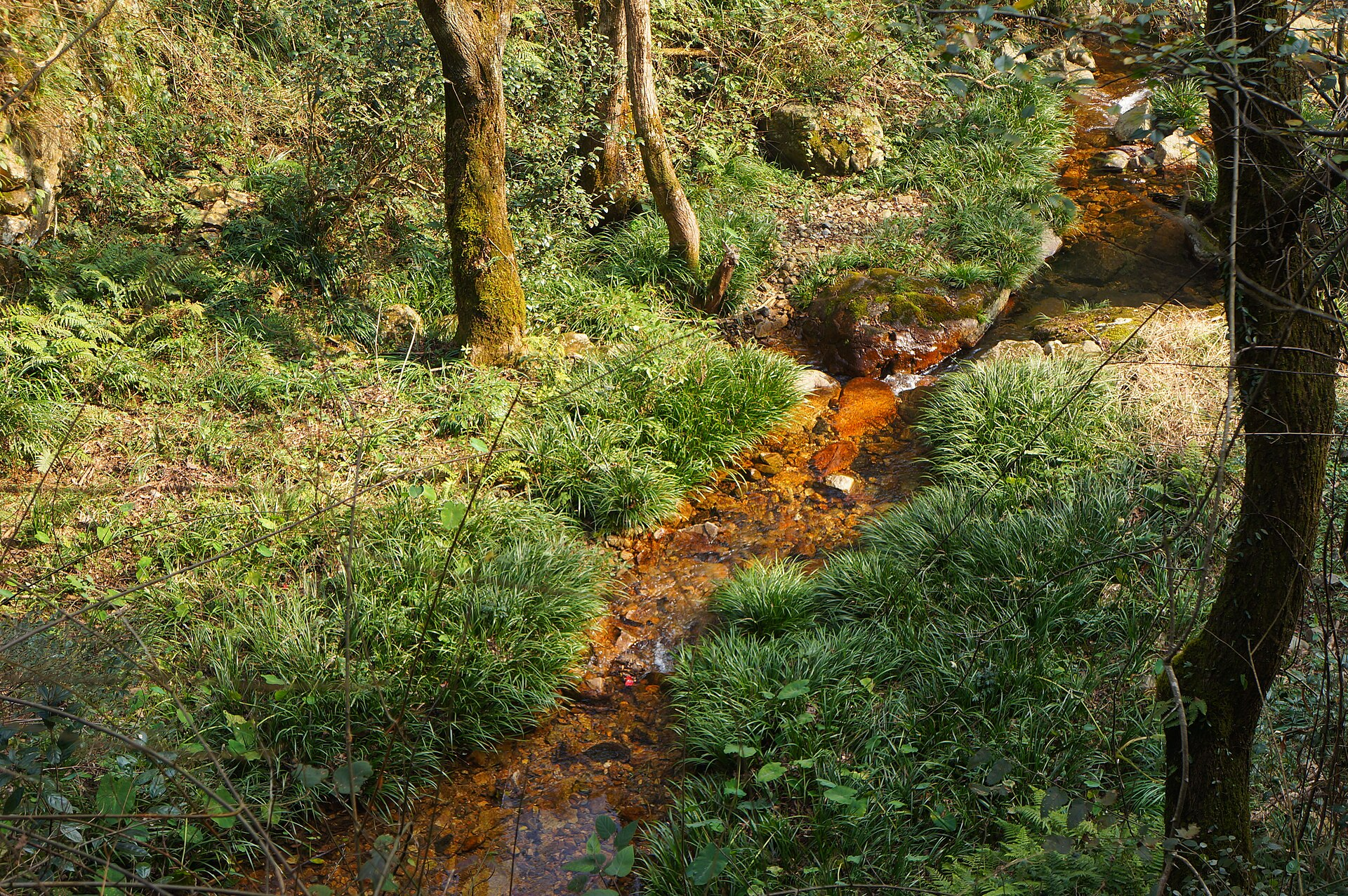
Moist to wet, humus-rich soil. Suitable for bog-garden conditions or constantly damp crevices among stones; in containers, use a moisture-retentive mix and avoid letting it dry.
Placement
Great for shaded patios/balconies in containers, bright humid indoor spots (bathroom-like conditions), and as a tidy accent at pond margins or water-feature plantings.
Hardiness
Approximately USDA Zone 6–9 (about -23 to -1°C / -10 to 30°F), depending on local conditions and cultivar; generally cold-hardy but container plants benefit from protection in severe freezes.
🪴 Care Guide
Difficulty
Easy—provided it never dries out. The main challenge is maintaining consistent moisture, especially in warm weather.
Buying Guide
Look for plants with fresh, green, upright leaves and firm rhizomes. Avoid pots with sour-smelling, stagnant media or plants showing widespread browning from drought stress.
Watering
Keep soil consistently moist to wet. Water as soon as the surface begins to dry and never allow the mix to dry out completely. In hot weather, check daily (containers can dry fast).
Fertilization
Light feeder. During active growth (spring to early autumn), apply a balanced fertilizer at a dilute rate about every 4–6 weeks; reduce or stop feeding in winter.
Pruning
Remove yellow or damaged leaves at the base to keep the clump neat. If it gets crowded, division is more effective than heavy pruning.
Propagation
Best by division in spring: separate healthy rhizome sections with roots attached and replant immediately into moist medium.
Repotting
Repot or divide every 1–2 years in spring, or whenever the clump becomes crowded. Use a moisture-retentive substrate and a pot setup that can be kept evenly wet.
📅 Seasonal Care Calendar
Spring: divide/repot and restart light feeding. Summer: maintain constant moisture; protect from hot, drying sun. Autumn: reduce fertilizer but keep evenly moist. Winter: keep slightly cooler if possible, still moist; protect containers from severe freezing.
🔬 Pests, Diseases & Safety
Common Pests & Diseases
Usually trouble-free. In overly dry indoor air, aphids or spider mites may appear. Constant stagnation (waterlogged, low-oxygen media) can lead to root/rhizome rot—improve aeration, refresh the medium, and ensure the planting isn’t sour or anaerobic.
Toxicity
Not commonly listed as a highly toxic houseplant, but it’s still best not to ingest any part. Keep out of reach of pets and children; seek local poison-control guidance if eaten.
🎋 Culture & Symbolism
Symbolism:Often linked with freshness and calm—fitting for a clean-scented plant that naturally belongs near water.
History & Legends:Acorus plants have a long tradition in East Asia as fragrant, culturally appreciated greenery; Acorus gramineus today is especially loved as an ornamental for containers and water-side plantings.
Uses:Primarily ornamental: a reliable foliage accent for pots, damp shade gardens, and pond or water-feature edges—especially where consistently moist soil is easy to provide.
❓ FAQ
When does it flower?
Typically May–June (late spring to early summer).
When does it fruit?
Usually July–August.
How tall does it get?
About 20–30 cm (8–12 in) tall, forming low, dense clumps.
What growing conditions does it prefer?
Shade to partial shade with consistently moist to wet soil; it tolerates cold but dislikes drought and hot, dry conditions.
Where is it grown and what habitat does it like?
Widely cultivated across China; it favors wet places such as marshy ground and moist rocky areas near water.
💡 Fun Facts
- It spreads via short, fleshy rhizomes about 5–10 cm (2–4 in) long, forming dense, tufted clumps.
- The leaves are naturally fragrant, and the scent can linger on your hands after touching them.
- It’s a classic choice for water-garden edges and small containers where soil can be kept constantly moist.