🌱 Plant Features
- Size:Typically 3–8 m (10–26 ft) tall, with a broadly spreading crown.
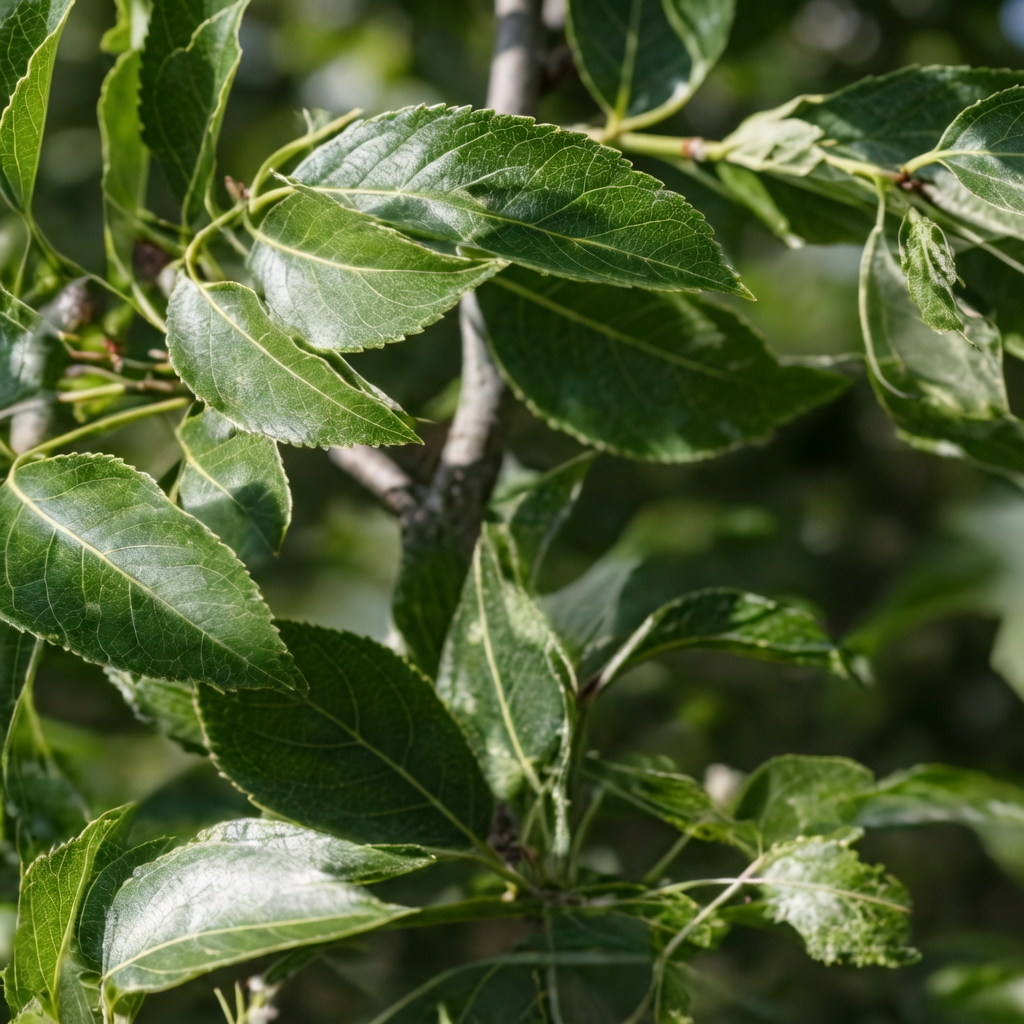
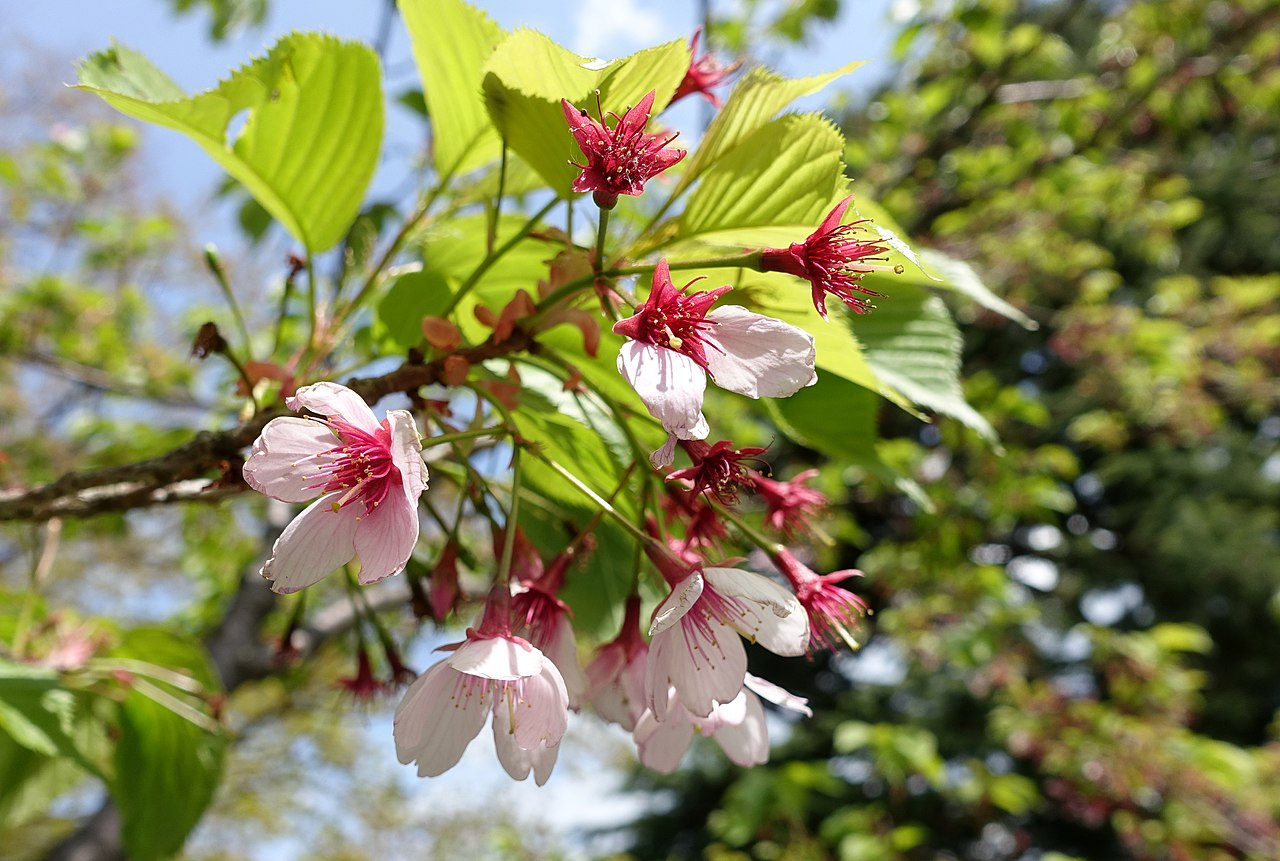
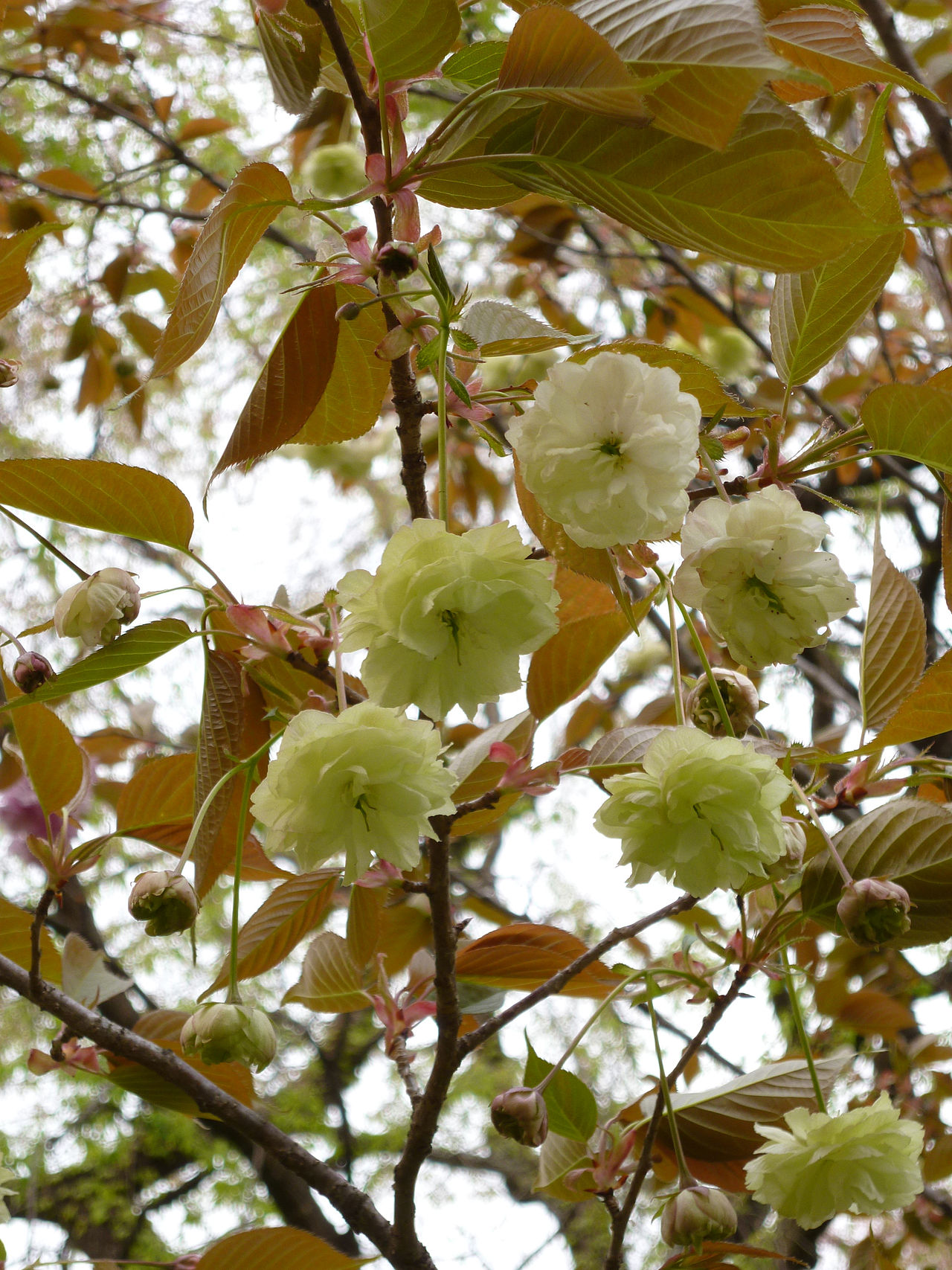
- Foliage:Bark is gray-brown. Leaves are ovate to elliptic with a pointed tip and rounded base; margins are sharply double-serrated, often with bristle-like tips on the teeth.
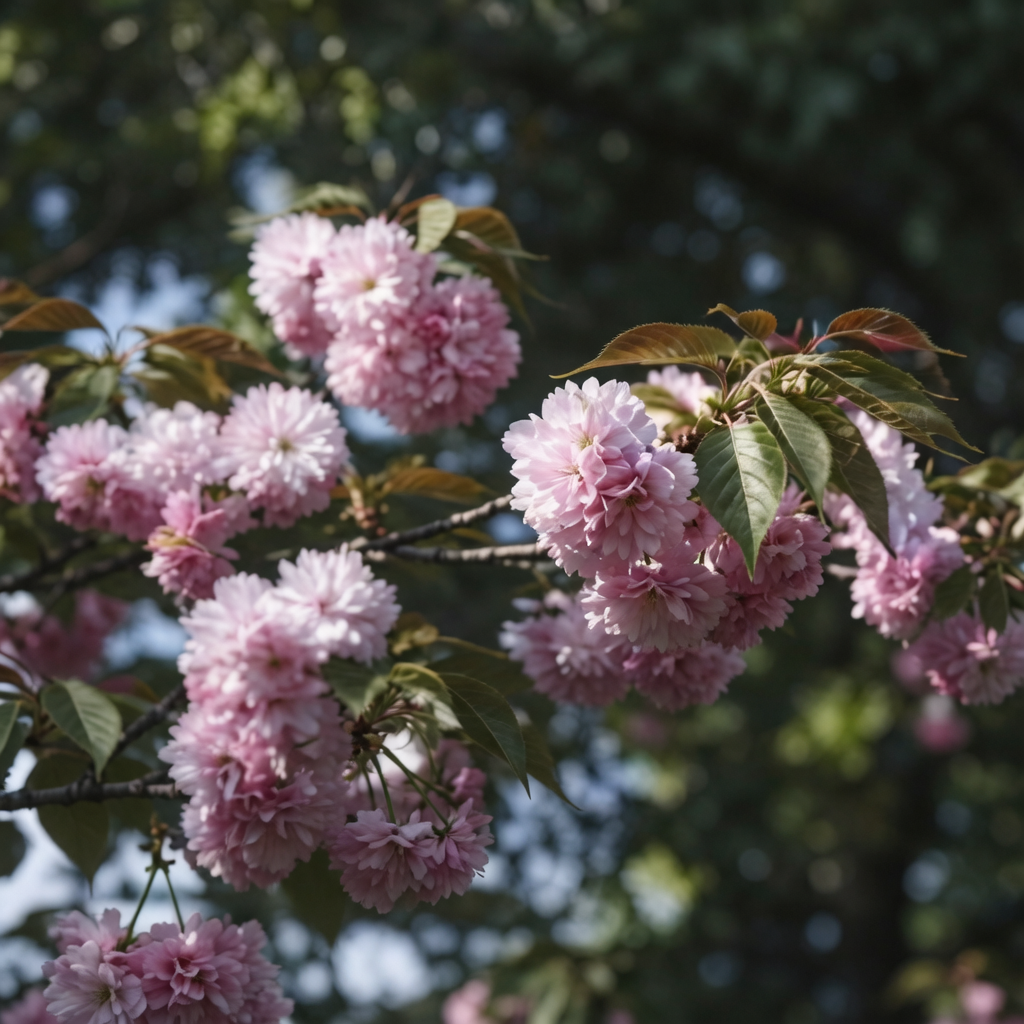
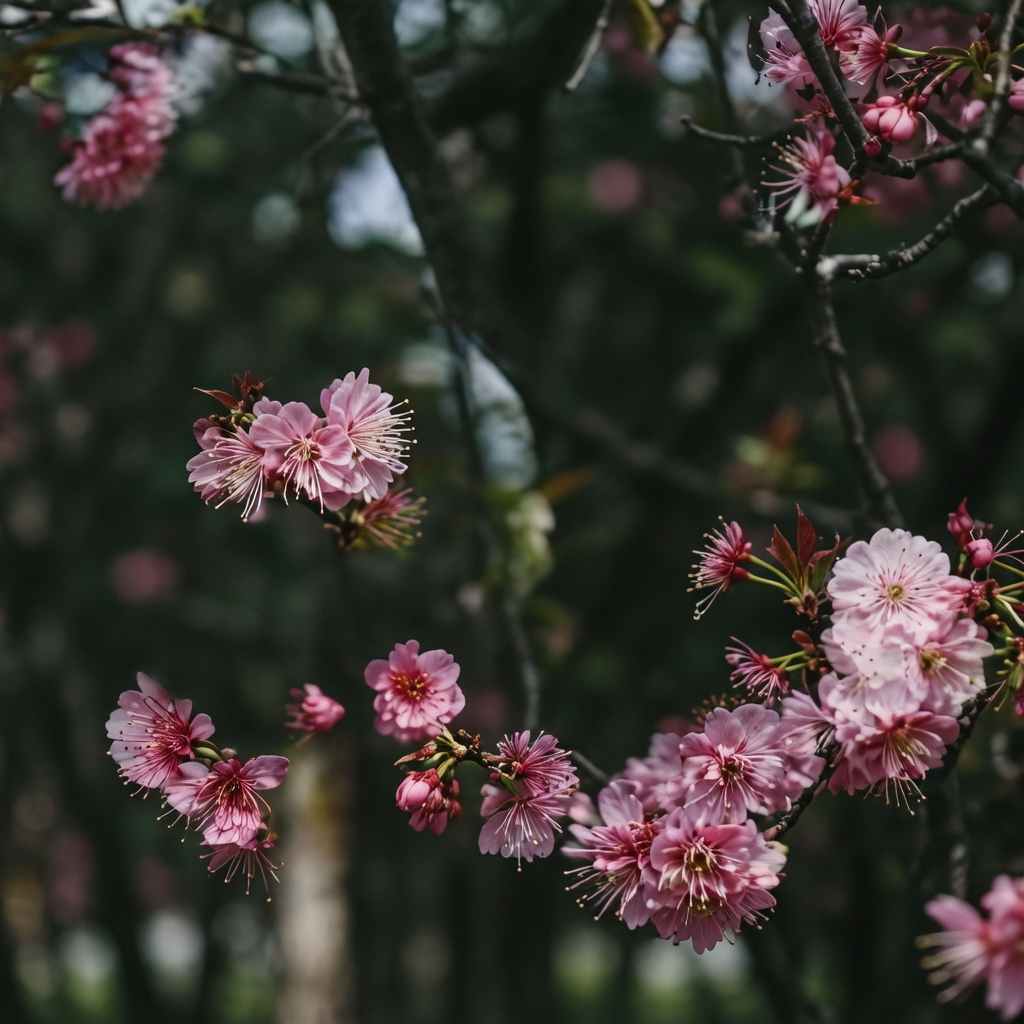
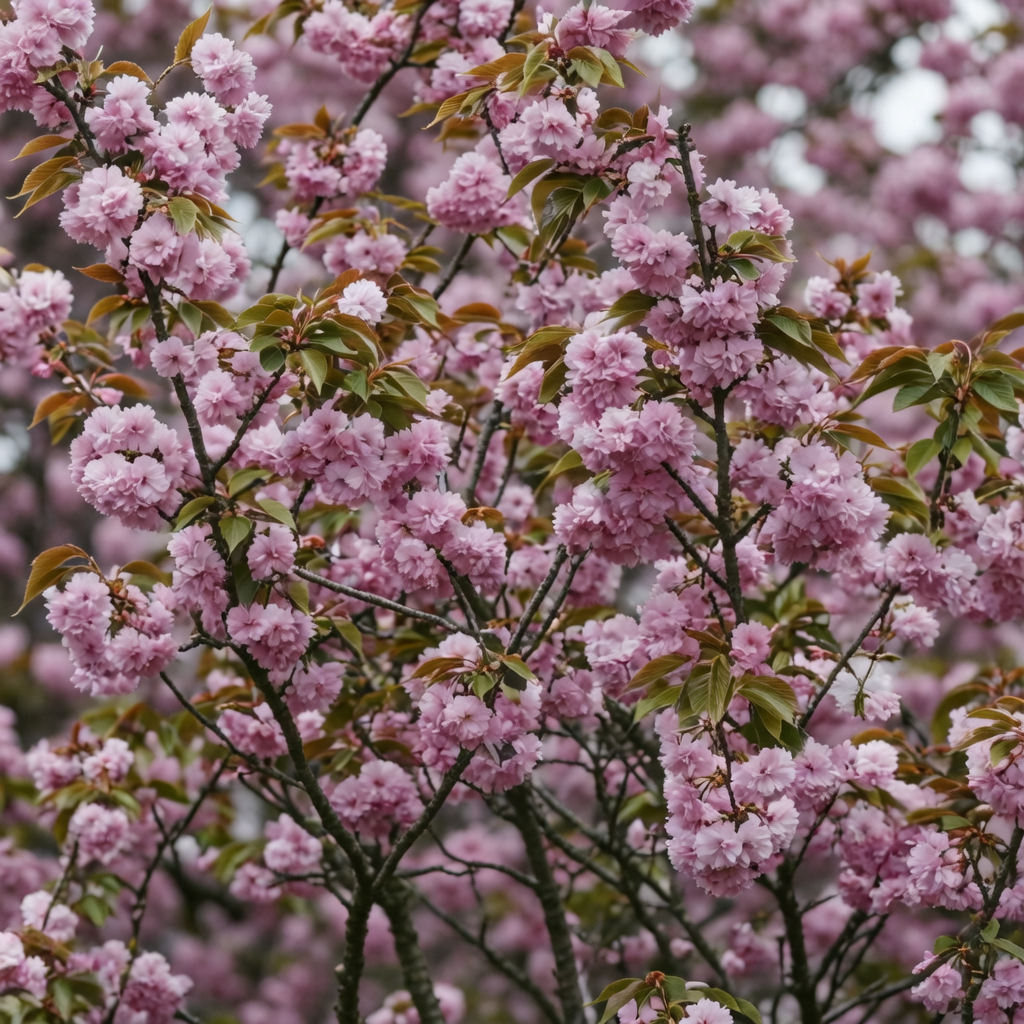
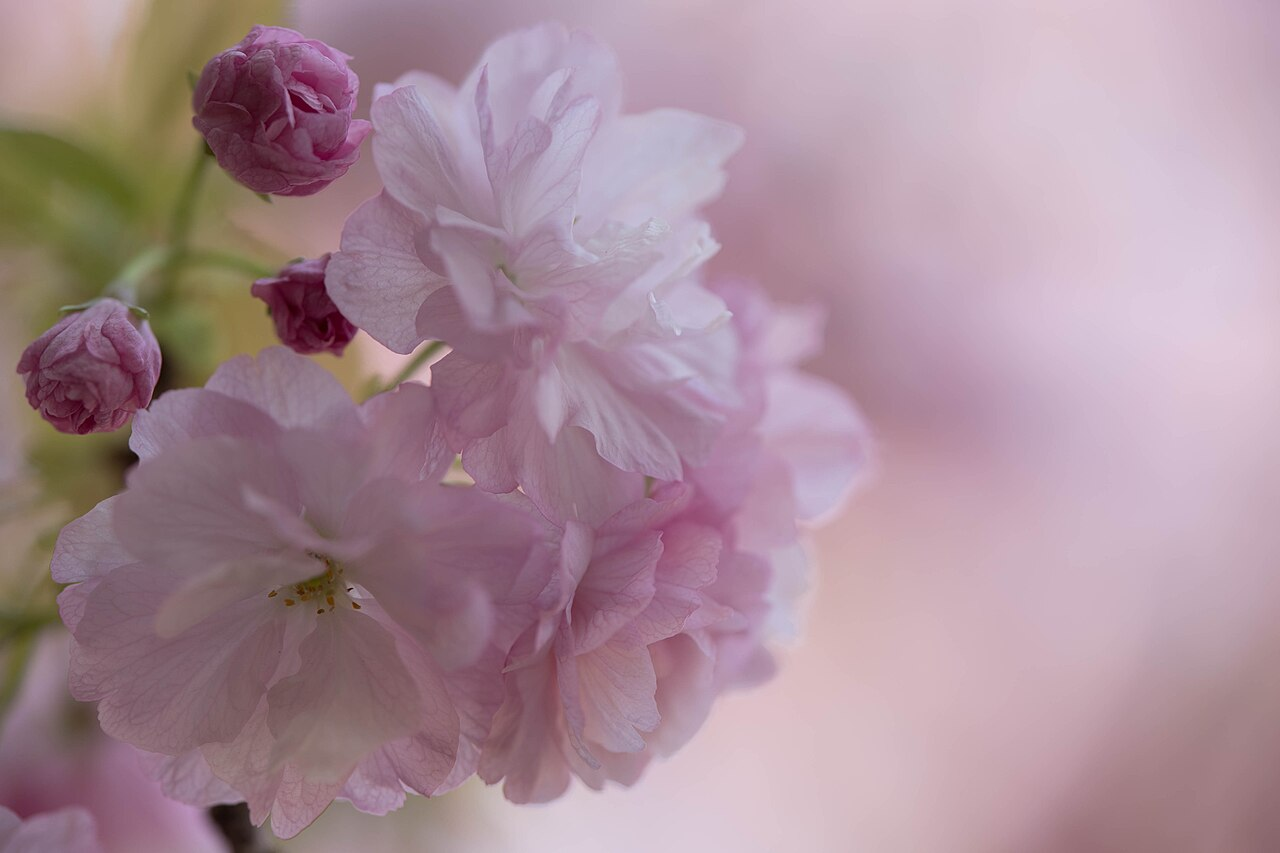
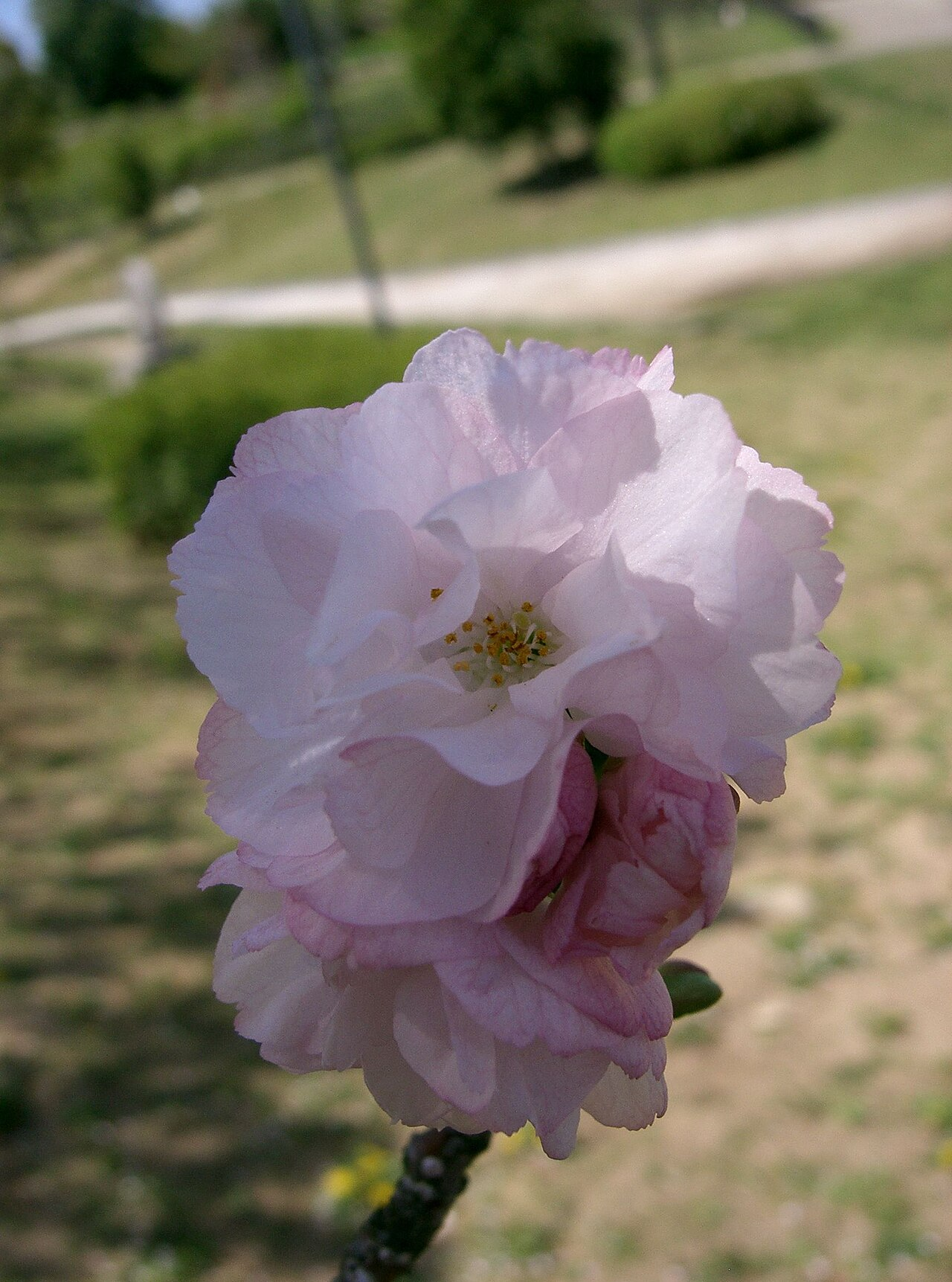
- Flower:Large, showy flowers in white to soft pink. Blooms may be single or double and are often produced so abundantly that branches and the canopy can appear completely covered. Flowering typically occurs later than many other ornamental cherry types.
- Flowering Season:March–May
- Growth Habit:Deciduous, broadly spreading ornamental tree; typically forms a wide crown and has a relatively shallow root system.
🌤️ Environment
Sunlight
Full sun is best for heavy flowering (at least 6+ hours/day). Tolerates light shade, but bloom density usually decreases.
Temperature
Best in cool to temperate climates. Typical suitable growing temperatures are about 5–25°C (41–77°F) during the growing season; avoid prolonged extreme heat. Late frosts can damage blossoms.
Humidity
Moderate humidity suits it well. Prioritize good air circulation to reduce fungal problems.
Soil
Deep, fertile, well-drained soil is ideal. Prefers evenly moist loam; avoid waterlogged or poorly drained sites.
Placement
Outdoors: excellent as a street tree, park specimen, landscape focal point, or shade tree in larger gardens.
Hardiness
Generally USDA Zones 5–8 (approx. -29 to -7°C / -20 to 20°F), depending on cultivar and local conditions.
🪴 Care Guide
Difficulty
Moderate (outdoors). Performs best with full sun and fertile, free-draining soil. Because it can be shallow-rooted, protect the root zone from compaction and drought stress.
Buying Guide
Pick a healthy, well-rooted young tree (often grafted for named varieties). Avoid plants with trunk cankers, dieback, or sticky oozing gum. Choose one with evenly spaced branches and a root system that isn’t tightly pot-bound. If possible, select cultivars suited to your climate and preferred flower style (single vs. double).
Watering
Water deeply after planting and keep soil evenly moist for the first 1–2 growing seasons. Once established, water during dry spells—especially in spring and early summer—so moisture reaches the root zone (deep, thorough watering beats frequent light sprinkling).
Fertilization
In early spring, top-dress with compost or use a balanced slow-release fertilizer if growth is weak. Avoid heavy nitrogen feeds, which can push soft leafy growth at the expense of flowers and may increase disease issues.
Pruning
Prune lightly after flowering: remove dead, damaged, or crossing branches and refine the shape. Avoid heavy winter pruning—cherries can be more prone to disease and gumming when cut at the wrong time.
Propagation
Most cultivated forms are propagated by grafting to keep the variety true. Species forms can be raised from seed, but seedlings may vary. Softwood cuttings can work for some types, though they’re generally less reliable than grafting.
Repotting
Not usually grown long-term in containers. If temporarily container-grown, pot on in late winter to early spring into a slightly larger container with a free-draining, loam-based mix and excellent drainage.
📅 Seasonal Care Calendar
March–May: flowering; prune soon after bloom. June–July: fruiting. From bud swell through early summer, keep moisture consistent. Mulch the root zone to conserve water and protect shallow roots (keep mulch a few cm/inches away from the trunk).
🔬 Pests, Diseases & Safety
Common Pests & Diseases
Possible pests include aphids, scale insects, caterpillars, and spider mites. Diseases can include leaf spot, powdery mildew, blossom blight, and cankers. Prevent problems with good airflow, avoiding overhead watering, clearing fallen leaves, and pruning out infected wood during dry weather.
Toxicity
As with many Prunus, leaves and seeds/pits contain cyanogenic compounds if chewed or eaten in quantity. Normal garden contact is low risk, but keep pits/seeds away from children and pets.
🎋 Culture & Symbolism
Symbolism:A classic symbol of spring, renewal, and the fleeting beauty of blossoms—celebrated in cherry blossom culture for its brief but spectacular peak.
History & Legends:Native to Japan and widely planted in China and many other regions as an ornamental tree—especially valued because its later bloom can extend the cherry blossom season.
Uses:Primarily ornamental: planted as a street tree, park/scenic tree, and garden specimen or shade tree.
❓ FAQ
Why is my Japanese flowering cherry not blooming well?
Common reasons include too little sun, too much nitrogen fertilizer, pruning at the wrong time (removing flower buds), or stress from drought and poor drainage. Give it full sun, keep soil well-drained and evenly moist, fertilize lightly, and prune only right after flowering.
Is it normal for it to have shallow roots?
Yes. Many ornamental cherries are relatively shallow-rooted. Mulch to protect and cool the root zone (without piling mulch against the trunk), and avoid compacting the soil around the tree.
💡 Fun Facts
- It often blooms later than many other ornamental cherries, helping extend the cherry blossom season.
- Fruiting typically occurs in June–July.
- At peak bloom, the canopy can look like it’s been completely wrapped in flowers—one reason it’s so popular for avenues and parks.