🌱 Plant Features
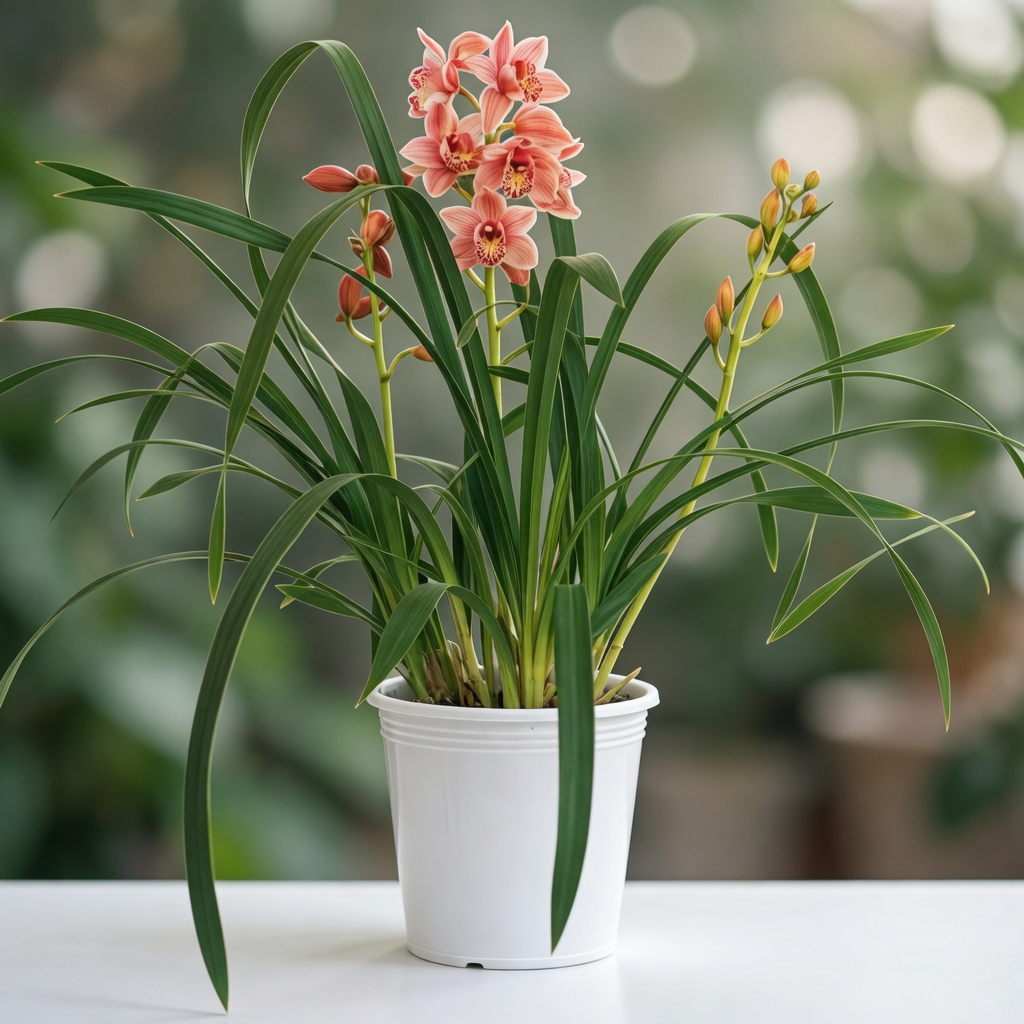
- Size:Highly variable by hybrid and parentage; many common indoor hybrids reach about 20–60 cm (8–24 in) tall in bloom, often with a similar spread depending on pot size and leaf habit.
- Foliage:Foliage varies with the type, but many popular hybrids have thick, leathery, evergreen leaves in medium to deep green. Some hybrids form pseudobulbs with arching leaves (sympodial growth), while others grow from a single leafy crown (monopodial growth).
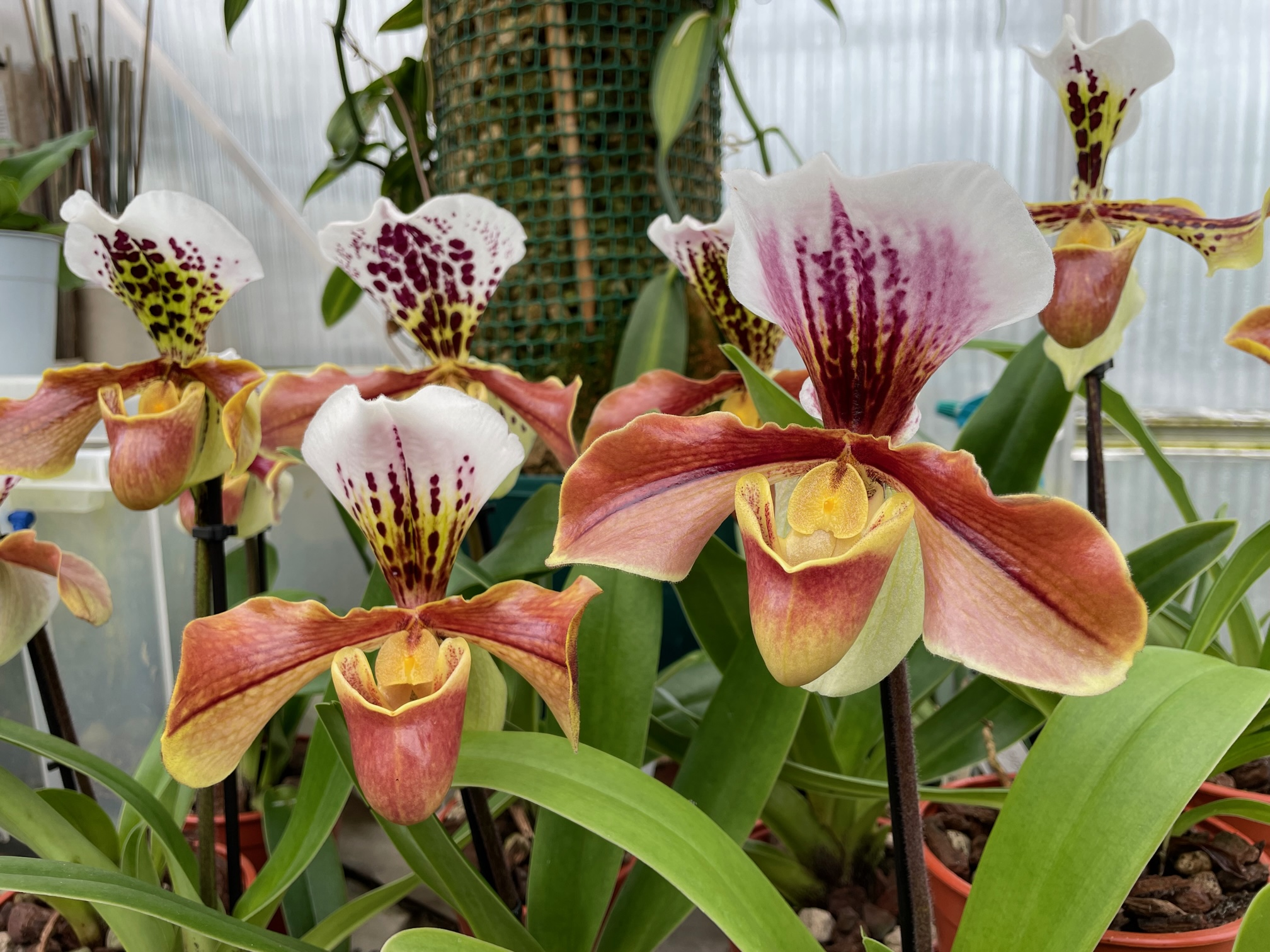
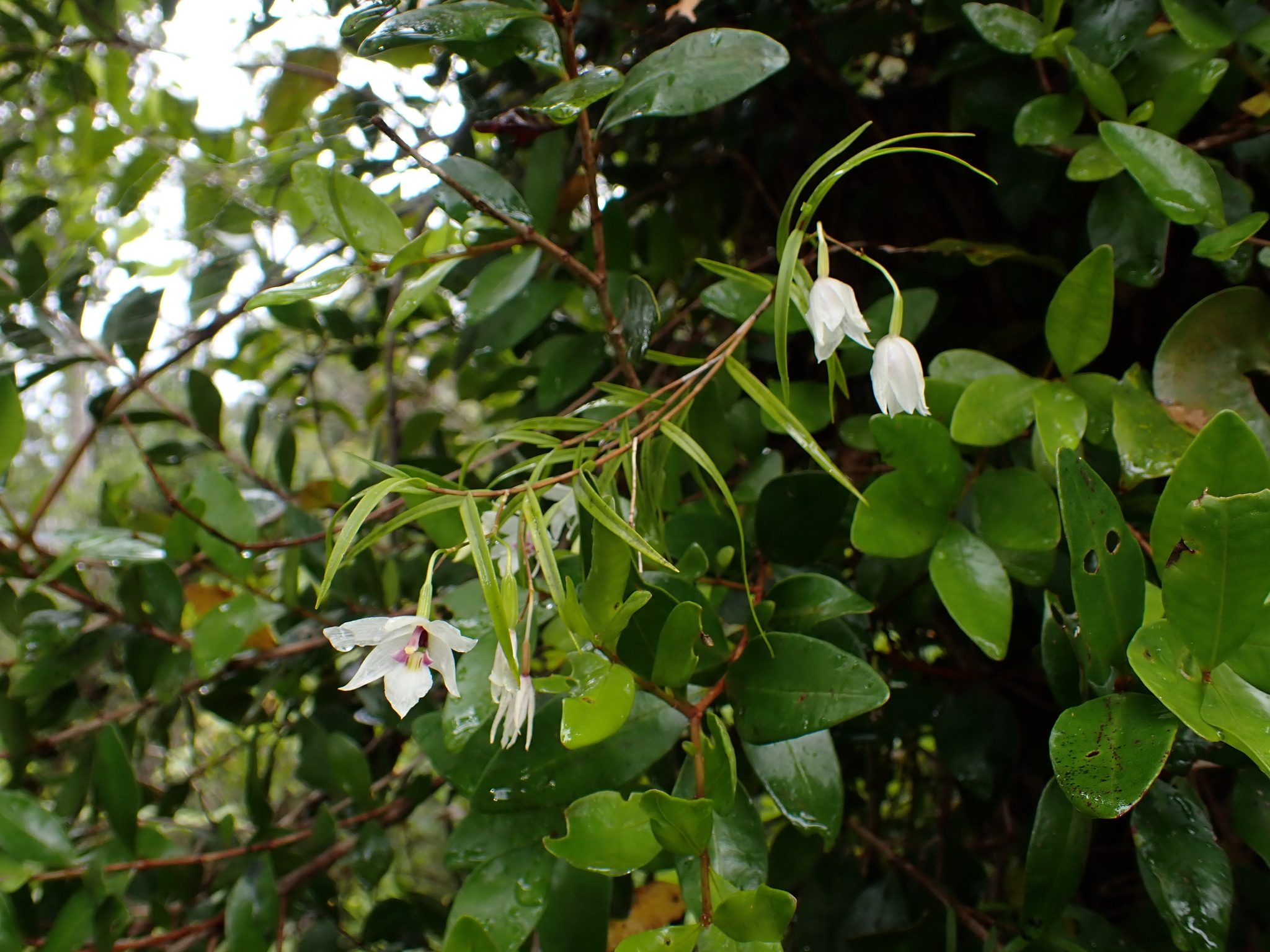
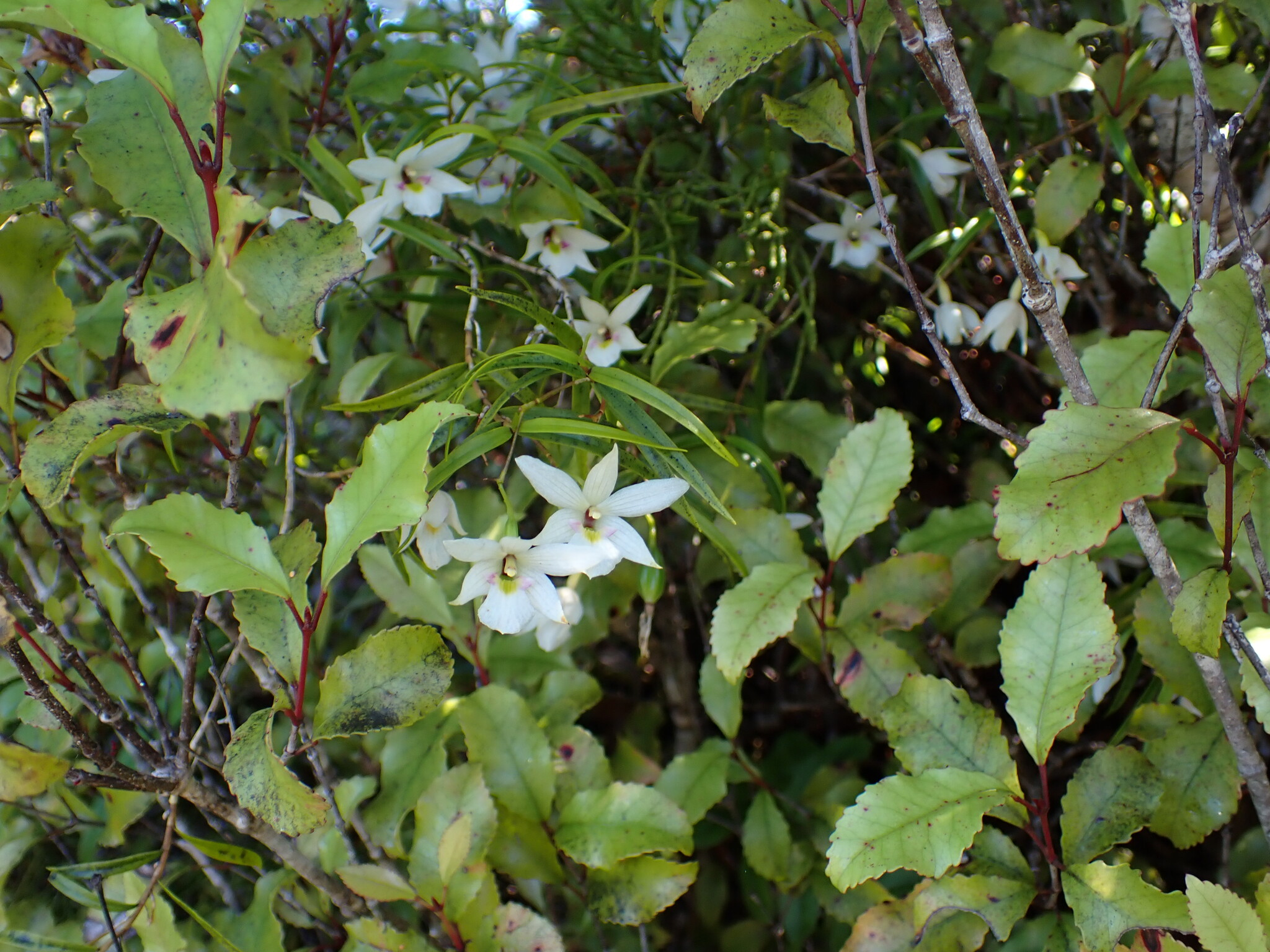
- Flower:Flowers are extremely diverse in size, shape, and color. Many hybrids are selected for showy, long-lasting blooms and distinctive patterning such as spots, stripes, mottling, or bold contrasting lips.
- Flowering Season:Varies by hybrid; many can bloom at different times of year indoors, often peaking from winter through spring depending on the type.
- Growth Habit:Usually clump-forming or upright with arching foliage and flower spikes; growth habit depends on parentage, with both monopodial and sympodial types common in cultivation.
🌤️ Environment
Sunlight
Bright, indirect light is ideal. Gentle morning sun can work well, but avoid harsh midday sun, which can scorch leaves.
Temperature
Most common houseplant orchid hybrids prefer 18–27°C (64–81°F). Avoid prolonged exposure below about 12–15°C (54–59°F) unless your particular hybrid is known to tolerate cooler conditions.
Humidity
Moderate to high humidity helps: about 40–70% (with ~50–60% often ideal), paired with good air movement to discourage fungal and bacterial problems.
Soil
Use a free-draining orchid medium (commonly bark-based, sometimes blended with perlite, charcoal, and/or sphagnum). Avoid regular potting soil, which stays too wet and can suffocate roots and cause rot.
Placement
Indoors near an east-facing window or a lightly shaded south-facing window. Bright bathrooms or kitchens can also work if there’s adequate airflow.
Hardiness
Generally not frost-hardy. Typically grown as an indoor plant, or outdoors only in warm climates; many hybrids fit roughly USDA Zone 10–12 outdoors depending on parentage and local conditions.
🪴 Care Guide
Difficulty
Easy to moderate. Widely sold, named hybrid orchids are often among the easiest orchids to keep because they’re bred for tolerance of typical home conditions and reliable flowering.
Buying Guide
Pick plants with firm, unwrinkled leaves and healthy roots (silvery-green when dry, greener when wet). Avoid black, mushy roots or a soft crown. Buds should be plump; choosing a plant with both open flowers and unopened buds usually gives a longer display.
Watering
Water thoroughly, then let excess drain completely. Water again when the mix is approaching dry but not bone-dry—often every 7–14 days indoors, depending on light, temperature, pot size, and the type of mix. Use room-temperature water and avoid leaving water sitting in the crown or leaf joints, which can lead to rot.
Fertilization
Feed lightly during active growth with a balanced orchid fertilizer at 1/4–1/2 strength. Many growers use a “weakly, weekly” approach or fertilize every 2–4 weeks. Flush the pot with plain water occasionally to prevent mineral salt buildup.
Pruning
After flowering, remove spent flower spikes (the exact timing and method can vary by orchid type). Trim away dead or yellowing leaves, and remove clearly dead roots during repotting.
Propagation
Most hybrid orchids are produced commercially via tissue culture. At home, some sympodial types can be divided when large enough (keep several growths per division). Monopodial types are generally not divided.
Repotting
Repot every 1–2 years, or sooner if the medium breaks down and stays soggy. Best timing is typically after flowering or when new roots begin. Use a slightly snug pot with excellent drainage and fresh, airy orchid mix.
📅 Seasonal Care Calendar
Spring–summer: provide brighter indirect light, regular watering, and light feeding during active growth. Autumn–winter: reduce watering slightly as growth slows, keep light bright, and aim for stable conditions (some types benefit from a mild nighttime temperature drop to encourage spike initiation).
🔬 Pests, Diseases & Safety
Common Pests & Diseases
Common pests include mealybugs, scale, spider mites, thrips, and fungus gnats. Overwatering is a major cause of root rot. Stagnant, humid air can encourage fungal/bacterial spotting—improve airflow, remove affected tissue, and treat pests with horticultural soap or oil as appropriate.
Toxicity
Most commonly grown orchid hybrids are generally considered non-toxic to cats and dogs, though nibbling may still cause mild digestive upset. Keep out of reach of persistent chewers.
🎋 Culture & Symbolism
Symbolism:Orchids are often linked with elegance, refinement, love, and admiration. (Meanings can shift by color and local culture—white for purity, pink for affection, purple for admiration, and so on.)
History & Legends:Orchid hybridization took off as a serious horticultural passion in the 19th century and never slowed down. Breeders have since created countless cultivars aimed at bigger flowers, new colors and patterns, longer bloom time, and better performance in homes and greenhouses.
Uses:Primarily ornamental—grown as flowering houseplants and also used for cut-flower displays thanks to their long-lasting blooms and wide color range.
❓ FAQ
Why won’t my hybrid orchid rebloom?
Insufficient light is the most common reason. Move it to brighter indirect light, keep temperatures steady, and feed lightly during active growth. Some hybrids also respond to a small nighttime temperature drop to help trigger flower spikes.
Should I plant orchids in regular potting soil?
No—most orchids need lots of air around their roots. Use a bark-based orchid mix (or another appropriate orchid medium) in a pot with excellent drainage to prevent root rot.
💡 Fun Facts
- Under good conditions, many hybrid orchids can keep their blooms looking fresh for weeks to months.
- Those dramatic spots and stripes aren’t accidents—many hybrids are intentionally bred for patterned petals and collectible variety.
- A huge share of “orchids” sold as houseplants are complex hybrids rather than single wild species.