🌱 Plant Features
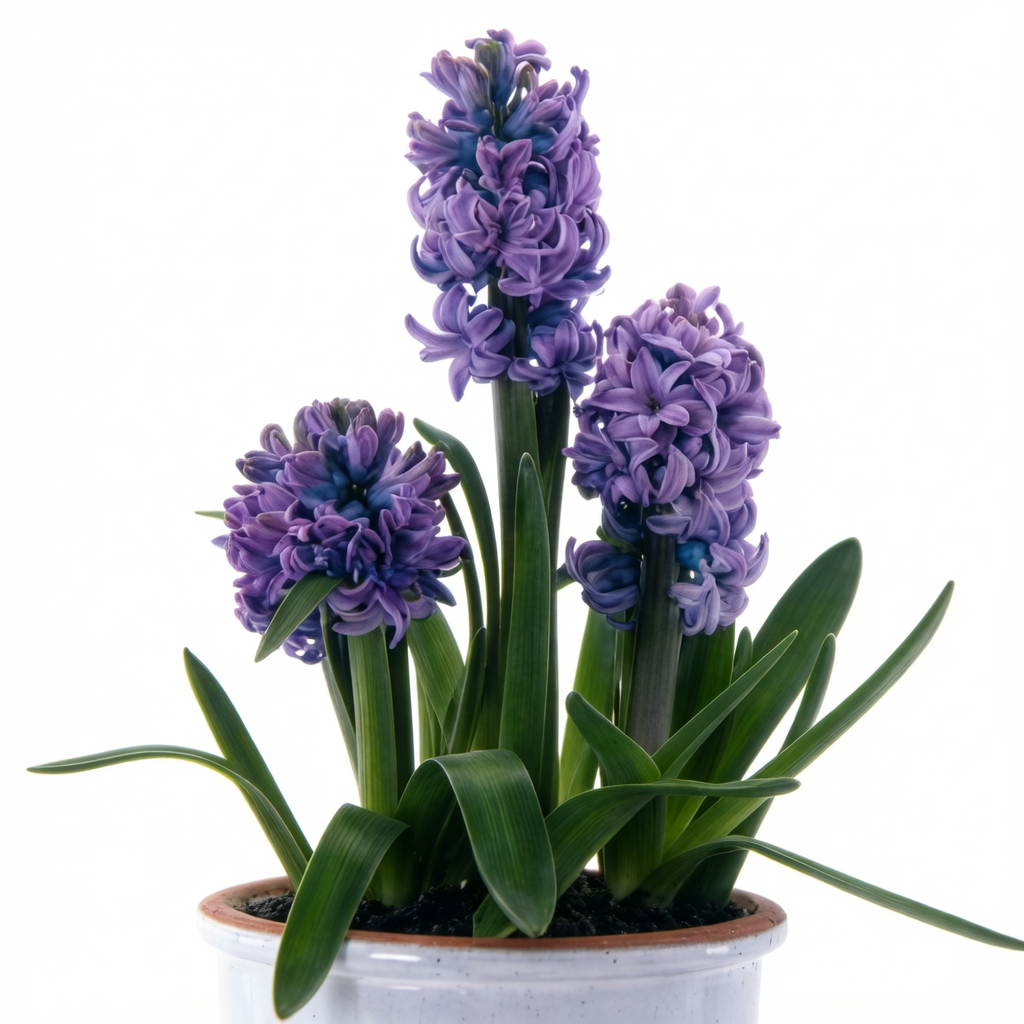
- Size:Typically 15–30 cm (6–12 in) tall in bloom, with a spread about 10–20 cm (4–8 in) depending on cultivar, bulb size, and planting density.
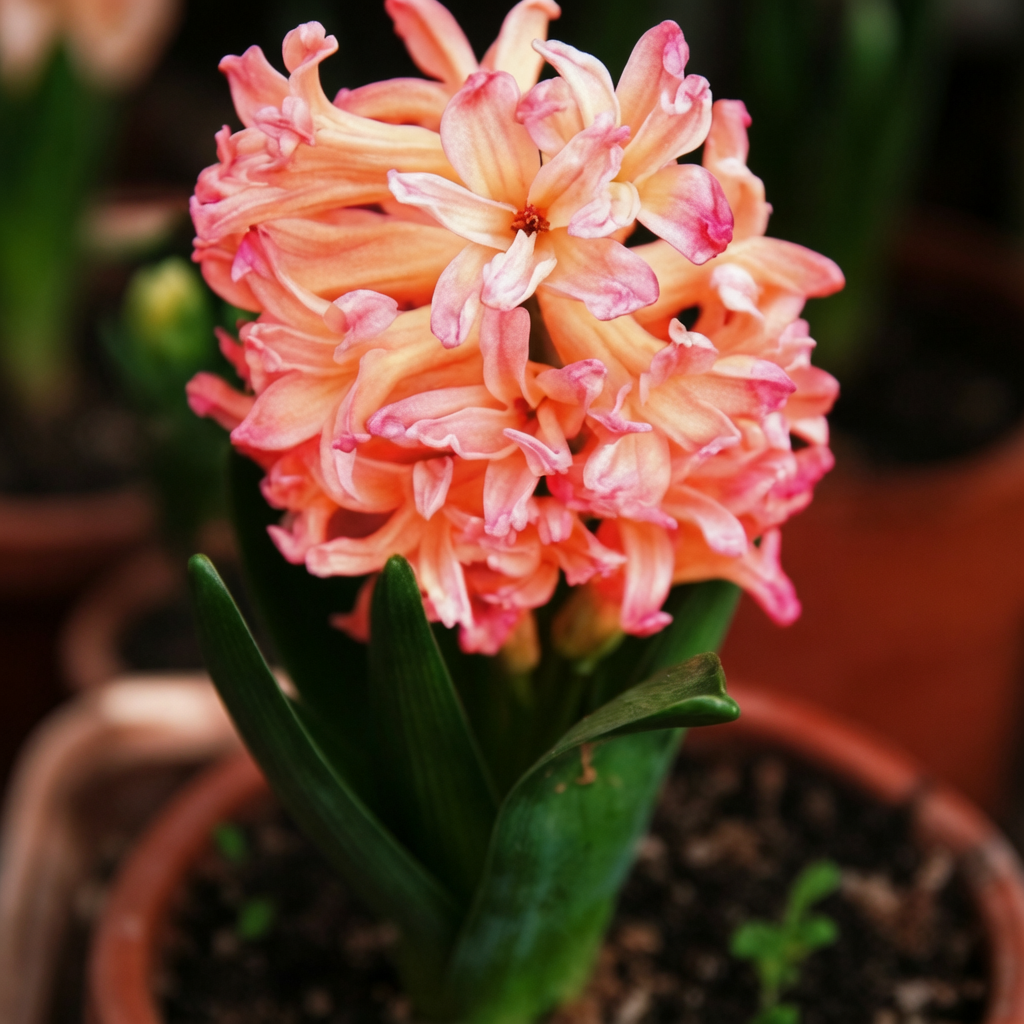
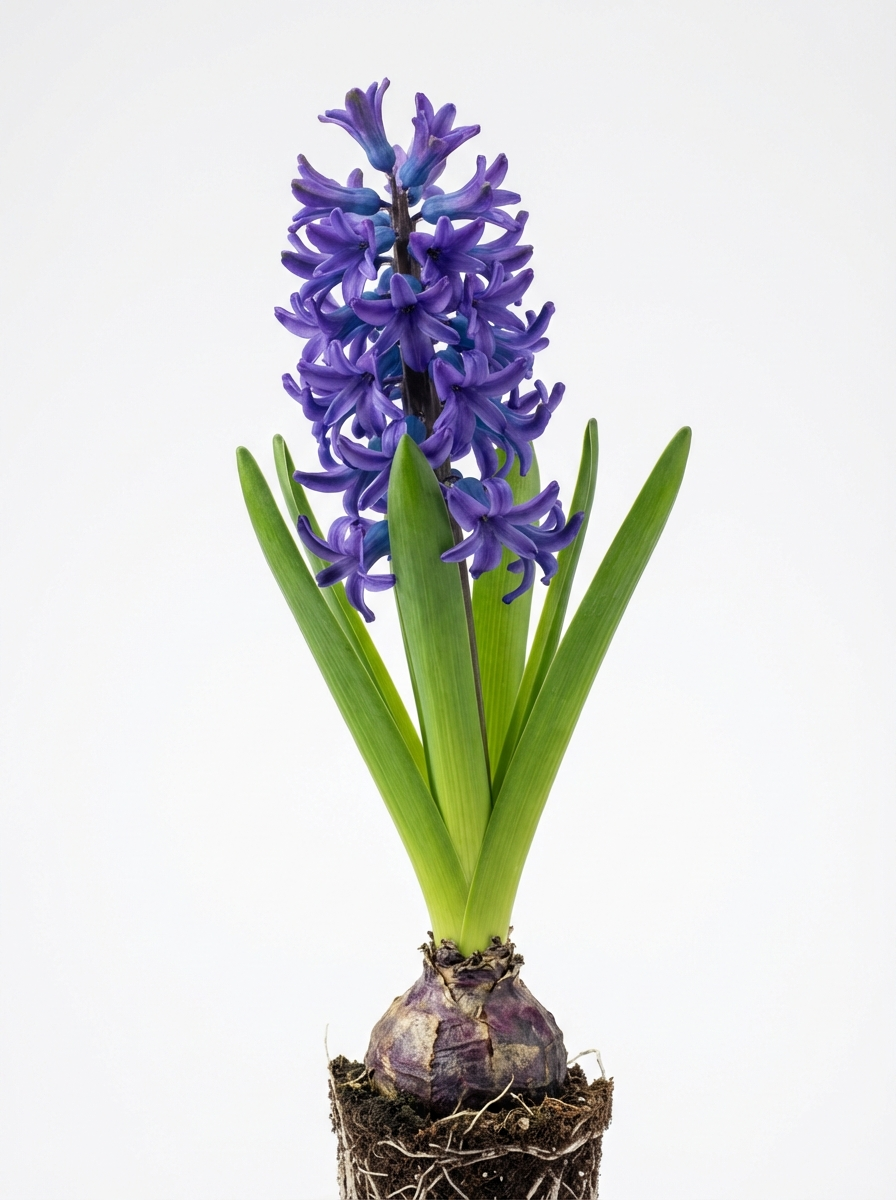
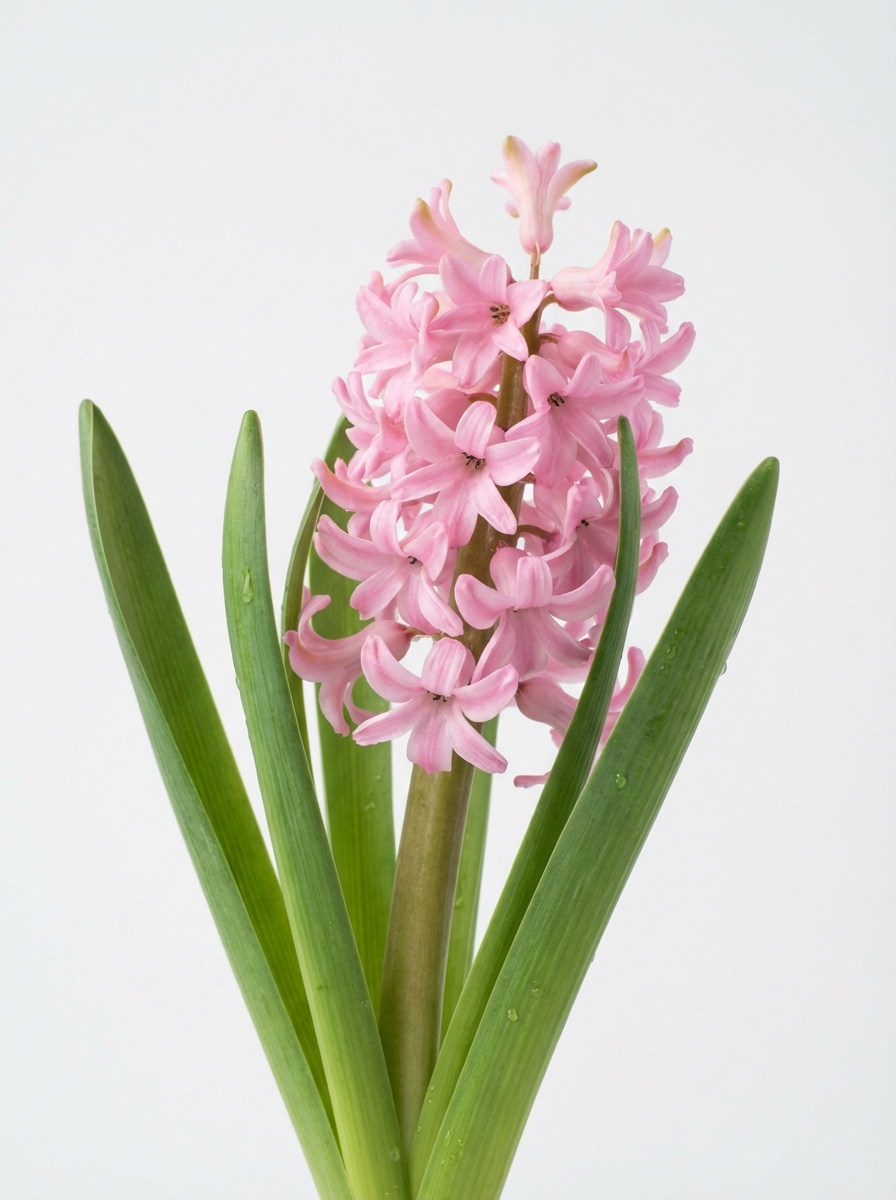
- Foliage:Basal rosette/clump of 4–9 narrow, strap-shaped, fleshy leaves—smooth, glossy green, often with a shallow channel. Leaves develop best in cool conditions around 10–12°C (50–54°F).
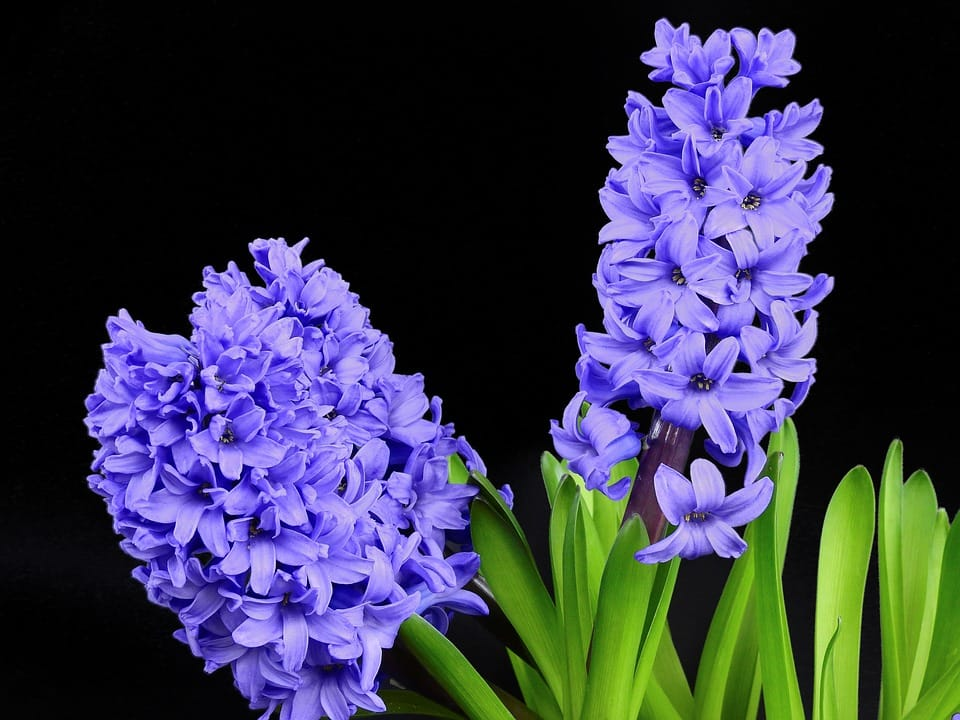
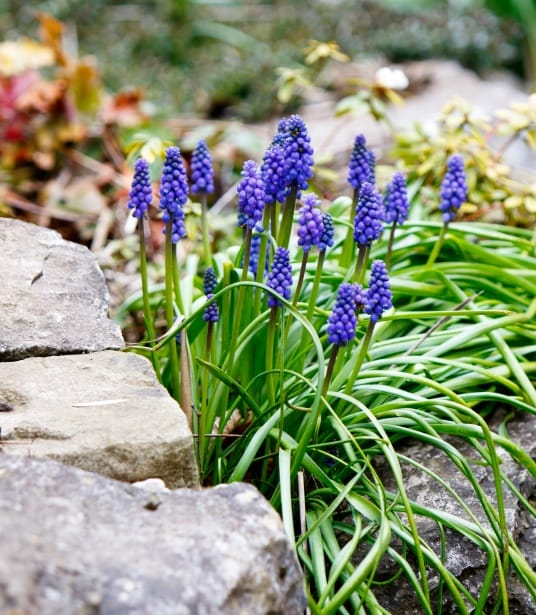
- Flower:A thick, upright flower stalk carries a dense raceme (spike) of many tightly packed, waxy florets. Flowers are typically bell- to star-shaped and intensely sweet-scented. Colors commonly include blue, purple, pink, white, and red, and may also be cream/yellow, apricot, and bicolors; single and double forms exist. Keep water off the blooms—mist can cause spotting, discoloration, or rot.
- Flowering Season:Late winter to spring (often February–April; outdoors commonly March–April, later in colder climates).
- Growth Habit:Compact, upright, bulbous perennial (tunicate bulb). Usually one main flower spike per bulb (sometimes more). Offsets form slowly, often only 1–2 bulblets per year.
🌤️ Environment
Sunlight
Full sun to partial shade outdoors (about 4–8 hours daily; more sun = sturdier stems and fuller spikes). Indoors, give very bright light; behind glass, protect from harsh hot midday sun in warm weather.
Temperature
Cool conditions suit it best. For rooting/chilling (forcing): about 2–9°C (35–48°F) for roughly 12–14 weeks is commonly needed for strong flowering. Early growth/sprouting: 5–10°C (41–50°F). Leaf growth: 10–12°C (50–54°F). Bud and flowering: 15–18°C (59–64°F); overall active-growth comfort roughly 5–18°C (41–64°F). Summer dormancy/storage is typically kept dry around 20–28°C (68–82°F), with ~25°C (77°F) often cited as favorable for flower-bud formation.
Humidity
Average indoor humidity is fine, with good airflow. During growth, aim for evenly moist conditions without stale, damp air. If air is dry, mist leaves only (not flowers). In water culture, keep the water line about 1–2 cm (0.4–0.8 in) below the bulb base so roots get oxygen.
Soil
Fertile, loose, and free-draining. A sandy/gritty mix works well; for containers, a practical blend is 2 parts potting mix to 1 part grit/pumice (2:1). Avoid heavy or waterlogged soil—bulb rot is the fastest way to lose them.
Placement
Outdoors: beds, borders, patio pots, balcony—ideally where winter chilling occurs naturally. Indoors: bright windowsill, desk, or tabletop with airflow; keep cooler for longer-lasting flowers. Water forcing: hyacinth vase or any stable glass that holds the bulb above the waterline.
Hardiness
USDA Zones 4–8 (some cultivars can manage into Zone 9 with reliably cool winters). Not tolerant of waterlogged winter soils. Outdoor bulbs tolerate winter cold when drainage is good; indoor forced plants should be kept frost-free.
🪴 Care Guide
Difficulty
Easy overall—especially outdoors or with pre-chilled bulbs. Indoors forcing is still beginner-friendly, but success hinges on cool temperatures, bright light, and careful watering (no soggy mix, and keep water off the blooms).
Buying Guide
For bulbs, choose ones that are firm, heavy, and clean with intact skins—no soft spots, mold, or insect damage. Bigger bulbs make better show: about 16 cm (6.3 in) circumference or larger is a solid target, and ~18 cm (7.1 in) circumference often gives the strongest spikes for forcing. For potted plants, look for glossy green leaves, sturdy upright stems, and a spike with many buds showing color (but not all fully open); avoid plants with damage or signs of pests/disease. For indoor winter bloom, pre-cooled/prepared bulbs are the easiest route.
Watering
In soil (pots or garden): water in well after planting, then keep just lightly moist through cold weather—never soggy. During active growth and bloom, water when the top 2–3 cm (1 in) of mix dries; water at the soil level and avoid splashing the flower spike (petals can spot/rot). After flowering, gradually reduce watering; during summer dormancy keep much drier to prevent bulb rot.
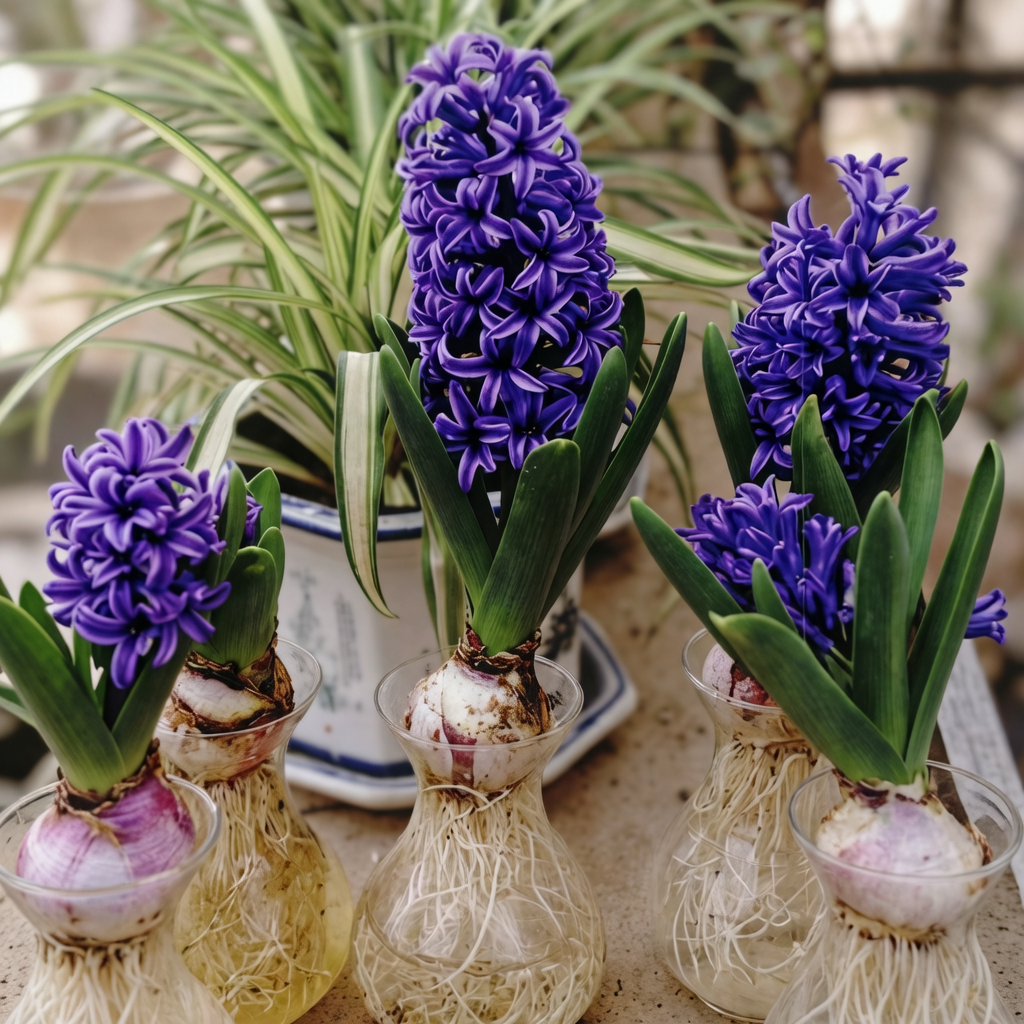
Water forcing: keep the bulb base above the water line, with water about 1–2 cm (0.4–0.8 in) below it so only roots sit in water. Change water every 2–3 days early on, then about weekly once roots are established; a small piece of charcoal can help keep water fresh.
Fertilization
In-ground or potted (for saving bulbs): incorporate bulb food or a balanced fertilizer (e.g., 10-10-10) or bone meal at planting, then feed in spring as growth starts. After flowering, feeding while the leaves are still green helps the bulb “recharge”—a balanced liquid feed or seaweed fertilizer every 2 weeks is commonly used until foliage yellows.
For indoor/water culture: feed very lightly only if needed—once 3–4 leaves appear, a very dilute potassium-leaning feed can be used sparingly; stop once buds form to avoid fouling the water.
Pruning
After flowering, remove (deadhead) the spent flower spike to prevent seed set, but keep the leaves until they naturally yellow and wither—those leaves are recharging the bulb for next year. Once foliage is fully brown and dry, remove it.
Propagation
Mainly by offsets (bulblets) around the parent bulb. Division is slow—often only 1–2 offsets per year—and bulblets usually need about 2–4 years to reach flowering size. Seed is mainly for breeding; seedlings commonly take about 4–5 years to flower.
For water forcing setups, roots are typically started cool and dark (around 8–10°C / 46–50°F) and then moved to bright conditions once roots develop well.
Repotting
Repot/replant in early autumn. For a single large bulb, a pot around 12–15 cm (4.7–5.9 in) wide works well; plant the bulb with the pointed end up, often with the tip just at or slightly above the soil surface in containers (follow local practice and supplier advice). Use a gritty, free-draining bulb mix and a pot with drainage holes. After forcing in water, you can plant the bulb into soil to recover, though rebloom the next year may be weaker without a full recharge period.
📅 Seasonal Care Calendar
Autumn: plant bulbs (often October–November) and water in once; begin natural chilling outdoors or provide a chilling period for forcing. Winter: keep cool; soil only slightly moist; roots develop. Late winter–spring: shoots emerge and flowering begins (often February–April); keep bright and cool for longer-lasting blooms. Post-bloom: remove spent spike; keep leaves growing, water moderately, and feed if saving the bulb. Late spring–early summer (around May–June): foliage dies back; reduce watering. Summer: dry dormancy; store lifted bulbs dry and ventilated around 20–28°C (68–82°F), with ~25°C (77°F) often cited as ideal for flower-bud formation.
🔬 Pests, Diseases & Safety
Common Pests & Diseases
Most issues trace back to damp, poorly ventilated conditions. Common problems include bulb rot (from waterlogging), gray mold (Botrytis), Penicillium storage rots, Rhizoctonia, sclerotinia/soft rots, and virus-like color breaking or streaking. Pests can include aphids, spider mites, bulb mites, and (outdoors) rodents that may eat bulbs.
Prevention: start with clean, firm bulbs; use a free-draining mix; water carefully (especially in cool weather); provide airflow; remove and discard soft/diseased bulbs and infected plants promptly; keep stored bulbs dry and ventilated. In regions where it’s appropriate and legal, follow labeled guidance for fungicide/insect control rather than routine spraying.
Toxicity
Toxic/irritant. All parts can cause problems if eaten, with the bulb most concerning. Ingestion may cause gastrointestinal upset (nausea, vomiting, diarrhea) in people and pets (cats/dogs; also risky for grazing animals). The sap and bulb scales can trigger skin irritation or dermatitis (“hyacinth itch”), so gloves are a good idea if you’re handling many bulbs or have sensitive skin. The fragrance itself is not considered toxic, but it can be very strong in small rooms.
🎋 Culture & Symbolism
Symbolism:Hyacinths are closely tied to spring renewal, devotion, and sincerity—with a playful streak in the traditional “language of flowers.” Color meanings vary by tradition, but commonly: blue for constancy and sincerity, white for purity or silent love, pink for playfulness/romance, red for passionate love, yellow for joy, and purple for sorrow or jealousy.
History & Legends:Its name is linked to Greek mythology: the youth Hyacinthus, beloved by Apollo, died tragically during a discus game; legend says a flower sprang from his blood as a memorial. Historically, hyacinths spread from the eastern Mediterranean into European gardens and became a major ornamental crop through Dutch breeding—especially around Haarlem—where thousands of cultivars were developed and indoor “forcing” (including in collectible hyacinth glasses) became a beloved tradition.
Uses:Mostly ornamental—grown in garden borders and spring displays, in patio pots, and as fragrant indoor plants. It’s also popular as a cut flower. Water forcing in a glass vase is a classic educational and decorative way to watch roots and shoots develop while enjoying early-season color and scent.
❓ FAQ
What should I do with a hyacinth after it finishes flowering?
Snip off the spent flower spike, but keep the leaves in bright light and water moderately until the foliage naturally yellows. If you want to save the bulb, feed lightly while leaves are green. Once leaves die back, keep the bulb dry for summer and replant in autumn (or plant it into the garden).
Do hyacinths need cold to bloom?
Yes. They typically need a chilling period of about 12–14 weeks around 4–7°C (40–45°F) to form and push good flower spikes. Outdoors this often happens naturally; indoors, use pre-chilled bulbs or chill them before forcing.
Why are my hyacinth flowers getting brown spots or turning mushy?
Most often it’s water sitting on the blooms or damp, stagnant air. Water the soil (not the flower spike), avoid misting the flowers, and improve airflow. Keeping the plant a bit cooler also helps blooms last longer.
Why are my bulbs rotting?
Almost always from excess moisture and poor drainage, especially in cool weather. Use a gritty, free-draining mix and a pot with drainage holes, and keep winter watering minimal—just slightly moist, never wet.
Can I grow hyacinths in water?
Yes—use a hyacinth vase or a stable glass that holds the bulb above the water. Keep the water line about 1–2 cm (0.4–0.8 in) below the bulb base so only roots are in water, and change the water regularly.
💡 Fun Facts
- Hyacinths were among the first bulbs widely used for indoor forcing—Victorian hyacinth glasses are collectible today.
- Cool temperatures help hyacinth flowers last longer indoors, even though the scent stays wonderfully strong.
- If you’ve ever gotten “bulb itch,” you’re not alone—hyacinth bulbs can irritate skin, which is why commercial bulb handlers often wear gloves.
- The Netherlands became a world center for hyacinth breeding and bulb production, with famous sandy, free-draining soils ideal for bulb crops.