
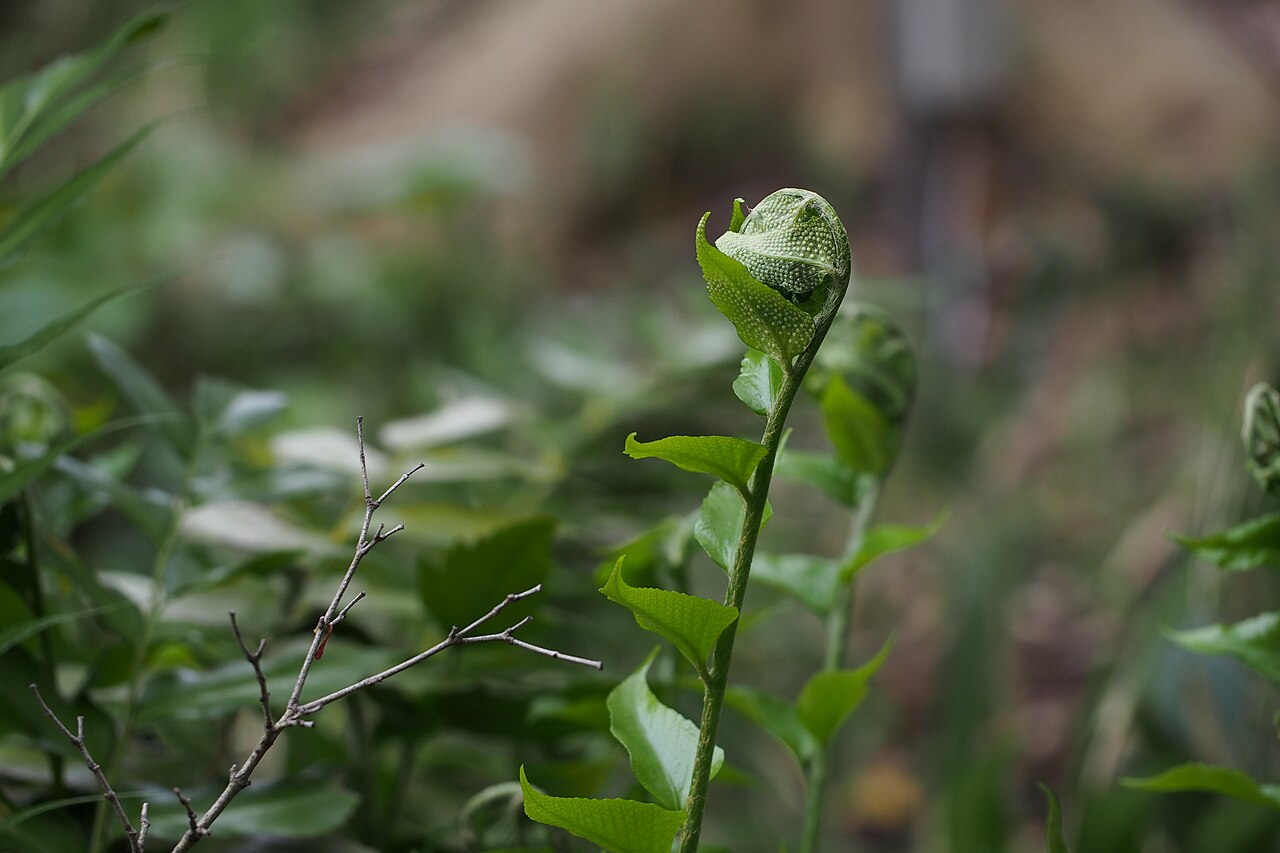
🌱 Plant Features
- Size:Typically 30–40 cm (12–16 in) tall; clumps can spread to about 30–45 cm (12–18 in) wide in containers over time.
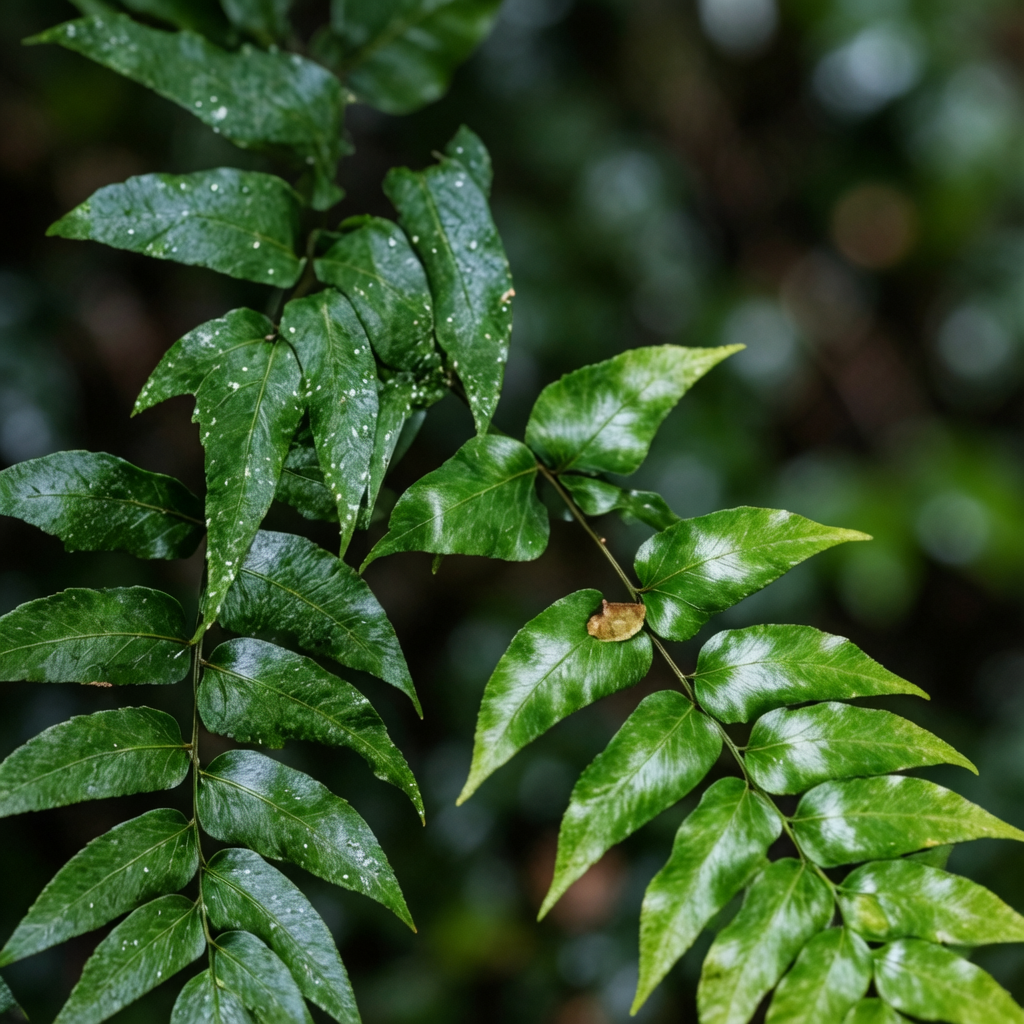
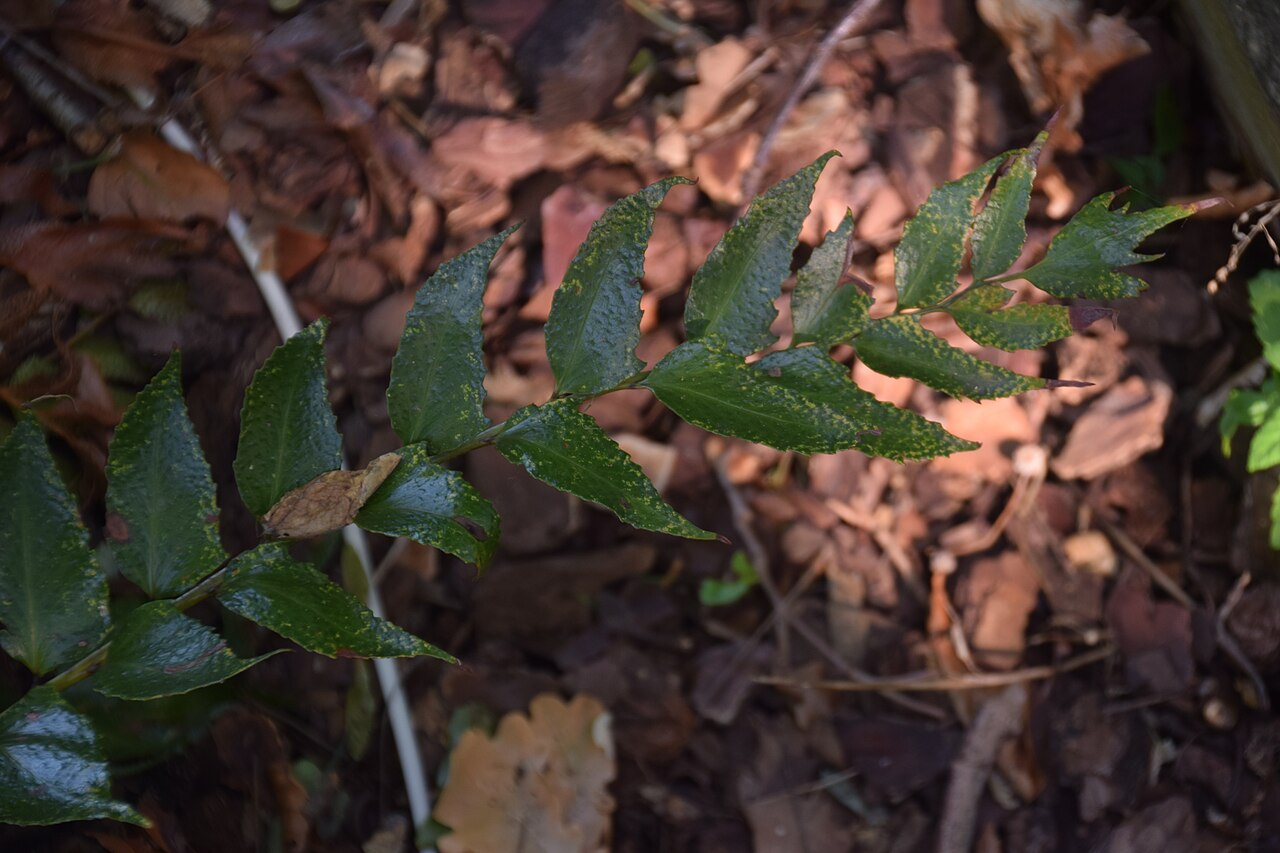
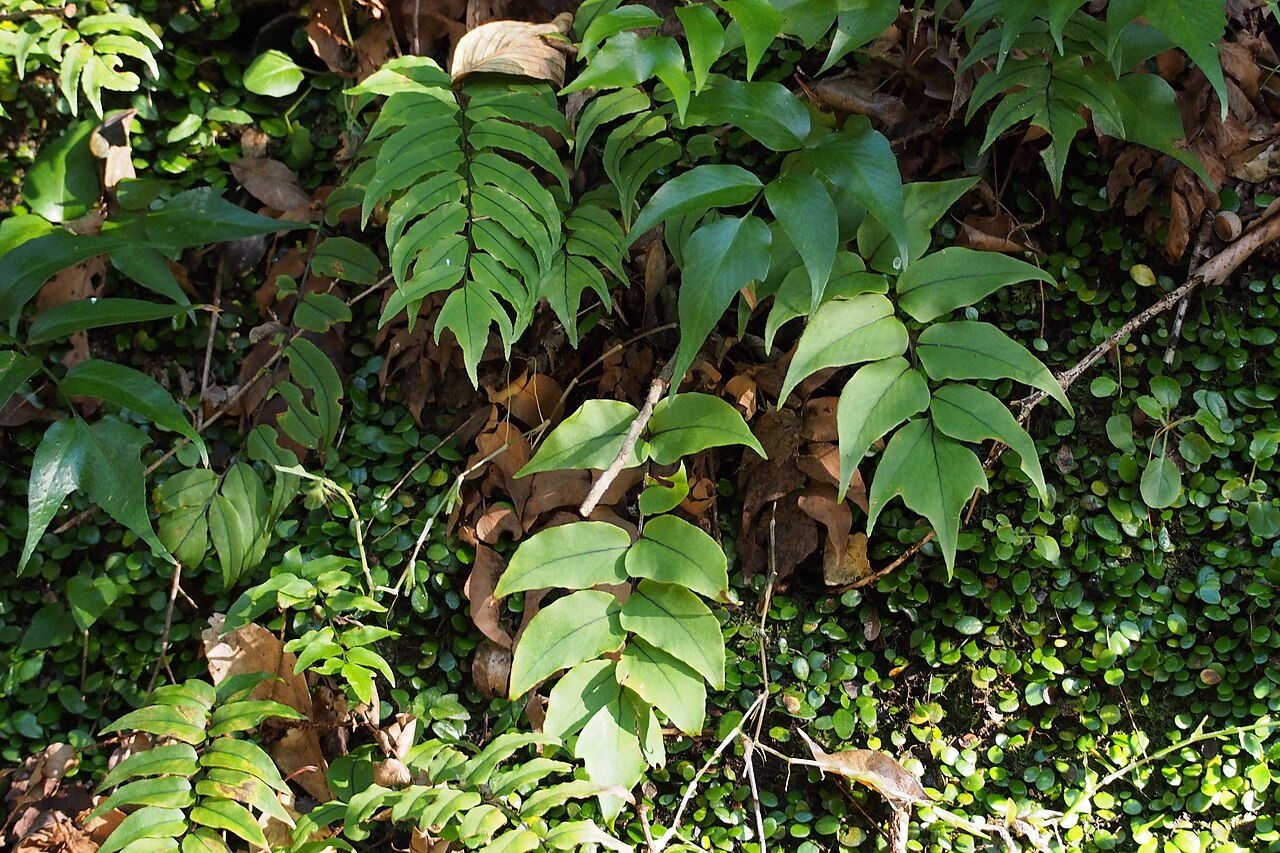
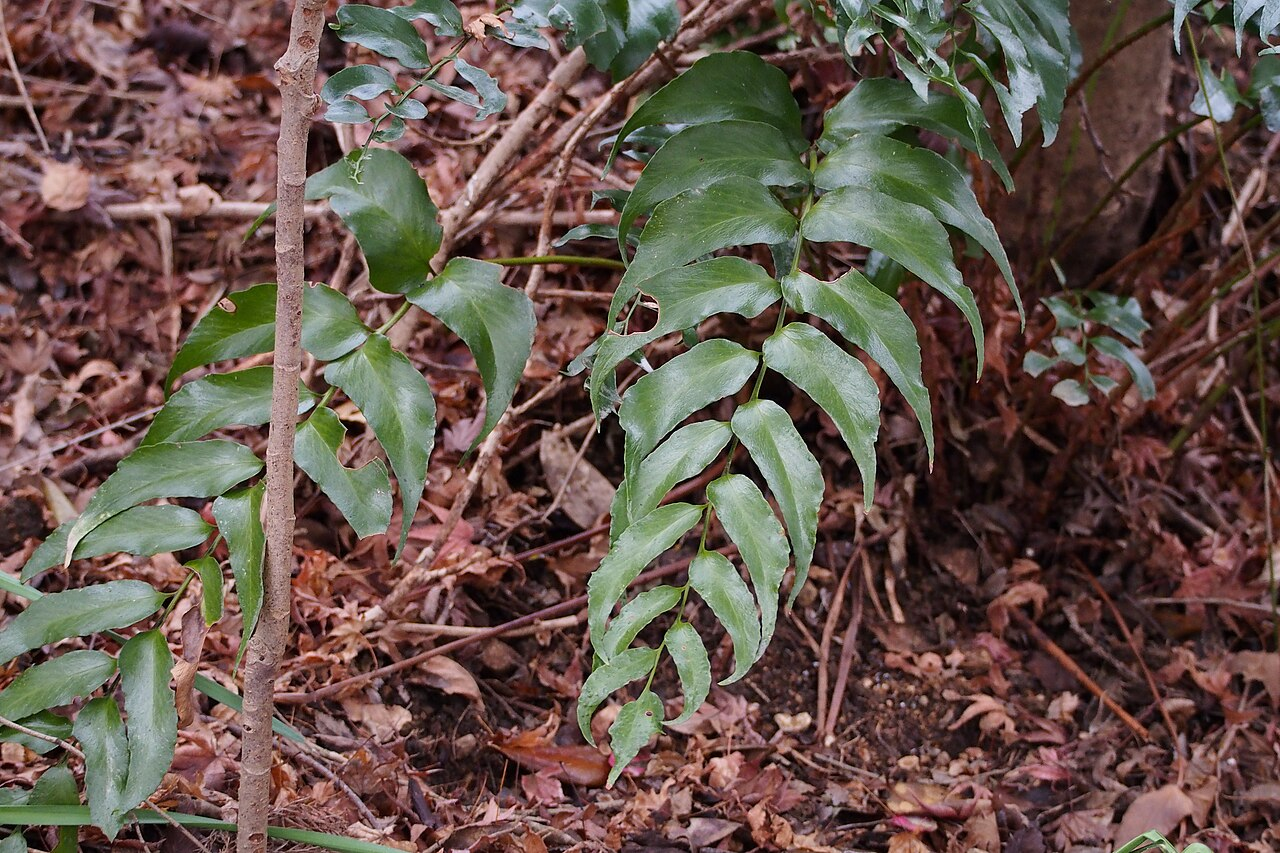
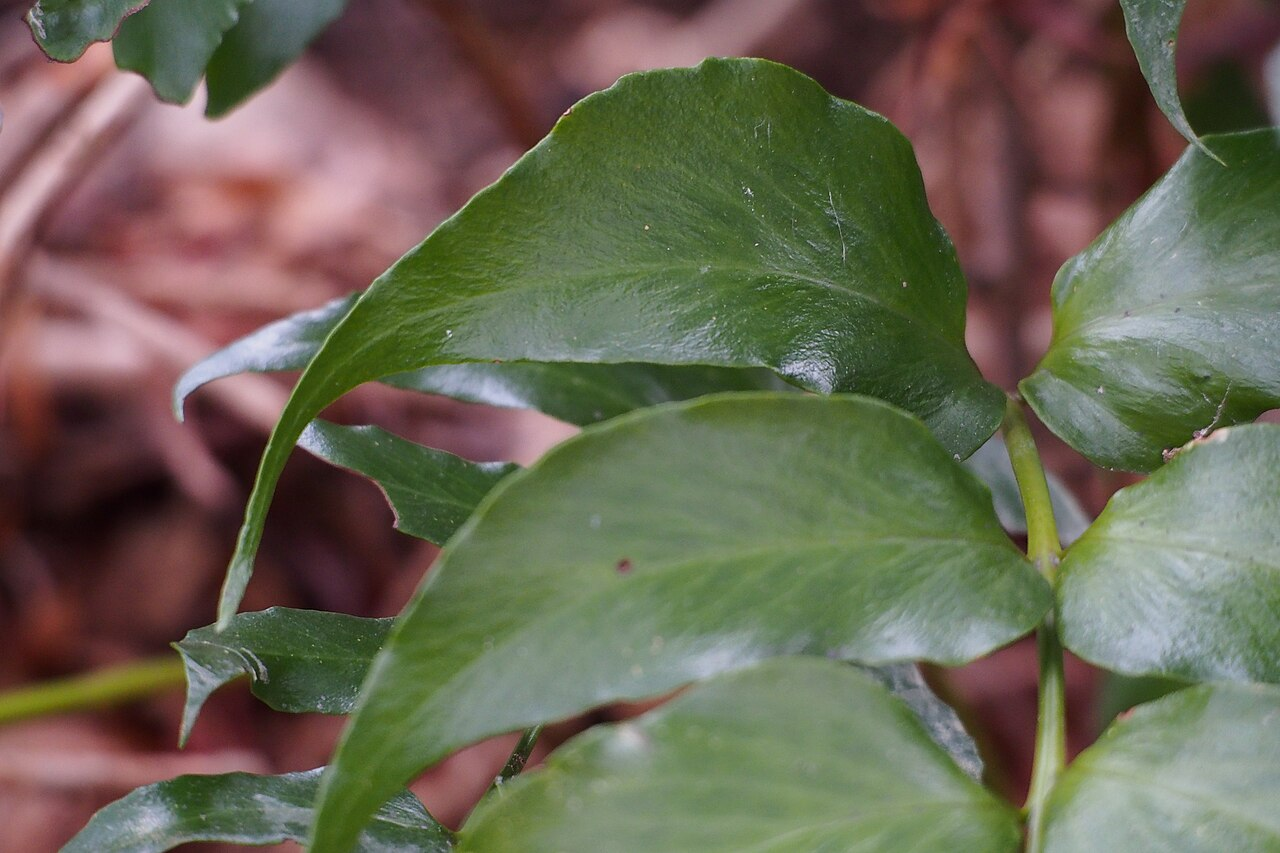
- Foliage:Evergreen, leathery, glossy deep-green fronds arise in a tidy clump from an upright rhizome. Fronds are lance-shaped with about 5–14 pairs of side pinnae; edges may show small teeth. The rhizome and lower stalks often carry brown, lance-shaped scales, a handy ID feature.
- Flower:No flowers (fern). Round sori (spore clusters) form across the underside of the pinnae; each sorus is covered by a round, shield-like indusium with slightly toothed edges.
- Flowering Season:Not applicable (fern; reproduces by spores).
- Growth Habit:Evergreen, clump-forming fern with an upright rhizome and tufted, arching fronds.
🌤️ Environment
Sunlight
Bright, indirect light to partial shade; shade-tolerant and able to handle short periods of lower light (best growth still comes with brighter shade).
Temperature
Prefers 10–18°C (50–64°F); generally happy at typical indoor temperatures around 15–24°C (59–75°F). Protect from hard frost and cold drafts.
Humidity
Average indoor humidity is usually fine; steadier, lusher growth with moderate humidity around 40–60%. Avoid very dry air for long stretches.
Soil
Loose, well-drained mix that holds a little moisture without staying soggy (for example, peat/coco-based mix with bark plus perlite/pumice). Good drainage and aeration matter—this species naturally tucks into rocky crevices.
Placement
Indoors near an east- or north-facing window, or set back from a bright window; outdoors in sheltered shade/part shade (courtyards, patios, shaded balconies).
Hardiness
USDA Zone 7–10; evergreen in mild winters but may be damaged by prolonged freezing.
🪴 Care Guide
Difficulty
Easy to moderate—more forgiving than many ferns, especially with lower light. It’s happiest with evenly moist soil, excellent drainage, and no extremes (bone-dry or constantly waterlogged).
Buying Guide
Pick plants with firm, glossy fronds and minimal browning or crispy tips. Check the crown for softness/rot, and inspect the underside of fronds for scale insects. Avoid pots that are waterlogged or smell sour.
Watering
Water when the top 2–3 cm (about 1 in) of mix feels slightly dry, then water thoroughly and let excess drain. Aim for evenly moist, not soggy. Reduce watering in winter as growth slows.
Fertilization
In spring and summer, feed lightly with a balanced liquid fertilizer at 1/4–1/2 strength every 4–6 weeks. Stop or pause feeding in fall and winter.
Pruning
Snip yellowed, browned, or damaged fronds off at the base to keep the clump tidy. Avoid cutting healthy fronds unless you’re lightly shaping the plant.
Propagation
Best by division in spring: separate a clump so each piece has roots and several fronds. Spore propagation is possible, but slow and more technical.
Repotting
Repot every 1–2 years, or when crowded. Step up one pot size (about 2–5 cm / 1–2 in wider), refresh the mix, and keep drainage strong.
📅 Seasonal Care Calendar
Spring: repot/divide, resume feeding, increase watering. Summer: keep evenly moist, shield from hot direct sun. Autumn: taper feeding and watering. Winter: keep a bit drier, avoid cold drafts and waterlogging.
🔬 Pests, Diseases & Safety
Common Pests & Diseases
Can attract scale, mealybugs, and spider mites (especially with dry air). Root/crown rot is the big risk in poorly drained, constantly wet soil. Improve airflow, avoid overwatering, and treat pests with insecticidal soap or horticultural oil if needed.
Toxicity
Generally considered non-toxic to people and pets, though chewing plant material can still cause mild stomach upset. Keep away from habitual nibblers.
🎋 Culture & Symbolism
Symbolism:Often linked with resilience and protection—fitting for a fern that keeps its glossy, sturdy fronds and handles shade and coastal conditions so well.
History & Legends:Long cultivated in East Asia and widely grown elsewhere as an ornamental, appreciated for its holly-like fronds, evergreen presence, and ability to cope with shade and tougher conditions than many ferns.
Uses:Primarily ornamental: a reliable foliage plant for indoor containers, shaded rooms, and sheltered outdoor spots. Also a great fit for shade gardens and rocky, well-drained plantings.
❓ FAQ
Where does holly fern naturally occur in China?
It occurs mainly in coastal regions, including Shandong, Jiangsu, Zhejiang, Fujian, Taiwan, and Guangdong.
What kind of habitat does it prefer?
It naturally grows on coastal rocks and in crevices near the sea, and also under open woodland on islands—often on rocks above the high-tide line.
What light is best for it indoors?
Bright, indirect light is ideal. It tolerates shade and can handle short low-light periods, but it looks best with brighter shade.
What temperature range suits it best?
It prefers cooler conditions around 10–18°C (50–64°F) but usually adapts well to typical indoor temperatures of 15–24°C (59–75°F).
What is it mainly used for?
It’s grown for its glossy evergreen fronds and tidy clumping form—excellent for pots, shaded interiors, and sheltered outdoor plantings.
💡 Fun Facts
- The upright rhizome with brown, lance-shaped scales is a surprisingly useful identification clue.
- Its leathery, glossy fronds help it cope with drier air and tougher conditions than many delicate ferns.
- Instead of flowers, it produces round sori under the fronds, each protected by a shield-like indusium.
- It’s often found on rocks above the high-tide line—proof of its talent for coastal, rocky living.