🌱 Plant Features
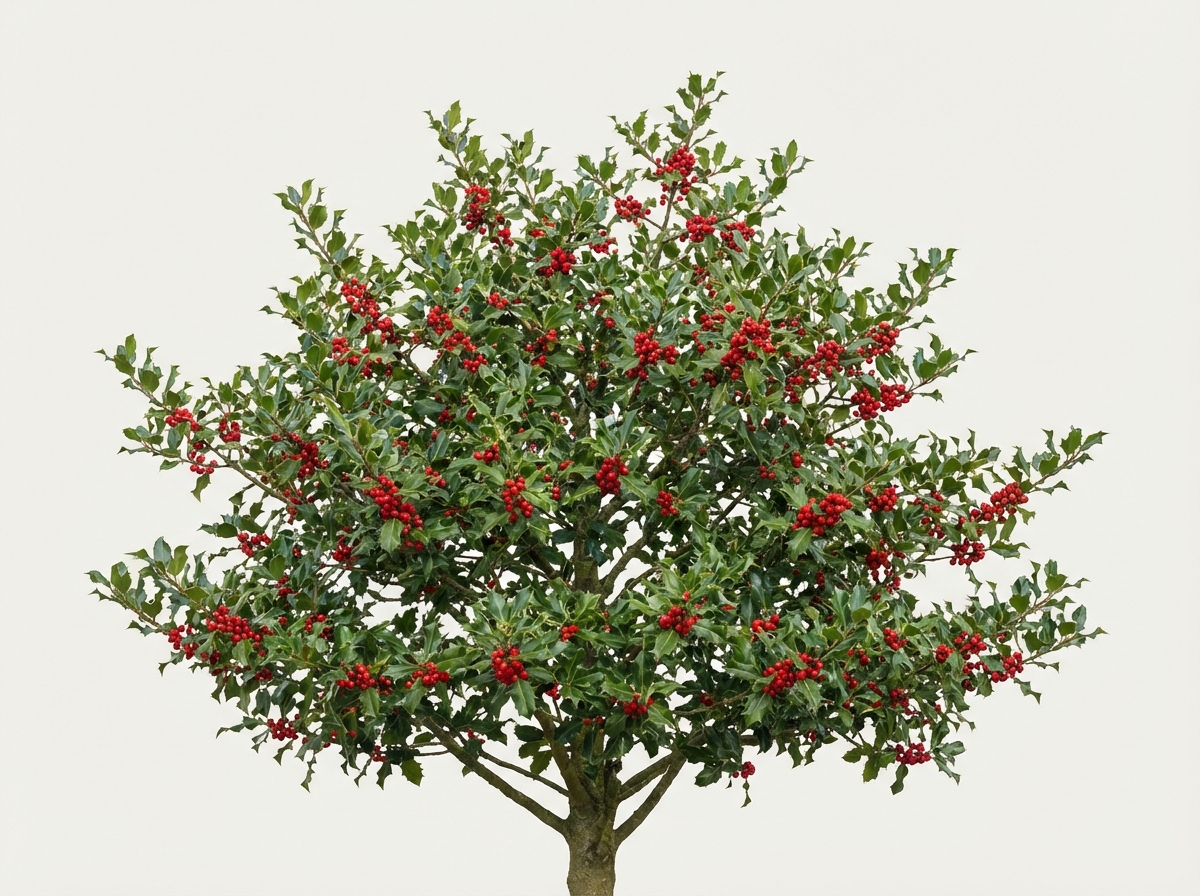
- Size:Highly variable by species and cultivar: roughly 0.6–15 m (2–50 ft) is common for garden plants, with dwarf forms around 0.6–0.9 m (2–3 ft). In ideal conditions, some holly species can become much larger trees (up to about 30 m / 100 ft).
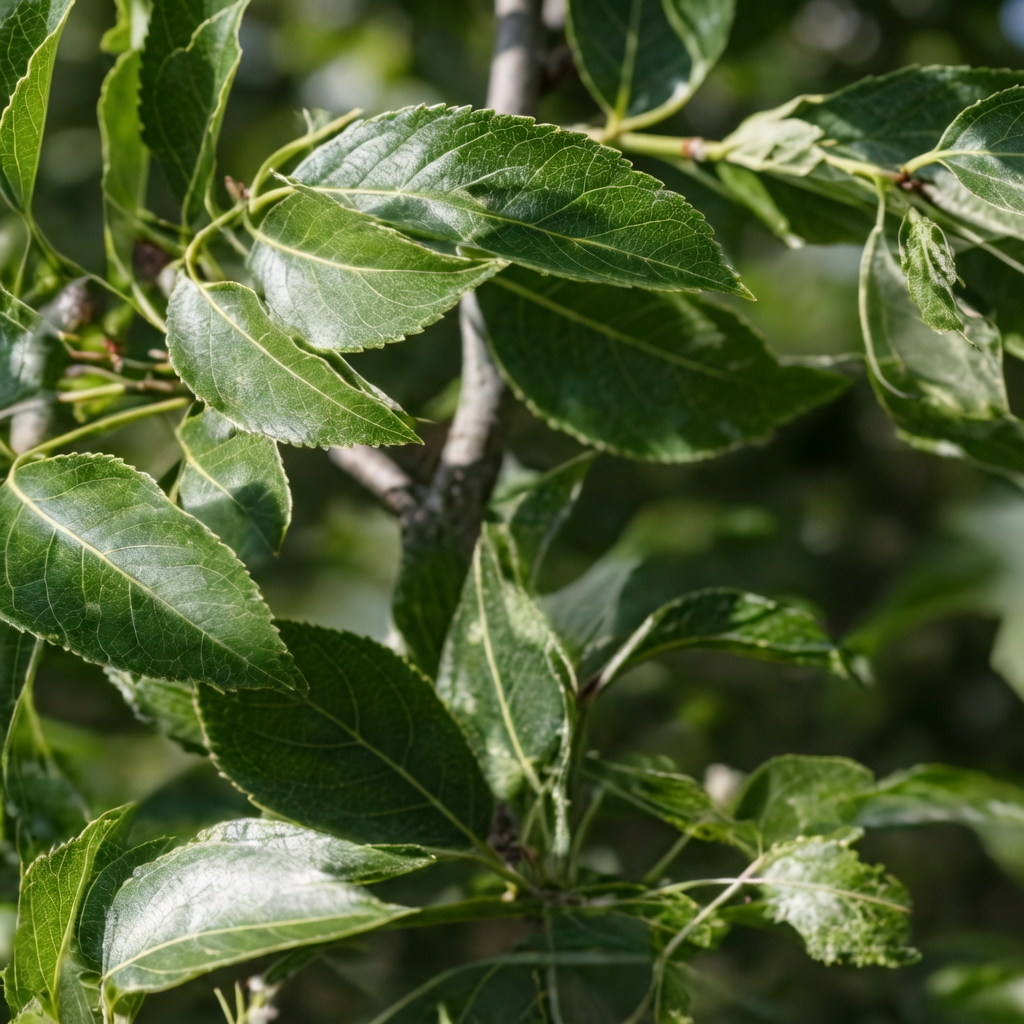
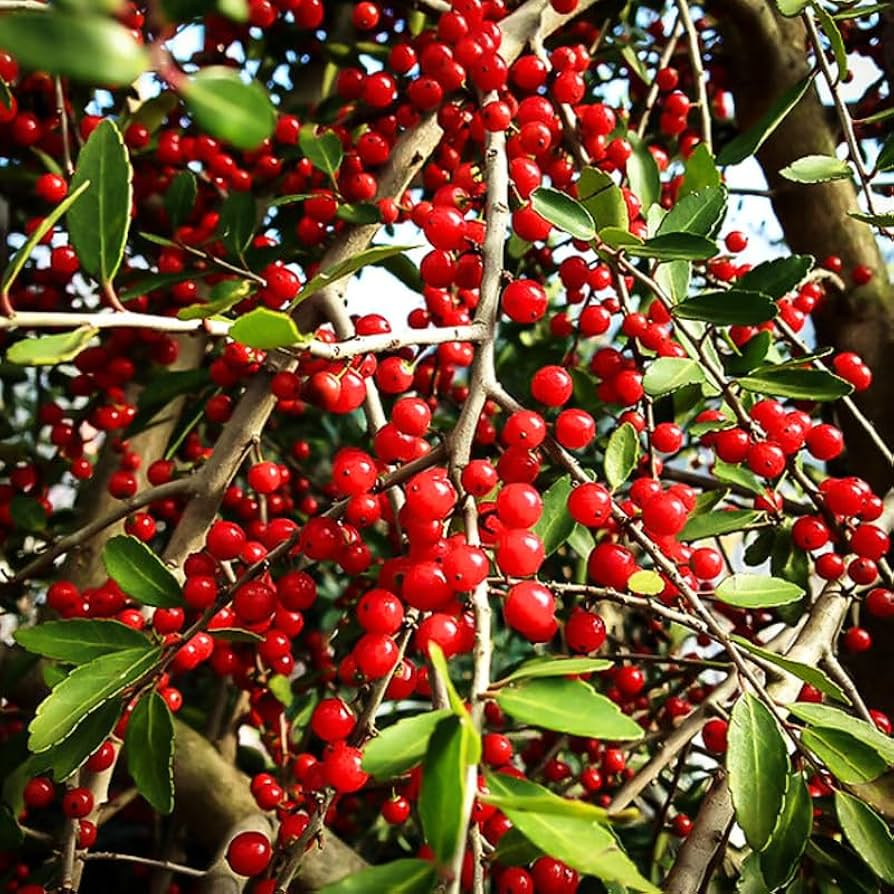
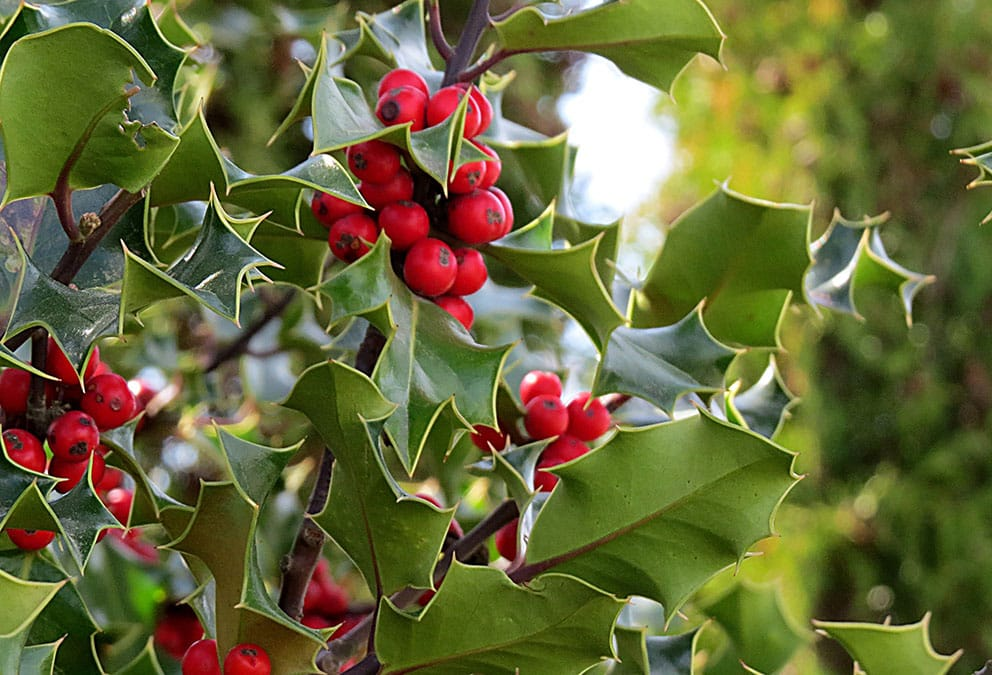
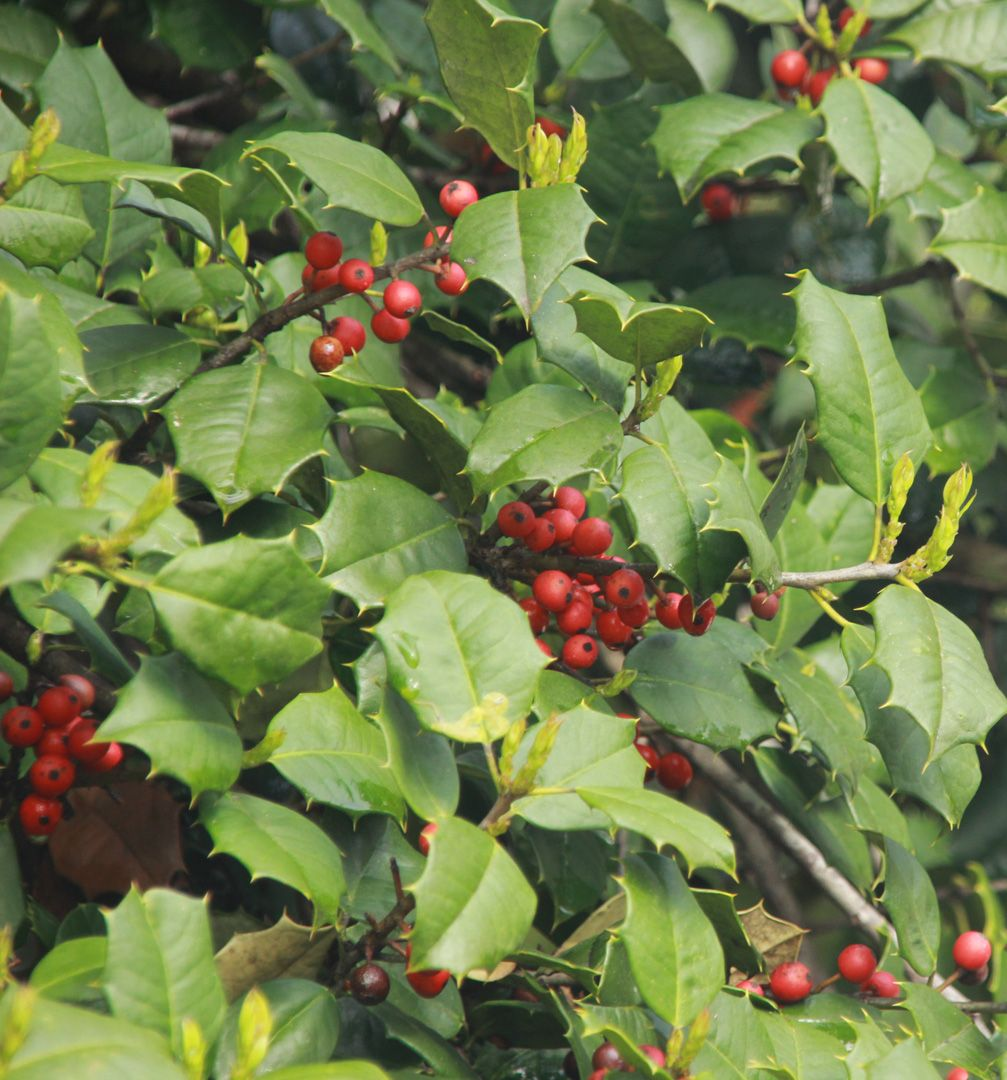
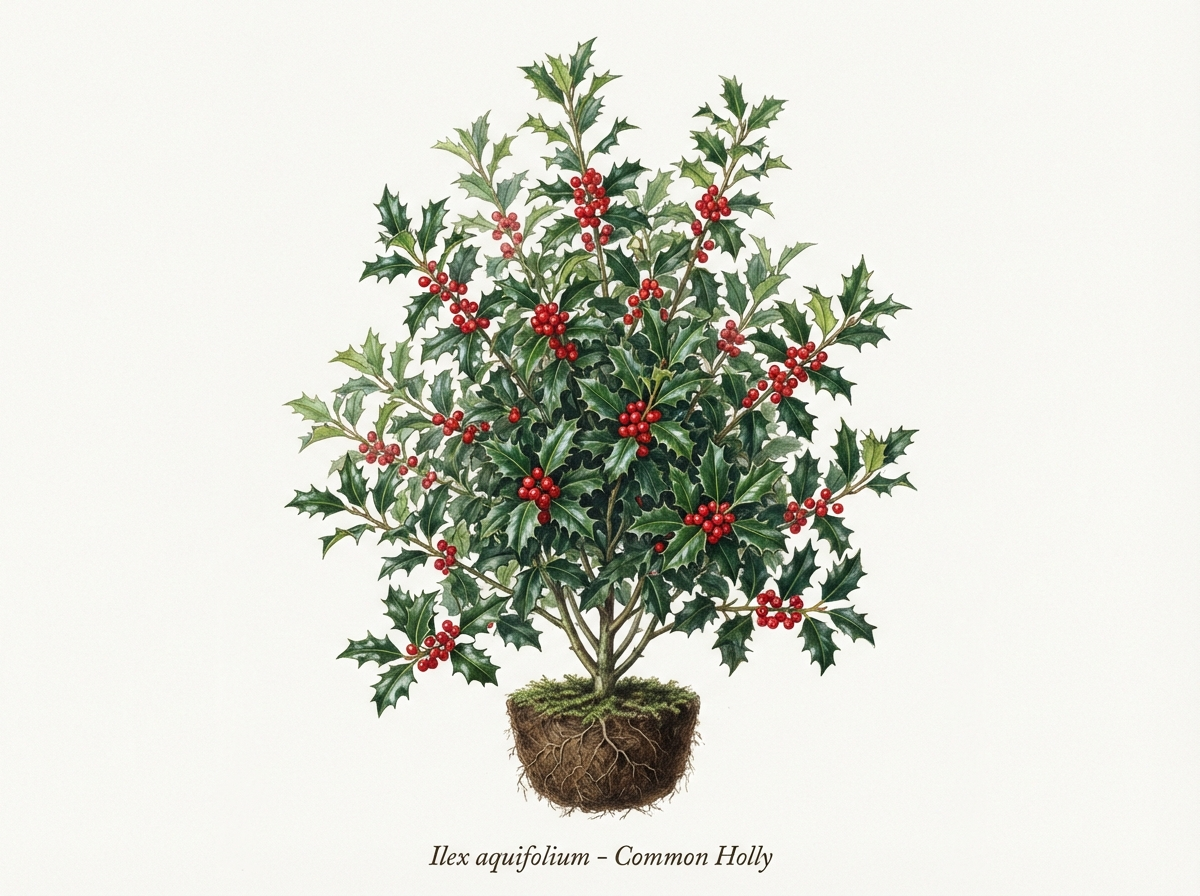
- Foliage:Leaves are typically dark green, glossy, and leathery with a waxy surface that helps reduce moisture loss. Many hollies have spiny or toothed margins—especially on lower branches where browsing animals can reach—while upper branches often carry smoother-edged leaves.
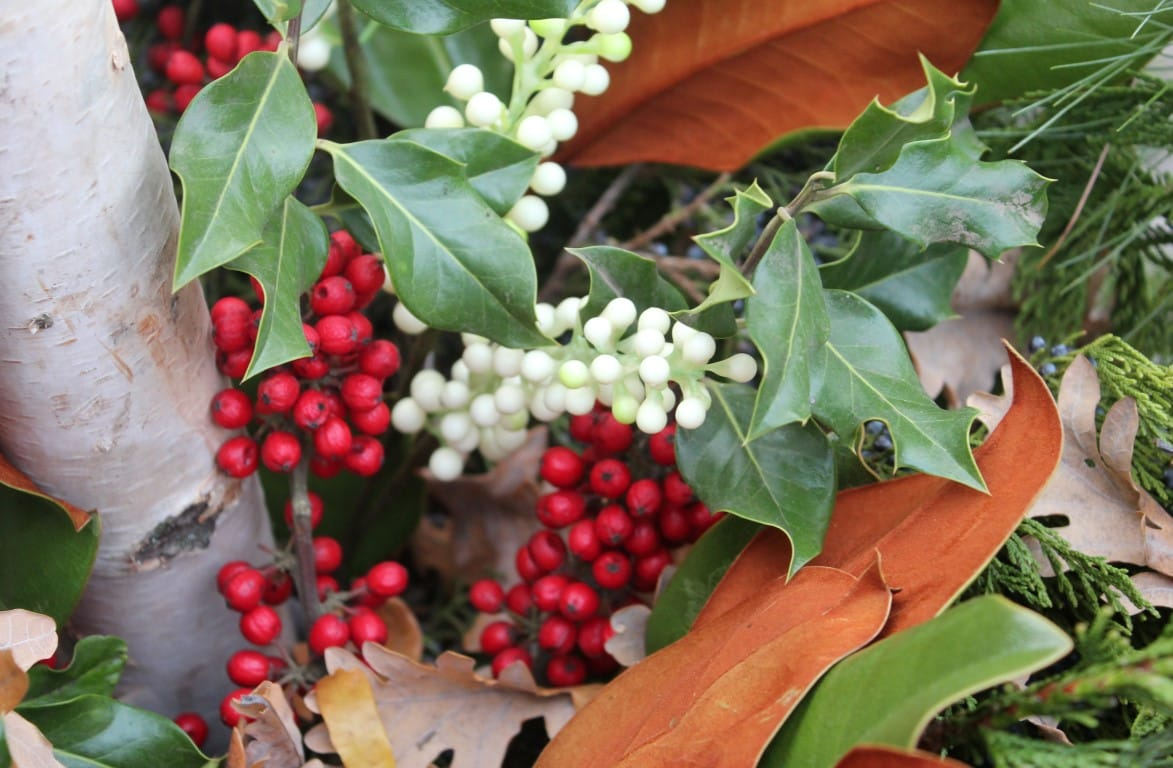
- Flower:Flowers are small and clustered, usually white (sometimes pinkish or reddish), and are not especially showy compared with the berries that follow. Many hollies are dioecious, with male and female flowers on separate plants.
- Flowering Season:Late spring to early summer (May–June)
- Growth Habit:Dense, upright shrubs or trees with forms ranging from conical and columnar to rounded, depending on the variety. They branch well and respond nicely to pruning, making them excellent candidates for hedges and shaping.
🌤️ Environment
Sunlight
Full sun to partial shade. Full sun generally encourages heavier berry set, while light shade is tolerated. In colder or windy sites, a sheltered position helps prevent winter burn.
Temperature
Depends on species and cultivar; many landscape hollies prefer mild to warm conditions, while hardy types can tolerate winter lows around -26°C (-15°F).
Humidity
Prefers moderate to higher humidity, but established plants adapt to a range of moisture conditions.
Soil
Rich, well-draining soil is ideal, slightly acidic to acidic (about pH 5.0–6.5). Tolerates various soil textures if drainage is good; dislikes waterlogged or poorly drained soils.
Placement
Great for foundation plantings, hedges, privacy screens, mixed borders, containers, or as a specimen plant. Works in both formal and informal garden styles.
Hardiness
Typically USDA Zones 3–9 depending on species (e.g., American holly often Zones 5–9; English holly often Zones 6–9; winterberry can be as cold-hardy as Zones 3–9).
🪴 Care Guide
Difficulty
Easy to moderate. In suitable light and well-drained soil, hollies are generally low-maintenance and long-lived.
Buying Guide
Choose plants with healthy, richly colored foliage and no obvious spotting, pests, or dieback. If you want berries, confirm whether your selection needs a pollinator—most hollies are dioecious, so you’ll typically need a male plant nearby for female plants to fruit (some modern cultivars are self-fertile).
Watering
Water consistently during the first year while roots establish (a common guideline is about 2.5 cm / 1 in of water per week, adjusting for rainfall). Once established, many hollies handle some drought, but they look best with steady, moderate moisture. Keep soil moist, not soggy.
Fertilization
Feed in early spring and again in fall with a slow-release fertilizer suited to acid-loving shrubs/trees. Avoid late-fall fertilizing that could push tender new growth before winter.
Pruning
Prune in late winter or early spring before new growth starts. Usually only light shaping and removal of damaged or crossing branches is needed. Some types (notably certain Japanese holly cultivars) tolerate heavier pruning for formal hedges/topiary. Avoid heavy pruning late in the season.
Propagation
Seed propagation is slow and unreliable. Semi-hardwood cuttings taken in fall to early winter (about 10–15 cm / 4–6 in) root more predictably. Use rooting hormone (often around 1–2% IBA), maintain high humidity, and expect rooting to take roughly 4–6+ weeks depending on conditions.
Repotting
For container plants, repot about every 2–3 years in spring with fresh mix, ensuring excellent drainage.
📅 Seasonal Care Calendar
Spring: plant, fertilize, and (for some types) take softwood cuttings. Summer: keep evenly moist and do light shaping if needed. Fall: fertilize (early fall), take hardwood/semi-hardwood cuttings, and plant container-grown specimens. Winter: enjoy berries/evergreen structure; protect from harsh, drying winds in colder zones.
🔬 Pests, Diseases & Safety
Common Pests & Diseases
Usually fairly resilient. Possible issues include leaf miners, scale, spider mites, holly leaf spot, and root problems like black root rot (Thielaviopsis basicola) in poorly drained soils. Good airflow, avoiding waterlogging, and prompt removal of heavily infected foliage help prevent recurring trouble. Often relatively deer-resistant due to spiny foliage.
Toxicity
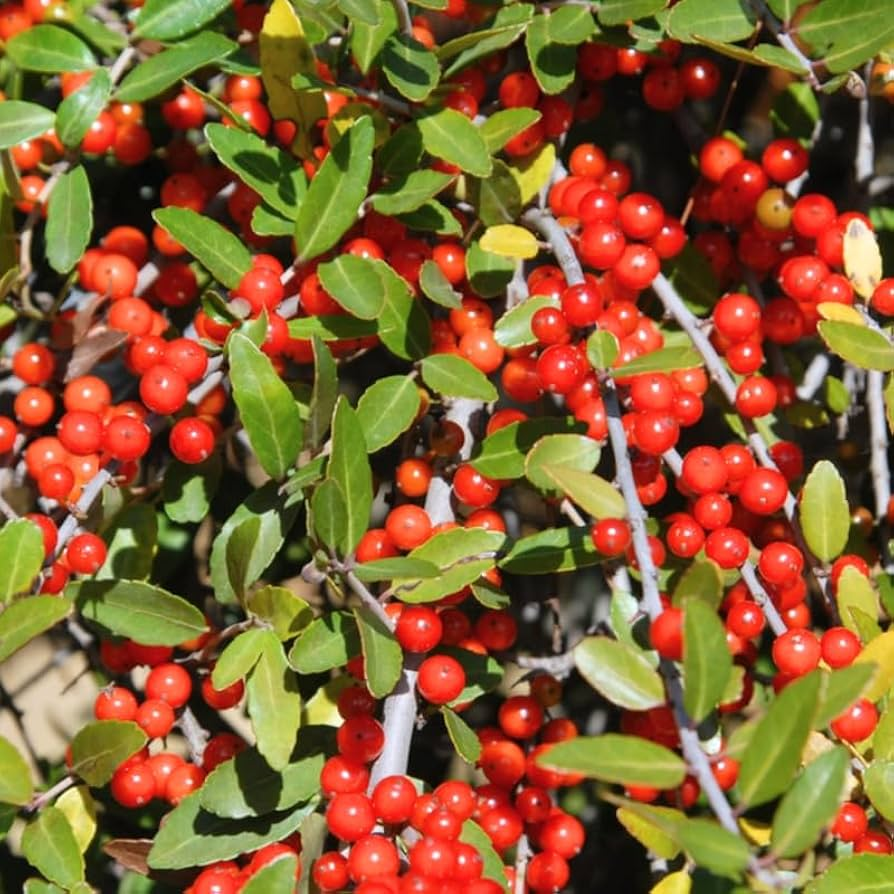
Berries contain saponins and are mildly to moderately toxic to people and pets if eaten, commonly causing nausea, vomiting, and diarrhea. Keep berries away from small children and curious pets. Birds, however, can safely eat the fruits and rely on them in winter.
🎋 Culture & Symbolism
Symbolism:A classic symbol of endurance, protection, and hope—green leaves and bright berries standing out in the darkest season. In Christian tradition, spiny leaves are linked to the crown of thorns and red berries to drops of blood; more broadly, holly is associated with defense and domestic happiness.
History & Legends:Holly has been cherished for centuries across cultures. Romans used it during Saturnalia, and Celtic/Druid traditions regarded it as a protective, winter-green plant guarding homes from ill fortune. Norse stories linked holly with Thor and protection from lightning. Later, early Christians adopted holly into winter celebrations, helping shape the modern tradition of decorating with holly at Christmas.
Uses:Ornamental landscaping (hedges, screens, foundations, specimen trees), strong winter interest (evergreen structure and colorful berries), wildlife support (food and shelter for birds), and holiday décor (wreaths/garlands). Historically, holly wood—dense and fine-grained—was used for small crafts and could be dyed black to imitate ebony. Folk medicinal use is recorded but isn’t recommended today due to toxicity risks.
❓ FAQ
Do I need two holly bushes to get berries?
Usually, yes. Most hollies are dioecious, so a female plant needs a nearby male for pollination to set berries. Plant within about 9–12 m (30–40 ft) for best pollination. Some newer cultivars are self-fertile.
Why doesn’t my holly have berries?
Common causes include: no male pollinator nearby, the plant is a male, the plant is still young (often 3–5 years before good fruiting), too much shade, or stress from drought/waterlogging.
Are holly berries poisonous?
Yes—people and pets can get stomach upset if berries are eaten. Birds can eat them safely and often depend on them in winter.
How fast do holly bushes grow?
Most grow slowly to moderately, often around 15–60 cm (6–24 in) per year depending on species, cultivar, and growing conditions.
💡 Fun Facts
- Some holly trees can live well over a century; a famously old specimen in Spain is reported to be more than 600 years old.
- Berries often soften after frosts, making them more appealing to birds later in winter.
- Holly is typically dioecious—separate male and female plants—so berry production is really a teamwork project.
- Lower branches often have spiny leaves, while higher leaves may be smoother because browsing animals can’t reach them.
- Holly wood is notably dense and has been dyed black historically to imitate ebony.
- In the Harry Potter series, Harry’s wand wood is holly, chosen for its traditional association with protection.