🌱 Plant Features
- Size:Typically 10–30 cm (4–12 in) tall; forms low, spreading clumps or patchy mats.
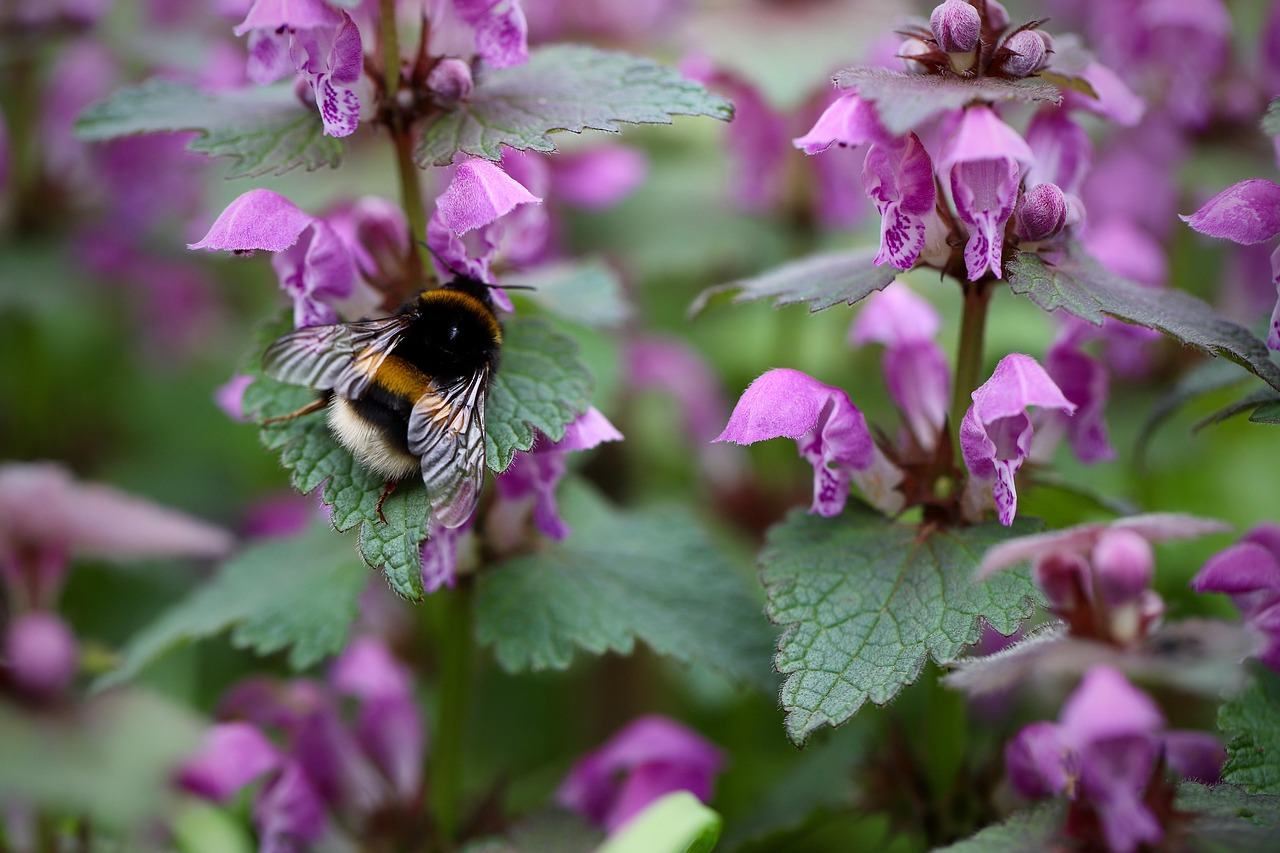
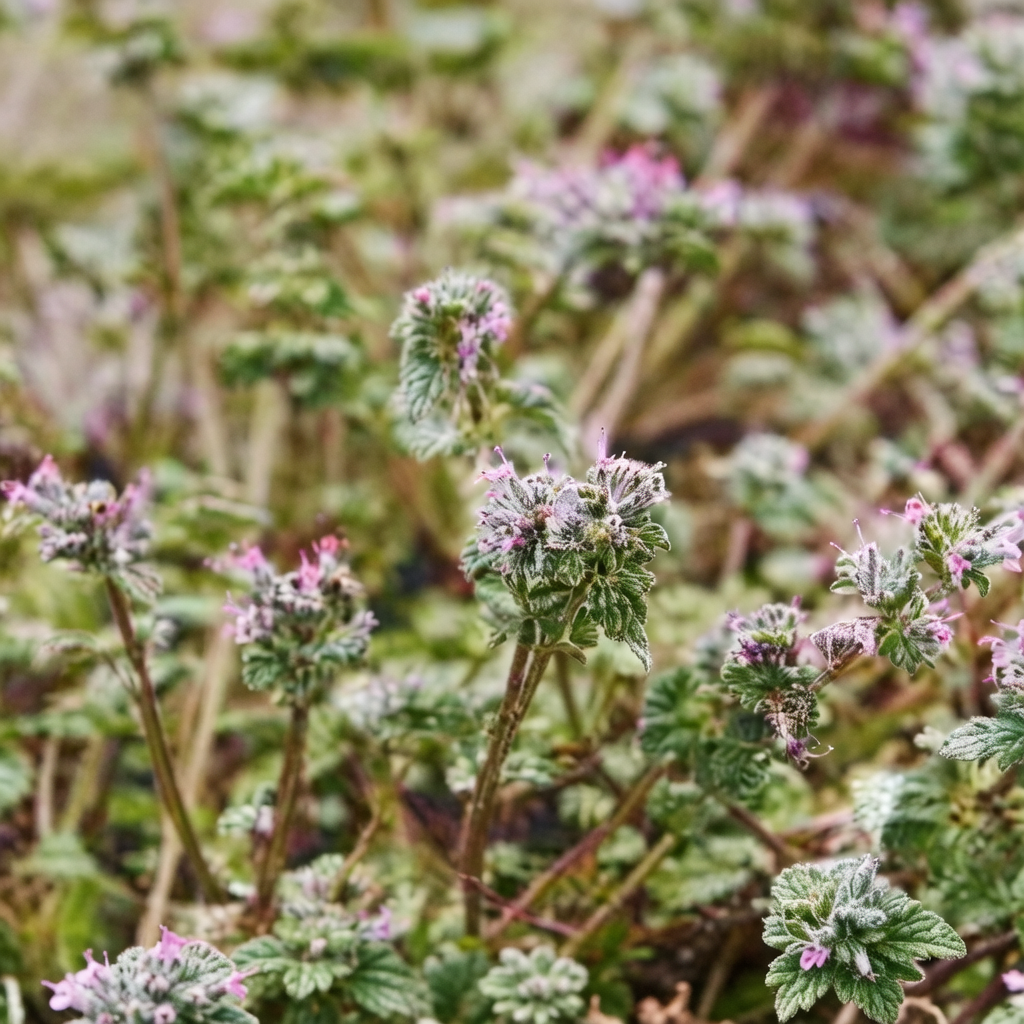
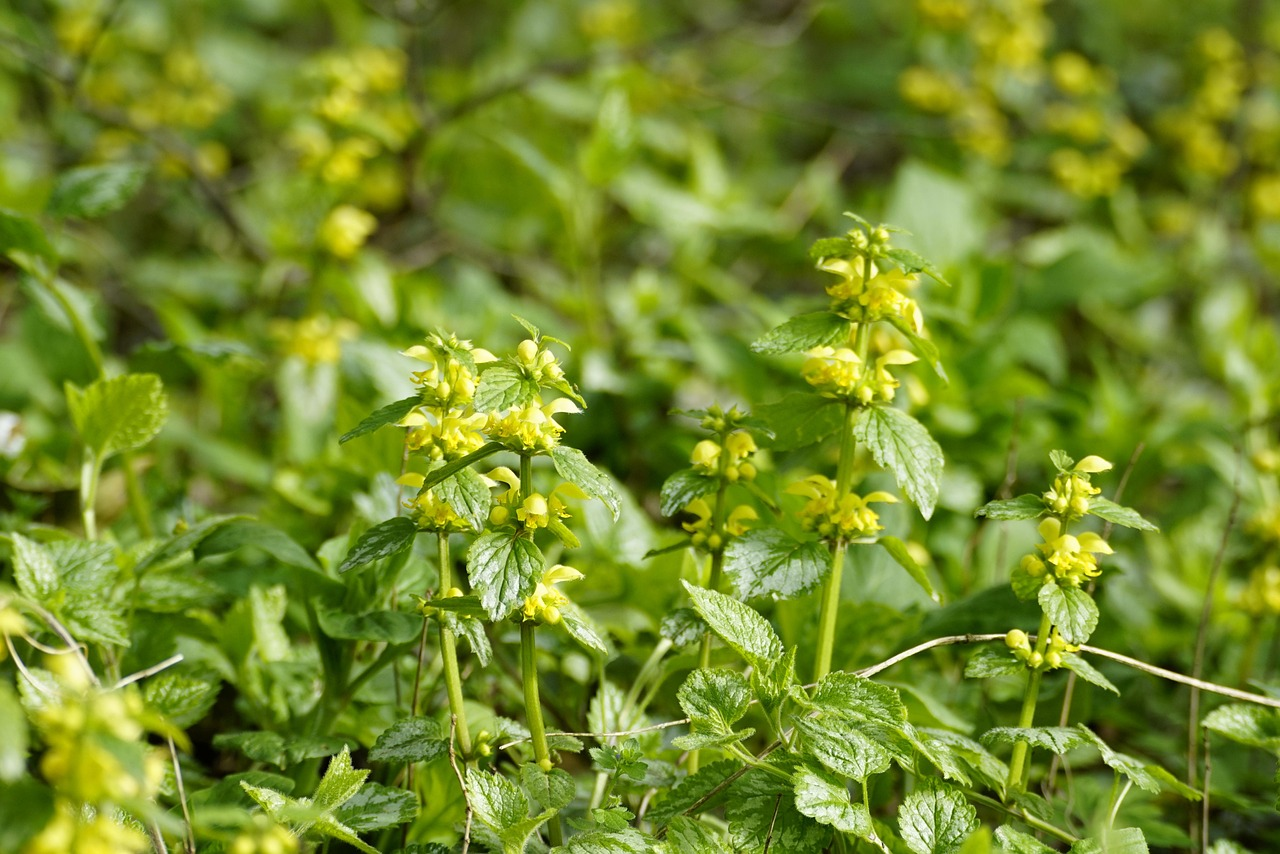
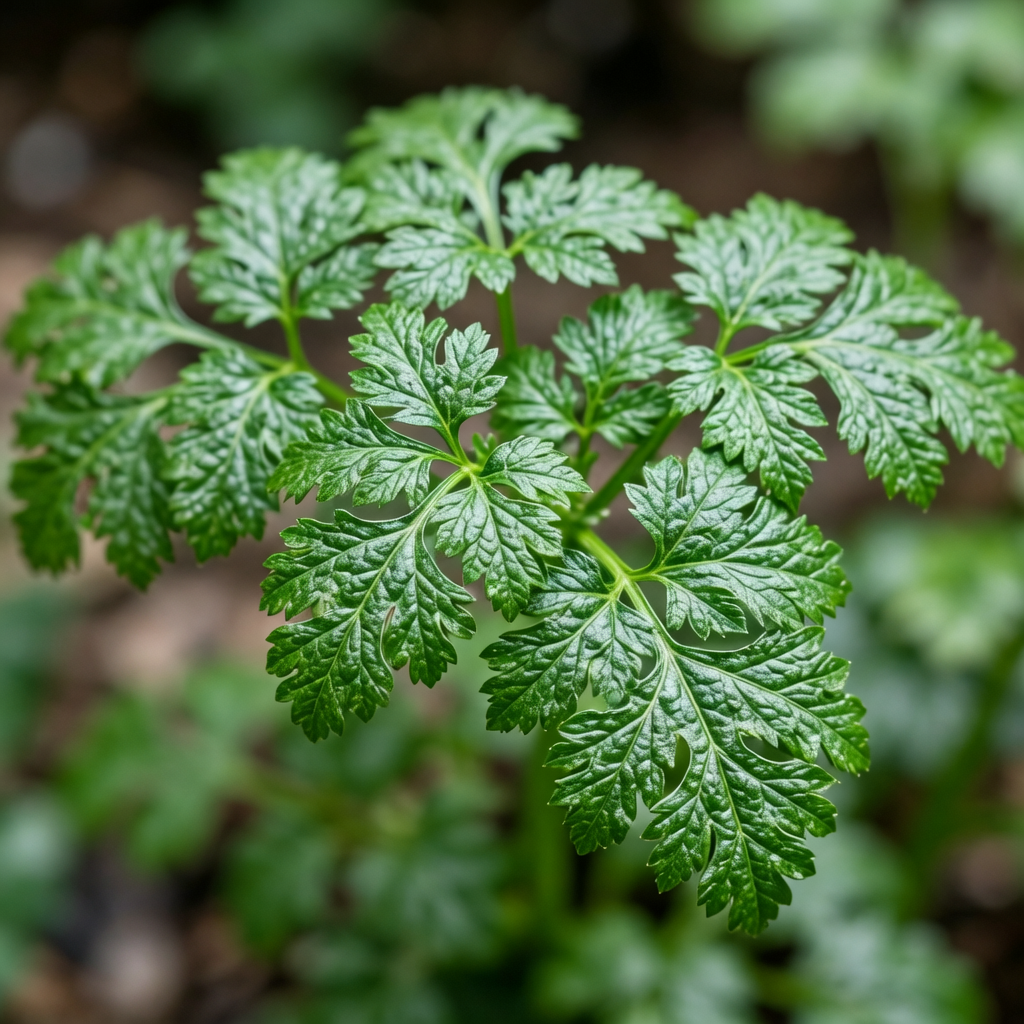
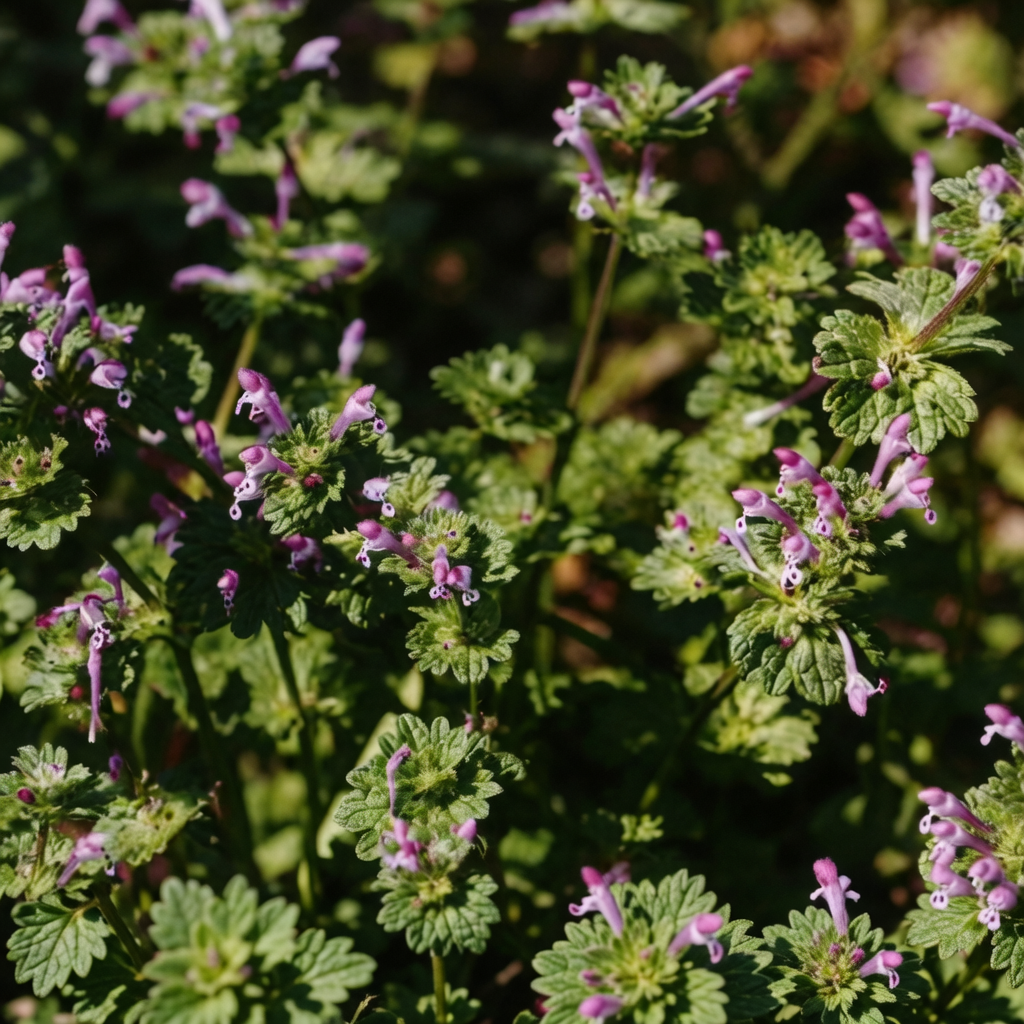
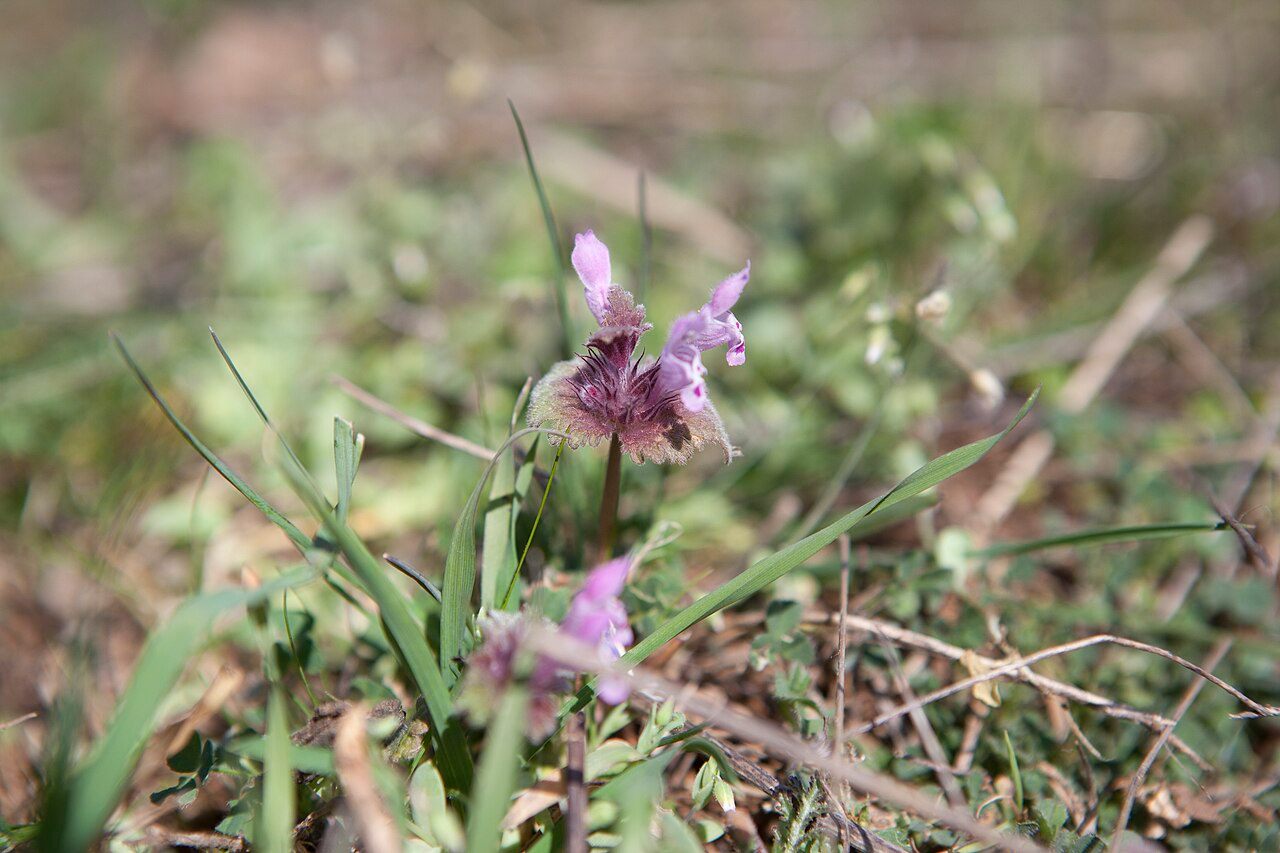
- Foliage:Deep green leaves on freely branching stems. Lower leaves sit on longer petioles, while the upper leaves are opposite and clasp the stem (a classic identification clue). Leaf blades are rounded to kidney-shaped with softly rounded teeth along the margins.
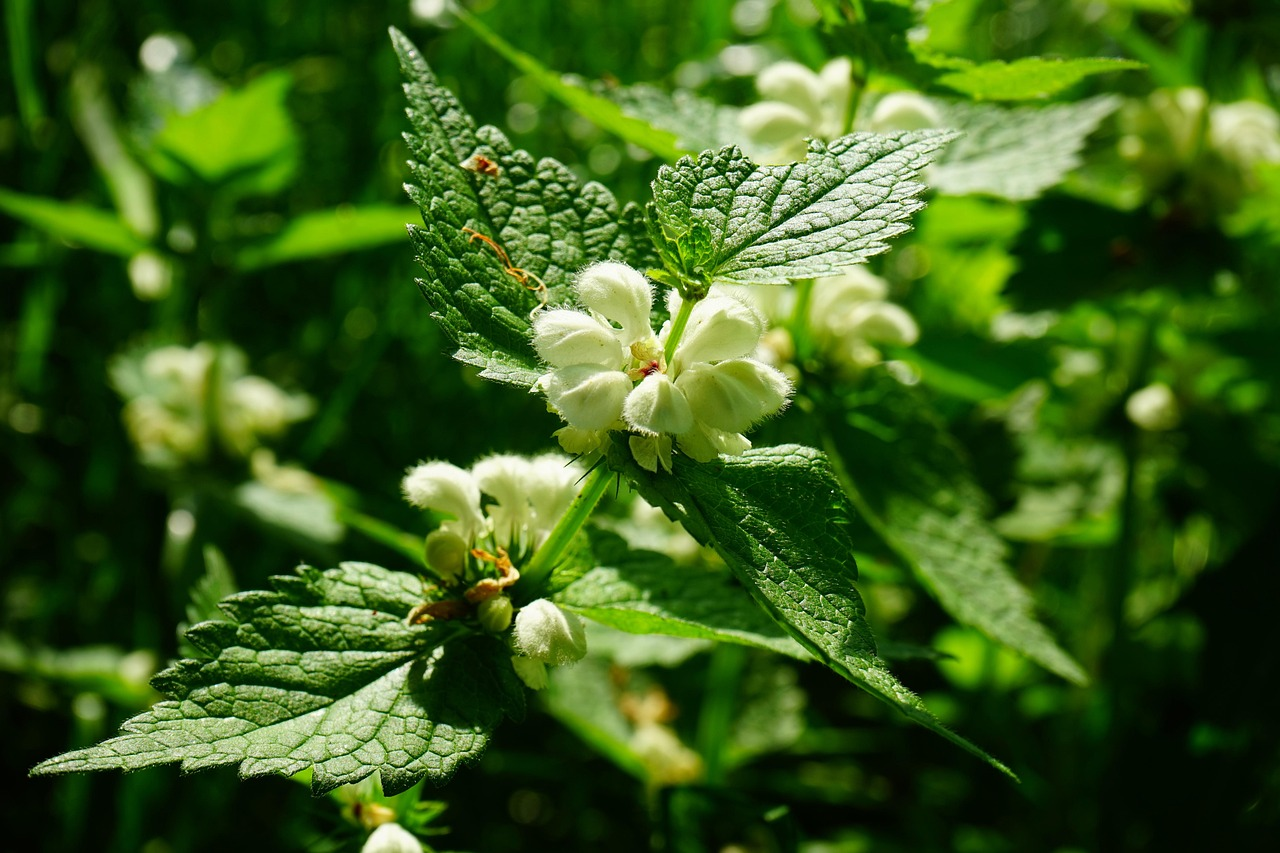
- Flower:Small, tubular, two-lipped mint-family flowers in pink to purplish tones, clustered in whorls around the upper stem nodes.
- Flowering Season:March–May (spring)
- Growth Habit:Low, branching annual or biennial herb; often forms patchy mats in disturbed ground.
🌤️ Environment
Sunlight
Full sun to partial shade; generally flowers best with brighter light.
Temperature
Prefers cool to mild conditions; often most active around 5–20°C (41–68°F).
Humidity
Likes evenly moist conditions but adapts well; avoid prolonged waterlogging.
Soil
Adaptable to many well-drained soils (loam to sandy loam). Commonly appears in disturbed, moderately fertile ground.
Placement
Naturalistic borders, woodland-edge plantings, and open-shade underplanting; often self-seeds along paths, field margins, and other disturbed spots.
Hardiness
Hardy annual/biennial; tolerates light frost. Approx. USDA Zone 4–9 (varies by local ecotype).
🪴 Care Guide
Difficulty
Easy—often grows with no help at all and may need management to prevent weedy spread.
Buying Guide
Rarely sold as an ornamental. If you do source it intentionally, pick plants with fresh green growth and no obvious aphids. Consider local regulations and its tendency to behave like a weed before introducing it to a garden.
Watering
Keep soil lightly moist while establishing. After that, water mainly during prolonged drought. In containers, let the top 2–3 cm (0.8–1.2 in) dry slightly between waterings.
Fertilization
Usually not needed. If growing in poor soil for ornamental effect, use a light balanced fertilizer at 1/4–1/2 strength once in early spring.
Pruning
Shear, deadhead, or pull plants after flowering to tidy growth and reduce self-seeding. Remove unwanted seedlings promptly.
Propagation
Primarily by seed and readily self-seeds. Sow outdoors in autumn or early spring; lightly cover seed and keep evenly moist until germination.
Repotting
Not typically necessary. If container-grown, refresh potting mix annually in late winter or early spring.
📅 Seasonal Care Calendar
Spring: peak growth and flowering; thin or shear if you want to limit spread. Summer (around July–August): plants often set seed and decline—remove before seed drops if control is desired. Autumn: new seedlings may appear in mild climates.
🔬 Pests, Diseases & Safety
Common Pests & Diseases
May attract aphids, but is generally trouble-free in gardens. In agricultural settings it can be a significant weed of wheat and other crops, competing strongly with cereals and vegetables.
Toxicity
No widely established toxicity to humans or pets is consistently cited for this species. Still, avoid eating it and seek local poison-control/veterinary guidance if accidental ingestion occurs.
🎋 Culture & Symbolism
Uses:Occasionally used as a small spring groundcover accent in informal plantings or under trees. Much more commonly treated as a weed in wheat and vegetable fields in parts of China.
❓ FAQ
When does it flower?
Most often March–May (spring), depending on your local climate.
When does it fruit/set seed?
Often around July–August (mid to late summer) in the referenced profile, though timing varies by region and weather.
How tall does henbit dead-nettle grow?
About 10–30 cm (4–12 in) tall.
Is it annual or perennial?
Usually an annual; it can sometimes behave like a biennial under certain conditions.
Where does it grow naturally?
Frequently in disturbed places—roadsides, woodland edges, damp ground, and around homes—and it’s recorded across many regions of China.
Does it have ornamental value?
Yes: the spring flowers can be charming in naturalistic plantings, but it can self-seed heavily and is often managed as a weed.
💡 Fun Facts
- It can be both a sweet spring wildflower and a stubborn crop-field weed—context is everything.
- Those upper leaves that clasp the stem look like they’re “hugging” it, a handy field-mark when identifying henbit.
- It loves disturbed soil, which is why it often pops up along paths, field edges, and near buildings.