🌱 Plant Features
- Size:Up to about 1.5 m × 1.5 m (5 ft × 5 ft) indoors when supported and allowed to grow.
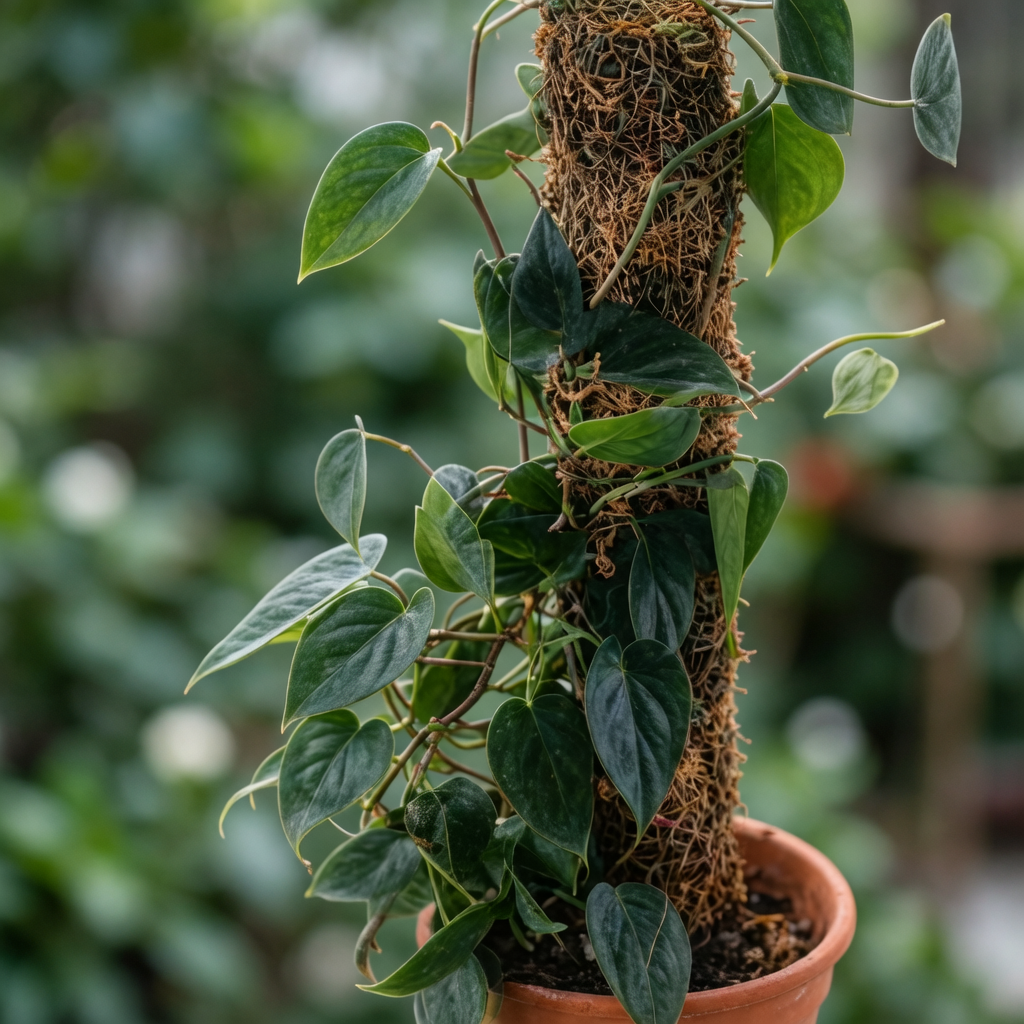
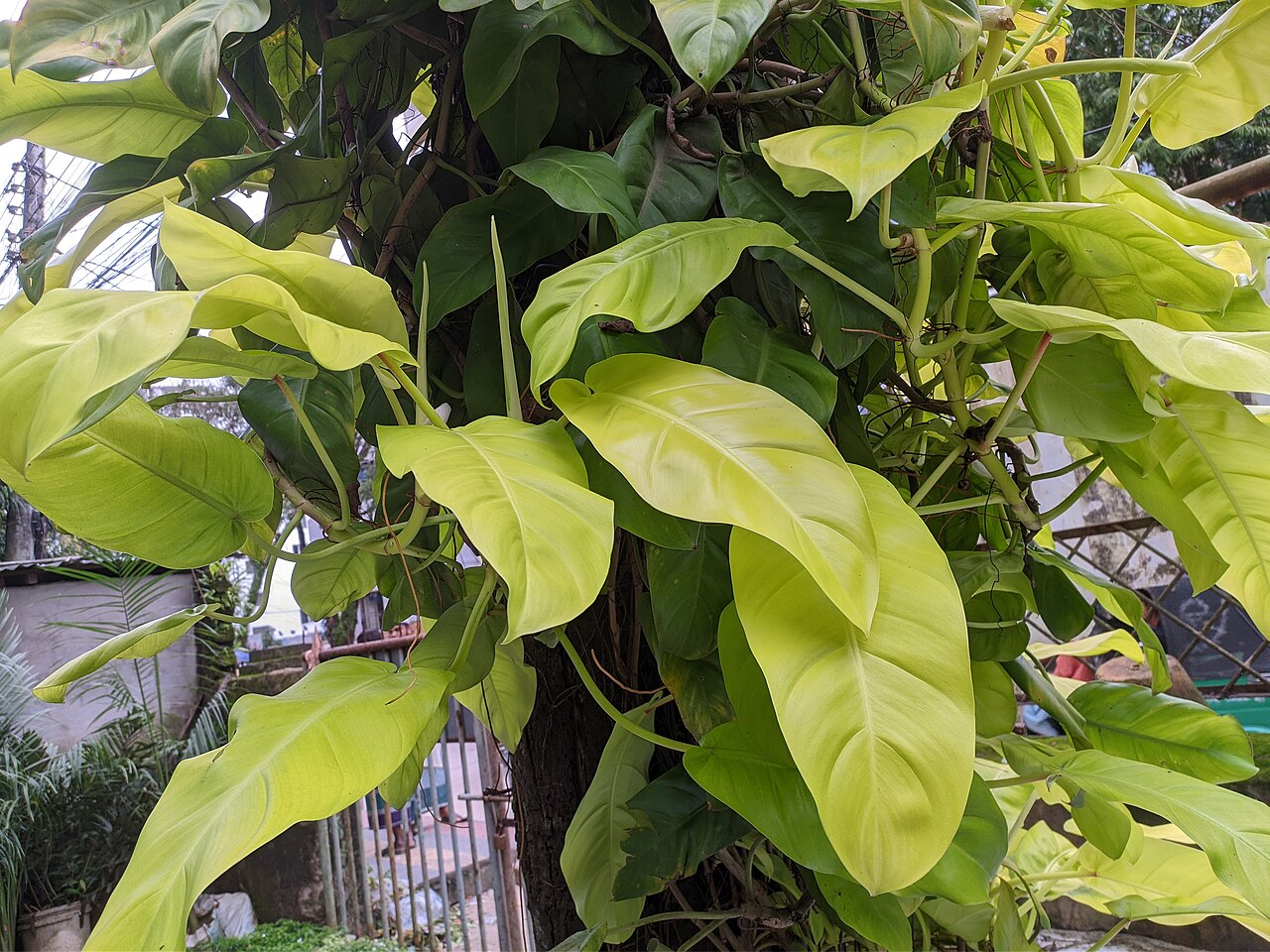
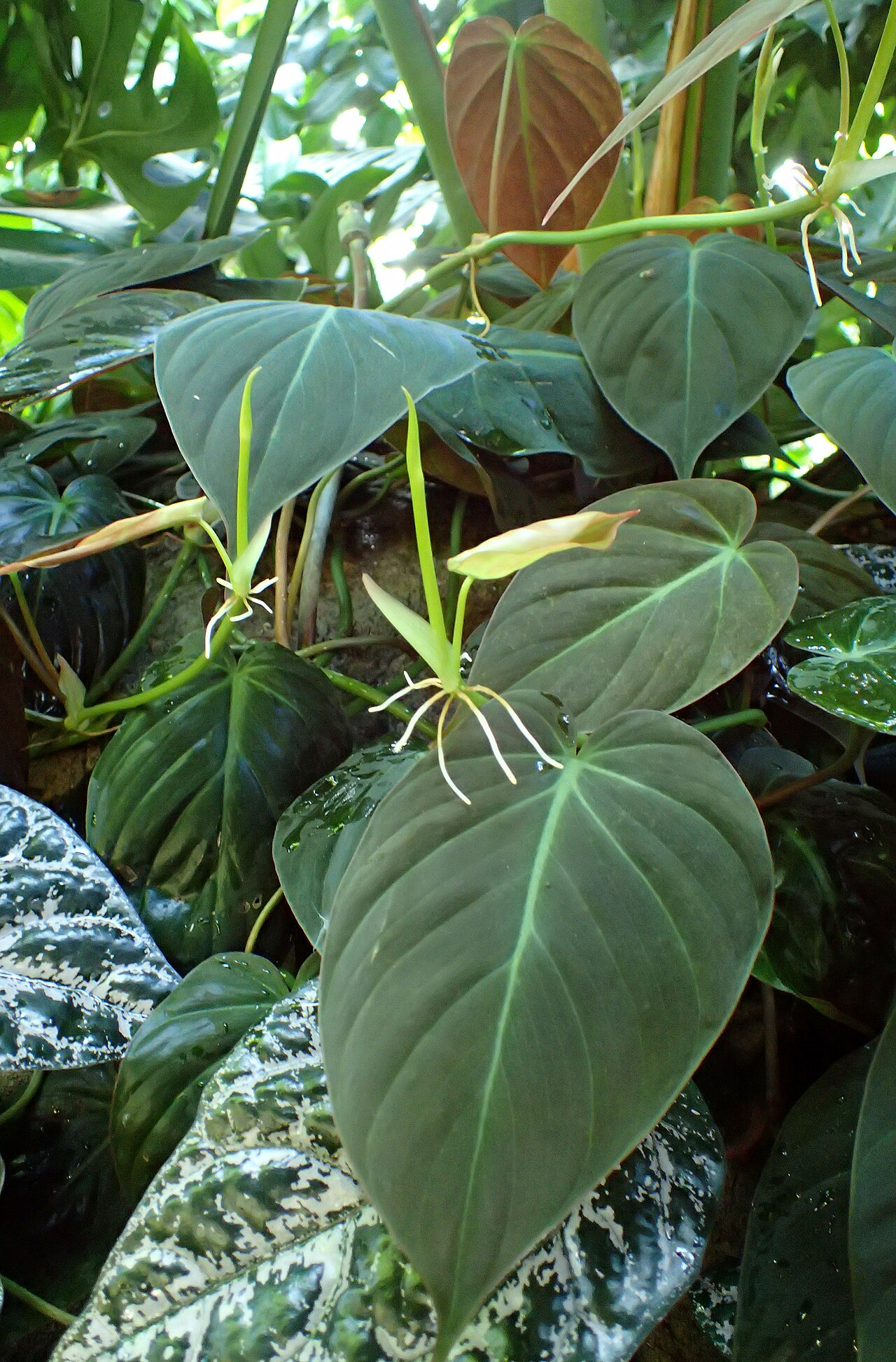
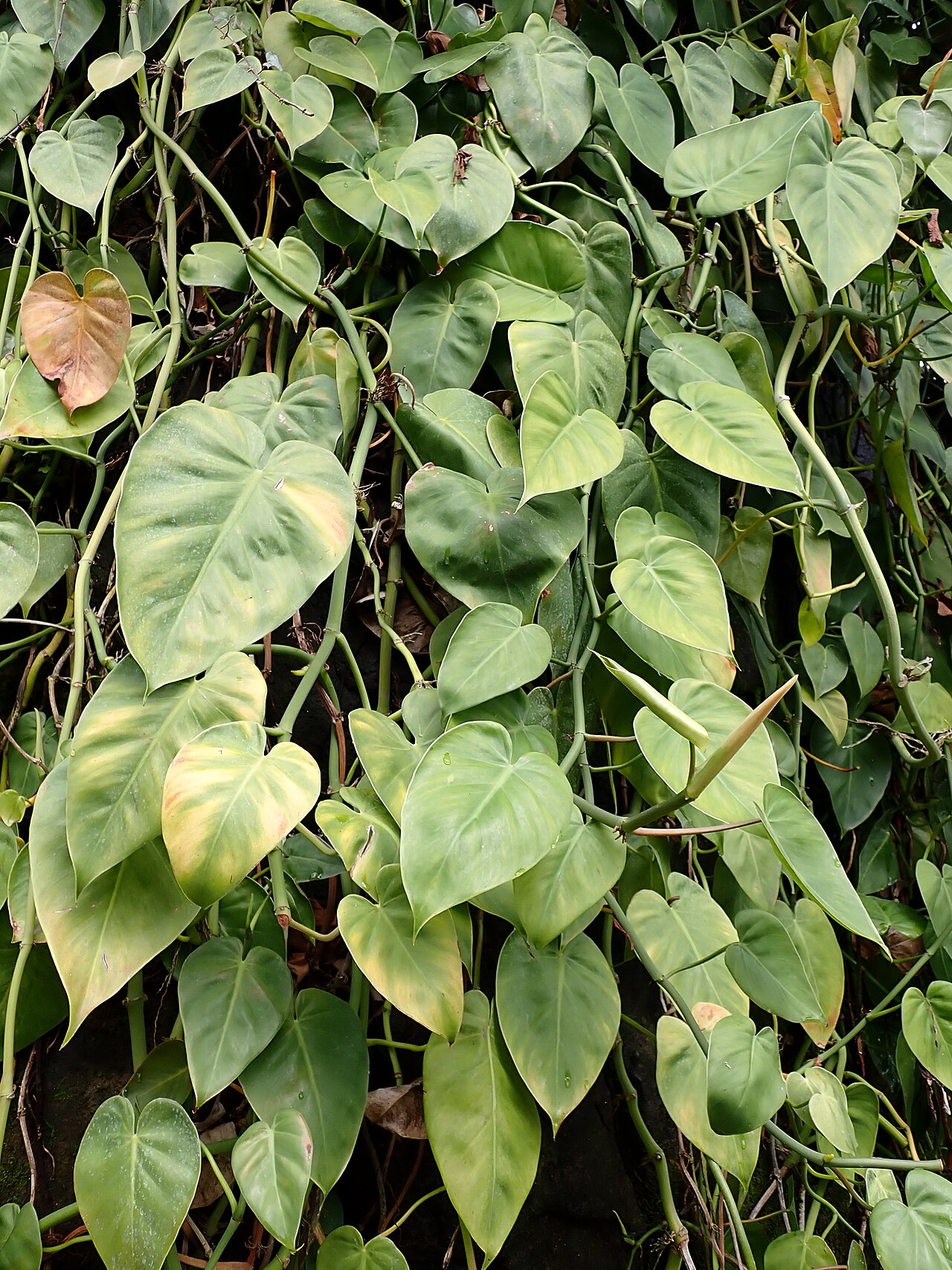
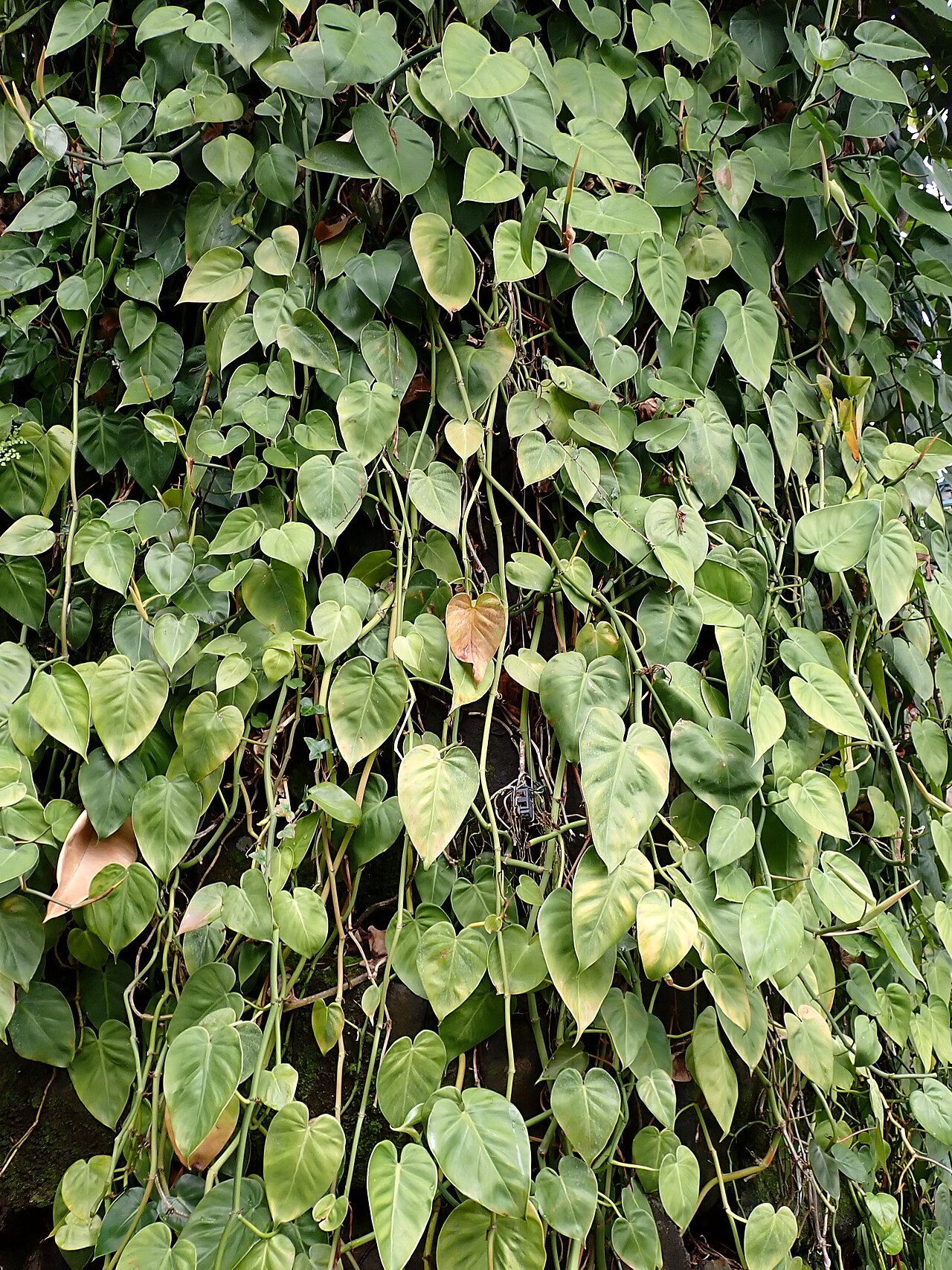
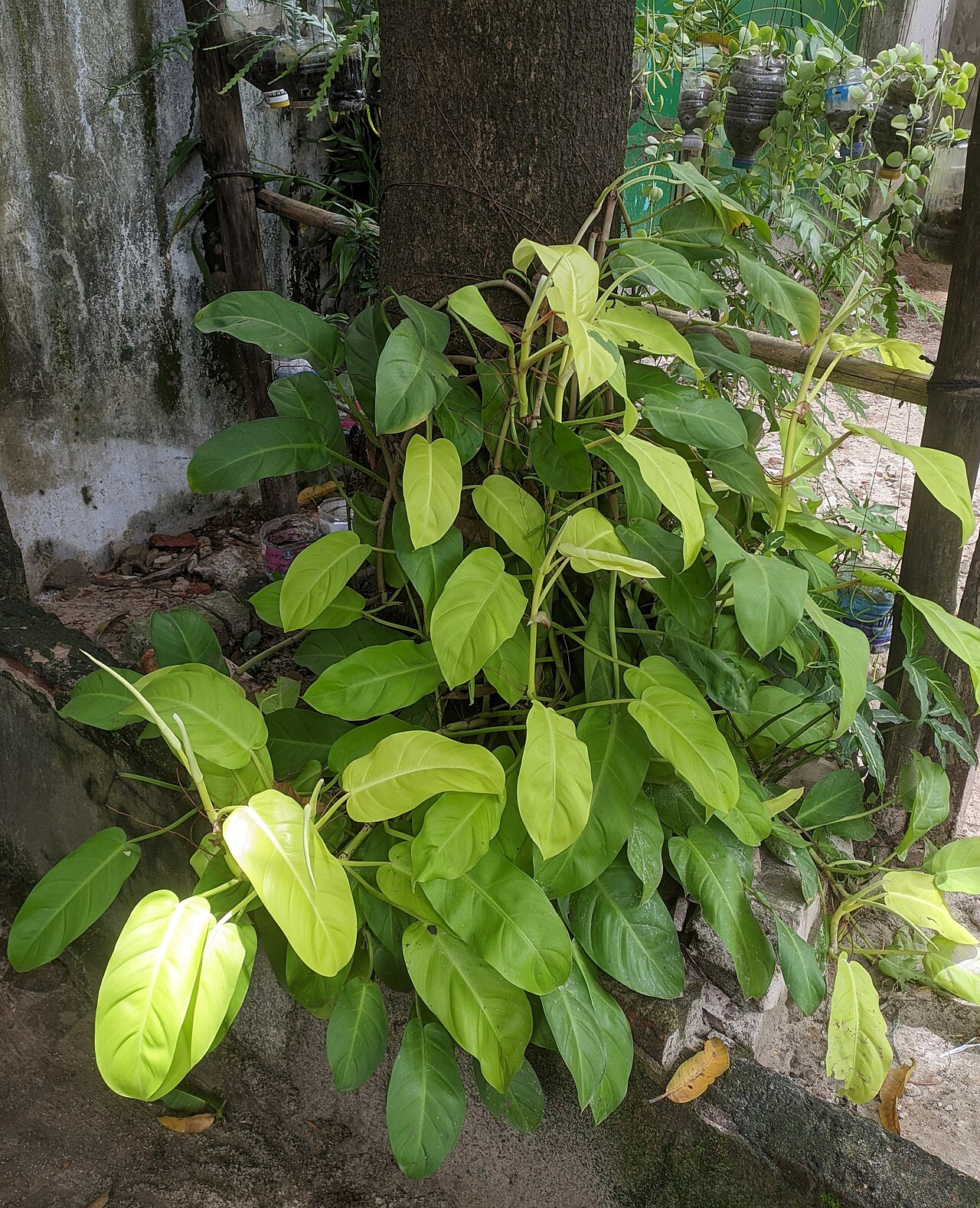
- Foliage:Glossy, heart-shaped green leaves, typically reaching about 20 cm (8 in) long indoors. Leaves look best if occasionally wiped to remove dust (and it also helps you spot pests early).
- Flower:Rarely flowers indoors; if it does, it produces a typical aroid spathe and spadix that is generally not very showy compared with the foliage.
- Flowering Season:Sporadic/rare indoors (no reliable season).
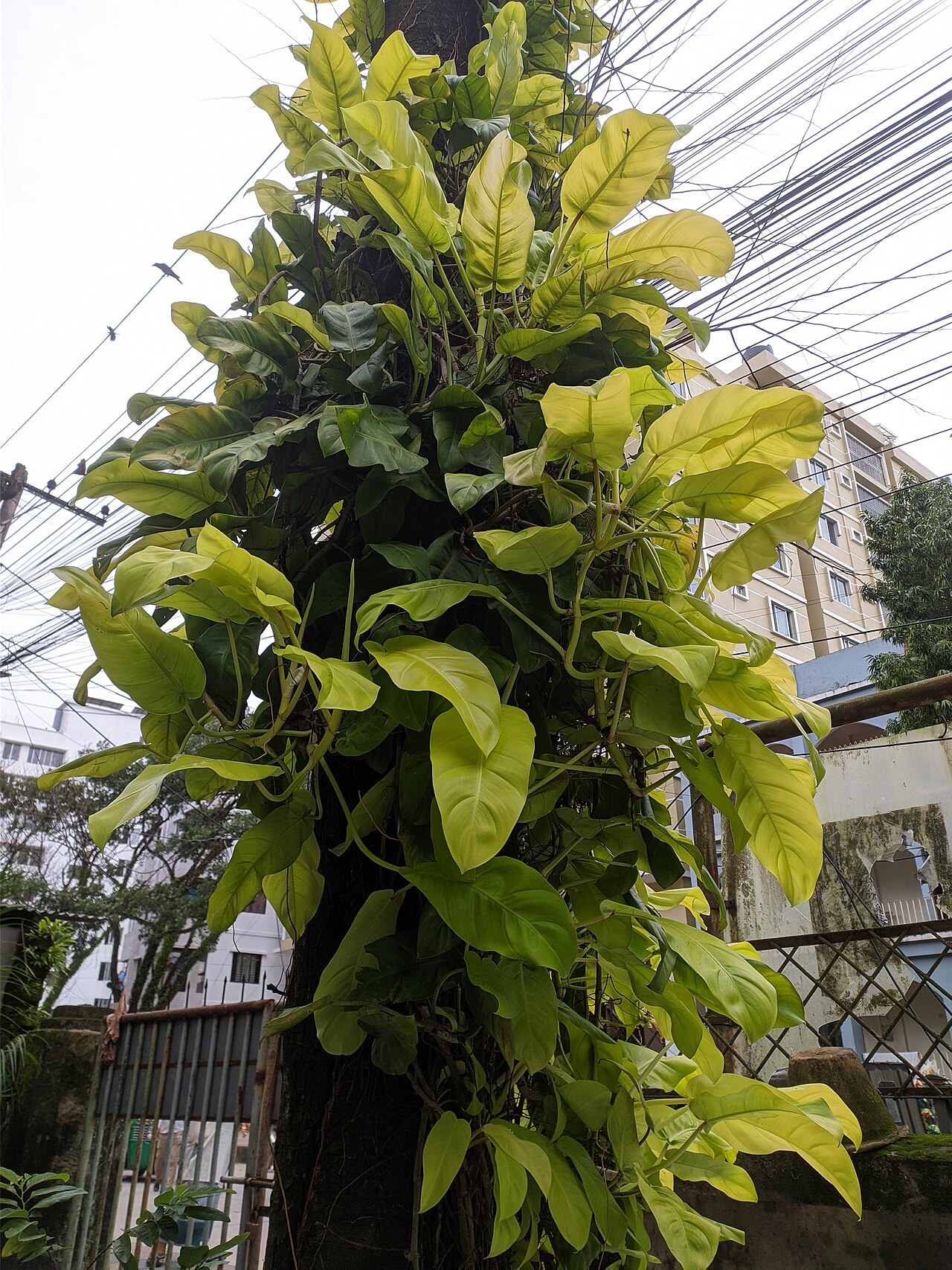
- Growth Habit:Evergreen climbing/trailing vine. Can be trained up a moss pole, trellis, or wires; also performs beautifully as a cascading plant in hanging baskets.
🌤️ Environment
Sunlight
Bright, indirect light to partial shade. Tolerates low light, but growth becomes slower and less lush.
Temperature
Prefers 16–24°C (61–75°F). Avoid prolonged exposure below about 12°C (54°F).
Humidity
Tolerates low to medium indoor humidity, but grows best with moderate humidity around 40–60%. If the air is very dry, occasional misting in spring/summer can help—paired with good airflow.
Soil
Loose, well-draining aroid mix. A simple, reliable blend is 2 parts all-purpose potting mix to 1 part sand or perlite. Choose a pot sized to the root ball (often around 20–30 cm / 8–12 in in diameter for established houseplants).
Placement
Indoors in living rooms, offices, and other bright, filtered-light spots. Use a moss pole/trellis for a vertical look or a hanging basket for trailing stems.
Hardiness
USDA Zone 11–12; not frost tolerant and typically grown as a houseplant.
🪴 Care Guide
Difficulty
Easy and beginner-friendly; notably forgiving, including in lower-light interiors.
Buying Guide
Look for firm stems and evenly green leaves. Avoid signs of pests (sticky residue, fine webbing, or cottony clusters) and skip plants sitting in sour-smelling or constantly soggy soil, which can signal root problems.
Watering
Spring through autumn: keep the mix lightly moist—water when the top 2–5 cm (1–2 in) feels dry. Winter: reduce watering; wait until the surface has dried and the pot feels lighter before watering again. If misting, do it occasionally in warm months and prioritize proper watering and airflow over frequent spraying.
Fertilization
Spring to early autumn: feed about once a month with a balanced liquid houseplant fertilizer at label strength (or half-strength if feeding more often). Reduce or pause feeding in winter.
Pruning
Prune in late winter to shape, control length, and encourage branching. Remove yellowing leaves anytime. Wipe leaves periodically to keep them glossy and dust-free.
Propagation
Very easy from stem cuttings: include at least one node, then root in water, sphagnum, or a moist, airy potting mix. Spring and summer cuttings usually root fastest.
Repotting
Repot in spring, or refresh the top layer of mix annually. Move up one pot size (about 2–5 cm / 1–2 in wider) when roots circle the pot or growth slows despite good care.
📅 Seasonal Care Calendar
Spring–autumn: water when top 2–5 cm (1–2 in) dries; fertilize monthly; mist occasionally if air is very dry. Winter: water less; reduce/stop fertilizer. Late winter: prune for shape. Spring: repot or refresh topsoil.
🔬 Pests, Diseases & Safety
Common Pests & Diseases
Can attract spider mites, mealybugs, scale, and thrips—especially in dry indoor air. Treat early with insecticidal soap or horticultural oil and improve airflow/humidity balance. Overwatering may cause root rot; use a free-draining mix and don’t let the pot sit in water.
Toxicity
Toxic if ingested (calcium oxalate crystals). Keep away from children and pets; sap can irritate skin and eyes.
🎋 Culture & Symbolism
Symbolism:Often linked with lasting affection and “heartfelt” warmth thanks to its heart-shaped leaves—making it a popular, meaningful gift plant.
History & Legends:A longtime classic in indoor horticulture, celebrated for its toughness and its ability to thrive as either a trailing or climbing houseplant in homes and offices.
Uses:Primarily ornamental: ideal for quickly greening shelves, hanging baskets, or walls. Training it upward on a moss pole can make it look fuller, more compact, and more architectural in small spaces.
❓ FAQ
Is this plant toxic?
Yes. It contains calcium oxalate crystals and is toxic if ingested, irritating the mouth and throat. Keep it away from pets and children.
What light does it prefer?
Bright, indirect light is best, but it also tolerates partial shade and even lower light—just with slower, leggier growth.
How should I water it?
During spring through autumn, water when the top 2–5 cm (1–2 in) of soil dries. In winter, water less and wait until the pot feels lighter and the surface is dry.
When should I fertilize?
Feed about once a month from spring to early autumn with a balanced liquid fertilizer, and reduce or stop feeding in winter.
What pot size and soil mix are best?
Use a loose, well-draining mix (for example, 2 parts potting mix to 1 part sand or perlite) in a pot sized to the roots—often around 20–30 cm (8–12 in) for established plants.
💡 Fun Facts
- It’s often sold under older names like Philodendron scandens or Philodendron cordatum.
- Given a moss pole and a bit more humidity, it often grows noticeably larger leaves than when it’s left to trail.
- It’s considered one of the most tolerant philodendrons for typical indoor light conditions.