🌱 Plant Features
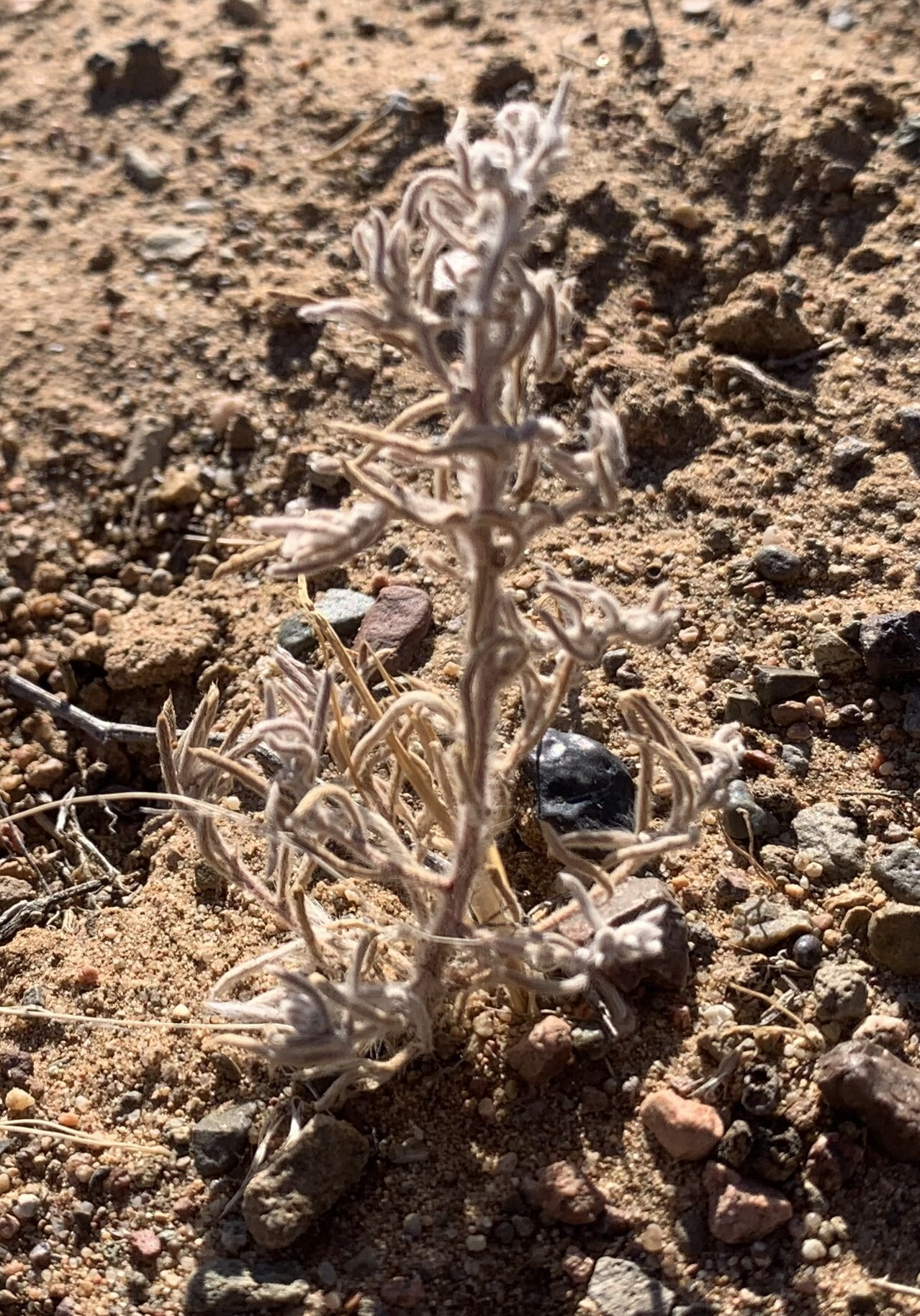
- Size:Typically 3–50 cm (1.2–19.7 in) tall.
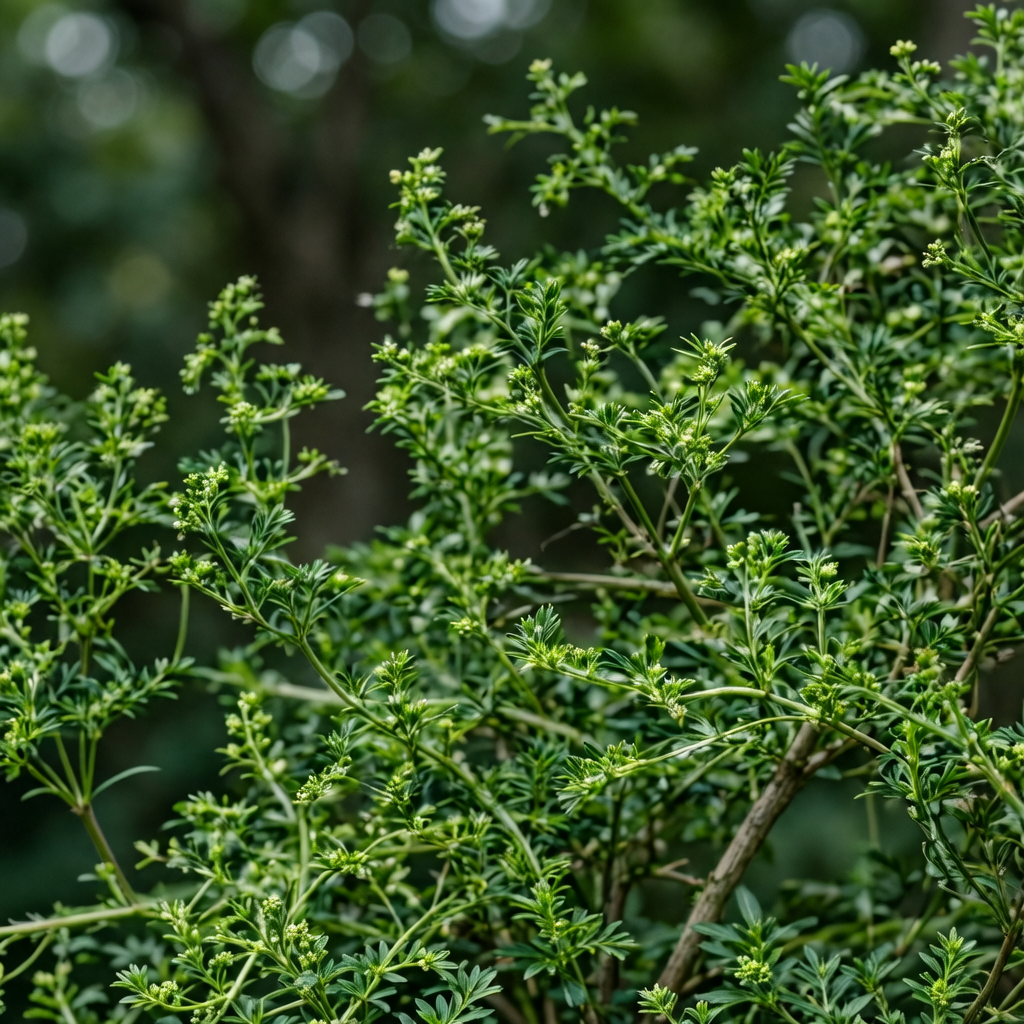
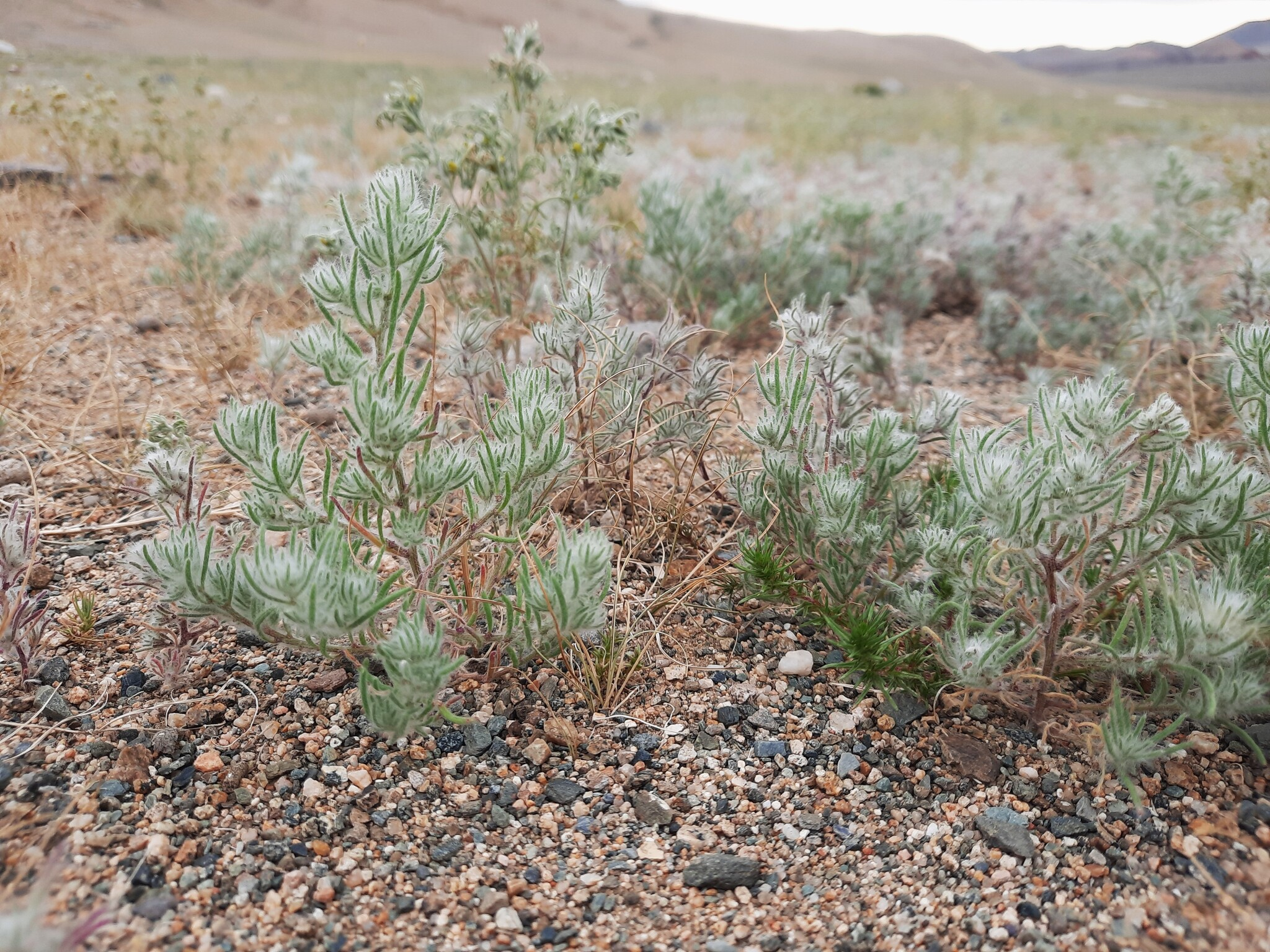
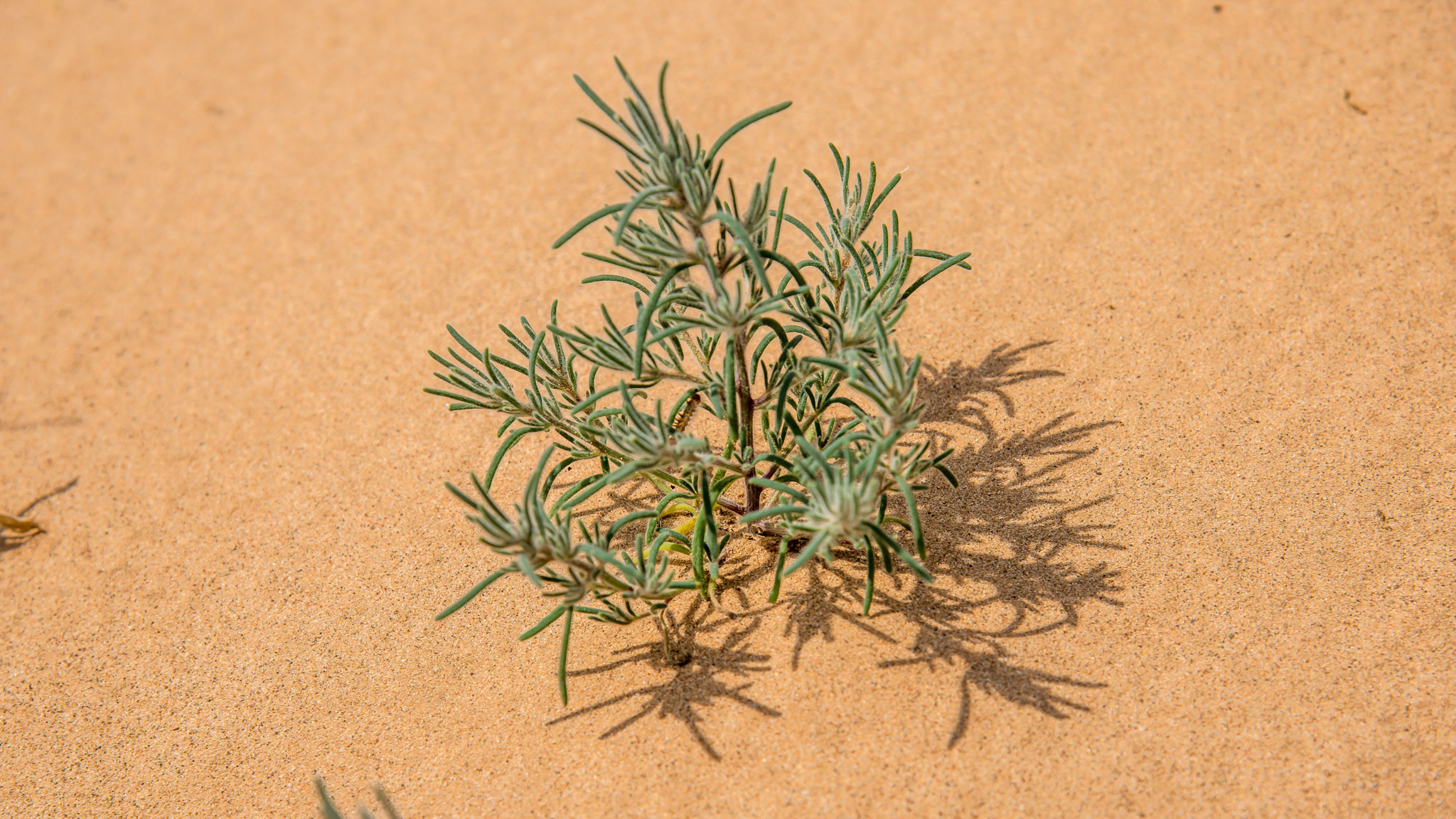
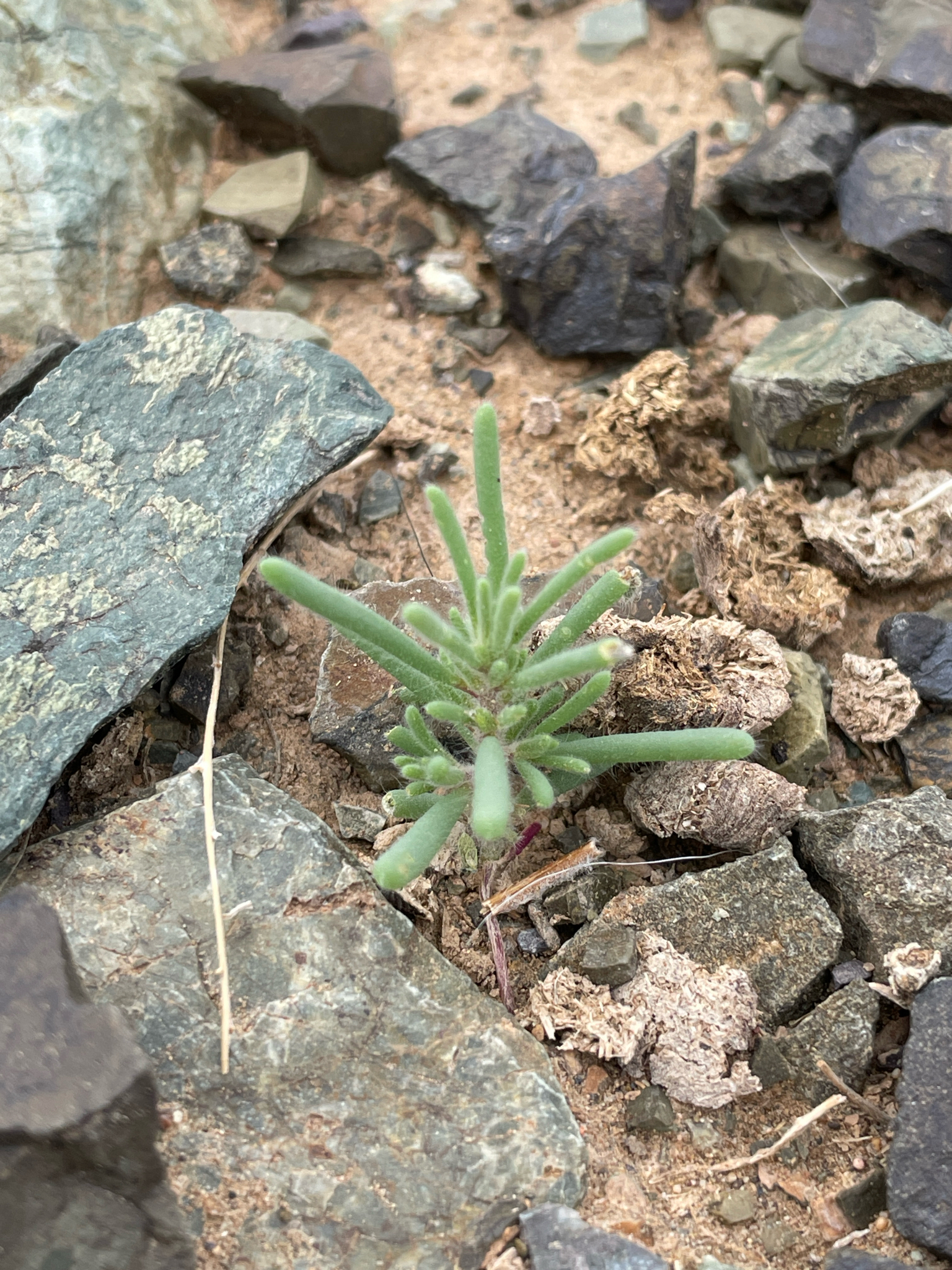
- Foliage:Leaves are alternate, fleshy, and cylindrical, with a pointed tip and a gradually narrowed base. Both stems and leaves are densely covered in long, soft hairs (with hairs often spreading from the stem), giving the whole plant a fuzzy look that helps reduce moisture loss in windy, dry places.
- Flower:Flowers are very small and bisexual, borne singly or in pairs; commonly only one flower in a paired set develops fully. After flowering, egg-shaped fruits form, each holding smooth, nearly round seeds.
- Flowering Season:July–September
- Growth Habit:Annual, upright herb suited to open, exposed sites.
🌤️ Environment
Sunlight
Full sun; happiest in open, exposed conditions.
Temperature
A warm-season annual adapted to continental climates; it grows through the warm months and tolerates cool nights. Protect from hard frost (roughly below 0°C (32°F)).
Humidity
Prefers dry air and generally does well in low humidity.
Soil
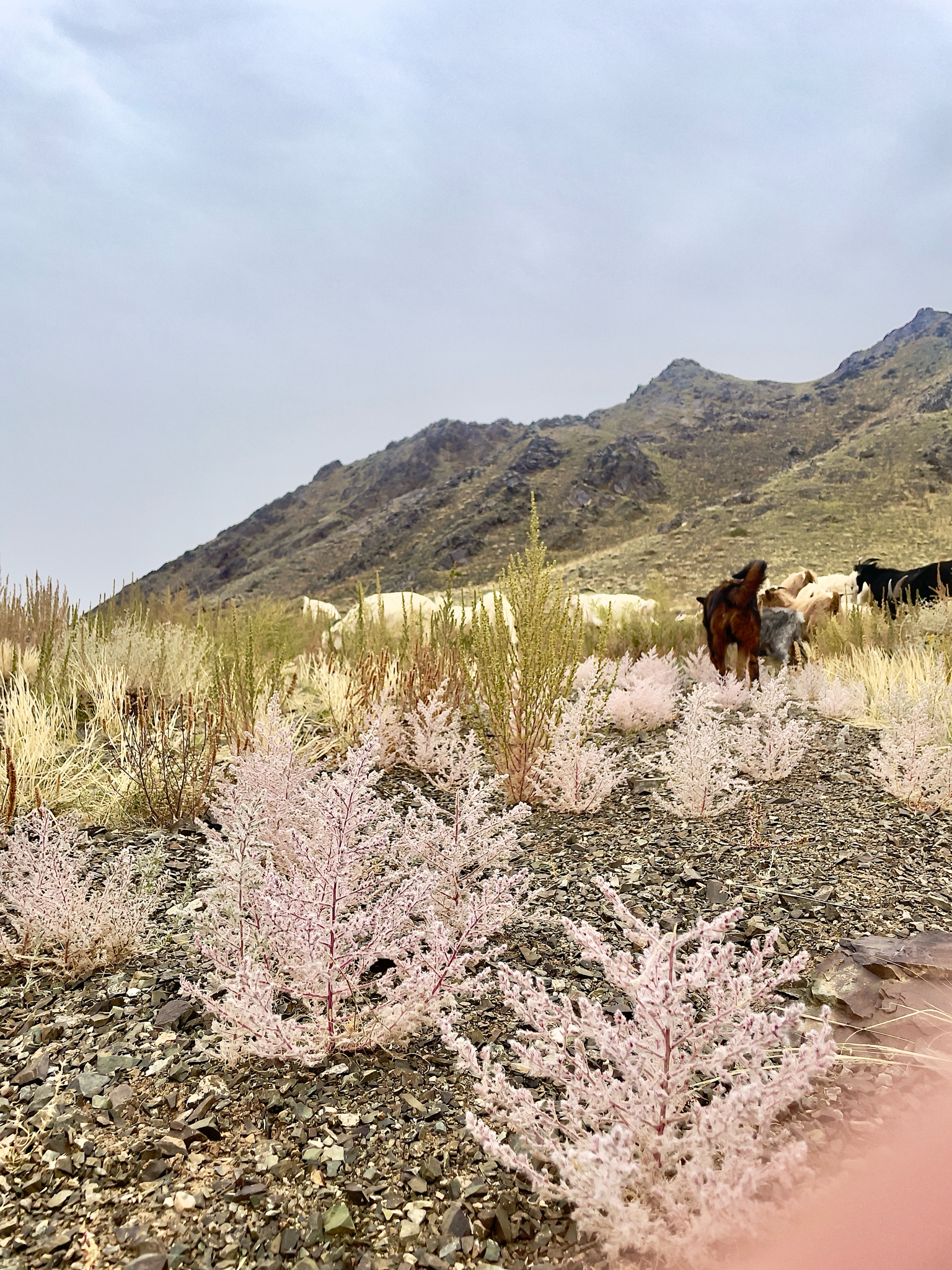
Needs very well-drained soil—sand, gravel, and other fast-draining mixes are ideal. Notably tolerant of saline and alkaline soils; naturally found on dunes, Gobi substrates, grasslands, and riverine/alluvial deposits.
Placement
Outdoors in sunny, dry borders; native/wild restoration plantings; erosion-control and sand-stabilization sites (especially where soils are salty or alkaline).
Hardiness
Not frost-hardy; best treated as a warm-season annual. In colder regions it typically completes its life cycle before winter.
🪴 Care Guide
Difficulty
Easy: highly adaptable and usually undemanding as long as it gets sun and sharp drainage.
Buying Guide
Choose correctly labeled Bassia dasyphylla seed from reputable native-seed suppliers. Avoid vague seed mixes where similar bassia/saltbush-type species may be substituted.
Watering
Water lightly until established. After that, water sparingly and let the soil dry between waterings. Avoid heavy, water-retentive soils—overwatering can quickly lead to decline.
Fertilization
Generally not needed. If grown in extremely poor sand, apply a very light, balanced fertilizer once or twice during active growth.
Pruning
Not required. If you want to reduce self-seeding, remove plants (or at least the fruiting tops) before seeds fully mature; otherwise, clear spent plants at season’s end.
Propagation
By seed. Collect mature egg-shaped fruits and sow in spring after frost risk. Sow on the surface or cover very lightly; keep just barely moist until germination, then gradually reduce watering.
Repotting
Usually not grown long-term in pots. If container-growing, use a gritty, fast-draining mix and move to a slightly larger container only if it becomes rootbound.
📅 Seasonal Care Calendar
Spring: sow after frost. Summer: full sun, minimal watering. Late summer–early fall (July–September): flowering/fruiting; collect seed if desired. Autumn: plants finish; clear spent growth.
🔬 Pests, Diseases & Safety
Common Pests & Diseases
Usually trouble-free in dry, well-drained conditions. In overly wet soils it may suffer root/stem rots. Aphids can occasionally show up on tender growth.
Toxicity
No well-documented toxicity to people or pets for this species. As a general safety habit with wild plants, avoid eating it and wash hands after handling if you have sensitive skin.
🎋 Culture & Symbolism
Symbolism:Often appreciated as a symbol of toughness and resilience—able to thrive in sun, wind, and salty soils where many plants fail.
Uses:Primarily used in naturalistic, open plantings as a low groundcover and as a practical helper for sand/soil stabilization on dunes and other erosion-prone sites, including saline-alkaline landscapes.
❓ FAQ
When does it flower?
July–September.
When does it set fruit?
Typically July–September, often overlapping with flowering.
How tall does it grow?
Usually about 3–50 cm (1.2–19.7 in) tall, depending on conditions.
What is its growth habit and how demanding is it?
It’s an upright annual herb and generally very undemanding if given full sun and fast-draining soil.
Where does it grow naturally and what habitats does it prefer?
Across northern and western China, commonly in deserts and semi-deserts (Gobi), saline-alkaline soils, sand dunes, grasslands, riverbanks, terraces, and alluvial fans.
💡 Fun Facts
- It’s comfortable in salty, alkaline soils—conditions that defeat many common garden plants.
- The fuzzy hairs and succulent, cylindrical leaves are classic survival tools for dry, windy habitats.
- Because it often grows on dunes and gravelly desert plains, it can play a role in stabilizing shifting sands in natural landscapes.