🌱 Plant Features
- Size:Exact mature size varies by plant and conditions; commonly sold and grown in a 12–15 cm (4.7–5.9 in) pot.
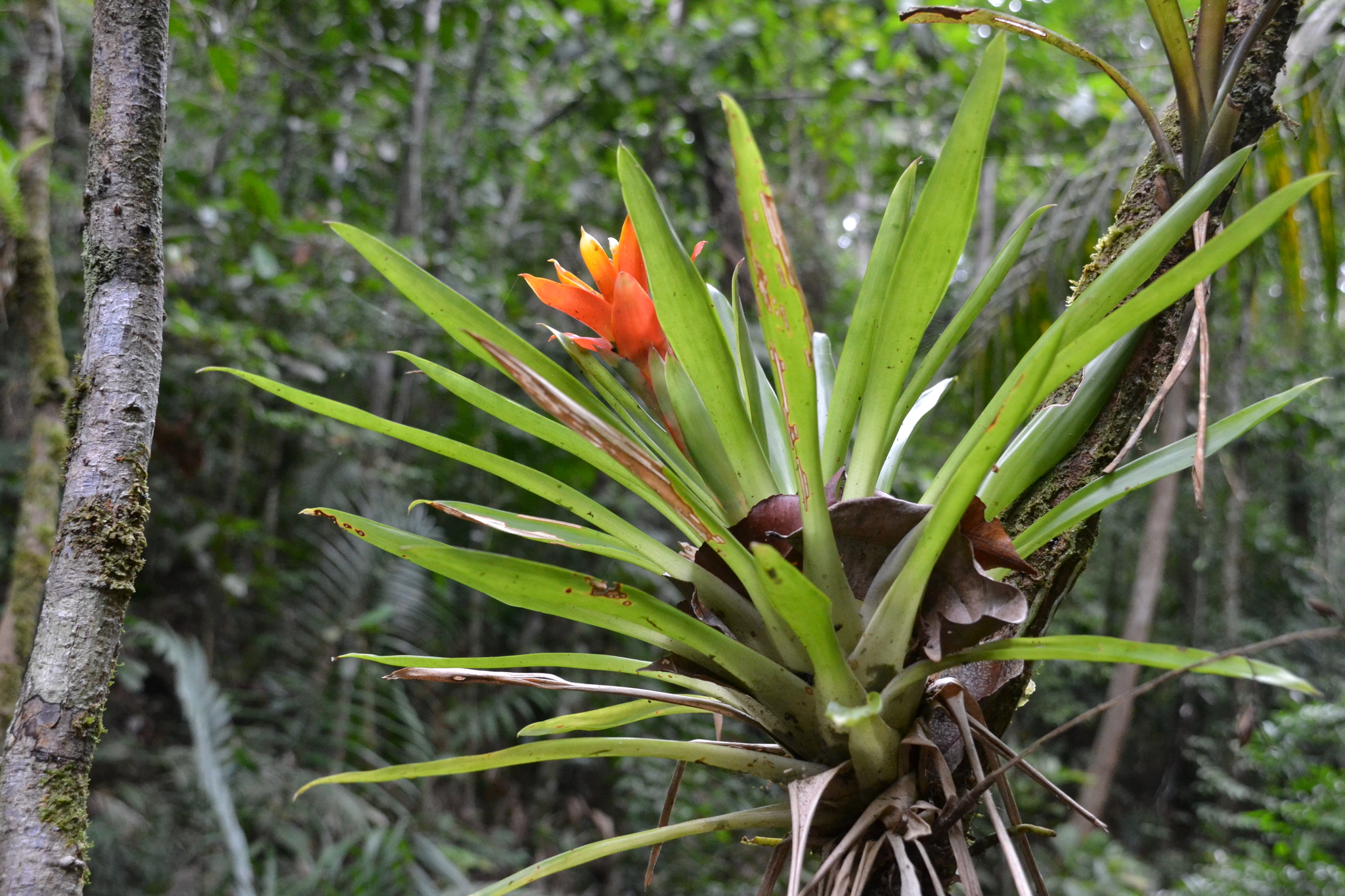
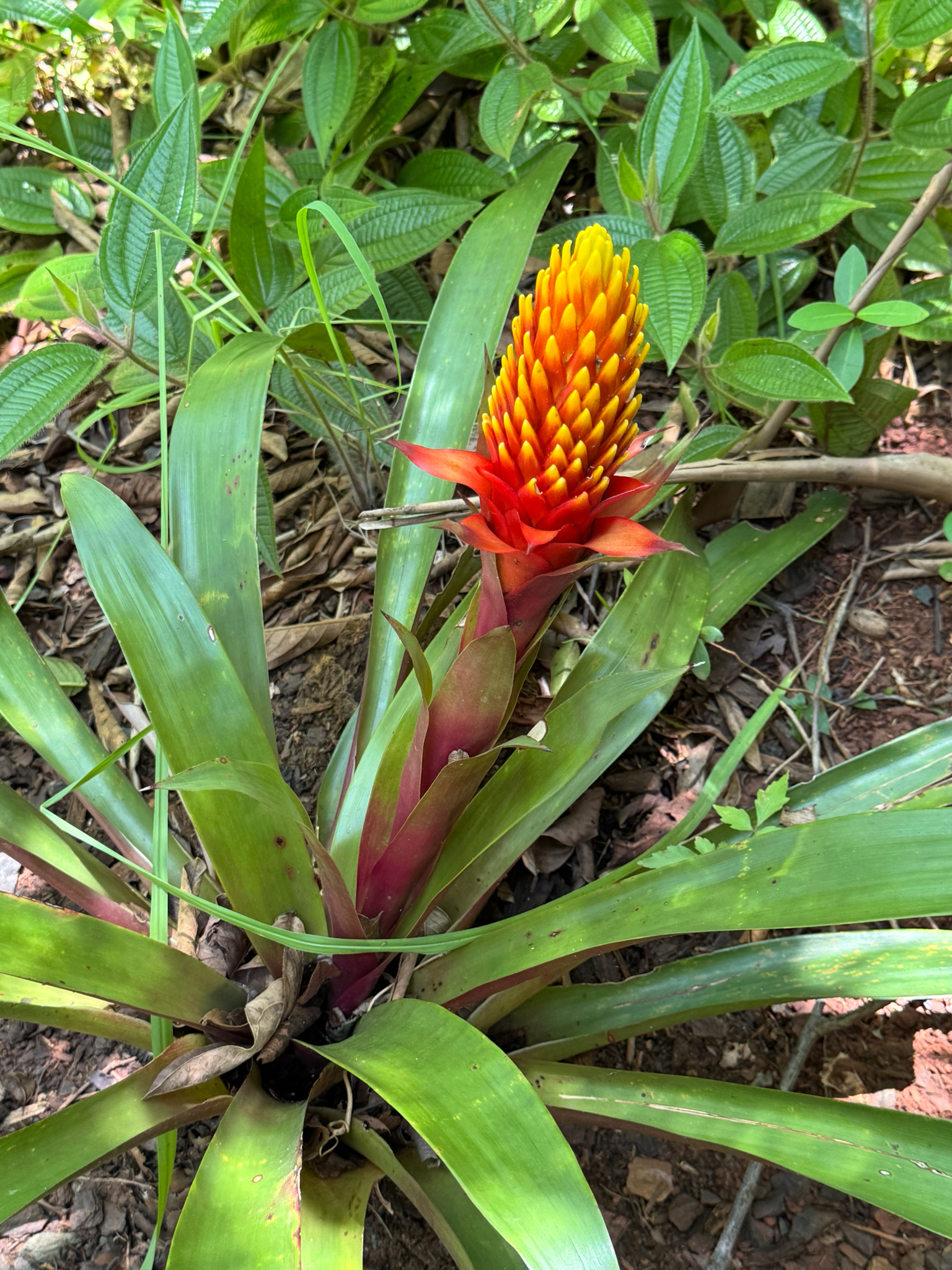
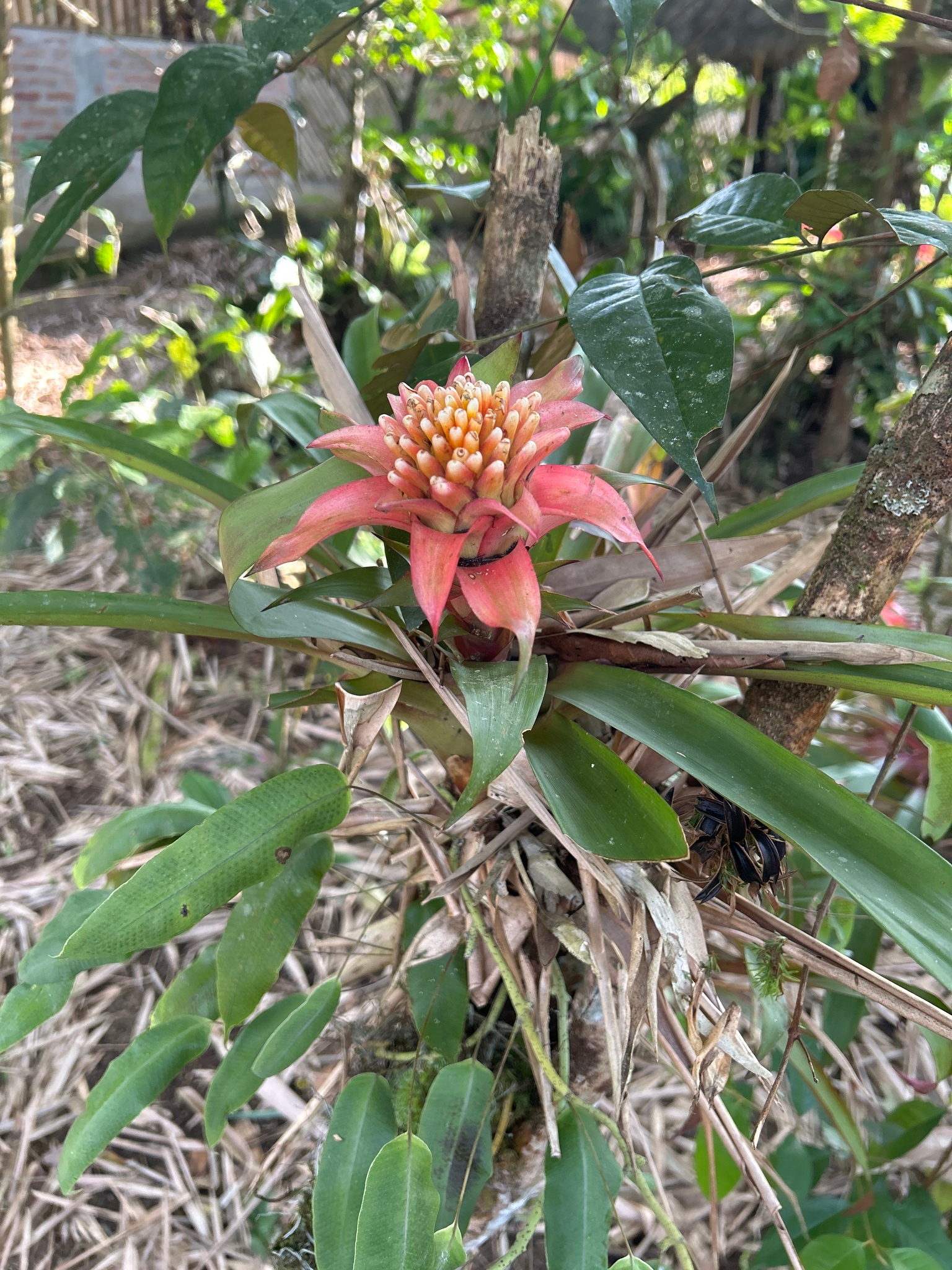
- Foliage:Stiff, upright, glossy green leaves arranged in a neat rosette. The rosette forms a tubular central cup that can hold water and absorb dilute nutrients. Keep leaves looking their best by wiping with a slightly damp, soft cloth.
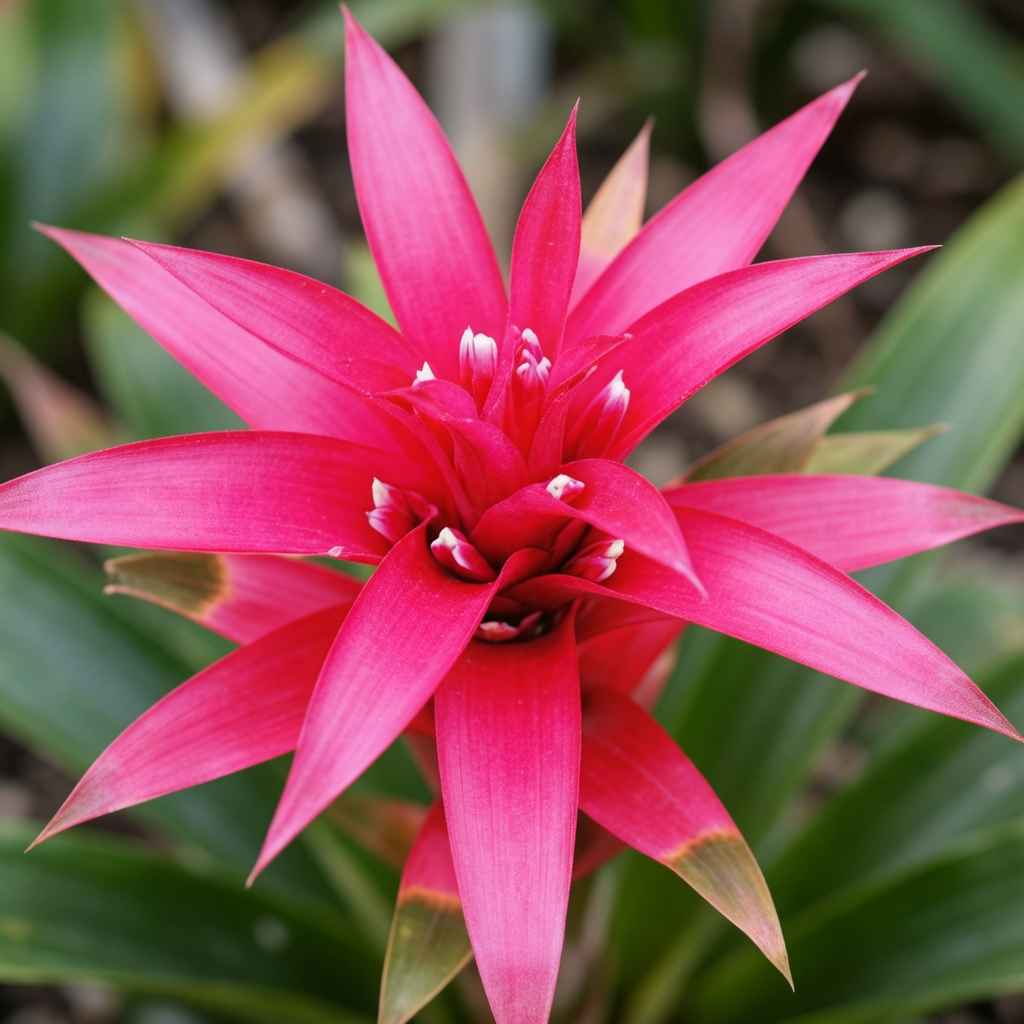
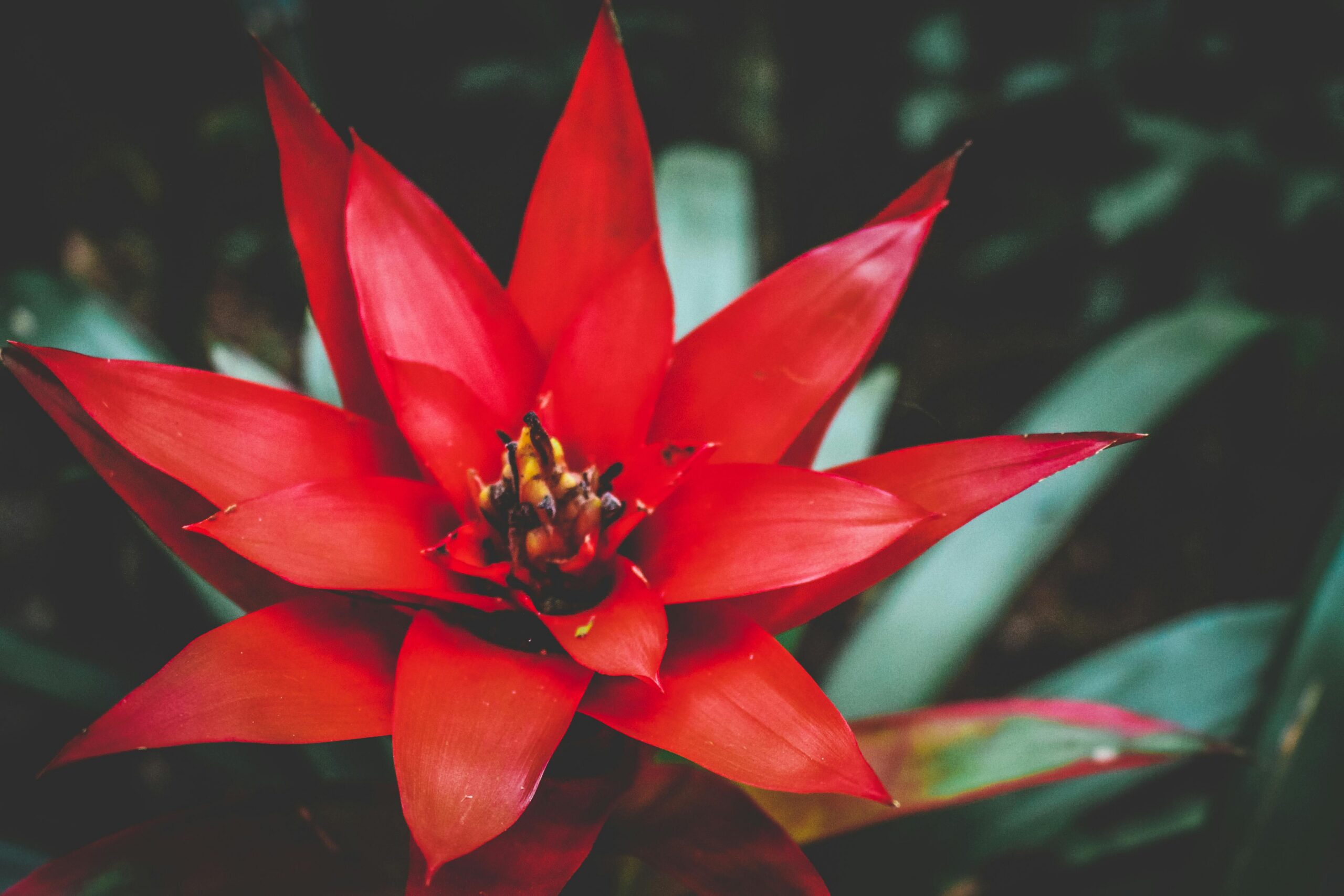
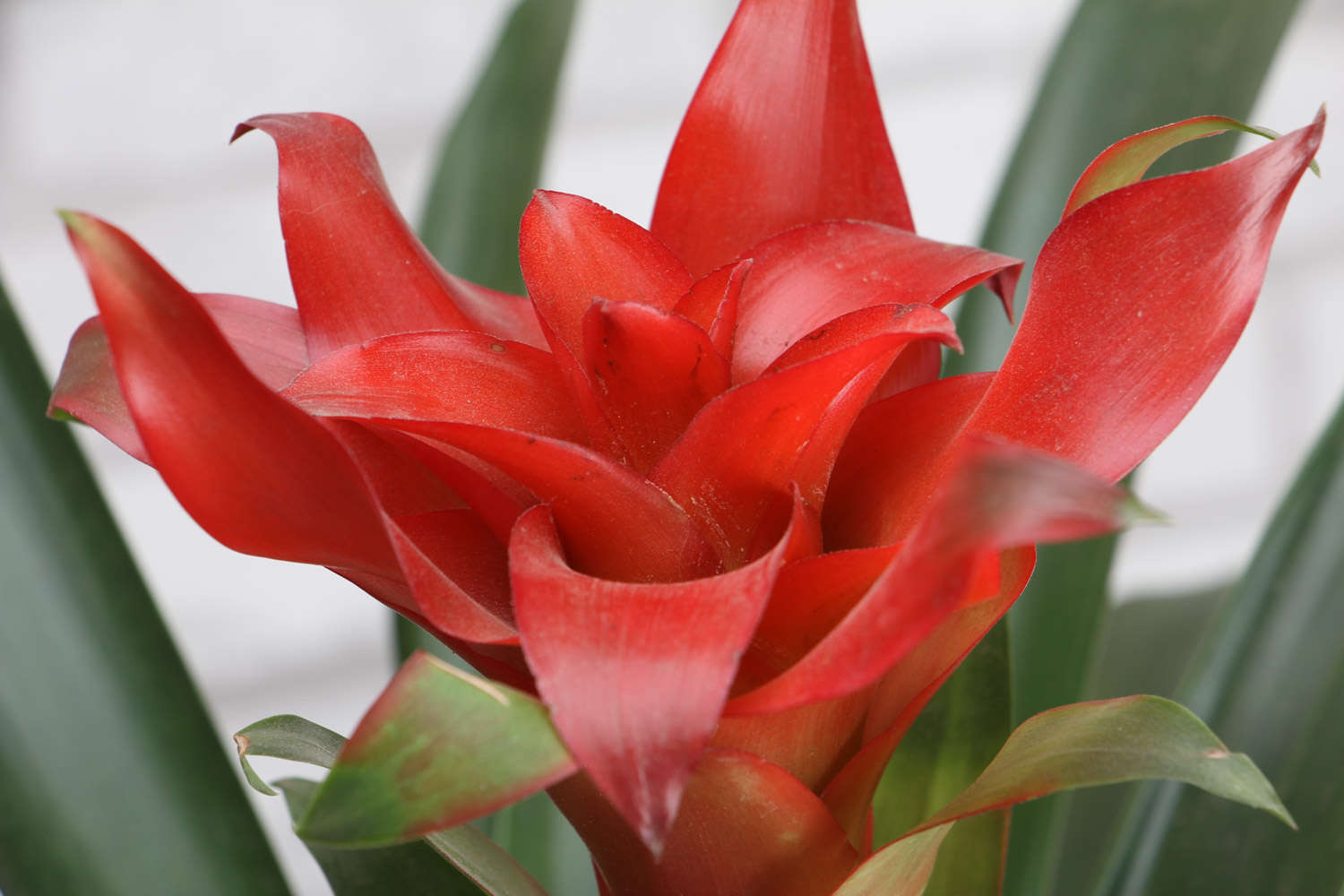
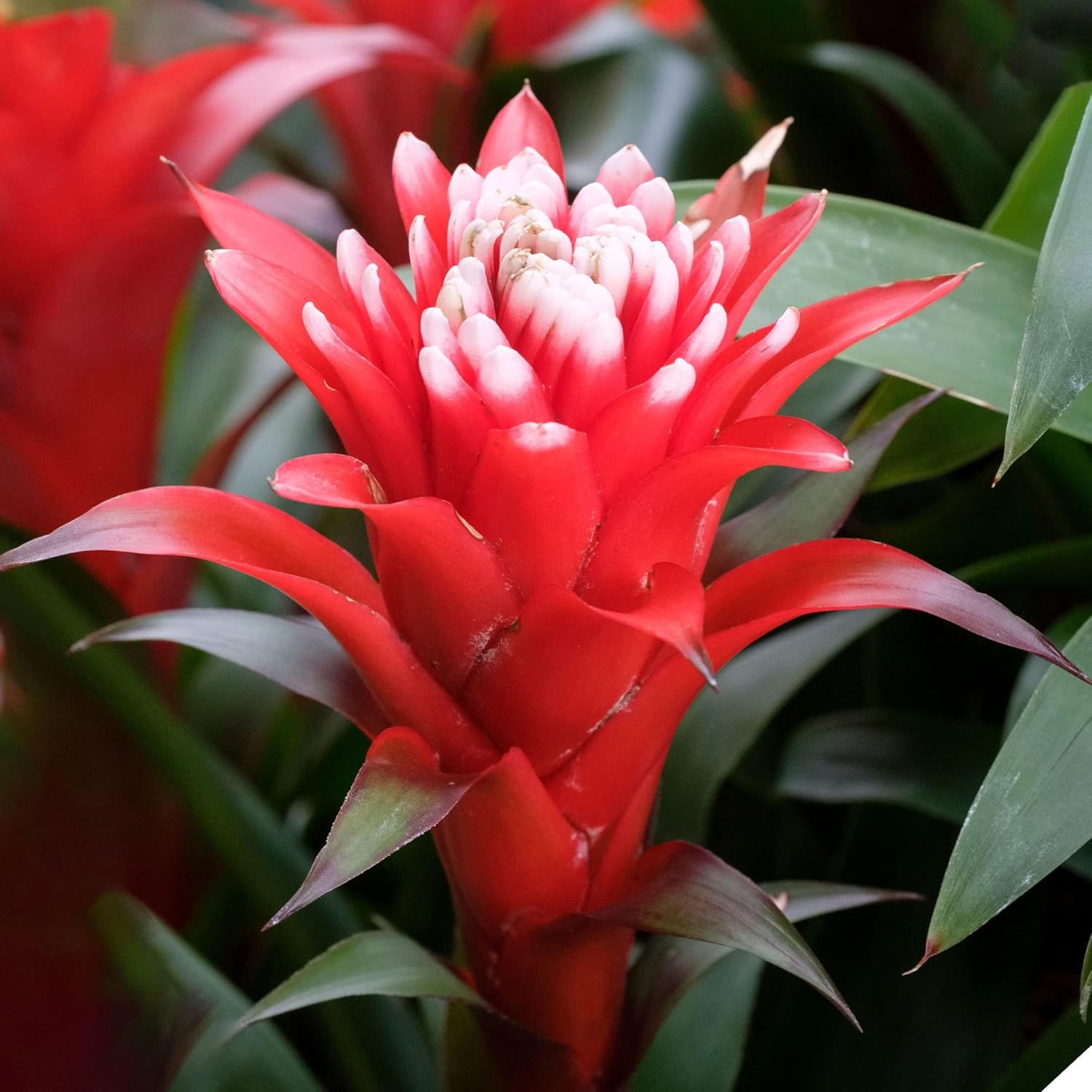
- Flower:A sturdy, upright flowering spike topped with vivid red bracts (the long-lasting colorful part). When choosing a plant, look for firm, bright bracts with no blemishes, wilting, or cold damage.
- Flowering Season:Early spring; also late summer to early fall (under indoor culture).
- Growth Habit:Rosette-forming bromeliad that may clump over time as it produces offsets (pups). After flowering, the mother rosette slowly declines, while pups develop at the base and become the next generation.
🌤️ Environment
Sunlight
Bright, filtered/indirect light is ideal. In spring, give bright indirect light. In summer, avoid strong midday/afternoon sun—about 50% shade plus good airflow helps prevent scorch. In winter, place in the brightest spot (often a south-facing window by day), but keep away from cold glass and nighttime drafts.
Temperature
Prefers warmth: 16–28°C (61–82°F) is ideal. Keep above 10°C (50°F) in winter; below 5°C (41°F) can cause chilling injury. For propagation: seed germination is best at 24–26°C (75–79°F); rooting pups/offsets around 20–25°C (68–77°F).
Humidity
Moderate to high humidity suits it best. Light misting can help during hot weather or dry autumn air, and newly potted pups root more easily with extra humidity (for example, under a clear cover with ventilation).
Soil
Loose, airy, fast-draining mix—peat/leaf-mold based medium blended with coarse sand, or an orchid/bromeliad-style mix.
Placement
Bright windowsill or balcony with filtered light (east-facing is often ideal). In winter, keep it warm indoors and away from cold window glass at night.
Hardiness
Not frost hardy; best grown as a houseplant. Short dry spells are tolerated better than cold, but prolonged dryness reduces vigor.
🪴 Care Guide
Difficulty
Moderate. The “sweet spot” is bright filtered light + warmth + humidity, while avoiding sun scorch and cold stress. Watering the central cup works well, but the water must be kept fresh and not allowed to stagnate.
Buying Guide
Choose a symmetrical plant with neatly arranged, firm green leaves—no tears, spots, pests, or blemishes. The spike should be upright and sturdy, with bright red bracts and no wilting or signs of chilling.
Watering
Keep the potting mix lightly moist in spring (never soggy). In summer, protect from strong sun, maintain airflow, and raise humidity with occasional light misting. In autumn, mist if the air turns dry and bring indoors before cool nights. In winter, growth slows—keep above 10°C (50°F) and let the mix dry slightly between waterings. The central leaf cup can hold water; if it dries out, leaves may dull and yellow. Refresh cup water regularly and avoid stagnant water sitting in the cup for long periods.
Fertilization
During active growth, feed about every 2 weeks with a very dilute balanced fertilizer; a slightly higher phosphorus/potassium emphasis can support blooming. Apply weak feed to the potting mix and/or into the central cup—avoid strong concentrations that can burn tissues.
Pruning
Remove yellowing or dead outer leaves promptly. Keep foliage clean by wiping with a slightly damp soft cloth.
Propagation
Seeds: sow fresh seed indoors; germination at 24–26°C (75–79°F) and may occur in about 2 weeks.
Offsets (pups): in spring, separate pups when they are about 10–12 cm (3.9–4.7 in) tall and pot into a loose, airy mix.
After flowering: as the mother rosette declines, pups can be cut away with a clean blade; let the cut surface dry briefly, insert into sandy medium, and keep warm (20–25°C / 68–77°F) with higher humidity. Rooting may take around 1 month before potting up.
Repotting
Usually grown in a 12–15 cm (4.7–5.9 in) pot. Repot about every 2 years in spring, or sooner when pups are ready for their own pots.
📅 Seasonal Care Calendar
Spring: bright filtered light; keep mix lightly moist; best time for sowing and dividing pups.
Summer: ~50% shade, good ventilation, and occasional misting; prevent sun scorch.
Autumn: boost humidity if the air is dry; move indoors before nights cool.
Winter: keep above 10°C (50°F); brightest light by day; avoid cold glass at night; water sparingly so roots don’t sit cold and wet.
🔬 Pests, Diseases & Safety
Common Pests & Diseases
Leaf spot can occur. Improve airflow, avoid leaving foliage wet late in the day, and remove affected tissue. If necessary, use an appropriate ornamental fungicide (often copper-based options are used) following label directions. Always inspect plants at purchase for pests and damage.
Toxicity
No toxicity details were provided in the source. As a sensible precaution, keep out of reach of pets and children and avoid ingestion.
🎋 Culture & Symbolism
Symbolism:Commonly gifted as a “good luck” plant—linked with prosperity, auspiciousness, and thriving business (very fitting for the Chinese name).
History & Legends:Not provided.
Uses:Primarily an ornamental indoor flowering plant, especially popular as a festive gift because the colorful bracts last a long time.
❓ FAQ
Why are my Guzmania leaves turning yellow?
Most often it’s (1) too much direct summer sun causing scorch—move it to bright filtered light; (2) the central cup drying out—keep a little clean water in the cup and refresh it regularly; or (3) normal aging after flowering—mother rosettes naturally decline while pups take over. Low light can also contribute, so increase brightness gradually.
💡 Fun Facts
- Guzmania is a classic “tank bromeliad”: its leaf rosette forms a natural cup that holds water in the wild.
- After the plant blooms, the original rosette doesn’t rebloom—instead it produces pups that carry on the show for the next cycle.