🌱 Plant Features
- Size:Up to about 3 m (10 ft) tall, typically forming an arching, spreading shrub.
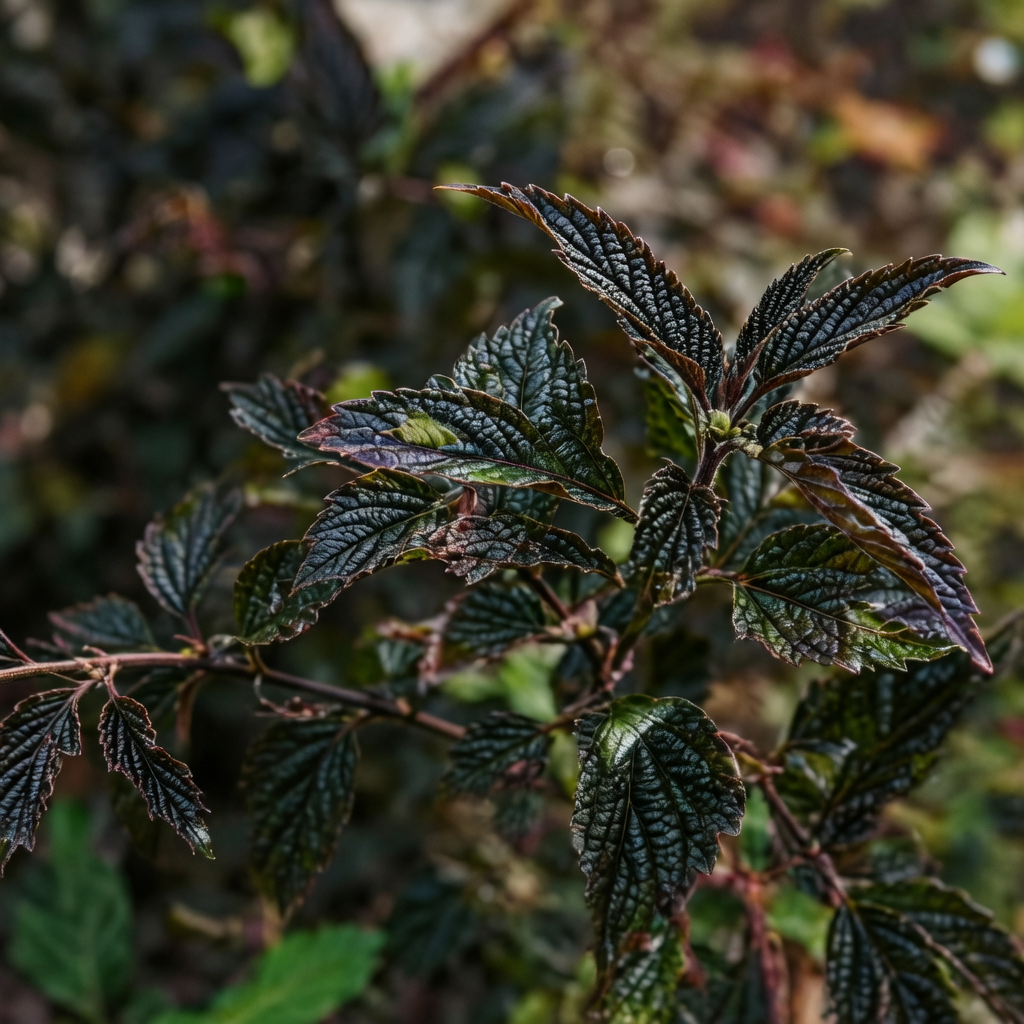
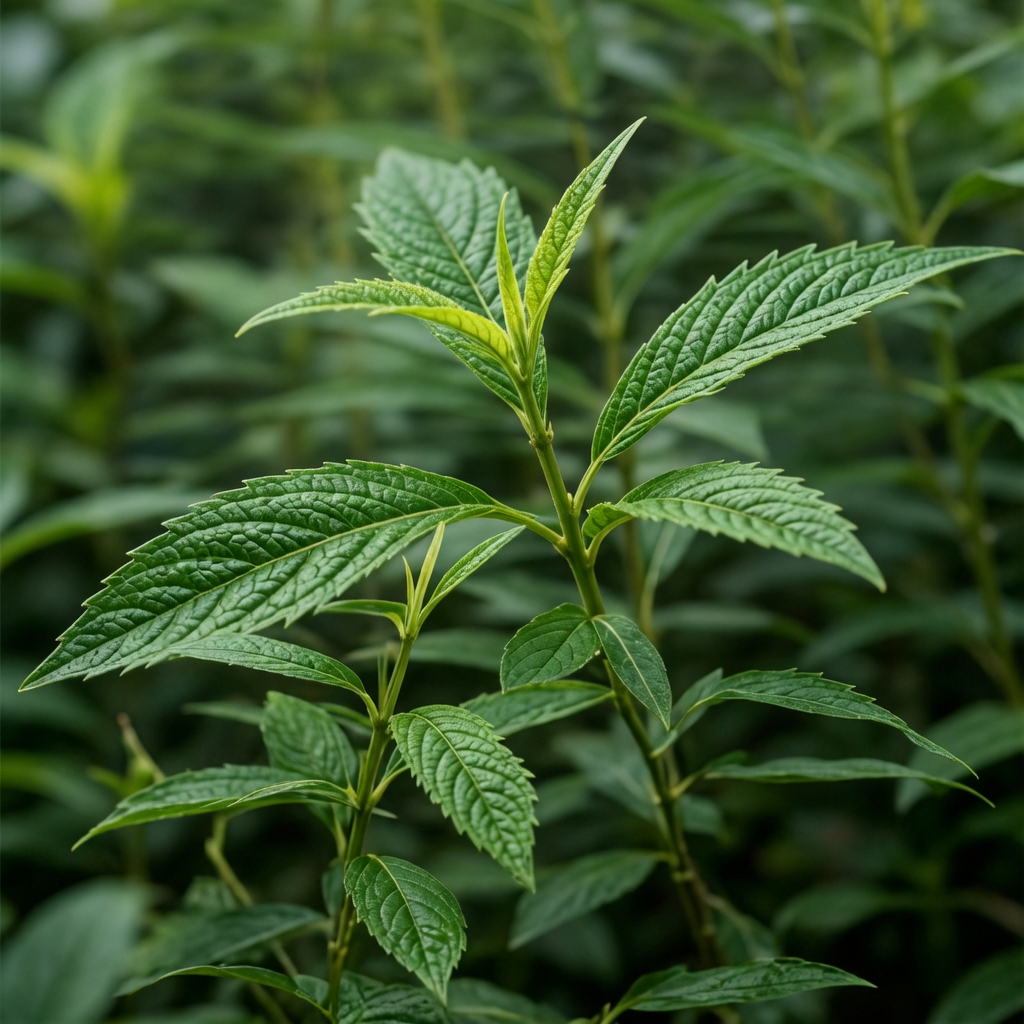
- Foliage:Leaves are elliptic to lance-shaped, sometimes obovate-elliptic. The plant is generally smooth and mostly hairless.
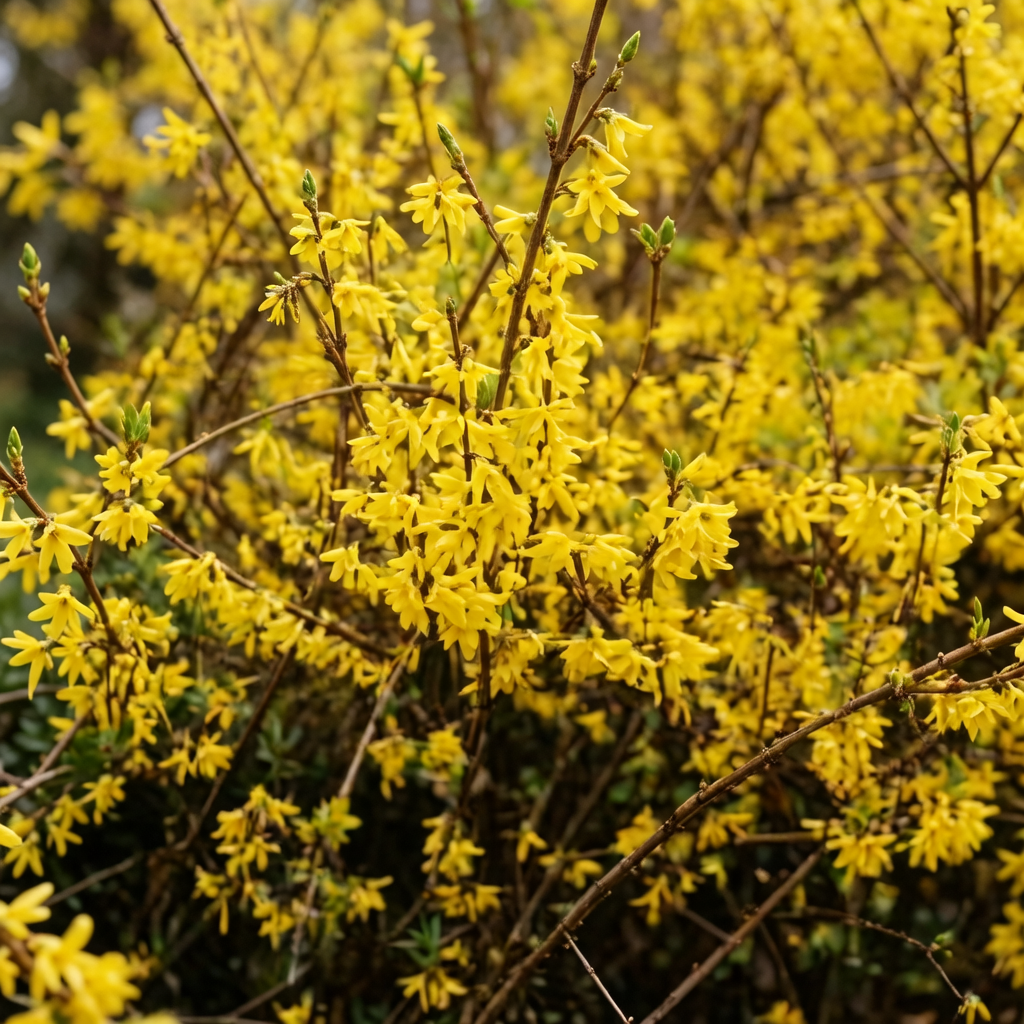
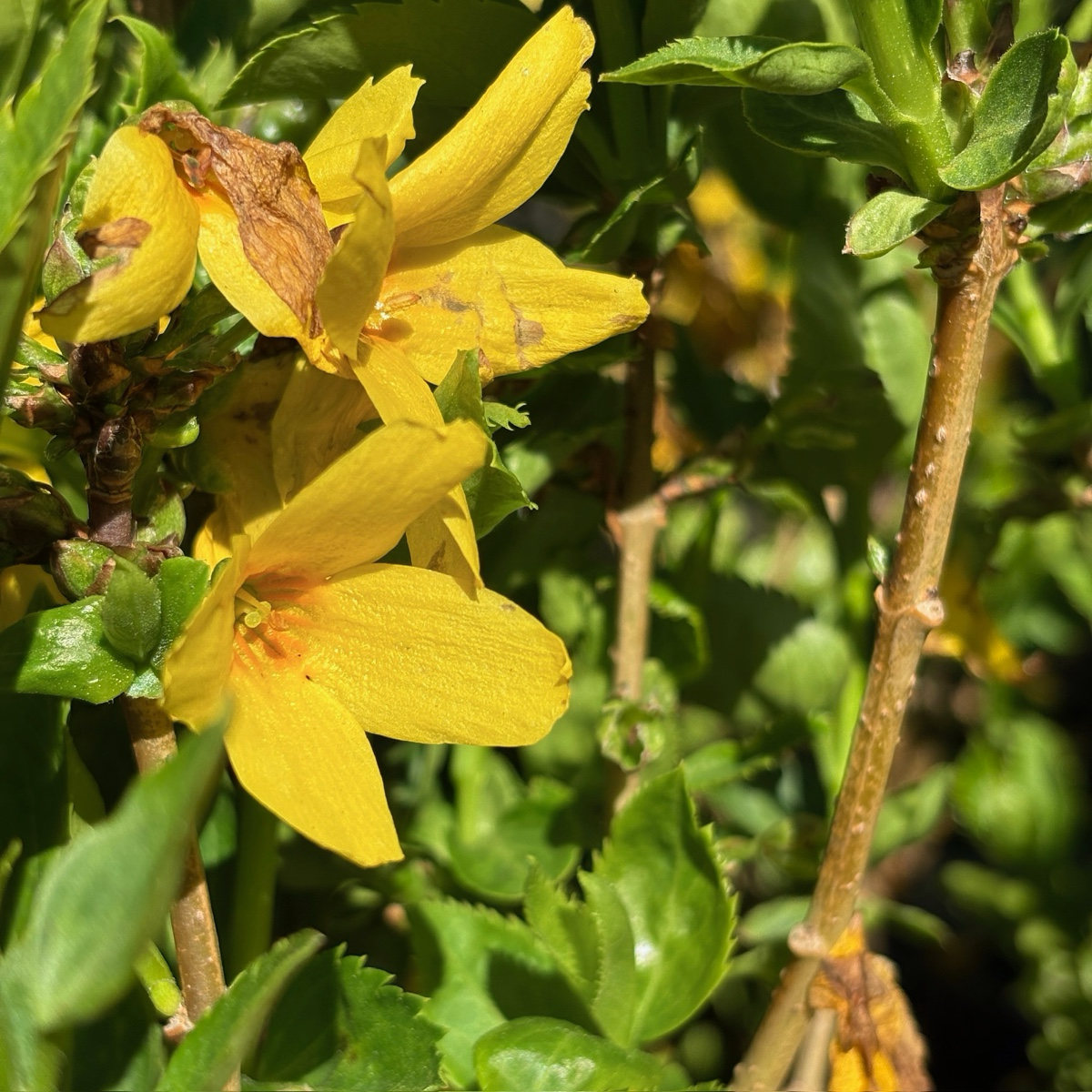
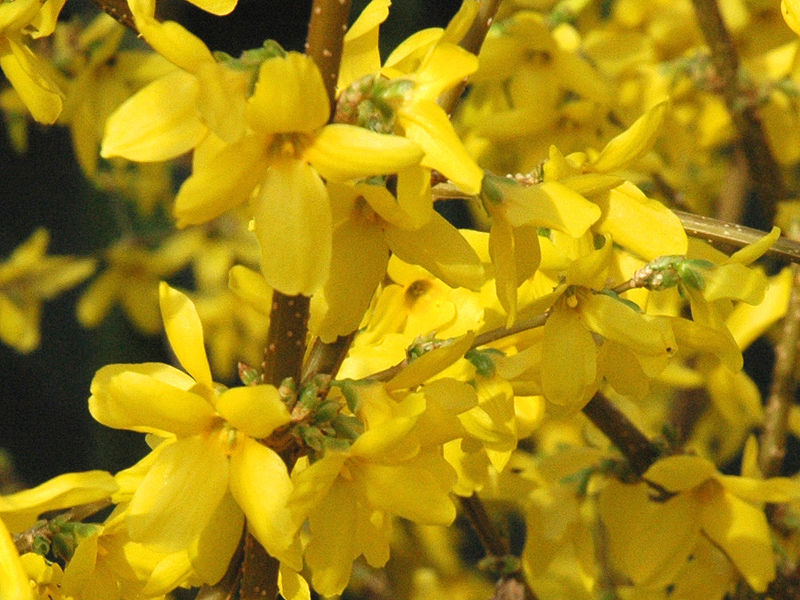
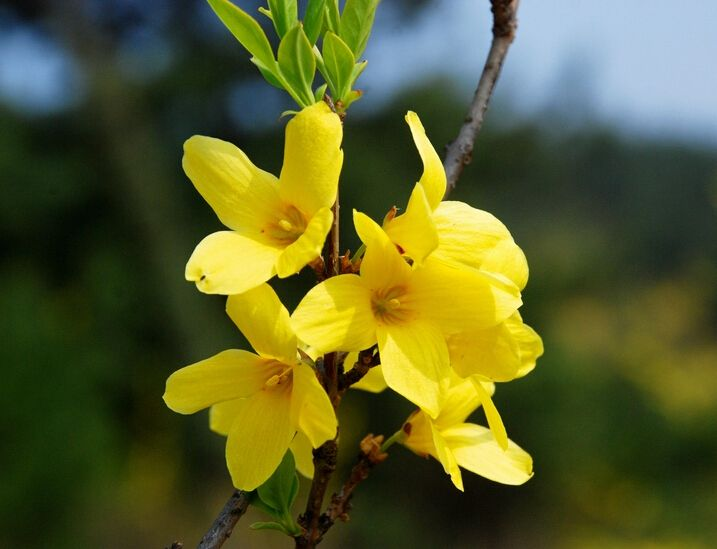
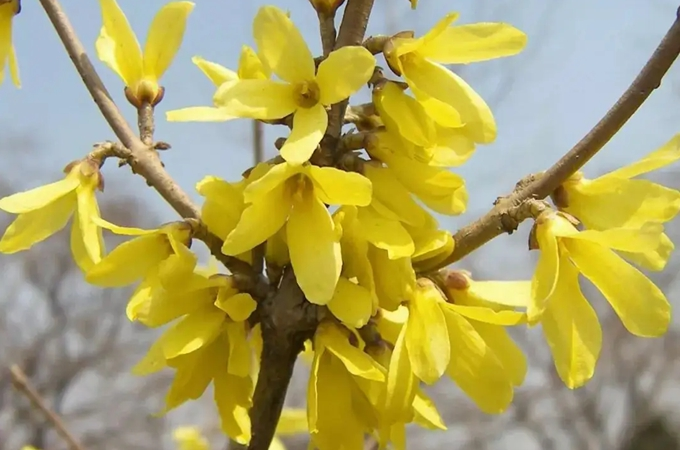
- Flower:Vivid golden-yellow flowers open before the leaves, borne in leaf axils in small groups of 1–3 along the stems. The corolla tube is about 5–6 mm (0.20–0.24 in) long with narrow oblong lobes.
- Flowering Season:March–April (early spring)
- Growth Habit:Deciduous shrub with arching, fountain-like stems.
🌤️ Environment
Sunlight
Full sun to partial shade; flowering is best in full sun.
Temperature
Cold-hardy and heat-tolerant; best in cool to temperate climates. Typical active growing temperatures are about 10–25°C (50–77°F).
Humidity
Adaptable; tolerates moisture but prefers moderate humidity with good air movement. Avoid stagnant, overly damp conditions.
Soil
Adaptable to many garden soils; happiest in well-drained, moderately fertile loam. Avoid waterlogged sites.
Placement
Sunny, slightly sheltered garden spot for the biggest spring display. Works well as a specimen shrub, in mixed borders, mass planting, informal hedges, naturalistic plantings, and on slopes.
Hardiness
USDA Zone 5–8 (generally frost-hardy).
🪴 Care Guide
Difficulty
Easy to moderate: a tough, forgiving shrub once established, and usually reliable in a wide range of garden conditions.
Buying Guide
Pick plants with sturdy, healthy canes and no obvious dieback. Avoid severely pot-bound shrubs. Inspect stems and buds for pests; for hedges or mass plantings, choose uniform sizes for an even finished look.
Watering
Water regularly during the first growing season to help it establish. After that, water deeply during extended dry spells—aim for evenly moist soil, never soggy. Deep, occasional watering is better than frequent light sprinkling.
Fertilization
In early spring, use compost or a balanced slow-release fertilizer. Don’t overdo nitrogen—too much can lead to lots of soft leafy growth and fewer flowers.
Pruning
Prune right after flowering, since next year’s buds form on old wood. Each year, remove a few of the oldest stems at the base to keep the shrub vigorous and blooming well. Avoid heavy pruning in winter or early spring if you want flowers.
Propagation
Softwood cuttings in late spring to early summer, semi-ripe cuttings in summer, or layering (pinning a flexible stem to the ground until it roots).
Repotting
Usually grown in the ground. In containers, repot every 2–3 years in early spring into a slightly larger pot with a free-draining mix; refresh the top layer of soil annually.
📅 Seasonal Care Calendar
Early spring: mulch and feed. After flowering: prune and thin older stems. Summer: water in drought and take cuttings. Autumn: tidy and top-dress with compost. Winter: avoid major pruning; protect young plants in very cold, exposed sites.
🔬 Pests, Diseases & Safety
Common Pests & Diseases
Usually trouble-free. Watch for aphids on tender new growth, scale insects, and occasional leaf spot or twig dieback if the plant is stressed. Improve airflow, avoid waterlogging, and remove badly affected stems if dieback appears.
Toxicity
Not considered highly toxic, but chewing or ingestion may cause mild stomach upset in people or pets. It’s still best to discourage nibbling.
🎋 Culture & Symbolism
Symbolism:A classic symbol of spring’s arrival—often linked with optimism, hope, and renewal thanks to its very early bloom.
History & Legends:Forsythias have long been loved in temperate gardens for dependable early-season color. The genus name honors William Forsyth, an 18th-century Scottish botanist and horticulturist.
Uses:Primarily an ornamental shrub for gardens and parks—great for mixed borders, mass spring displays, informal flowering hedges, and naturalistic plantings. Its arching form can also soften slopes and edges.
❓ FAQ
Why does my forsythia have lots of leaves but few flowers?
Most often it’s pruned at the wrong time (removing flower buds), grown in too much shade, or fed with too much nitrogen. Give it more sun, prune immediately after flowering, and keep fertilizing moderate.
When should I prune greenstem forsythia?
Right after it finishes flowering in spring. That timing protects next year’s buds, which form on older wood.
💡 Fun Facts
- It flowers on bare stems before leaves emerge, making the yellow display especially dramatic.
- Flowers are borne 1–3 together in the leaf axils along the stems.
- The corolla tube is only about 5–6 mm (0.20–0.24 in) long.
- In good conditions it can reach about 3 m (10 ft) tall.
- Its naturally arching branches make it popular for informal hedges and spring focal points.