🌱 Plant Features
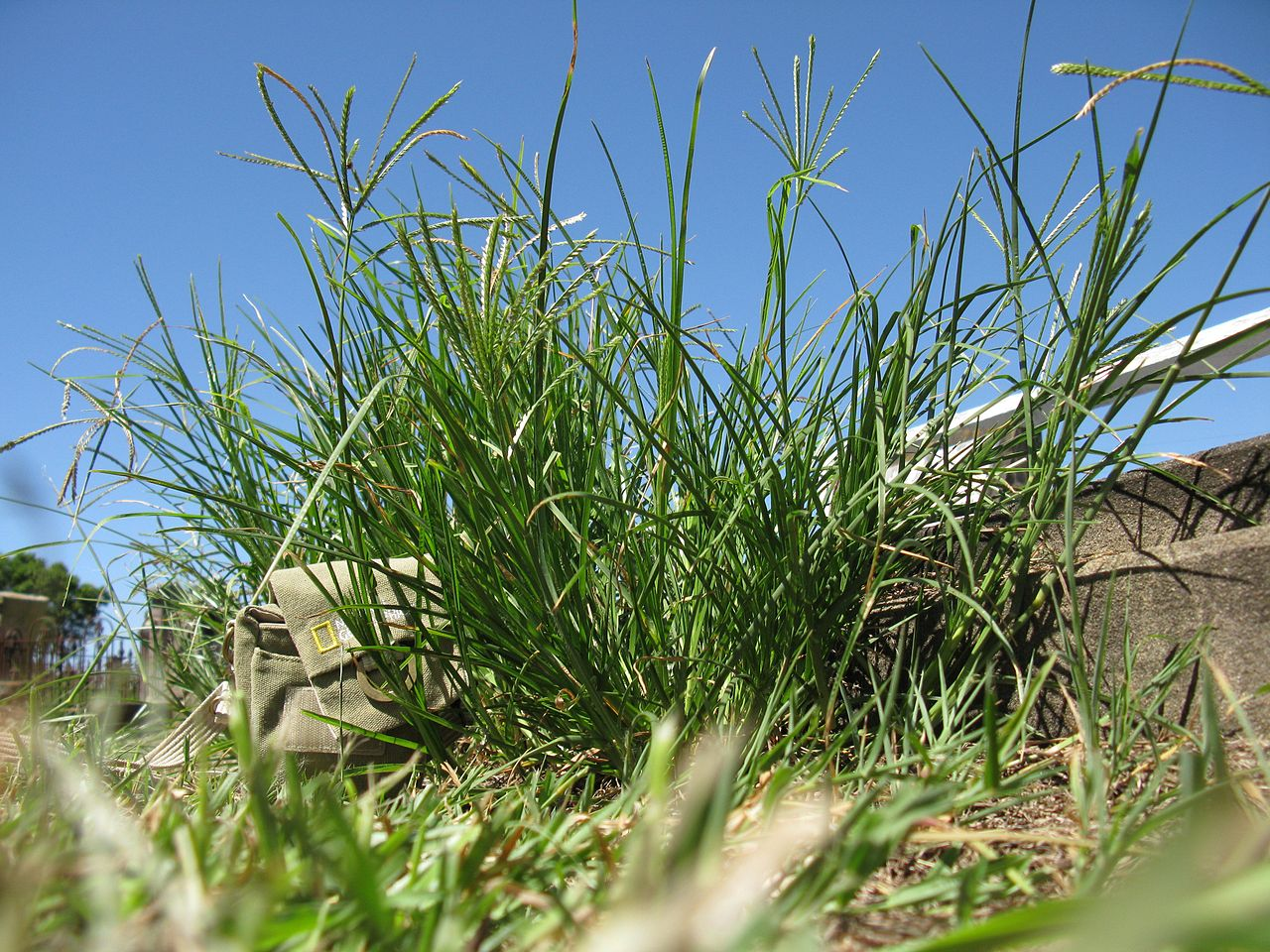
- Size:Typically 10–90 cm (4–35 in) tall.
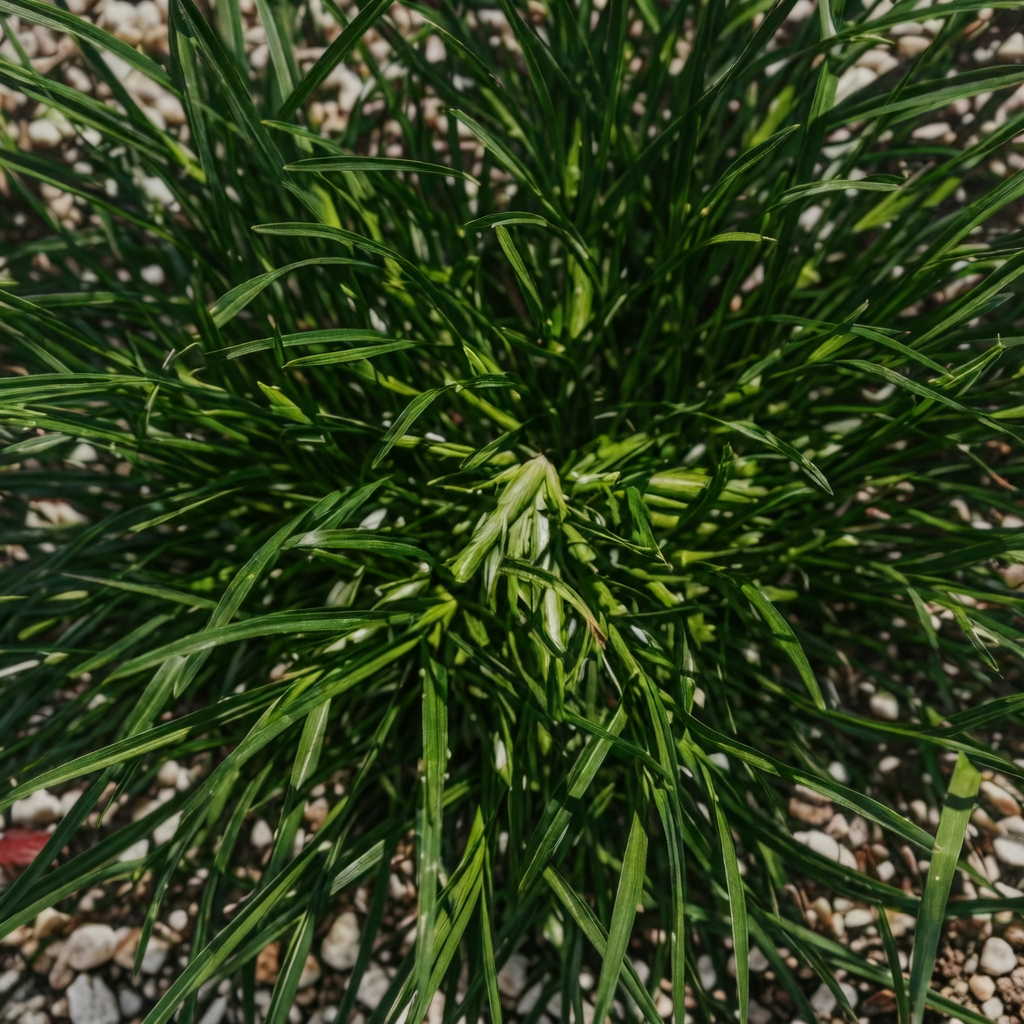
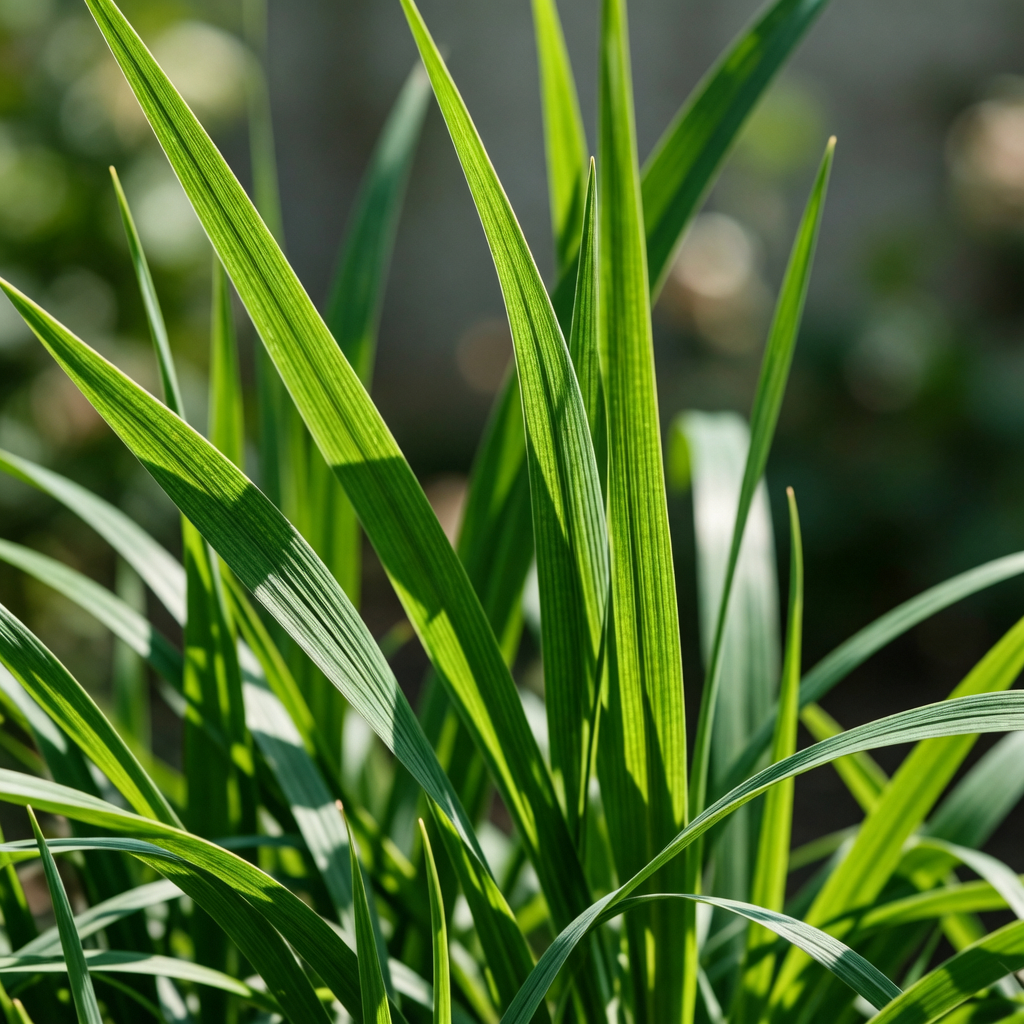
- Foliage:Leaves are narrow and linear, usually flat. Leaf sheaths are somewhat flattened and keeled. Surfaces are often hairless, though they may have sparse small bristly hairs. The ligule is extremely short, about 1 mm (0.04 in).
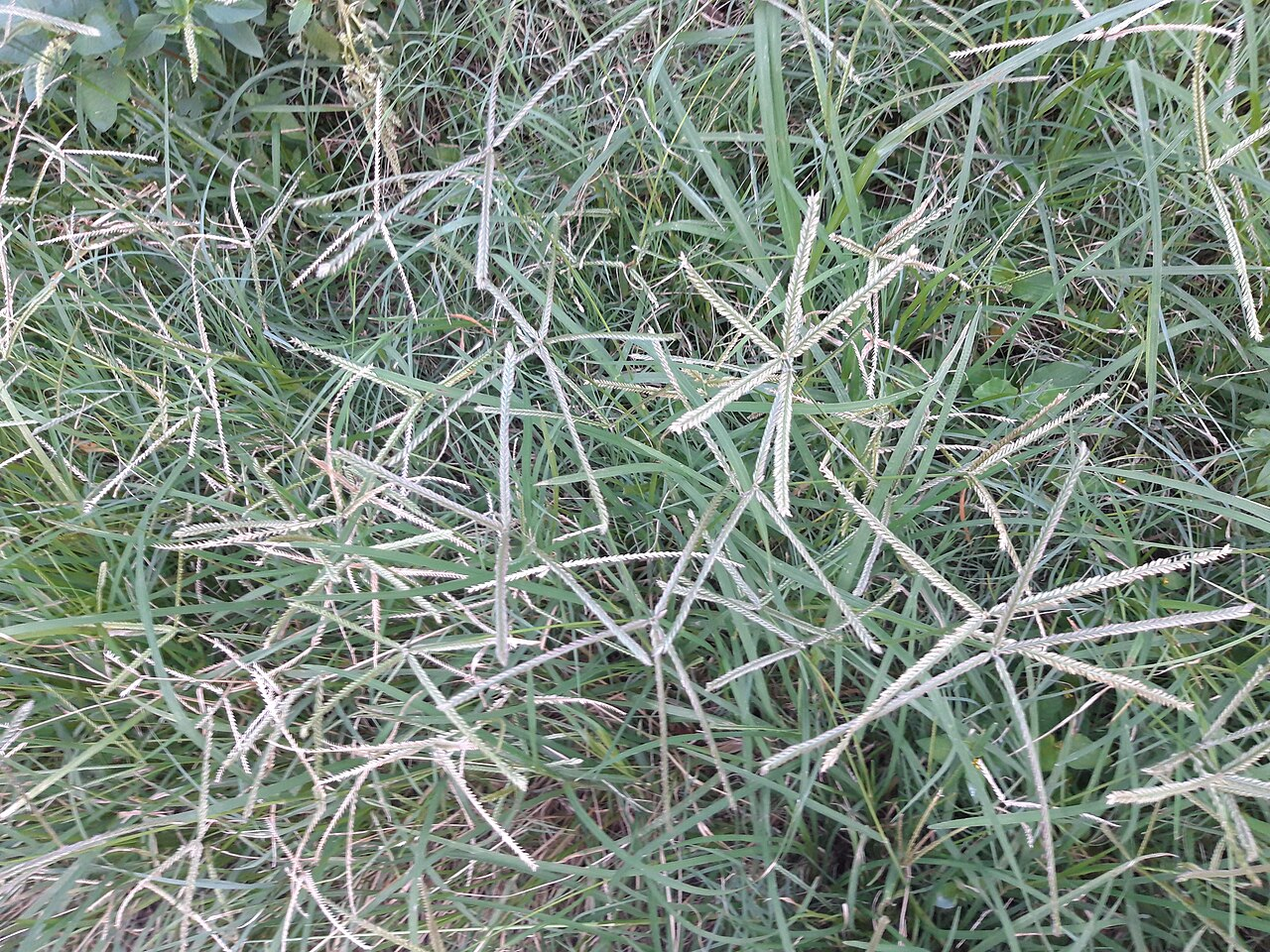
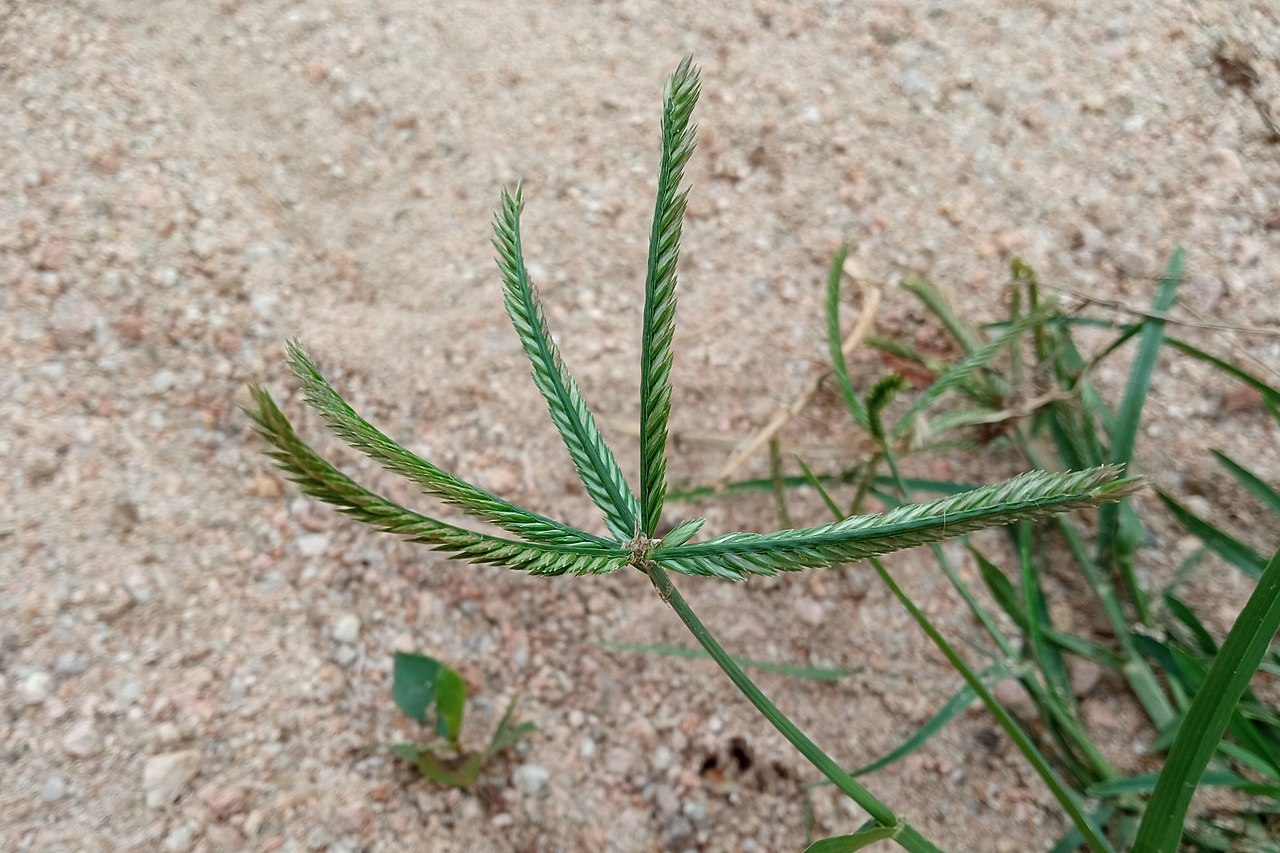
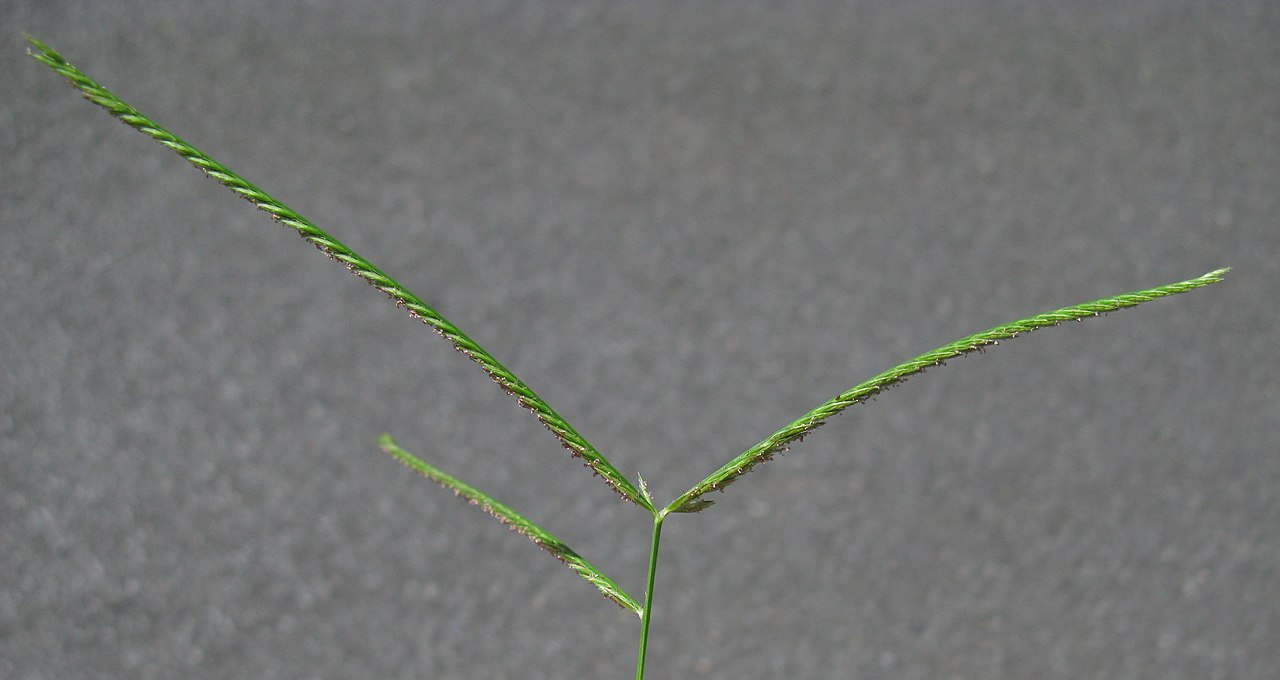
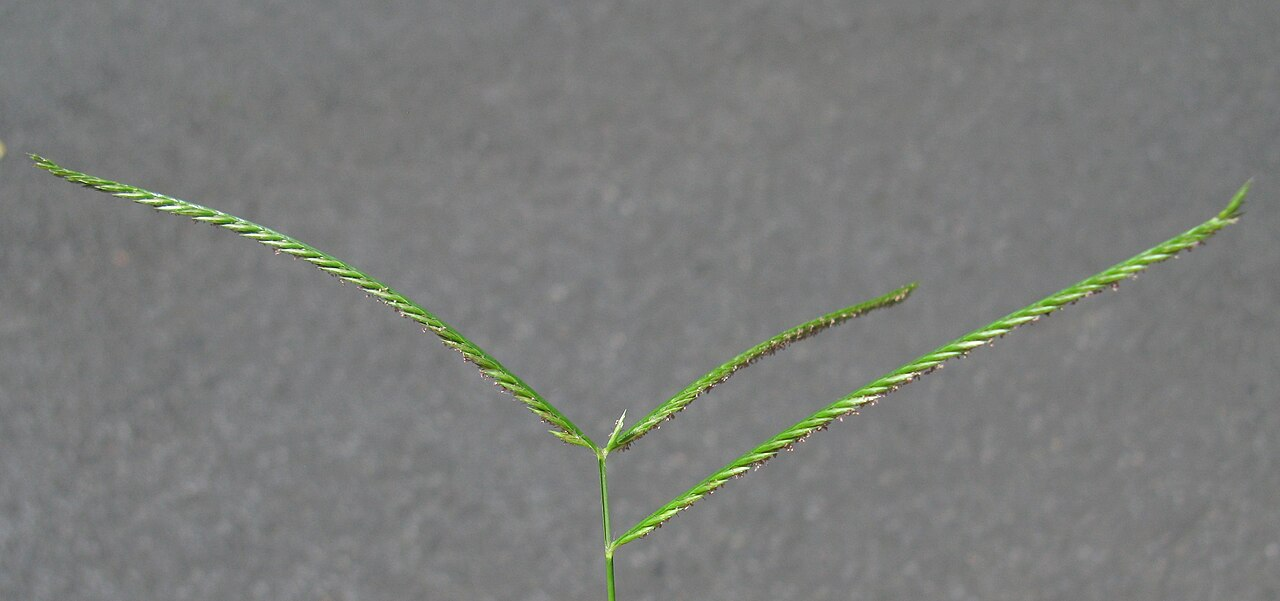
- Flower:The seed head forms 2–7 finger-like spikes at the stem tip (rarely a single spike), giving a distinctive “crowfoot” look. Spikelets typically hold about 3–6 florets. The mature fruits are small, egg-shaped grains with noticeable wavy longitudinal ridges.
- Flowering Season:June–October
- Growth Habit:Annual, tuft-forming grass with clustered stems; the base often leans outward. Root system is dense, fibrous, and well-developed.
🌤️ Environment
Sunlight
Full sun; tolerates light shade but grows best in bright, open sites.
Temperature
Warm-season growth; commonly active around 20–35°C (68–95°F). Sensitive to frost—growth slows or stops near 0°C (32°F).
Humidity
Adaptable; grows in moderate to fairly humid conditions as long as drainage is adequate.
Soil
Highly tolerant of many soil types and fertility levels (sand to clay). Prefers well-drained soils and is especially common in compacted or disturbed ground.
Placement
Outdoors in open, sunny disturbed areas such as roadsides, wasteland, field edges, and compacted ground.
Hardiness
Not frost-hardy; behaves as a warm-season annual. In temperate regions it dies with frost; in frost-free climates it may persist longer.
🪴 Care Guide
Difficulty
Very easy—extremely adaptable and quick to establish (often considered a weed).
Buying Guide
Usually not purchased as an ornamental. If using it for forage or soil stabilization, choose clean, viable seed and be cautious about introducing it where it could become invasive or unwanted.
Watering
Fairly drought-tolerant once established. For seedlings, keep the top layer of soil lightly moist; later, water only during prolonged dry spells.
Fertilization
Typically unnecessary. If grown intentionally in poor soils, a light application of a balanced fertilizer during active growth can increase biomass.
Pruning
Not required. Mowing/cutting before seed set helps reduce spread and may encourage fresh leafy regrowth.
Propagation
Primarily by seed; readily self-seeds when conditions suit it.
Repotting
Not typically grown in containers; repotting is generally not applicable.
📅 Seasonal Care Calendar
Late spring to summer: germination and rapid growth. Summer to autumn (June–October): flowering and seed production—mow/control before seeds mature if you don’t want it spreading. After first frost: plants decline and die back in temperate climates.
🔬 Pests, Diseases & Safety
Common Pests & Diseases
Generally resilient. When stressed it may show leaf spots or rust-like symptoms; good airflow and avoiding overwatering help. Like many grasses, it can also serve as a host for pests that affect lawns and cereal crops.
Toxicity
Not known to be toxic to people or pets. However, grass pollen may trigger allergies in sensitive individuals.
🎋 Culture & Symbolism
Uses:Used as forage in some contexts and valued for soil stabilization thanks to its dense, fibrous roots; most commonly encountered as a widespread weed of disturbed land.
❓ FAQ
When does it flower?
June–October.
When does it set fruit/seed?
June–October.
How tall does it grow?
About 10–90 cm (4–35 in).
What growing conditions does it prefer?
Full sun and a wide range of soils; it’s highly adaptable and especially successful in disturbed or compacted ground.
Where is it found and what habitats does it occupy?
Widely distributed across China (north to south), commonly on wasteland and along roadsides.
💡 Fun Facts
- Its seed head often looks like a small “crowfoot,” with several finger-like spikes radiating from the tip.
- A dense, fibrous root system helps it tolerate compaction and stabilize loose soil.
- Because it thrives in disturbed sites, it’s one of the most common roadside grasses in many warm regions.