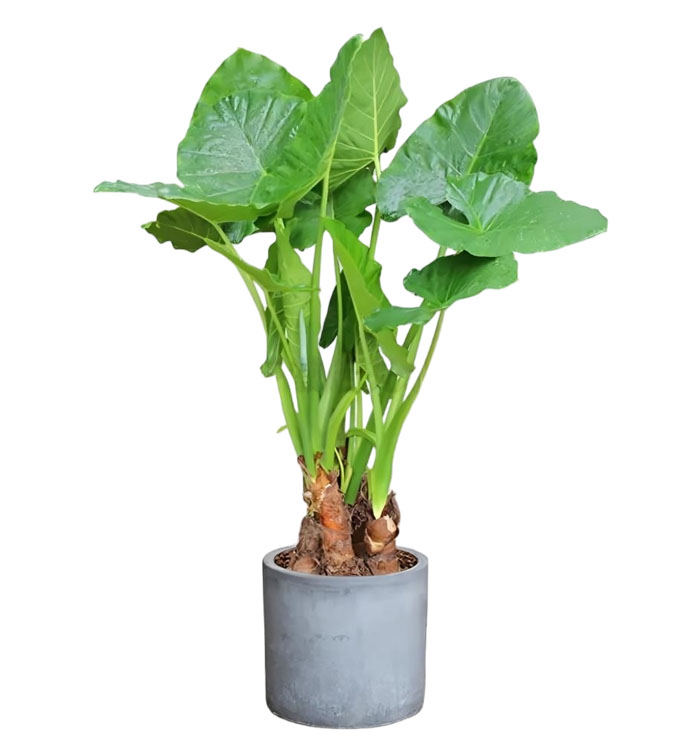
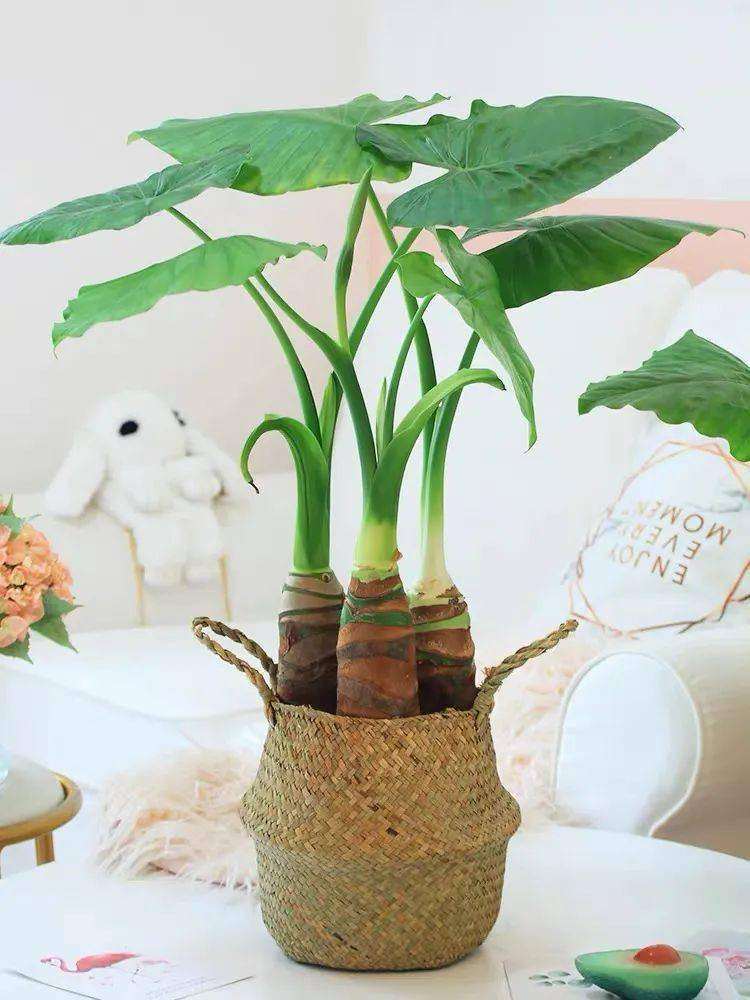
🌱 Plant Features
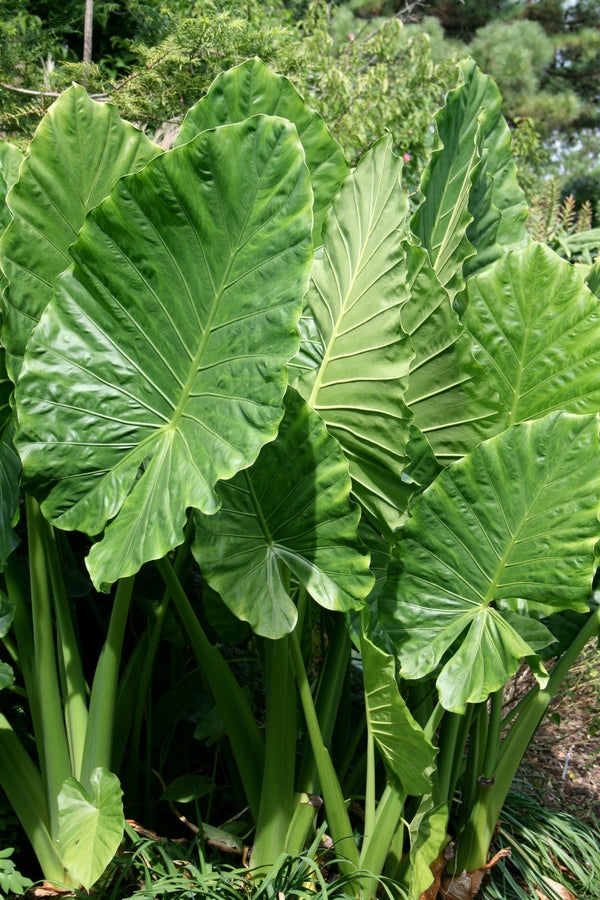
- Size:Indoors typically 1.2–2.4 m (4–8 ft) tall with a spread of 0.9–1.8 m (3–6 ft); in tropical outdoor conditions it can grow much larger.
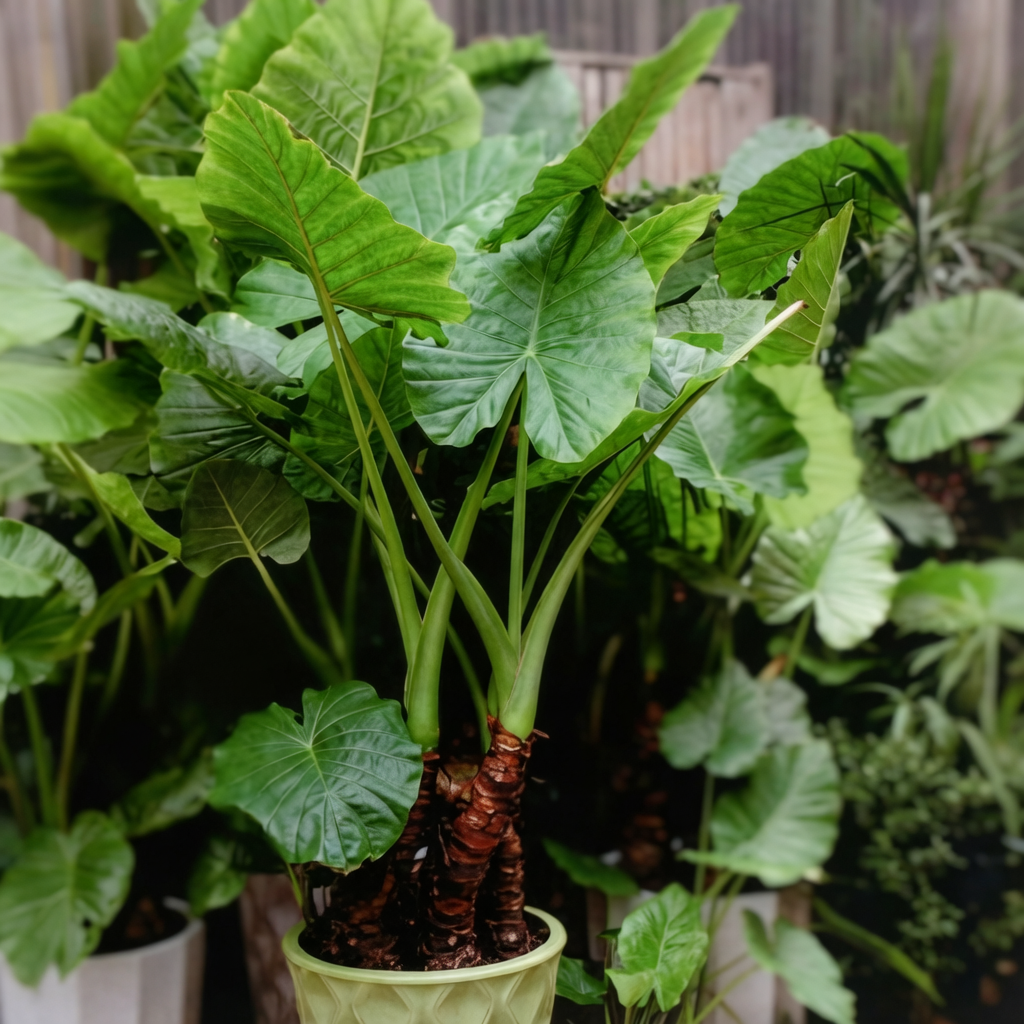
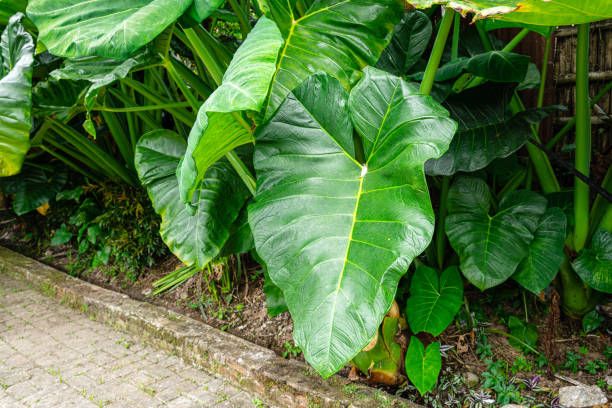
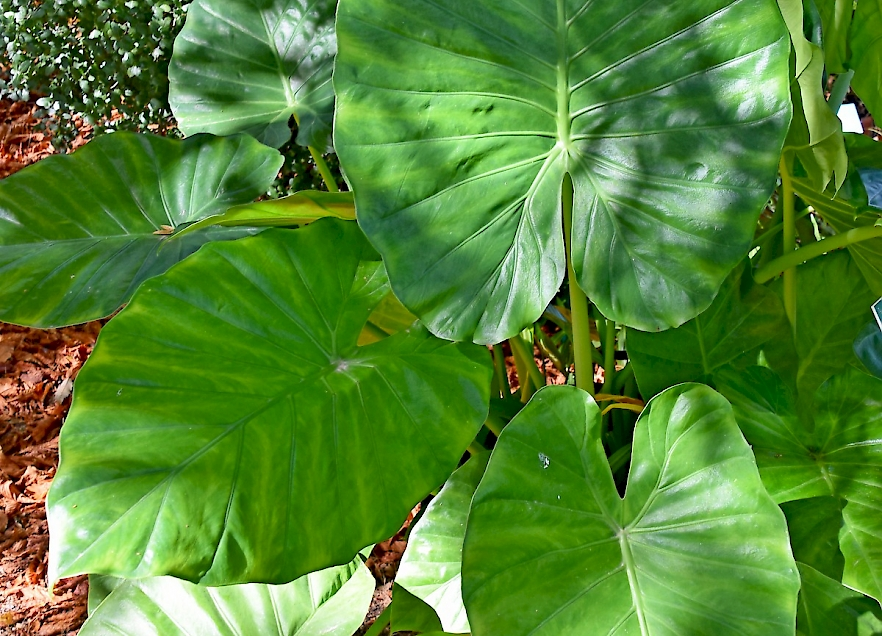
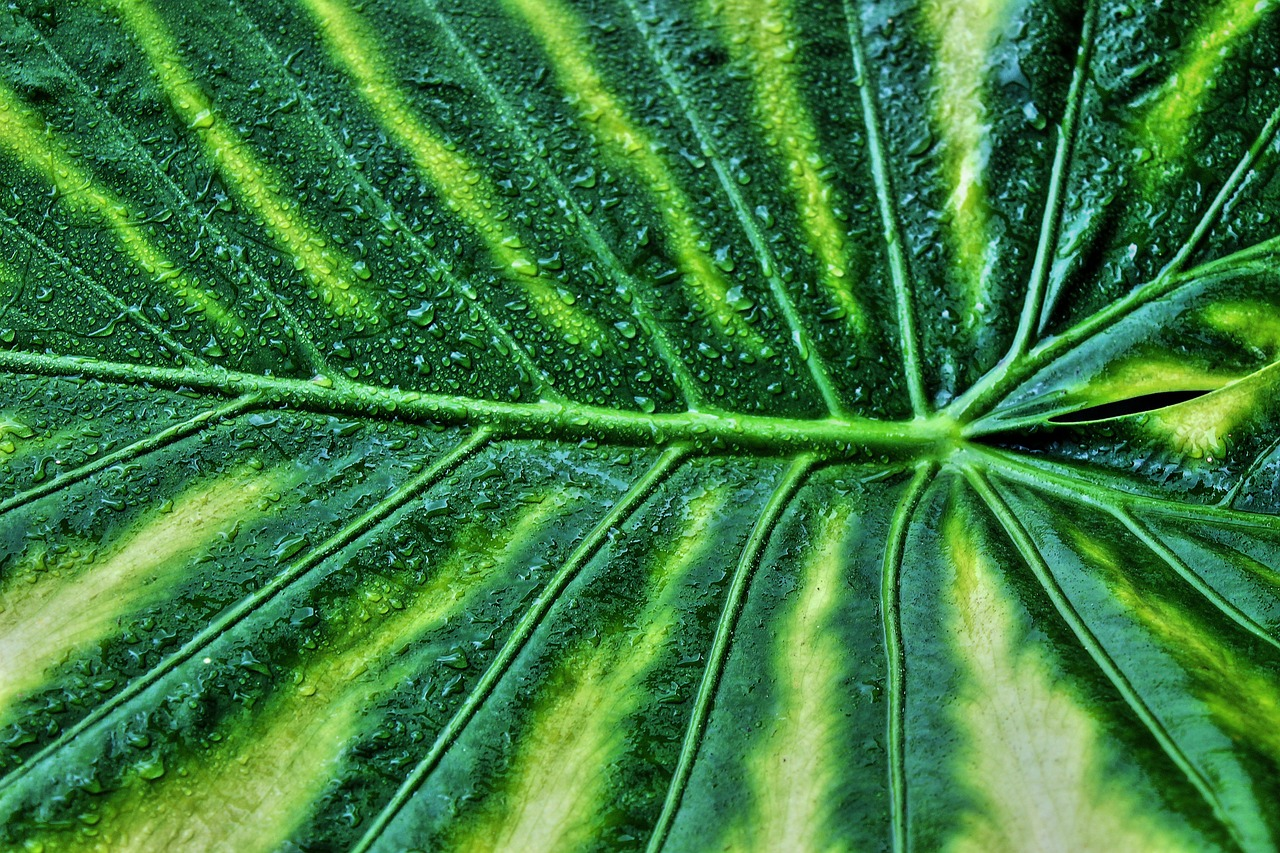
- Foliage:Huge, glossy green leaves with prominent veining—thin enough to tear but sturdy when well-grown. Because the leaves can rip from bumps or strong drafts, give it space and shelter, and rotate the pot occasionally so it grows evenly rather than leaning toward the light.
- Flower:May produce classic aroid blooms: a pale spathe wrapped around a central spadix, most often in summer under warm conditions. Flowering indoors is uncommon; if flowers are pollinated, berries may follow.
- Flowering Season:Summer.
- Growth Habit:An evergreen, clump-forming tropical herb that grows from a thick rhizome/corm. It enjoys warmth, steady moisture, and bright filtered light; it generally tolerates evenly damp soil better than drought, but reacts poorly to cold.
🌤️ Environment
Sunlight
Bright, indirect light to partial shade. Avoid harsh midday sun, which can scorch the leaves. A south- or southeast-facing window with a sheer curtain is often ideal.
Temperature
Grows best at 20–30°C (68–86°F). Keep above 15°C (59°F) in winter; below that it slows significantly and may go semi-dormant.
Humidity
High humidity is ideal, around 70–80%. Average indoor humidity can work, but fuller growth usually comes with extra humidity (humidifier or pebble tray).
Soil
Rich, moisture-retentive yet airy mix (peat- or leaf-mold-based) with chunky drainage material (e.g., bark or coarse grit). Keep evenly moist, never swampy or waterlogged.
Placement
A bright living room or study with filtered light; also does well in a warm, bright bathroom if there’s sufficient light and airflow.
Hardiness
Frost-tender; suitable outdoors year-round mainly in warm climates, roughly USDA Zone 10–12.
🪴 Care Guide
Difficulty
Moderate. It’s straightforward when kept warm with steady moisture and decent humidity, but it quickly shows stress from cold, intense direct sun, or letting the potting mix dry out too far.
Buying Guide
Choose a well-balanced, symmetrical plant with firm stems and clean, richly green leaves with clear veining. After bringing it home, place it in bright filtered light (such as behind a sheer curtain), keep the potting mix lightly and evenly moist (not soggy), and avoid splashing muddy water onto the leaves. If the air is very dry, mist lightly or use a humidifier. Wait to fertilize until you see fresh new growth, and keep fertilizer solution off the foliage.
Watering
In active growth (about May–September), water thoroughly when the top 2–3 cm (about 1 in) of mix begins to dry. In hot weather this can be as often as every ~2 days; in spring/autumn, often around twice weekly. In winter, reduce watering—if the plant is cooler and growth slows or stops, keep it just barely moist and avoid soaking the pot.
Fertilization
Feed every 2 weeks during the growing season with a balanced fertilizer (e.g., 20-20-20) at half strength. Nitrogen supports lush leaf growth, while potassium can help keep petioles sturdier; avoid overfeeding.
Pruning
Remove damaged, torn, or aging leaves by cutting them off cleanly at the base with sanitized tools. Since the plant tends to have fewer, very large leaves, protect them from knocks and make sure new leaves have room to unfurl.
Propagation
Division is the easiest method. In April–May, lift the plant and separate offsets or corm/rhizome sections. Dust fresh cuts with horticultural sulfur or wood ash and let them dry briefly before potting to reduce rot risk.
Repotting
Repot in early spring yearly or whenever it becomes rootbound. For typical indoor sizes, a pot around 15–25 cm (6–10 in) in diameter is common. Use a rich mix and ensure excellent drainage; a chunky layer can help keep the root zone airy. A light moss top-dressing can help hold moisture if your home is dry.
📅 Seasonal Care Calendar
May–Sep: peak growth—water frequently (often about every ~2 days in summer), raise humidity/mist as needed, and fertilize every 2 weeks. Spring/Autumn: water about twice weekly, letting the surface begin to dry between waterings. Winter: keep warm and reduce watering; if kept cool and top growth declines, keep the underground rhizome just barely moist. Early spring: repot and divide if needed.
🔬 Pests, Diseases & Safety
Common Pests & Diseases
Gray mold (Botrytis) can appear in cool, stagnant, overly wet conditions—improve airflow, remove affected tissue, and avoid leaving leaves wet late in the day. Aphids can also be an issue and may spread mosaic-like viruses; isolate suspicious plants and treat aphids promptly with insecticidal soap or horticultural oil.
Toxicity
Toxic/irritant sap with calcium oxalate crystals. Chewing or swallowing can cause burning, swelling, drooling, and stomach upset in people and pets. Keep out of reach of children and animals; wear gloves if you’re sensitive and wash hands after handling.
🎋 Culture & Symbolism
Uses:Primarily grown as an ornamental foliage plant for indoor decorating and tropical-style landscaping in warm climates.
❓ FAQ
Why are my giant taro leaves turning yellow?
Yellowing can come from several common stresses: too little light, harsh direct sun, soggy soil/overwatering, cold stress, heat stress, or stale air. Start by aiming for bright filtered light, keep the mix evenly moist (not waterlogged), and maintain temperatures above 15°C (59°F).
How do I choose a good plant and what should I do right after bringing it home?
Pick a symmetrical plant with firm stems and healthy green leaves with clear veining. Place it in bright filtered light (behind a sheer curtain), keep the mix evenly moist but not soggy, add a little humidity if the air is dry, and wait for new growth before feeding with dilute fertilizer—avoid getting fertilizer on the leaves.
💡 Fun Facts
- With warmth and high humidity, the dramatic “elephant ear” leaves can get truly enormous.
- If temperatures drop, the plant may slow down or partially die back and rest from its underground rhizome/corm.
- The irritating sap is why careful placement and handling matter—especially in homes with kids or pets.
- It can flower with a spathe-and-spadix bloom typical of aroids, but indoor flowering is much rarer than impressive leaf growth.