🌱 Plant Features
- Size:Typically 15–30 cm (6–12 in) tall with a similar spread of 15–30 cm (6–12 in), depending on cultivar and pot size.
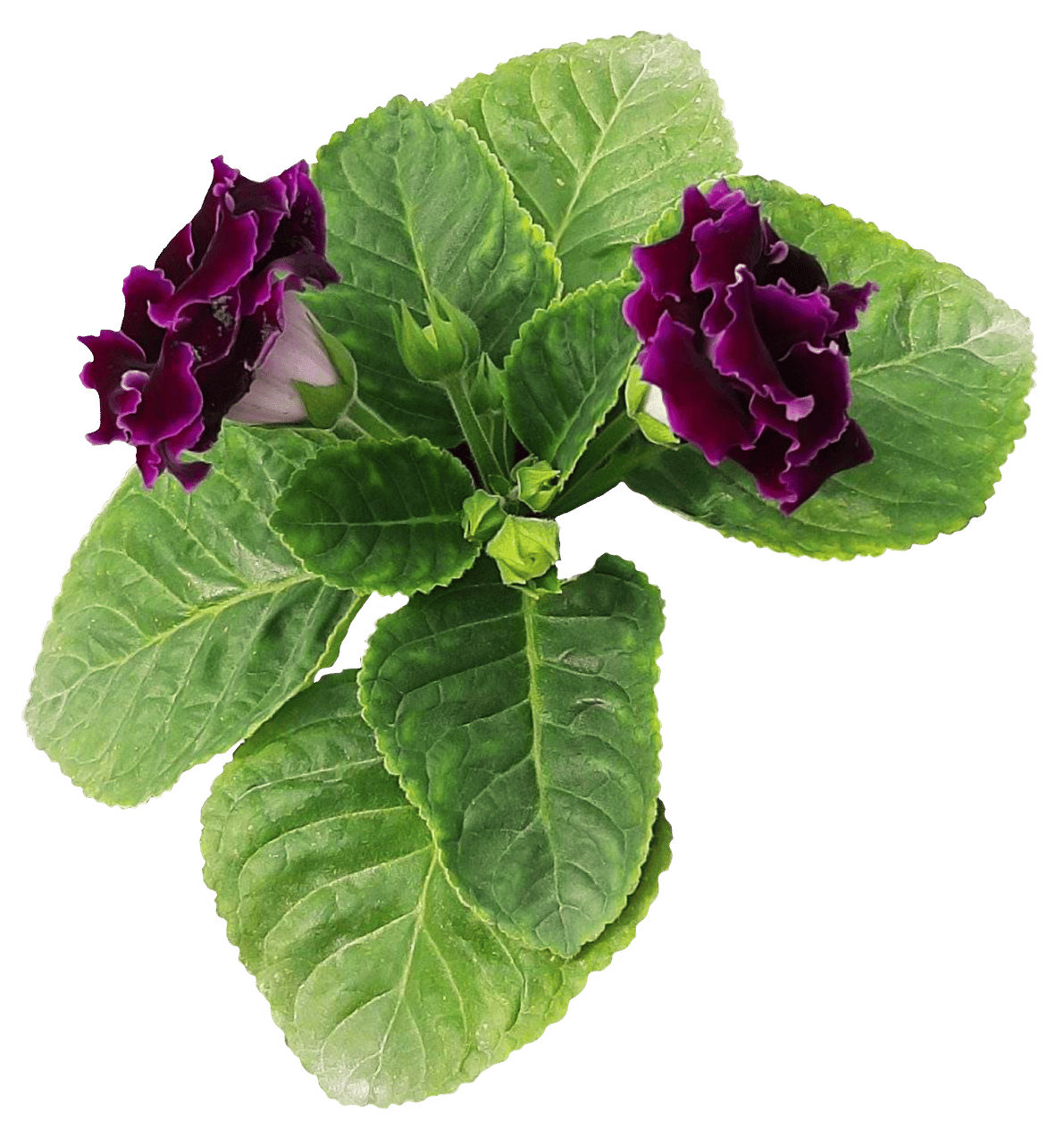
- Foliage:Leaves are large, oval, thick, and famously velvety, usually deep green and sometimes tinged reddish underneath, arranged in a low rosette on fleshy petioles that can droop if light is too low. Variegated forms exist and are especially prized. Keeping the foliage dry is important—water sitting on the fuzzy leaves can cause spotting, browning, or rot; low light can also lead to pale foliage, browned edges, and weak stalks.
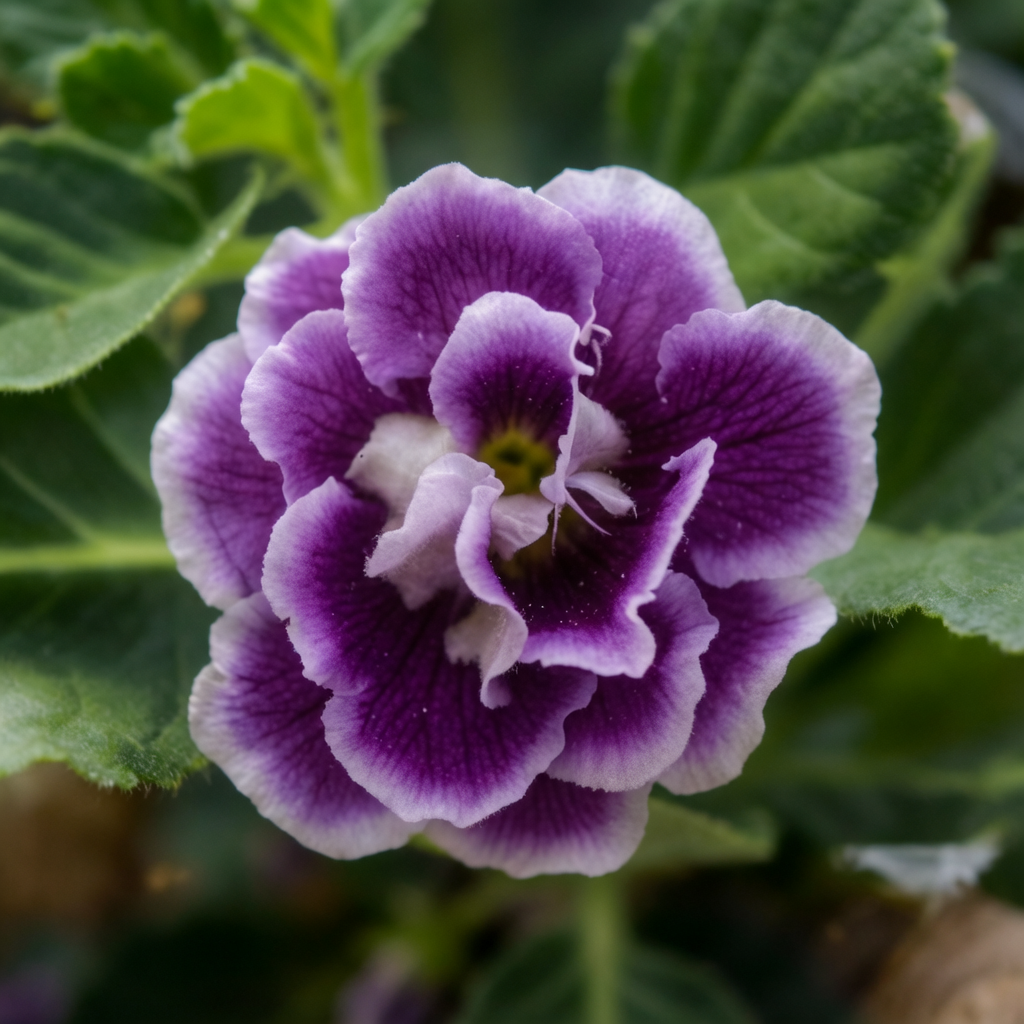
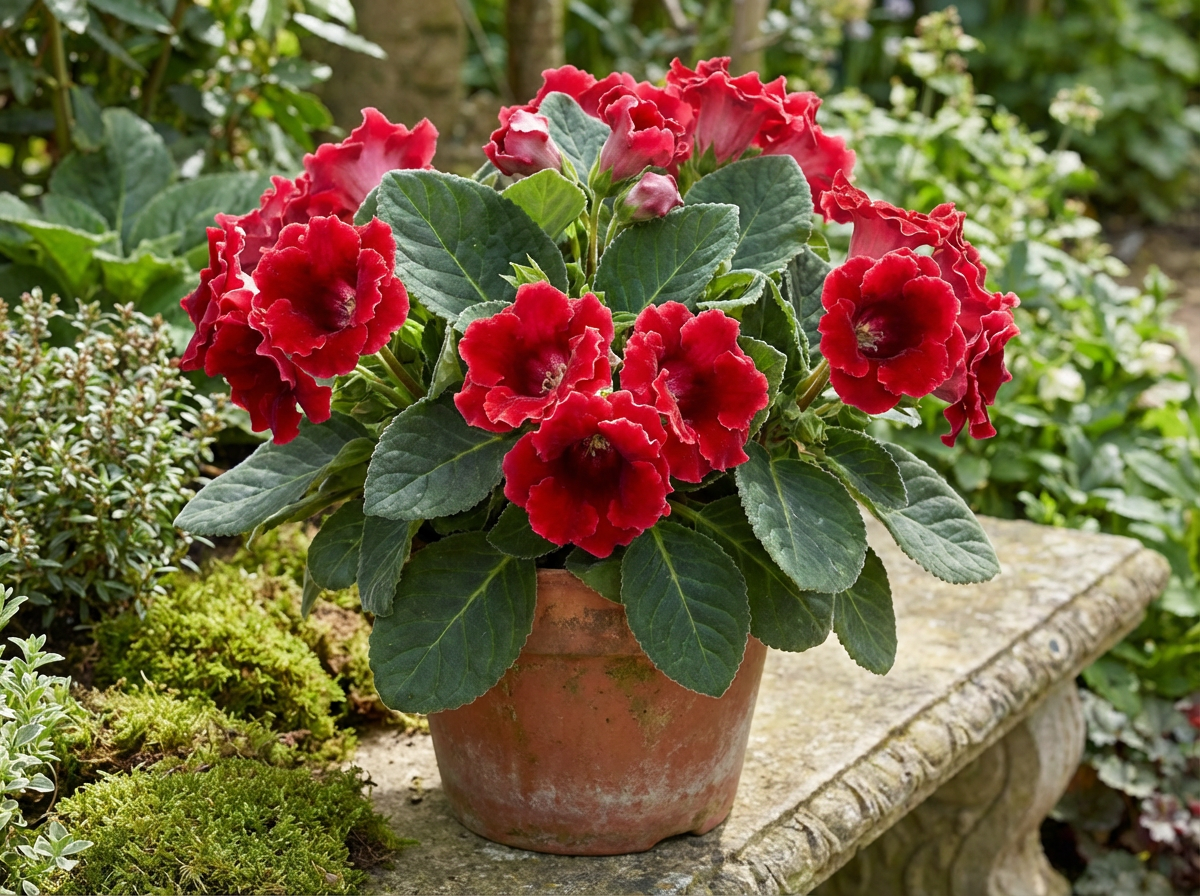
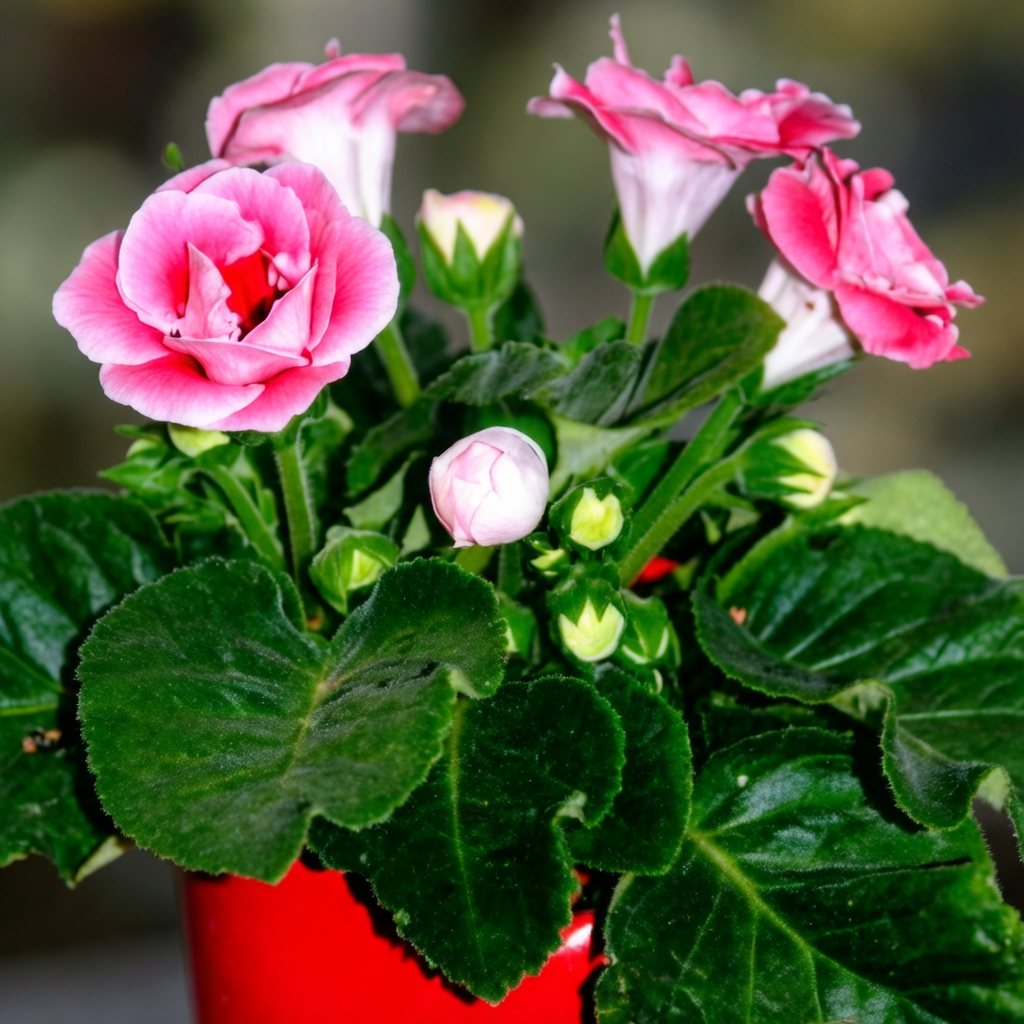
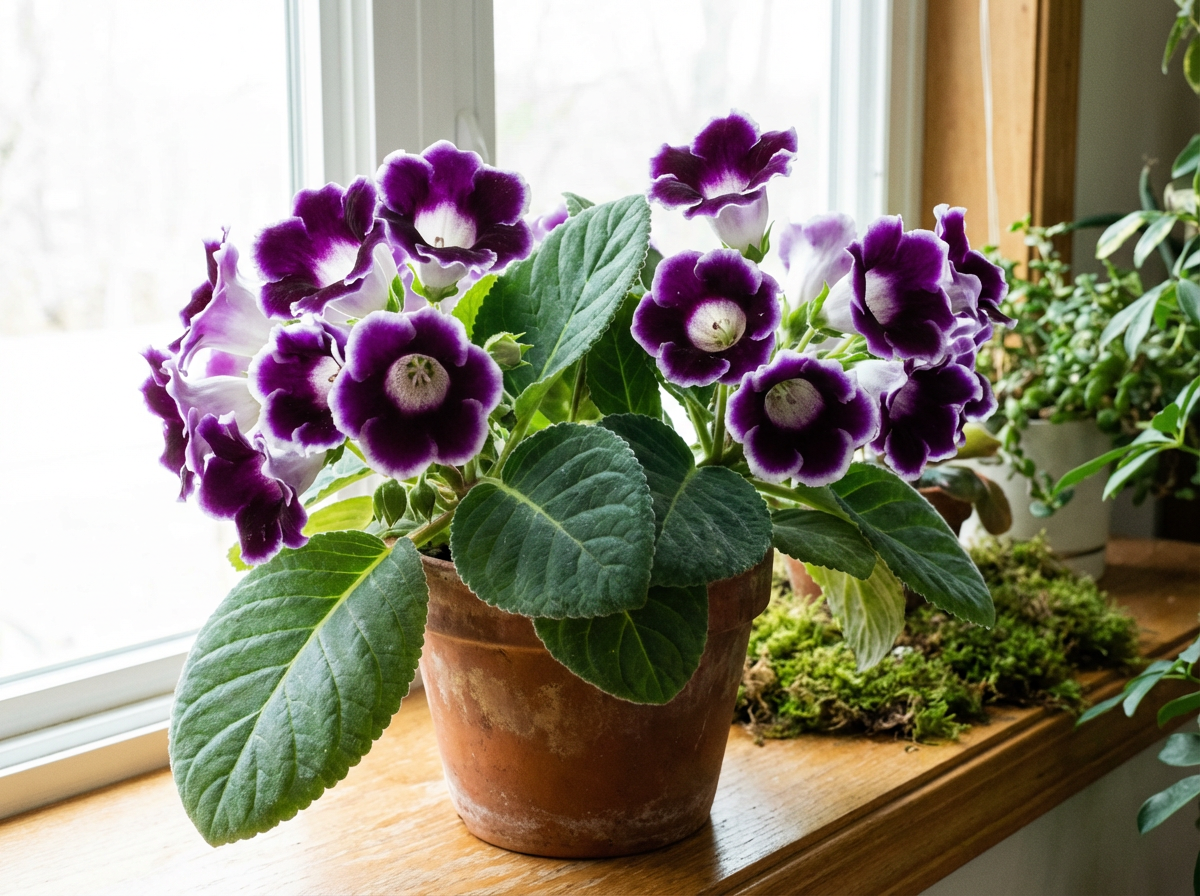
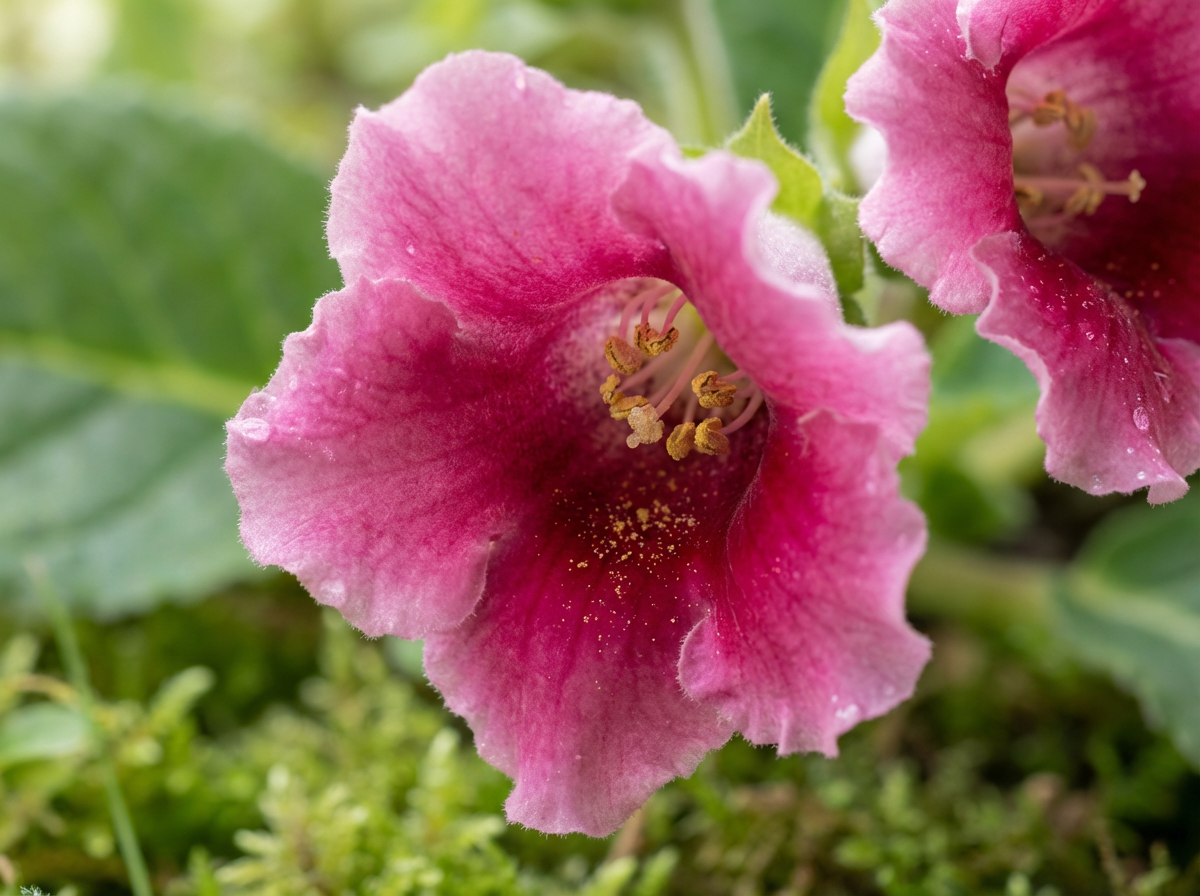
- Flower:Large, velvety, funnel- to trumpet- or bell-shaped flowers, often about 7 cm (3 in) across. Colors commonly include red, pink, purple, and white, with many cultivars showing bicolors, speckles/striping, and even double flowers. Spent blooms and stalks should be removed promptly (unless saving seed) to encourage further flowering and help the tuber store energy.
- Flowering Season:Late spring through autumn (often May–October), with flowering sometimes pausing during hot midsummer (July–August); in some homes it may be described simply as summer to autumn.
- Growth Habit:Compact, rosette-forming herbaceous plant arising from an underground tuber; grown as a tender perennial houseplant. It may enter semi-dormancy or forced dormancy during stressful heat and humidity, then regrow from the tuber when conditions improve.
🌤️ Environment
Sunlight
Bright, indirect/filtered light or light shade. An east-facing window is ideal; a south-facing window works well if softened with a sheer curtain. Avoid harsh direct sun (scorches leaves) and don’t place it deep in the room for long periods (leads to weak growth and faded flowers).
Temperature
Best during active growth at about 16–24°C (61–75°F). It dislikes extreme summer heat and may slow down or go semi-dormant in hot, muggy weather. For a winter rest/dormancy period, keep cooler at about 10–12°C (50–54°F) if possible, and always protect from temperatures below 5°C (41°F). Some growers keep lightly cooler around 15–17°C (59–62°F) during dormancy as well—either approach works as long as it stays cool, bright enough to avoid rot, and much drier than summer.
Humidity
Prefers moderate to high humidity, roughly 50–70%. Improve humidity with a pebble tray or humidifier; aim for good airflow at the same time. Avoid cold, damp, stagnant winter conditions.
Soil
Rich, loose, well-drained mix that holds light moisture but never stays soggy—an African violet-style mix works well (peat/coco-based with perlite), or a fertile potting mix amended with compost/leaf mold plus coarse sand/perlite for drainage. Plant the tuber at or slightly above the soil surface, and keep moisture even during growth to prevent stress.
Placement
Bright indoor windowsills, tabletops, living rooms, offices—anywhere with filtered light and steady warmth. Keep away from heating vents and active heat sources, and avoid placing it near ripening fruit (ethylene gas can cause bud drop and faster flower decline). Provide ventilation without cold drafts.
Hardiness
Tender and not frost-hardy; generally grown indoors. Outdoors only in warm climates roughly USDA Zone 10–11 (some sources mention 11–12), and always protected from chilly nights and cold snaps.
🪴 Care Guide
Difficulty
Moderate overall. It’s easy to fall in love with but needs a little finesse: bright filtered light, even moisture without waterlogging, higher humidity, and—most importantly—keeping water and fertilizer off the velvety leaves and flowers to prevent spotting and rot. It’s also sensitive to heat stress and ethylene from fruit.
Buying Guide
Pick a compact, sturdy plant with clean, plush leaves and no stains, soft spots, or pests. For the longest show, look for a plant with roughly a mix of open blooms and unopened buds. Choose strong flower stalks and richly colored blooms (double, bicolored, and variegated-leaf cultivars are especially showy). If buying dormant tubers, select fresh, firm, plump tubers with clean skin—ideally at least 2 cm (0.8 in) in diameter—and avoid any that are shriveled, soft, or marked by disease/pests.
Watering
During active growth, keep the mix evenly moist but never soggy. Water when the surface begins to dry; in bloom this often works out to about twice per week, adjusting for pot size, temperature, and airflow. Water at the soil level—around the pot edge or carefully between leaves—so the foliage stays dry. Bottom-watering can work well for avoiding leaf wetting, but don’t leave the pot sitting in water. Avoid splashing leaves and flowers, as wet velvety tissue spots easily and can rot.
Fertilization
Feed every 2 weeks during active growth and flowering using a diluted balanced fertilizer; switch to a bloom-leaning formula higher in phosphorus and potassium when buds form (for example, something like 15-15-30). Apply to moist soil and keep fertilizer solution off the leaves. Reduce feeding markedly (or stop) during dormancy/semi-dormancy.
Pruning
Deadhead promptly: remove faded flowers and cut spent flower stalks to encourage new blooms and help the tuber recharge (unless you’re saving seed). Remove yellowing leaves and any damaged tissue quickly to reduce disease risk. Avoid letting it set seed unless you’re intentionally breeding.
Propagation
Leaf cuttings (common and fast): take a healthy mature leaf with about 1 cm (0.4 in) of petiole, let the cut surface dry briefly in shade, then insert into perlite/coarse sand or a light mix; keep warm, shaded, and humid—roots often form in about 10–15 days. Seed (spring): sow dust-fine seed on the surface—do not cover. Germinate at 15–21°C (59–70°F); sprouts often appear in 2–3 weeks. Pot up when seedlings have about 6–7 true leaves; plants may flower by autumn. Tuber division: divide in spring as growth starts. For seed production, hand pollination improves success; use a soft brush to move pollen to the stigma, remove petals after pollination to reduce rot, and expect capsules to ripen in about 30–40 days.
Repotting
Newly purchased blooming plants usually don’t need immediate repotting. Repot in spring (often around April) as the tuber begins to sprout, or right after flowering finishes. Use a pot with good drainage; a typical flowering plant often does well in a 12–15 cm (4.7–5.9 in) pot. Slightly snug pots can encourage better flowering, but refresh the mix every couple of years to keep roots healthy.
📅 Seasonal Care Calendar
Spring: tubers wake and sprout (often around April); repot if needed; start watering gradually and begin feeding once growth is underway; sow seed indoors if propagating (15–21°C / 59–70°F). Late spring to autumn (often May–October): main growth and flowering—keep evenly moist, provide bright filtered light, fertilize every 2 weeks, and deadhead often. Midsummer (often July–August): protect from heat and harsh sun; flowering may pause and the plant may go semi-dormant—reduce watering and feeding accordingly. Winter: provide a cooler rest (about 10–12°C / 50–54°F if possible; keep above 5°C / 41°F), keep on the dry side, avoid cold dampness, and resume watering when new growth returns.
🔬 Pests, Diseases & Safety
Common Pests & Diseases
Common pests include mealybugs, spider mites, aphids, fungus gnats, and occasional chewing pests on tender new growth. Disease issues are often linked to wet foliage and stale air: leaf spot, gray mold (Botrytis), powdery mildew, and rot; root rot is usually caused by overwatering or poor drainage. Seedlings can suffer damping-off—use sterile mix and clean trays. Foliar nematodes are a serious problem when present; discard heavily infected plants and disinfect pots and tools. Prevention basics: bright filtered light, airflow, bottom/soil-level watering, and letting the potting mix drain freely.
Toxicity
Toxicity for Sinningia speciosa is not strongly documented in widely used references and is often treated as low concern; however, because sources vary and sensitivities differ, it’s best to prevent pets and children from chewing or ingesting any part of the plant.
🎋 Culture & Symbolism
Symbolism:Often associated with “love at first sight,” admiration, and an elegant, show-stopping presence—fitting for a plant that looks like velvet bouquets on a windowsill. In some gift traditions, red forms are linked with first love and romance.
History & Legends:A Victorian-era favorite that became famous as an indoor flowering plant. Although the common name “gloxinia” stuck, florist’s gloxinia is botanically Sinningia speciosa; the name history is tangled because earlier horticulture used “Gloxinia” more broadly, and the plant was long celebrated in collections and breeding for its color range and velvety blooms.
Uses:Mainly grown as an ornamental pot plant for bright indoor displays—windowsills, entryways, tabletops, shop windows, and seasonal gift plants. It’s also widely used in breeding to produce cultivars with double blooms, bicolors, and dramatic patterns. Keep plants away from ripening fruit, since ethylene can trigger bud blast and shorten the flowering show.
❓ FAQ
Why is my florist’s gloxinia not blooming (or why did it stop in summer)?
The most common reasons are light and heat. It needs bright, filtered light—too dim leads to weak growth and fewer flowers, while harsh sun can scorch. In peak summer heat and humidity (often July–August), it may pause blooming or go semi-dormant. Move it to bright indirect light, keep it evenly moist (not soggy), and let it cool down if possible.
What’s the best way to water gloxinia without damaging the leaves?
Water at the soil level—around the pot edge or carefully between leaves—so the fuzzy foliage stays dry. Bottom-watering also works, but don’t leave the pot sitting in water. Wet leaves and petals can spot, scorch, or rot quickly.
Why are my flowers fading or dropping early?
Too little light often causes fading, while ethylene gas (commonly from ripening fruit nearby) can cause buds to drop and flowers to age fast. Put the plant closer to a bright window with filtered light, improve airflow, and keep it away from fruit bowls.
Can florist’s gloxinia produce seeds after flowering?
Yes, but seed set is usually more reliable with hand pollination. Use a clean, soft brush to transfer pollen to the stigma; remove petals afterward to reduce rot. Seed capsules often mature in about 30–40 days.
💡 Fun Facts
- Although commonly called “gloxinia,” florist’s gloxinia is Sinningia speciosa—true Gloxinia is a different genus.
- Its blooms and leaves feel velvety because of fine hairs that also make wet foliage prone to spotting and rot.
- A single plant can flower for months, especially from late spring into autumn, but it may pause during intense summer heat.
- Its seeds are dust-fine and are sown on the surface without covering; they often germinate in about 2–3 weeks at 15–21°C (59–70°F).
- Ethylene gas from ripening fruit can trigger bud drop—so a nearby fruit bowl can noticeably shorten the display.