🌱 Plant Features
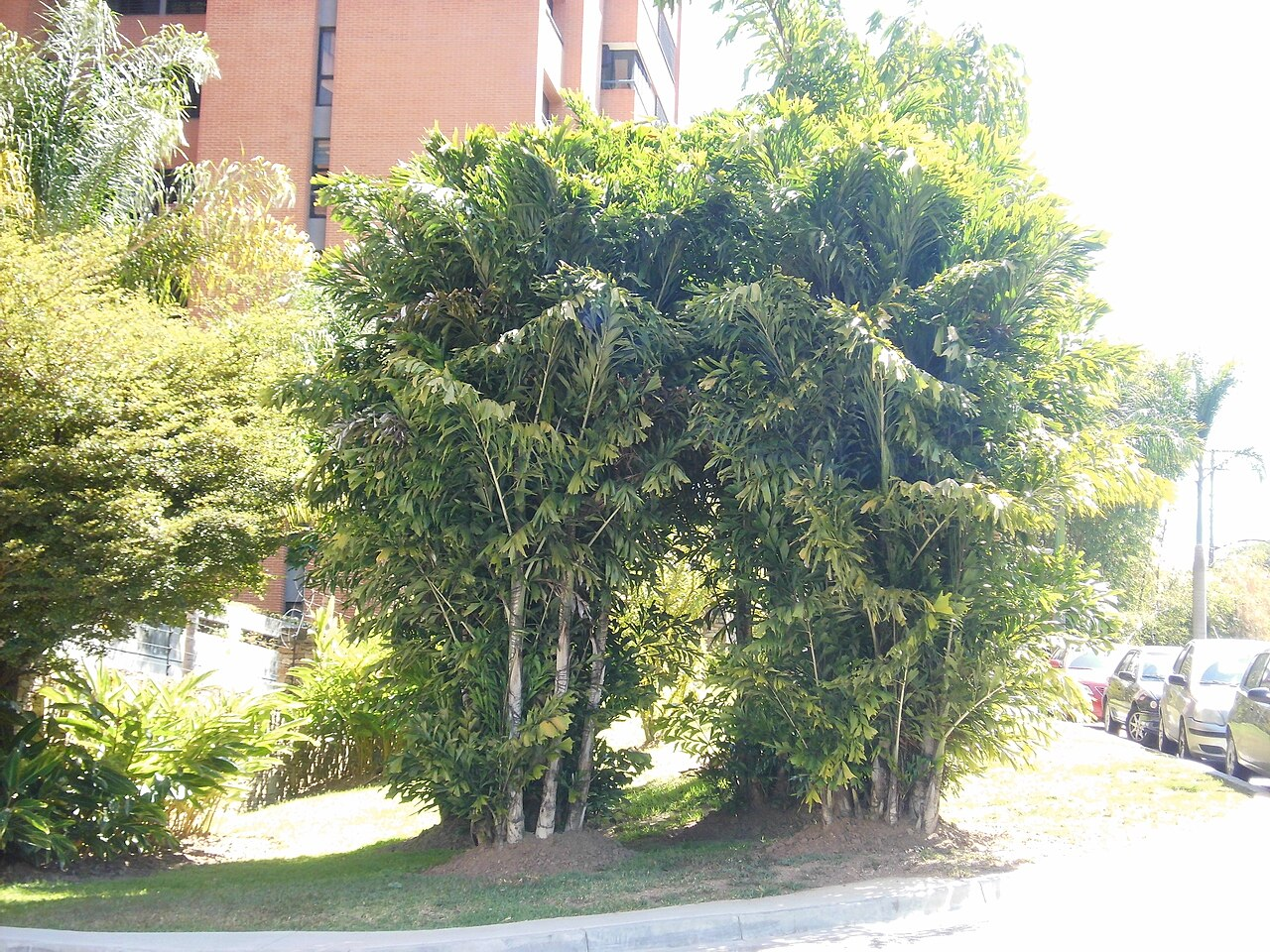
- Size:Up to about 2.5 m tall × 1.5 m wide (8.2 ft × 4.9 ft) in cultivation; often smaller indoors.
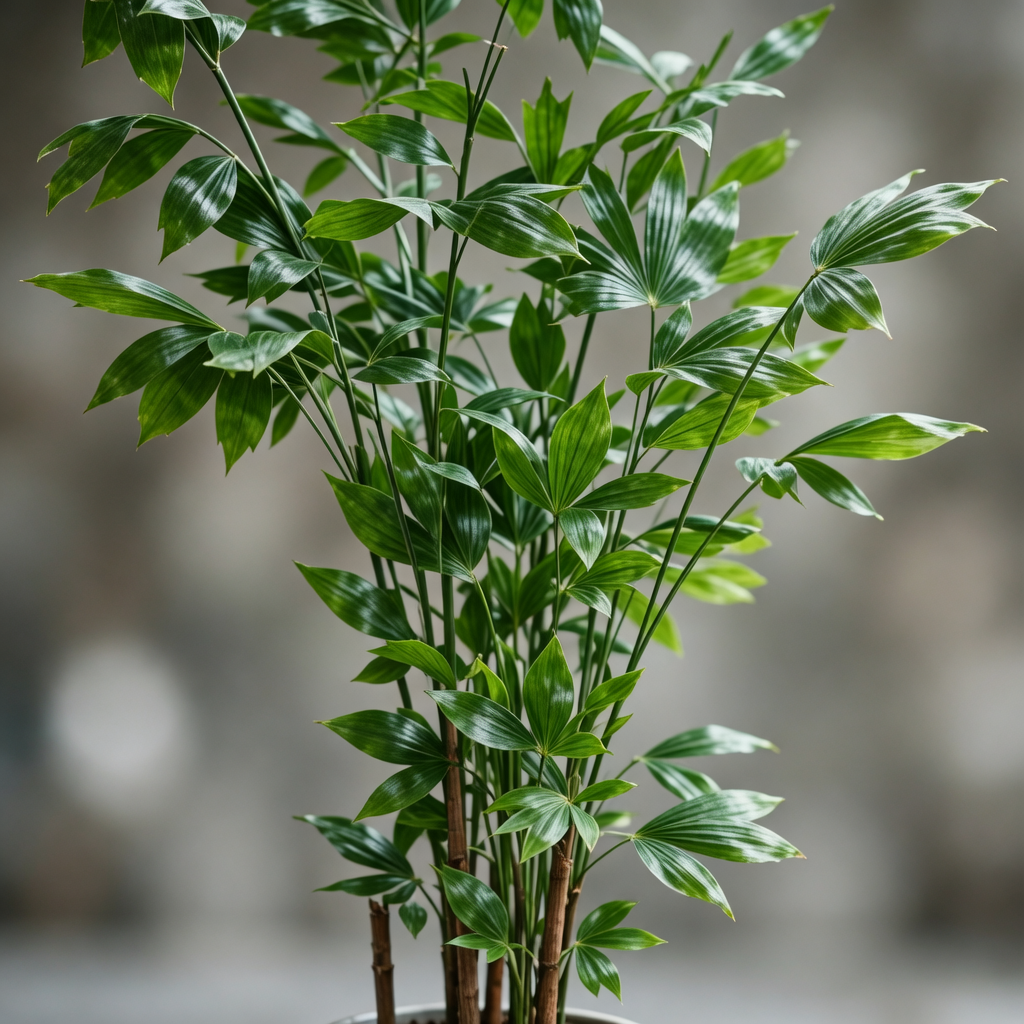
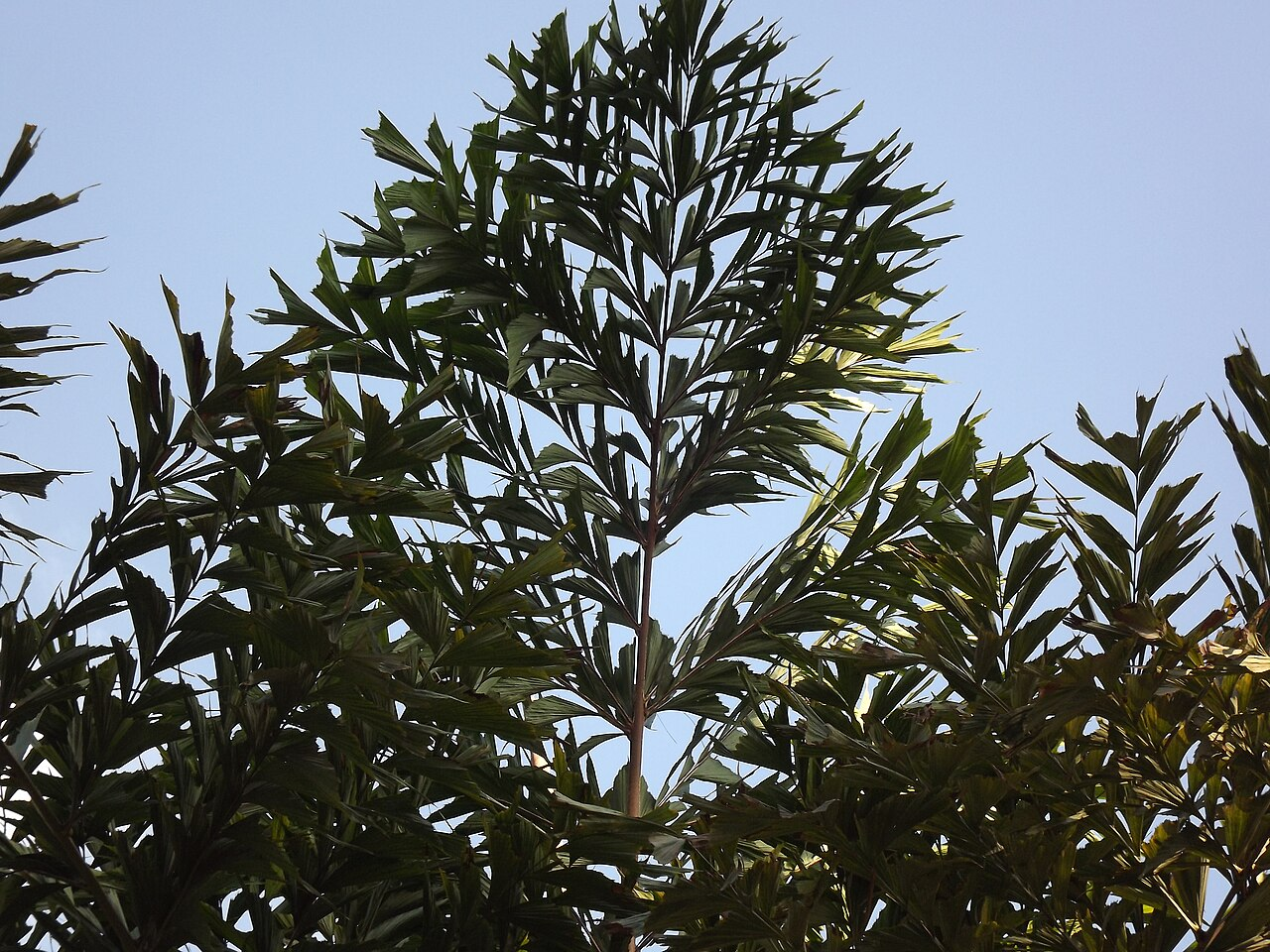
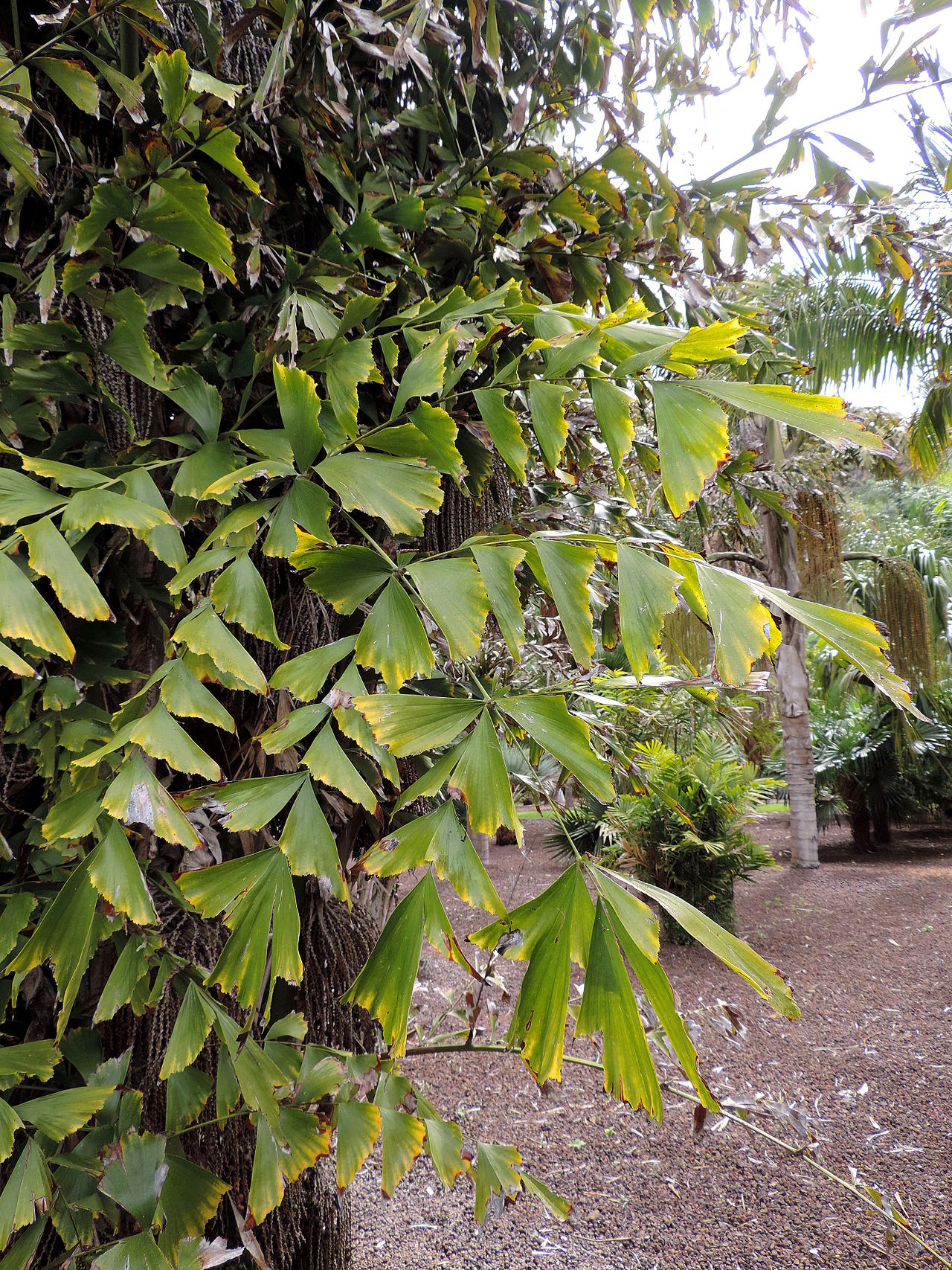
- Foliage:Unusual, triangular leaflets with naturally serrated, “ragged” edges arranged in a fishtail-like pattern. Fronds arch outward and the clump gradually broadens, creating an elegant, architectural, fountain form.
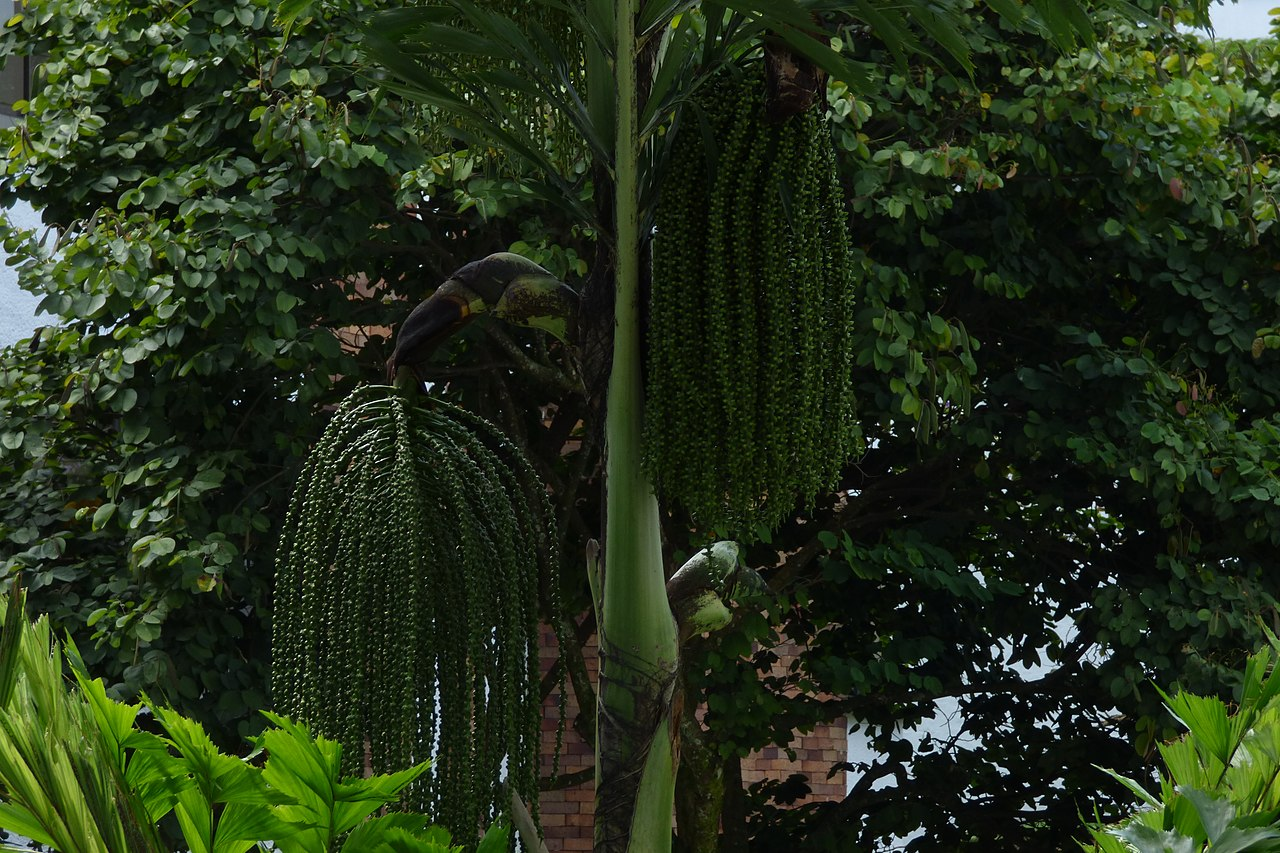
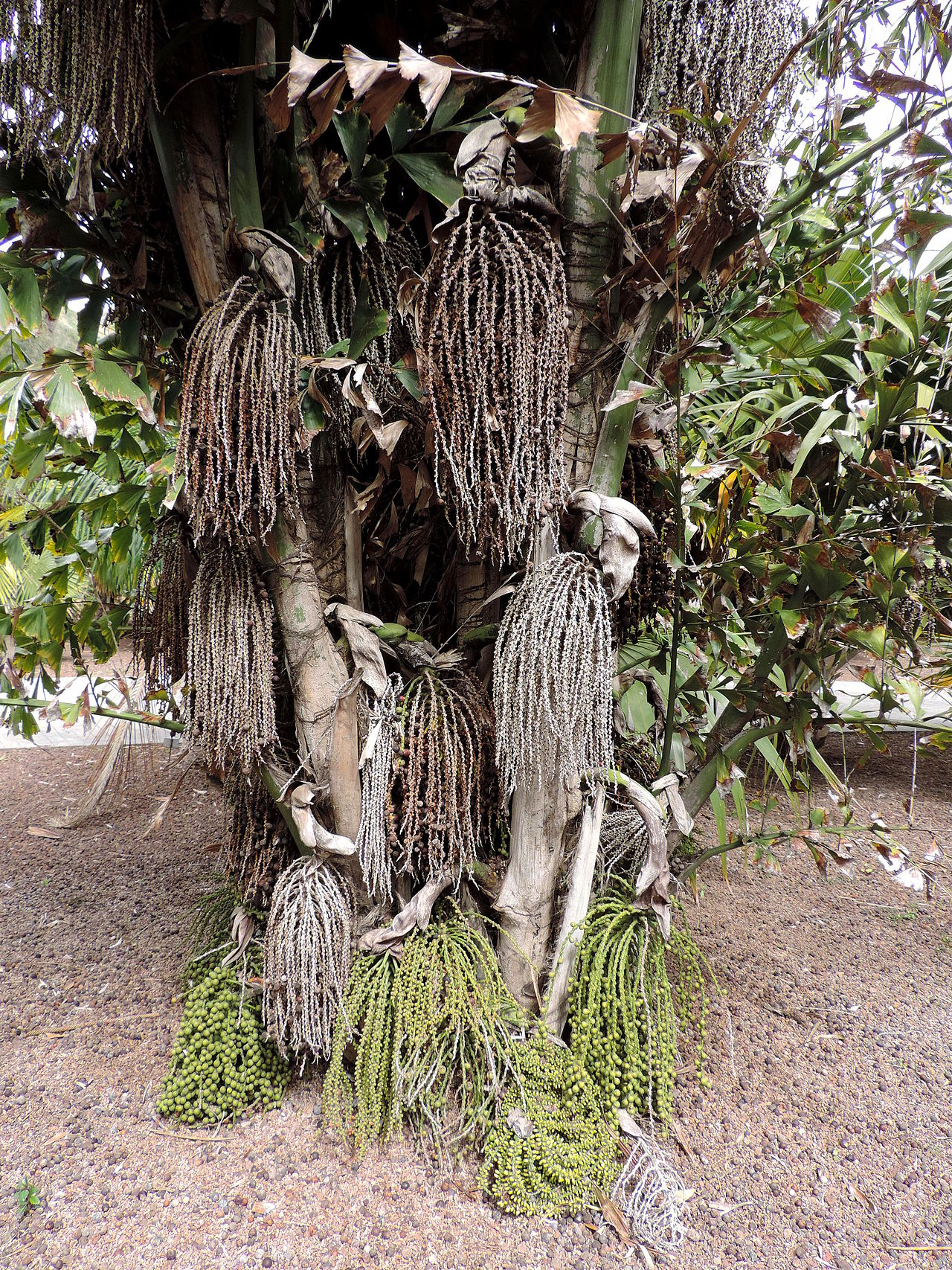
- Flower:Rarely flowers indoors. When mature (more commonly outdoors in the tropics), it can produce hanging clusters of small, pale flowers, followed by red to purple fruits.
- Flowering Season:Irregular; typically only when the plant is mature (more common outdoors in tropical climates).
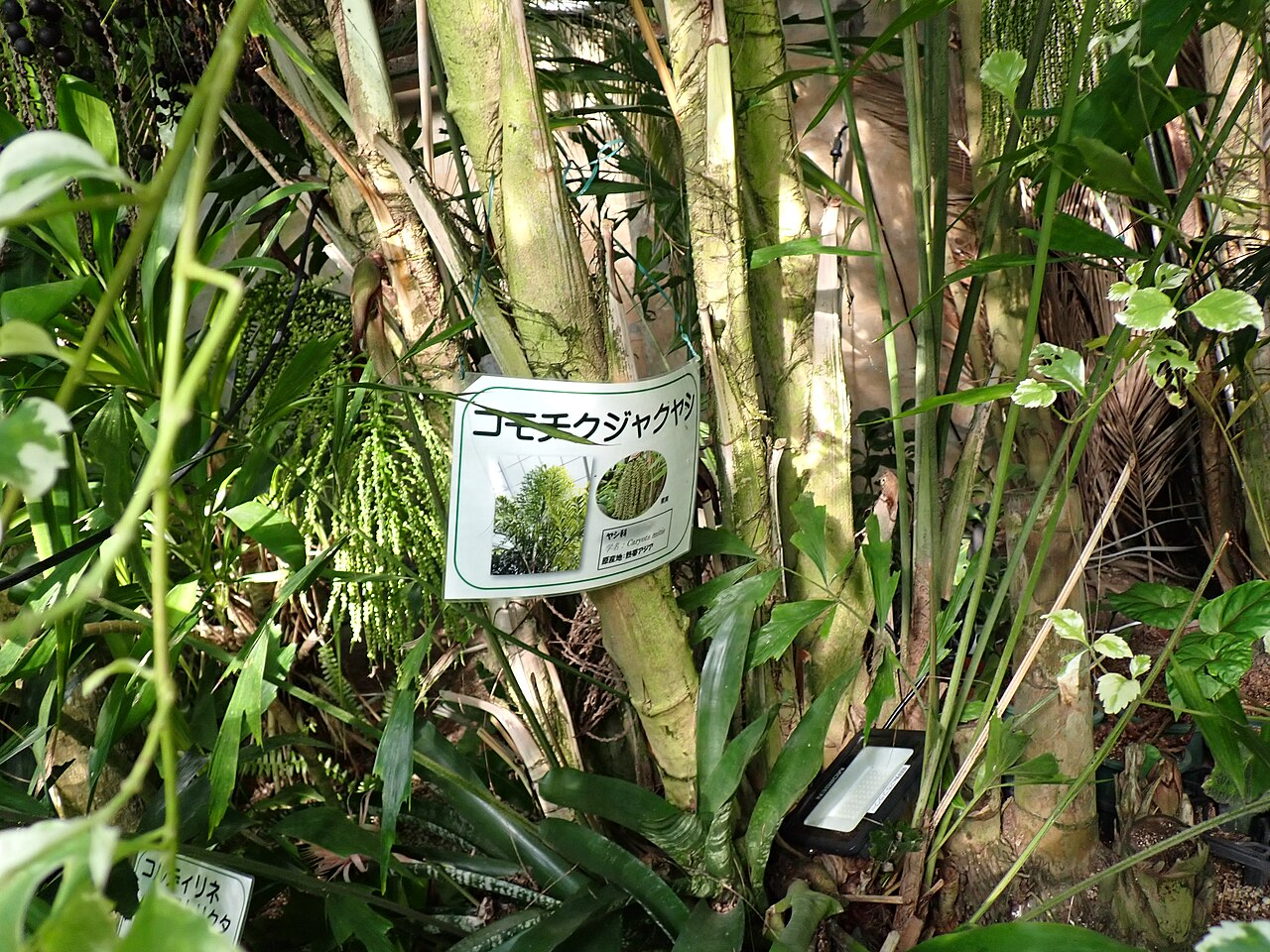
- Growth Habit:Clumping, upright palm that forms multiple stems with arching fronds; gradually expands outward over time.
🌤️ Environment
Sunlight
Bright, indirect light to partial sun; protect from harsh midday direct sun, especially behind glass.
Temperature
13–24°C (55–75°F); avoid prolonged cold and keep above about 10°C (50°F) when possible.
Humidity
Medium to high humidity; appreciates extra humidity in dry indoor air.
Soil
A rich but well-draining potting mix (peat/coco-based with added perlite/bark). Use a pot only slightly larger than the root ball—this palm often performs best slightly root-bound.
Placement
Indoors near an east- or north-facing window, or set a few feet back from a bright south/west window with filtered light. A pebble tray with water can help raise humidity around the plant.
Hardiness
USDA Zone 10–11 (minimum about 10–16°C / 50–60°F); not frost tolerant.
🪴 Care Guide
Difficulty
Easy, especially if kept in bright indirect light and not overwatered.
Buying Guide
Choose plants with firm canes and clean, green fronds. Avoid specimens with widespread black spotting, mushy stems, or a sour smell from the potting mix (possible rot). Check for spider mites and scale, especially on the undersides of leaves.
Watering
Spring through fall: water when the top of the mix feels just dry to the touch, then water thoroughly and let excess drain. Winter: reduce slightly, keeping the mix lightly moist but never soggy. If indoor air is dry, boost humidity with a pebble tray and mist foliage every 1–2 days.
Fertilization
Spring through fall: feed monthly with a balanced liquid houseplant fertilizer at label strength (or half-strength if growth is slow). Pause or reduce feeding in winter.
Pruning
Remove only fully brown, dead fronds by cutting close to the stem with clean pruners. Avoid cutting green tissue, since palms do not “patch” damaged leaf segments.
Propagation
Usually propagated by division of clumps (separating rooted offsets) in warm conditions; seed propagation is possible but uncommon for houseplants.
Repotting
Use a container that just fits the roots (it often prefers being slightly root-bound). Repot young plants every 2–3 years. Once large, top-dress by replacing the top few cm/in (a few centimeters/inches) of mix each spring instead of moving up a pot size.
📅 Seasonal Care Calendar
Spring–fall: water when the surface is just dry; keep humidity up (mist every 1–2 days if needed); fertilize monthly. Winter: water less often and stop/reduce feeding. Repot young plants every 2–3 years; for mature plants, refresh the top layer of potting mix each spring.
🔬 Pests, Diseases & Safety
Common Pests & Diseases
Can attract spider mites, scale insects, and mealybugs indoors—especially in dry air. Increase humidity, rinse foliage, and treat with insecticidal soap or horticultural oil as needed. Overwatering can cause root rot, so ensure excellent drainage.
Toxicity
Warning: toxic. Sap and plant tissues can irritate skin, and ingestion may be harmful to people and pets. Keep out of reach of children and animals; wear gloves if you’re sensitive.
🎋 Culture & Symbolism
Symbolism:Often associated with tropical, architectural greenery and an easygoing “jungle” indoor aesthetic.
History & Legends:Caryota palms stand out for their unmistakable fishtail-shaped leaflets. While some Caryota species have traditional uses in parts of Asia for starch or sap, this clumping species is mainly cherished as an ornamental plant.
Uses:Primarily an ornamental foliage plant for bright indoor rooms, conservatories, and tropical landscapes in frost-free climates.
❓ FAQ
Why do the leaf edges look torn?
That ragged, serrated outline is normal for fishtail palms. If the leaflets are also browning or crisping heavily, it often points to low humidity, inconsistent watering, or too much direct sun.
Can I keep it in a small pot?
Yes. Fishtail palms often do well slightly root-bound. Refresh the mix regularly and only repot when roots are extremely crowded or watering becomes difficult.
💡 Fun Facts
- Those fishtail-shaped leaflets are one of the easiest ways to recognize a Caryota palm at a glance.
- Indoors it’s grown mainly for its foliage—flowering is uncommon unless the plant is very mature and conditions are ideal.