🌱 Plant Features
- Size:Typically forms long submerged stems about 1–3 m (3–10 ft) in length; overall height/spread depends on water depth, clarity, and current.
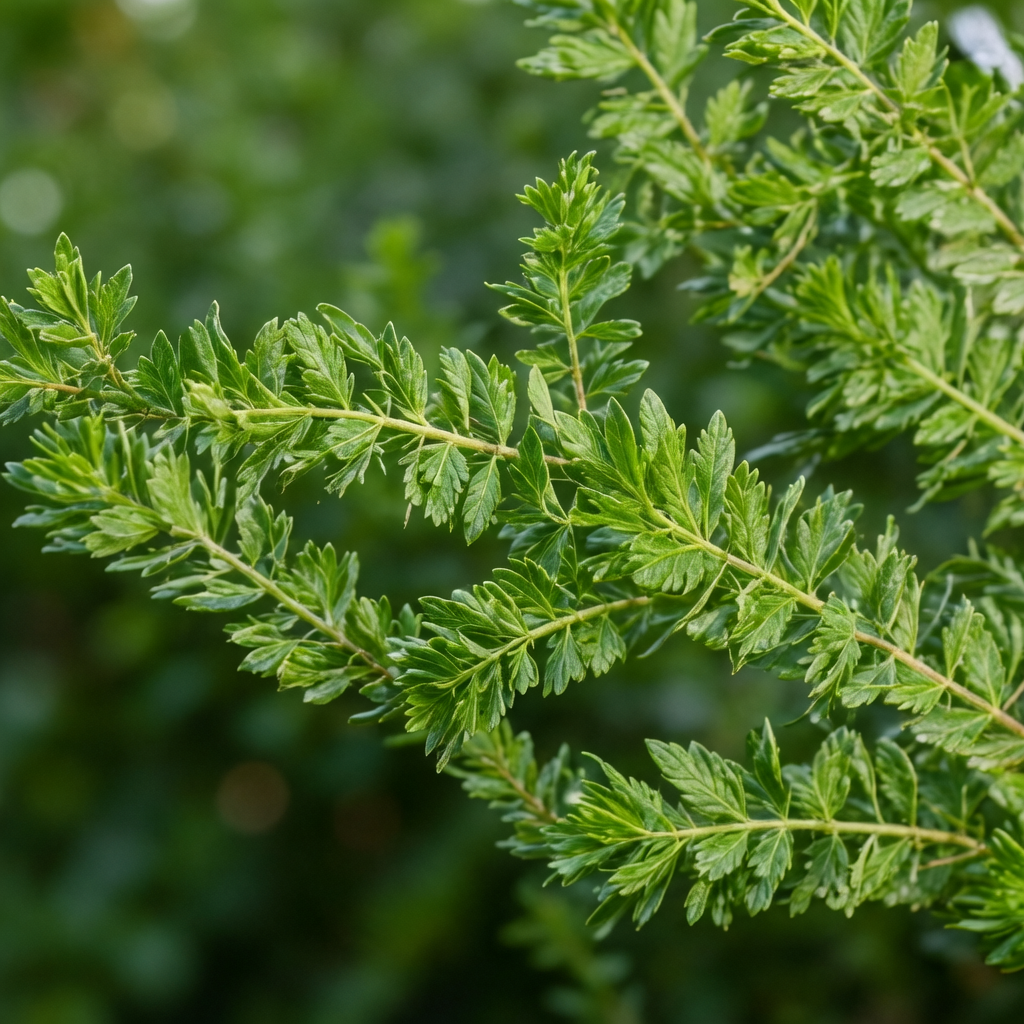
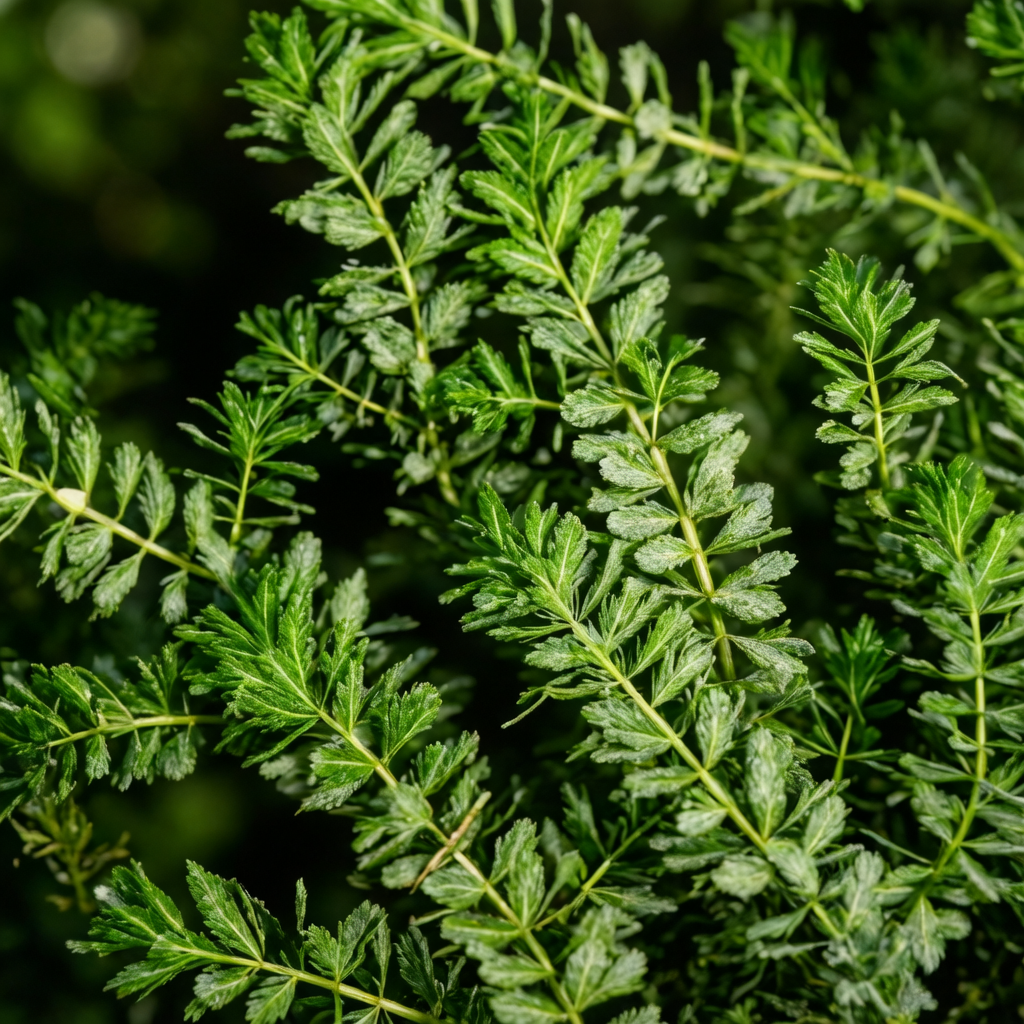
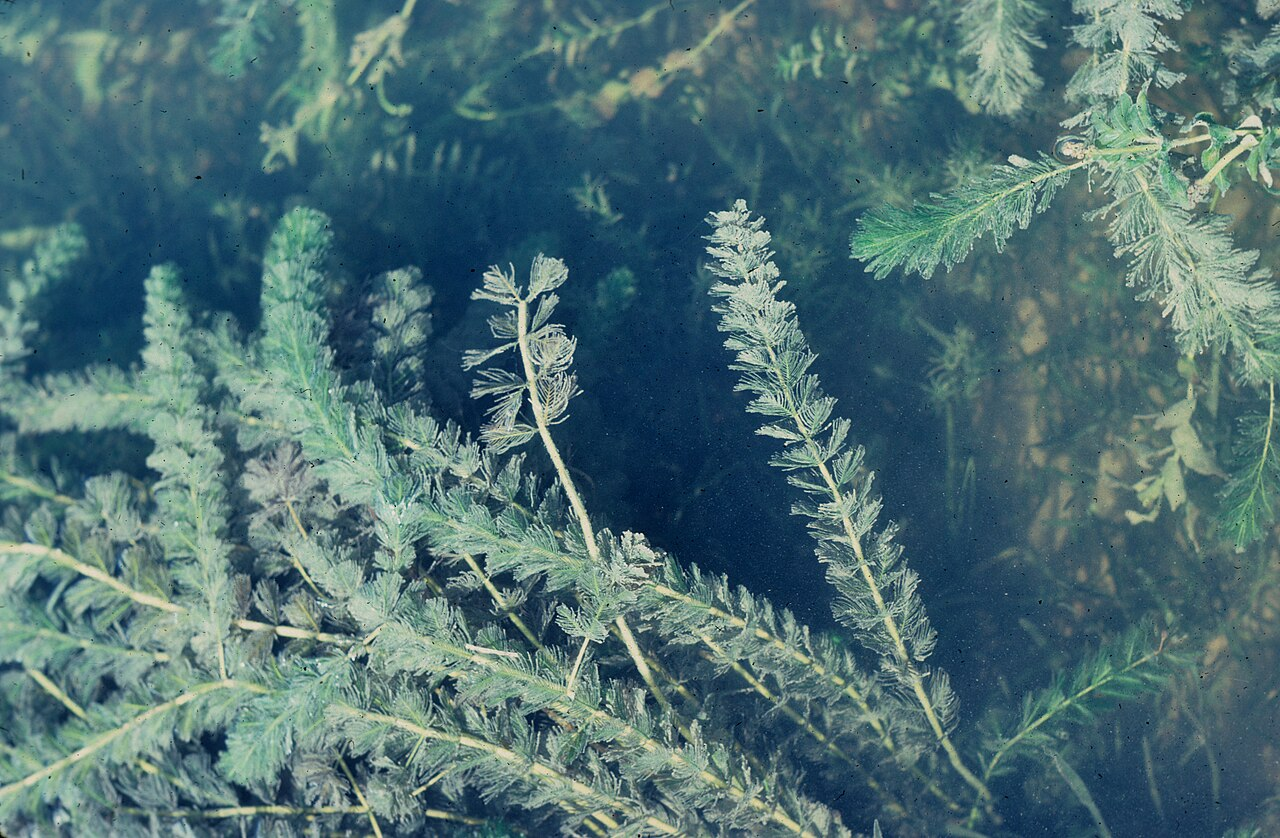
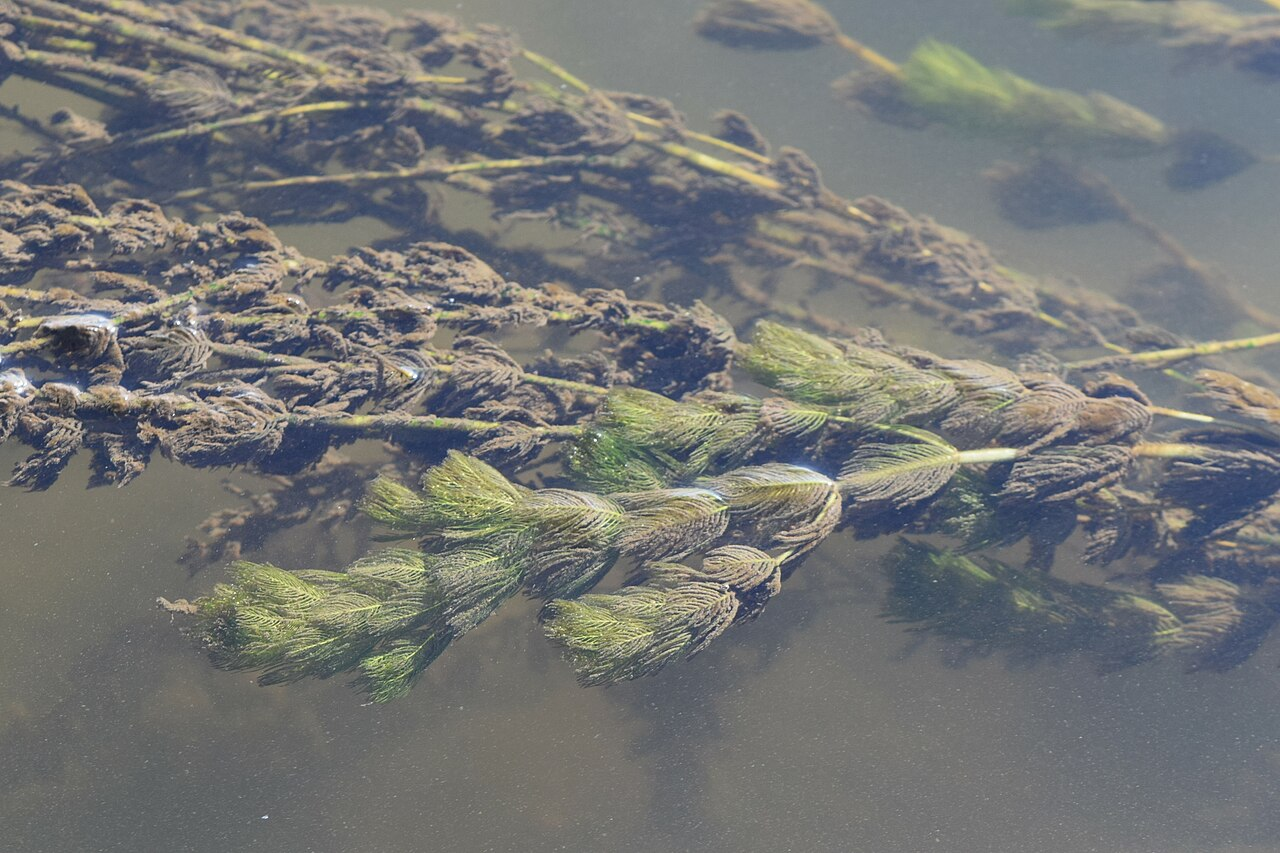
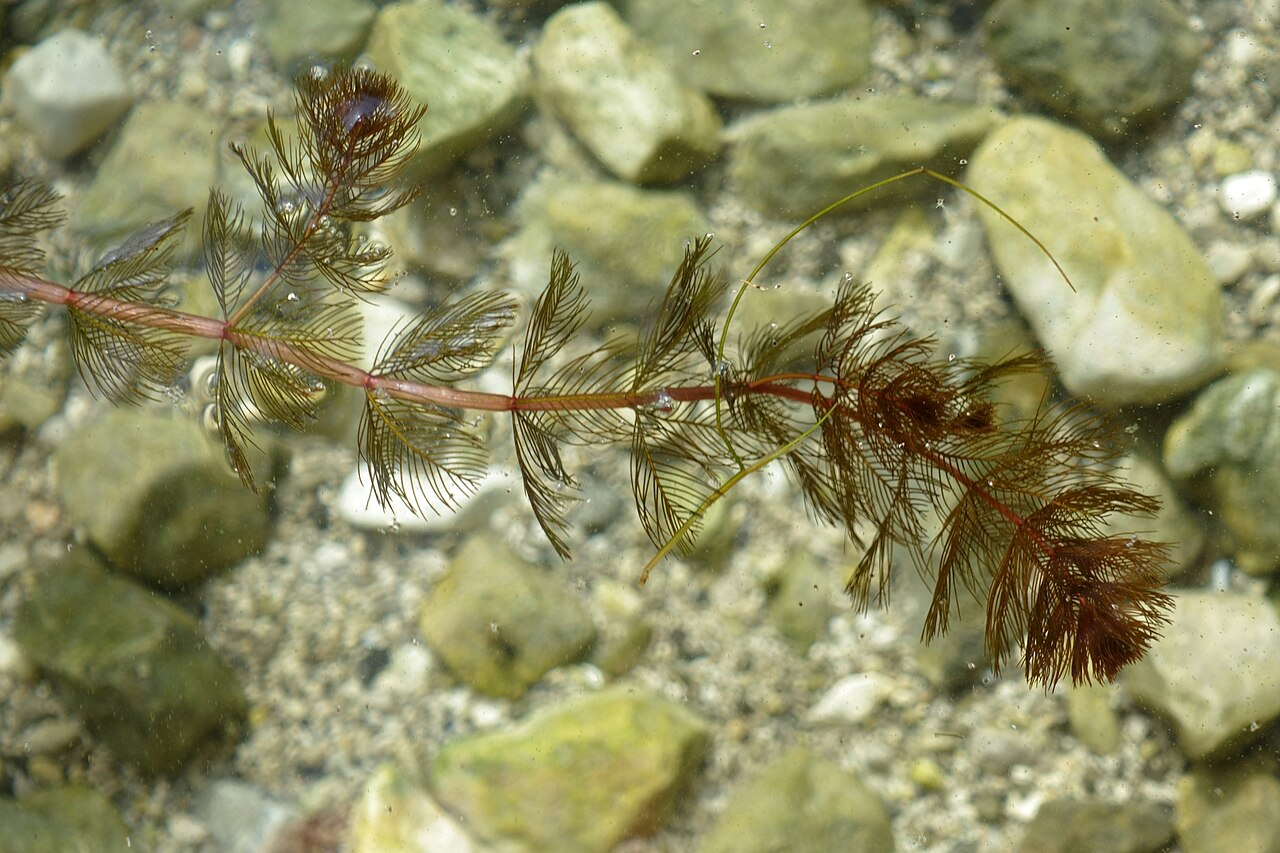
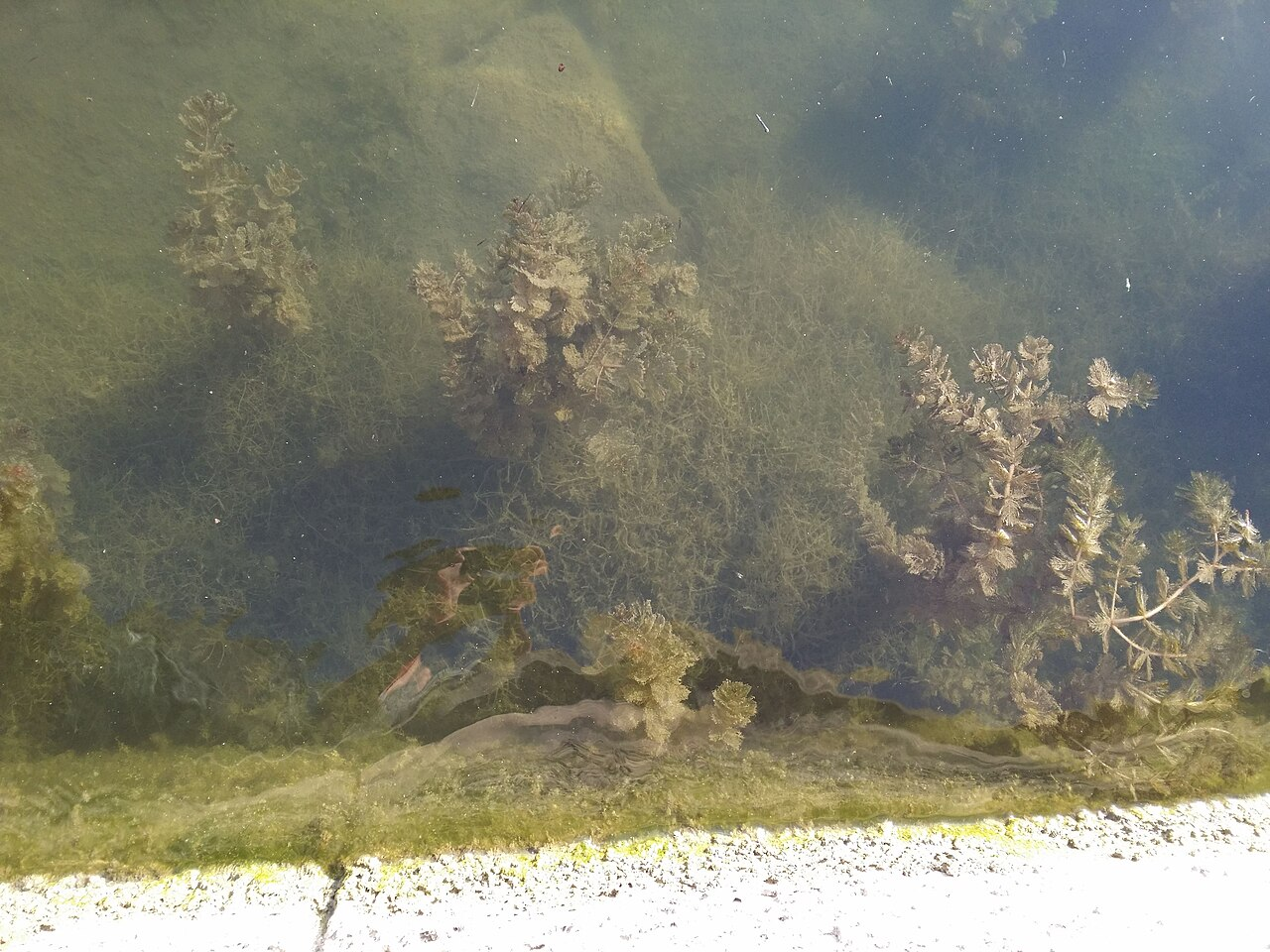
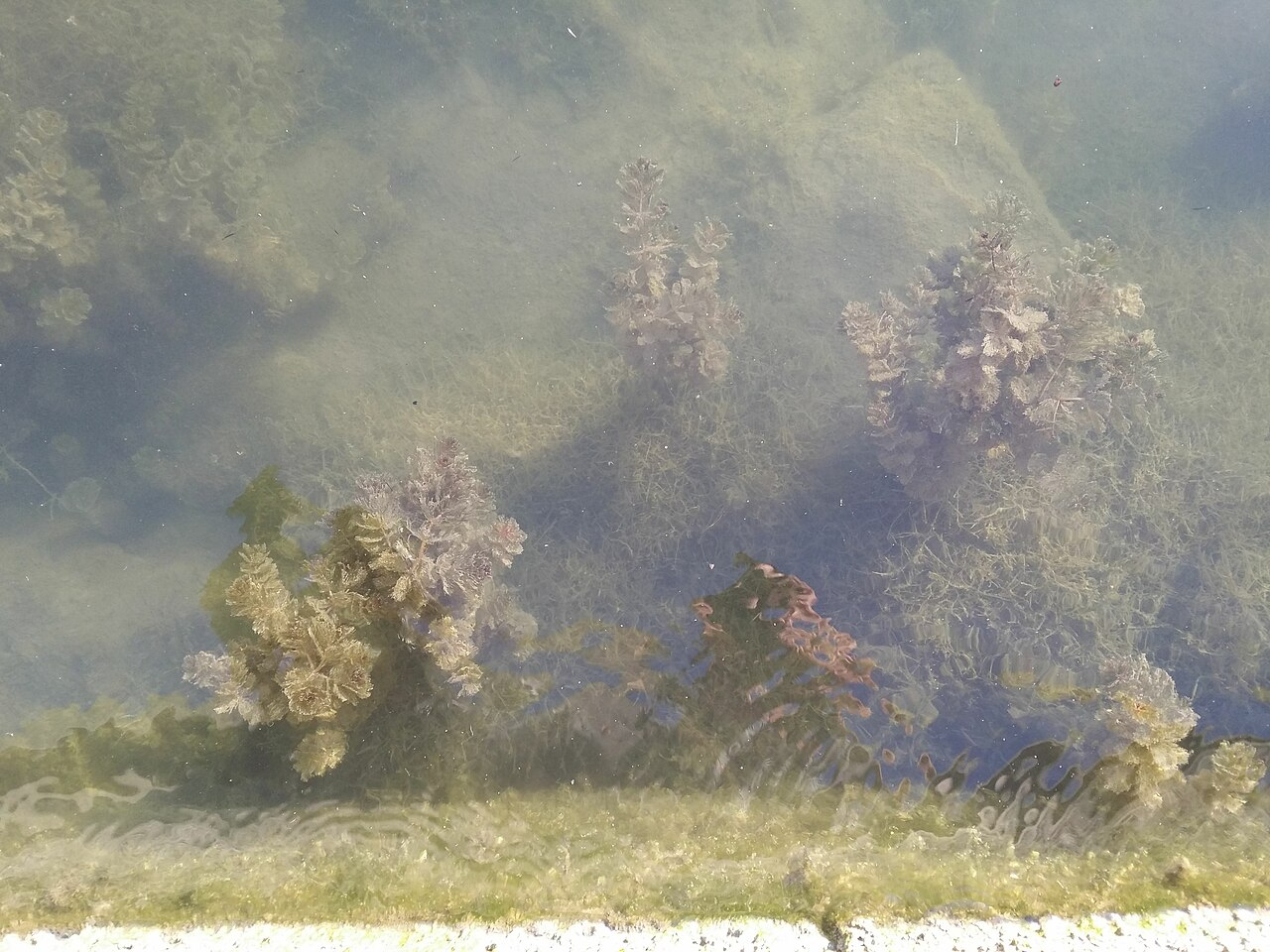
- Foliage:Stems are slender and cylindrical, rising from a creeping rhizome in soft bottom mud. Leaves are finely dissected into threadlike segments and usually arranged in whorls, creating a delicate, feather-duster texture underwater.
- Flower:Tiny, inconspicuous flowers appear on emergent spikes that rise just above the water surface. Fruits are small, egg-shaped to elliptic, with four deep longitudinal grooves.
- Flowering Season:April–September
- Growth Habit:Rooted, fully submerged aquatic perennial; spreads by creeping rhizomes and easily by stem fragments. Nodes can root wherever they touch suitable sediment.
🌤️ Environment
Sunlight
Full sun to bright light. Outdoors it thrives in sunny ponds; in aquariums it performs best under strong lighting.
Temperature
Best growth at 16–28°C (61–82°F). Cold-tolerant; ideal overwintering water temperatures are not below 4°C (39°F), and it can persist under ice as long as liquid water remains.
Humidity
Aquatic—must be kept fully submerged in freshwater.
Soil
Prefers soft mud/silt substrates for anchoring; often especially successful in calcium-rich, hard-water habitats.
Placement
Ponds, ditches, slow rivers, canals, and marshy margins. In aquariums, use as a midground-to-background plant, or in freshwater bowls/indoor water features with stable, clean water.
Hardiness
Cold-tolerant submerged aquatic perennial; can survive winter under ice where water does not freeze solid. (USDA zones are not typically used for fully submerged aquatics.)
🪴 Care Guide
Difficulty
Easy to moderate when given clean freshwater, strong light, and decent circulation; it can grow very vigorously once established.
Buying Guide
Pick stems that look fresh and springy, with bright green, feathery leaves. Avoid pieces that smell bad, feel mushy, have lots of browning, or are heavily coated in algae.
Watering
No traditional watering—keep fully submerged in freshwater. Anchor stems in substrate (or weight them down) so nodes can root. Maintain a stable water level and avoid stagnant conditions.
Fertilization
Usually feeds from the water column and/or nutrient-rich substrate. In aquariums, dose a complete aquatic fertilizer as needed, but avoid overfeeding (which often triggers algae blooms).
Pruning
Trim long stems to control size and encourage bushier growth. Remove rotting lower portions promptly; healthy cut tops can be replanted.
Propagation
Mainly vegetative: creeping rhizomes and re-rooting stem nodes. Very easy from cuttings/fragments—replant a healthy piece and it often takes off.
Repotting
In tanks/containers, re-anchor or replant trimmed tops if stems get leggy. Refresh compacted or depleted substrate gently—try not to tear up established rhizomes.
📅 Seasonal Care Calendar
Flowers mainly April–September. Growth slows in colder seasons; keep it submerged and aim for winter water temperatures around or above 4°C (39°F) when possible. Maintain circulation and remove decaying material to prevent rot.
🔬 Pests, Diseases & Safety
Common Pests & Diseases
Most problems are environmental rather than pests: algae overgrowth (often from excess nutrients or light imbalance) and stem rot in still, low-oxygen water. Improve circulation, reduce nutrient spikes, balance lighting, and remove decaying stems promptly.
Toxicity
Not commonly listed as toxic to people or pets, but it’s not intended as food. If used as livestock/aquaculture feed, follow local guidance and best practices.
🎋 Culture & Symbolism
Uses:Popular as an ornamental aquatic plant in ponds, indoor water gardens, and aquariums (often as a midground/background species for a soft, feathery look). In some contexts it has also been used as animal/fish feed and as green manure.
❓ FAQ
What plant is this?
It is Eurasian watermilfoil (Myriophyllum spicatum), a perennial submerged freshwater plant with feathery, whorled leaves.
What family and genus does it belong to?
Family Haloragaceae; genus Myriophyllum.
When does it flower?
Typically from April to September (April–September), producing small emergent flower spikes above the water surface.
What conditions does it prefer?
Bright light to full sun, clean freshwater with decent circulation, and soft bottom sediments for rooting. It often thrives in calcium-rich (hard) water and grows best around 16–28°C (61–82°F), while tolerating cold conditions.
What is it used for?
Mostly for ornamental planting in ponds and aquariums; it has also been used as green manure and as feed in some situations.
💡 Fun Facts
- It can overwinter under ice as long as there’s liquid water beneath.
- Even small broken stem pieces can re-root at the nodes, helping it spread quickly.
- Its feathery foliage creates a soft, naturalistic texture in planted aquariums.
- It’s especially common in calcium-rich (hard-water) freshwater systems.
- When happy, it grows long stems that can reach 1–3 m (3–10 ft) underwater.