🌱 Plant Features
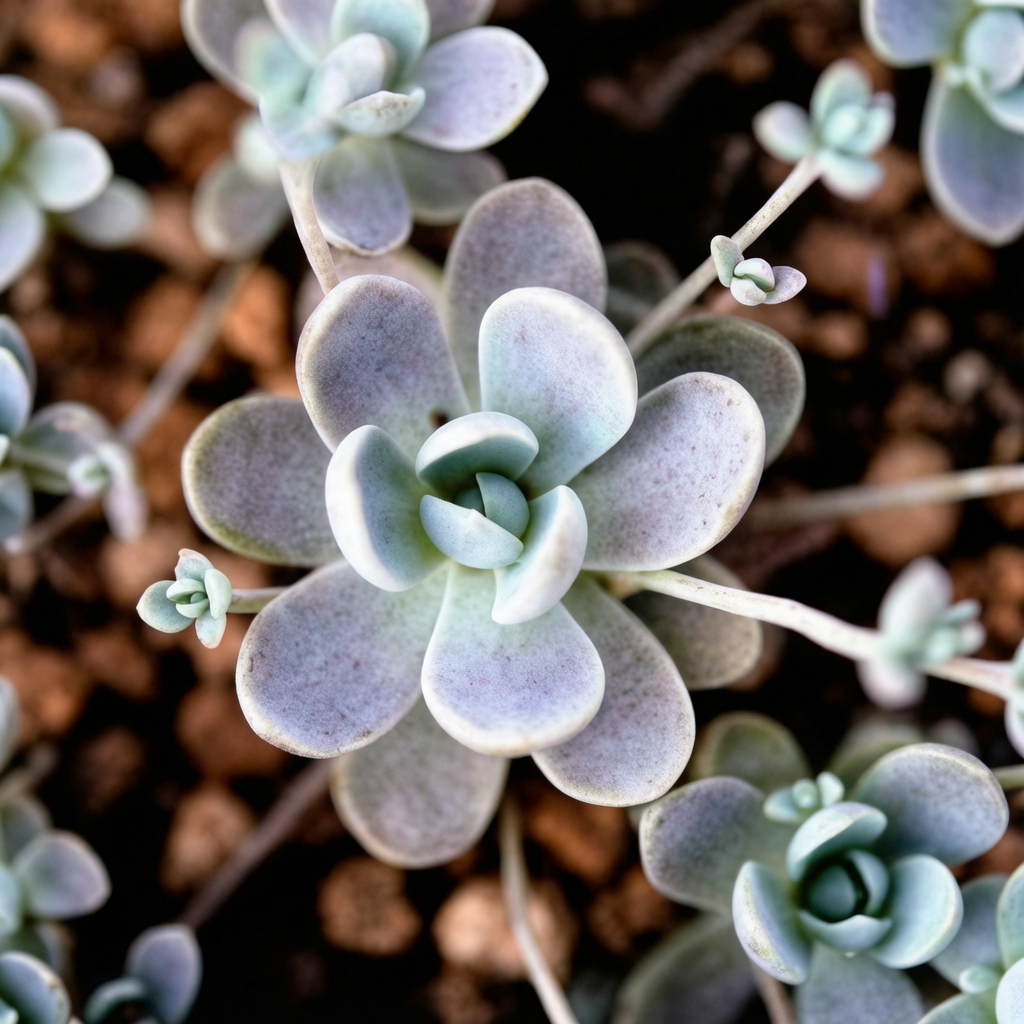
- Size:Typically a small rosette succulent; individual rosettes commonly about 5–15 cm (2–6 in) across. Over time it can form clumps that spread wider.
- Foliage:Compact, orderly rosettes made of many thick, fleshy leaves layered like shingles. Leaves are usually bright green to slightly glaucous (bluish-green) and can show crisp patterning; the bases may look slightly petiole-like.
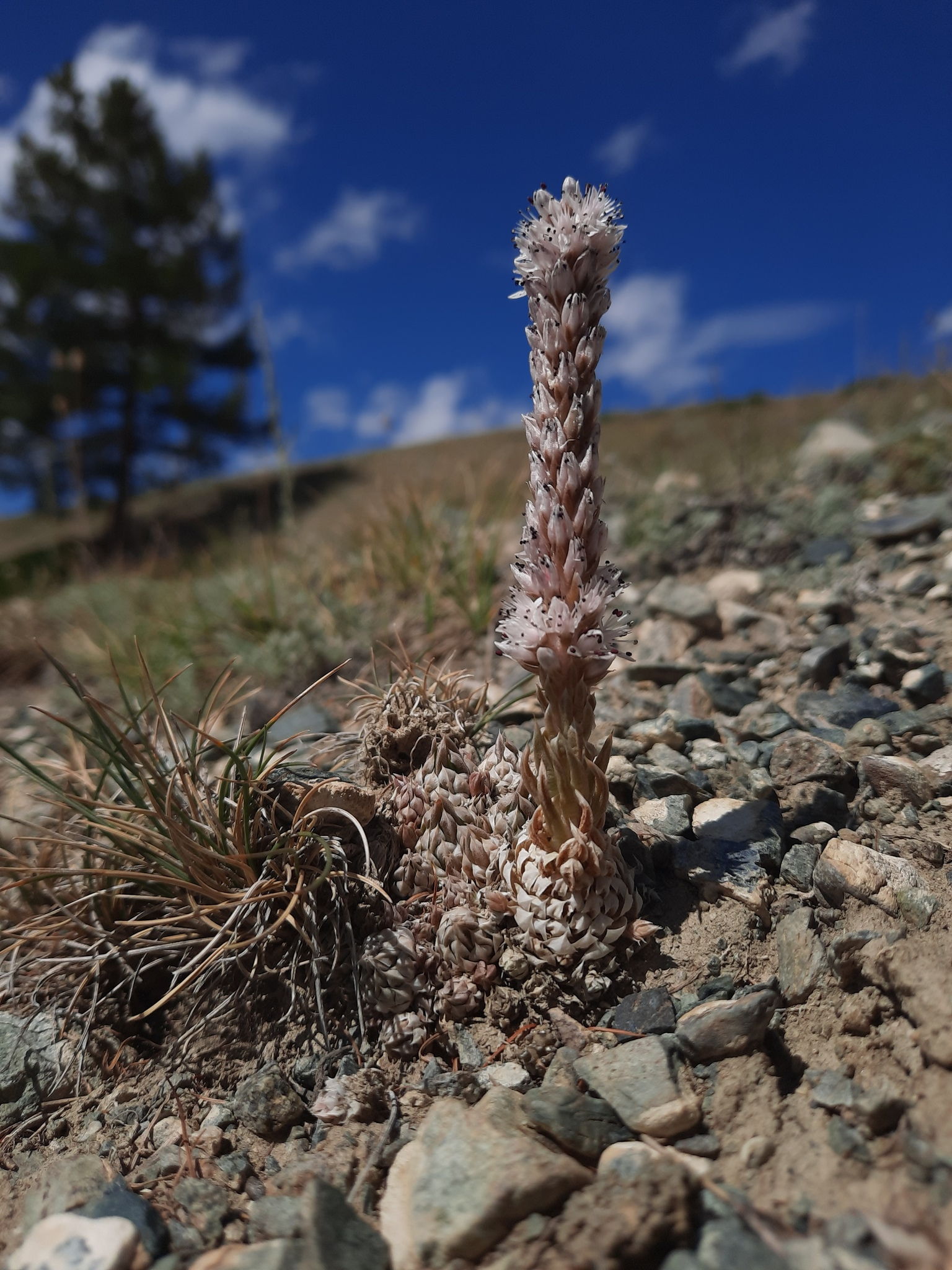
- Flower:Produces small, star-shaped flowers on a short-stalked inflorescence. After flowering, the blooming rosette may weaken and die back (especially if it’s a single rosette plant). Many growers remove the flower stalk as soon as it appears to prolong the rosette’s lifespan and keep the plant looking tidy.
- Flowering Season:Summer to autumn
- Growth Habit:Rosette-forming and often clump-forming with age. Adapted to warm, dry, bright conditions; tolerates partial shade and drought, but dislikes prolonged wetness. In very hot midsummer conditions (especially behind glass), light midday protection helps prevent scorch.
🌤️ Environment
Sunlight
Bright light to full sun; tolerates partial shade. Provide light shade during extreme midsummer heat to prevent scorching, especially through windows.
Temperature
Ideal growth range 20–25°C (68–77°F). Keep above 5°C (41°F) in winter and protect from frost.
Humidity
Prefers dry air and a fast-drying root zone; avoid persistently damp, stagnant conditions.
Soil
Very free-draining succulent/cactus mix. A practical approach is compost (preferably peat-free) blended with coarse sand, grit, or pumice for rapid drainage. Amend lightly only—too rich a mix encourages weak, soft growth.
Placement
Best on a bright windowsill or very well-lit spot with airflow. Outdoors is fine in warm seasons if sheltered from heavy rain; in winter, keep in the brightest indoor position available.
Hardiness
Not frost hardy; treat as a tender succulent (roughly USDA Zone 10–11 outdoors). Overwinter frost-free above 5°C (41°F).
🪴 Care Guide
Difficulty
Moderate. It’s easy once you nail three basics: strong light, gritty drainage, and conservative watering. The most common setbacks are stretching from low light and root rot from cold, wet soil.
Buying Guide
Pick a plant with a firm, symmetrical rosette and plenty of thick leaves. Look for clean, even color and patterning, with no bruises, soft spots, or pest signs. Avoid pots with sour-smelling mix or a soft, mushy base—those are classic red flags for rot.
Watering
Water thoroughly, then allow the potting mix to dry out well before watering again. In spring, water lightly about once per month (adjust for pot size, light, and ventilation). In summer, it may drink a bit more often during active growth, but never let it sit soggy—good airflow and bright light help it dry safely. In autumn, reduce gradually. In winter, keep it on the dry side and water sparingly, especially if temperatures are cool. Overwatering commonly causes soft, stretched growth and rot.
Fertilization
Feed about once a month during active growth with a diluted balanced fertilizer (for example, a low-strength 20-20-20). Stop fertilizing in winter.
Pruning
Remove dead or damaged leaves to keep the rosette crisp. If you want to reduce the chance of post-flowering decline in a favorite rosette, cut the flower stalk soon after it appears.
Propagation
Division/offsets: separate offsets during spring repotting; rooted offsets establish fastest. Seed: sow fresh seed as soon as it ripens; germination is often best around 13–18°C (55–64°F).
Repotting
Repot yearly in spring, especially if the mix has compacted. Use a pot with drainage holes; a typical plant often fits well in a 12–15 cm (4.7–5.9 in) pot. Spring is also the best time to divide clumps and replant offsets into fresh gritty mix.
📅 Seasonal Care Calendar
Spring: repot, divide offsets, and restart gentle watering and light feeding. Summer: give very bright light, protect from extreme midday heat behind glass, and water only after the mix dries. Autumn: taper watering and stop feeding as growth slows. Winter: keep dry, bright, and above 5°C (41°F); no fertilizer.
🔬 Pests, Diseases & Safety
Common Pests & Diseases
In damp, poorly ventilated conditions it can develop leaf spot or anthracnose—improve airflow, keep foliage dry, and remove affected leaves. Mealybugs and scale are the most common pests; treat early with cotton swabs dipped in isopropyl alcohol, or use horticultural oil/insecticidal soap and repeat until controlled.
Toxicity
No widely cited, species-specific toxicity information is available for Orostachys furusei. As with most house succulents, it’s safest to prevent chewing/ingestion and keep it out of reach of pets and small children.
🎋 Culture & Symbolism
Symbolism:Often described as “lotus-like” and sometimes associated with the image of a parent plant surrounded by ‘children’—a sweet nod to its tendency to form clustered rosettes.
Uses:Mainly ornamental: a compact container succulent for windowsills, balconies, and rock/succulent arrangements (especially in warm climates).
❓ FAQ
My plant is stretching and losing its tight rosette shape—what should I do?
That’s almost always low light (etiolation). Move it to a brighter spot or add a grow light. In mild seasons, outdoor light can tighten growth, but shelter it from scorching midsummer sun and heavy rain. If a flower stalk appears and you want the rosette to last longer, remove the stalk early.
Why is it getting root rot?
Root rot usually comes from wet soil that dries too slowly (overwatering, poor drainage, low light, or cool temperatures). Repot into a gritty, fast-draining mix in a pot with drainage holes, and only water after the mix has dried well. Avoid heavy watering when it’s cold or during deep winter slow-growth.
💡 Fun Facts
- Many rosette succulents are monocarpic: the flowering rosette may die after blooming, but offsets can keep the plant going.
- Strong light is the secret to a tight, sculptural rosette—low light quickly turns it loose and elongated.