🌱 Plant Features
- Size:Typically about 60 × 45 cm (24 × 18 in) in cultivation, depending on cultivar and pot size.
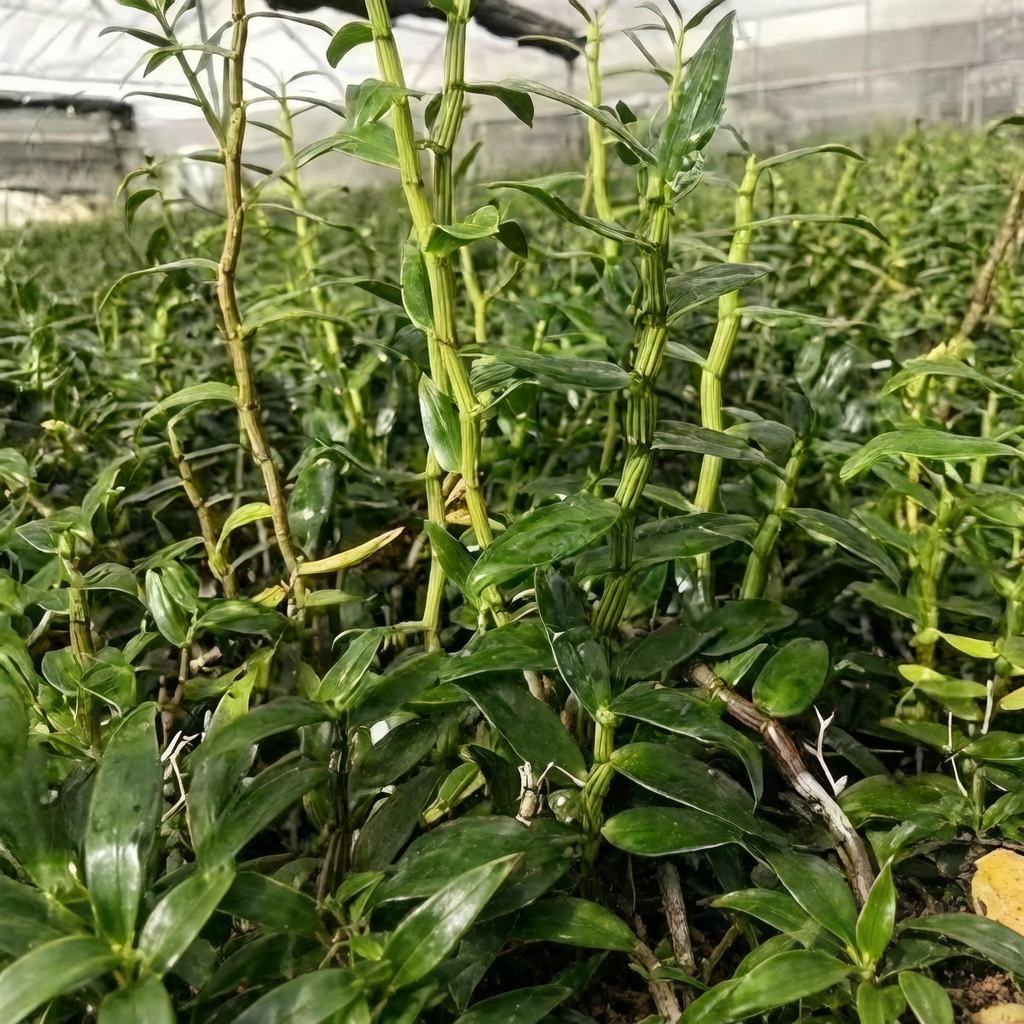
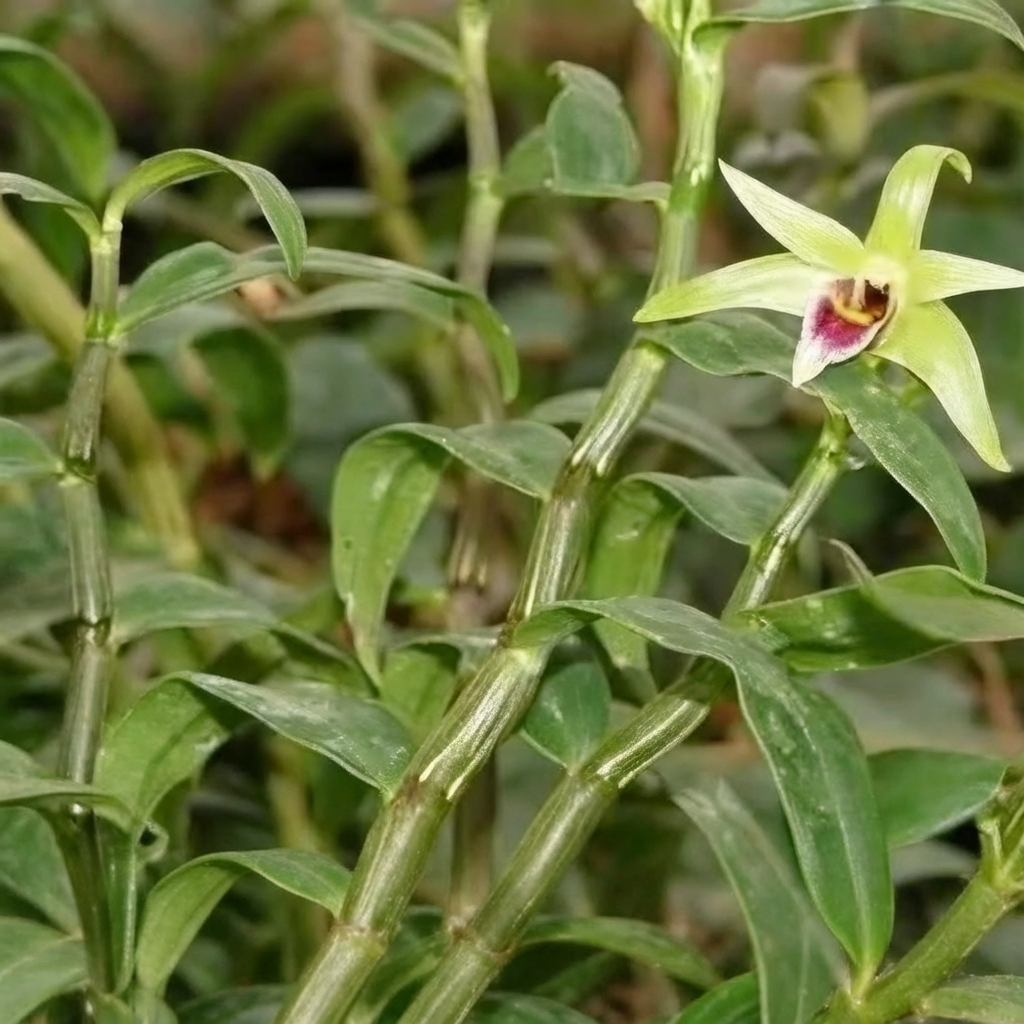
- Foliage:Leaves grow along upright, cane-like stems. During the winter semi-rest, it’s common for some cultivars to shed part of their foliage without it being a problem.
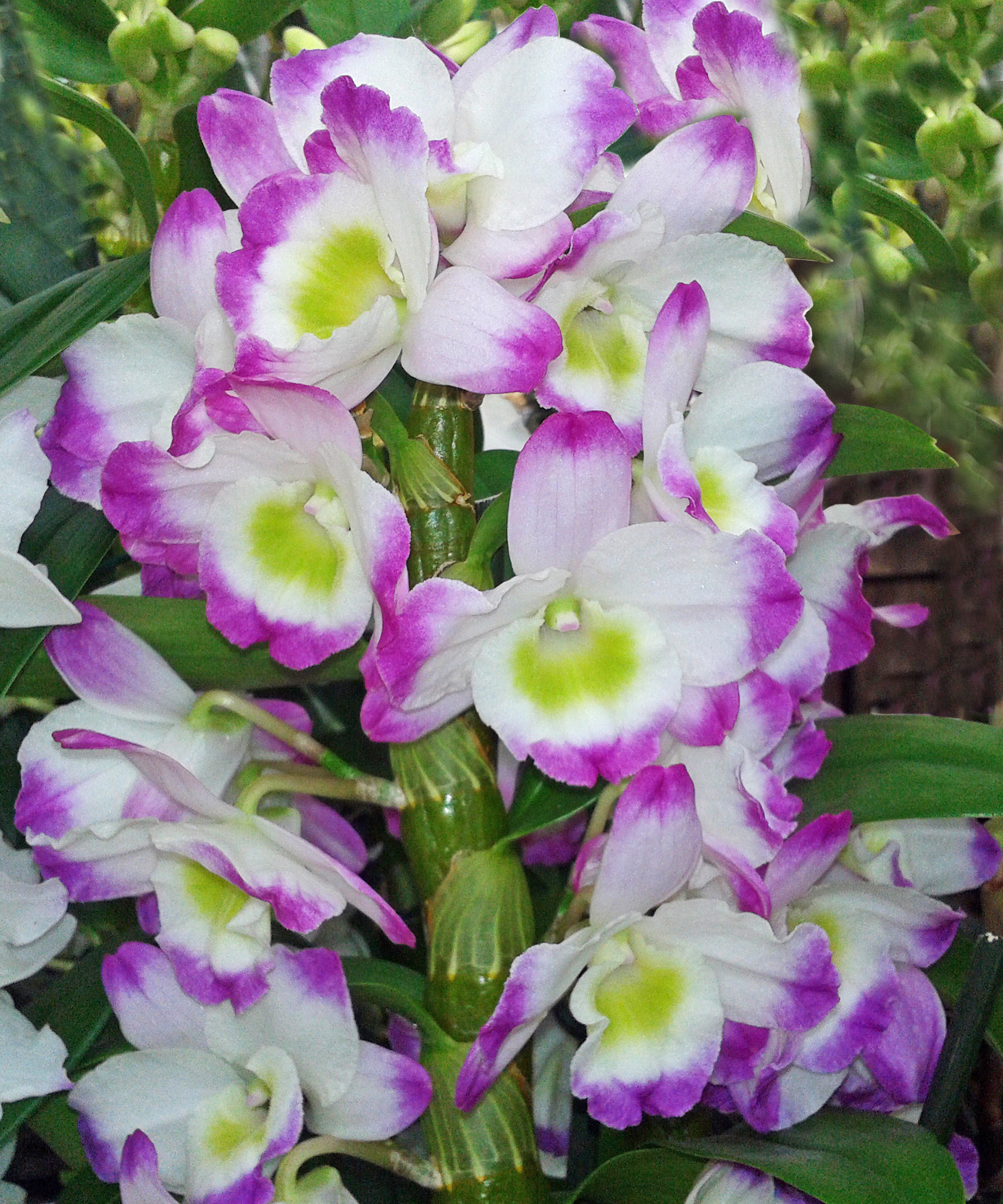
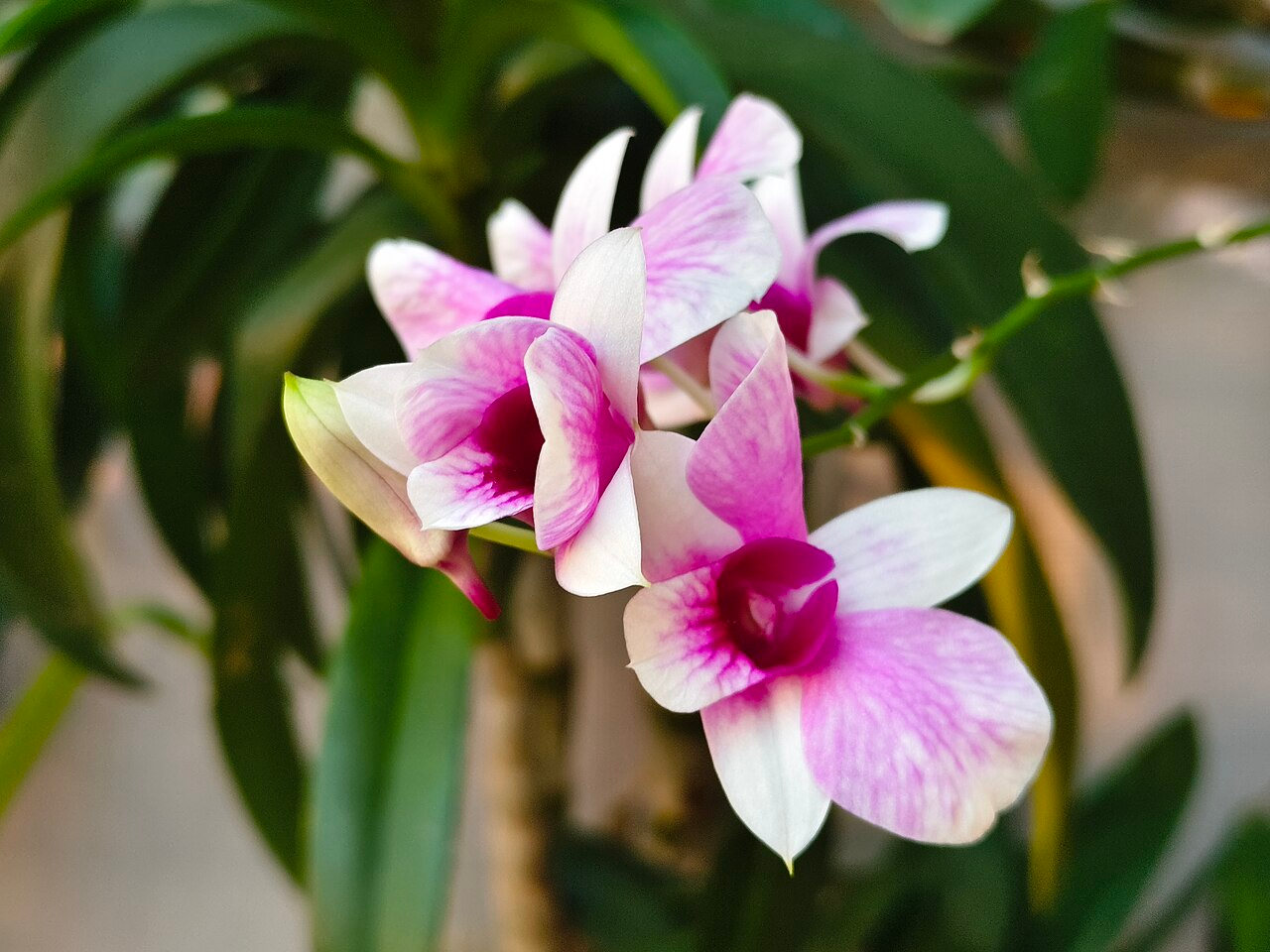
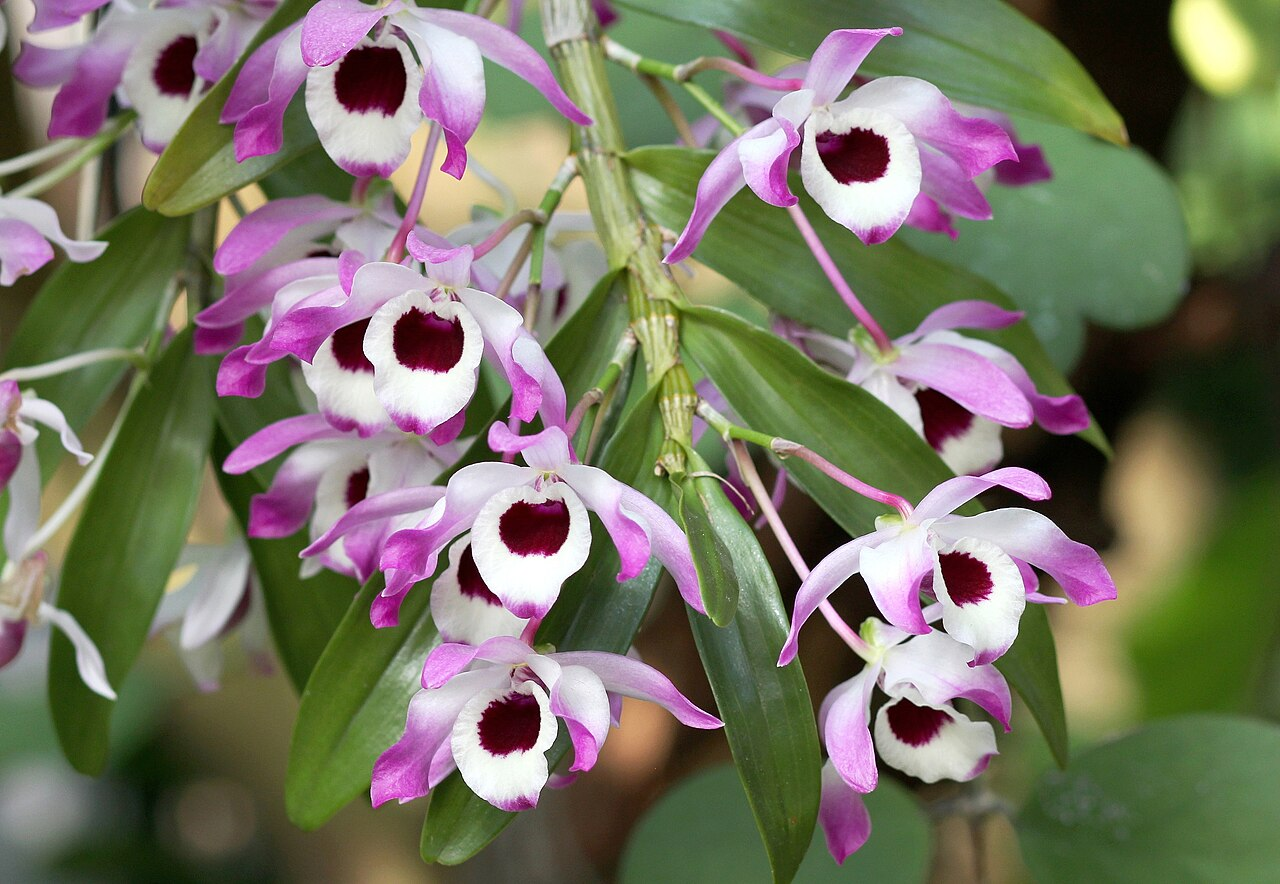
- Flower:Clusters of showy, often sweetly scented flowers open along mature, cane-like stems. Bloom colors vary widely, with pink and white forms especially popular.
- Flowering Season:Autumn to early spring
- Growth Habit:Upright, cane-forming orchid that flowers along mature canes
🌤️ Environment
Sunlight
Bright light with protection from direct midday sun; a bright windowsill with filtered light works well. From summer to early autumn (before any frost risk), it can be placed outdoors in light shade to boost light levels and benefit from cooler nights.
Temperature
Preferred range about 5–24°C (41–75°F). For winter flowering and bud development, aim for cooler nights around 10°C (50°F) or slightly lower in a cool room, while avoiding any freezing conditions.
Humidity
Medium to high humidity, roughly 50–70%+. In the growing season (early spring to late summer), a pebble tray with water (keep the pot above the waterline) can raise local humidity.
Soil
Use a very free-draining orchid medium (never regular houseplant soil). A commercial orchid bark mix works well, or use composted bark mixed with perlite and charcoal in about a 6:1:1 ratio. A clear pot around 15–20 cm (6–8 in) wide helps with aeration and makes it easy to monitor root health and moisture.
Placement
Indoors: a bright spot out of hot direct sun and away from drafts/strong airflow. Outdoors (summer to early autumn): a sheltered patio in light shade. Winter: a cool, unheated room with nights near 10°C (50°F) to support flowering.
Hardiness
Not frost-hardy; protect from freezing. Best kept above about 5°C (41°F). Often treated as a cool-to-intermediate orchid.
🪴 Care Guide
Difficulty
Challenging: it rewards growers who can provide strong light, a clear day–night temperature drop, and a cooler, drier winter semi-rest to trigger buds.
Buying Guide
Look for firm, plump canes (not shriveled), healthy roots visible in the pot (green or silvery), and clean leaves without black spots or sticky residue. Avoid plants with a sour smell from the potting mix, which can signal rot.
Watering
Spring to late summer: water in the morning with lukewarm rainwater or distilled water about 1–2 times per week, letting the mix drain freely and approach dryness between waterings. Early autumn: reduce watering to about once every 2 weeks to encourage bud formation. Winter: stop regular watering, but mist lightly to prevent the canes/pseudobulbs from shriveling; resume watering as new growth restarts in spring.
Fertilization
Spring through summer: feed every 2–3 weeks with a balanced liquid fertilizer at half strength. For about one month in late summer, switch to a high-potassium (bloom) fertilizer at half strength, then stop feeding until spring.
Pruning
After flowering, remove only dead or fully dried canes. Keep firm green canes even if they’re leafless—these can store energy and may bloom again.
Propagation
Most commonly by division of mature clumps (aim for at least 3–4 healthy canes per division). Some types also produce keikis (baby plants) on canes; remove and pot them once they have several roots about 5 cm (2 in) long.
Repotting
Repot annually in spring, ideally as new growth begins. Replace the mix and trim only dead, mushy roots.
📅 Seasonal Care Calendar
Spring: restart watering and feeding; maintain humidity. Summer to early autumn: bright light/light shade outdoors can help; in late summer use a high-potassium feed briefly, then stop. Early autumn: reduce watering to about every 2 weeks to promote bud set. Winter: keep cool (nights around 10°C / 50°F or slightly lower), stop regular watering but mist lightly to prevent cane shrivel; flowering often occurs now. Repot each spring.
🔬 Pests, Diseases & Safety
Common Pests & Diseases
Common orchid pests include mealybugs, scale insects, and spider mites (especially in dry indoor air). Root and cane rot can develop if the mix stays wet—particularly in cool conditions. Use a fast-draining mix, avoid cold-wet roots, keep gentle airflow (not cold drafts), and treat pests promptly (e.g., horticultural soap or alcohol swabs where appropriate).
Toxicity
Generally considered non-toxic to cats and dogs (orchids are commonly listed as pet-safe). Chewing may still cause mild stomach upset; if a pet eats a large amount, contact a veterinarian.
🎋 Culture & Symbolism
Symbolism:Orchids are classic symbols of elegance, admiration, and refined beauty. Dendrobiums are especially popular as gift orchids for celebrations and well-wishes.
History & Legends:Dendrobium is a huge orchid genus with a long history of cultivation in Asia. Many modern indoor plants are hybrids bred for fragrance, winter blooming, and a more compact, home-friendly habit.
Uses:Primarily grown as an ornamental flowering houseplant—perfect for a bright indoor spot and a sheltered patio in summer. Some Dendrobium species are used in traditional herbal contexts, but ornamental nobile-type hybrids are generally grown for flowers rather than herbal use.
❓ FAQ
What if it drops some leaves in winter?
That can be completely normal for nobile-type dendrobiums. They enter a winter semi-rest and may shed part of their foliage—focus on keeping the canes firm and resist the urge to overwater.
Should I water in winter?
Usually, no regular watering in winter. Instead, mist lightly if the canes start to shrivel. Resume watering when you see fresh new growth in spring.
How do I encourage flower buds?
In early autumn, reduce watering (around once every 2 weeks) and provide cooler nights with a noticeable day–night temperature drop. That combination is the classic trigger for bud formation.
When should I fertilize?
Feed from spring through summer every 2–3 weeks at half strength with a balanced fertilizer. Switch to a high-potassium bloom feed for about one month in late summer, then stop until spring.
💡 Fun Facts
- Many nobile-type dendrobiums bloom on leafless canes—so don’t cut canes just because they dropped leaves.
- Clear pots are popular for orchids because you can see root health and moisture levels at a glance.
- A cooler, drier winter rest is often the difference between a plant that only grows canes and one that puts on a spectacular flower show.