
🌱 Plant Features
- Size:About 15–23 cm (6–9 in) tall and 15–23 cm (6–9 in) wide
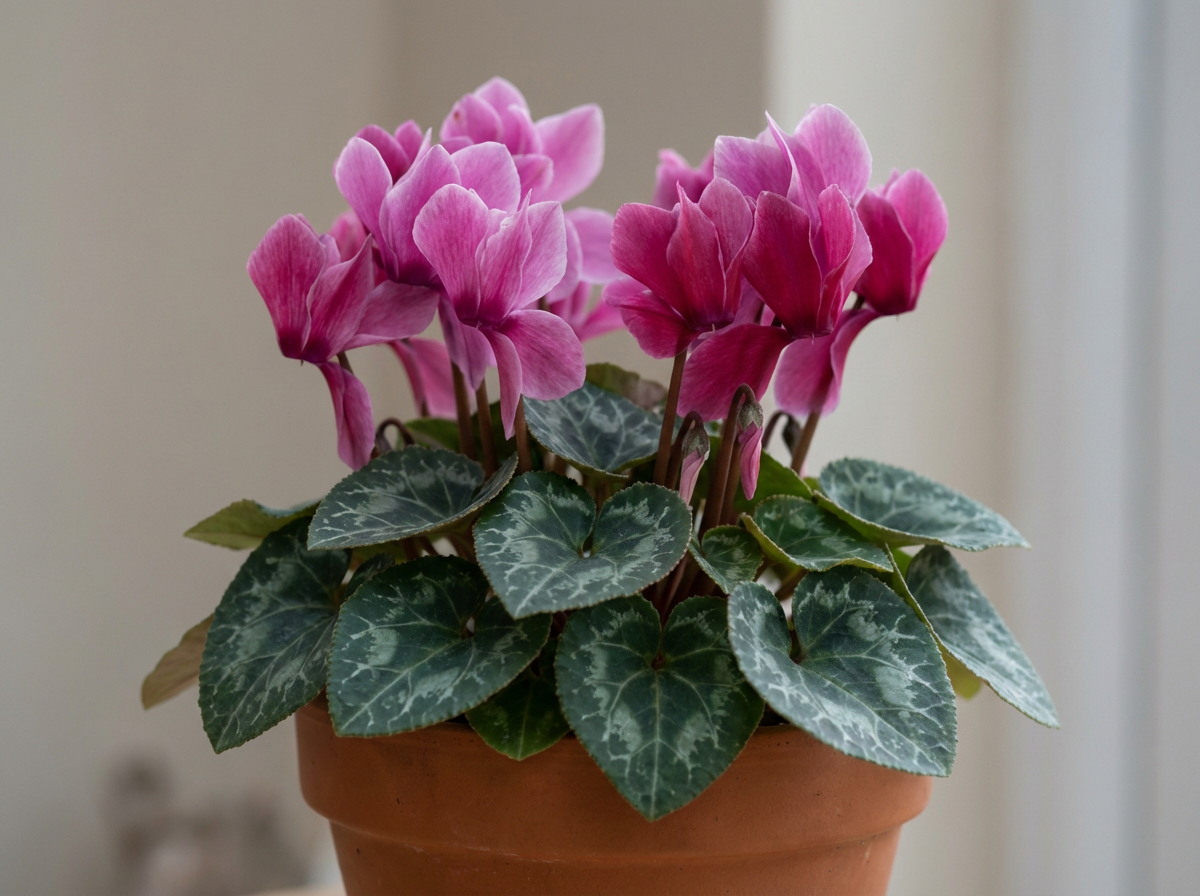
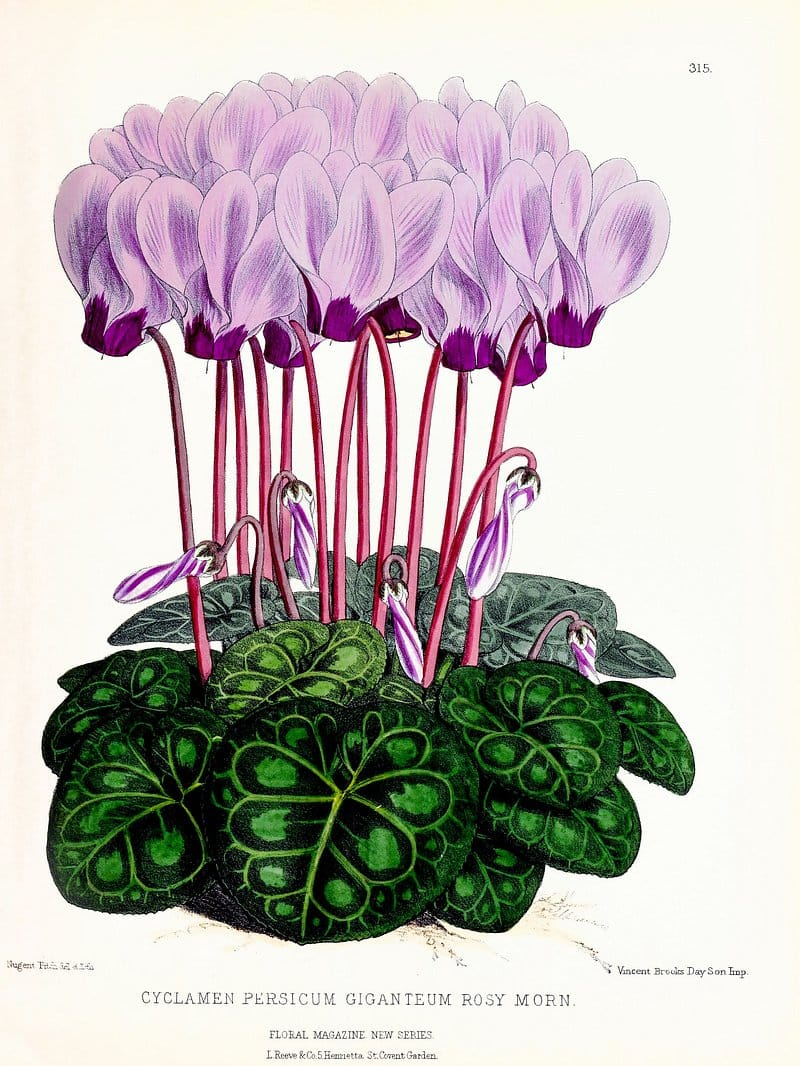
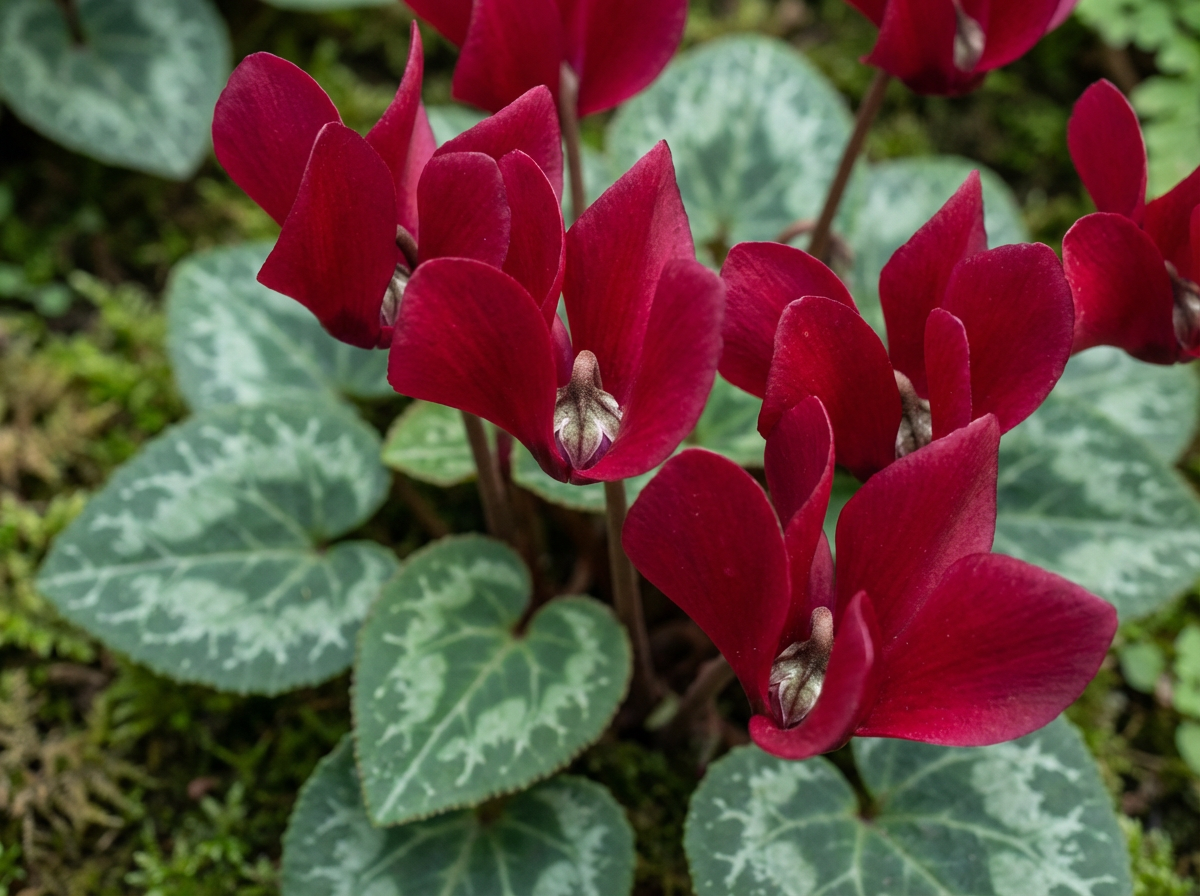
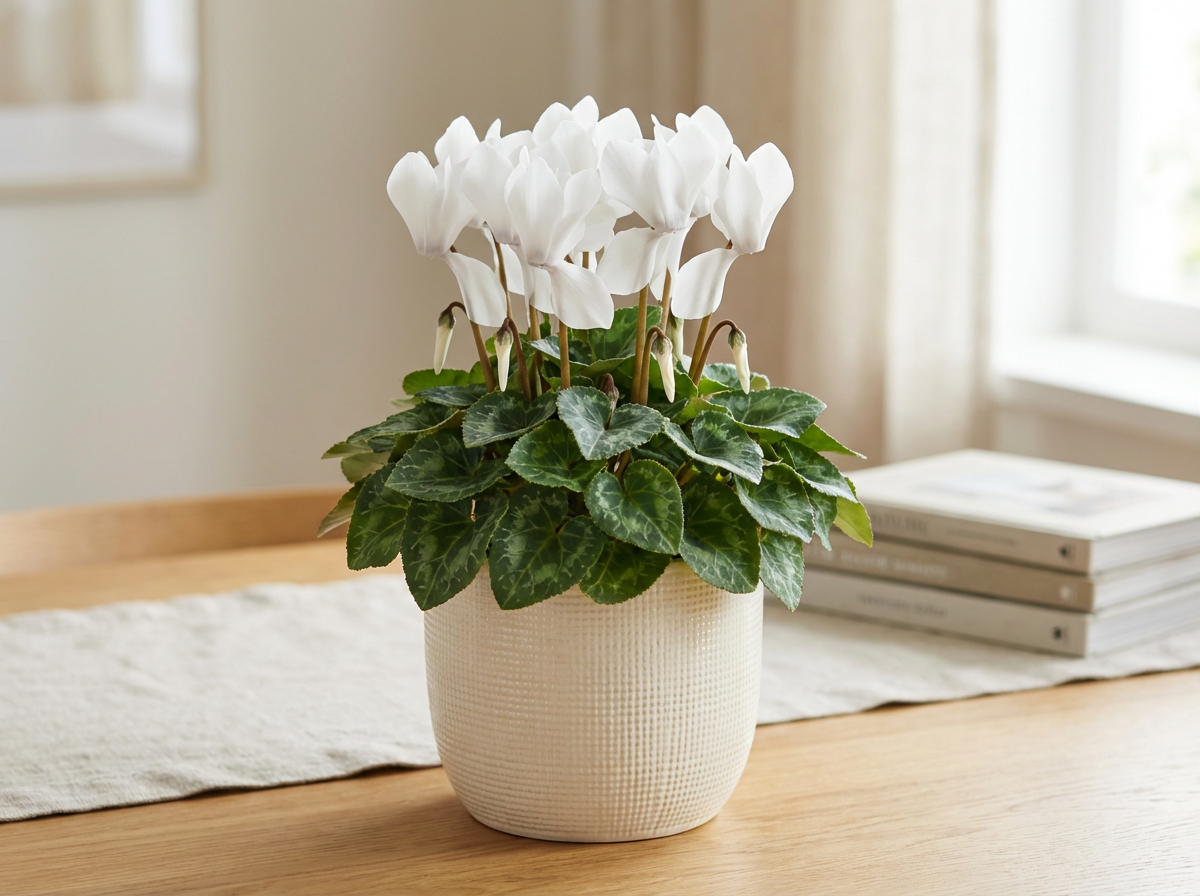
- Foliage:Heart-shaped green leaves with distinctive silver marbling; leaves are slightly thick with finely toothed edges and sit on long stems emerging from the top of the tuber.
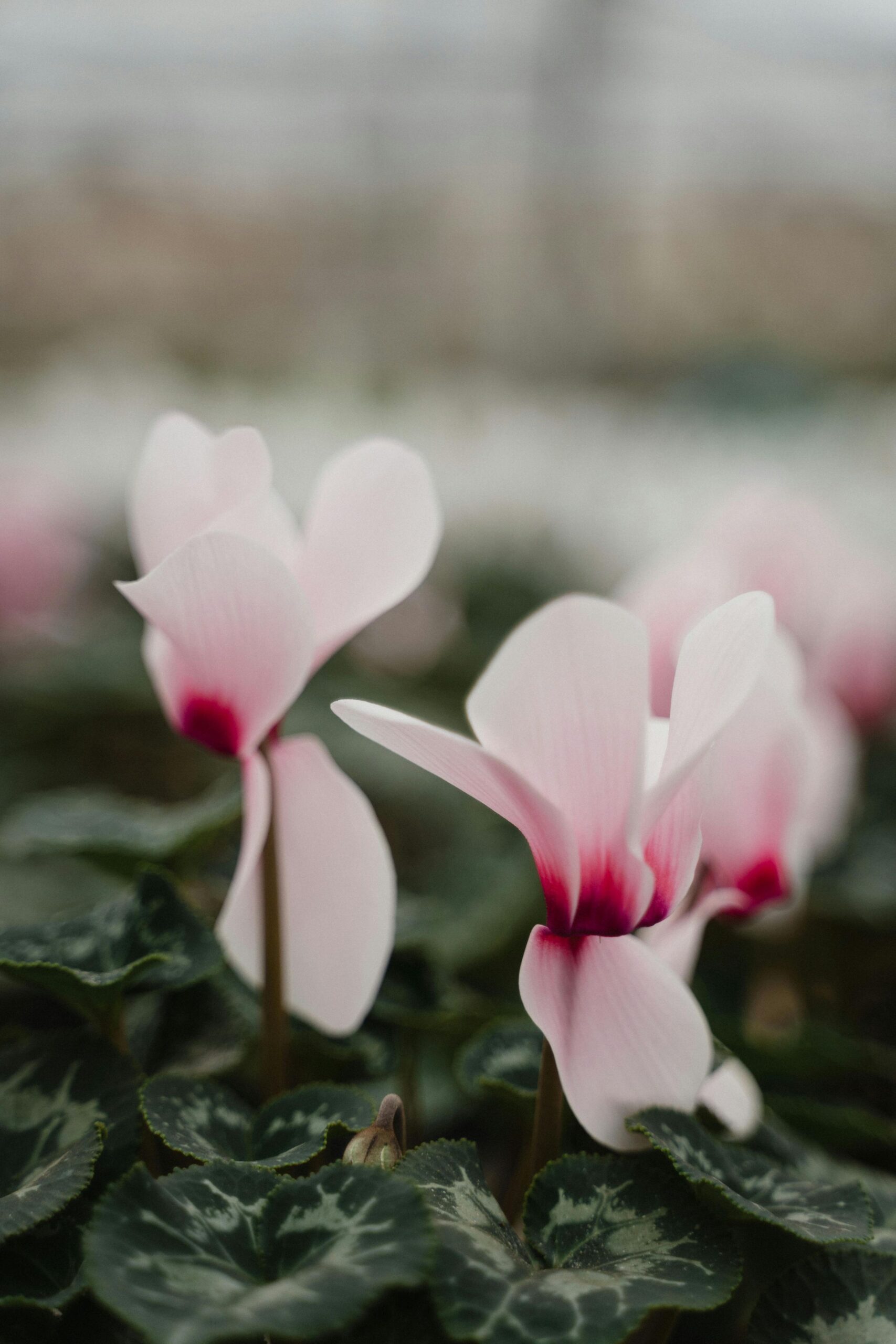
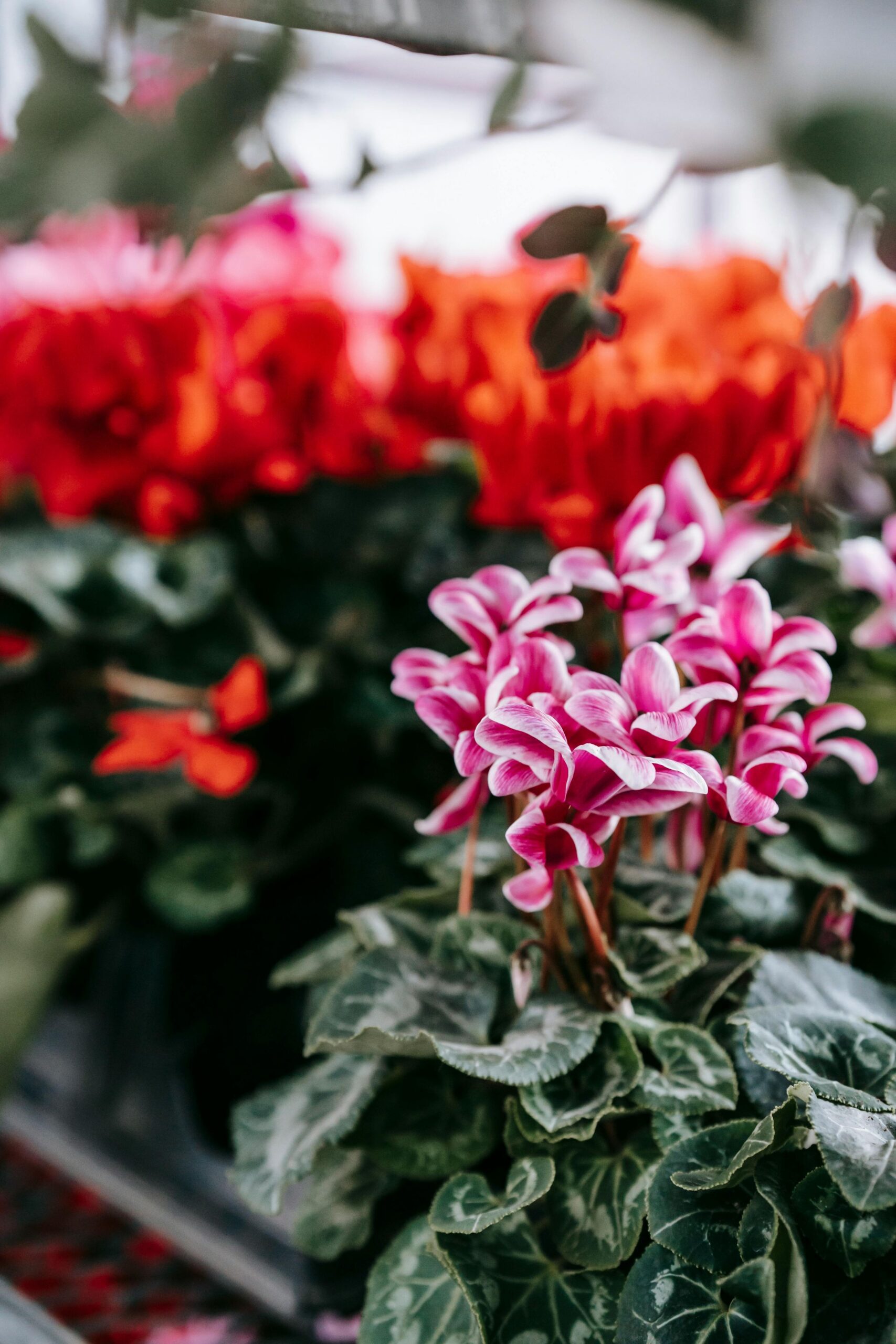
- Flower:Flowers rise above the foliage on upright stems and have signature reflexed (backward-curving) petals. Common colors include white, pink, red, and purple, often with a darker “throat” near the base; the overall effect is airy and butterfly-like.
- Flowering Season:Fall through spring (typically November to March; often peaking December to February)
- Growth Habit:A compact plant growing from a flattened, rounded tuber about 4–5 cm (1.6–2.0 in) in diameter with corky brown skin. Leaves and flower stems emerge from the top of the tuber; after blooming, it naturally shifts toward a resting (dormant) phase.
🌤️ Environment
Sunlight
Bright, indirect light is ideal. Avoid hot direct sun, which can scorch leaves. During active growth and flowering, give plenty of light; during dormancy, keep the pot in a cooler, darker spot.
Temperature
Likes cool conditions: about 15–21°C (60–70°F) in daytime and 4–10°C (40–50°F) at night. It can tolerate brief dips to around 0°C (32°F), but it struggles in sustained warmth—especially above about 20°C (68°F).
Humidity
Moderate to high humidity, ideally above 50%. A pebble tray or humidifier helps, while still keeping good air movement around the leaves.
Soil
Rich but well-draining, slightly acidic potting mix. A loamy mix amended with organic matter (often peat-based in containers) works well; drainage is essential to prevent tuber and root rot.
Placement
Bright windowsills, cool living areas, tabletops, and offices—away from heaters, hot sun, and drying drafts.
Hardiness
Commonly treated as a houseplant; outdoors it suits USDA Zones 9–11. Tolerates light frost but not prolonged freezing.
🪴 Care Guide
Difficulty
Moderate: it’s very rewarding, but it prefers cool temperatures, careful watering, and respect for its seasonal rest period.
Buying Guide
Choose plants with firm tubers, crisp leaves, and lots of unopened buds (more buds = longer display). Avoid yellowing foliage, wilted growth, or any soft/mushy crown that suggests rot.
Watering
Water when the top 2–3 cm (about 1 in) of soil feels dry. During active growth this may be frequent (often every 1–2 days in warm, dry homes), but always let excess drain. Bottom-watering is strongly recommended—set the pot in water briefly, then drain—so the crown/tuber top stays dry and rot risk is lower. During dormancy, water very sparingly, only enough to keep the tuber from shriveling.
Fertilization
Feed every 2–3 weeks during active leafy growth with a diluted liquid fertilizer (often a low-nitrogen formula). Pause feeding during peak bloom and through dormancy; restart when fresh growth returns in fall.
Pruning
Remove spent flowers and yellowing leaves promptly by gently twisting and pulling the stem from the base (rather than cutting), helping prevent rot and encouraging continued blooming.
Propagation
Most commonly by seed (often sown in late summer); seeds prefer darkness to germinate. Division of dormant tubers is possible but tricky and can invite rot unless each piece has a viable growth eye. Commercial production often uses tissue culture.
Repotting
Repot about every 2 years during summer dormancy. Move up only slightly (about 2.5–5 cm / 1–2 in wider). Use fresh, free-draining mix and keep the top third of the tuber slightly exposed above the soil line to reduce rot.
📅 Seasonal Care Calendar
Spring (Mar–May): Blooming slows; gradually reduce watering as leaves begin to yellow. Summer (Jun–Aug): Rest/dormancy—keep cooler, airy, and mostly dry. Fall (Sep–Nov): New growth appears; resume watering and feeding; buds begin forming. Winter (Dec–Feb): Peak flowering—keep cool, bright (indirect), and evenly moist; avoid heat and soggy soil.
🔬 Pests, Diseases & Safety
Common Pests & Diseases
Watch for cyclamen mites, aphids, vine weevils, and spider mites. Common diseases include botrytis (gray mold), root rot, and bacterial soft rot. Prevention hinges on cool conditions, good air circulation, removing dead material, and avoiding wetting the crown. Treat pests with appropriate controls and address rot by improving drainage and watering habits.
Toxicity
Toxic to humans and pets, with the tuber containing the highest concentration of irritating compounds (terpenoid saponins). Ingestion can cause drooling, vomiting, and diarrhea; larger amounts may be dangerous for animals. Keep out of reach of children and pets.
🎋 Culture & Symbolism
Symbolism:Often associated with sincere affection, deep love, devotion, and lasting feelings. It can also symbolize gentle goodbyes or resignation in some traditions. Color lore is common: red for love, white for purity, and pink for enduring affection.
History & Legends:Cyclamen has long been admired around the Mediterranean and beyond, with references reaching back to classical antiquity. In some Christian symbolism, the heart-shaped leaves have been linked to the Virgin Mary’s heart and the flowers to sorrow and compassion. Folklore also painted it as a love charm and a bedside protector against bad dreams—though today it’s cherished mainly for its beauty.
Uses:Primarily an ornamental houseplant and seasonal gift, prized for bringing color indoors through the cooler months and for its long flowering display (often up to about 8 weeks). While some Cyclamen species appear in traditional medicine stories, using it medicinally is not recommended because of toxicity.
❓ FAQ
Why are my cyclamen leaves turning yellow?
Yellowing can come from overwatering (most common), underwatering, warm temperatures, the plant naturally winding down toward dormancy, or pest/disease issues. Check soil moisture first, keep the plant cooler, and remove yellow leaves promptly.
How do I get my cyclamen to rebloom next year?
Let it rest after flowering: gradually reduce watering as leaves yellow, keep it cool and mostly dry over summer, then repot (if needed) and resume watering in fall when new growth starts. With cool conditions and careful watering, it can bloom again each year.
Can cyclamen be grown outdoors?
Florist’s cyclamen (Cyclamen persicum) is usually grown indoors, but it can be outdoors in mild climates (roughly USDA Zones 9–11). In cooler regions, hardier Cyclamen species (like Cyclamen hederifolium) are better candidates for gardens.
How long do cyclamen plants live?
With good care, they can live for several years, though older tubers (often after about 4–5 years) may become less vigorous and flower less heavily.
💡 Fun Facts
- The name “Cyclamen” comes from Greek “kyklos,” meaning circle—an allusion to the rounded tuber.
- As flowers fade, the stems can twist and pull developing seed pods downward toward the soil surface.
- The old common name “Sowbread” comes from historical accounts of wild pigs eating the tubers.
- A happy, mature plant can carry dozens of flowers in one season.
- There are over 20 Cyclamen species, but Cyclamen persicum is the superstar of indoor winter color.