

🌱 Plant Features
- Size:Evergreen, self-clinging climbing vine or creeping shrub; can spread several meters and climb high when supported—commonly 3–10 m (10–33 ft) or more on walls/trees.
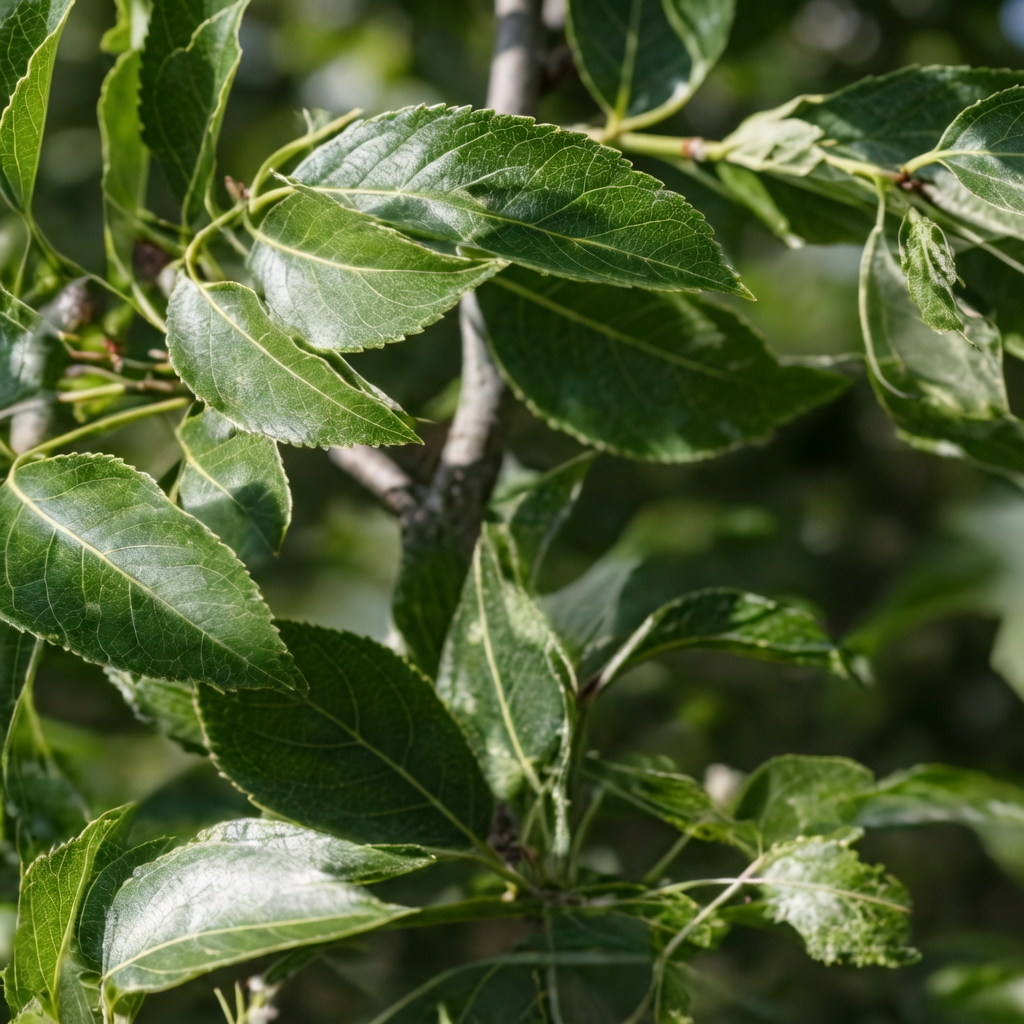
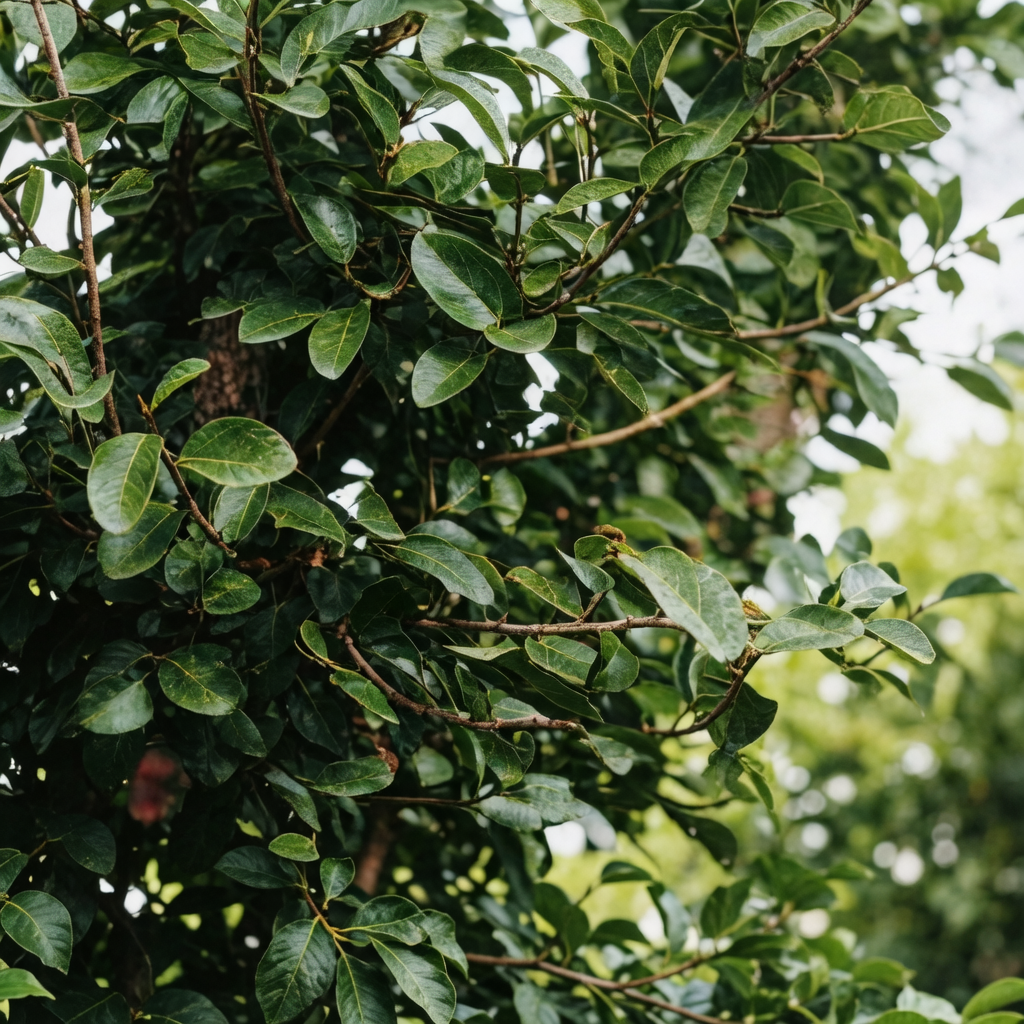
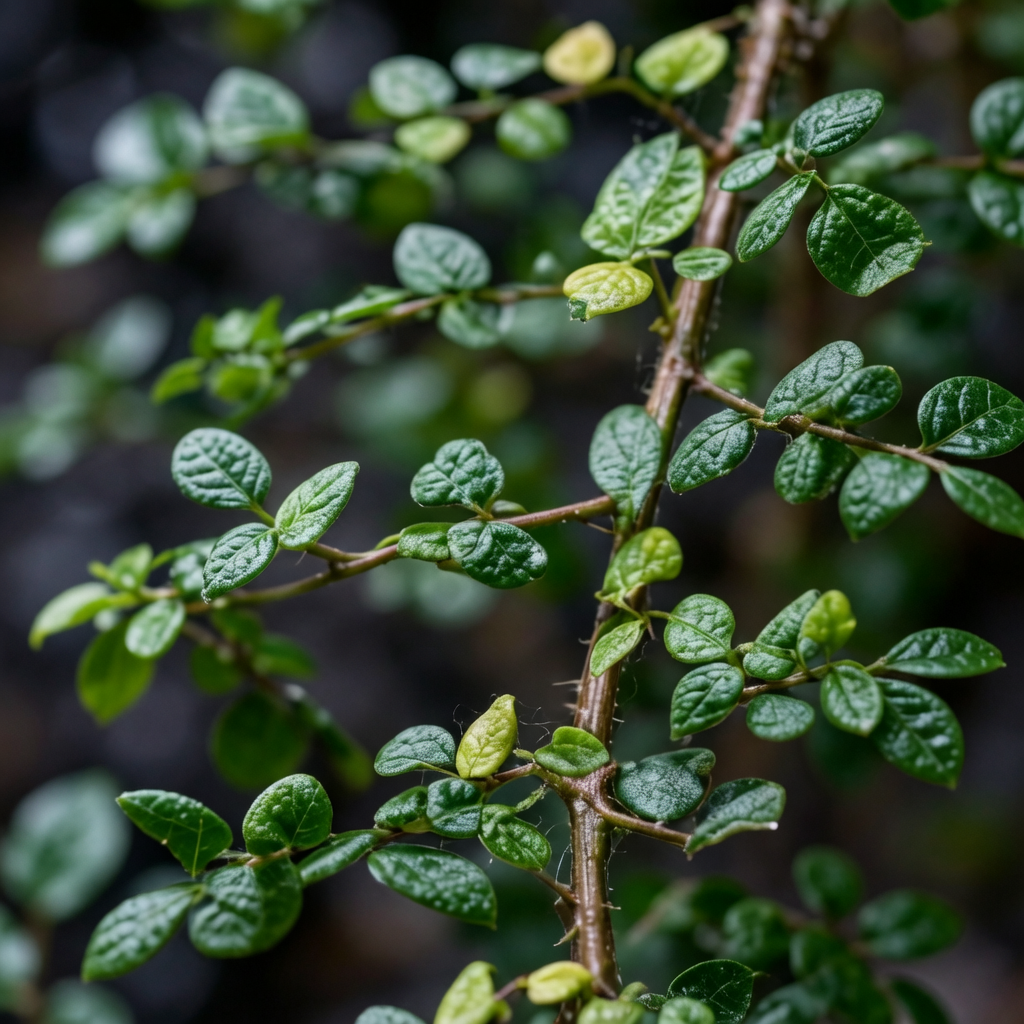
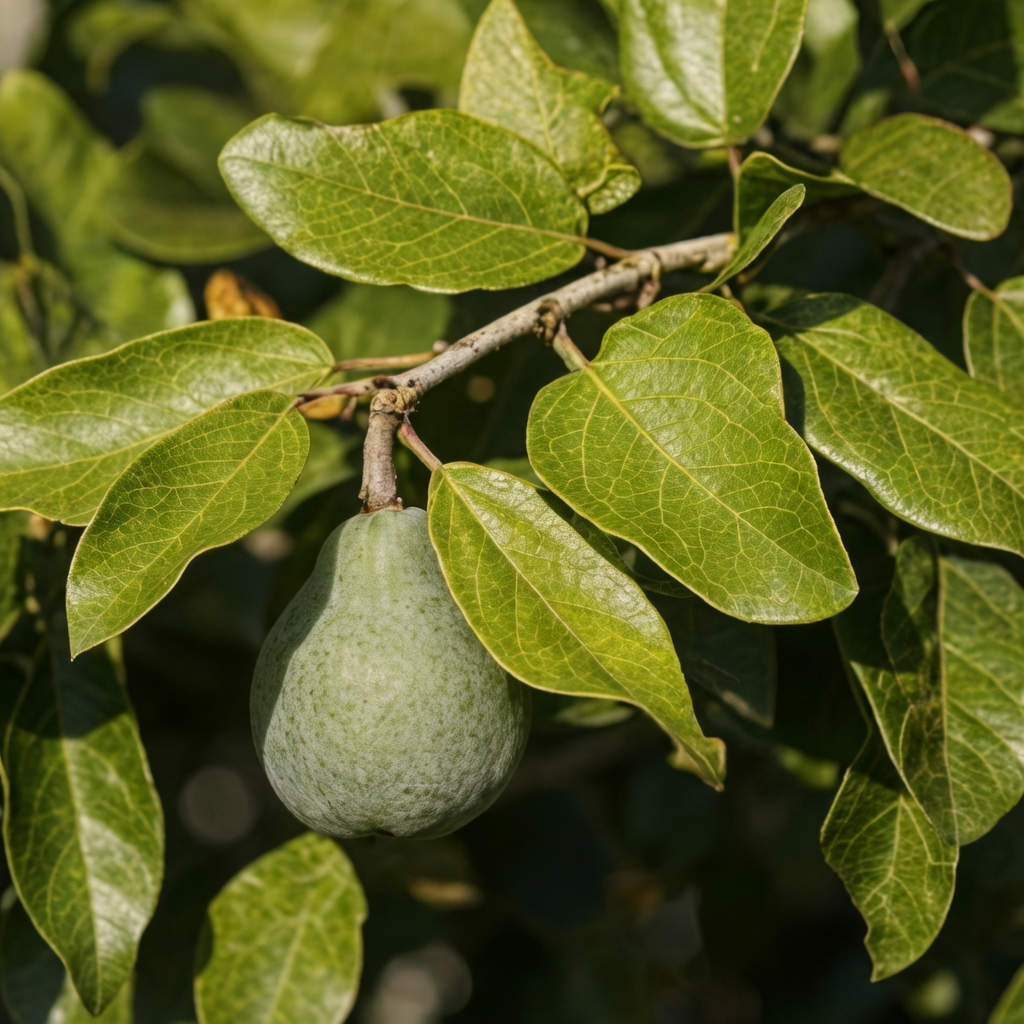
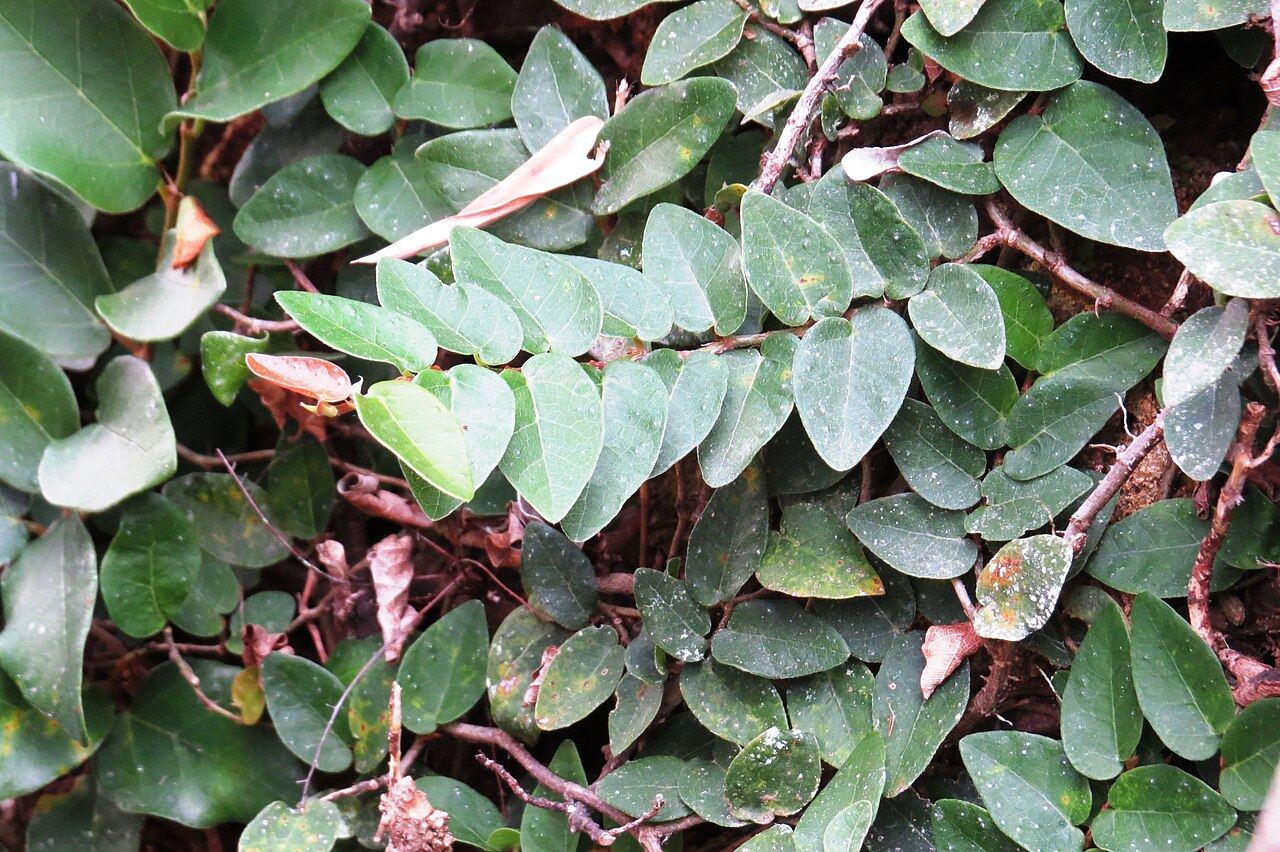
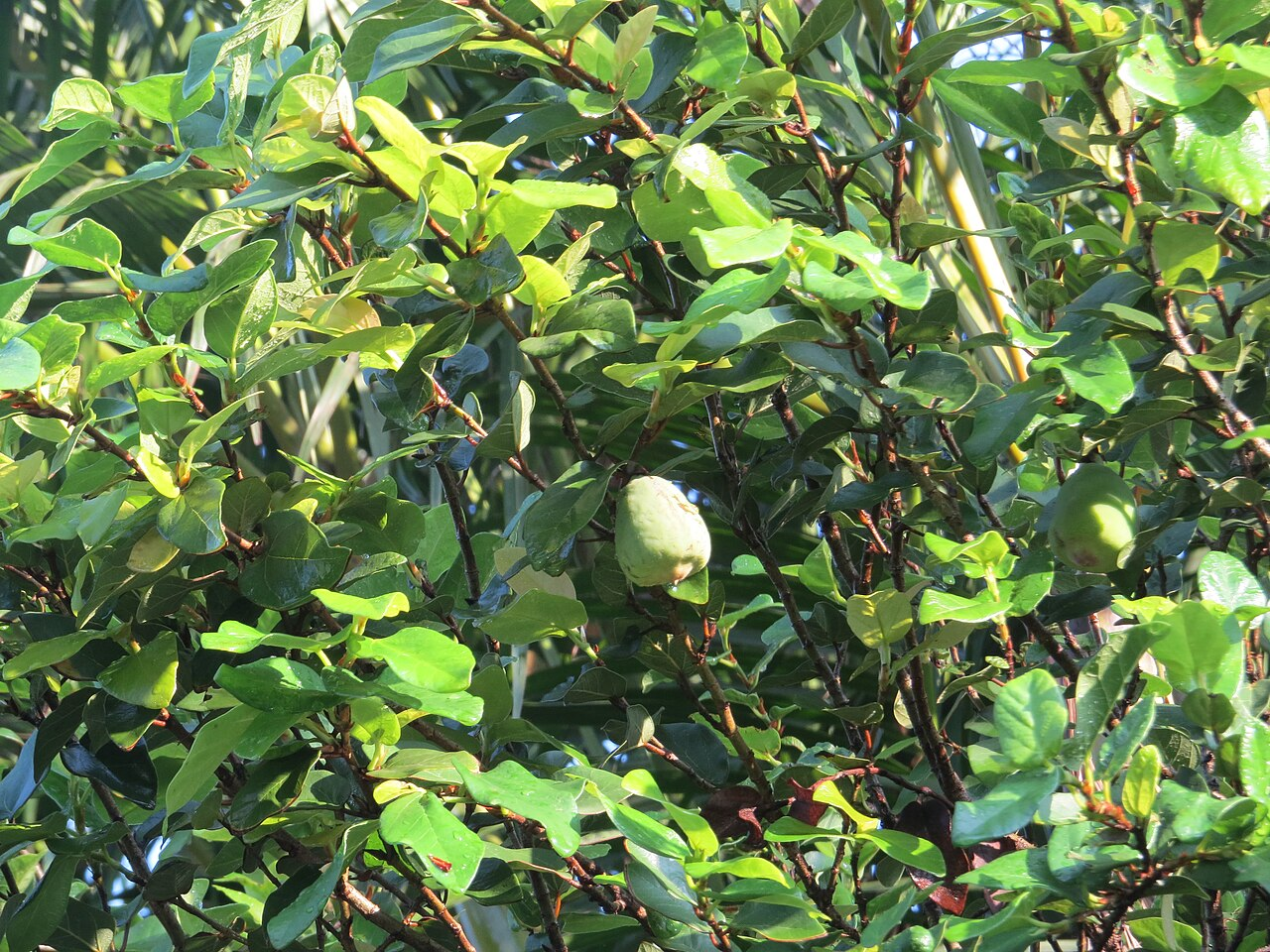
- Foliage:Leaves are distinctly two-form. Juvenile (non-flowering) shoots have small, thin, heart- to egg-shaped leaves that lie flat against surfaces with very short petioles, creating a tight, shingled look. Adult (flowering) shoots bear larger, thicker, leathery leaves (ovate to elliptic) with prominent netted veins; undersides may have short hairs. Young twigs can be brownish and slightly fuzzy. All parts exude milky latex when cut.
- Flower:As a fig, its flowers are hidden inside a specialized structure called a syconium. These syconia form singly in the leaf axils and later mature into small fig-like fruits.
- Flowering Season:April–May
- Growth Habit:Climbing and/or creeping; adheres strongly to walls, tree trunks, rocks, and fences. Juvenile growth forms a tight mat, while mature stems become more free-growing and are the ones that flower and fruit.
🌤️ Environment
Sunlight
Bright light to partial shade. It tolerates shade (slower growth). Outdoors, morning sun with afternoon shade is ideal; avoid harsh all-day sun in very hot climates.
Temperature
Warm-growing; ideal about 15–30°C (59–86°F). For overwintering, keep above about 4°C (39°F) and protect from freezing.
Humidity
Prefers moderate to high humidity, but adapts to average household humidity once established.
Soil
Moist but well-drained, fertile soil—especially humus-rich loam. Avoid constantly waterlogged conditions to prevent root issues.
Placement
Outdoors: excellent for walls, fences, trellises, tree trunks, and as groundcover in lightly shaded spots. Indoors: near a bright window with steady light and good airflow.
Hardiness
Not reliably frost-hardy; protect from freezing. Suitable outdoors year-round in mild climates (roughly USDA Zone 9–11, depending on local winter lows).
🪴 Care Guide
Difficulty
Easy to moderate. Tough and forgiving once established, but can grow vigorously and needs occasional trimming—especially on buildings.
Buying Guide
Pick a plant with dense, healthy juvenile growth that’s already clinging (if your goal is wall coverage). Look for evenly green leaves and firm stems. Avoid plants with sour, soggy potting mix, blackened stems, or obvious scale/mealybug infestations.
Watering
During active growth, keep evenly moist: water thoroughly, then let the top 2–3 cm (about 1 in) dry slightly before watering again. In cooler seasons, water less, but don’t let the pot dry out completely for long. In the ground outdoors, water during extended dry spells, especially while establishing.
Fertilization
Spring–summer: feed with a balanced fertilizer at half strength every 2–4 weeks, or use a slow-release fertilizer as directed. Autumn–winter: reduce or stop feeding when growth slows.
Pruning
Prune anytime to control spread and encourage bushier growth. On walls, trim edges regularly to prevent it from slipping into gutters, shingles, cracks, or rooflines. Wear gloves if you’re sensitive to the latex sap.
Propagation
Very easy from stem cuttings. Take 8–15 cm (3–6 in) cuttings with several nodes; root in water or in a warm, moist, well-drained medium at about 20–27°C (68–81°F). Layering is also effective where stems touch soil.
Repotting
Repot every 1–2 years (best in spring). Move up one pot size—about 2–5 cm (1–2 in) wider—refreshing the mix and ensuring strong drainage.
📅 Seasonal Care Calendar
Spring (March–May): peak growth; start feeding; prune/train; flowering often April–May. Summer (June–August): keep evenly moist; ventilate; fruiting commonly May–August. Autumn (September–November): reduce feeding; tidy and shape. Winter (December–February): keep above 4°C (39°F); water less but don’t let it go bone-dry.
🔬 Pests, Diseases & Safety
Common Pests & Diseases
Common issues include scale insects, mealybugs, spider mites (especially indoors), and aphids on soft new growth. Root rot can occur in poorly drained, constantly wet soil. Manage pests with repeated wiping/sprays of insecticidal soap or horticultural oil; improve airflow and correct watering to prevent rot and other fungal problems.
Toxicity
The milky latex sap can irritate skin and eyes and may cause stomach upset if ingested. Keep away from children and pets that chew plants, and wash hands after pruning.
🎋 Culture & Symbolism
Symbolism:Often linked with resilience and tenacity—once it finds a surface, it holds on and keeps going.
History & Legends:In southern China it has long been a familiar, everyday plant—trained over courtyard walls for cooling greenery and valued for traditional food uses and folk remedies.
Uses:Ornamental: popular for wall-covering, living facades, fences, and as groundcover. Food tradition: the fig structures contain tiny seeds/achenes used to make a cooling jelly dessert in parts of southern China. Folk practices: leaves have been used in traditional medicine. Practical: flexible vines have been used for weaving and even papermaking material.
❓ FAQ
What kind of plant is creeping fig?
It’s an evergreen, self-clinging vine (or creeping shrub) in the fig genus, Ficus. It’s known for milky latex and for having two very different leaf forms depending on age and whether it’s flowering.
When does creeping fig flower?
Usually April–May, though timing depends on climate—and it typically needs to reach the adult (mature) growth stage before it flowers.
When does it fruit?
Commonly May–August after flowering, producing small fig-like syconia.
Where does it grow naturally and what habitat does it prefer?
It’s native to East Asia and is common in moist, fertile places across varied terrain. It often climbs on trees, walls, and other structures, especially in warm, humid conditions.
What is it used for?
It’s widely used for vertical greening and groundcover. In parts of southern China, its fig structures/seeds are processed into a traditional cooling jelly dessert, and it also appears in folk medicine and practical crafts like weaving.
💡 Fun Facts
- What looks like a ‘fruit’ is actually a hidden flower chamber: a specialized fig structure called a syconium.
- It can look like two different plants—tight, shingled juvenile leaves on walls versus bigger, leathery adult leaves on flowering shoots.
- It clings so strongly that it’s fantastic for living walls, but it may need regular trimming to keep it out of cracks and rooflines.
- Like many figs, it “bleeds” a milky latex when cut.