🌱 Plant Features
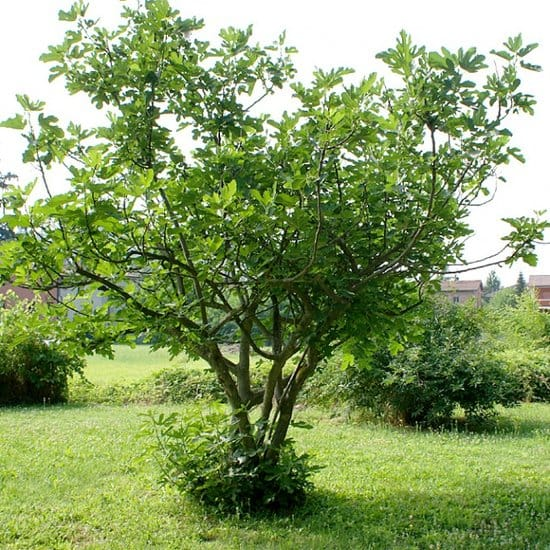
- Size:Typically 3–9 m (10–30 ft) tall and about as wide; often spreads broader than it is tall. Size varies by cultivar and pruning, and compact varieties are available for small gardens and containers.
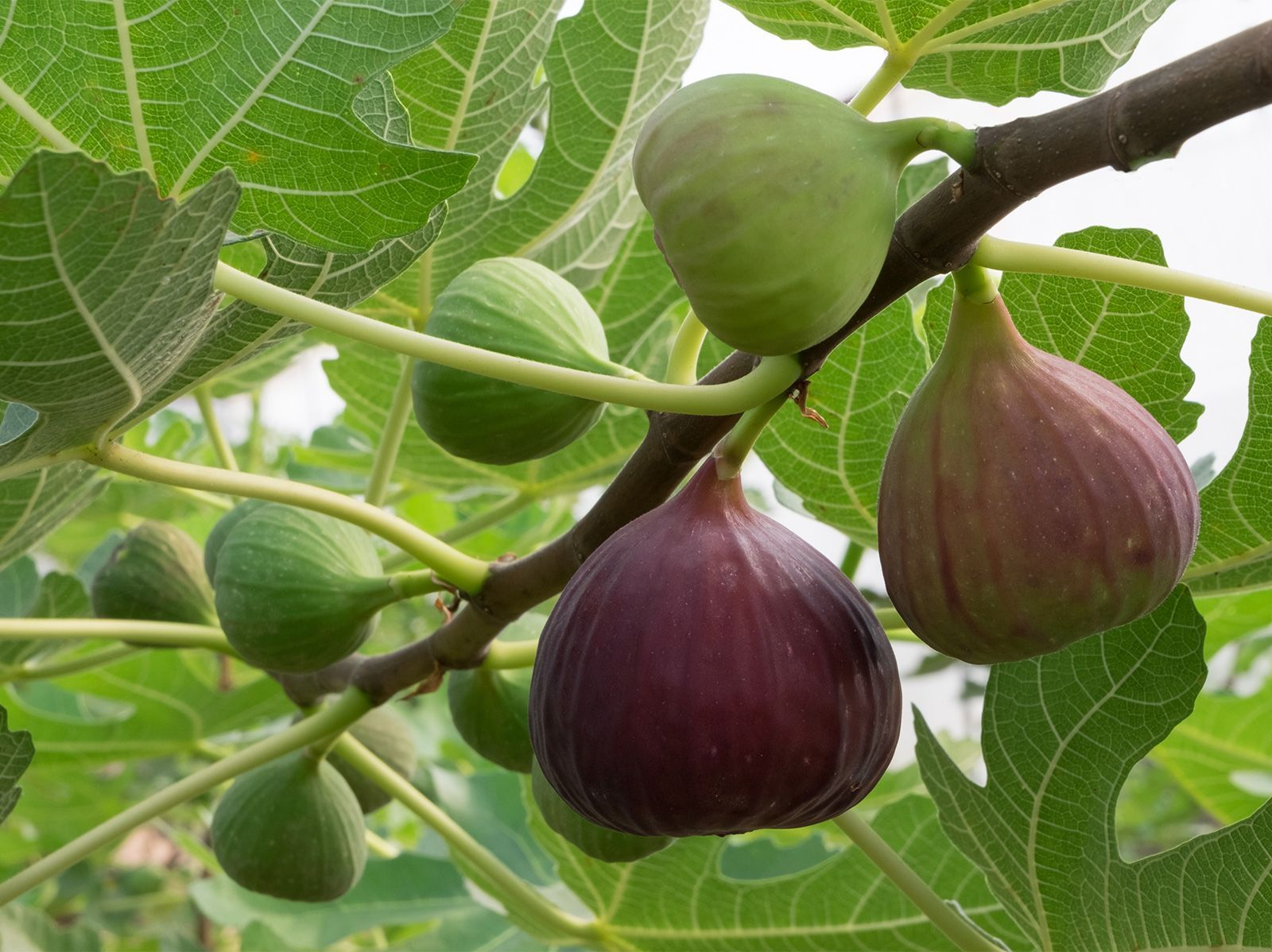
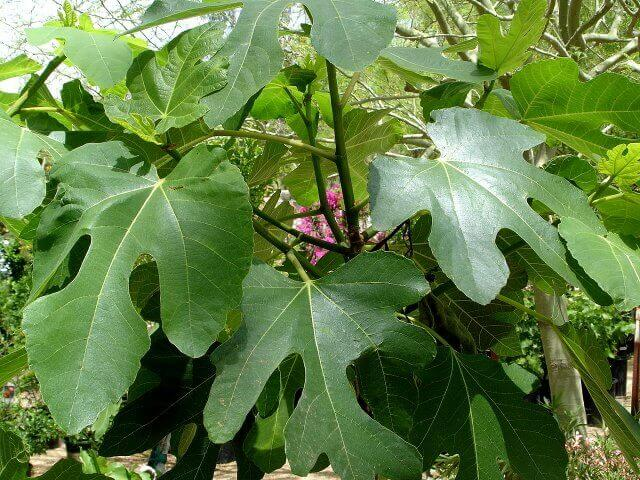
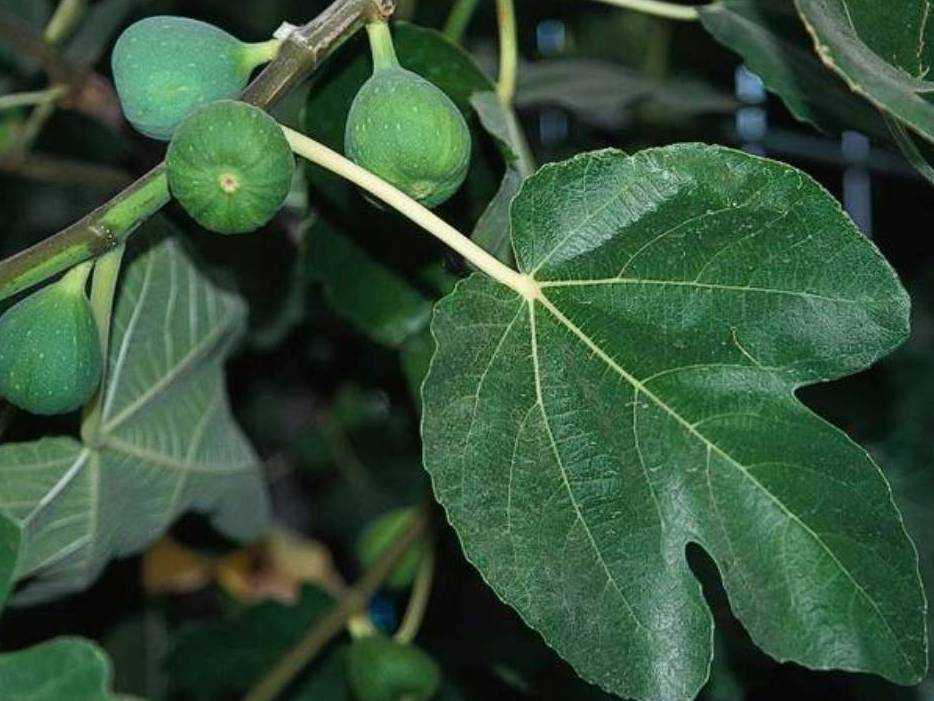
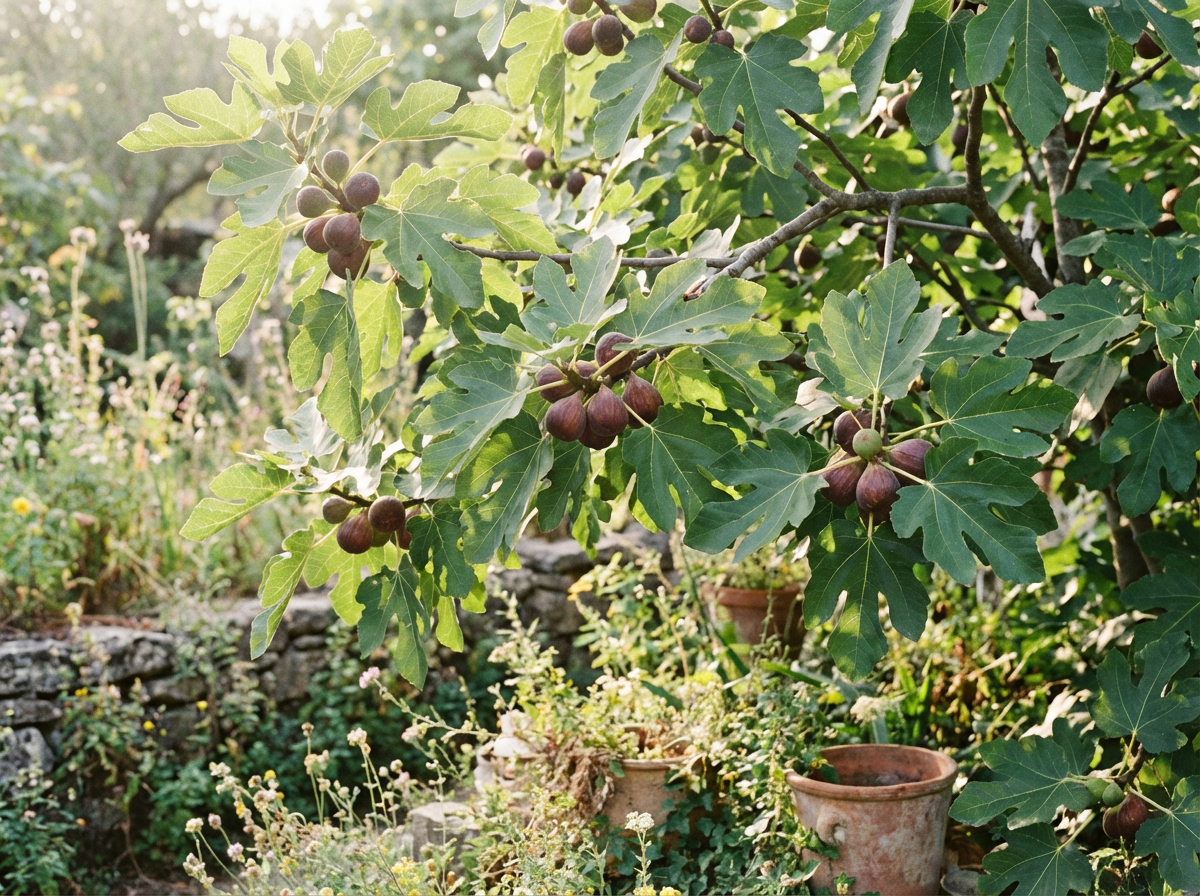
- Foliage:Large, rough-textured, deep-green leaves with a bold, tropical look despite the plant being deciduous. Leaves are usually 10–20 cm (4–8 in) long and commonly have 3–5 lobes, creating a dramatic silhouette through the growing season.
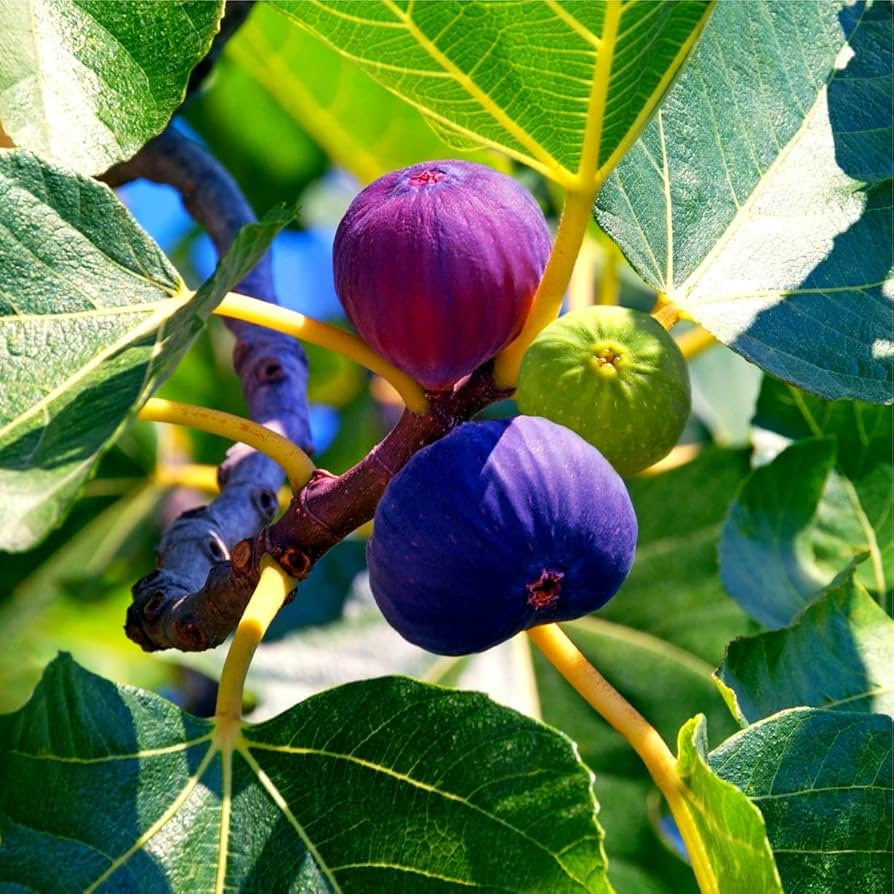
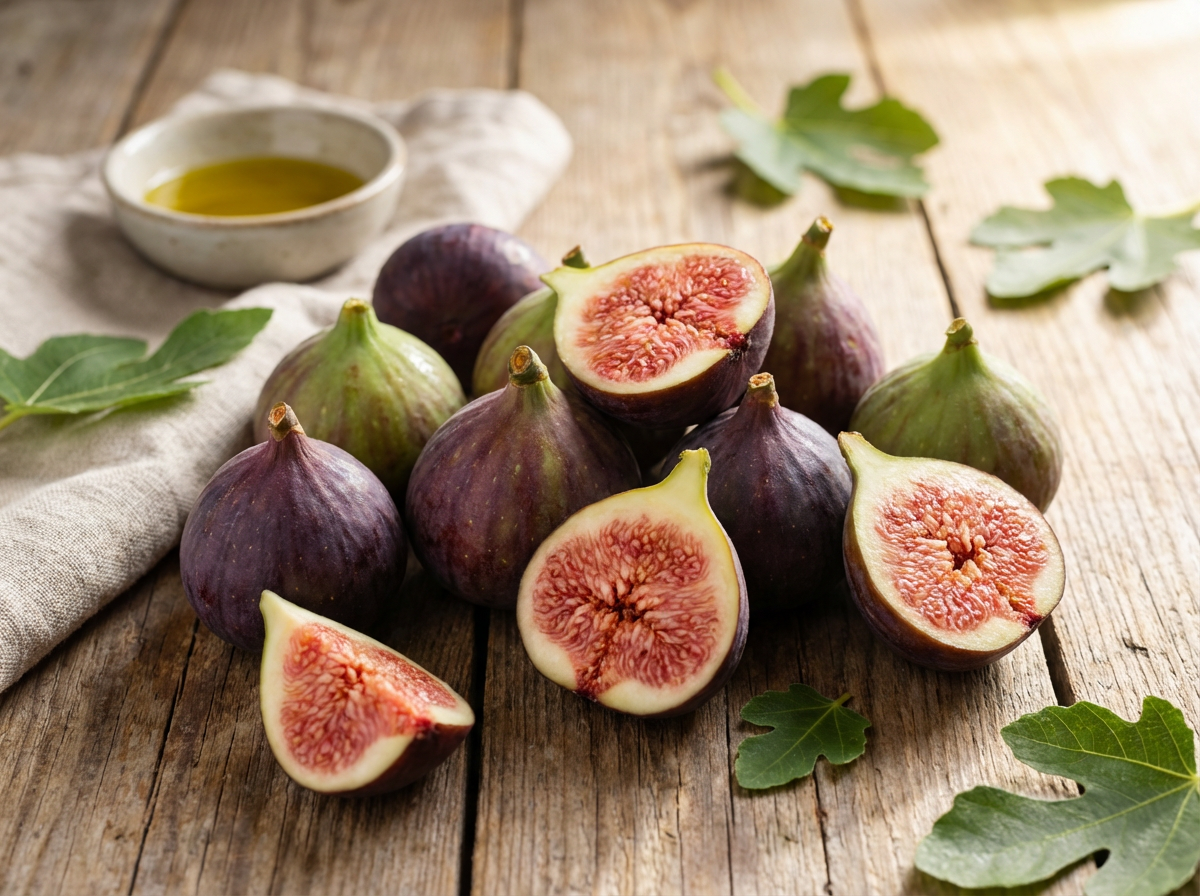
- Flower:Flowers are tiny and inconspicuous, developing inside the syconium (the structure we call the ‘fig’). Depending on the variety, pollination may involve fig wasps, but most common garden cultivars set edible fruit without needing pollination.
- Flowering Season:Spring through fall; fruit commonly ripens from summer into early fall. Many cultivars can produce two crops: a breba crop in early summer and a main crop in late summer to fall.
- Growth Habit:Deciduous, robust, branching tree or large shrub with a broad, canopy-like form. Can be trained as a single-trunk tree or kept multi-stemmed; responds well to pruning for size control (especially in pots).
🌤️ Environment
Sunlight
Full sun for best growth and fruiting—aim for at least 6–8 hours of direct sun daily.
Temperature
Best in warm, temperate climates with long, hot summers. Generally happiest in mild winters; some cultivars tolerate colder areas if protected. Brief cold can be survived down to about −9°C (15°F) with protection, but dieback is possible in hard freezes.
Humidity
Naturally well-suited to drier climates and becomes drought-tolerant once established. In humid conditions, choose varieties known to perform well; excess moisture can contribute to fruit splitting and some fungal issues.
Soil
Adaptable to many soils (loam, clay, sandy) as long as drainage is good. Prefers slightly acidic to neutral soil, about pH 6.0–7.5, enriched with organic matter. Avoid waterlogged sites; overly alkaline conditions can reduce vigor.
Placement
Sunny garden beds, Mediterranean-style plantings, edible landscapes, patios, and large containers. In cooler regions, a south-facing wall can provide helpful reflected heat; container plants can be overwintered in a sheltered spot.
Hardiness
Typically USDA Zones 7–10; some cold-hardy selections can manage Zone 6 with winter protection or dieback-and-regrow behavior.
🪴 Care Guide
Difficulty
Easy and forgiving—one of the most low-maintenance fruit trees once established. Great for beginners, especially in warm-summer climates.
Buying Guide
Pick sturdy plants with clean leaves and stems, and no obvious pests, cankers, or root issues. Popular choices include ‘Brown Turkey’ (adaptable), ‘Celeste’ (often praised for reliability), ‘Chicago Hardy’ (cold-tolerant), ‘Black Mission’ (rich flavor), and ‘Kadota’ (good for preserving/canning).
Watering
Water regularly during the first year while roots establish. When fruit is swelling, keep moisture more consistent (especially in pots), but never let the plant sit soggy. Once established, figs handle drought well: deep watering about every 10–14 days for mature in-ground trees in dry weather is often enough. For containers, water when the top 5–8 cm (2–3 in) of soil feels dry. Overwatering and poor drainage can lead to root rot.
Fertilization
Feed in early spring as growth starts with a balanced fertilizer (such as 8-8-8 or 10-10-10). During active growth, some gardeners use higher nitrogen every ~4 weeks in spring and summer—especially for young trees—but don’t overdo it, because too much fertilizer can mean lots of leaves and fewer figs. For established trees, fertilize mainly if growth is weak (e.g., less than ~30 cm/12 in of new growth per year).
Pruning
Prune in dormancy (late winter to early spring). Remove dead, diseased, or crossing branches and any weak growth. Decide on a structure—single trunk or multiple leaders—and thin to keep the canopy open. Remove suckers at the base if you want a tree form. Wear gloves: the milky sap can irritate skin.
Propagation
Very easy from hardwood cuttings. Take 20–30 cm (8–12 in) cuttings in late fall to early winter, use rooting hormone if desired, and place in a moist, well-drained medium. Layering is also effective. (Rooting time varies with warmth and conditions.)
Repotting
For container figs, repot when roots crowd the pot. Move up one pot size, ensure strong drainage, and use quality potting mix amended with organic matter. Root-pruning and refreshing soil can help keep older container plants productive.
📅 Seasonal Care Calendar
Spring: prune (if needed), fertilize, plant new trees. Summer: water during heat and fruit development; harvest early (breba) figs where applicable. Fall: harvest main crop; gradually reduce watering as growth slows. Winter: protect from frost; move containers to a sheltered place or indoors in cold zones; water sparingly while dormant.
🔬 Pests, Diseases & Safety
Common Pests & Diseases
Usually fairly resilient, but watch for nematodes (root swelling/poor vigor), sap beetles, carpenter worms, and borers. Common issues include fig rust (yellow spotting and leaf drop), leaf spots, anthracnose on fruit, and stem cankers. Good sanitation (remove fallen leaves/fruit), airflow, and avoiding overhead watering help. Copper-based fungicides are sometimes used for rust where appropriate. Birds may raid ripening fruit—netting or selecting green-when-ripe cultivars can help.
Toxicity
Ripe figs are safe to eat, but the milky sap (latex) from leaves, stems, and unripe fruit can irritate skin and may trigger dermatitis in sensitive people. It can also upset pets (dogs, cats, horses) if they chew leaves or unripe fruit—keep prunings away and use gloves when pruning.
🎋 Culture & Symbolism
Symbolism:Traditionally linked with prosperity, fertility, peace, and abundance. In many religious and cultural stories, the fig tree also symbolizes knowledge and provision.
History & Legends:The fig is among humanity’s oldest cultivated fruit trees, with a long history across the Mediterranean and Western Asia. Fig leaves appear in the biblical story of Adam and Eve, and figs were prized by ancient Greek and Roman cultures. Archaeological finds from the Jordan Valley suggest very early fig cultivation—possibly predating some staple grains—helping cement the fig’s legendary “ancient crop” status.
Uses:Eaten fresh, dried, or cooked into jams, preserves, and baked goods. Also valued as an ornamental for its bold leaves and shade. Nutritionally, figs are known for fiber and helpful minerals (notably potassium and calcium). Leaves are sometimes used for crafts and have a history of traditional medicinal use (with care, due to the irritating sap).
❓ FAQ
Do fig trees really have no flowers?
They do have flowers—you just don’t see them. The tiny blooms form inside the fig’s syconium (the structure we think of as the fruit), which is why figs seem to “fruit without flowering.”
How long does it take for a fig tree to produce fruit?
Many nursery plants or cuttings can fruit in about 1–2 years, and some varieties may produce a small crop even in the first year under good conditions.
Can I grow a fig tree in a pot?
Yes. Figs are famously container-friendly. Choose a compact or cold-tolerant variety, use a large pot with excellent drainage, and protect or shelter the plant in winter if your climate freezes.
Why are my fig leaves turning yellow?
Common causes include watering swings (too wet or too dry), nutrient imbalance, or diseases like fig rust. Check drainage and soil moisture first, then look for spotting or rust-like symptoms on leaves.
💡 Fun Facts
- A fig is a syconium—an inside-out flower structure—rather than a typical fruit.
- Some fig types rely on a specialized fig wasp for pollination, one of nature’s classic mutual partnerships.
- With good care, fig trees can live for decades (often 30–100 years).
- Fresh figs are very water-rich, while dried figs are much more concentrated in sugars and minerals.
- In the United States, California dominates commercial fig production, especially for dried figs.