🌱 Plant Features
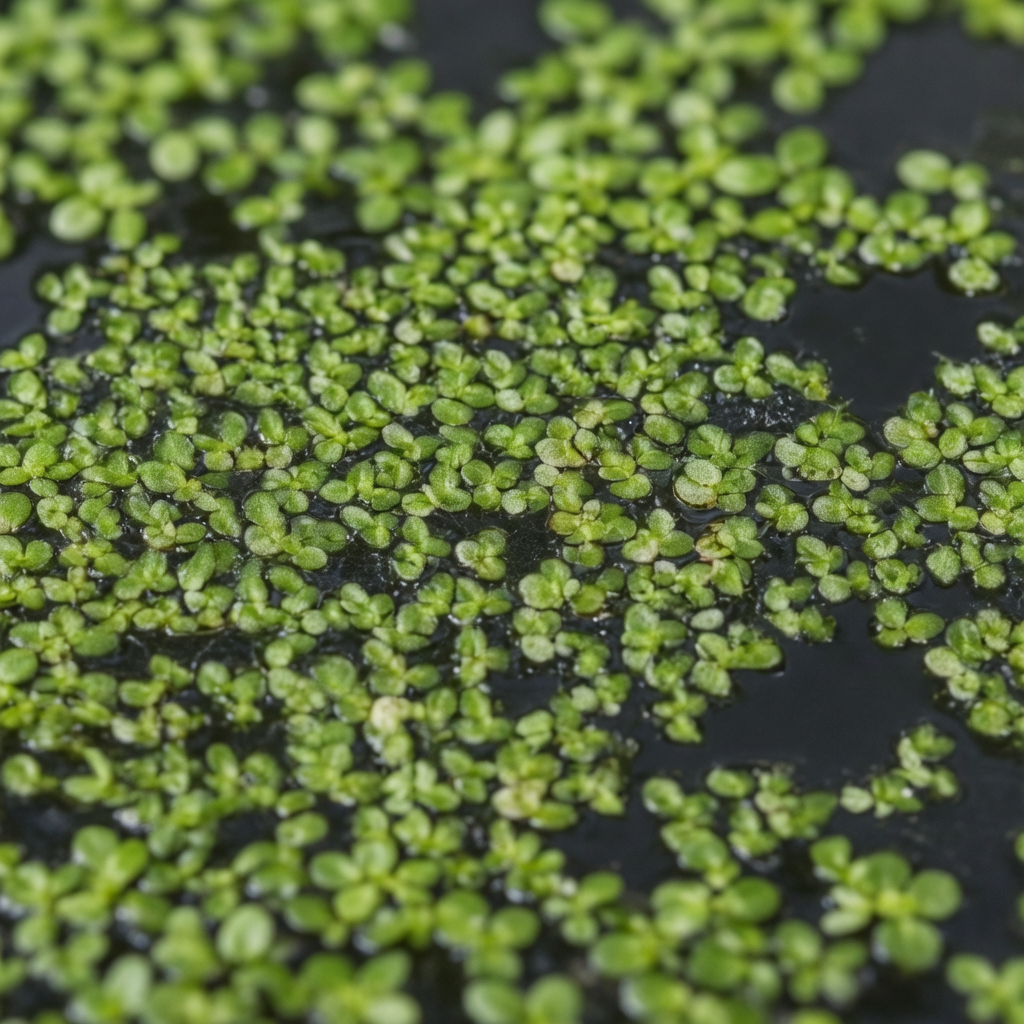
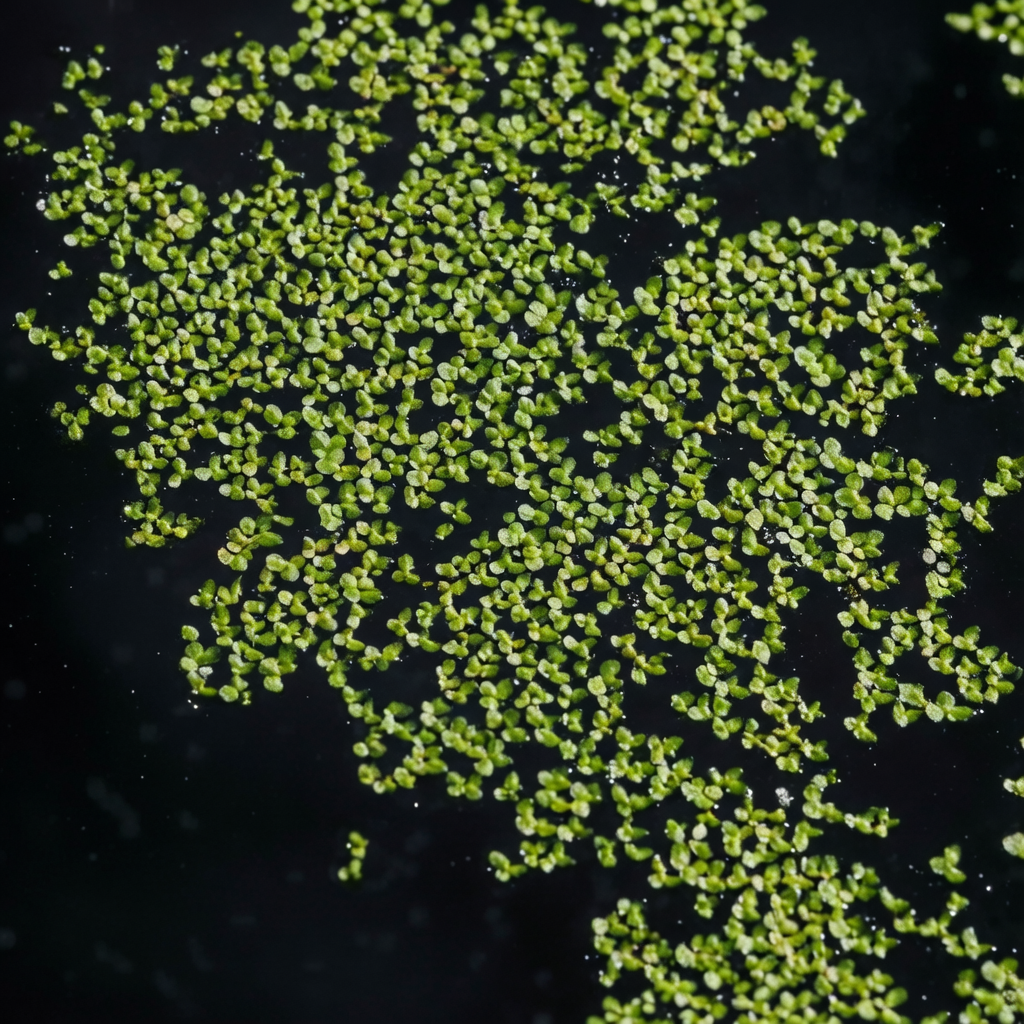
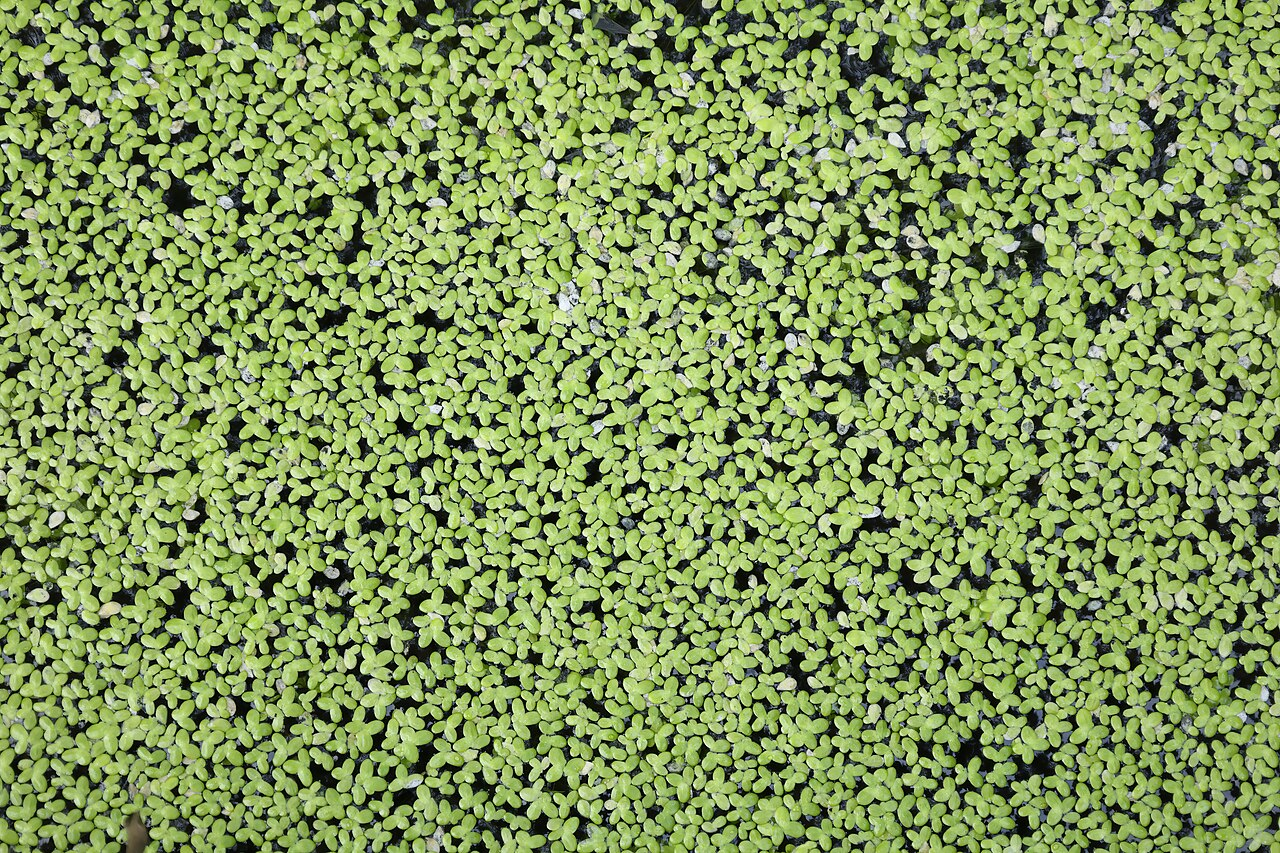
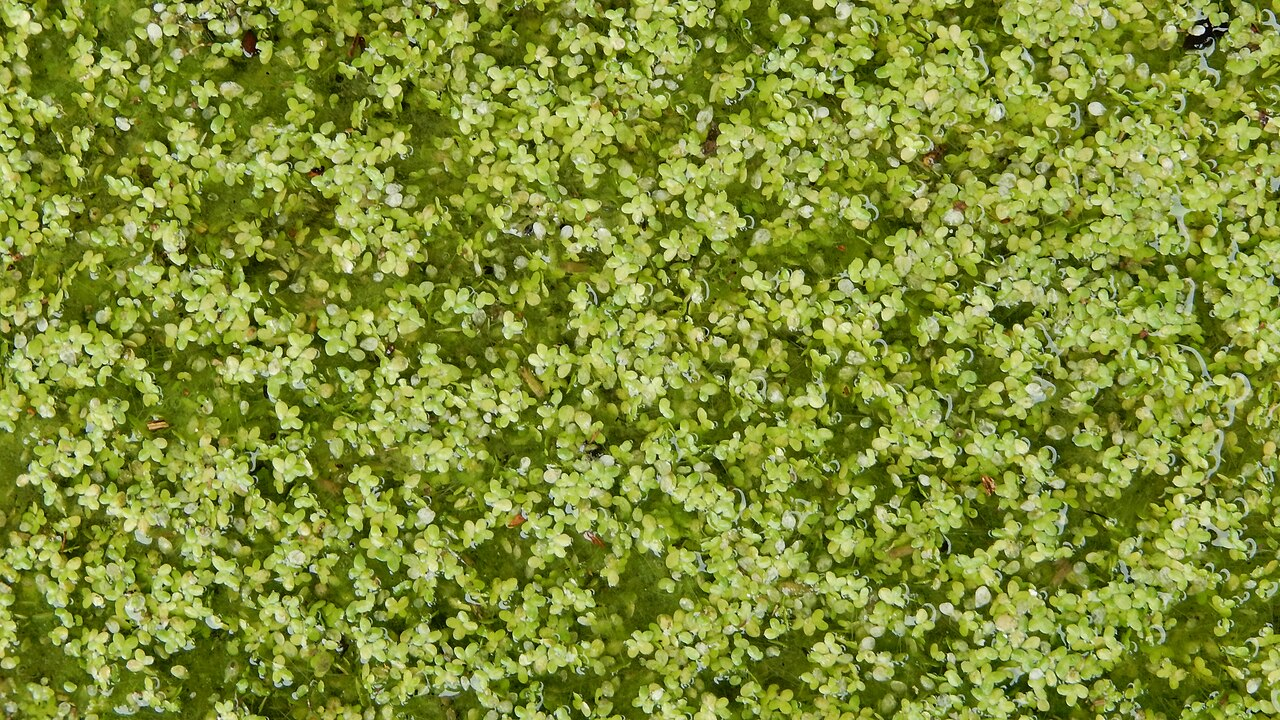
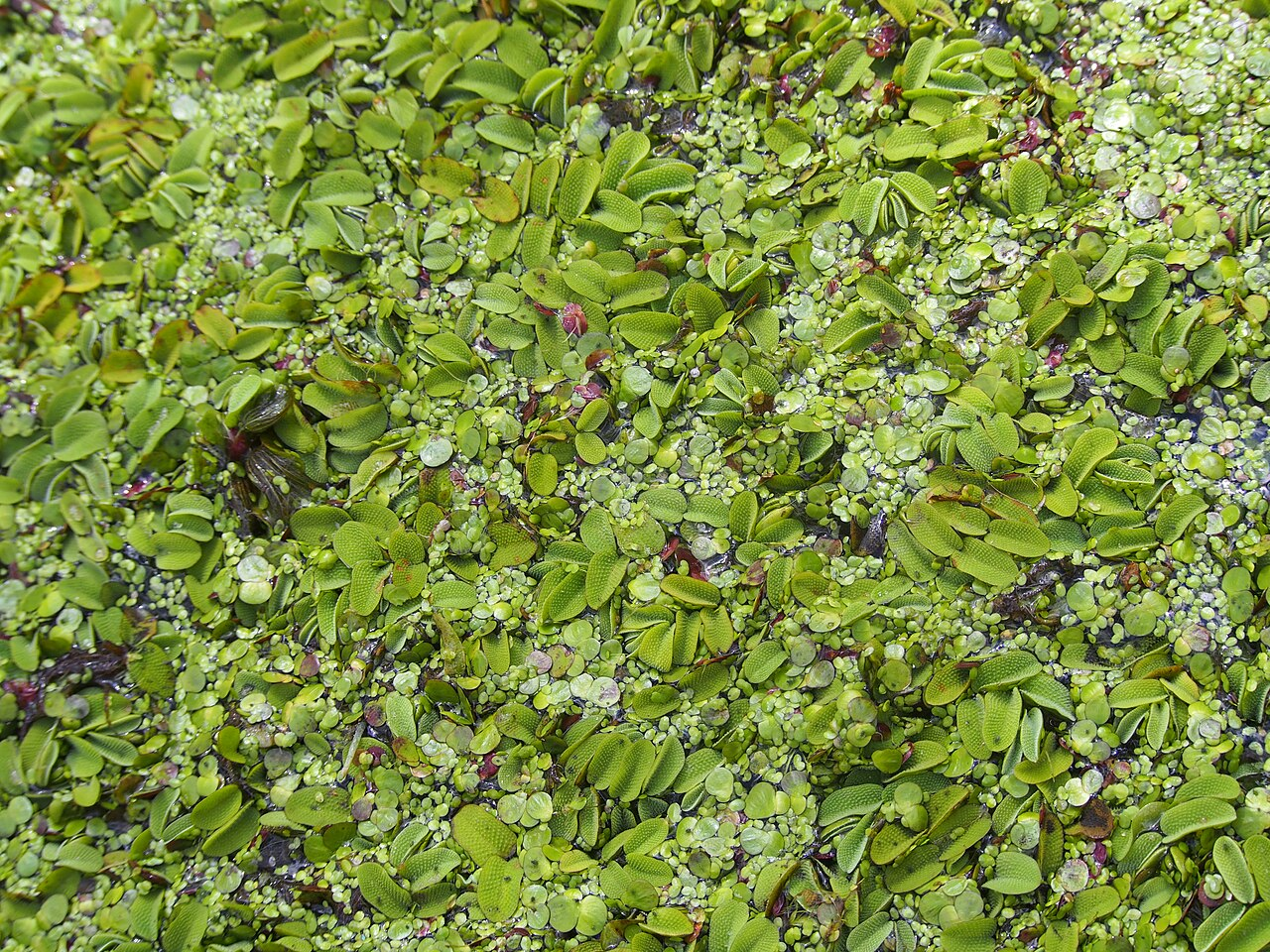
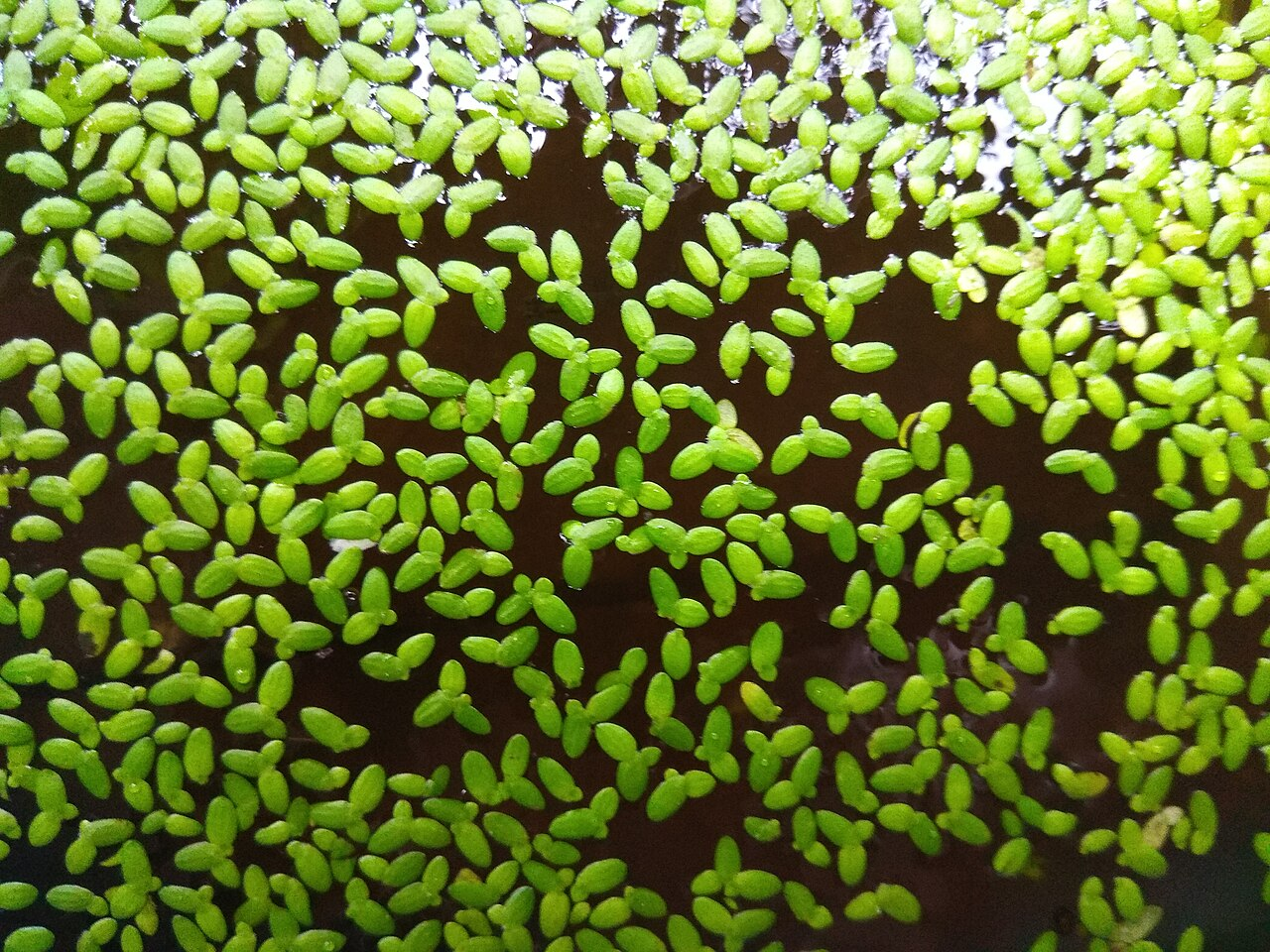
- Size:Individual fronds are typically about 1–8 mm (0.04–0.31 in) long; in favorable conditions it forms floating mats that can spread to cover large areas of still water.
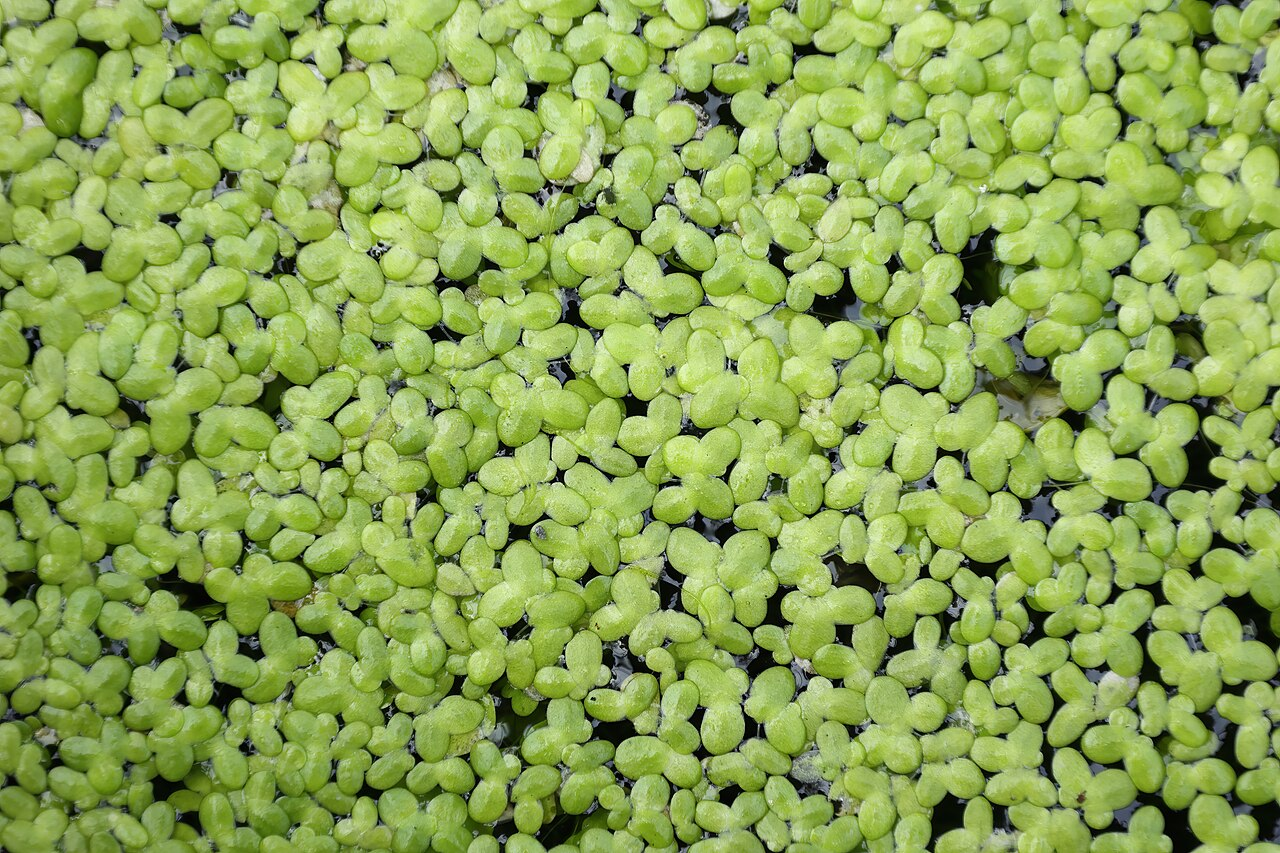
- Foliage:Fronds are symmetrical, bright green, and leaf-like—nearly round to obovate/elliptic with smooth margins. The upper surface is slightly domed or subtly raised along the midline, and veins are usually not obvious. Typically, a single whitish root hangs beneath each frond. New fronds form from a side pocket and remain connected by a very short stalk before separating.
- Flower:Flowers are extremely tiny and usually go unnoticed. Fruits are wingless and top-shaped; seeds have distinct longitudinal ribs.
- Flowering Season:April–June (Apr–Jun)
- Growth Habit:Free-floating aquatic growth; rapidly forms surface mats on still or slow-moving freshwater.
🌤️ Environment
Sunlight
Full sun to partial shade; grows best in bright light across open, calm water surfaces.
Temperature
Prefers cool to warm conditions; prolonged high heat above about 30°C (86°F) can slow growth or cause stress, especially in shallow, sun-baked water.
Humidity
Not applicable (aquatic plant).
Soil
No soil needed; lives floating on still or slow-moving freshwater (ponds, marshes, rice paddies).
Placement
Outdoor ponds, water gardens, wildlife ponds, and rice paddies; also suitable for still-water containers or aquaria where the surface is not heavily disturbed.
Hardiness
Cold-tolerant aquatic perennial in many temperate regions; typically hardy to about USDA Zone 4–10 (approx.).
🪴 Care Guide
Difficulty
Easy to grow, but can become invasive in nutrient-rich, still water—regular thinning is the key to keeping it helpful rather than smothering.
Buying Guide
Pick fronds that are fresh, bright green, and clean. Avoid batches with foul odor, excessive slime, heavy algae overgrowth, or any sign of contamination—especially important if you’re adding it to a pond or aquarium.
Watering
No traditional watering—just keep it floating on freshwater. Maintain a stable water level, and avoid strong surface agitation that constantly submerges, scatters, or breaks up the mat (unless you’re using movement as a control method).
Fertilization
Usually unnecessary in ponds because it thrives on dissolved nutrients. In low-nutrient container setups, use only a very dilute aquatic fertilizer sparingly; overfeeding the water can trigger algae blooms and water-quality problems.
Pruning
Skim or net out excess growth routinely. Prevent full surface coverage so light and oxygen can still reach fish and submerged plants.
Propagation
Primarily vegetative: new fronds bud from the parent and detach naturally. It also spreads readily by fragmentation when disturbed.
Repotting
Not applicable (free-floating). For containers, periodically refresh the water and rinse/clean the vessel to reduce buildup and algae.
📅 Seasonal Care Calendar
Flowering: April–June (Apr–Jun). Fruiting: May–July (May–Jul). During warm seasons, thin frequently to prevent surface takeover; in cooler periods, growth slows and management is easier.
🔬 Pests, Diseases & Safety
Common Pests & Diseases
Generally low-maintenance. Issues are more often environmental than “disease”: algal competition, poor water quality, or heavy grazing by fish, ducks, and aquatic insects. Prevent problems by keeping water clean and avoiding excess nutrients (runoff, overfeeding fish).
Toxicity
Not known to be toxic to people or pets, and it’s widely used as animal and fish feed. Only harvest from clean, uncontaminated water because duckweed can absorb pollutants.
🎋 Culture & Symbolism
Symbolism:Often linked with simplicity and resilience—tiny plants that still manage to thrive and spread across water.
Uses:Used as feed for pigs and ducks, and as bait or supplemental feed for herbivorous fish such as grass carp. In some managed systems (where permitted), it’s also used for nutrient uptake in wastewater treatment because it can capture dissolved nitrogen and phosphorus.
❓ FAQ
Why is duckweed taking over my pond?
It reproduces extremely fast in still, nutrient-rich water. Cut down nutrients (reduce runoff and avoid overfeeding fish), skim it out regularly, and consider adding gentle surface movement to slow it down.
Is duckweed a good fish food?
Yes—as a supplemental feed, especially for herbivorous species like grass carp. Just be sure it comes from clean water so you’re not introducing pollutants or pathogens.
💡 Fun Facts
- It’s common across both northern and southern China and is frequently seen in rice paddies and quiet freshwater habitats.
- Duckweed spreads mostly by cloning—new fronds form in a side pocket, briefly stay attached, then break free.
- Its fruits are wingless and top-shaped, and its seeds show distinctive longitudinal ribs.
- People have long used it as feed for pigs and ducks, and as bait or feed for grass carp.
- Extended high heat can slow growth or stress duckweed, especially in shallow water that heats up quickly.