🌱 Plant Features
- Size:About 70–100 cm (28–39 in) tall
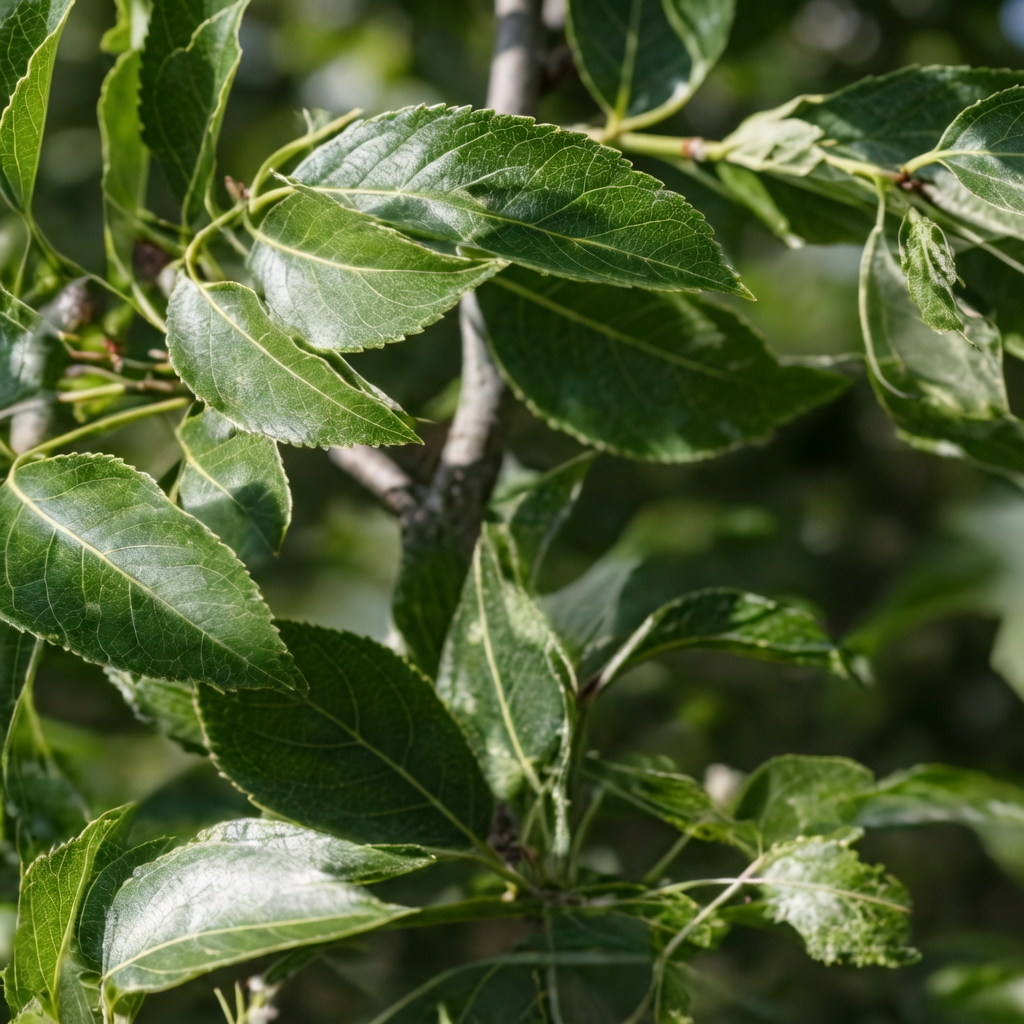
- Foliage:Leaves are simple, opposite, and short-stalked. The blades are ovate with a long tapering tip; the base is rounded to truncate, and the edges have irregular rounded serrations. The upper surface is mostly hairless, while the underside is softly hairy and dotted with small gland spots.
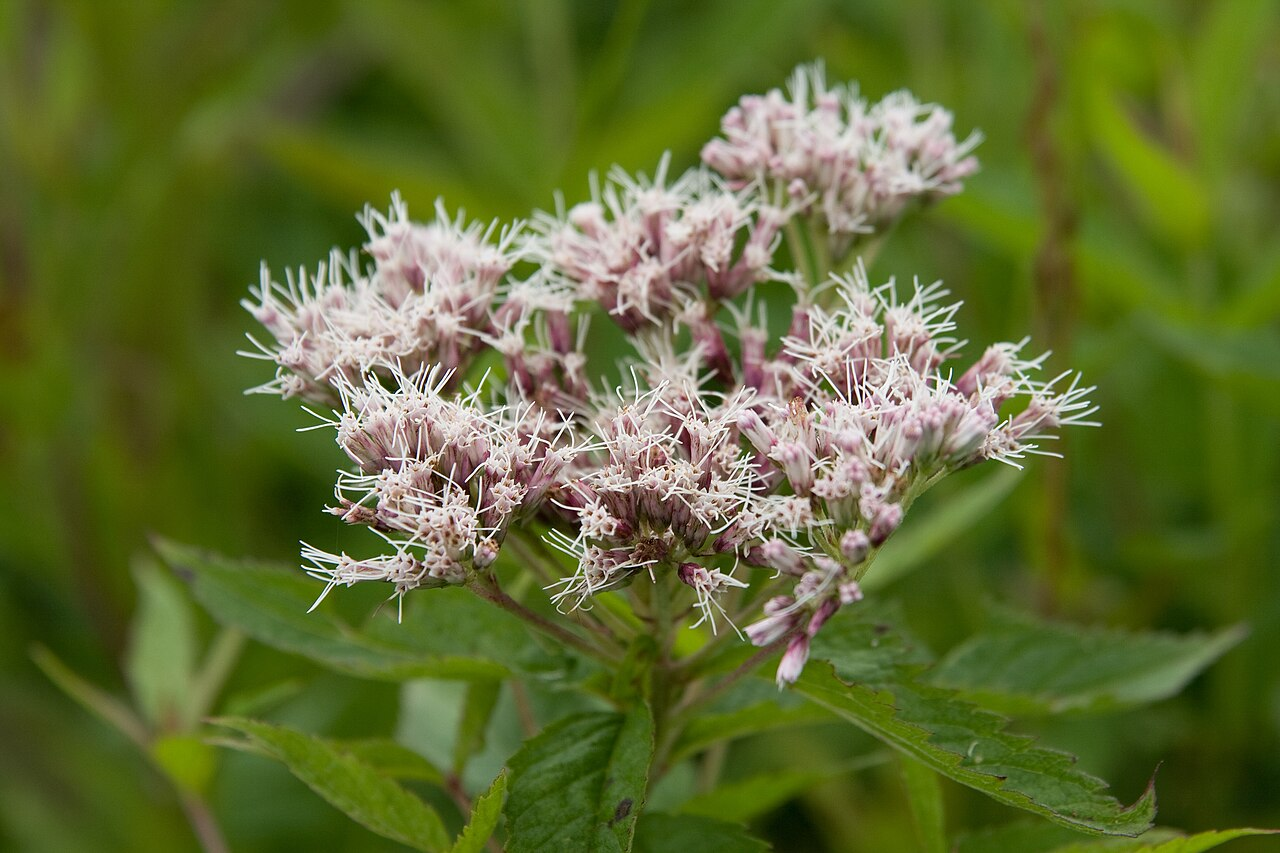
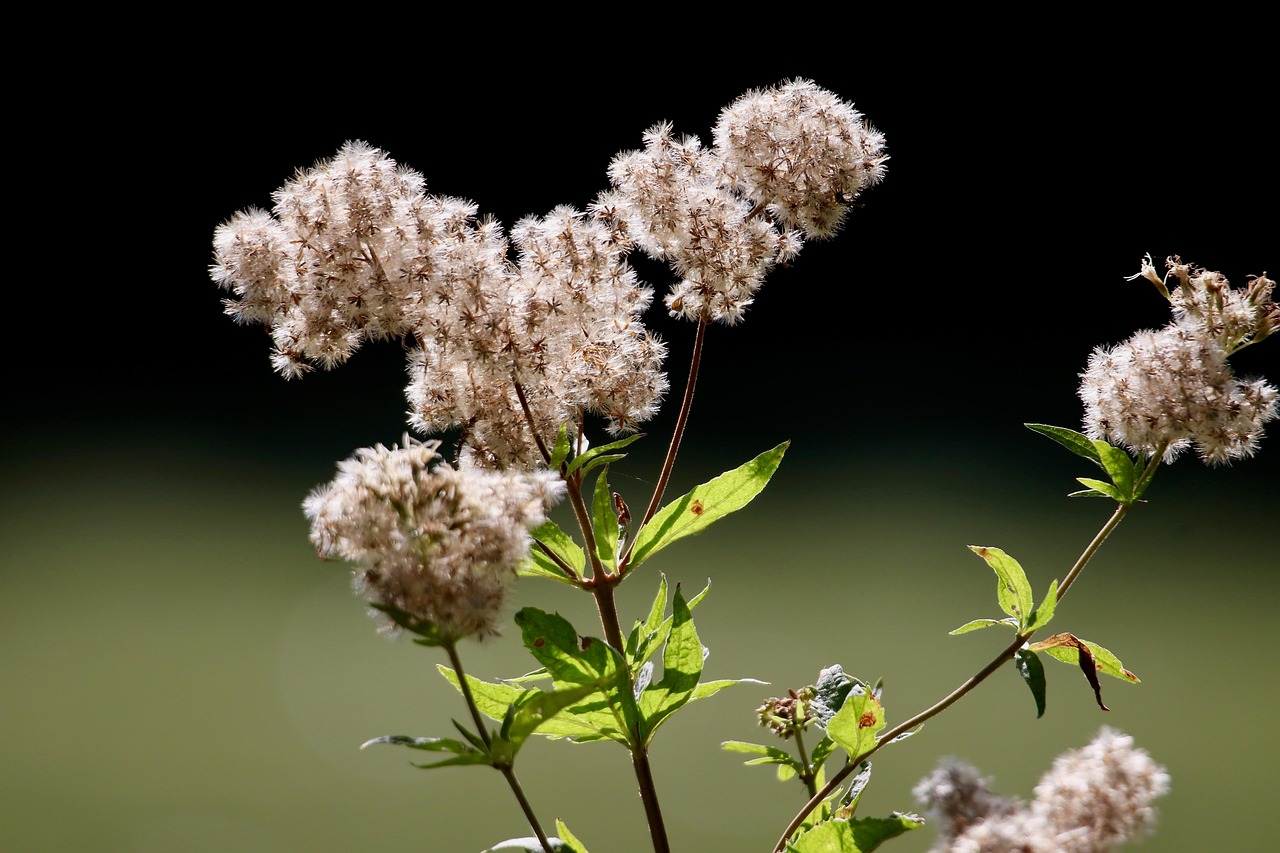
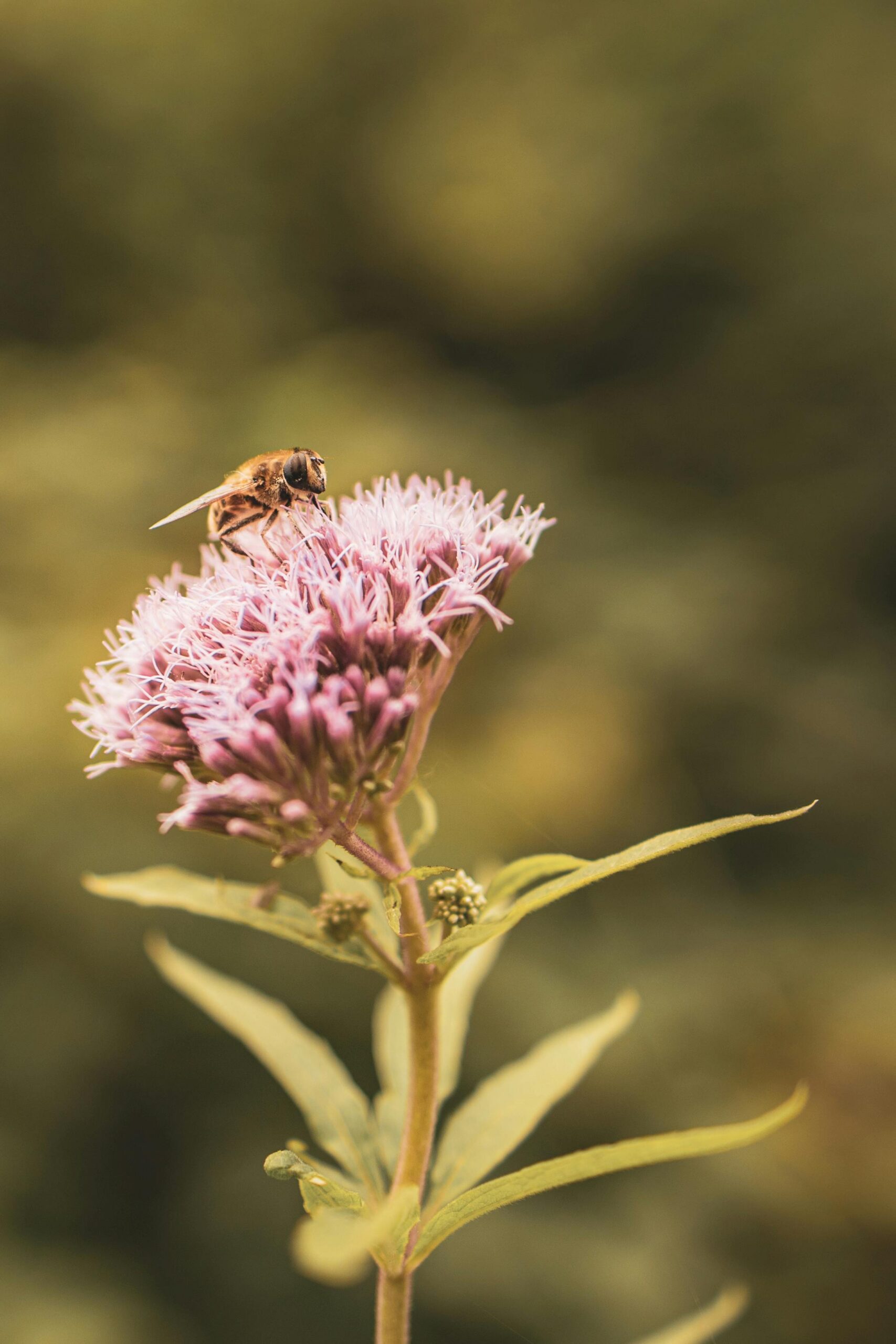
- Flower:Small flowerheads contain about 5–6 bisexual tubular florets, usually white and occasionally pale pink, forming soft, misty clusters. After flowering, it produces a slender, cylindrical achene (dry seed-like fruit).
- Flowering Season:June–November
- Growth Habit:Herbaceous perennial to subshrub, with stems and/or flowering branches often finely soft-hairy. Generally adaptable, naturalizes readily, and performs well in partial shade.
🌤️ Environment
Sunlight
Partial shade to light shade; can also handle brighter sun if the soil stays evenly moist.
Temperature
Grows well in typical temperate outdoor conditions. If your winters are harsh, give some protection from hard frost until you’ve confirmed local cold tolerance.
Humidity
Average outdoor humidity is fine; avoid very stagnant, overly damp air around dense plantings.
Soil
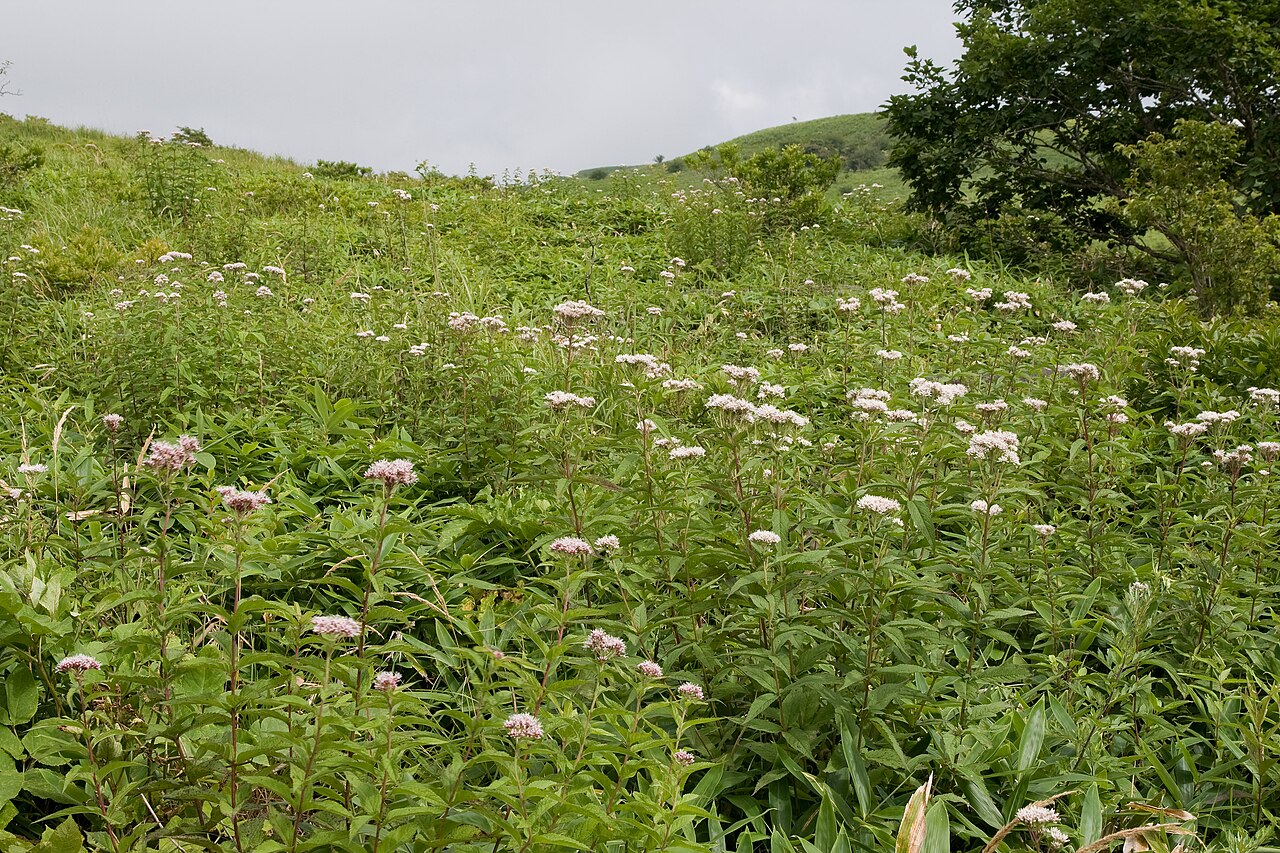
Adaptable; prefers well-drained yet moisture-retentive garden soil. Naturally found on slopes, roadsides, woodland margins/understory, and shrubland—so it’s not overly picky as long as drainage is decent.
Placement
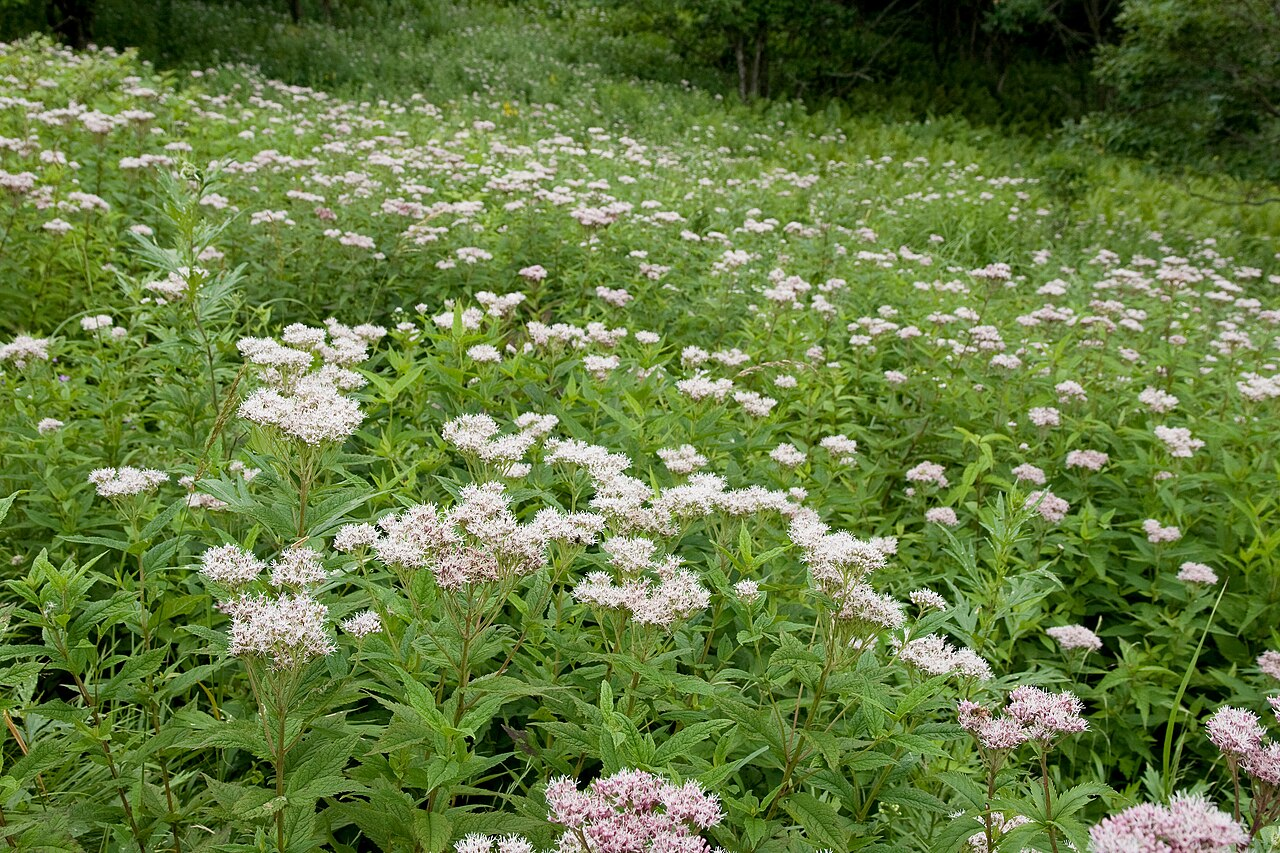
Woodland-edge gardens, naturalistic borders, informal beds, and wild-style groundcover plantings—especially where light is filtered or partial shade is common.
Hardiness
Not specified in the source. Treat as of uncertain hardiness and protect from severe frost (exact USDA zone depends on local provenance and climate).
🪴 Care Guide
Difficulty
Easy. A notably adaptable, shade-tolerant plant once established.
Buying Guide
Pick plants with firm, upright stems and clean foliage (no spots, webbing, sticky residue, or obvious pests). Avoid badly pot-bound plants or those sitting in sour-smelling, waterlogged media.
Watering
Water regularly while establishing. Once settled, water during prolonged dry spells. For the best flowering, keep soil evenly moist in summer, but don’t let it stay soggy or waterlogged.
Fertilization
Often unnecessary in average garden soil. If growth looks weak, apply a balanced slow-release fertilizer in spring following label rates.
Pruning
Deadhead if you want a tidier look and less self-seeding. Cut back old stems after flowering, or leave them for winter interest and cut back in late winter/early spring before new growth begins.
Propagation
Divide clumps in spring or autumn, sow seed, or take softwood cuttings during active growth.
Repotting
If container-grown, repot in spring once roots fill the pot. Use a free-draining, loam-based mix and a stable pot suited to a plant reaching about 70–100 cm (28–39 in) tall.
📅 Seasonal Care Calendar
Spring: divide, replant, and feed lightly only if needed. Summer–autumn (June–November): keep moisture steady; deadhead if desired. Winter: cut back old stems and mulch lightly in colder areas.
🔬 Pests, Diseases & Safety
Common Pests & Diseases
No specific problems were listed in the source. As with many Asteraceae, watch for aphids, spider mites in hot/dry weather, and powdery mildew when airflow is poor. Improve spacing/air movement and avoid overhead watering late in the day to reduce mildew risk.
Toxicity
No toxicity information was provided in the source. Until verified, avoid ingestion and keep curious pets/children from chewing the plant.
🎋 Culture & Symbolism
Symbolism:No reliable symbolism information provided.
History & Legends:No information provided.
Uses:Primarily ornamental: valued for naturalistic plantings, woodland-edge gardens, and informal groundcover effects thanks to its shade tolerance and long flowering window.
❓ FAQ
Will Chinese Thoroughwort grow in shade?
Yes—partial shade to light shade is one of its strengths. In deeper shade it may bloom less, but it usually remains a sturdy, leafy plant.
Does it need frequent watering?
Not once established. Water well at planting time, then mainly during extended dry spells. Even moisture in summer tends to produce the best flowering.
How do I keep it from spreading too much?
Deadhead after flowering to reduce self-seeding, and divide or thin clumps in spring or autumn if it starts to crowd neighbors.
💡 Fun Facts
- It can flower and set fruit over a long season: June–November.
- In the wild it commonly appears on slopes, roadsides, woodland edges, and shrub thickets—an indicator of its adaptability.
- Each flowerhead typically contains only about 5–6 small tubular florets, creating a delicate, misty look in mass.
- The flowers are usually white but can sometimes blush pale pink.