🌱 Plant Features
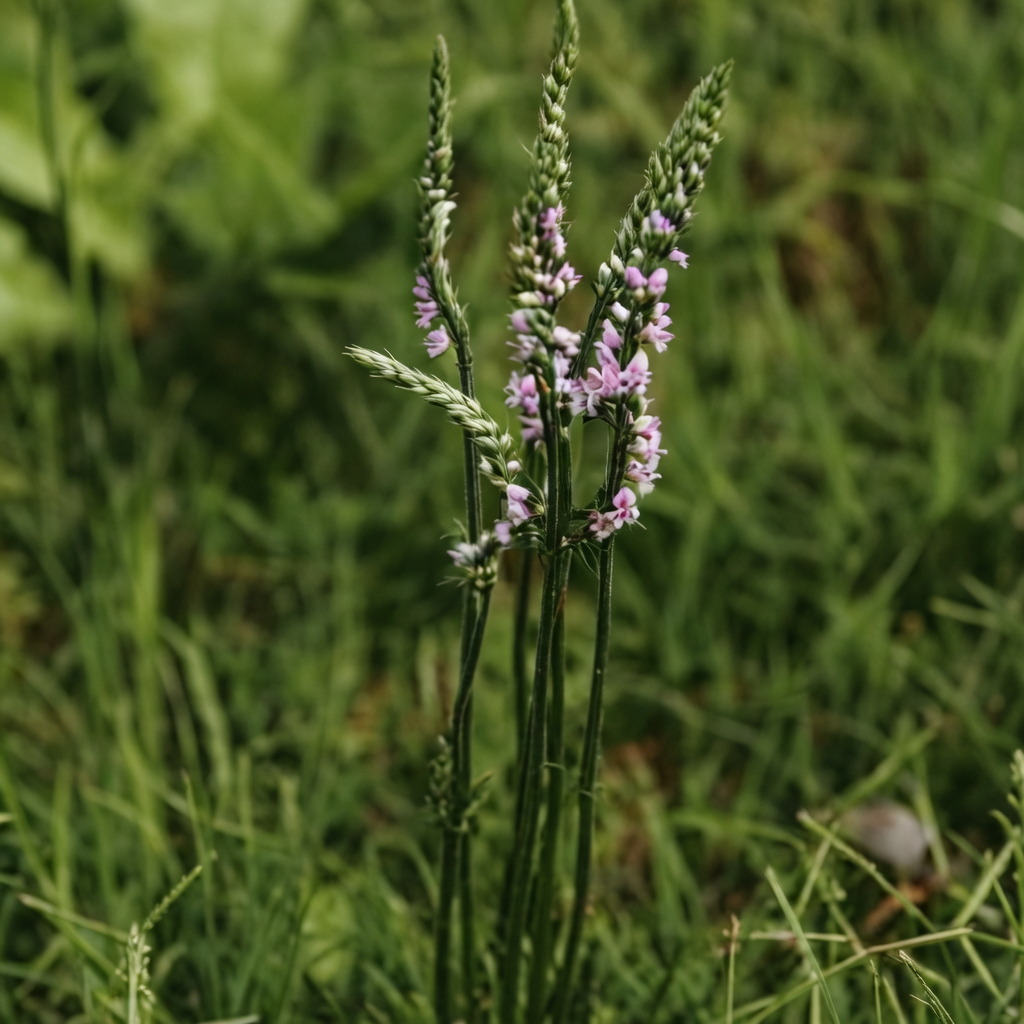
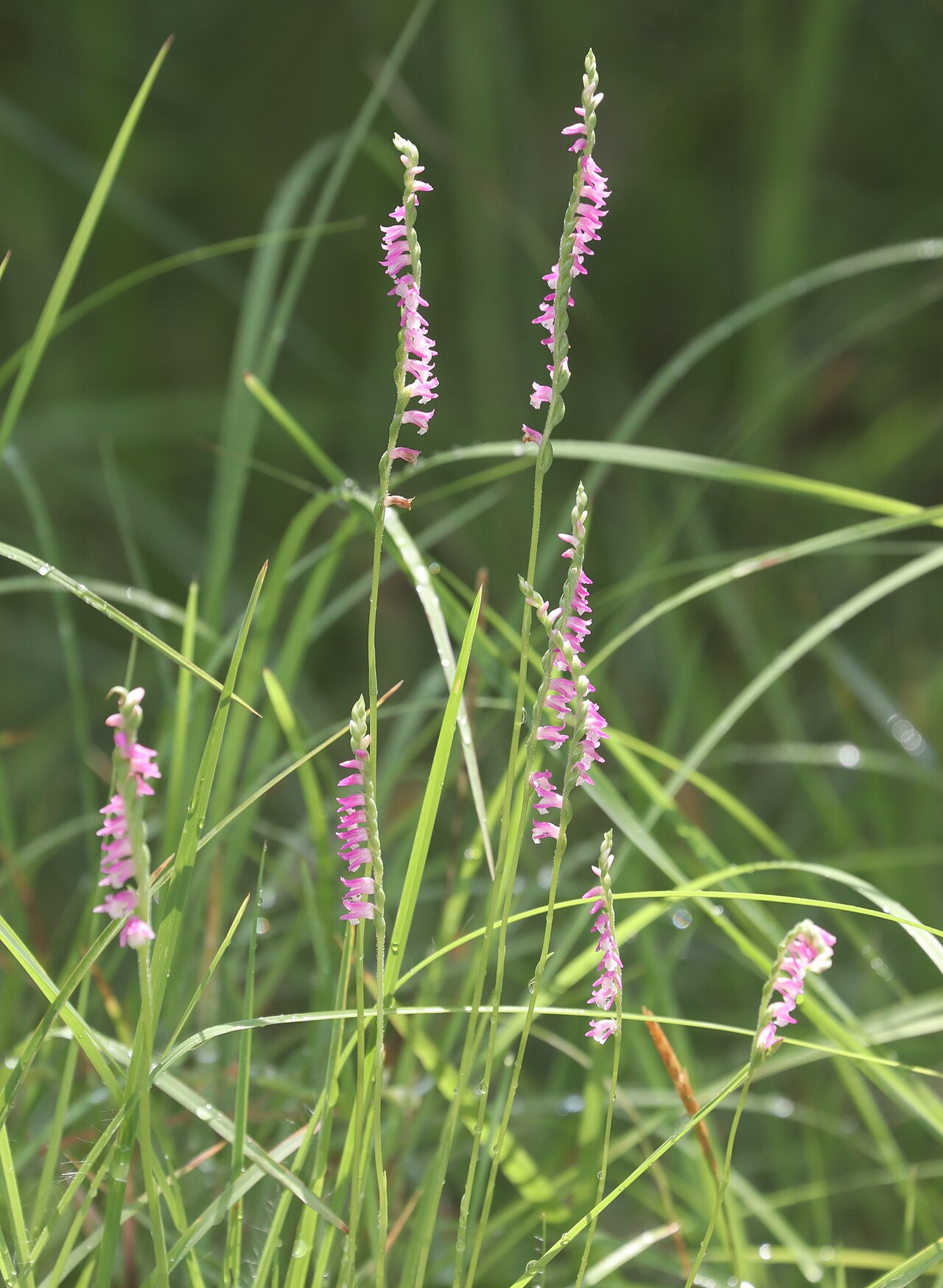
- Size:13–30 cm (5–12 in) tall; slender, upright flowering stem.
- Foliage:Leaves are narrow and linear to strap-like, forming a modest basal cluster; held upright to slightly arching.
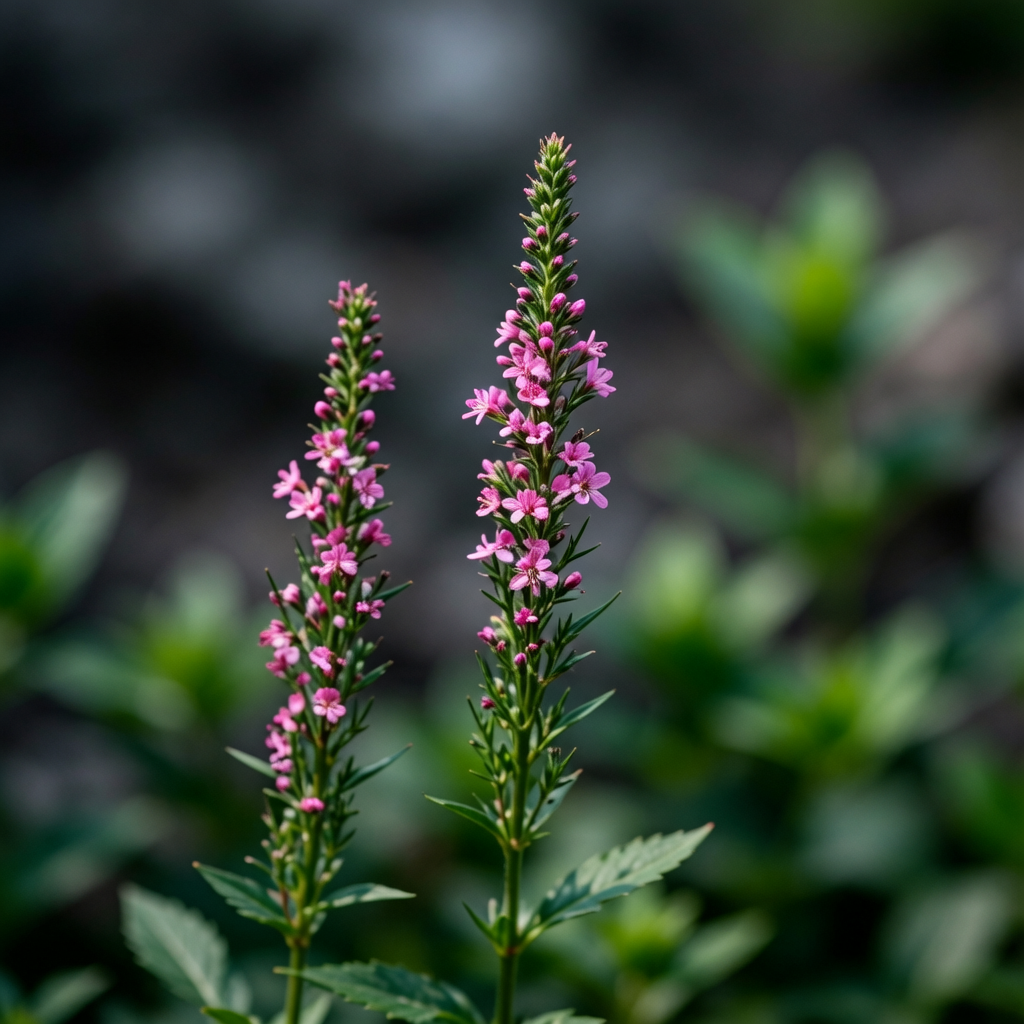
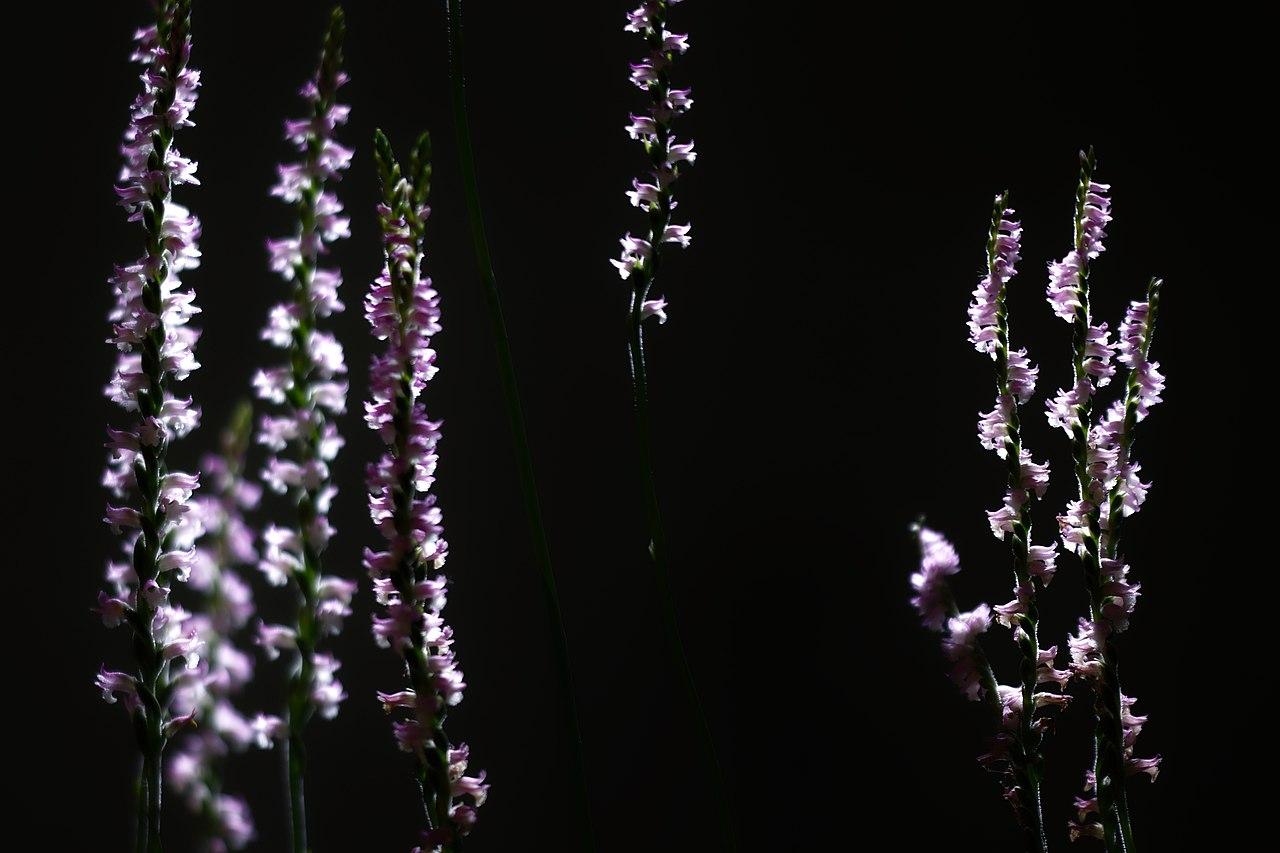
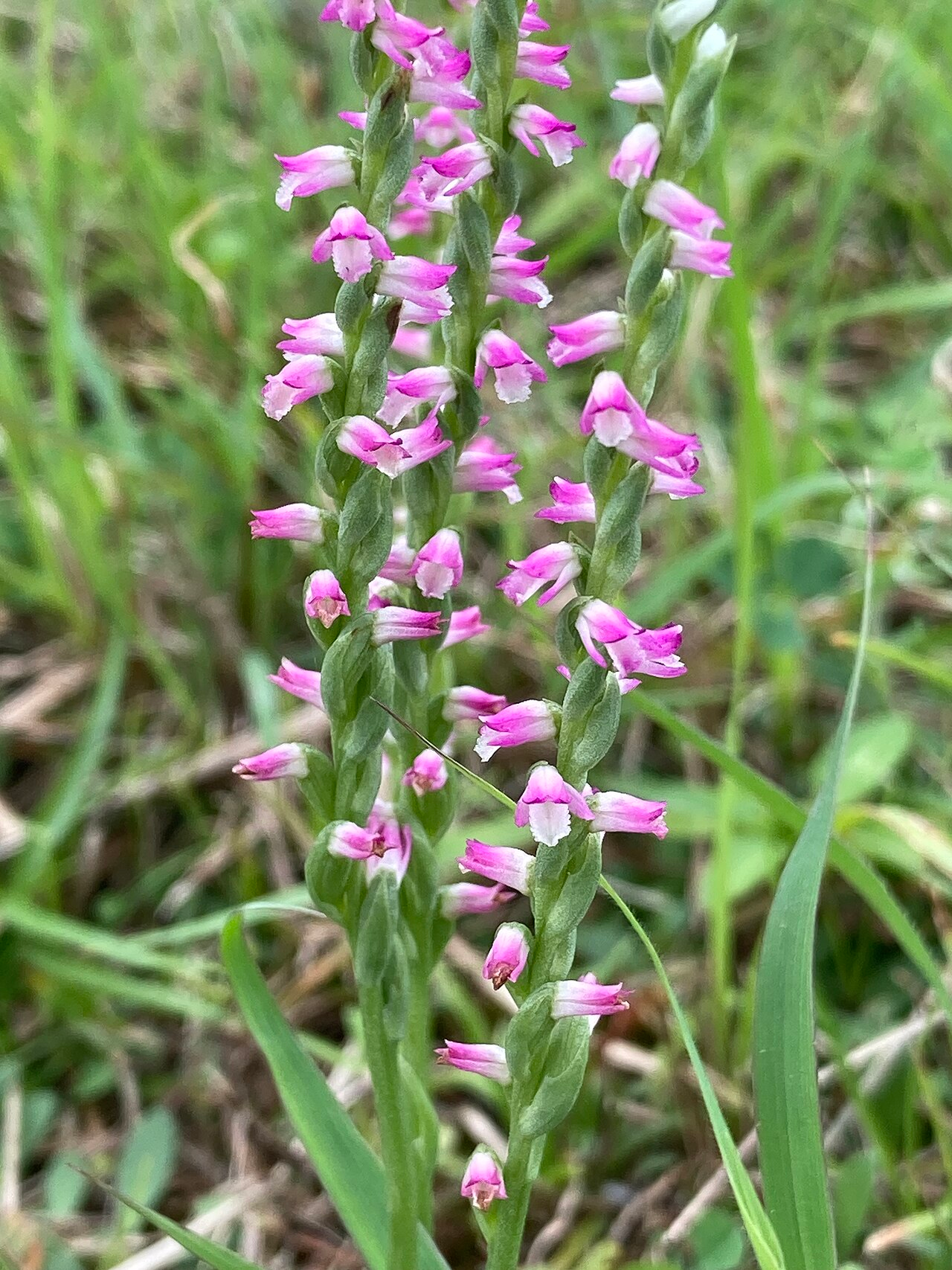
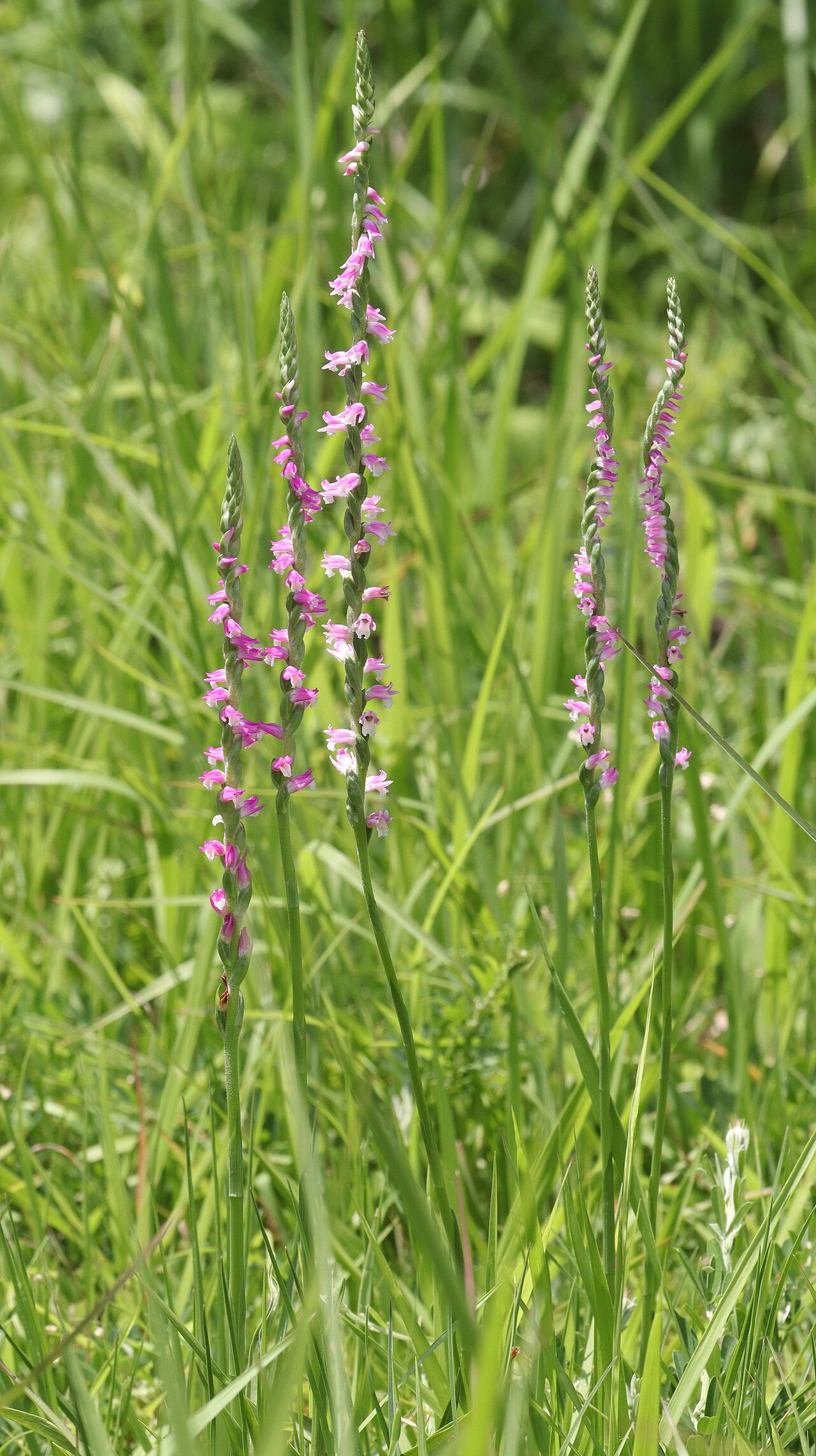
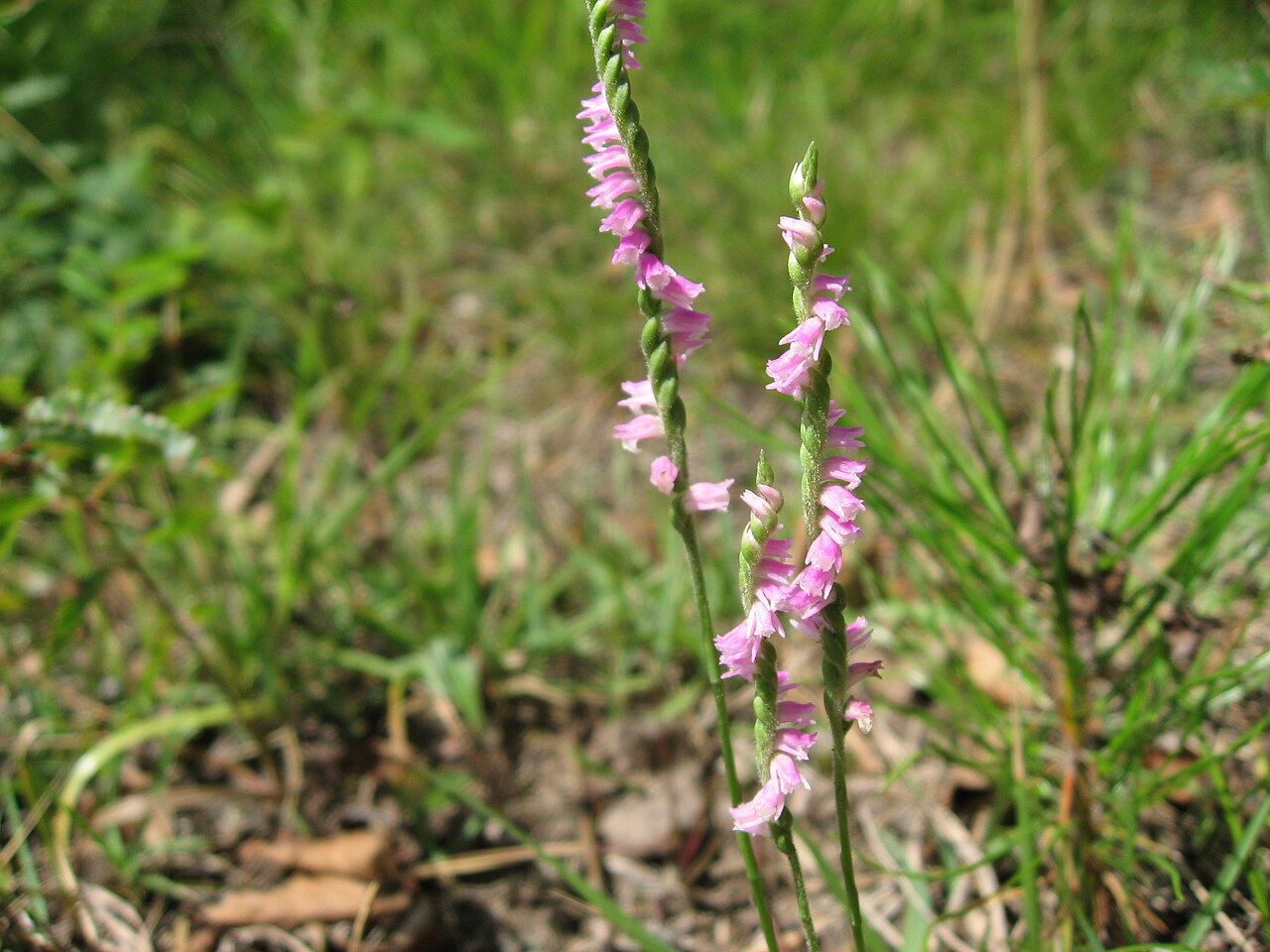
- Flower:An upright spike (raceme) packed with many small flowers arranged in a twisting spiral around the stem; blooms are typically purplish-red to pink, occasionally white, creating the classic “ladies’ tresses” look.
- Flowering Season:July–August
- Growth Habit:Perennial terrestrial orchid with a basal leaf cluster and an upright flowering stem bearing a spirally twisted inflorescence.
🌤️ Environment
Sunlight
Part shade to bright dappled light; tolerates gentle sun in cooler areas, but avoid harsh, all-day direct sun where summers are hot.
Temperature
Prefers cool to warm conditions, about 10–28°C (50–82°F). Protect container-grown plants from hard freezes.
Humidity
Moderate to high humidity; does best with consistently moist surroundings rather than dry air and drying winds.
Soil
Moist but well-drained, humus-rich soil. In pots, use an airy terrestrial-orchid mix that stays lightly moist without becoming waterlogged.
Placement
Woodland-edge borders, lightly shaded moist beds, meadow-style plantings, or as a naturalistic accent in lawns/grassland areas with reliable moisture.
Hardiness
Generally hardy in USDA Zone 6–9 (approx. -23 to -1°C / -10 to 30°F), depending on local form and winter wetness; avoid prolonged cold, soggy conditions.
🪴 Care Guide
Difficulty
Moderate. The key is steady moisture plus an airy, humus-rich medium—think “moist, not swampy,” which suits many terrestrial orchids.
Buying Guide
Pick plants with firm, healthy basal growth and no soft spots or rot. Choose nursery-propagated stock and avoid wild-collected plants.
Watering
Keep evenly moist during active growth and flowering. Water when the top 1–2 cm (0.4–0.8 in) begins to dry, then water thoroughly; never leave it sitting in stagnant water for long periods.
Fertilization
Feed lightly from spring to early summer with a balanced fertilizer at about 1/4 strength. Avoid heavy feeding, which can stress terrestrial orchids and encourage weak growth.
Pruning
After flowering, let the spike finish naturally; cut the spent stalk once it turns brown. Leave foliage until it yellows on its own so the plant can store energy for next season.
Propagation
Best by dividing established clumps during dormancy or at the start of new growth. Seed is possible, but orchid seeds typically require specialized germination methods.
Repotting
Repot or divide every 2–3 years (or when the medium breaks down). Use fresh, airy terrestrial-orchid mix and keep crowns/roots at the same depth as before.
📅 Seasonal Care Calendar
Spring: resume regular watering; begin light feeding. Summer: maintain consistent moisture and provide part shade; watch for slugs/snails. Autumn: stop fertilizing; keep slightly moist. Winter: protect potted plants from severe freezes and avoid cold, soggy soil.
🔬 Pests, Diseases & Safety
Common Pests & Diseases
Slugs and snails may chew tender growth and flower spikes. Overly wet, poorly ventilated conditions can cause root/crown rot—improve drainage, avoid stagnant water, and provide airflow.
Toxicity
Not commonly listed as toxic to people or pets, but it is not edible. Keep out of reach of pets that like to chew plants, and avoid ingestion.
🎋 Culture & Symbolism
Symbolism:Often associated with grace and delicate beauty thanks to its elegant spiral of blooms.
History & Legends:A widely distributed native orchid in China, admired for centuries for its coiled, dragon-like spiral floral display—reflected in traditional local naming and descriptions.
Uses:Primarily ornamental, especially in naturalistic lawns, meadow gardens, and lightly shaded, moist borders where its spiral flower spikes can be enjoyed up close.
❓ FAQ
Why are the flowers arranged in a spiral?
It’s a signature trait of Spiranthes: as the densely packed flowers develop, they wrap around the stem in a twisting pattern that creates the classic “ladies’ tresses” braid.
Can it grow in full sun?
It can handle gentle sun in cooler climates, but it usually looks best in part shade or dappled light—especially in hot, dry summers where full sun can stress the plant and dry the soil too quickly.
💡 Fun Facts
- The flowering spike twists upward like a braid, with blooms spiraling around the stem.
- It’s a compact terrestrial orchid, typically only 13–30 cm (5–12 in) tall.
- In China it occurs across varied habitats, from grasslands to marshy riverside meadows and woodland edges.
- It usually flowers in July–August, with fruiting often following in late summer (around August–September).