🌱 Plant Features
- Size:Typically 18–60 cm (7–24 in) tall; forms clumps that gradually expand over time.
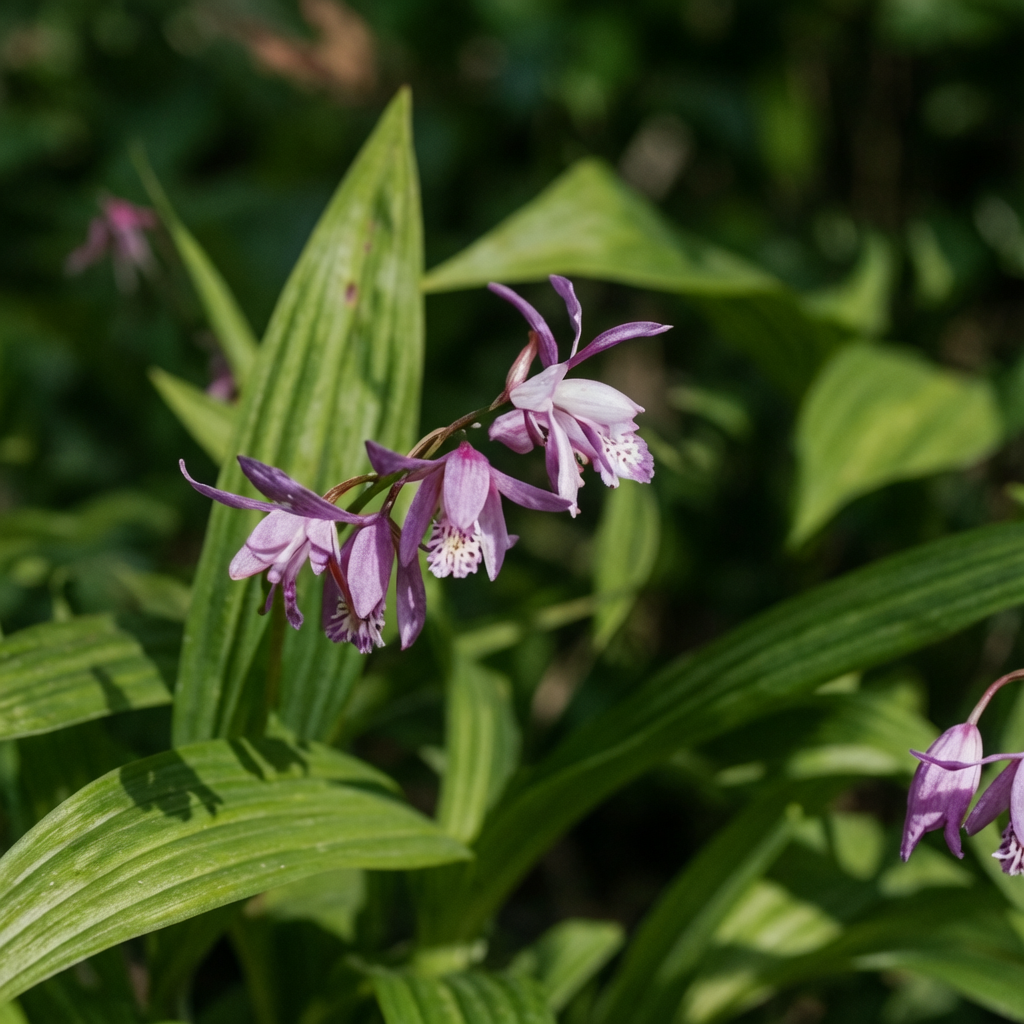
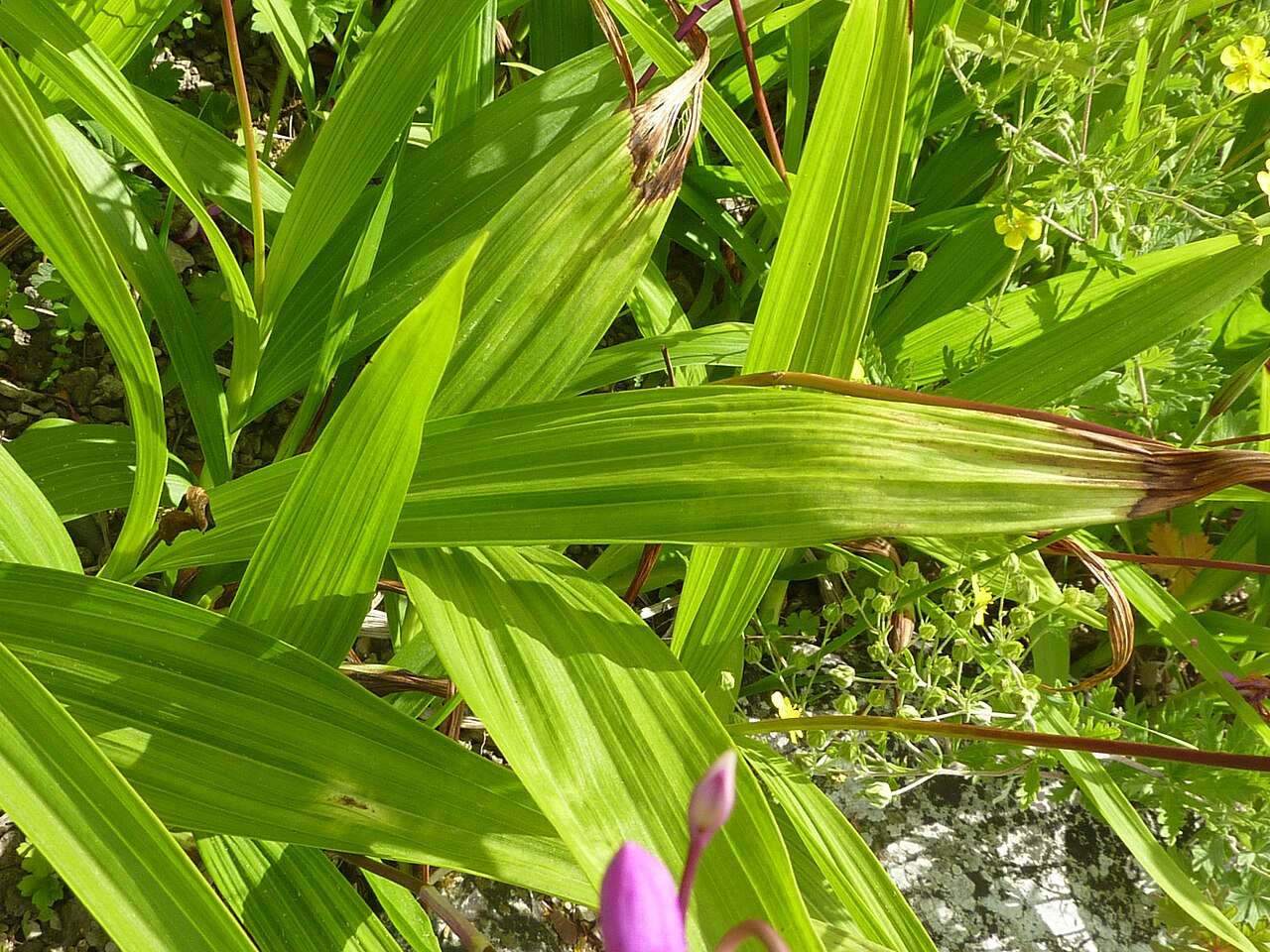
- Foliage:Leaves are alternate, usually 3–6 per stem, broadly lance-shaped with a sheathing base. Strong parallel veins create a distinctly pleated/corrugated texture that looks crisp and architectural even when not in bloom.
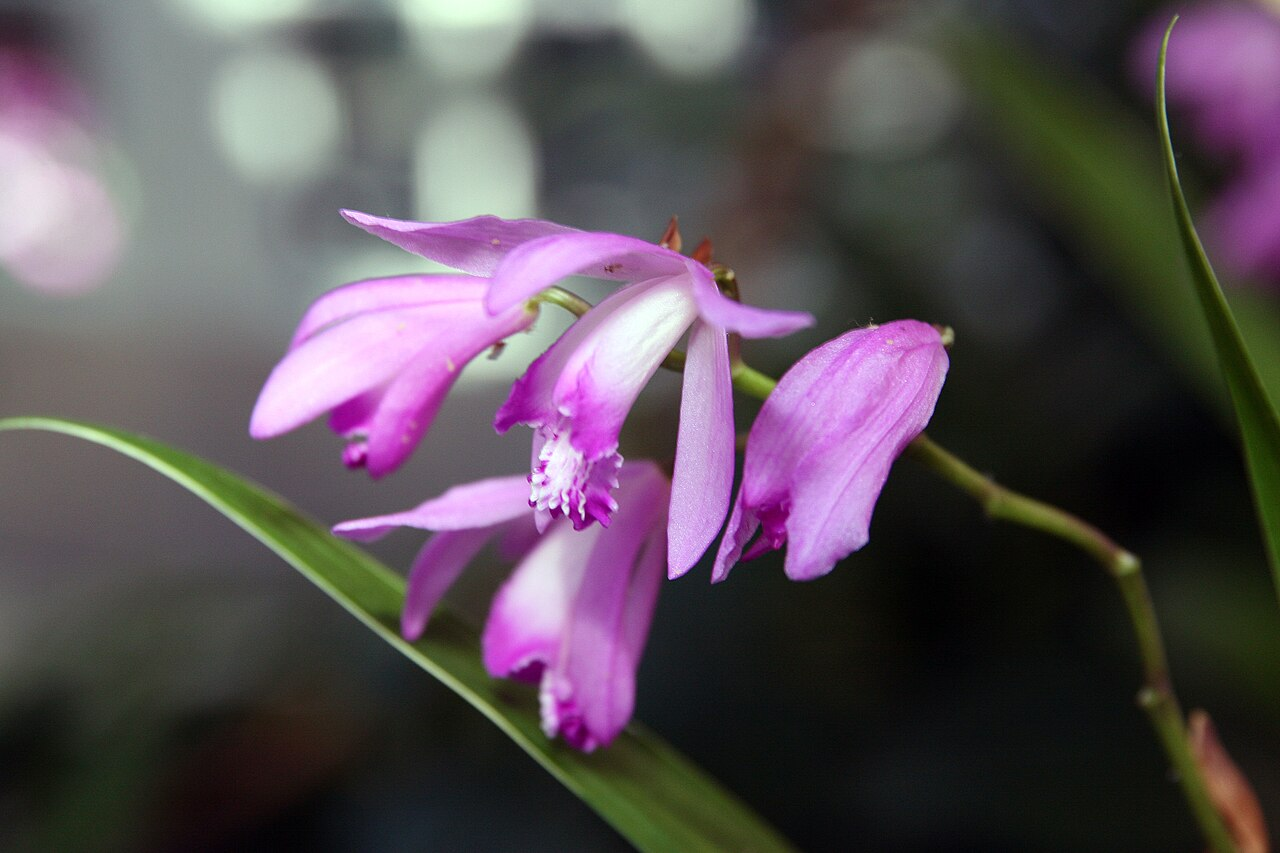
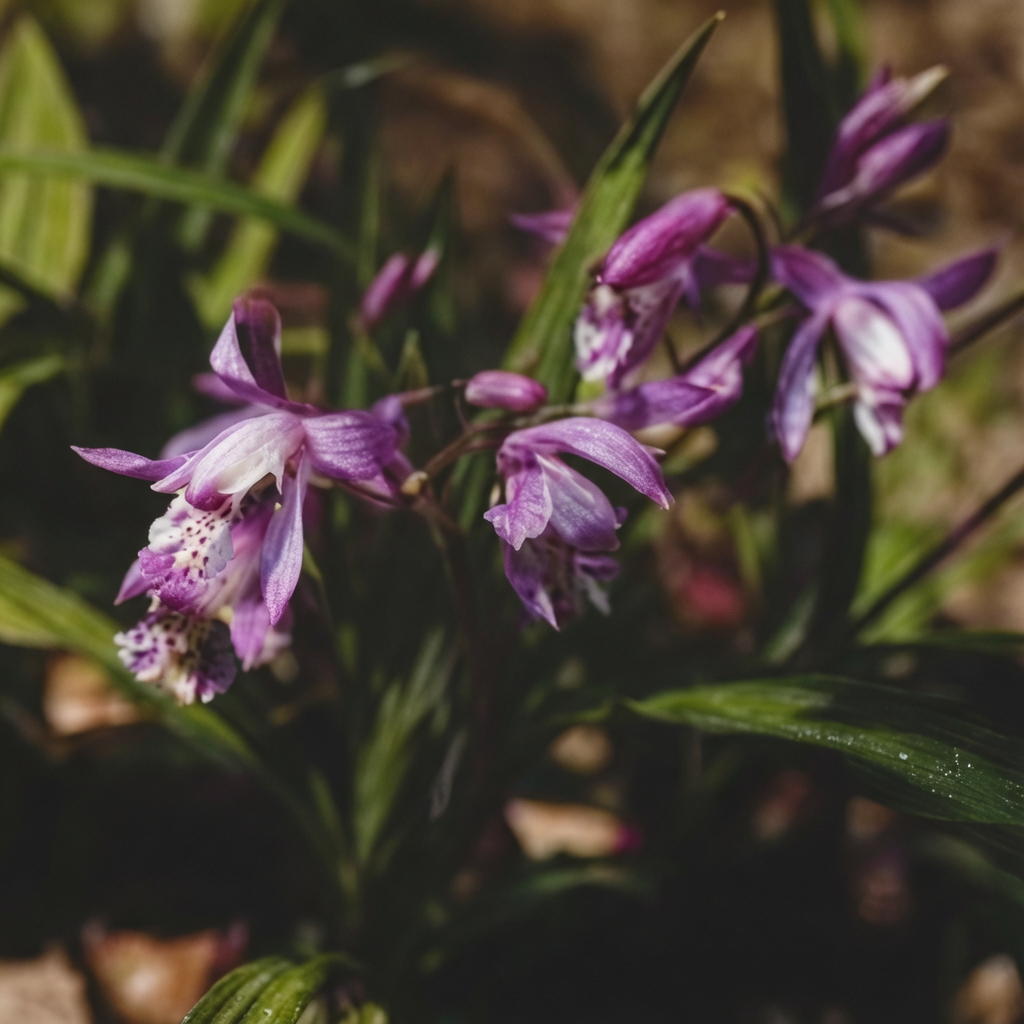
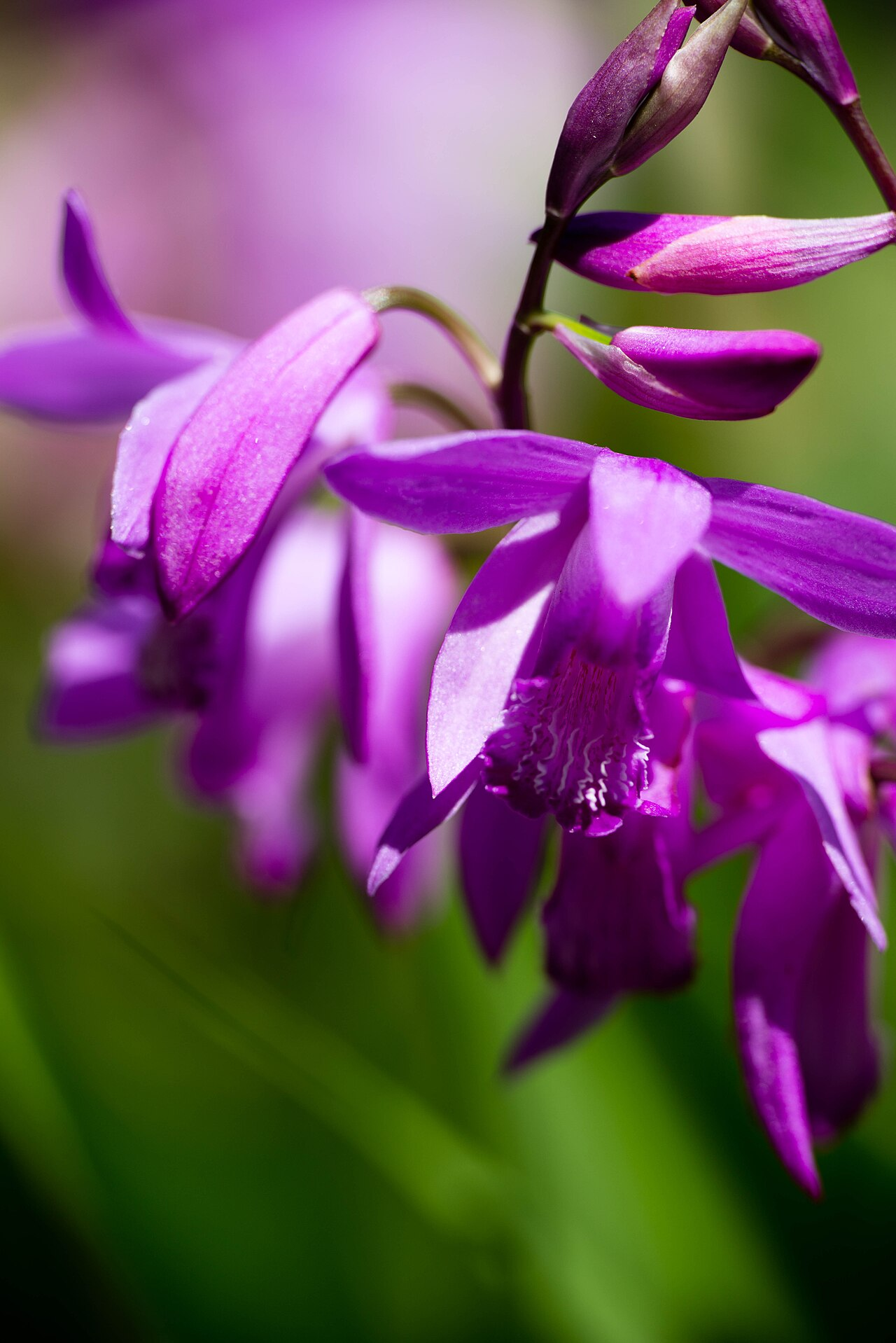
- Flower:Upright terminal flower spikes (racemes) carry pale pink to purplish-lilac blooms. The six perianth segments are slightly irregular, with one enlarged three-lobed lip; the central lobe is wavy and finely toothed. Fruit capsules are uncommon in cultivation.
- Flowering Season:April–May (spring)
- Growth Habit:Perennial, deciduous terrestrial orchid; clump-forming from flattened, rounded pseudobulbs with stout, upright stems.
🌤️ Environment
Sunlight
Part shade to bright, dappled light; avoid hot, direct midday sun (especially in summer).
Temperature
Best growth in cool-to-mild conditions, roughly 10–25°C (50–77°F). Generally tolerates winter cold if drainage is good.
Humidity
Moderate to high humidity preferred. Avoid prolonged dry air and do not let the soil dry to dust during active growth.
Soil
Humus-rich, well-drained sandy loam that stays evenly moist. A woodland-style mix with leaf mold/compost works especially well; drainage is key to preventing pseudobulb rot.
Placement
Woodland borders and underplanting, forest-edge drifts, rock gardens (nestled among stones), or pots/planters kept in bright shade.
Hardiness
USDA Zones 5–9 (about -29 to -1°C / -20 to 30°F), depending on clone and winter drainage; dislikes cold, wet conditions.
🪴 Care Guide
Difficulty
Moderate. Very rewarding once established; the main skill is keeping moisture consistent without letting the plant sit wet, especially in cool weather.
Buying Guide
Look for firm, plump pseudobulbs with no soft spots, discoloration, or mold. For potted plants, choose specimens with healthy pleated leaves (in season) and a potting mix that smells fresh—not sour or waterlogged.
Watering
During active growth (spring through summer), water regularly to keep soil evenly moist but never soggy. After flowering, gradually reduce watering as growth slows. In winter dormancy, keep the medium just barely moist (particularly in pots) to prevent shriveling, and avoid waterlogging.
Fertilization
Feed lightly in spring and early summer with a balanced fertilizer at 1/4–1/2 strength every 2–4 weeks, or use a gentle slow-release fertilizer. Stop feeding by late summer to support proper dormancy.
Pruning
Remove spent flower spikes after blooming. Let foliage yellow and die back naturally, then cut away dead leaves in late autumn or winter.
Propagation
Division during dormancy (late winter to early spring). Separate pseudobulbs so each division has at least 1–2 healthy growth points, and replant at the same depth in a free-draining, humus-rich mix.
Repotting
Repot and/or divide every 2–3 years, ideally in late winter or early spring as new growth begins. Use a pot with excellent drainage and a mix that drains freely yet holds steady moisture.
📅 Seasonal Care Calendar
Spring: resume watering, begin light feeding, enjoy flowering. Summer: keep evenly moist; increase shade/airflow during heat. Autumn: taper off feeding and reduce watering as leaves yellow. Winter: dormant—protect pots from waterlogging and deep freezes; keep barely moist.
🔬 Pests, Diseases & Safety
Common Pests & Diseases
Slugs and snails often chew tender new shoots and flowers; aphids may gather on flowering spikes. Constantly wet soil can trigger root/pseudobulb rot. Improve drainage and airflow, use slug barriers/baits, and treat aphids with insecticidal soap as needed.
Toxicity
Not commonly listed as toxic to people or pets, but chewing may cause mild stomach upset. Keep away from pets that like to nibble plants.
🎋 Culture & Symbolism
Symbolism:Quiet elegance and resilience—an orchid that doesn’t mind living outdoors and coming back faithfully each spring.
History & Legends:Cultivated in China for centuries as both an ornamental and a plant associated with traditional herbal contexts. In gardens, it’s cherished for its springtime flowers and natural woodland charm.
Uses:Ornamental for woodland-style plantings, rock gardens, and forest-edge drifts; also excellent in containers for a spring orchid display.
❓ FAQ
Can Chinese ground orchid grow indoors?
Only temporarily. It’s happiest outdoors where it can get bright light without heat stress and experience a natural seasonal dormancy.
Why are my pseudobulbs rotting?
Usually from waterlogged soil, poor drainage, or cold-and-wet conditions. Switch to a freer-draining mix, cut back winter watering, and make sure the pot/bed drains quickly.
Does it need full sun to bloom?
No—bright shade or dappled sun is ideal. Too much hot sun can scorch leaves and shorten bloom duration.
💡 Fun Facts
- Despite its delicate look, it naturally grows in forest understories, roadside grass, and even rock crevices.
- The enlarged, three-lobed lip—with its wavy, finely toothed middle lobe—is the flower’s signature detail.
- Seed pods are uncommon in many gardens, so most plants are multiplied by division.
- It pairs beautifully with stones, making it a classic rock-garden orchid.