
🌱 Plant Features
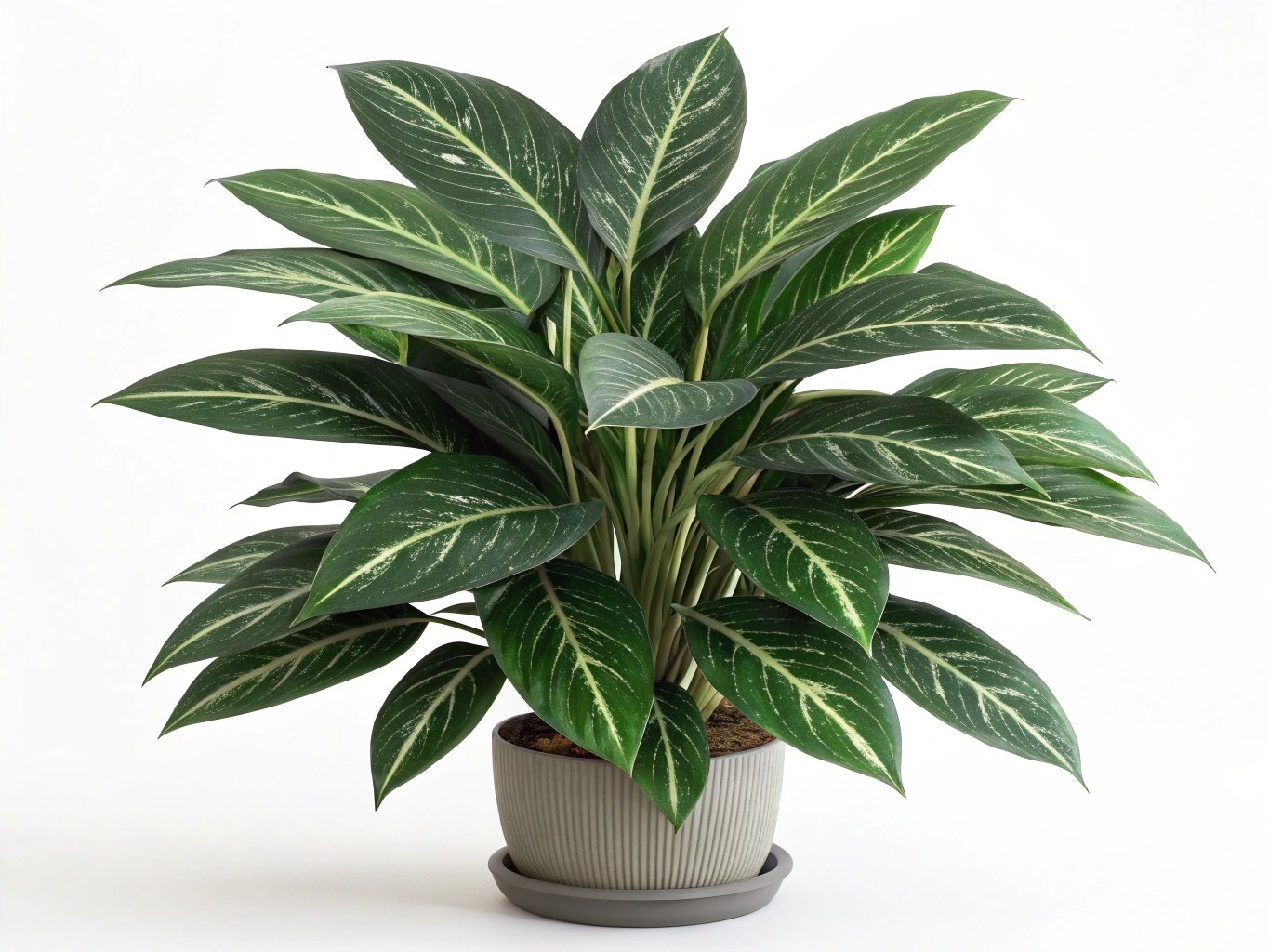
- Size:Typically reaches about 40–70 cm (1–3 ft) tall and spreads around 30–50 cm (1–2 ft) wide, forming a compact, upright clump over time.
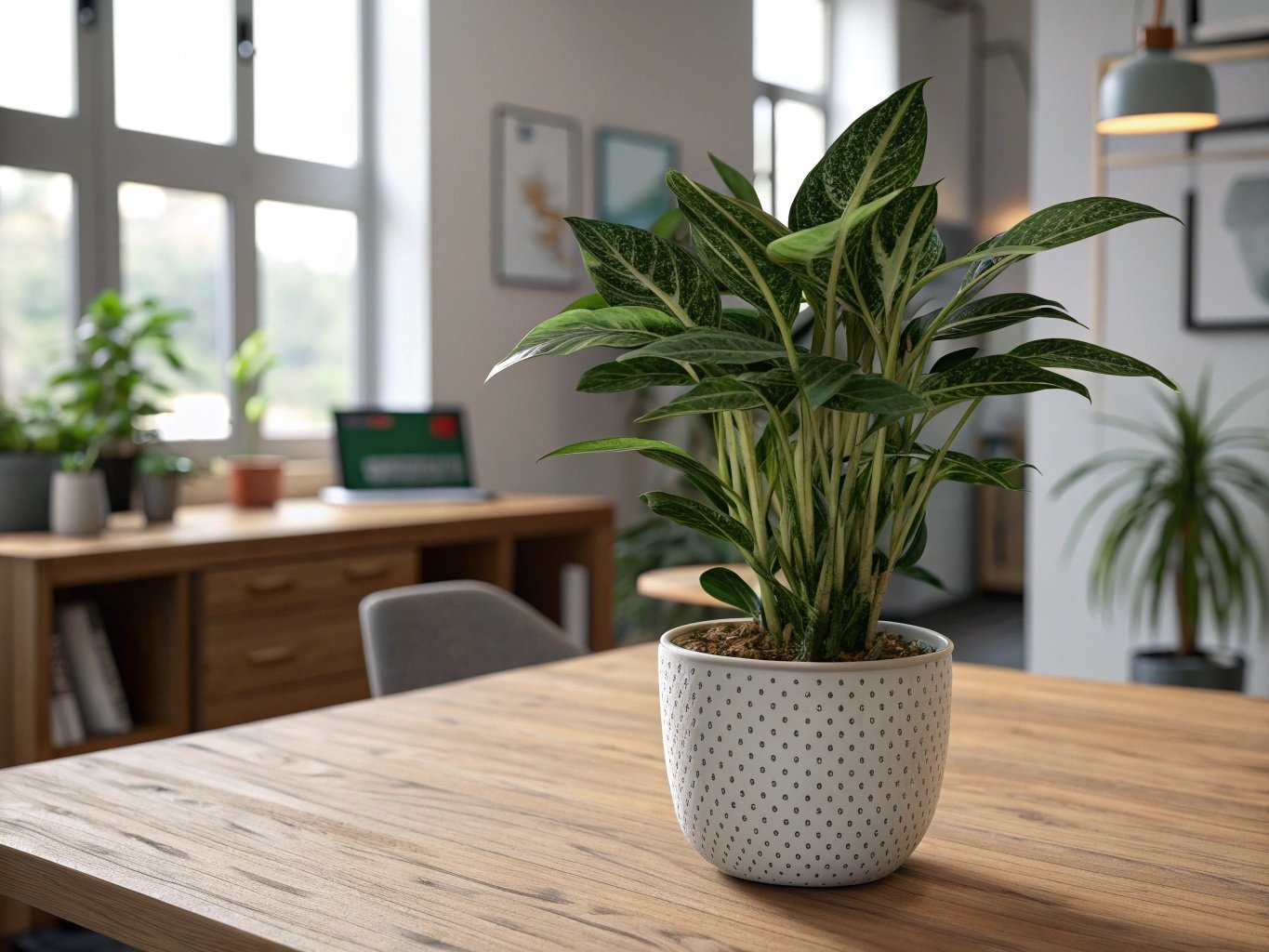
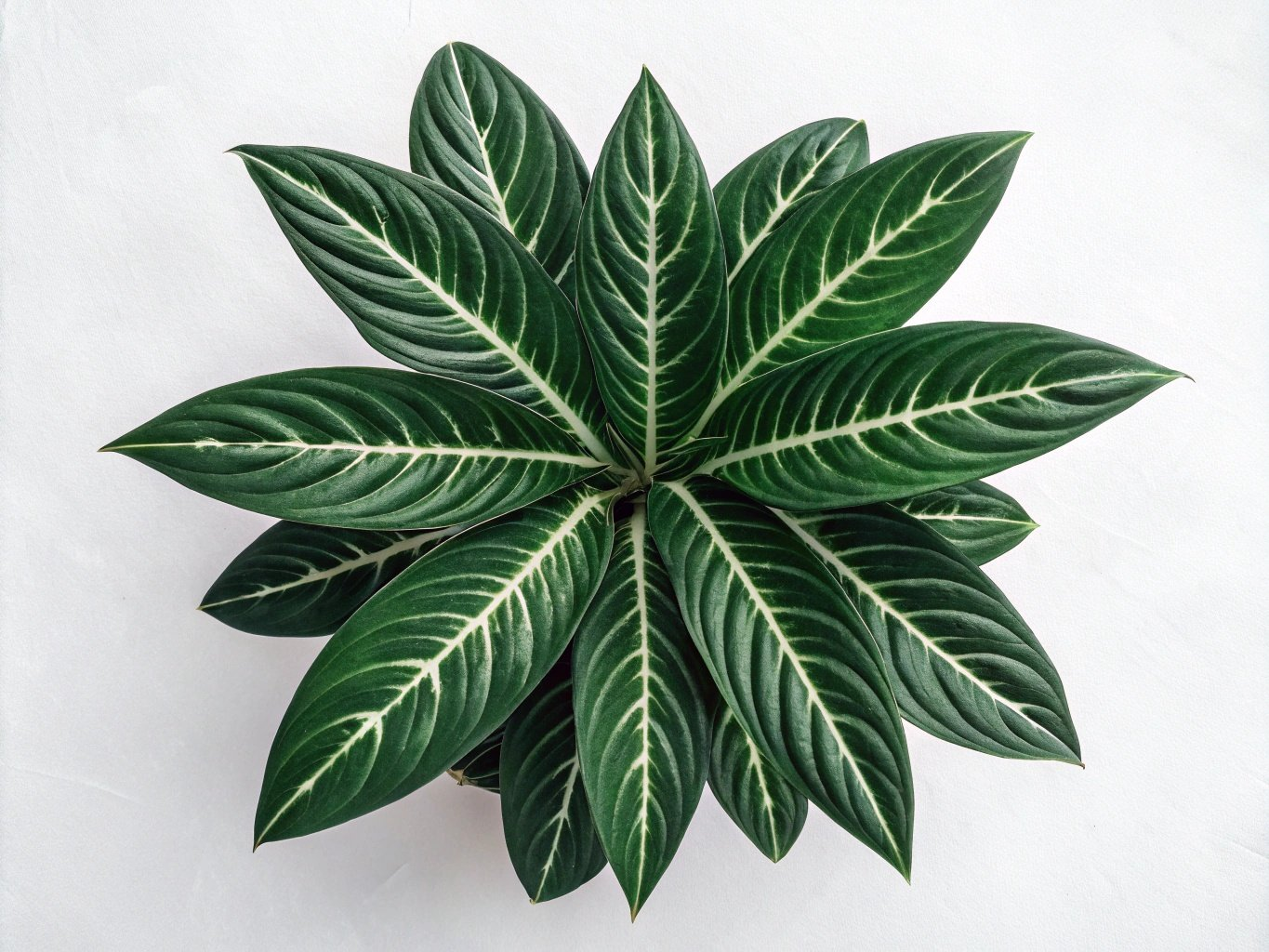
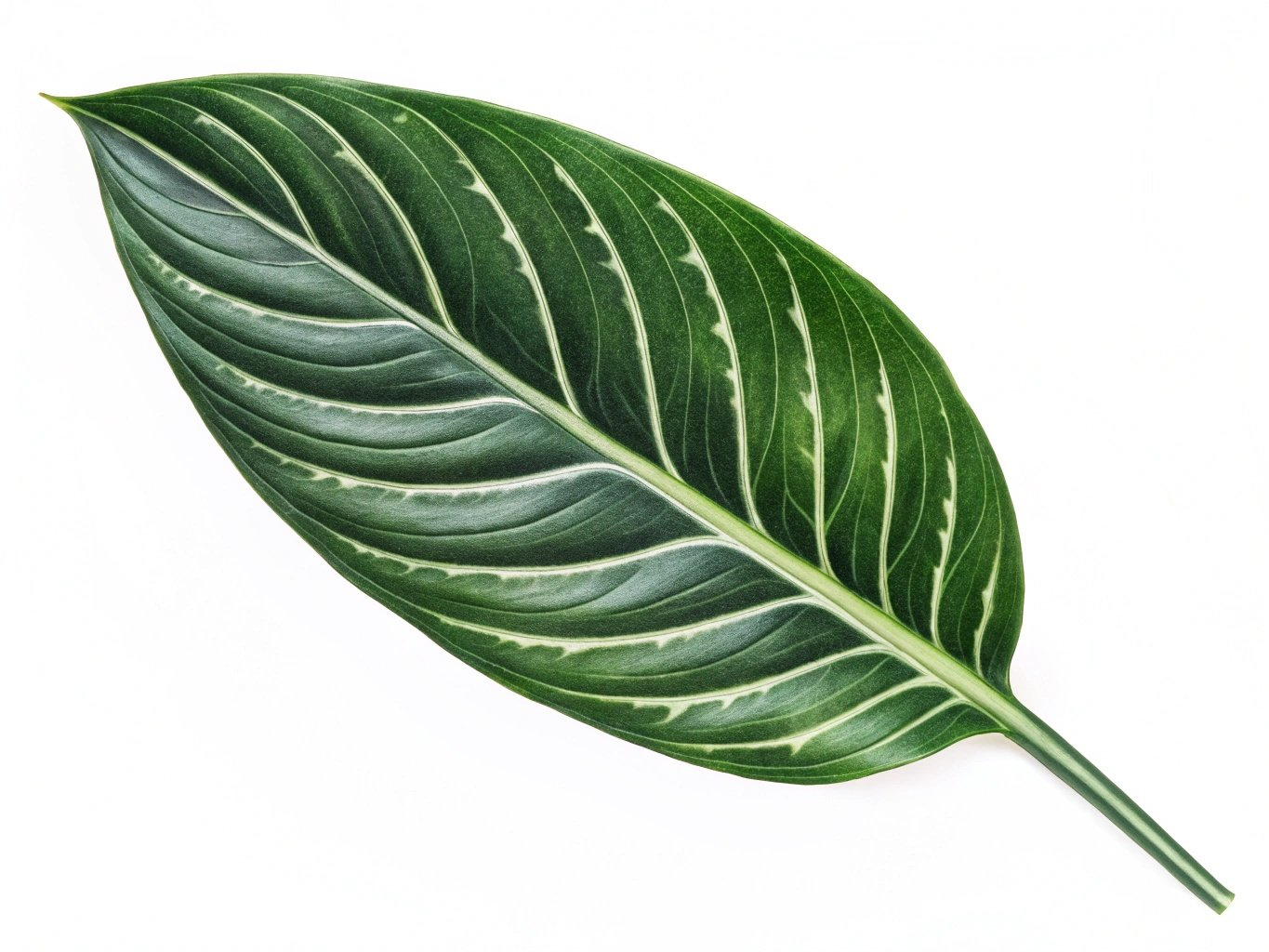
- Foliage:Leaves are large, glossy, and lush—usually lance-shaped to ovate—with a waxy look and slightly wavy edges. Individual leaves are about 15–25 cm (6–10 in) long and 10–13 cm (4–5 in) wide. Color is generally deep green with prominent veining, especially on the classic, darker forms.
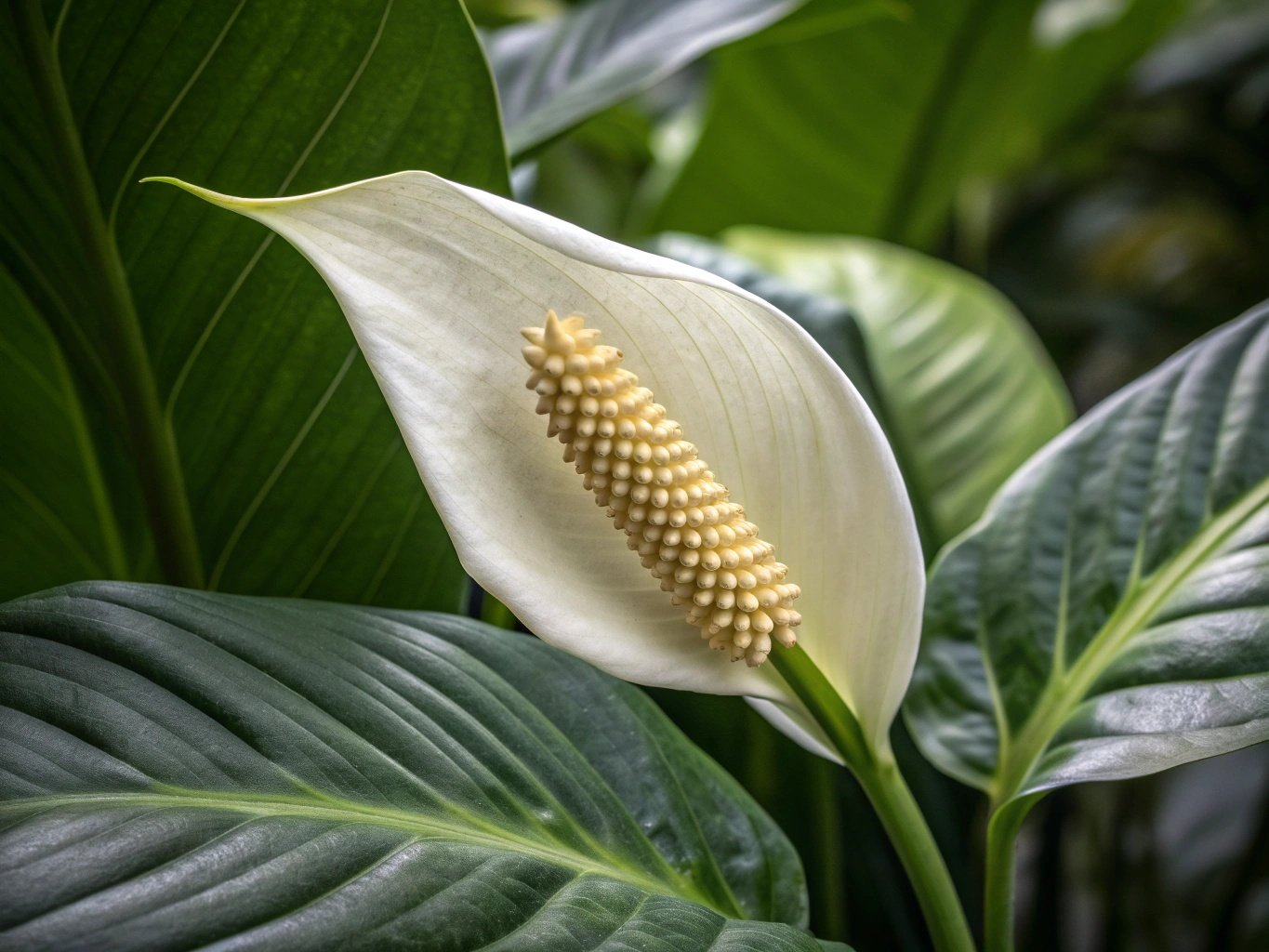
- Flower:Flowers are subtle and a little calla-lily-like: a pale creamy to yellow-green spathe wraps a central spadix. Blooms are about 6–7 cm (2–3 in) long and often go unnoticed compared with the foliage. If pollinated, berries can form and later ripen.
- Flowering Season:Spring to summer (often around May) with enough light; berries may mature in fall (October–November).
- Growth Habit:Slow-growing, upright to slightly sprawling, with straight, typically unbranched stems. Overall habit is robust, compact, and well-suited to pots.
🌤️ Environment
Sunlight
Best in low to moderate bright indirect light. It tolerates low light remarkably well (great for offices), but avoid direct sun, which can scorch leaves. Darker green plants handle deeper shade better; variegated types generally need a bit more light to keep their patterning.
Temperature
Likes warmth: about 18–27°C (65–80°F). Avoid prolonged chills—growth can suffer below about 15°C (60°F), damage may occur around 12°C (55°F), and near-freezing temperatures can be fatal. Keep away from cold drafts and HVAC blasts.
Humidity
Prefers higher humidity (roughly 65%+), but adapts to typical home conditions. If air is dry, use a humidifier, pebble tray, or place it in naturally humid rooms (bathroom/kitchen). Occasional light misting is fine, but don’t keep leaves constantly wet—good airflow helps prevent spotting.
Soil
Use a well-draining, airy mix to prevent root rot. A quality indoor potting mix amended with perlite/vermiculite and some bark or peat works well. Slightly acidic is ideal (about pH 5.5–6.5). Always prioritize drainage.
Placement
Excellent for living rooms, bedrooms, offices, and even bathrooms with decent ventilation. Works near north-facing windows, shaded corners, and can adapt to artificial lighting—just keep it out of harsh direct sun.
Hardiness
USDA Zones 10–12 outdoors; grown primarily as an indoor tropical in most climates and not frost-tolerant.
🪴 Care Guide
Difficulty
Easy and very forgiving—one of the most durable, low-maintenance foliage houseplants, ideal for beginners and busy schedules.
Buying Guide
Look for plants with firm stems and clean, vibrant leaves. Avoid specimens with yellowing foliage, brown crispy tips, mushy stems, or visible pests. If possible, check that roots look healthy (not blackened, sour-smelling, or waterlogged).
Watering
Water when the top 2.5–5 cm (1–2 in) of soil feels dry. Often this is about weekly in the growing season and every 10–14 days in winter, but adjust to your home. It’s happier slightly dry than constantly wet—overwatering is the fastest route to yellow leaves and root rot. Use room-temperature water; if the plant droops, it may be asking for a drink.
Fertilization
Feed spring through summer with a balanced, water-soluble fertilizer every 4–6 weeks at half strength. Skip fertilizer in winter when growth slows. Too much fertilizer can scorch tips.
Pruning
Very light pruning is needed: remove yellowing or damaged leaves with clean scissors. If older plants get leggy, cut stems back below a leaf node to encourage a fuller look. You can also snip off flower stalks if you’d rather the plant focus on foliage.
Propagation
Most easily propagated by division or stem cuttings. Division works well during repotting—separate offsets/shoots with roots and pot them up. For cuttings, take 10–15 cm (4–6 in) sections below a node, remove lower leaves, and root in water or lightly moist mix; roots often form in about 3–4 weeks around 21°C (70°F). Seed propagation is possible but uncommon indoors.
Repotting
Repot about every 2–3 years or when clearly root-bound. It tolerates (and often prefers) being slightly snug in its pot—move up only 2.5–5 cm (1–2 in) in pot diameter and always use drainage holes. Best done in spring with fresh, airy mix.
📅 Seasonal Care Calendar
Spring: resume regular watering and feeding; repot/divide if needed. Summer: water a bit more as needed; protect from hot direct sun; keep humidity comfortable. Fall: taper watering and stop feeding as growth slows. Winter: keep warm (above 15°C/60°F), give the brightest indirect light you can, and water sparingly; no fertilizer.
🔬 Pests, Diseases & Safety
Common Pests & Diseases
Usually pretty sturdy, but stressed plants may get spider mites, mealybugs, aphids, or scale—treat early with insecticidal soap or neem and isolate if needed. Most disease issues trace back to moisture problems: root rot from soggy soil, and leaf spot or mildew when humidity is high but airflow is poor. Good drainage, letting the mix dry slightly, and decent air circulation prevent most trouble.
Toxicity
Toxic if chewed or swallowed by people or pets (cats/dogs). Like many aroids, it contains insoluble calcium oxalate crystals that can cause burning mouth irritation, drooling, vomiting, and trouble swallowing. Sap may irritate skin—wash hands after handling and keep it out of reach of curious pets and children.
🎋 Culture & Symbolism
Symbolism:Often associated with good luck, prosperity, and long-lasting vitality—especially in Feng Shui, where its evergreen look is linked with longevity and steady growth. It’s a popular housewarming or “new business” gift for that reason.
History & Legends:Cultivated in Southeast Asia for centuries and introduced to Western horticulture in the 19th century, Chinese Evergreen became a favorite because it stays attractive indoors with minimal fuss. Its reputation got an extra boost after the NASA Clean Air Study (1989) highlighted Aglaonema species for reducing certain indoor air pollutants under test conditions.
Uses:Primarily grown as an ornamental indoor foliage plant for homes and offices, including tabletop displays, mixed planters, and shaded interiors. It’s also used as long-lasting cut foliage in arrangements. It’s frequently mentioned in air-quality conversations due to NASA’s study, though real-world impact depends on many factors (plant size, number of plants, ventilation). In some traditions, it has been referenced in folk/TCM contexts, but because it’s toxic if ingested, medicinal use is not recommended without professional guidance.
❓ FAQ
Why are my Chinese Evergreen leaves turning yellow?
Most commonly it’s overwatering (and early root trouble). Other causes include too much direct sun, cold drafts/temperature swings, low nutrients, or simply older leaves aging out. Let the top of the potting mix dry before watering again and double-check drainage and temperature.
How often should I water my Chinese Evergreen?
Water when the top 2.5–5 cm (1–2 in) is dry—often about once a week in warmer months and every 10–14 days in winter. Always adjust based on light, pot size, and how fast your mix dries.
Can Chinese Evergreen survive in low light?
Yes—this is one of its superpowers. Dark green forms handle low light extremely well and can even manage under fluorescent lighting. Just remember: slower growth is normal, and variegated cultivars usually need brighter indirect light to keep their color.
Is Chinese Evergreen toxic to pets?
Yes. If cats or dogs chew it, the calcium oxalate crystals can cause mouth pain, drooling, vomiting, and difficulty swallowing. Keep it out of reach and contact your vet if you suspect ingestion.
💡 Fun Facts
- It’s famous for thriving in office conditions—low light and steady indoor temperatures—where many plants struggle.
- The genus name Aglaonema comes from Greek roots meaning “bright” and “thread,” a nod to floral structures.
- It’s a slow grower, which usually means less frequent repotting and a long-lived, steady presence in your home.
- Mature plants can live for decades with consistent care.
- In Feng Shui tradition, it’s often placed in the southeast “wealth corner” to symbolize prosperity.