🌱 Plant Features
- Size:Typically 30–90 cm (1–3 ft) tall and about 60–120 cm (2–4 ft) wide; upright, compact to clumping, often forming a bushy mound over time.
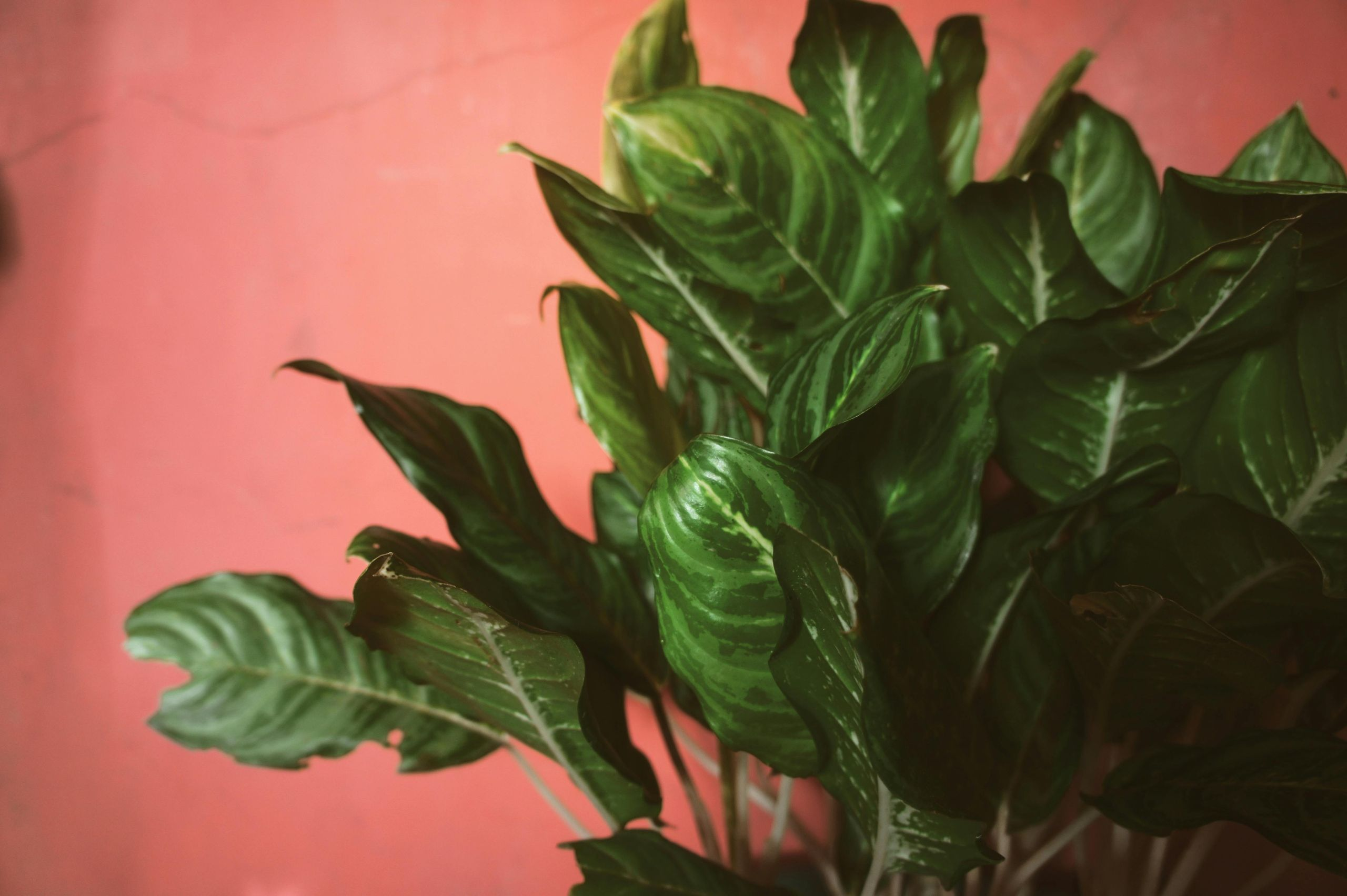
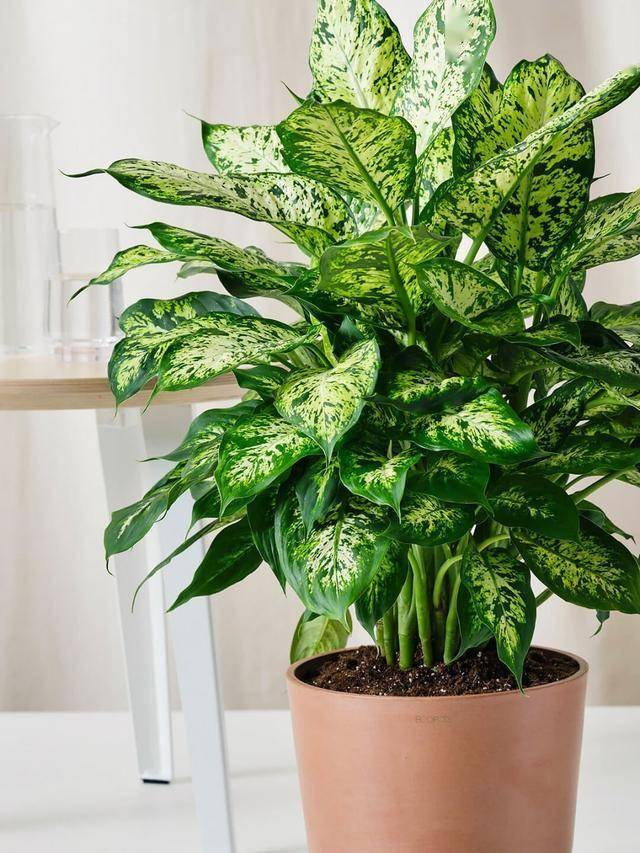
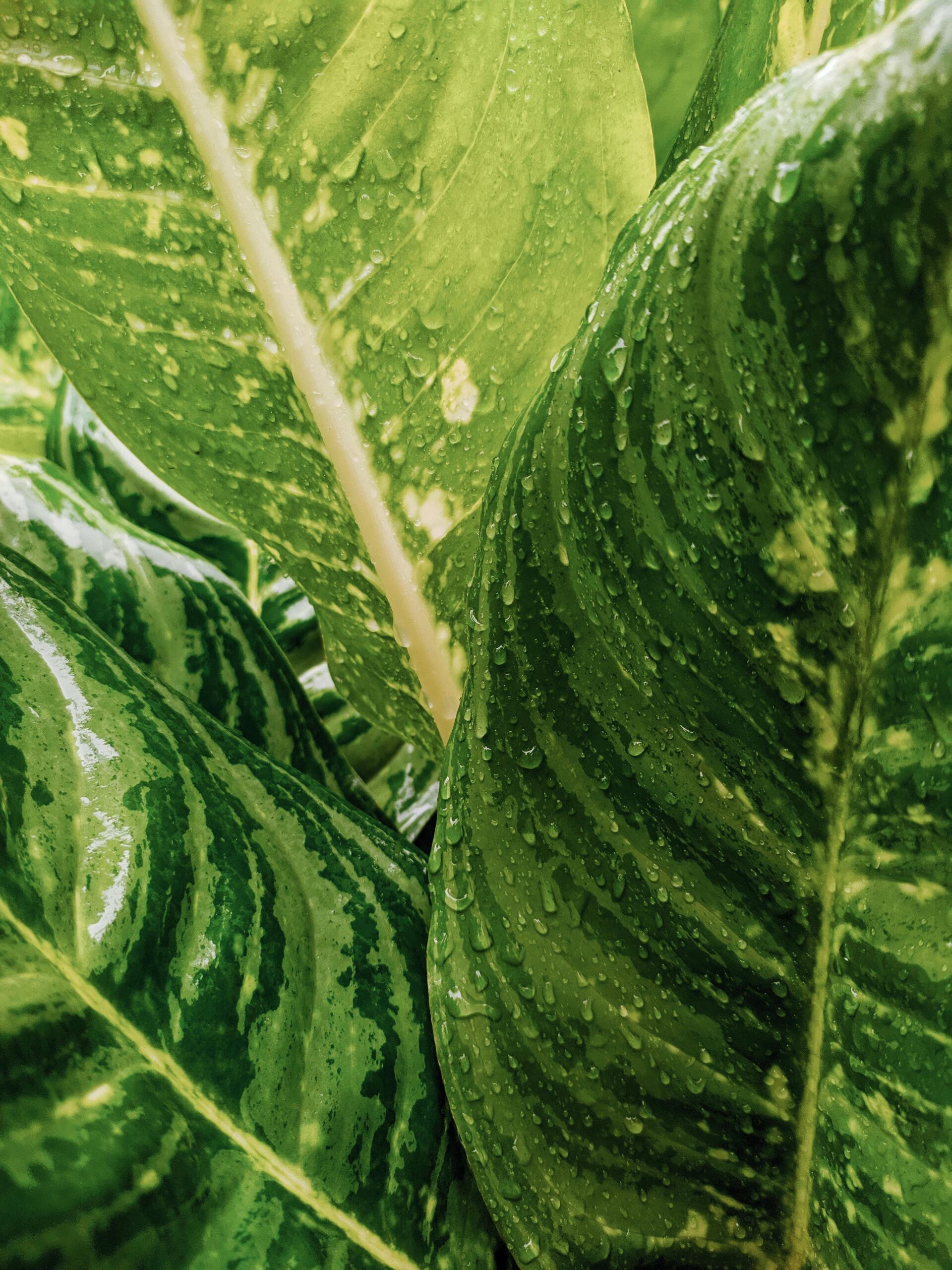
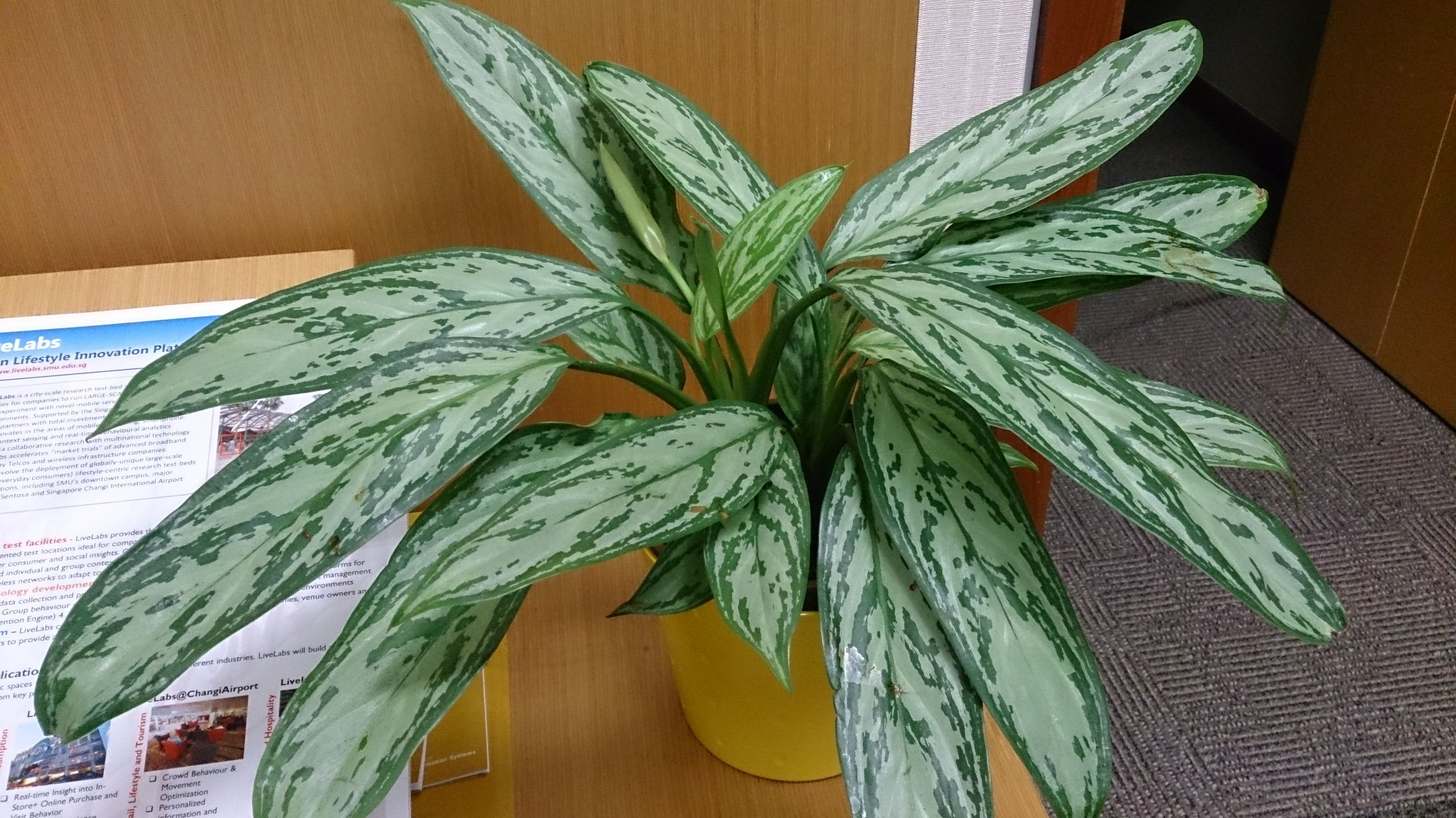
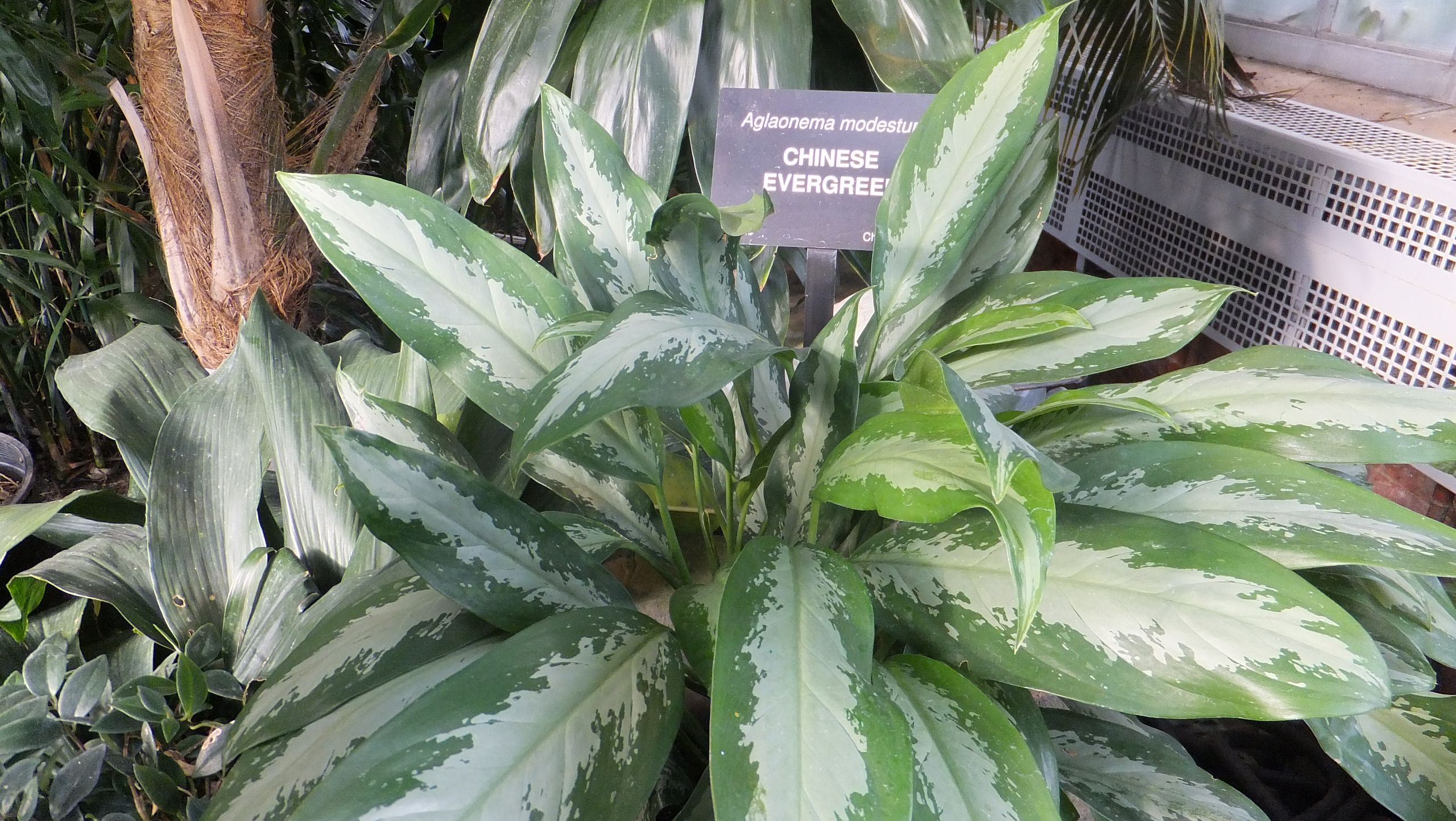
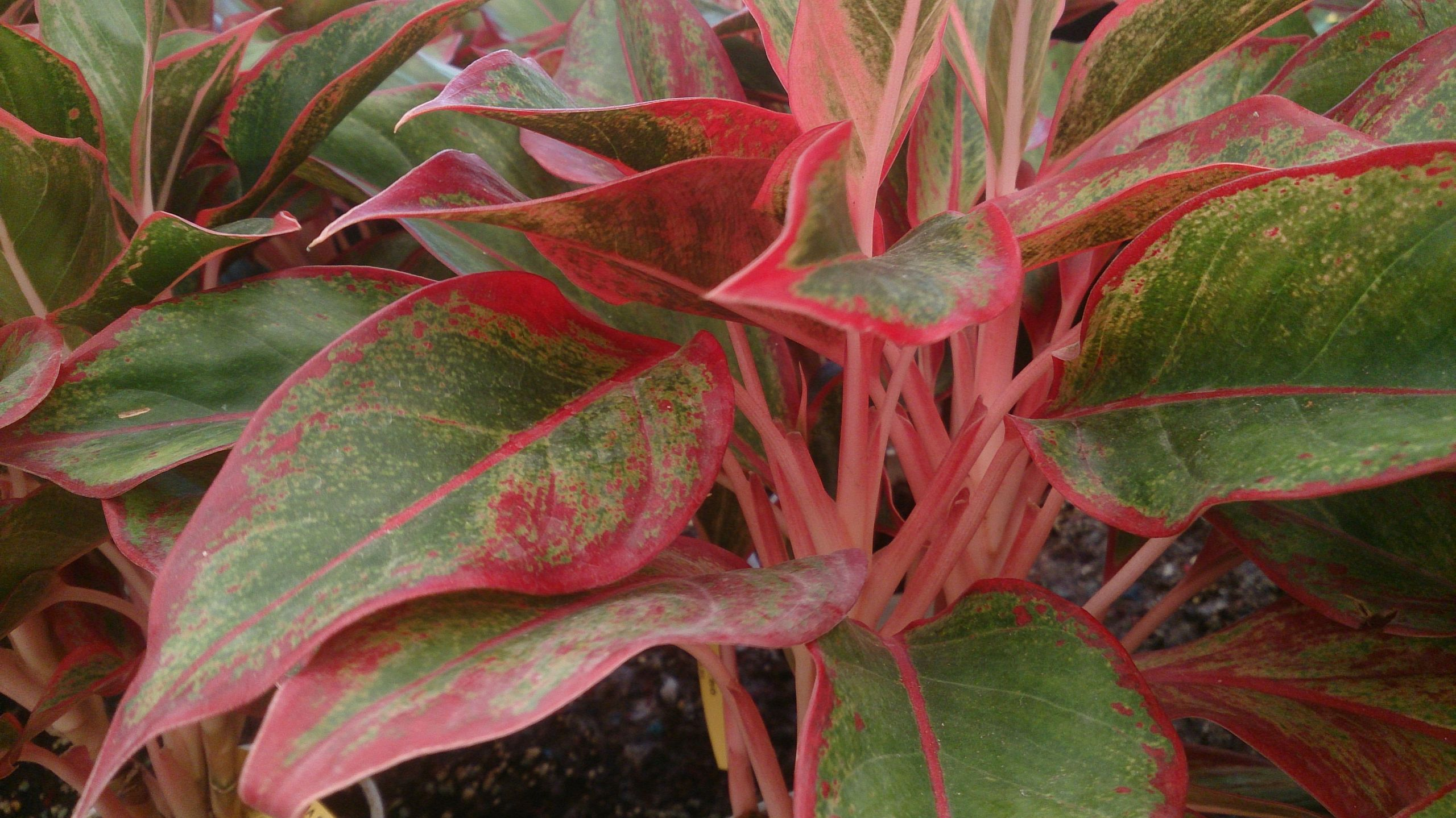
- Foliage:Leaves are thick, glossy, and elliptic to lance-shaped, often 10–20 cm (4–8 in) long and 5–8 cm (2–3 in) wide. Color ranges from deep green to silver, white, pink, and red, with stripes, splotches, or more symmetrical variegation—often with bold curved striping radiating from the midrib.
- Flower:Produces small, understated white arum-type blooms: a spadix (with female flowers near the base and male flowers toward the tip) wrapped in a pale spathe, somewhat reminiscent of a mini peace lily.
- Flowering Season:Spring to summer (indoors, flowering is occasional and often less showy than the foliage).
- Growth Habit:Evergreen, slow-growing perennial with erect to slightly creeping/decumbent stems; stems may root at nodes if they sprawl, and plants often form clumps.
🌤️ Environment
Sunlight
Low to bright indirect light. Avoid harsh direct sun (it can scorch leaves). Darker-green types handle dimmer spots; highly variegated or colorful cultivars keep their patterns best with brighter indirect light.
Temperature
Best at 18–27°C (65–80°F). Chilling injury can start around 15°C (59°F). Keep above 10°C (50°F) and away from drafts, cold windows, and heater blasts.
Humidity
Prefers moderate to high humidity, around 60–70% if possible, but adapts to typical indoor humidity. Boost with a humidifier, pebble tray, or grouping plants (bathrooms/kitchens can be great if there’s enough light).
Soil
Loose, fertile, well-draining mix—often peat-based—with added perlite/bark/sand for airflow and drainage. Slightly acidic is ideal (about pH 5.5–6.5).
Placement
Bright-indirect window area, shaded balcony in warm climates, office desks, shelves, or as a floor plant—choose a draft-free spot and rotate occasionally for even growth.
Hardiness
Primarily an indoor plant; outdoors only in frost-free climates, roughly USDA Zones 10–11. Not cold hardy.
🪴 Care Guide
Difficulty
Easy to moderate—one of the most forgiving foliage houseplants, especially for lower-light rooms.
Buying Guide
Pick a plant with firm stems and crisp, richly colored leaves (no widespread yellowing, brown tips, or mushy bases). Check the undersides for mealybugs/scale and inspect the pot for healthy roots (avoid sour smell or soggy soil).
Watering
Keep lightly moist, never swampy. Let the top ~5 cm (2 in) dry before watering again, then water thoroughly and drain. Reduce watering in winter when growth slows. Overwatering is the fastest route to root rot; underwatering can also stress the plant and cause leaf decline.
Fertilization
Feed during active growth (spring/summer) with a balanced liquid houseplant fertilizer at half strength about once a month (some growers feed every 2 weeks more lightly). Skip feeding in winter.
Pruning
Remove yellow, brown, or damaged leaves by cutting them cleanly near the base with sterile scissors. If flowers appear and you prefer maximum foliage performance, you can snip the bloom stalk to redirect energy to leaves.
Propagation
Most reliably by division in spring: separate rooted offsets/suckers or slice the root ball into sections with a clean knife, then pot up individually. Stem cuttings can also work (root in a humid, warm setup).
Repotting
Every 2–3 years, or when clearly rootbound. It often prefers being slightly snug in its pot. Move up only 2.5–5 cm (1–2 in) wider than the root ball and always use a pot with drainage.
📅 Seasonal Care Calendar
Spring: repot/divide; restart regular feeding and watering. Summer: keep evenly moist, raise humidity, protect from direct sun. Fall: gradually reduce watering and feeding. Winter: keep warm (above 15°C/59°F if possible), water sparingly, stop fertilizing, and maximize gentle indirect light.
🔬 Pests, Diseases & Safety
Common Pests & Diseases
Common pests include mealybugs, scale, spider mites, and aphids. Overly wet soil encourages root rot. Leaf-spot and blight issues can occur (e.g., bacterial leaf spots such as Xanthomonas; fungal problems such as anthracnose/Colletotrichum). Improve airflow, avoid wetting foliage late in the day, and isolate/treat early if pests appear.
Toxicity
Toxic if chewed by pets or people due to calcium oxalate crystals. Can cause mouth/throat irritation, drooling, and vomiting; sap may irritate skin. Keep out of reach of children and pets and wash hands after pruning.
🎋 Culture & Symbolism
Symbolism:Often associated with good luck, prosperity, longevity, and lasting friendship—commonly used in feng shui as a gentle, positive-energy foliage plant.
History & Legends:Aglaonema has been grown and shared across Asia for generations as a tough, lucky ornamental. It entered Western horticulture in the late 1800s (notably via Kew) and has since been widely hybridized into many modern, colorful cultivars.
Uses:A top ornamental for homes and offices, especially in low-light interiors. In warm, frost-free climates it can be used outdoors in shade as a filler or low edging plant. Often marketed as an “air-cleaning” houseplant (notably cited in NASA’s Clean Air Study for removing compounds like formaldehyde and benzene under test conditions).
❓ FAQ
How often should I water my Chinese evergreen?
Water when the top ~5 cm (2 in) of soil is dry, then drain well. You’ll water more in spring/summer and less in winter—root rot is much more common than drought damage.
Can Chinese evergreen tolerate low light?
Yes—it’s one of the best low-light houseplants. Just remember: the more colorful the leaves, the more bright-indirect light it needs to keep those patterns sharp.
Why are my leaves turning yellow?
Most often it’s watering stress (too wet or too dry). Check drainage and adjust your schedule; also consider low light, cold drafts, or an exhausted potting mix if the plant hasn’t been repotted in years.
Is Chinese evergreen safe for pets?
No. It contains calcium oxalate crystals and can irritate the mouth and stomach if chewed. Place it well out of reach or choose a pet-safe alternative.
💡 Fun Facts
- It’s famous for thriving under fluorescent office lighting, thanks to its natural life in the shaded tropical understory.
- Aglaonema has been bred into a huge range of cultivars with dramatic silver, pink, and red variegation.
- Some classic cultivars (such as ‘Silver Queen’) are so reliable they’ve earned major horticultural awards in parts of the world.