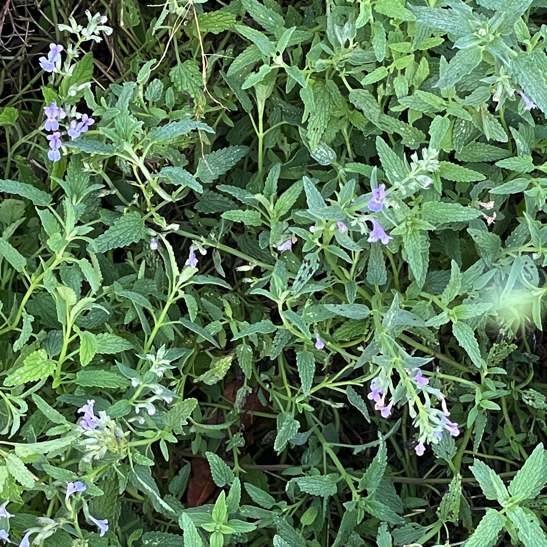
🌱 Plant Features
- Size:Typically 60–90 cm (2–3 ft) tall and about as wide; in ideal conditions can reach around 90 cm (3 ft).
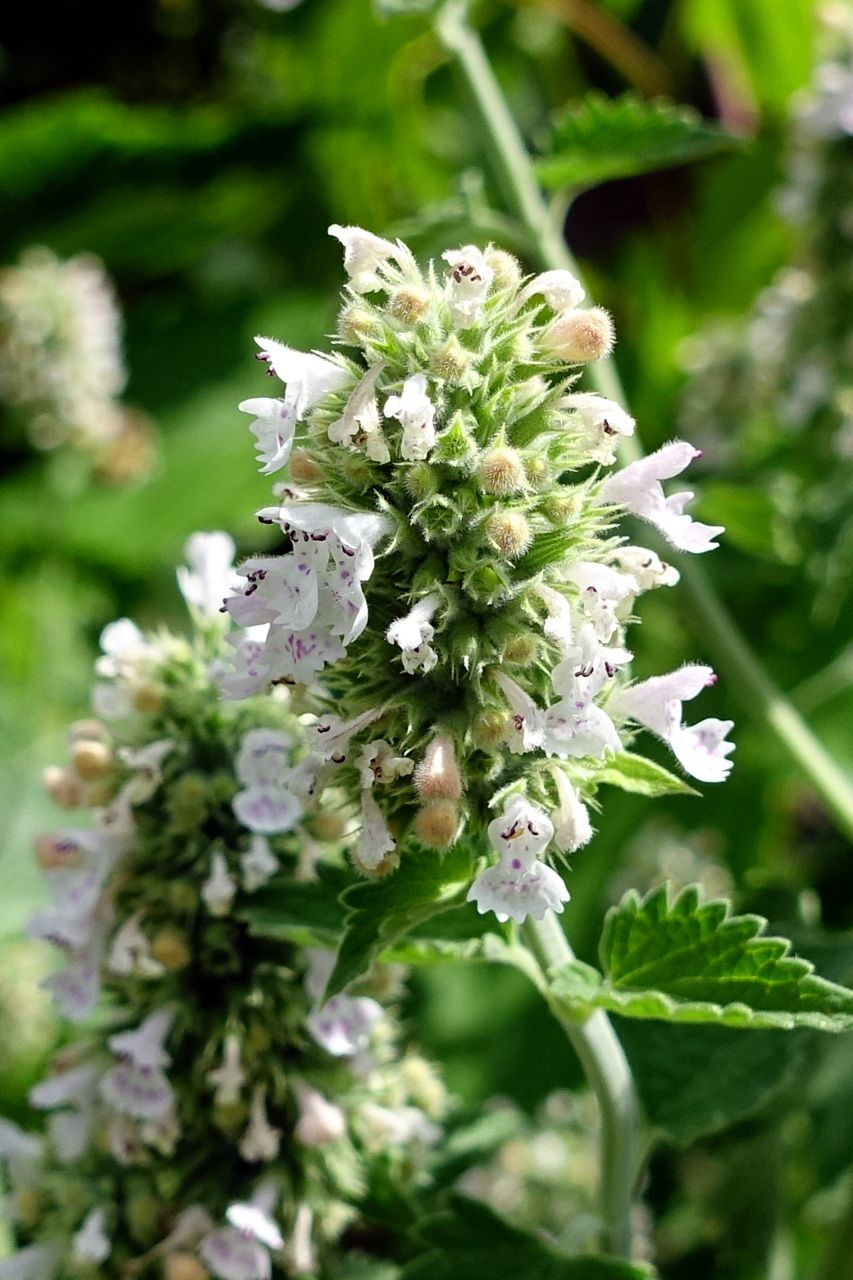
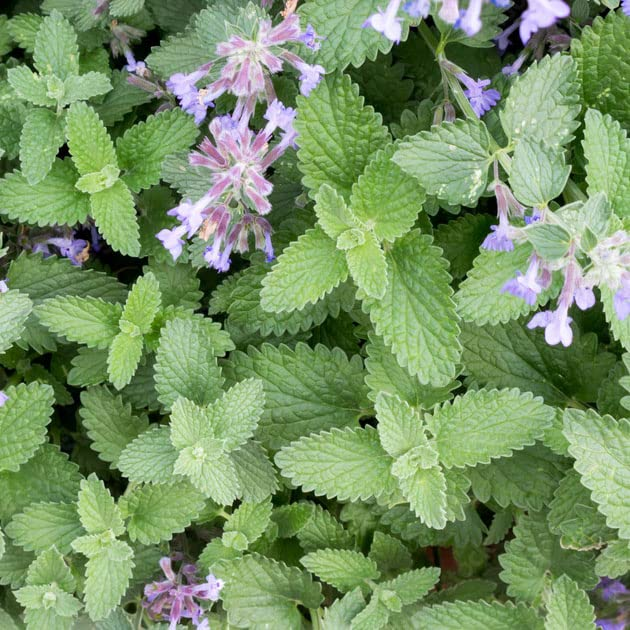
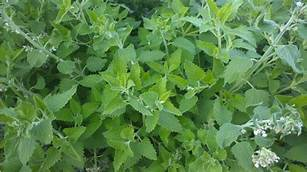
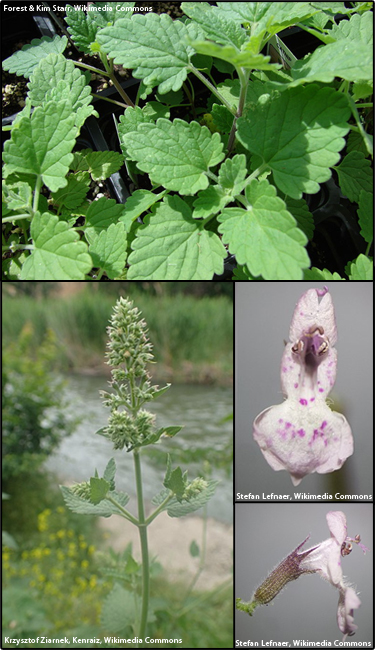
- Foliage:Leaves grow in opposite pairs along the stems. They are gray‑green to green, triangular to ovate with a heart-shaped (cordate) base and coarse, rounded teeth (crenate margins). Both sides are covered in fine hairs, giving a soft texture, and the upper surface shows clear netted (reticulated) veins.
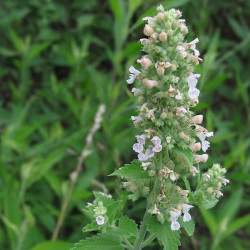
- Flower:Tiny two-lipped (bilabiate) flowers about 0.8 cm (1/3 in) long, usually white with pale purple or pink spotting on the lower lip. The upper lip has two lobes; the lower lip has three lobes with a larger, frillier middle lobe. Flowers are packed into whorls along spike-like terminal clusters (racemes).
- Flowering Season:Late spring through fall; often flowers for about 1–2 months at a time, especially with deadheading.
- Growth Habit:Erect to slightly sprawling, branched and sometimes a bit rangy if grown in shade or rich soil. Spreads into colonies via short rhizomes and can self-seed; dies back to the ground in winter and returns in spring.
🌤️ Environment
Sunlight
Full sun is best (at least 6 hours/day). Tolerates partial shade but may get leggy; in very hot climates, afternoon shade helps prevent stress.
Temperature
Prefers roughly 12–29°C (55–85°F). Very cold-hardy; can tolerate down to about -15°C (5°F).
Humidity
Adaptable, happiest in moderate humidity. In humid climates, prioritize airflow to reduce fungal problems.
Soil
Very forgiving—handles poor soils well. Best in well-drained sandy or loamy soil; tolerates a wide pH range (about 6.1–7.8, from slightly acidic to alkaline). Avoid waterlogged conditions.
Placement
Great in herb gardens, cottage and pollinator gardens, borders, and containers; also perfect for a “cat-friendly” yard. Indoors, place on a bright, sunny windowsill with good airflow.
Hardiness
USDA Zones 3–9.
🪴 Care Guide
Difficulty
Very easy and beginner-friendly. Low-maintenance, vigorous, and tolerant of occasional neglect—just don’t keep it soggy.
Buying Guide
Look for sturdy stems and fresh, evenly colored leaves with no spotting, mildew, or sticky pests. If buying potted plants, check for a healthy root system (not severely pot-bound, no sour smell). Seeds are widely available and straightforward to start.
Watering
Once established, it’s drought-tolerant. Keep seedlings lightly moist (never waterlogged). For mature plants, water deeply only when the soil has dried a bit—especially during prolonged drought or if leaves visibly wilt. Overwatering can lead to root rot, so good drainage is key.
Fertilization
Needs very little feeding. Mix compost into the soil at planting; after that, a light spring top-dressing of compost is usually enough. If soil is extremely poor, use a mild all-purpose feed in spring. Avoid heavy fertilizing, which can reduce the plant’s aromatic oil content and make it floppy.
Pruning
Pinch tips in spring for bushier growth. Deadhead spent flower spikes to extend bloom and reduce self-seeding. After the first hard frost, cut stems back to a few inches above the soil. Regular harvesting also encourages a denser, tidier plant.
Propagation
Easy from seed, cuttings, or division. Seeds: start indoors 6–8 weeks before last frost or direct sow after frost danger; germinates in 7–14 days at about 18–21°C (65–70°F). A simple cold-stratification trick is freezing seeds overnight then soaking for 24 hours before sowing. Cuttings: take 10–15 cm (4–6 in) stem cuttings in spring/early summer and root in water or moist mix. Division: split established clumps in spring or fall.
Repotting
In containers, repot when roots emerge from drainage holes. Move up one pot size and refresh the mix; even without upsizing, renewing potting mix every couple of years keeps plants vigorous.
📅 Seasonal Care Calendar
Spring: start seeds, plant out after frost, divide older clumps, pinch for shape, add compost. Summer: peak bloom—deadhead, harvest, and water during heat waves. Fall: reduce watering, take a final harvest, divide if needed; cut back after frost. Winter: plants go dormant outdoors; keep dry-ish and do not fertilize.
🔬 Pests, Diseases & Safety
Common Pests & Diseases
Generally tough and trouble-free. Possible pests include aphids, spider mites, and whiteflies—often managed with a firm water spray, insecticidal soap, or neem. In damp, still conditions it can get powdery mildew or leaf spot; prevent with spacing, airflow, and avoiding overhead watering. Root rot is the main issue in poorly drained, wet soil. It’s also relatively deer-resistant.
Toxicity
For cats: the aromatic compound nepetalactone commonly triggers a brief euphoric/playful response (many—but not all—cats react). While the concentrated oils are technically irritating in large amounts, typical nibbling is rarely harmful. For humans: generally considered non-toxic and traditionally used as a mild herbal tea; however, pregnant people should avoid medicinal use because it may stimulate uterine contractions. Dogs usually show little interest and it’s generally considered low-risk if accidentally tasted.
🎋 Culture & Symbolism
Symbolism:Often associated with comfort, happiness, and a gentle kind of love—more “calm and cozy” than showy and dramatic.
History & Legends:Catnip has a long history in European folk traditions as a soothing herb for both body and mind. In the Middle Ages it was commonly brewed as a calming tea and used for digestive upset and colic. Folklore in parts of Europe claimed that hanging bundles by doorways could ward off ill fortune. It also gathered a touch of mystique thanks to its cat-attracting powers; stories linked it to protective magic and good luck. Before imported Asian teas became widespread in Europe, catnip tea was reportedly a familiar household drink. Some traditions even connect it symbolically to ancient Egypt’s reverence for cats and protective feline imagery.
Uses:Cat enrichment: widely used in toys, scratchers, training, and treats to encourage play and reduce stress. Ornamental: a charming herb for borders and pollinator beds. Herbal: leaves and flowers are dried for tea and traditional home remedies (commonly for relaxation and minor digestive discomfort). Culinary: young leaves can be used fresh in small amounts or dried for a minty, lightly lemony infusion. Insect repellent: nepetalactone can deter mosquitoes and other insects; extracts are used in natural repellents and essential oil products. Pollinator support: a reliable nectar source for bees and beneficial insects.
❓ FAQ
Why do cats like catnip?
Catnip contains nepetalactone, a fragrant compound that interacts with a cat’s scent receptors and can trigger a short-lived “happy dance” response—rolling, rubbing, zoomies, or mellow bliss—usually lasting about 10–15 minutes.
Do all cats react to catnip?
No. Sensitivity is inherited, and only about 50–70% of cats respond. Kittens and some senior cats may show little interest. Many big cats (like lions and tigers) can react too.
Can humans use catnip?
Yes. It’s commonly used as a mild herbal tea for relaxation. As with many herbs, use moderation—and avoid medicinal use during pregnancy.
Is catnip invasive?
It can spread by self-seeding and short rhizomes and may become weedy in some regions. To keep it in bounds, deadhead before seeds mature, grow it in containers, or edge beds to slow spreading.
How do I harvest and store catnip?
Harvest during bloom for the strongest aroma, ideally late morning after dew dries. Hang stems to dry in a dark, airy place for about 2–3 weeks, then crumble and store in an airtight container away from heat and light.
💡 Fun Facts
- Nepetalactone is widely studied for insect-repelling effects and is used in some natural mosquito repellent products.
- After a cat reacts to catnip, it typically becomes temporarily less responsive for about 1–2 hours.
- Catnip’s species name “cataria” comes from Latin, referencing its strong association with cats.
- True catnip (Nepeta cataria) is different from many ornamental “catmints” (like Nepeta × faassenii), which often look showier in gardens but may be less exciting to cats.