🌱 Plant Features
- Size:Up to about 50 × 35 cm (20 × 14 in) in plant spread (varies by clone and pot culture).
- Foliage:Strap-like, medium-green leaves rise from rounded pseudobulbs. The foliage is usually upright to gently arching, and the plant gradually forms a fuller clump as it matures.
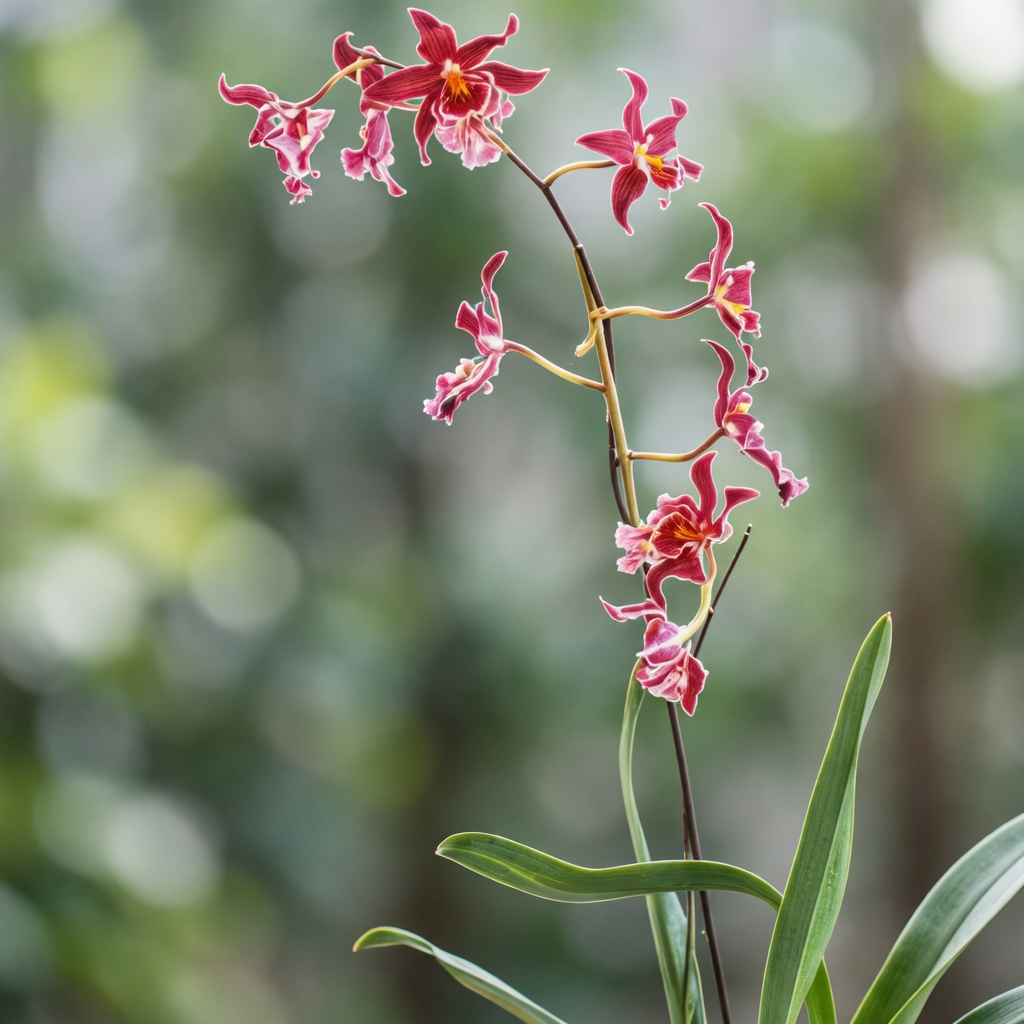
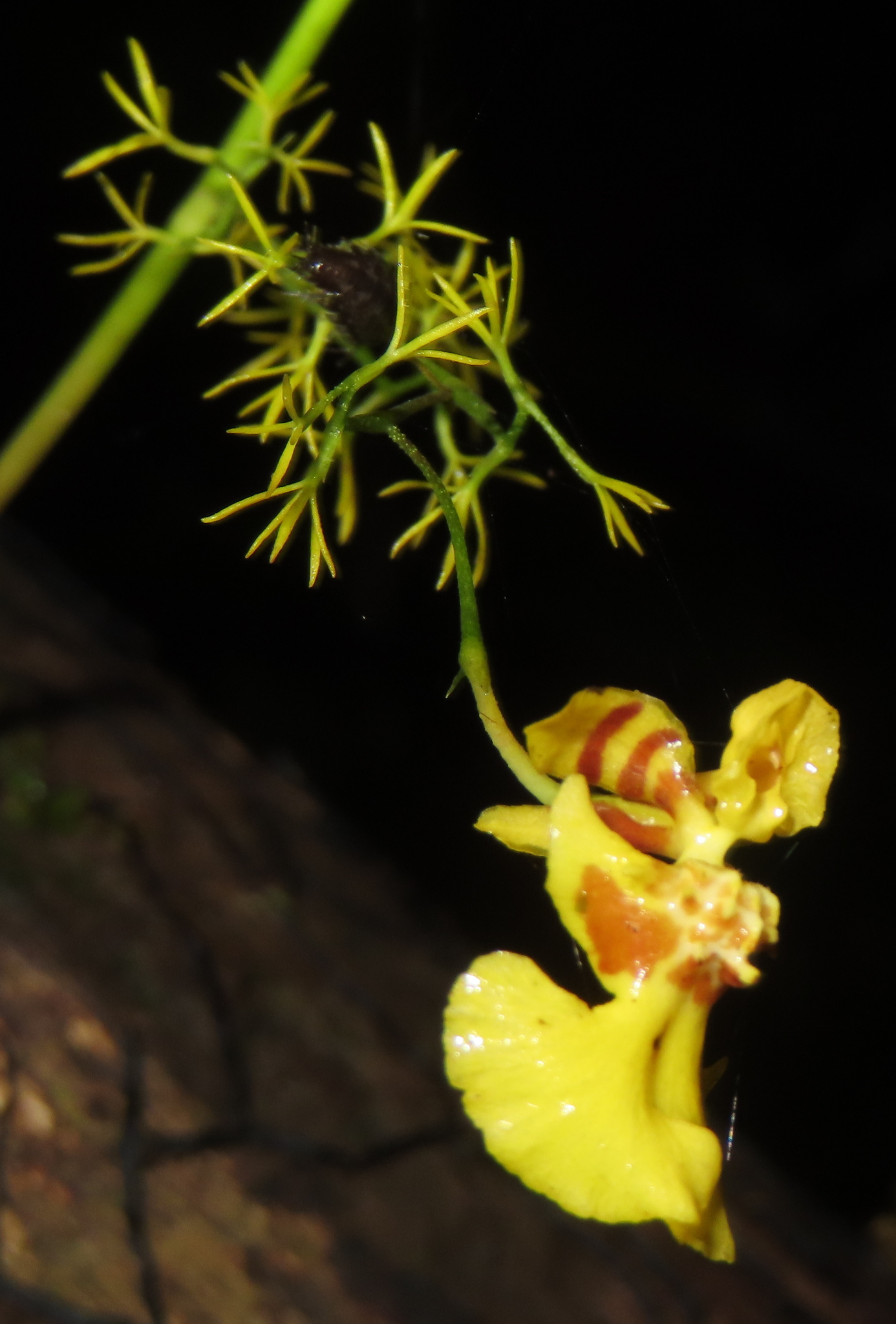
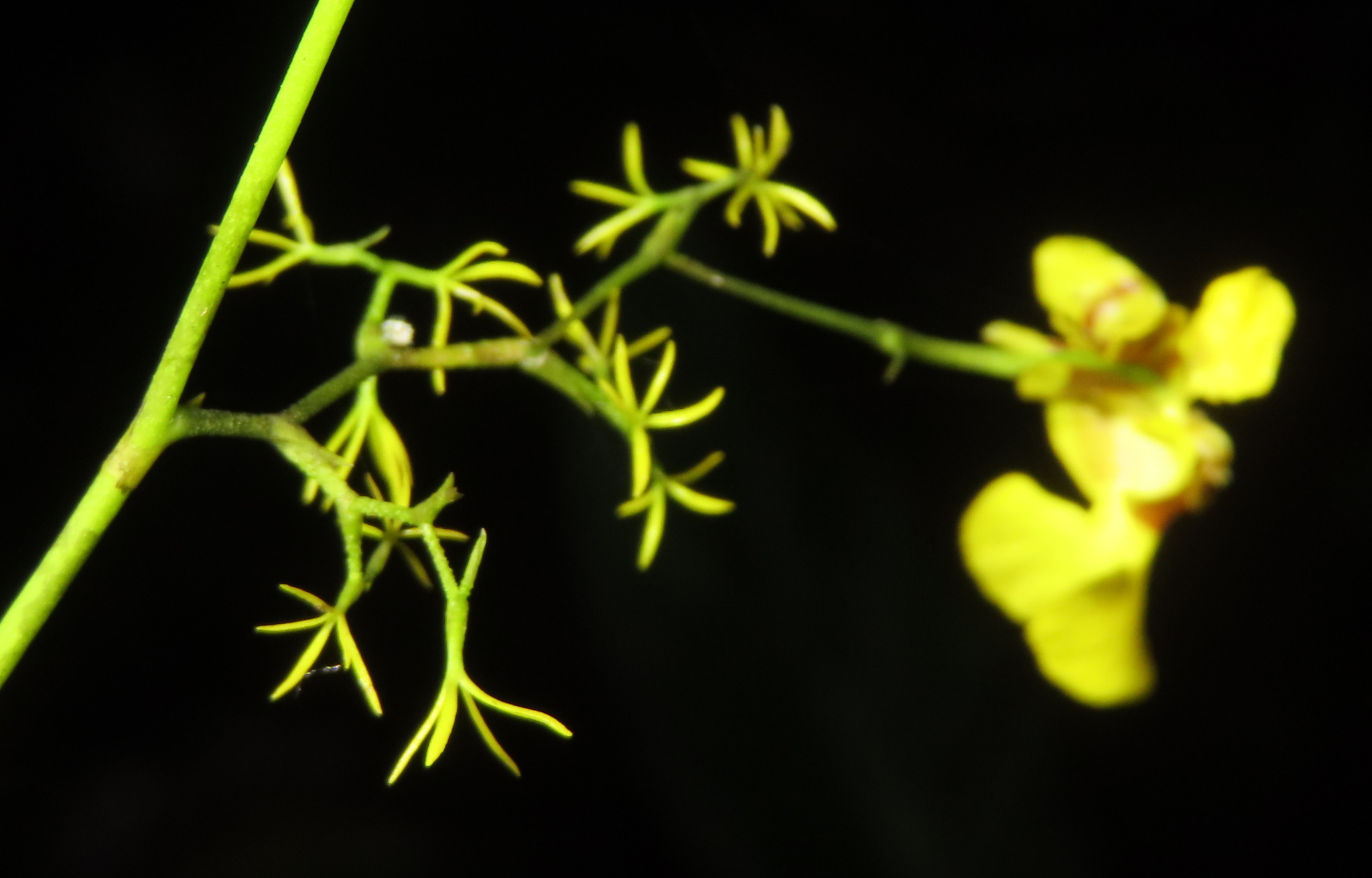
- Flower:Produces tall, arching flower spikes with large, long-lasting, fragrant blooms. Flowers are commonly deep red, often with a white-speckled lip and a yellow throat/center; exact color and form can vary because “Cambria” plants are complex hybrids.
- Flowering Season:Any time of year, most often winter to spring.
- Growth Habit:Clumping, sympodial orchid with pseudobulbs; sends up tall, arching flower spikes from mature growths.
🌤️ Environment
Sunlight
Bright, indirect light to light shade; avoid harsh midday sun. An east window is ideal, or a lightly shaded south/west exposure.
Temperature
10–24°C (50–75°F). For best blooming, aim for a night temperature drop of at least 6°C (11°F) compared to daytime.
Humidity
Prefers higher humidity, around 50–70%+. Use a pebble tray (water below the pot), frequent misting (daily or every other day), and/or a humidifier—paired with gentle airflow to prevent rot.
Soil
Free-draining orchid potting mix, typically bark-based (never regular potting soil).
Placement
Indoors in a bright spot with filtered light and mild air movement; often grown in a clear 10–20 cm (4–8 in) orchid pot placed on a humidity tray.
Hardiness
Not frost-hardy; typically grown indoors. Outdoors only in consistently warm, frost-free climates (roughly USDA Zone 11+ / nights reliably above 10°C (50°F)).
🪴 Care Guide
Difficulty
Moderate to challenging: success depends on balancing moisture with airflow, maintaining higher humidity, and providing cooler nights to bloom reliably.
Buying Guide
Pick plants with firm, plump pseudobulbs and leaves that aren’t wrinkled. Avoid sour-smelling, broken-down mix; blackened roots; or mushy bulbs. Clear pots make it easier to spot healthy roots (silvery when dry, green after watering) versus brown, collapsing roots.
Watering
Water when the surface of the mix is just starting to dry. In active growth (spring–autumn), this is often every 5–7 days; in winter, about every 7–10 days—adjust for warmth, pot size, and airflow. Use rainwater or distilled water if you can. Keep humidity up (pebble tray/misting/humidifier), but don’t let the mix stay soggy; good ventilation is key to preventing rot.
Fertilization
Feed year-round at 1/2 strength using an orchid fertilizer every 2–3 waterings. Flush with plain water periodically to prevent fertilizer salt buildup.
Pruning
After flowering, if the spike is still green, cut back to just above the lowest node/bract to encourage a possible secondary bloom (if the hybrid is capable). Remove spikes at the base only once they are brown and fully dead.
Propagation
Best propagated by division during repotting once the plant is a mature clump. Each division should have several pseudobulbs plus healthy roots (generally a job for confident/experienced growers).
Repotting
Repot into fresh orchid mix only when the plant has filled the pot or the medium has broken down. Use a clear 10–20 cm (4–8 in) pot if possible to help monitor roots and moisture. Handle roots gently and keep the crown/rhizome area positioned so it isn’t buried too deeply.
📅 Seasonal Care Calendar
Spring–autumn: water roughly every 5–7 days; winter: every 7–10 days (adjust to conditions). Fertilize at 1/2 strength every 2–3 waterings year-round and flush salts occasionally. Main bloom season is often winter–spring; to help initiate spikes, keep light bright-but-filtered and provide nights at least 6°C (11°F) cooler than days. After blooms fade, trim green spikes back to encourage a potential second flush.
🔬 Pests, Diseases & Safety
Common Pests & Diseases
Common pests include mealybugs, scale, spider mites, and thrips. Rot (roots/pseudobulbs) is the big risk when the mix stays stale or waterlogged—use airy bark-based media, water thoroughly but let it approach dryness, and maintain gentle airflow. Treat insects with repeat applications of insecticidal soap or horticultural oil and isolate affected plants.
Toxicity
Generally considered non-toxic to cats and dogs and not known to be poisonous to people, though plant sap can irritate sensitive skin. Discourage pets from chewing.
🎋 Culture & Symbolism
Symbolism:Orchids are tied to elegance, admiration, and refined beauty; red, fragrant blooms often carry a “passion and appreciation” vibe.
History & Legends:“Cambria” is a long-used trade name for complex, intergeneric Oncidium-alliance hybrids bred for impressive, long-lasting flowers and better adaptability to indoor life. It’s not a single wild species—so plants sold as “Cambria” can differ quite a bit.
Uses:Ornamental indoor orchid for long-lasting, often fragrant blooms; also appreciated as a cut-flower spike for brightening rooms in winter to spring.
❓ FAQ
Why won’t my Cambria orchid bloom?
Usually it’s either too little light or not enough day–night temperature difference. Give bright, indirect light and aim for nights at least 6°C (11°F) cooler than days. Also avoid oversized pots and keep the mix fresh and airy.
Should I cut the flower spike after it finishes?
Yes. If the spike is still green, trim it back to just above the lowest node/bract to possibly trigger a second flush. If it turns brown and dry, remove it at the base.
Do I need a clear pot?
Not strictly, but it’s very helpful—clear pots let you judge root health and moisture levels at a glance, which is useful for Oncidium-alliance hybrids that resent staying wet.
💡 Fun Facts
- Many “Cambria” orchids in shops are complex Oncidium-alliance hybrids, so bloom colors, patterns, and timing can vary widely even if the tag says the same name.
- A noticeable cool-down at night is one of the simplest, most reliable tricks for encouraging spike initiation in many Oncidium-alliance hybrids.