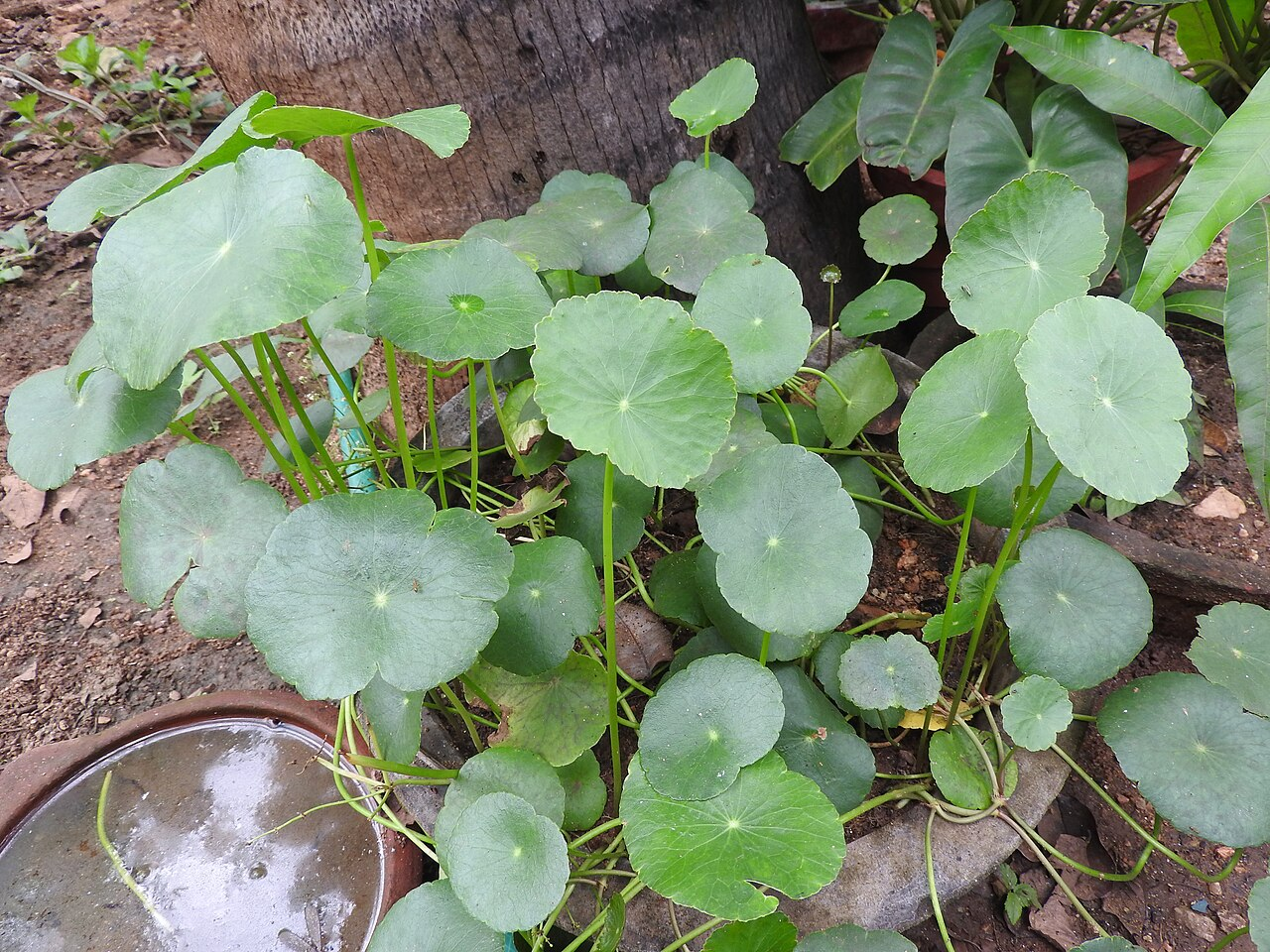
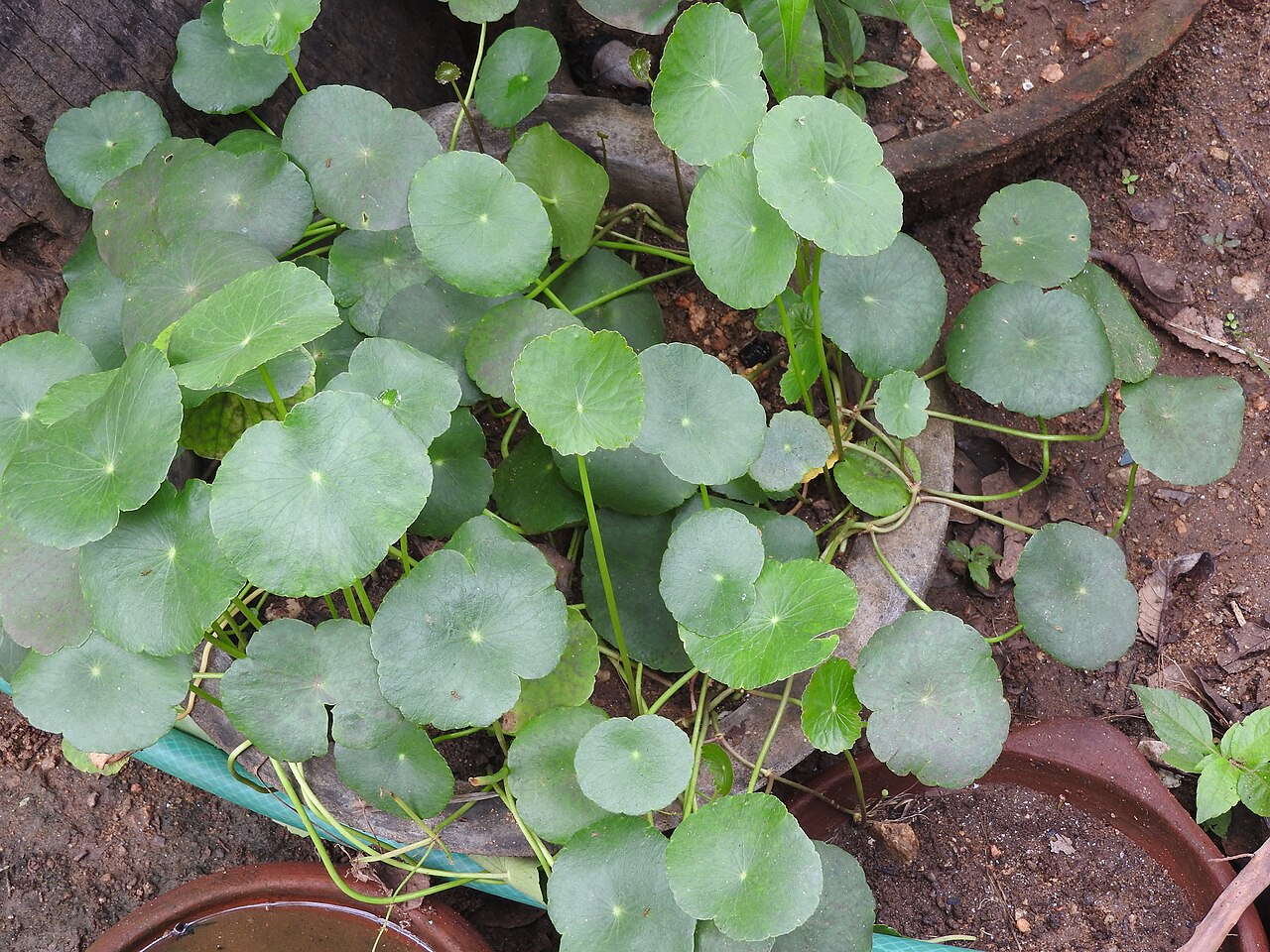
🌱 Plant Features
- Size:Typically about 5–30 cm (2–12 in) tall depending on light and growing method; spreads readily to 30–60+ cm (12–24+ in) wide (or more) as runners creep and root.
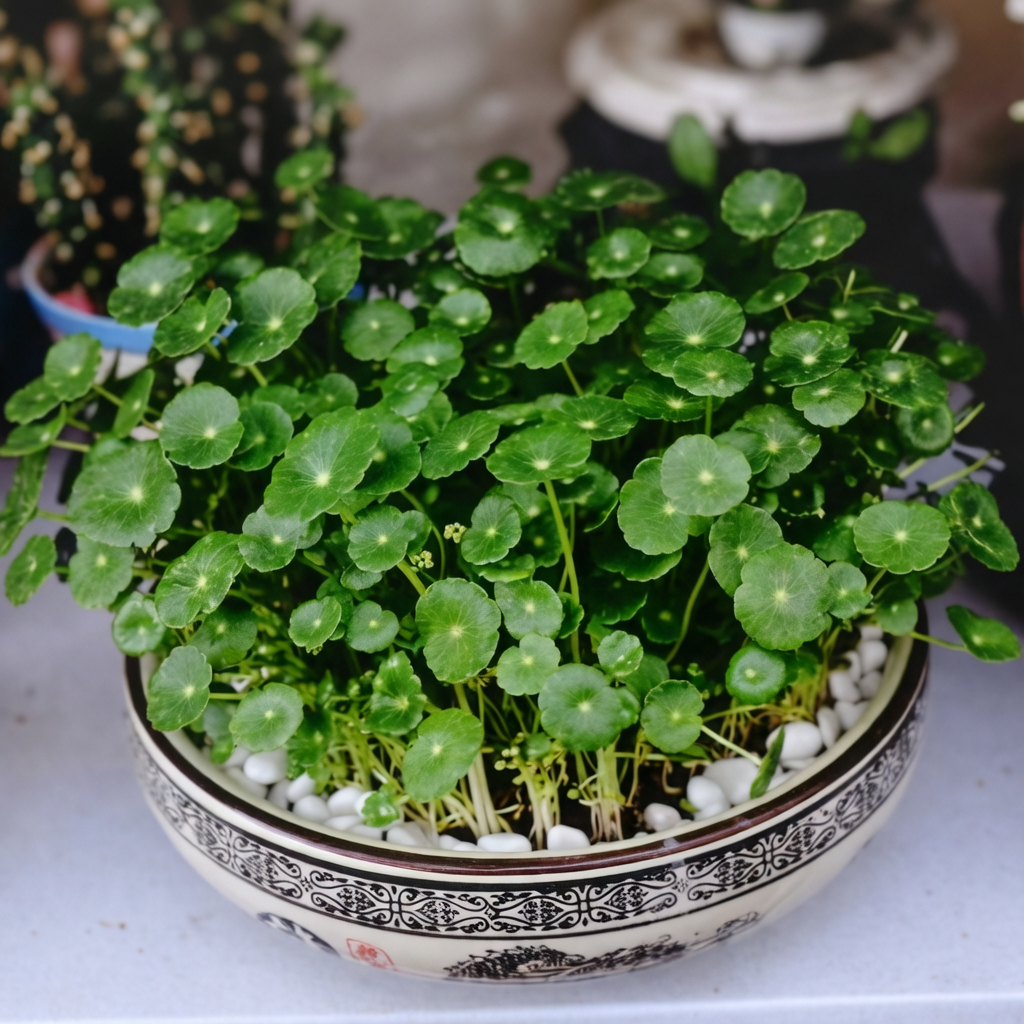
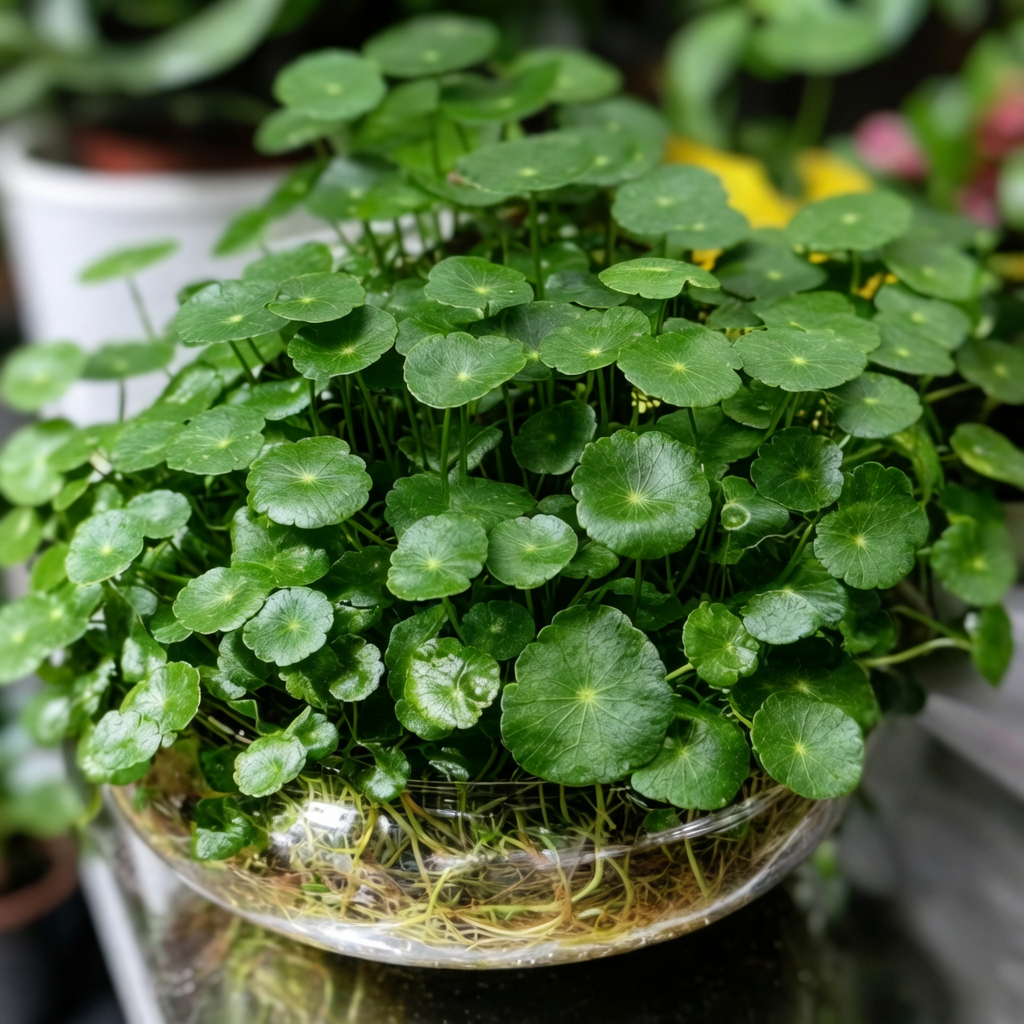
- Foliage:Round, glossy, bright green peltate leaves (the stalk attaches near the center, like a tiny umbrella/coin). With strong light and steady moisture the foliage stays lush; older basal leaves may yellow and should be removed. Rotate the pot/container about half a turn weekly for even growth, especially on a windowsill or in water culture.
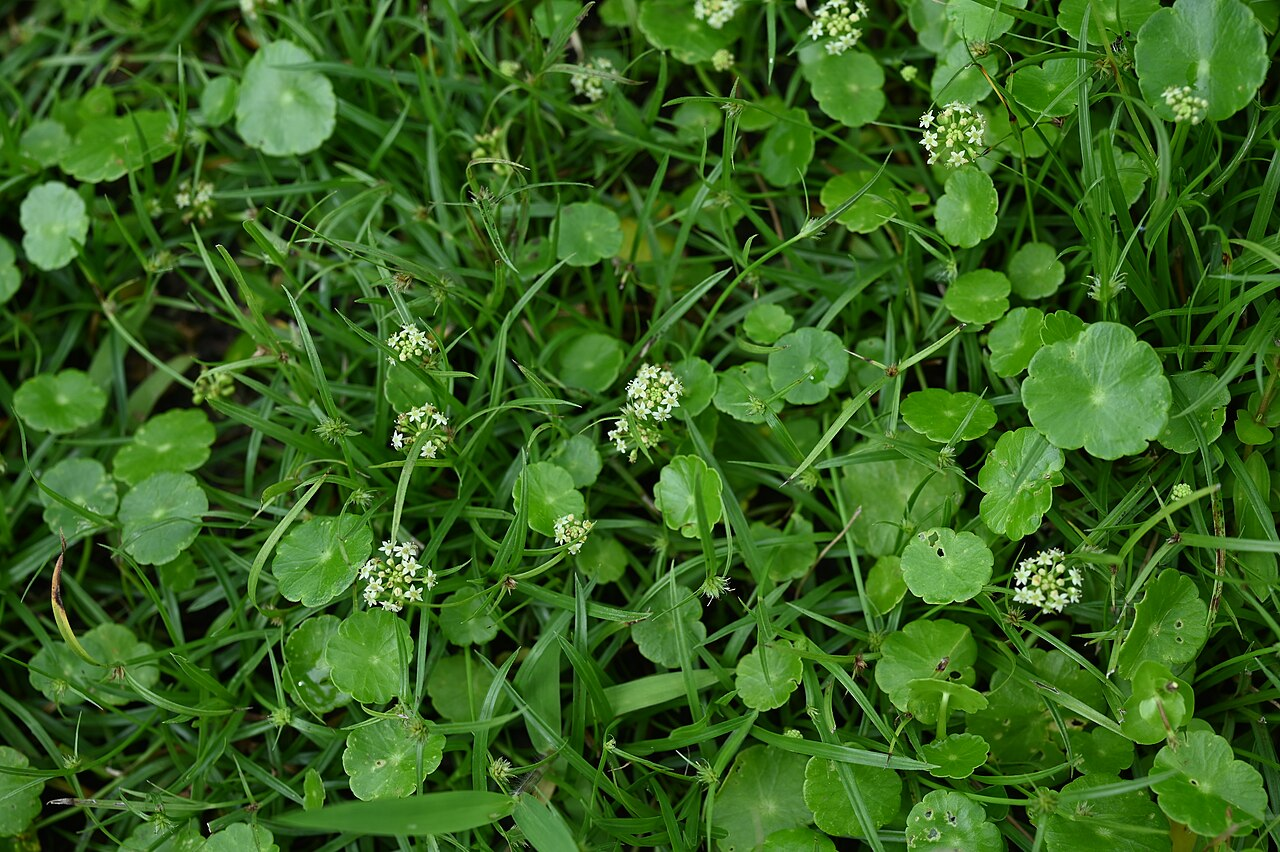
- Flower:Small, subtle greenish-white flowers held in tiny clusters; in Hydrocotyle umbellata these often form simple umbrella-like heads above the leaves. It’s usually grown for its foliage rather than blooms.
- Flowering Season:Summer to autumn
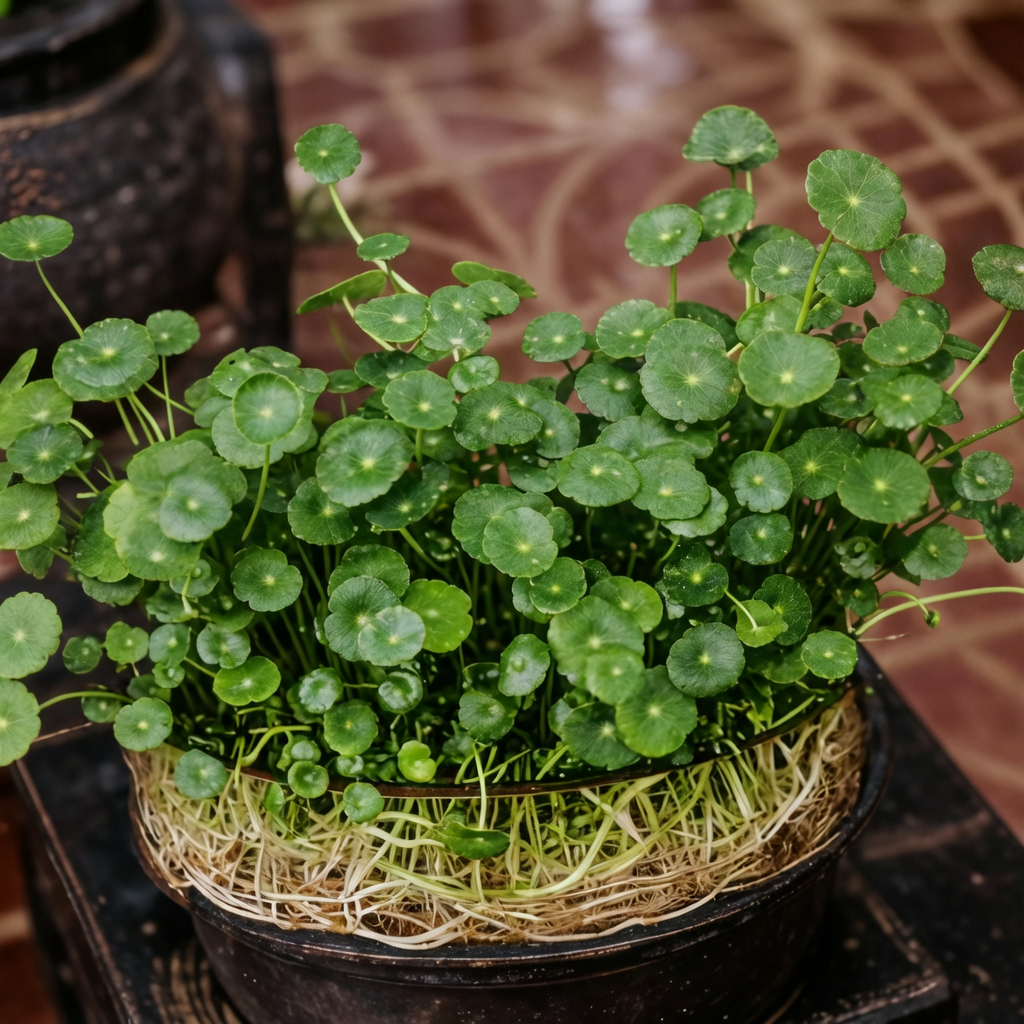
- Growth Habit:Low, mat-forming, clump-to-creeping perennial/emergent aquatic herb. Trailing stems root at nodes and quickly form dense patches; often used as a moist-site groundcover in warm climates.
🌤️ Environment
Sunlight
Bright light to full sun; tolerates partial shade. Indoors, an east- or south-facing windowsill works well. Outdoors in hot climates, give protection from harsh midday sun (about 40–60% shade or bright filtered light) to prevent scorch.
Temperature
Grows best at 20–28°C (68–82°F). Try to keep summer highs below about 30°C (86°F). In winter, protect from cold: ideally keep above 10°C (50°F) for indoor culture; at minimum, keep above about 5°C (41°F) to reduce yellowing and dieback.
Humidity
Enjoys warm, humid air; around 70–80% is excellent. In dry indoor rooms, occasional light misting or a humidity tray helps (especially in summer).
Soil
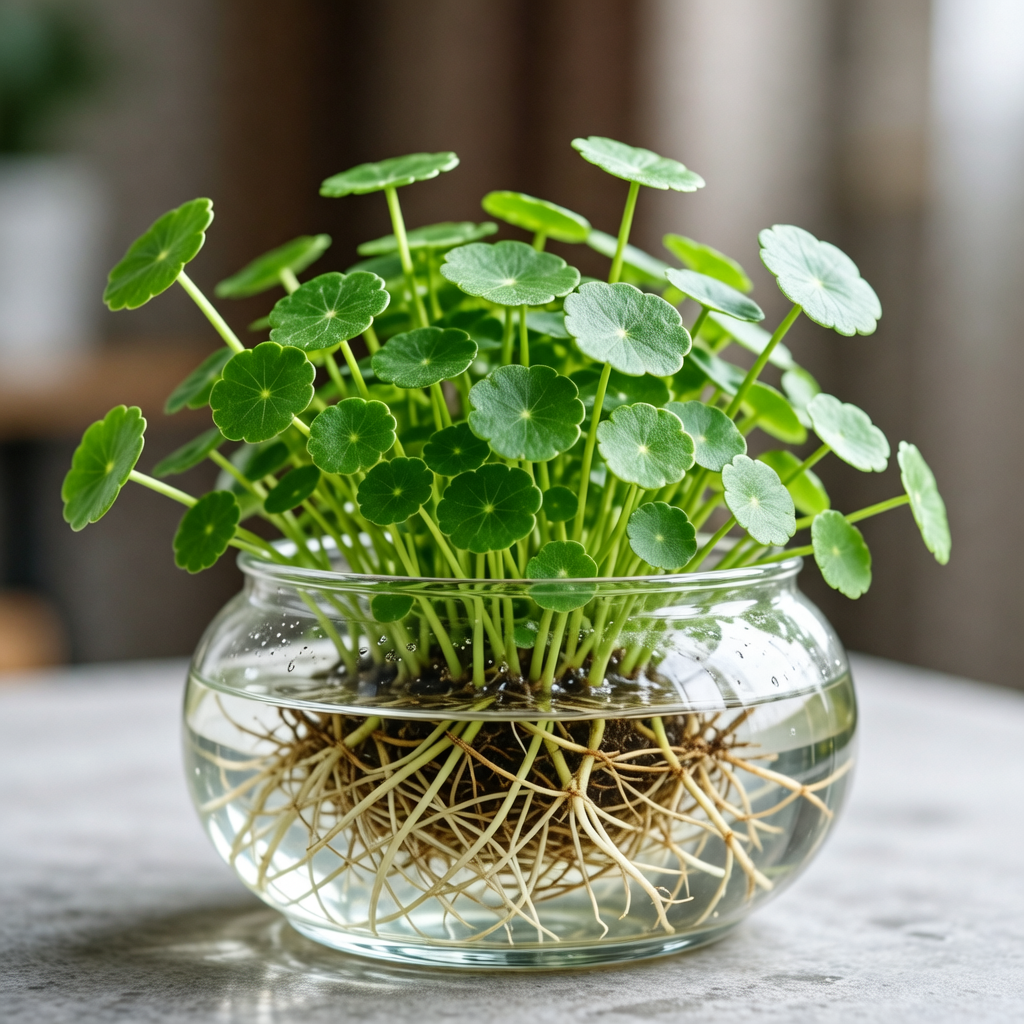
Very flexible: grows in clean water (hydro/water culture) or in consistently moist, airy soil. For soil, use a moisture-retentive but breathable mix (loam/potting soil plus compost/leaf mold and some coarse sand). For water culture, use clean water and optionally pebbles/LECA/decorative stones to anchor roots; refresh water regularly to avoid stagnation.
Placement
Bright windowsill, desk, or tabletop where it can stay evenly moist; also great in a glass container, shallow bowl, paludarium, or at the edge of an aquarium/mini-pond (with adequate light and regular water changes). Outdoors (warm areas): pond edges and damp, lightly shaded beds.
Hardiness
Frost tender overall (commonly treated as hardy only in warm regions). Keep protected from freezing; as a guide, treat it as suitable for frost-free climates and overwinter indoors in cold areas.
🪴 Care Guide
Difficulty
Easy—its success mostly comes down to two things: bright light and consistently moist conditions. It isn’t a heavy feeder, and it bounces back quickly when conditions are stable.
Buying Guide
Look for compact plants with dense, vivid green, glossy leaves. Avoid plants with yellowing, scorch marks, spots, torn leaves, or obvious pests. After purchase, acclimate in bright, indirect light with good airflow before moving into stronger sun; keep moisture steady and wait for new growth before feeding.
Watering
Soil culture: keep the potting mix consistently moist—don’t let it dry out or crack. In active growth, watering every 2–3 days is common, adjusting for heat and pot size. In winter, keep slightly drier than summer but never bone-dry.
Water culture: rinse roots and trim any damaged/rotted parts; place in clean water. When first switching/setting up, change water every 3–4 days; once new white roots appear, change every 7–10 days. Top up as needed and avoid letting water go stale. Consistency is key—yellow leaves often follow repeated “too dry / too wet” swings or stagnant water.
Fertilization
Feed lightly during active growth. A balanced liquid fertilizer at low strength works well: about every 2–4 weeks (many growers prefer every 2 weeks in water culture, or about monthly in soil). Avoid overdoing nitrogen, which can make growth weak and leggy. Do not fertilize in winter; keep fertilizer off the leaves to prevent spotting/burn.
Pruning
Pinch or剪掉 yellow, damaged, or diseased leaves promptly. If stems get tall, floppy, or uneven, trim back to encourage fresh shoots from nodes and the base. For symmetrical growth, rotate the container weekly (especially near a window).
Propagation
Very easy.
• Division (best in spring): split a dense clump into sections and replant.
• Node/tip cuttings (summer or during warm active growth): take 10–15 cm (4–6 in) cuttings with nodes; root in moist sand or directly in water. At about 20–24°C (68–75°F), rooting often takes ~2 weeks.
• Seed: sow on a moist medium in spring or autumn; warm temperatures around 19–24°C (66–75°F) can germinate in roughly ~10 days under steady moisture.
Repotting
Repot/divide in spring when the container is crowded with roots and runners. Shallow, wide pots or bowls suit it well; a 15–20 cm (6–8 in) diameter container is a common starting size, or move up to larger bowls/aquariums if you want a wide ‘carpet’ effect.
📅 Seasonal Care Calendar
Spring: strongest growth; repot and divide; water frequently (often every 2–3 days in soil); provide bright light.
Summer: protect from harsh midday sun; keep temperatures under ~30°C (86°F); mist in dry air; take 10–15 cm (4–6 in) cuttings and root at 20–24°C (68–75°F) in ~2 weeks.
Autumn: keep evenly moist; water when the surface just begins to dry; seed sowing is possible at 19–24°C (66–75°F).
Winter: keep in bright light, above 10°C (50°F) ideally (at least above 5°C / 41°F); reduce watering slightly but don’t let it dry out; stop fertilizing.
🔬 Pests, Diseases & Safety
Common Pests & Diseases
Aphids commonly target tender new growth. Rinse off with water, remove by hand, or treat with insecticidal soap if needed. Yellowing leaves are usually a care signal: inconsistent moisture (too wet for too long, allowed to dry out), cold stress, poor ventilation, low light, or dusty leaves. Improve airflow, stabilize watering, keep water fresh in hydro setups, and occasionally rinse the foliage.
Toxicity
No widely accepted evidence of significant toxicity to people or pets is documented for commonly grown Hydrocotyle pennyworts, but any houseplant can cause mild stomach upset if chewed. Keep away from pets that like to nibble, and seek medical/vet advice if symptoms occur.
🎋 Culture & Symbolism
Symbolism:Often linked with prosperity, wealth, and “money luck,” thanks to its coin-shaped leaves.
Uses:Primarily ornamental: a popular windowsill and desktop plant grown in pots or shallow water bowls; also used around pond margins, in paludariums, and as a damp-site groundcover in warm climates for a fresh, calming green look.
❓ FAQ
Why are my pennywort leaves turning yellow?
The usual culprits are unstable moisture (repeated drying out or staying stagnant/soggy), cold stress (especially below about 5°C / 41°F), poor ventilation, or low light. Keep conditions steady: bright light, consistently moist soil or regularly refreshed clean water, warmer temperatures, and better airflow. Remove yellow leaves so the plant can focus on new growth.
How do I pick a healthy plant, and what should I do right after buying it?
Choose a compact plant with many glossy green leaves and no spots, scorch, pests, or chilling damage. At home, start it in bright, indirect light with good airflow (don’t rush it into harsh sun), keep moisture consistent (or keep water clean if hydro), and only begin light feeding after you see fresh new leaves.
💡 Fun Facts
- Those “coin” leaves are peltate—each leaf stalk attaches near the center, like a tiny umbrella handle.
- It’s happy in both wet soil and shallow water, which is why it’s a favorite for bowls, paludariums, and aquarium edges.
- It spreads fast because stems root at the nodes—so it’s one of the easiest plants to divide and share.